
Tour review · TOURS
Berlin: 2.5-Hour Neighborhood Tour of Neukölln
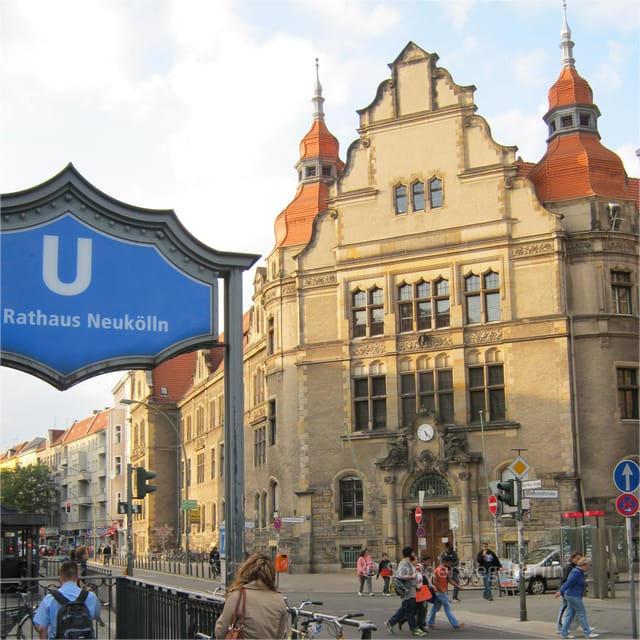
Neukölln tells its story through buildings. In just 2.5 hours, you get the old district court and former prison, then the street-level drama of local architecture like the Town Hall. I like tours that don’t treat history like a lecture, and this one uses real corners, façades, and names to make the city’s changes feel practical and close.
A second thing I really like is how the walk connects the proletarian housing story of Rollberg with what you can actually see around Innstraße and Karl-Marx-Straße. One consideration: this is a walking tour, so if you get tired fast, plan for steady time on your feet and bring water.
Key moments to look out for
- Old district court and former prison in Neukölln, where everyday space meets heavy history
- Neukölln Town Hall, with architecture you can study like a guidebook page
- Rollberg and proletarian residence district context, explained through still-standing housing
- Innstraße housing complex, a strong example of how neighborhoods were planned and built
- Karl-Marx-Straße arcade plus Saalbau Neukölln, architecture that shapes how people move and gather
- Bohemian Rixdorf exile houses and Bethlehem Church at Richardplatz, for the faith-and-community side of the story
Why Neukölln, and why this tour fits 2.5 hours
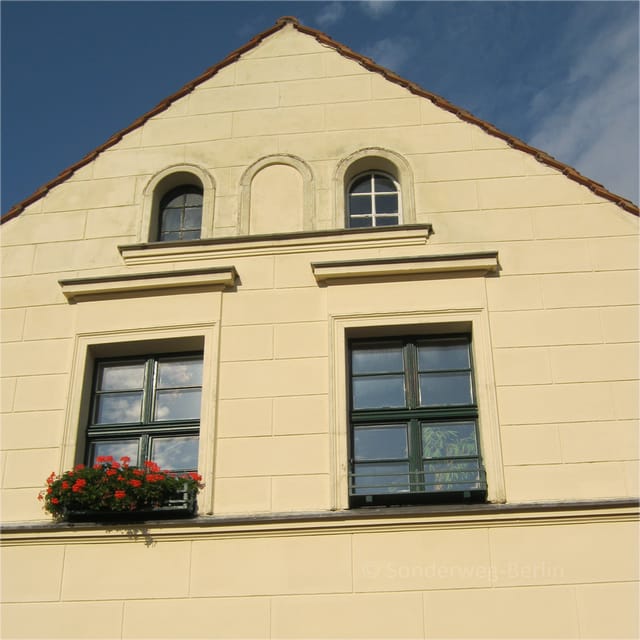
Neukölln is one of those Berlin districts where the city feels layered instead of polished over. You can stand in a modern street and still sense older rules of life underneath, whether it is justice, housing, religion, or public services. This tour works well because it chooses places that are visually specific, not just generic “important” spots.
At $23 per person for 2.5 hours, the value comes from the guide time. You are not just paying to see façades. You are paying for someone to connect the dots: why a name changed, what kind of people settled here, and what social ideas got built into brick and street plans.
The other smart choice is focus. You get concentrated stops across Neukölln, enough to make a map in your head without turning this into an all-day marathon.
Before the plan settles, compare this with a few more ways to spend time around Berlin.
- Berlin: Reichstag, Dome and Government District Guided Tour★ 4.7 · 18,288 reviews
- Berlin: 1-Hour City Tour by Boat with Guaranteed Seating★ 4.3 · 16,993 reviews
- Berlin: Boat Tour Along the River Spree★ 4.4 · 11,252 reviews
- Discover Berlin Half-Day Walking Tour★ 5.0 · 9,624 reviews
Richardplatz: a village-feel in the middle of a big city
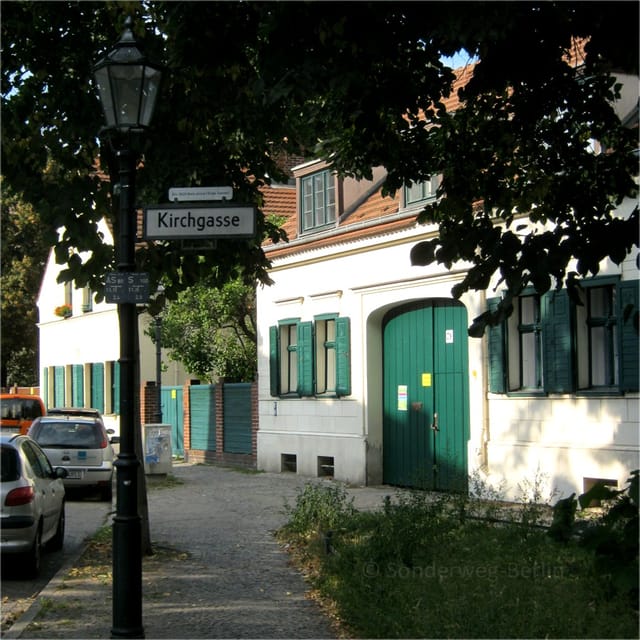
The heart of the walk often centers around Richardplatz, and that matters because Richardplatz still carries a village-like atmosphere. That phrase is not marketing fluff here. It is the kind of feeling you notice when streets, corners, and local institutions seem to operate at a neighborhood scale rather than a purely tourist one.
From this area, you can shift into the story of Rixdorf and the Bohemian exiles. The area’s origins go back before 1912. Over time, Bohemian Exulanten (Protestant refugees) lived alongside the German population as early as the 18th century. The tour links that to everyday life shaped by faith and puritan-style habits, which is a useful contrast to the stereotypes tied to the district name later on.
The Bethlehem Church at Richardplatz: faith shows up in architecture
A key stop near Richardplatz is the Bethlehem Church. Churches are easy to treat as landmarks only, but on this tour they become a clue to how community identity formed in this neighborhood. When the guide ties the building to the earlier Protestant refugee presence, it changes how you look at the façade.
What I appreciate is that this is not presented as one culture replacing another. Instead, the tour frames the neighborhood as an ongoing mix, with religious life and social rules helping shape daily rhythms. Even if you are not a religious traveler, you will understand why a church can matter to street life for generations.
Rixdorf becomes Neukölln: a name change with an image problem
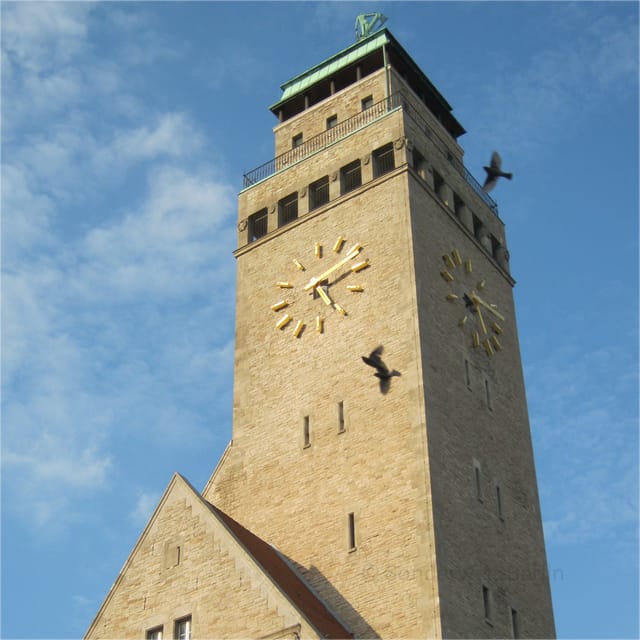
One of the most memorable parts is the explanation of why Rixdorf was renamed Neukölln in 1912, with approval from Wilhelm II. The reason is surprisingly blunt: the city south of Berlin was seen as an epitome of frivolous entertainment, and the name created an image problem.
That detail is useful because it gives you a lens for the district. It is not only about politics or paperwork. It is about perception, branding, and how authorities tried to manage reputations. You can then compare that with the earlier history of serious religious refugees and the practical life they built here.
If you like Berlin history that connects policy to real streets, you will probably enjoy this section.
Rolling through Rollberg: proletarian housing explained on the sidewalk
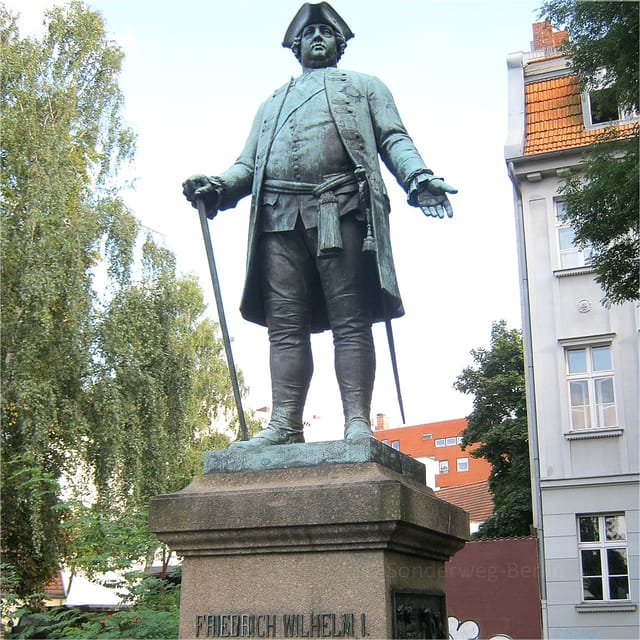
The tour’s history thread includes the Rollberg area and its role as a proletarian residence district. What makes this part work is how the guide ties social intent to architectural form. You are not just hearing that people needed housing. You see how planning and building styles reflected the era’s ideas about urban life.
As you move around Rollberg-related stops, you will also notice the connection to major housing architecture. A highlight is the housing complex on Innstraße, which gives you something to study with your eyes, not just a concept. The tour encourages you to pay attention to scale, structure, and how the buildings hold space for daily routines.
A possible drawback here: if you prefer history told through museums and objects, you may need to do a little mental “reading” with your eyes. But that is also the point. You get to experience history in place.
- Berlin: Reichstag, Dome and Government District Guided Tour
★ 4.7 · 18,288 reviews - Berlin: 1-Hour City Tour by Boat with Guaranteed Seating
★ 4.3 · 16,993 reviews - Berlin: Boat Tour Along the River Spree
★ 4.4 · 11,252 reviews - Discover Berlin Half-Day Walking Tour
★ 5.0 · 9,624 reviews - Berlin: Hop-on Hop-off Bus Tour with Live Commentary
★ 4.3 · 8,579 reviews
Innstraße and the housing complexes: how planning shapes daily life
The Innstraße housing complex is an architecture-focused stop, and it is the kind of place where you stop automatically and start looking at details. On a good guided walk, that attention becomes practical. The guide helps you see how housing design affects how people live: movement through entrances, how buildings face the street, and how the neighborhood layout supports community life.
This is also where the tour’s multicultural angle makes sense. Housing is where different lives touch, overlap, and coexist. When you understand that, you stop thinking of architecture as scenery and start treating it as infrastructure for society.
The Town Hall: architecture you can actually measure with your eyes
Another major highlight is the Town Hall. Even if you do not consider yourself an architecture nerd, you will likely find something to focus on: symmetry, proportions, and the sheer visual confidence of the building.
On this tour, the Town Hall is not just a pretty exterior stop. It acts like a counterpoint to the more heavy-hitting justice-and-prison sites. You get a fuller picture of power in the district. There is formal authority here too, just expressed through civic design rather than confinement.
Old Neukölln public pool façade: public life, not just private rooms
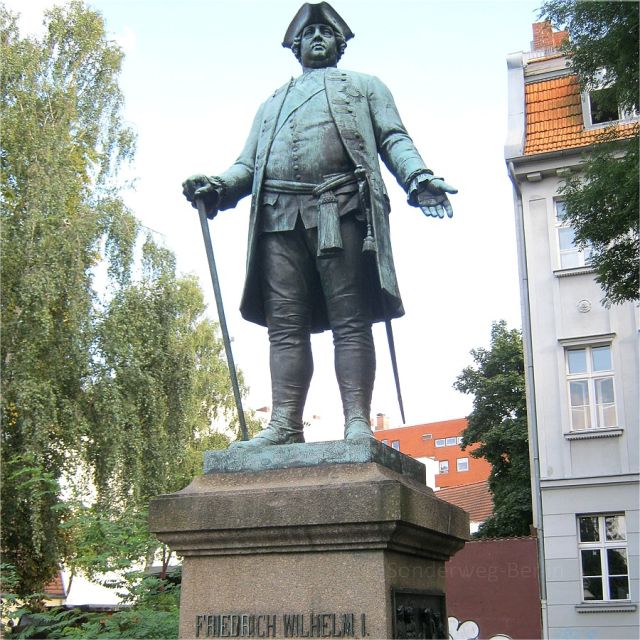
The tour also includes the façade of the old Neukölln public pool. This type of stop is easy to skip if you are only hunting famous monuments. I like it because it reminds you that a neighborhood is shaped by public services, not only by courts and churches.
When your guide connects the pool to community life, the building becomes more than an old structure. It is a hint about how residents stayed healthy, met neighbors, and used shared spaces. Even from the outside, the façade gives you a sense that the district expected public institutions to matter.
If you enjoy the social-history angle of architecture, this is one of your better stops.
Saalbau Neukölln and the street rhythm of Karl-Marx-Straße
Next comes Saalbau Neukölln, another standout for architecture and local gathering culture. The Saalbau is the kind of building that signals “public life happens here.” The tour uses it to show how culture and community infrastructure evolved in Neukölln.
Then you move to Karl-Marx-Straße, where the tour includes the arcade. Arcades are great for understanding cities because they show how pedestrian movement and commercial life overlap. You can see the logic of walkways designed for foot traffic, protection from weather, and the convenience of nearby services.
This section is especially valuable if you have limited time in Berlin. You get a taste of how Berlin districts work beyond the headline attractions.
Old district court and former prison: justice written into the street
One of the most compelling highlights is visiting the old district court and the former prison in Neukölln. This is the part where the tour’s tone likely feels heavier, because you are dealing with confinement and law.
The value here is context. The guide helps you understand why these institutions existed in this part of town, and how they connect to the larger story of everyday life. If you have ever been confused by Berlin’s mix of brutal and beautiful architecture, this is where the city becomes clearer.
Practical note: wear comfortable shoes. Justice and prison sites often pull you in close for good viewing, and you will likely want to linger.
Bohemian Rixdorf exile houses and the Bethlehem Church connection
The walk finishes its cultural thread with exile houses in Bohemian Rixdorf and revisits the theme around Richardplatz and the Bethlehem Church. This is where the neighborhood’s identity feels the most specific.
The tour frames the Bohemian exile presence by emphasizing religious faith and puritanism as shaping everyday life. That detail matters because it changes how you interpret housing. Exile houses are not only about shelter. They hint at social structure, community support, and the need to rebuild life.
You might not get every detail of family histories from a walking tour, but you will walk away with a clearer understanding of why the area looked and felt the way it did across centuries.
What makes the guide experience stand out (and why it matters)
This is a guided tour with an expert guide. That single line is not enough, because the difference between a decent guide and a great one is how they make connections fast.
In the feedback, one theme pops up: guides communicate history with clarity and personality, not in a stiff schoolbook voice. You also hear specific topics like the district’s development and the city coat of arms (Stadtwappen) woven into the walk. That kind of detail helps you remember what you saw, because you get meaning attached to visual cues.
Also, the tour can feel more personal at quiet times. There is evidence that when the group is small, you get more back-and-forth, and the route can feel like it is tailored to your pace.
Price, timing, and how to decide if it is your kind of walk
For $23 for 2.5 hours, this is priced like a solid intro tour, not a premium deep-specialist experience. The value is strongest if you want structure. You will save time trying to figure out which streets matter and why. The guide handles that, and you spend your energy actually looking and absorbing.
It is also a good length. Two and a half hours is long enough to stitch a story together, but short enough that you can keep exploring on your own afterward.
If you prefer quick photo stops only, you might feel the tour is a bit more talk than you want. On the other hand, if you like a walk where you learn names, dates, and motives behind urban change, you will likely feel it is worth it.
Who should book this Neukölln neighborhood tour
Book it if you:
- Want Berlin district history tied to architecture you can see
- Enjoy neighborhoods where migration, religion, and housing history overlap
- Like guided walks with a clear route and a focused time window
- Want a reliable way to understand Neukölln beyond stereotypes
You might skip it if:
- You dislike walking as a format and only want indoor museum content
- You are looking for top-tier artwork or long cultural performances as the main event
Should you book this Neukölln tour?
I think this one is a great choice if you want to understand Neukölln as a real place with real social layers, not just a list of cool buildings. The mix of court, housing, civic architecture, and community institutions makes the district feel coherent. And at $23 for 2.5 hours, you are buying direction and meaning without spending a full day.
If you are in Berlin and you want at least one guided neighborhood experience that feels grounded and specific, this is the kind of tour that helps you “get” the district fast, then explore with better instincts.
FAQ
How long is the Berlin Neukölln neighborhood tour?
It lasts 2.5 hours.
How much does the tour cost?
The price is $23 per person.
What is included in the ticket price?
You get an expert tour guide.
What is not included?
Personal expenses and food and drinks are not included.
What languages is the live guide available in?
The tour is offered in German and English.
Is the tour wheelchair accessible?
Yes, it is wheelchair accessible.
Is free cancellation available?
Yes, you can cancel up to 24 hours in advance for a full refund. You can also reserve now and pay later.
More Tours in Berlin



More Tour Reviews in Berlin
Recently added around Berlin

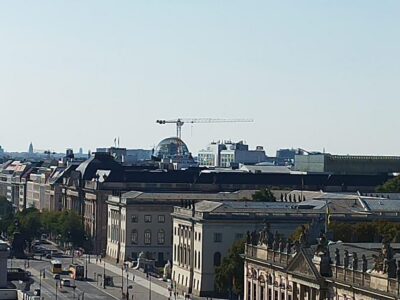

Tours, compared.
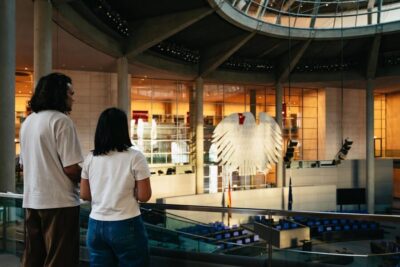 ★ 4.7Reichstag, Dome and Government District Guided TourFrom $1818,288 reviews
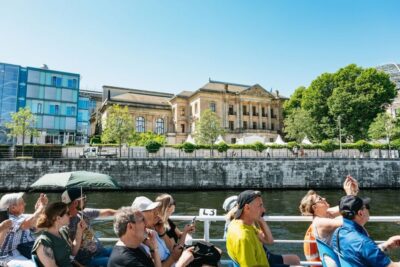 ★ 4.31-Hour City Tour by Boat with Guaranteed SeatingFrom $2516,993 reviews
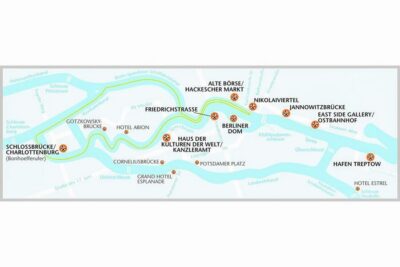 ★ 4.4Boat Tour Along the River SpreeFrom $3411,252 reviews
 ★ 5.0Discover Berlin Half-Day Walking TourFrom $249,624 reviews
 ★ 4.3Hop-on Hop-off Bus Tour with Live CommentaryFrom $228,579 reviews
 ★ 4.7Government District around the Reichstag Guided TourFrom $2848,447 reviews
 ★ 4.6Reichstag, Plenary Chamber, Cupola & Government TourFrom $188,422 reviews
 ★ 4.9Third Reich and Cold War 2 Hour Walking TourFrom $236,830 reviews