
Tour review · BERLIN
Berlin: David Bowie in 1970s West-Berlin
Berlin can feel like a time machine. In this private 3-hour tour, you follow David Bowie through 1970s West-Berlin, with stops that put you right in front of Hansa Studios and then at Bowie’s Berlin home. I love how the guide ties the city to the songs you already know, not just to famous addresses. I also like the focus on the everyday hangouts, the kind that shaped Bowie’s mood and sound. The one thing to consider is that this is a walking-and-bus format, and food and drinks are not included, so plan a snack or a later meal.
I also appreciate how the tour starts with context at Martin Gropius Bau, where a major Bowie exhibition ran in 2014, then moves through classic landmarks in City West before finishing by bus. If you want Berlin as a cultural puzzle, music as a clue, and Bowie as the guide, this is an easy way to see the connections in a short time. The tour runs with a live guide in English, French, or German, for private groups.
Key things you will notice on this Bowie in West-Berlin tour
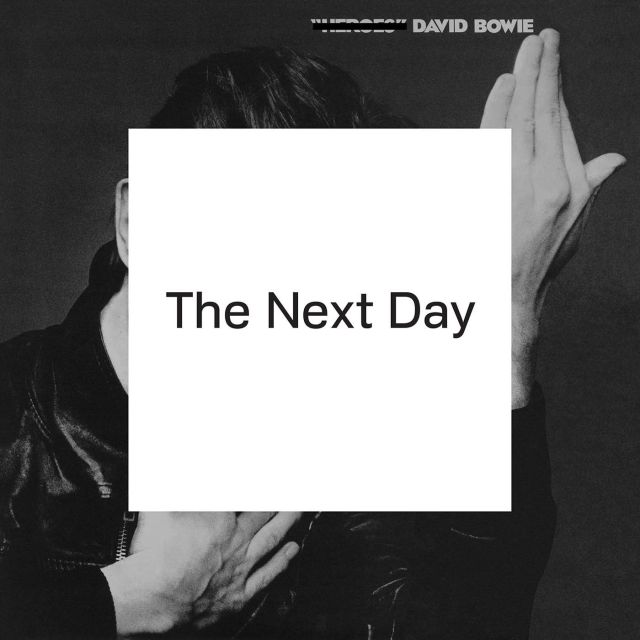
- Hansa Studios in real life, not just on a poster
- Nightlife locations tied to Bowie’s late-night scenes, including Chez Romy Haag and the former Dschungel area
- Bowie’s Berlin home stop at the end, reached by bus
- City West orientation with passes like Potsdamer Platz and KaDeWe
- Song-to-place storytelling, including Heroes and tracks linked to his West-Berlin years
- A guide who adapts, so the pace and focus can fit your interests
Before the plan settles, compare this with a few more ways to spend time around Berlin.
- Berlin: Reichstag, Dome and Government District Guided Tour★ 4.7 · 18,288 reviews
- Berlin: 1-Hour City Tour by Boat with Guaranteed Seating★ 4.3 · 16,993 reviews
- Berlin: Boat Tour Along the River Spree★ 4.4 · 11,252 reviews
- Discover Berlin Half-Day Walking Tour★ 5.0 · 9,624 reviews
Why 1970s West Berlin is Bowie’s missing soundtrack
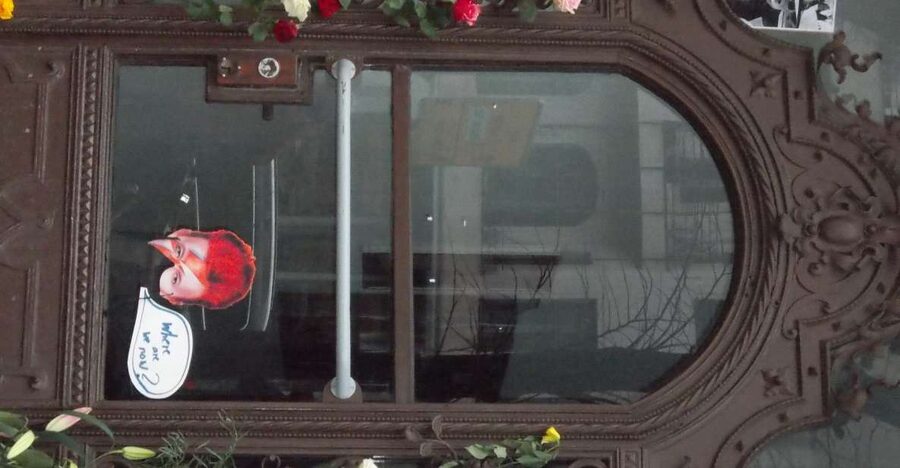
This tour works because West Berlin mattered to Bowie in ways beyond fame. After Nicolas Roeg’s The Man Who Fell to Earth, Bowie made a decisive shift, leaving behind his previous life and landing in West-Berlin. The reasons were multiple, and you will hear them explained in plain terms, with a big thread running through his interest in the emerging electronic sound.
What I like about this angle is that it helps you listen differently. The guide connects Berlin’s creative signals to what Bowie was chasing musically, not just where he stood for photos. It is not only about glamor. It is about inspiration, risk, and the feeling that the city was offering new tools for new sounds.
You also learn the practical path of how it played out. Before Bowie found his own flat, he had a place to stay via Edgar Froese, the founder of Tangerine Dream, in Froese’s apartment. That matters because it shows Berlin as a social network, not an abstract backdrop. Then you get the key “Berlin years” frame, Bowie calling the city home from 1976 to 1978, right during a period when his work started to carry that unmistakable urban electricity.
And yes, the city shows up in the music. The tour spotlights songs like Heroes and tracks tied to his West-Berlin mindset, including Boys Keep Swinging, Yassassin, and Neuköln (spelled with the intentional tweak Bowie used). So even if you only know Bowie as a radio artist, you will leave with a sense that Berlin shaped the cadence, subject matter, and even the typography.
Starting at Martin Gropius Bau, where Bowie mania was reintroduced
The tour begins at Martin Gropius Bau, a smart choice because it gives you a quick “why this matters now” moment before you go chasing street corners. In 2014, this is where the legendary David Bowie exhibition took place, and starting here means you are not just wandering. You are grounding the story in what Germany and the world decided Bowie’s legacy should look like.
The meeting point also follows a simple visual cue. Your guide is holding a David Bowie album, book, or CD, which makes it easy to find them quickly without playing guesswork. That sounds small, but on a short, 3-hour tour, reducing friction is a real quality-of-life win.
From the first stop, the guide sets up the narrative chain: why Bowie moved, how Berlin’s scenes and sounds fed his thinking, and how the places you will see relate to specific moments and themes. If you like tours that treat music like evidence, not just trivia, you will enjoy this opener.
Potsdamer Platz, City West, and how the tour keeps moving
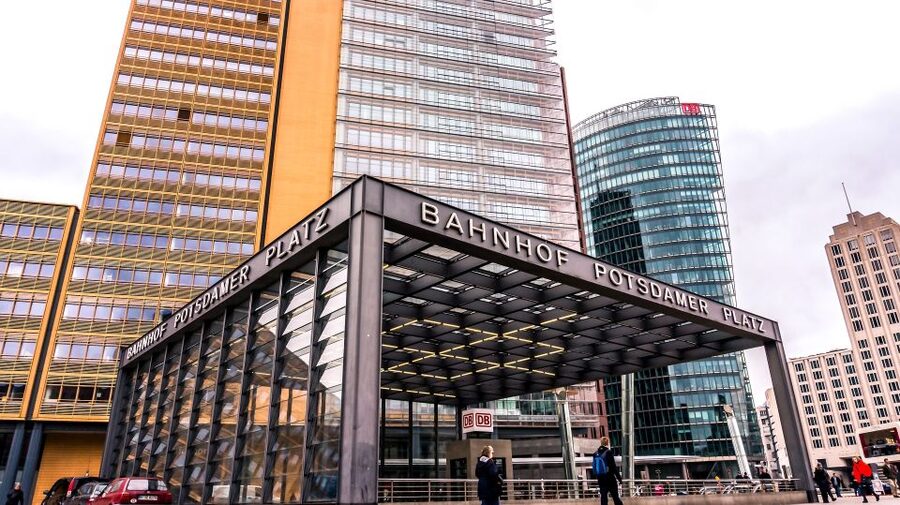
After the Gropius Bau start, the route continues toward Potsdamer Platz, a landmark that feels modern now but still carries the weight of where West-Berlin life played out. It is also tied to Bowie’s 2012 Where Are We Now, which gives you a timeline bridge. You get the feeling that the city never stopped echoing in his work, even years later.
Then the tour travels through City West, past landmarks like KaDeWe. Even if you are not obsessed with architecture, KaDeWe is useful because it anchors you in the geography of shopping, crowds, and polished city streets. Bowie’s Berlin story is not only about back rooms. Part of it is also about moving through a very particular West-Berlin normality, the kind you can feel in the streets.
One practical consideration here is that this portion is less about exact “this is the exact Bowie doorway” moments and more about orientation. If you are the type who wants only ultra-specific filming or exact-address stops, you might wish for more precision on every single street. Still, that orientation helps you understand why the later stops, like studios and clubs, hit harder.
Standing in front of Hansa Studios
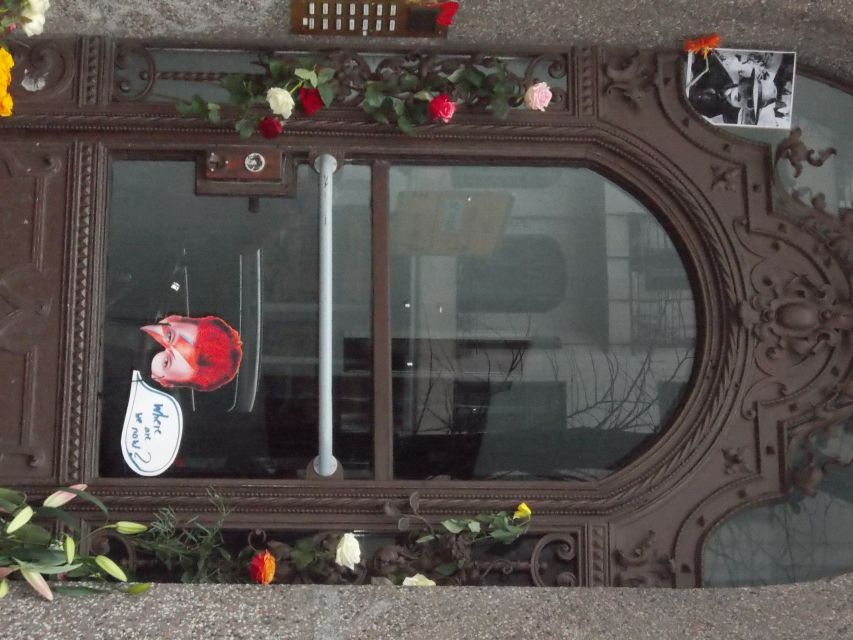
Hansa Studios is the headline stop, and for good reason. You literally stand in front of the studio, so the experience becomes physical. It is easier to picture what Bowie would have been thinking when you are at a place associated with serious recording work, where music careers can be made or remade.
What I love is how this stop connects back to the tour’s musical theme: Bowie’s fascination with the emerging electronic sound, with Düsseldorf and West-Berlin both playing an instrumental role. The guide uses this moment to explain how Berlin’s sound world felt different from what Bowie had before, and how the city’s creative ecosystem supported that shift.
There is also a quiet benefit here for fans: you stop looking at Bowie like a distant global figure. At Hansa, he becomes a working artist in a real city with real studios, schedules, and people. It makes the myth feel grounded.
If you are short on time and want one must-see moment, Hansa Studios is it. The tour hits it at just the right point in the sequence, after you have learned enough context to understand why it matters.
- Berlin: Reichstag, Dome and Government District Guided Tour
★ 4.7 · 18,288 reviews - Berlin: 1-Hour City Tour by Boat with Guaranteed Seating
★ 4.3 · 16,993 reviews - Berlin: Boat Tour Along the River Spree
★ 4.4 · 11,252 reviews - Discover Berlin Half-Day Walking Tour
★ 5.0 · 9,624 reviews - Berlin: Hop-on Hop-off Bus Tour with Live Commentary
★ 4.3 · 8,579 reviews
The former Dschungel and Chez Romy Haag, where nightlife becomes evidence
The tour’s mood changes when you start talking about nightlife. Bowie’s West-Berlin life was not only studio hours, it was the after-hours energy where style, ideas, and music traded places with drinks and conversation.
You will be transported back into the 1970s outside the club that was Chez Romy Haag. You will also see the former locations of the Dschungel, one more piece of the puzzle in how Bowie found creative fuel. These are not just trivia stops. They help you understand why certain songs feel like they do. The guide connects the atmosphere of places like these to Bowie’s themes and the emotional tone he carried during his Berlin phase.
Here is the balanced reality check. These venues are past tense. You may see areas where buildings or street layouts have shifted since the 1970s, so you have to rely on the guide’s storytelling to recreate the vibe. That is not a flaw. It is the whole point of paying for a guided tour instead of doing a self-guided photo walk. The guide gives you the mental picture that time has erased.
Still, if you are the kind of traveler who hates “invisible history,” where you have to imagine what used to be there, you might find this section less satisfying. For most Bowie fans and Berlin-curious people, this is one of the most memorable segments.
A pass through KaDeWe and Potsdamer Platz, the practical side of being famous
Some tours rush from one iconic photo spot to another. This one balances the cinematic stops with the everyday Berlin environment. Passing KaDeWe, for example, helps you picture the kind of West-Berlin city life Bowie was moving through. He was famous, yes, but he was also living in a place where daily routines, shopping streets, and city-center traffic shaped the rhythm of a normal week.
Potsdamer Platz, linked to Where Are We Now, does something similar on the memory side. You see a location that is instantly recognizable now, then you hear how Bowie’s later work points back at the city’s long shadow. That creates a satisfying loop, past to present, song to setting.
I like this rhythm because it makes the story feel less like a checklist. Instead of treating Bowie’s Berlin years like isolated monuments, the tour treats them like a living city. That approach helps you remember what you learn.
End point: Bowie’s Berlin home, reached by bus
The tour finishes by bus at David Bowie’s Berlin home. This is the part that tends to land hardest, because it is the shift from public music history to personal space. You go from studios and nightlife areas to the quieter idea of where he lived, thought, and worked between 1976 and 1978.
Even without going into private details, standing at the end of the route gives you a closing image that ties everything together. You can mentally stack the stops: electronic-sound curiosity, the early Berlin stay in Edgar Froese’s circle, the studio and the clubs, and then the home base that made it all possible.
A practical note: because the ending involves a bus ride, the tour feels efficient. You still get multiple outdoor stops, and you avoid wasting energy on transfers that would be harder to manage on your own.
The guide experience: Martin Sauter keeps it human and fun
This is a private-group tour, and that changes the feel. In the experiences shared, people praised the guide’s tone and ability to explain both Bowie and Berlin with charm and a light sense of humor. The guide named Martin Sauter is repeatedly described as engaging, communicative, and genuinely passionate about the subject.
What I would look for in a good Bowie guide is exactly what these comments suggest: the ability to make the places feel connected to the music. Not just facts, but explanations that let you understand why Bowie cared about West-Berlin in the first place.
One more useful detail, the guide can adapt the private tour to your needs. That matters if you are traveling with friends who care more about sound and songwriting, or if you want more Berlin context in general. When a guide can flex, your time stays focused and you are less likely to feel like you are being rushed through someone else’s agenda.
Value and cost: is $288 per person worth it?
At $288 per person for about 3 hours, this is not a budget outing. The key question is what you get for that money, and the answer is fairly clear based on what is included.
First, you get a live guide in English, French, or German, and the tour is private. That usually means fewer awkward moments and a more tailored pace. Second, hotel pickup is available if you want it, which helps if you are staying farther from the main sights. Third, the tour includes an in-depth view of Bowie’s life in what used to be West-Berlin, plus the why behind his move to Berlin.
Finally, the bus ride to Bowie’s home is included in the experience flow. That kind of transport is a real cost and logistics piece that self-guided plans often underestimate.
What is not included is also part of the value equation. Food and drinks are not provided, so you should plan to handle your own snack or meal around the 3-hour window. If you are the type who prefers to pay for a fully packaged day with minimal thinking, you might feel slightly more planning pressure here.
For me, the $288 feels more justified if you are a true Bowie fan or if you like music history tied to specific places. If Bowie is a casual interest, you might question whether 3 hours of street and studio story is the best use of your time in Berlin. But for the right audience, this pricing reflects a guided, transport-assisted, music-focused experience.
Who should book, and who should skip it
You will likely love this tour if:
- You are a Bowie fan who wants West-Berlin to make sense through his songs
- You care about the electronic sound era and how Berlin influenced it
- You like guided storytelling that connects nightlife, studios, and daily life
- You want a private format with a guide who can adjust your pace
You might skip it if:
- You want a museum-heavy schedule with indoor time and ticketed spaces
- You dislike imagining past nightlife scenes when venues are no longer the same
- You prefer free self-guided walks and do not want to pay for the explanations
Should you book this David Bowie in 1970s West-Berlin tour?
If Bowie is in your top tier of artists, I think this is an excellent booking. The stops are meaningful, from Hansa Studios to the club sites like Chez Romy Haag, and then the ending at Bowie’s Berlin home gives the story a strong finish. The tour also earns its price by focusing on the links between the city and the music, plus the guide’s ability to keep the tone friendly and readable.
If you are on the fence, use this simple test: do you want Berlin explained through Bowie’s life, or do you just want photos? If you want explanations and context, book it. If you only want a casual walk with a few sights, you can probably build something cheaper on your own.
FAQ
Where does the tour start?
The tour starts at Martin Gropius Bau.
How long is the tour?
The tour lasts 3 hours.
Is it a private tour?
Yes, it is a private group tour.
What language options are available?
The live guide offers English, French, and German.
Where does the tour end?
The tour ends at David Bowie’s Berlin home, reached by bus.
Is hotel pickup included?
Hotel pickup is available if you desire it.
Is food and drinks included?
No, food and drinks are not included.