
Tour review · TOURS
Berlin: Modernist Architecture Tour in the Hansaviertel
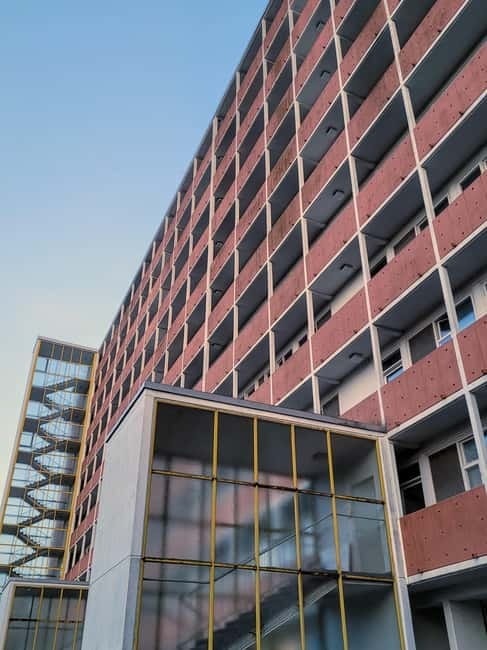
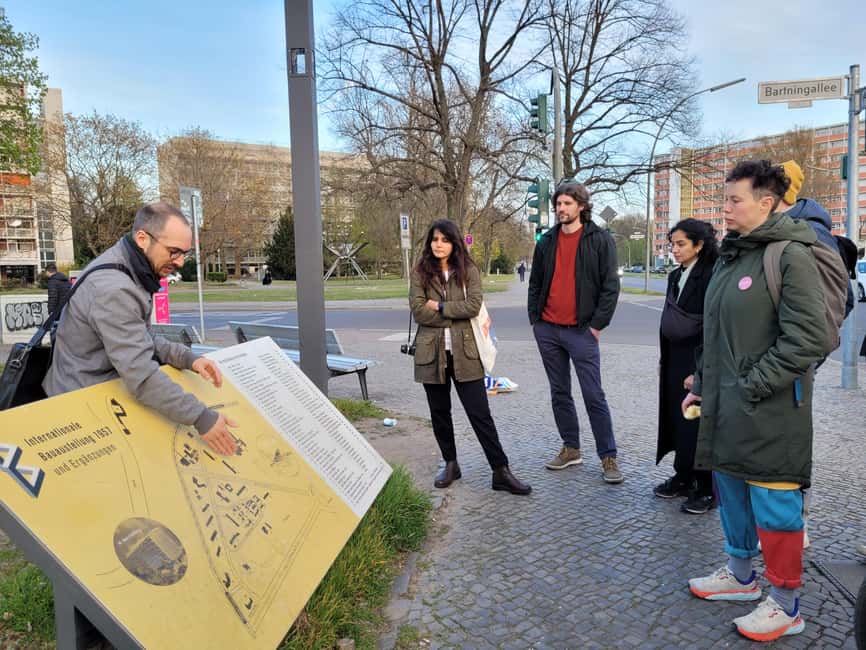
Two hours can completely change how you see Berlin. This modernist architecture tour takes you through Hansaviertel, from late 1800s villas and famous residents to West Berlin’s 1957 Interbau experiment, and it connects the buildings to the people who lived through the era. I especially love the way the route pairs sleek modern design with a stop at a memorial tied to a major Jewish community that was destroyed by Nazi persecution and later by Allied bombing. One heads-up: you cover about two hours of walking, and some moments are heavy, so it is best suited for ages 14 and up.
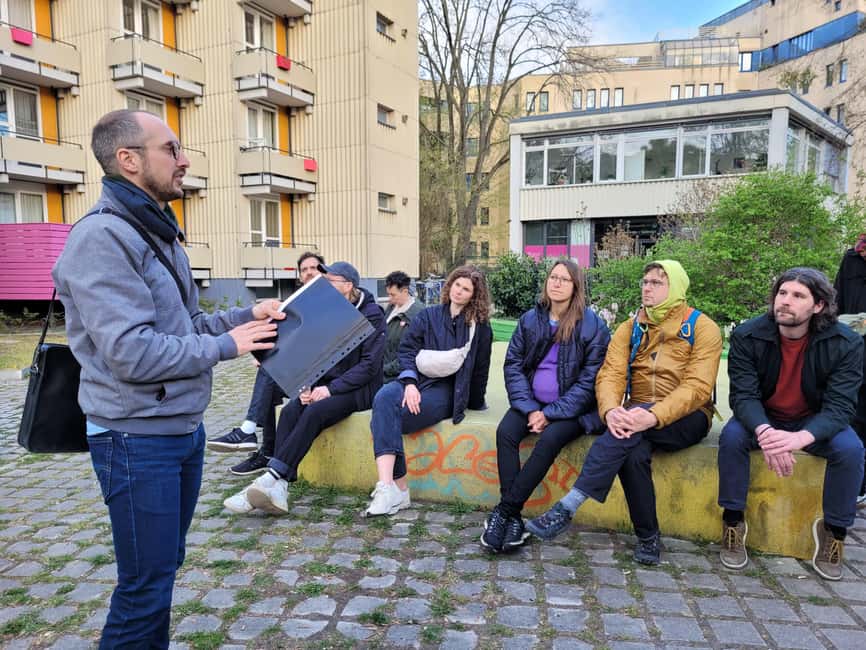
The tour starts at the Biergarten der Tiergartenquelle area, with your guide easy to spot by an orange umbrella. I also like that the guide, Morgan, keeps things lively, explains the design ideas in plain language, and stays responsive if you ask questions or want more detail.
Key things you will get from this Hansaviertel modernism walk
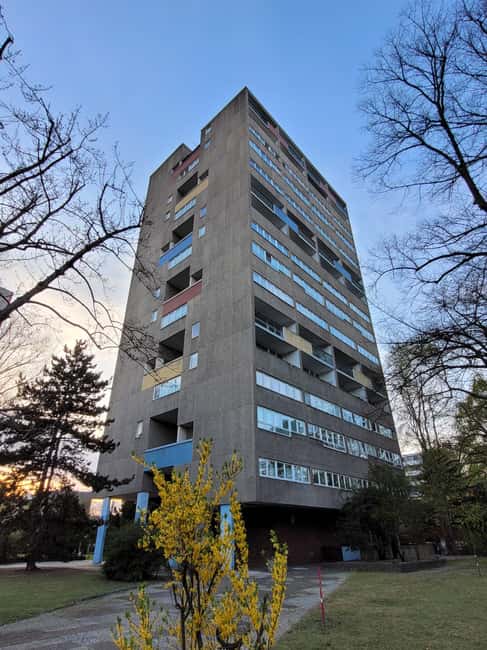
- Hansaviertel as West Berlin’s postwar model district, built as a Cold War statement
- A memorial stop connected to lost Jewish life in Berlin, not just architecture talking points
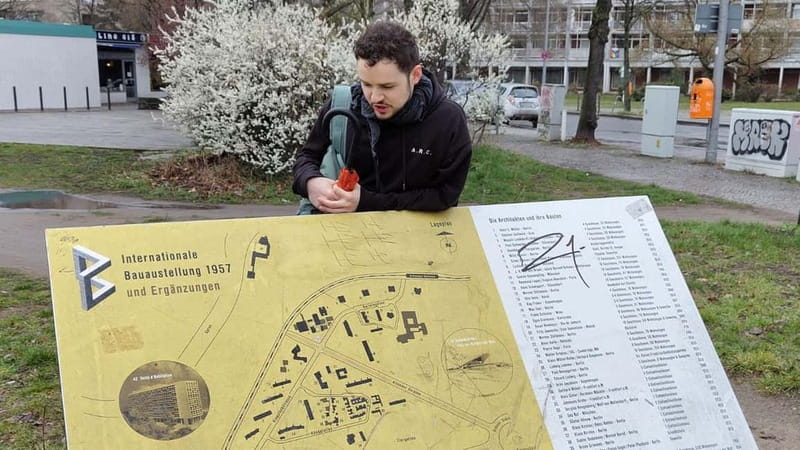
- Interbau 1957 explained as an urban design promise, not a museum lecture
- Architect names you can match to real buildings such as Walter Gropius, Oscar Niemeyer, and Alvar Aalto
- A starting point in the late 19th century, when Hansaviertel grew as a middle and upper-class enclave
- Strong value at $23 per person, for an expert-led story route without extra ticket costs
Before the plan settles, compare this with a few more ways to spend time around Berlin.
- Berlin: Reichstag, Dome and Government District Guided Tour★ 4.7 · 18,288 reviews
- Berlin: 1-Hour City Tour by Boat with Guaranteed Seating★ 4.3 · 16,993 reviews
- Berlin: Boat Tour Along the River Spree★ 4.4 · 11,252 reviews
- Discover Berlin Half-Day Walking Tour★ 5.0 · 9,624 reviews
Why Hansaviertel is a Berlin curveball between Tiergarten and Spree
Hansaviertel is not Berlin’s usual headline act. Instead of huge sights and big queues, you get a quieter kind of place that still carries serious weight. The neighborhood sits in central Berlin, tucked between the Tiergarten and the Spree, so you can feel that leafy calm while you learn how much ambition went into rebuilding it after WWII.
What makes this area worth your time is the contrast. You walk through streets that feel residential and almost gentle, then you realize the district is also a showcase for competing ideas about how a modern city should work. Hansaviertel is famous for postwar modernist buildings, but it is equally about the layers under them, including an earlier era when Berlin was expanding fast and building elegant villas.
If you like architecture, you will enjoy seeing famous modernists in a real urban setting. If you like history, you will appreciate that the tour treats design as something connected to human life, politics, and survival, not just aesthetics.
Starting at Biergarten der Tiergartenquelle, and what to expect in the first 20 minutes
You begin at Biergarten der Tiergartenquelle, near the Berlin-Tiergarten S-Bahn station (Exit Siegmunds Hof / Bachstraße). Your guide will be next to the beer garden area and easy to spot with the orange umbrella.
The first part matters because Hansaviertel can feel like a normal neighborhood until someone explains what you are looking at. Your guide sets the stage by placing the district in time, from the late 19th century into the postwar years. That context helps you avoid the common problem where modernist buildings feel like random shapes. Here, they become choices, arguments, and responses to real rebuilding challenges.
The tour runs in German and English, and it is designed for wheelchair accessibility. That means the pace and the route planning are built with accessibility in mind. Still, it is a walking tour, and you should plan for standing and walking for about two hours total.
The late 19th-century villa phase, when Hansaviertel was an elite enclave
Before Cold War concrete and experimental forms, Hansaviertel grew during Berlin’s rapid population boom. In the late 1800s, the neighborhood developed as a middle and upper-class enclave. Think villas, manicured gardens, and elegant façades. You are not only learning facts, you are training your eye to notice how a neighborhood’s social identity shows up in its streetscape.
This is where the tour becomes more than just architecture sightseeing. Your guide shares stories connected to famous people who lived in the area, including Rosa Luxemburg, Nelly Sachs, and Käthe Kollwitz. Even if you only know one of those names, it helps connect the place to intellectual and artistic life rather than treating it like a set of buildings.
Why I think this early chapter is valuable: modernist design after WWII makes more sense when you understand what came before it. You see how the postwar experiment did not arrive in a vacuum. It replaced something, and it also tried to redefine what a city should represent.
A memorial stop that makes the neighborhood’s story human
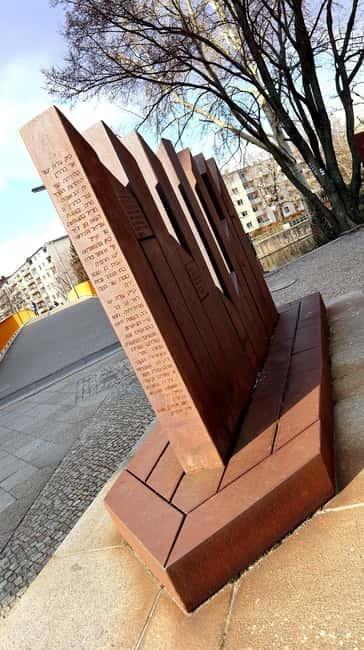
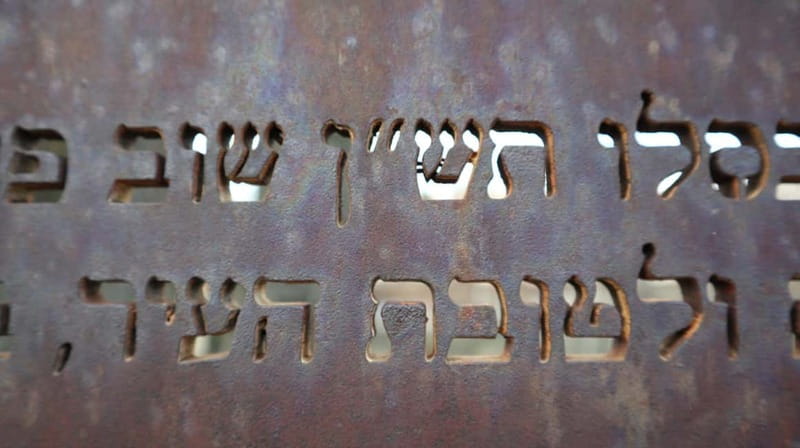
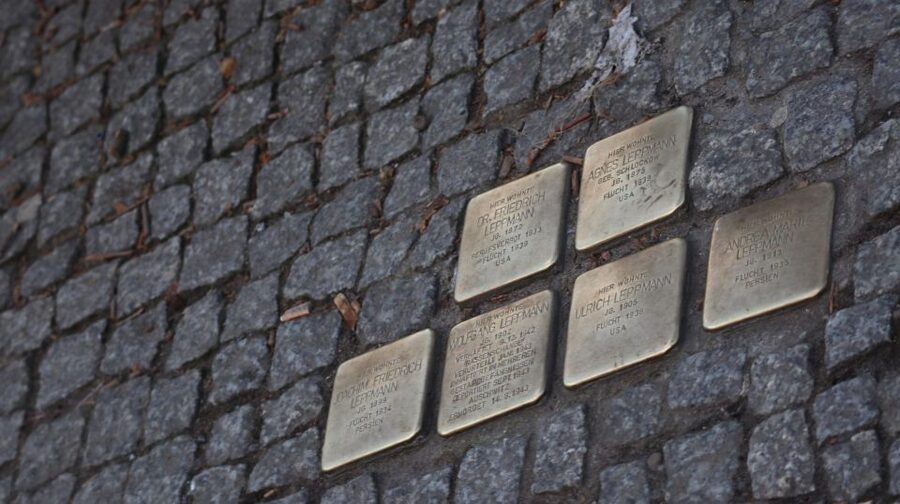
One of the most important moments on the walk is a quiet but powerful memorial at the site connected to one of Berlin’s significant Jewish communities. This neighborhood was destroyed socially and physically by Nazi persecution, and it faced further devastation through the Allied bombing raids that followed.
This is not a stop that you race through for photos. It changes the tone of the walk. The architecture lessons still matter, but they now sit beside a reminder of what was lost and what was rebuilt.
A practical consideration: if you know you get overwhelmed by heavy historical topics, plan to pace yourself. You do not have to force your way through. You can take a moment, breathe, and reset your focus. The tour’s age guidance also reflects this, since it is recommended for ages 14 and up.
This memorial stop is also part of why the tour feels more meaningful than a standard modernism circuit. The buildings are not just objects. They are part of how cities cope with catastrophe and try to define a future.
- Berlin: Reichstag, Dome and Government District Guided Tour
★ 4.7 · 18,288 reviews - Berlin: 1-Hour City Tour by Boat with Guaranteed Seating
★ 4.3 · 16,993 reviews - Berlin: Boat Tour Along the River Spree
★ 4.4 · 11,252 reviews - Discover Berlin Half-Day Walking Tour
★ 5.0 · 9,624 reviews - Berlin: Hop-on Hop-off Bus Tour with Live Commentary
★ 4.3 · 8,579 reviews
Interbau 1957, rubble into a Cold War showcase
After you leave the memorial area behind, the tour shifts dramatically into the story of West Berlin rebuilding. In 1957, West Berlin hosted Interbau, an international architecture exhibition meant to redefine what a postwar city could look like and how it could function.
Your guide explains how the district, on land cleared by war, became the stage for that message. This is where Hansaviertel turns into a Cold War artifact. The architecture is not only about comfort or practicality, it is also about ideology and identity. Different modernist approaches were competing in the open air, in real neighborhoods, with real streets and real homes at stake.
As you walk, your guide pushes you to ask questions that make the design ideas click:
- What did this architecture promise?
- What kind of life was it hoping to shape?
- Does it still feel modern?
That last question is key for you as a traveler. Many tours stop at explanation, but here you are nudged to judge what still works. You can stand in front of the buildings and ask whether the design still feels relevant today, or whether it reads like a historical statement.
Modernist icons you can actually match to buildings
Hansaviertel is often described as a showcase, and that word is accurate, but it can sound vague until you see it in context. This is where the tour names start showing up in your mind as you look.
You will learn about bold designs by Walter Gropius, Oscar Niemeyer, and Alvar Aalto, along with other influential modernists. The key point is that the buildings represent different philosophies. Some designs feel elegant and light, others feel experimental or even slightly provocative, depending on your taste.
A helpful way to watch for meaning is to focus on how each building seems to treat space:
- How it handles light and openness
- How it relates to the street and green areas
- How the forms suggest a lifestyle, not just a style
You might not catch every architectural detail in a casual glance. That is fine. The value here is that your guide translates the design language into human terms, then gives you time to look for yourself.
Also, because this is a neighborhood, you experience the architecture where it lives. That makes it different from seeing a modernist building only from a distance or inside a museum setting.
The 2-hour format, walking pace, and who it suits best
The tour runs about two hours, with about 1.5 hours focused on the Hansaviertel walk and the rest built into the start and transitions. You should be comfortable walking and standing for that amount of time.
In terms of fit, this is ideal if you:
- Want to see modernist architecture with real historical context
- Prefer a guided walk over a bus tour
- Like stories that connect buildings to politics, resistance, and rebuilding
It is less ideal if you want a quick stop where you can mostly browse on your own with minimal walking. This is also not meant for younger kids, since it is not suitable for children under 14. That lines up with the depth of the historical material and the memorial portion.
One more practical note: bring comfortable shoes and water. It is a walking tour, so your feet will be your main concern, not the ticket office.
Price and value: why $23 per person feels fair here
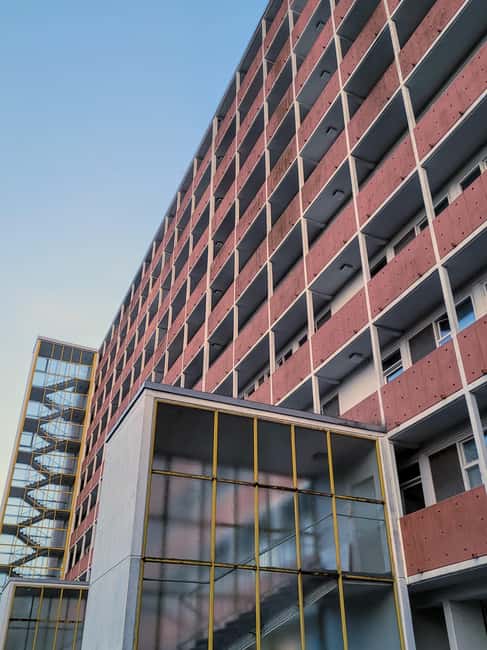
At $23 per person, this tour is priced like a smart add-on day activity, not a full-day splurge. And you actually get what you pay for: an expert local guide plus a focused, story-driven walking route through a district that can be confusing if you visit alone.
You also do not have to budget for extra museum tickets as part of the experience, since entry to museums or monuments is not specified in the tour details. That matters because architecture tours can quietly add costs if they include major indoor stops.
Food and drinks are not included, so plan to eat before or after. The route is built for walking and learning, not for sitting down with a meal.
Overall, the value comes from the combination: a unique neighborhood you might miss, plus a guide who can translate modernism and Cold War history into something you can process in real time.
Should you book the Berlin Hansaviertel modernist architecture tour?
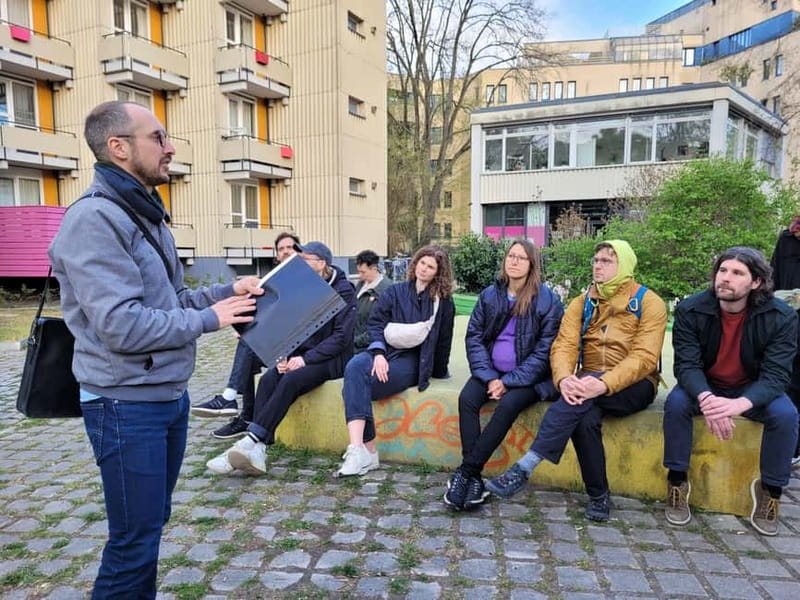
Book it if you want Berlin beyond the postcard landmarks. This tour is especially for you if you like architecture with context, and if you enjoy walking through a real neighborhood while someone explains the ideas behind the buildings.
Skip it only if one of these applies:
- You cannot manage about two hours of walking
- You are traveling with children under 14
- You prefer purely visual sightseeing with little historical content, because this route includes a memorial and serious Cold War material
If you do book, go in with a curious mindset. Let the guide give you the timeline, then take a slow look at what you are seeing. Hansaviertel rewards that kind of attention. You end with a clearer sense of how design becomes policy, how rubble becomes messaging, and how a city tries to reinvent itself one street at a time.
FAQ
How long is the Berlin Hansaviertel modernist architecture tour?
It lasts about 2 hours. You should plan for around 2 hours of walking and standing.
Where does the tour start and end?
The tour starts at the Biergarten der Tiergartenquelle, near the Berlin-Tiergarten S-Bahn station (Exit Siegmunds Hof / Bachstraße). It ends back at the meeting point, with the tour finishing at Hansaplatz.
What is included in the ticket price?
The price includes an expert local guide. Food, drinks, and any museum or monument entry are not included unless specifically stated in the itinerary.
What languages is the guide available in?
The live guide speaks German and English.
Is the tour wheelchair accessible?
Yes, the tour is listed as wheelchair accessible.
What should I bring for the walk?
Wear comfortable shoes and bring water.
If you want, tell me your dates and whether you prefer English or German, and I can help you pick the best timing to fit the rest of your Berlin day.
More Tours in Berlin





More Tour Reviews in Berlin
Recently added around Berlin


Tours, compared.
 ★ 4.7Reichstag, Dome and Government District Guided TourFrom $1818,288 reviews
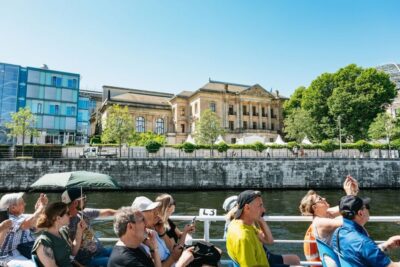 ★ 4.31-Hour City Tour by Boat with Guaranteed SeatingFrom $2516,993 reviews
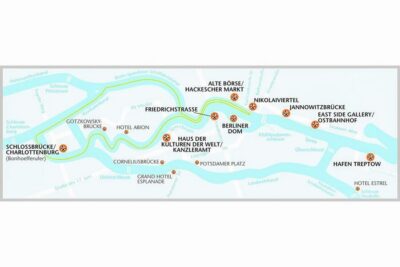 ★ 4.4Boat Tour Along the River SpreeFrom $3411,252 reviews
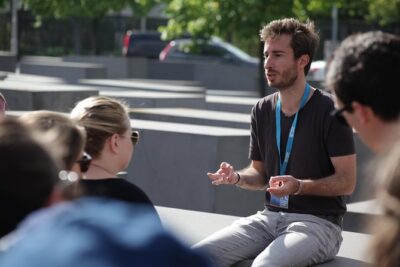 ★ 5.0Discover Berlin Half-Day Walking TourFrom $249,624 reviews
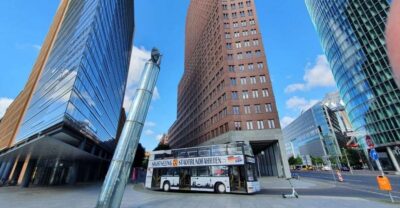 ★ 4.3Hop-on Hop-off Bus Tour with Live CommentaryFrom $228,579 reviews
 ★ 4.7Government District around the Reichstag Guided TourFrom $2848,447 reviews
 ★ 4.6Reichstag, Plenary Chamber, Cupola & Government TourFrom $188,422 reviews
 ★ 4.9Third Reich and Cold War 2 Hour Walking TourFrom $236,830 reviews