Tour review · BERLIN
Berlin: The Feuerle Collection Meditation Experience
One hour, no talking, lots of art. This Feuerle Collection session is built for a quiet, mobile-detox mindset, and I love how the artwork does the heavy lifting without needing explanations. I also really like the mix, from early Khmer sculptures to Imperial Chinese furniture, with a modern art layer that feels surprising in the best way. The one watch-out is simple: this is not a guided tour, so if you want a lecture or a blow-by-blow story, you might feel a bit unanchored.
In the hour, you’ll follow the flow of the space, passing the Sound Room and walking in the underground Lake Room, stopping as you like to meditate. Meditation is not mandatory either, so you can sit, pause, and breathe, or you can quietly walk and just experience the presence of the objects. You’ll be supplied with a yoga mat and a blanket, which makes it much easier to settle in fast.
Key things to know before you go
- Silent, non-guided experience: You’re there for meditation and quiet looking, not a tour script.
- Sound Room to Lake Room route: You move through named spaces designed for different kinds of attention.
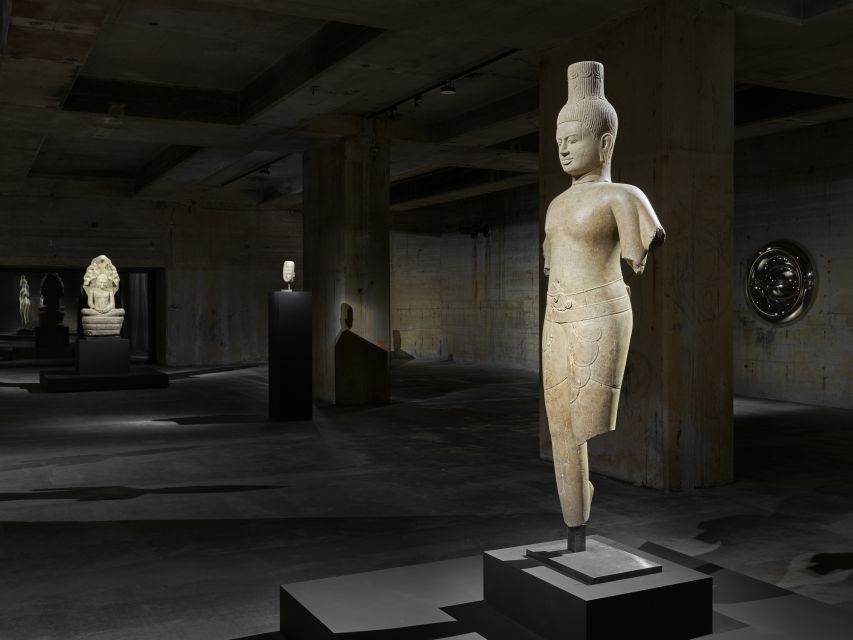
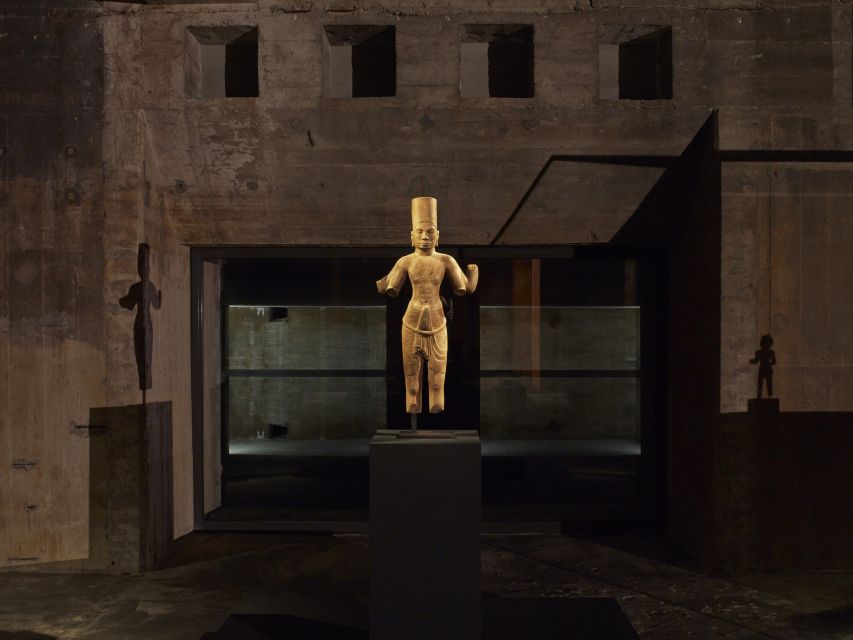
- Cross-century artwork: Khmer sculptures (7th to 13th century A.D.) plus Imperial and Scholar Chinese furniture (2nd century B.C. to 17th century A.D.).
- Contemporary works in the mix: Big names like Anish Kapoor, Cristina Iglesias, Zeng Fanzhi, and Nobuyoshi Araki appear alongside older objects.
- Comfort basics included: A yoga mat and blanket are provided.
- Not for under 16: The session is not suitable for children under 16, and it is wheelchair accessible.
Before the plan settles, compare this with a few more ways to spend time around Berlin.
- Berlin: Reichstag, Dome and Government District Guided Tour★ 4.7 · 18,288 reviews
- Berlin: 1-Hour City Tour by Boat with Guaranteed Seating★ 4.3 · 16,993 reviews
- Berlin: Boat Tour Along the River Spree★ 4.4 · 11,252 reviews
- Discover Berlin Half-Day Walking Tour★ 5.0 · 9,624 reviews
Berlin’s unusual art break: a meditation session, not a museum tour
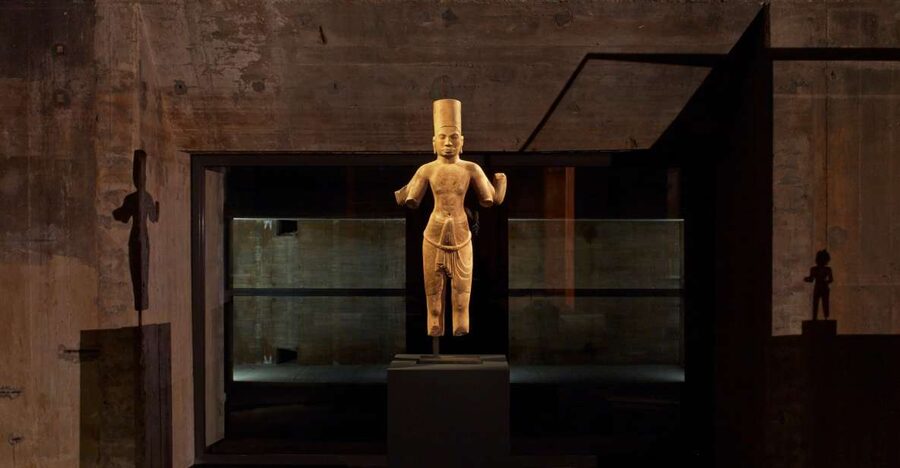
Most Berlin art stops ask you to think first. This one asks you to slow down first. It’s an open meditation experience inside the Feuerle Collection where the exhibition is essentially available for silent attention rather than a guided walk with commentary.
I love that the rules are straightforward. You can meditate, or you can simply move quietly through the spaces and enjoy the art. That makes it feel more like a focused practice than a performance where you’re expected to do it “perfectly.”
The biggest practical consideration is also the most important. There is no guided tour of the exhibition. So you won’t get a docent explaining who made what, why it matters, or what to look for in each corner. If your favorite museum experiences are all about context and facts delivered out loud, you may want to pair this with another Berlin stop that offers interpretation.
What actually happens in the 1 hour session
The experience runs for 1 hour. That short length is part of the value. You get a dedicated block of quiet without the mental commitment of a half-day museum plan.
The flow is built around movement and stops. You enter and move through the exhibition spaces, and two named areas shape the experience: the passage to the Sound Room, and the walk into the underground Lake Room. At points along the way, you stop to meditate in the presence of the artworks.
Because the format is non-guided, you’re in charge of your own pacing. I’d treat it like a self-led rhythm. Start by letting your body settle, then check in with what your eyes keep returning to. If you feel restless, walk slowly and reset. If you feel calm, sit longer. The “right” version is the one that helps you stay quiet and present.
The Sound Room passage: attention through transition
The Sound Room is encountered as you pass through the route, not as a big stop with narration. That matters because it encourages you to treat it as a transition point. Even if you can’t predict what you’ll feel there, the name primes you to notice subtle shifts: how the space changes your focus, how you hear your own breathing, how movement feels between rooms.
A small tip: don’t rush through the transition. Slow down for a few steps. Let your mind catch up to your feet. In sessions like this, transitions are often where the “detox” effect starts.
The underground Lake Room: a quieter kind of looking
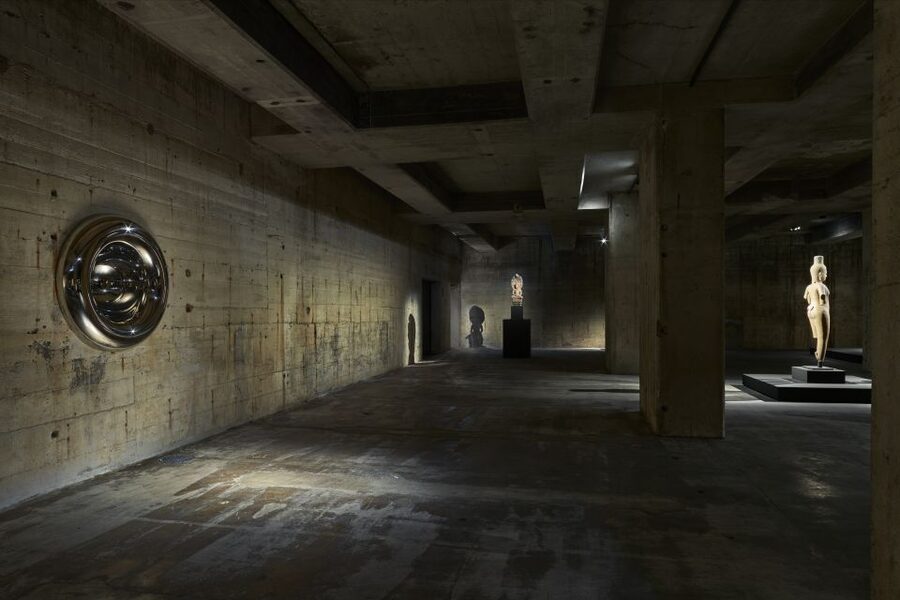
Then comes the Lake Room, which you walk into and use as another meditation stop. The fact that it’s underground and called a Lake Room suggests a design meant to cool things down and slow your attention.
I like using spaces like this for long eye rests. You don’t need to analyze. You just need to look long enough for the object to stop being an image and start being a physical presence. If sitting isn’t your thing, stand or lean and keep your pace gentle. The point is still quiet.
- Berlin: Reichstag, Dome and Government District Guided Tour
★ 4.7 · 18,288 reviews - Berlin: 1-Hour City Tour by Boat with Guaranteed Seating
★ 4.3 · 16,993 reviews - Berlin: Boat Tour Along the River Spree
★ 4.4 · 11,252 reviews - Discover Berlin Half-Day Walking Tour
★ 5.0 · 9,624 reviews - Berlin: Hop-on Hop-off Bus Tour with Live Commentary
★ 4.3 · 8,579 reviews
The art you’ll see: Khmer sculpture, Chinese furniture, and contemporary surprises
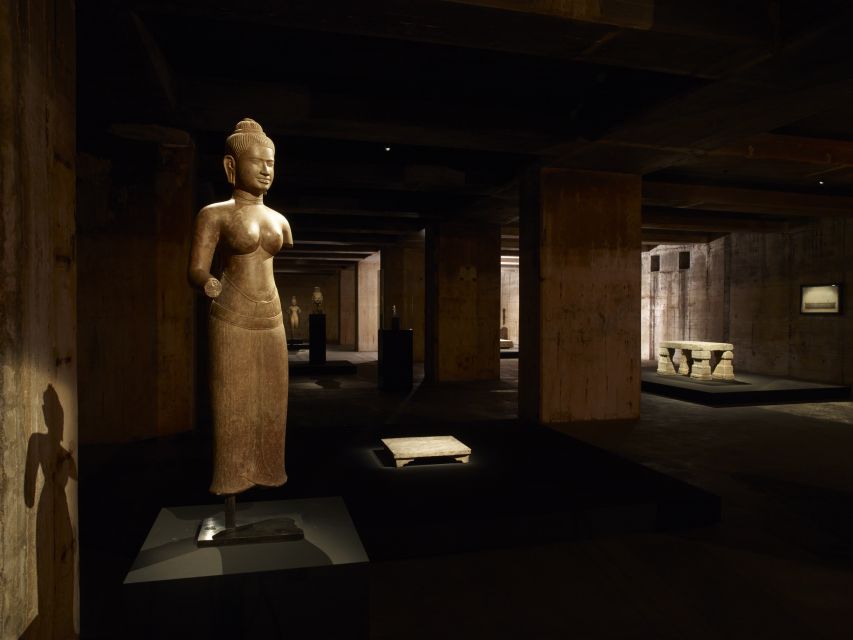
The Feuerle Collection puts very different eras in conversation. That’s not just a curatorial quirk. It changes your mental posture. You shift from the mind’s habit of sorting everything into categories, into a more open way of seeing.
Early Khmer sculptures (7th to 13th century A.D.)
You’ll have access to early Khmer sculptures dated from the 7th to 13th century A.D. Khmer sculpture is often detailed and symbolic, but here you’re not being asked to decode it out loud. Instead, you can let the forms guide your attention.
In a silent setting, repeating shapes, posture, and surface details tend to become your focus. If you like art where your eyes can wander slowly, this part is a good match. If you prefer labels and background stories, this part might feel like you’re meeting the work without a guide, which can be either freeing or frustrating depending on your style.
Imperial and Scholar Chinese furniture (2nd century B.C. to 17th century A.D.)
Next, you’ll encounter Imperial and Scholar Chinese furniture spanning the 2nd century B.C. through the 17th century A.D. Furniture might sound like a strange centerpiece until you remember: in Chinese art traditions, furniture can be sculpture in function, with joints, proportions, and material choices that deserve careful looking.
I like how a meditation format changes furniture viewing. Instead of “Where’s the design influence,” you start asking quieter questions like “How does the shape hold space” or “What does the object invite you to do with your body nearby.” Even if you’re just sitting, the objects can shape your posture and breathing.
One practical note: if you want to get something out of this beyond atmosphere, pick one piece and commit to it for longer than feels comfortable. Long attention is the whole point here.
Contemporary works alongside ancient objects
The session doesn’t stop at ancient art. You’ll also see contemporary pieces by artists including Anish Kapoor, Cristina Iglesias, Adam Fuss, Zeng Fanzhi, James Lee Byars, and Nobuyoshi Araki.
That list matters because it signals that you’re not only walking through “old and respected” objects. You’re also stepping into work that often plays with perception, presence, and the edge between concept and material. In a silent space, contemporary art can feel less like a debate and more like a direct experience.
This is where the juxtaposition really works. Khmer sculpture plus Chinese furniture plus Kapoor or Iglesias makes your brain drop the usual timeline method. Instead of sorting “then vs. now,” you sense patterns: form, balance, texture, and what the work does to your attention.
Why the silence and the mobile-detox theme feels real
The experience is described as a silent, mobile-detox meditation. “Mobile detox” here means you’re encouraged to disconnect from the usual attention tools. The space is built for quiet, so your habits get harder to feed.
That’s why I think it works better than a typical museum hour. Museums can still feel like a screen with legs, where you take photos and move on. Here, the environment lowers the noise floor so your mind has a chance to settle.
The best part is that meditation isn’t mandatory. That removes a lot of pressure. You can do a lighter version: breathe slowly, keep your movements minimal, notice how your thoughts pop up and fade. If you’re not a meditator, this format can still make sense because you’re allowed to simply be there.
Your body setup: yoga mat and blanket, so you can arrive calm
Comfort matters a lot in a one-hour meditation experience. If you’re uncomfortable, your mind will start bargaining for a faster exit.
Here you get a yoga mat and a blanket. That means you can sit or rest with more support than you’d have in a regular gallery. It also helps you keep your attention on what’s in front of you instead of what your body is demanding.
A practical approach I recommend: arrive with a simple plan. Decide where you think you’ll sit first. Then let the rest unfold. You don’t need to figure out every moment in advance, but you do want to keep yourself from standing around looking unsure.
And because it’s a quiet setting, wear something you can move in. Not fancy. Not distracting. You’re going to spend time still.
Who this experience suits best in Berlin
This isn’t “for everyone,” and it doesn’t pretend to be. It’s best for people who enjoy art with their senses more than with their speeches.
You’ll likely love it if:
- You want a break from constant transit, lines, and screens.
- You enjoy Chinese art and are curious about how furniture can become sculpture.
- You like sitting with the art long enough to feel a shift in attention.
- You’re open to contemporary works when you’re not being told what to think.
It may not fit if:
- You need a guided narrative to feel satisfied.
- You want a traditional museum format with a route, a pace set by staff, and lots of spoken context.
- You’re traveling with kids under 16, because the experience is not suitable for them.
One detail I appreciate from the overall vibe is that it often feels like a small-group session. Smaller groups make silence easier, and they reduce the pressure of sharing space with strangers who aren’t on the same page.
Price and value: is $25 for an hour reasonable?
At $25 per person for 1 hour, this sits in an accessible range. The value comes from three things more than the length alone.
First, you get a structured space for quiet attention: the Sound Room passage and the underground Lake Room, not just random seating in a large museum. Second, you’re provided with basic comfort gear, a yoga mat and blanket, so you’re not improvising your way through. Third, the access is tailored to meditation, meaning you’re not just buying admission to look around while people talk. It’s a different use of the collection.
If you’re a person who usually pays extra for guided tours, you might feel it’s “too simple” because there’s no guided explanation. But if your goal is mental reset, $25 for a quiet hour focused on art can be a very good deal.
Practical tips so the hour feels smooth
A silent experience goes best when you prepare your expectations.
- Come with a purpose. Tell yourself you’re not there to collect facts. You’re there to rest your attention.
- Choose a pace you can keep. If you want to meditate, plan for stillness. If you want to walk quietly, plan for slow movement and long pauses.
- Give contemporary work time. Don’t treat the modern pieces like filler. In this setting, they can be the most surprising part.
- Pick one “anchor” area. Spend extra time in either the Khmer sculpture section or the Chinese furniture section, then let the rest support it.
And here’s a mindset trick: if your mind wanders, that’s not failure. In a silent gallery, wandering is simply information. Notice it, then gently return to looking or breathing. No drama needed.
Should you book the Feuerle Collection Meditation Experience?
I’d book this if you want a break from the usual Berlin rhythm and you’re curious about how ancient and modern art can be experienced without constant talking. The silence, the dedicated meditation format, and the route through the Sound Room and underground Lake Room make it feel more like a focused reset than a standard museum visit.
I would skip it if you need a guided tour for satisfaction, or if you’re going with someone who dislikes quiet settings. Also, remember it’s not suitable for children under 16.
One last practical note: you can check available starting times, and you can reserve with pay later options. If you book with enough flexibility, you can also cancel up to 24 hours in advance for a full refund.
If your ideal art day includes sitting with objects and letting them change your state of mind, this is a smart use of one hour in Berlin.
FAQ
How long is the Feuerle Collection Meditation Experience in Berlin?
The experience lasts 1 hour.
Is there a guided tour included?
No. It is not a guided tour, and the collection is open only for meditation.
Do I have to meditate the entire time?
No. Meditation is not mandatory. You can also walk around quietly and simply enjoy the art.
What is included with the ticket?
A yoga mat and a blanket are included.
What parts of the space do I visit during the session?
You pass through the Sound Room and walk in the underground Lake Room, and you stop to meditate among the artworks.
How much does it cost?
It costs $25 per person.
Is it suitable for children, and is it wheelchair accessible?
It is not suitable for children under 16. It is wheelchair accessible.