
Tour review · BERLIN FOOD TOURS
Classic Bites and Culinary Trends Neighborhood Food Tour in Berlin
Berlin tastes better on foot. This 3.5-hour food walk blends small tastings with neighborhood stories, moving from former East Berlin to the laid-back streets of Prenzlauer Berg. You sip Berlin Pilsner, snack your way through coffee and pastries, and finish with dessert choices based on the season.
I love the variety packed into a single route, because you get both sweet and savory stops, plus lunch coverage through multiple tasting locations. I also like the small group size (max 8), which keeps the pace relaxed and makes it easy to ask questions, especially with guides like Tiago and Violet who are repeatedly praised for making the walk feel personal.
One thing to consider is that this is a lot of food and a fair amount of walking, so it can feel pricey if you mainly want heavy traditional German plates. Also, even with step-free spots at the stops, Berlin streets can be bumpy, so anyone using a wheelchair or stroller should plan carefully.
Key highlights that make this tour worth planning around
- East Berlin street snack stop: you’ll taste a historical street food-style bite tied to the former East Berlin area.
- Pappelallee coffee bar with 8 espresso types: roasting their own beans, then serving different espresso variations.
- Beer tasting game in Prenzlauer Berg: a mix of classic and craft beers, with a fun way to learn what you’re drinking.
- Kastanienallee immigrant-influence food story: an insider focus on how migration shaped Berlin’s food scene.
- Dessert finale that adapts to the season: natural ice cream, a beer garden option, or a fluffy dessert depending on the day.
- Walkable route with an easy transit finish: you end near U-2 and tram options at Eberswalder Straße.
Still hungry? More Berlin markets, bakeries and neighbourhood tables
- Berlin Center Food Tour with 8+ Authentic Local Tastings★ 5.0 · 1,227 reviews
- Kreuzberg: Culinary Food Tour★ 4.5 · 770 reviews
- Berlin: BRLO BRWHOUSE Tour and Craft Beer Tasting★ 4.4 · 654 reviews
- Berlin: Mitte Culinary Food Tour★ 4.5 · 447 reviews
What $205.67 gets you in 3.5 hours
At $205.67 per person, you should think of this as a guided food route plus a history lesson, not just a casual snack crawl. The value comes from the structure: it is designed around multiple tasting locations, and your tastings cover lunch for the group.
A big practical point is pacing. Stops are scheduled with short breaks so you’re not stuck waiting, and the day stays focused on eating plus walking, which is a good match for Berlin, where neighborhoods are the real experience.
Alcohol is part of the concept, but it is not guaranteed in every weather situation. Beer options are built into the route, and there is also a local beer garden component when conditions allow.
Espresso House start, and why former East Berlin matters
You begin at Espresso House on Schönhauser Allee, right in a part of Berlin that carries that East Berlin feel in the streetscape. The start includes a historical introduction, so you’re not just wandering, you’re learning what the area used to mean and why it shaped today’s food culture.
This first stop works because it sets the theme for the whole walk. You get oriented before you start collecting tastes, and it helps the later story about East and West influences click in real time.
Timing is also friendly here. You get a short window for meeting and intro, then you move on while the group still feels fresh and energized.
Schönhauser Allee: street snack history you can taste
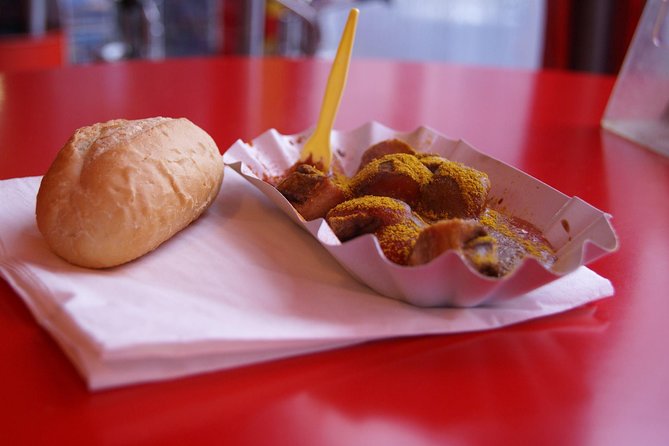
Next you head to Schönhauser Allee for a food stop framed as a historical street snack tied to East Berlin. This is the kind of stop that makes a guided tour more than just convenience, because it connects a specific flavor to a place and a time period.
The advantage for you is clarity. Instead of guessing what to order, you get a “this is the famous one” bite that fits the walking route and the story.
The only possible drawback is that a historical street snack style may not line up with everyone’s expectations for what German food should taste like. If you’re chasing only classic pork-and-sausage dishes, you might find the international and street-style focus a little different.
Prenzlauer Berg side streets on Stargarder Straße
Then you move through Stargarder Straße, where the emphasis shifts from individual tastes to neighborhood change. The walk here is about refurbished side streets in Prenzlauer Berg and what daily life was like before the Berlin Wall era ended.
For me, this is one of the best moments in the tour because it slows you down mentally. You see the kind of streetscape that makes Prenzlauer Berg feel so lived-in today, and the guide connects that to what the neighborhood went through.
It’s also a good contrast after the snack-style East Berlin stop. You’re learning, but you’re also walking, so you keep momentum without the whole tour becoming a lecture.
Still hungry? More Berlin markets, bakeries and neighbourhood tables
- Berlin Center Food Tour with 8+ Authentic Local Tastings
★ 5.0 · 1,227 reviews - Kreuzberg: Culinary Food Tour
★ 4.5 · 770 reviews - Berlin: BRLO BRWHOUSE Tour and Craft Beer Tasting
★ 4.4 · 654 reviews - Berlin: Mitte Culinary Food Tour
★ 4.5 · 447 reviews - Berlin: 3-Hour Secret Food Tour
★ 4.8 · 269 reviews
Pappelallee coffee break with beans roasted on site
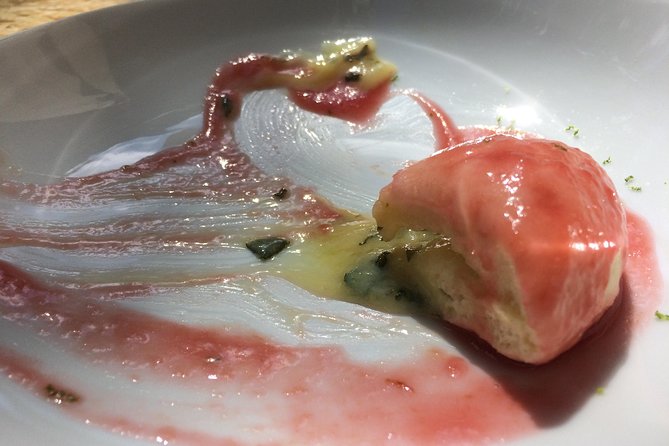
Pappelallee is where the tour turns into coffee territory, and it’s a standout if you like craft caffeine. You’ll stop at a secret neighborhood barista-style coffee bar where they roast their own beans and serve eight different types of espresso.
This matters because it is not just a coffee stop, it is a tasting format. Even if you only casually enjoy espresso, the variety helps you figure out what you actually prefer, from strength and style to flavor differences.
One practical note: eight espresso types can be a lot for anyone who is sensitive to caffeine or prefers milder drinks. If you fall in that group, you can still enjoy the experience by paying attention to the differences and taking your time with the sampling.
Dunckerstrasse patisserie: handmade cakes and pastries
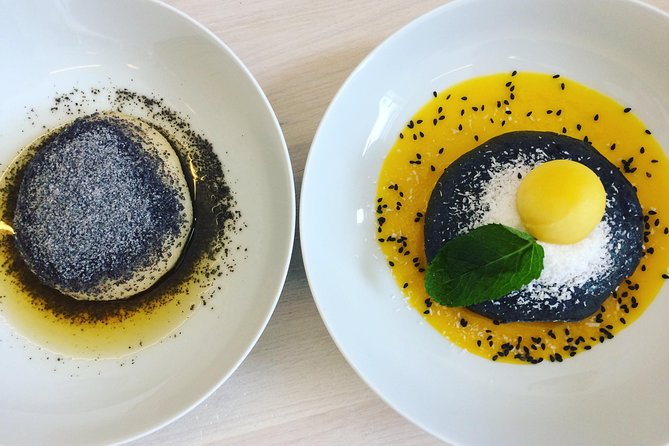
Next comes Dunckerstrasse, a patisserie stop focused on handmade cakes and hand-picked pastries. This is the sweet break that balances the heavier savory tastings later, and it helps keep your sugar and energy steady for the rest of the walk.
This stop is one reason the tour feels like a “food day” rather than a few bites. The pastry segment is long enough to matter, and the quality angle is clearly part of what the route is trying to deliver.
If you are watching your dessert intake, this is still manageable. You can treat this as a tasting plate rather than an all-or-nothing moment, then save room for the final dessert choice at the end.
Prenzlauer Berg fusion savory and a local drink pairing
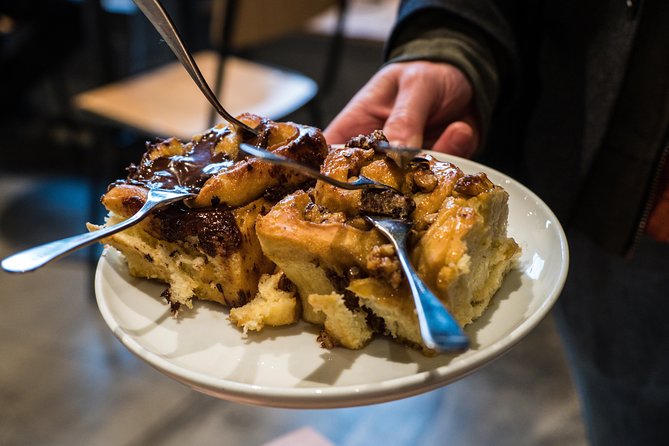
In Prenzlauer Berg, you hit a fusion savory sensation paired with a locally brewed concoction. This is the tour’s “international influences” segment in action, showing how Berlin food culture pulls from more than one culinary tradition.
The pairing is the key. It teaches you how Berlin likes to match flavors, not just eat them, and it gives you something to think about even between bites.
If you enjoy learning by eating, this is a smart design. You taste, you get context, and you move on quickly enough that you stay hungry for the next stop.
Beer time in the street-drinking culture
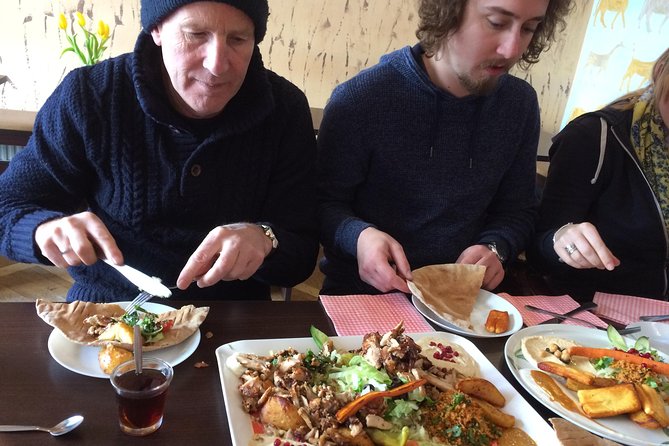
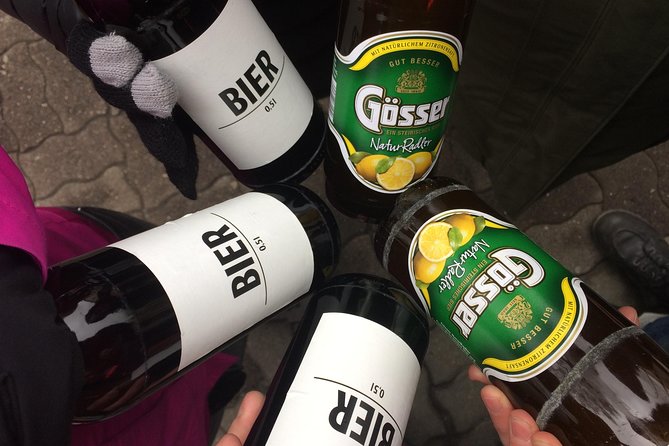
Then the tour goes into beer mode with a tasting game that blends classic and craft Berlin beers. The guide also shares why Berlin is known for drinking on the street, and the tone here tends to be fun, not formal.
This portion is highly praised, and it makes sense. A beer tasting game turns the “I like beer” impulse into a guided experience, so you leave with more than a vague memory of a drink.
One consideration is that beer is included as part of the concept, so plan accordingly if you’re not drinking. The tour does include non-beer food tastings throughout, but the beer atmosphere is part of the experience design.
Kastanienallee and the immigrant food story
Kastanienallee brings the narrative back to people and place, with a focus on immigrant influence. You get an insider word on how Berlin’s immigrant community shaped the food scene, and you taste alongside that context.
This is one of the tour’s strongest angles because it does not treat food as separate from history. Berlin’s neighborhoods grew through movement, and the tour helps you see that in what’s on the menu.
If you want authentic Berlin, this kind of stop is a better bet than chasing a single “traditional” dish. You get the city’s real pattern, which is always borrowing, adapting, and mixing.
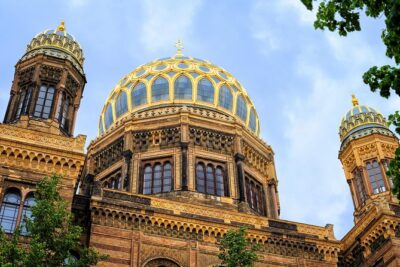
Kulturbrauerei brick exterior and a brewery past
You also pass by Kulturbrauerei, the famous brick culture brewery. Mid-1800s trivia is part of the storytelling here, with attention to how it once was Germany’s largest beer producer.
This is more of a photo-and-context moment than a tasting stop. Still, it adds a bridge between your beer today and Berlin’s beer past, which makes the earlier tasting feel less random.
If you’re the type who likes your food history with visual cues, you’ll appreciate this stop because you can actually point at the building and connect it to what you learned.
Oderberger Straße dessert choices, season-dependent
Finally, you close at Oderberger Straße with a dessert finish that can change by season. Depending on what’s available, this could be sensational natural ice cream, a visit to a Berlin beer garden, or a heart-warming fluffy dessert.
That flexibility is smart. Berlin weather and seasonal treats actually do vary, so the tour staying responsive keeps the finale from feeling repetitive or forced.
This stop also helps you pace the last portion of the tour. If you already feel full, an ice cream style finale can feel lighter than a dense cake, while the beer garden option ties back into the beer story.
Walking pace, group size, and what you should bring
The tour is built for a steady walking pace with frequent short stops, and it typically covers enough ground that you’ll feel it in your legs. One past group noted they walked around 4 miles, which sounds about right for a route built from neighborhood-to-neighborhood tastings.
Group size caps at 8, so the experience tends to stay social without turning into a crowded stampede. That matters in a city like Berlin, where alleyways and side streets can be fun, but only if everyone can move and hear the guide.
What to bring is simple: comfortable shoes and a flexible attitude about tasting. This is a snack-and-lunch plan, not a single-meal situation, so being ready to eat multiple small portions will make the whole day feel smoother.
If you use a wheelchair or push a stroller, pay close attention. The tour is presented as wheelchair friendly and the stops are labeled wheelchair accessible, but the streets can be bumpy at times, which can slow the group and make it harder without assistance.
Guides and the small details that people rave about
The guide quality is a major part of why the tour earns such strong ratings. Names that show up repeatedly include Tiago, Violet, Lee, Marcel, Holger, Elena, and Jane, and the pattern is consistent: guides mix city context with an easygoing personality.
You can also tell the tour puts real thought into pacing and conversation. Multiple experiences describe small group chemistry, so you get time to ask questions instead of just rushing from one counter to the next.
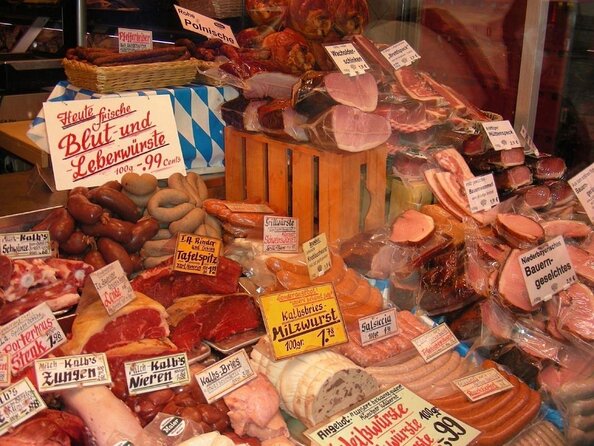
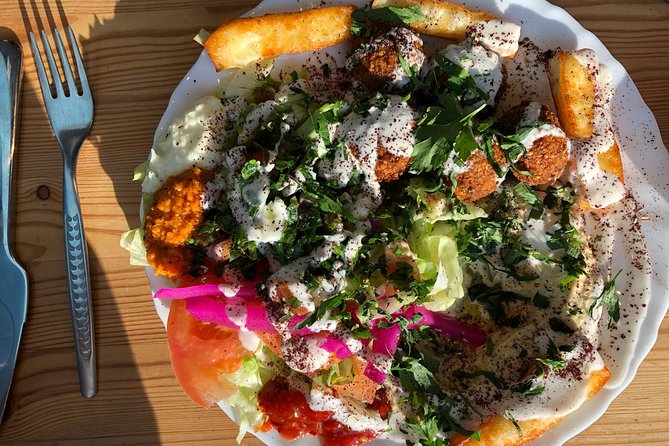
Food favorites mentioned in past runs include Berliner donuts, currywurst, falafel, kebab plates, and Hokey Pokey ice cream, plus multiple beer moments. Even if your exact picks vary day to day, the key takeaway is that you are not stuck with only one type of food.
Where the tour ends, and how to keep the night going
You finish near Eberswalder Straße, close to the U-2 underground line and tram options M10 and M12. That is a practical end point, because you can easily head to dinner or drinks without wasting time backtracking.
If you like to keep momentum, this is a good time to do it. You’ll be in the right part of the city to grab a post-tour bite or just wander, now with better context for what you’re seeing.
Should you book this Berlin food tour?
Book it if you want a structured tasting day that mixes food with why Berlin looks the way it does now. The combination of coffee, pastries, savory bites, beer, and a season-based dessert is a smart way to sample the city in one go.
Skip it only if your main goal is classic German comfort food and you do not want street and international influences. The route clearly leans into Berlin as a melting pot, and that is the point, not a distraction.
If you’re the kind of person who likes to start your trip with direction, this can also be a solid first-week choice. You’ll leave with neighborhood names, food-style clues, and a better sense of where Berlin’s flavors come from.
FAQ
How long is the Classic Bites and Culinary Trends Neighborhood Food Tour?
It runs for about 3 hours 30 minutes.
What is the price per person?
The price is $205.67 per person.
What food and drinks are included?
You’ll get food tastings and regional beer. The tour also includes lunch, with tastings covering lunch plus more for some people, and snacks at six places with 10+ tastings.
Is alcohol always included?
Beer is included as part of the tour, and there is also an alcohol component at a local beer garden when the tour runs during spring, summer, or autumn and weather permits.
How many people are in a group and what language is the tour?
The group maximum is 8 travelers, and the tour is offered in English.
Where do you start and where do you end?
You start at Espresso House, Schönhauser Allee 116, 10439 Berlin, Germany. You end at Eberswalder Straße, 10437 Berlin, Germany near U-2 and tram options M10 and M12.
Is there a mobile ticket?
Yes, the tour uses a mobile ticket.
Can I get a full refund if I cancel?
Yes, you can cancel up to 24 hours in advance for a full refund.
Is it wheelchair and stroller friendly?
Service animals are allowed. The tour is marked as wheelchair friendly with no steps and places labeled wheelchair accessible, but some street surfaces can be bumpy at times.
More Berlin Food Tours

More Berlin Food Tours
More Tour Reviews in Berlin




Recently added around Berlin


Berlin Food Tours, compared.
 ★ 5.0Berlin Center Food Tour with 8+ Authentic Local TastingsFrom $1181,227 reviews
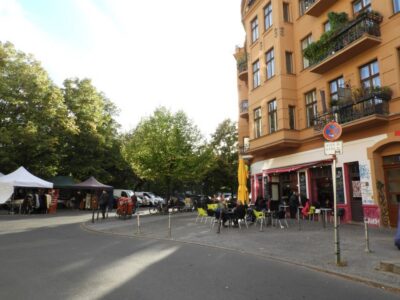 ★ 4.5Kreuzberg: Culinary Food TourFrom $589770 reviews
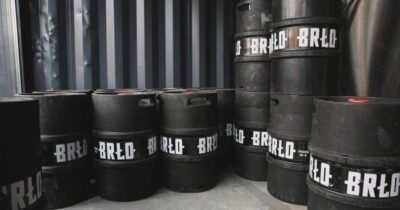 ★ 4.4BRLO BRWHOUSE Tour and Craft Beer TastingFrom $21654 reviews
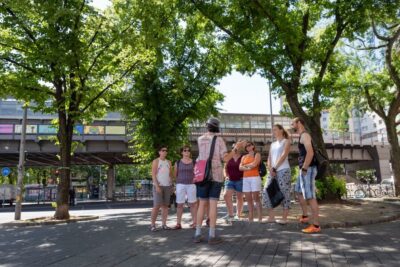 ★ 4.5Mitte Culinary Food TourFrom $57447 reviews
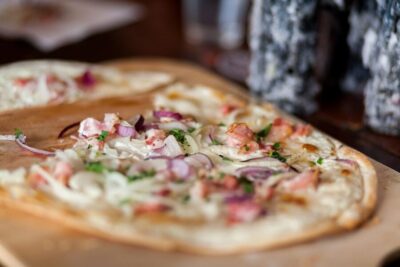 ★ 4.83-Hour Secret Food TourFrom $106269 reviews
 ★ 4.4Disgusting Food Museum Entry Ticket and TastingFrom $20204 reviews
 ★ 5.0East Berlin Food & History Tour with Eating EuropeFrom $107204 reviews
 ★ 4.8Guided Street Food Tour with TastingsFrom $71192 reviews
Browse the lists this tour appears in