Tour review · BERLIN
DJ for a Day: Learn to Mix Like a Pro in Berlin
Berlin DJs start with one simple move.
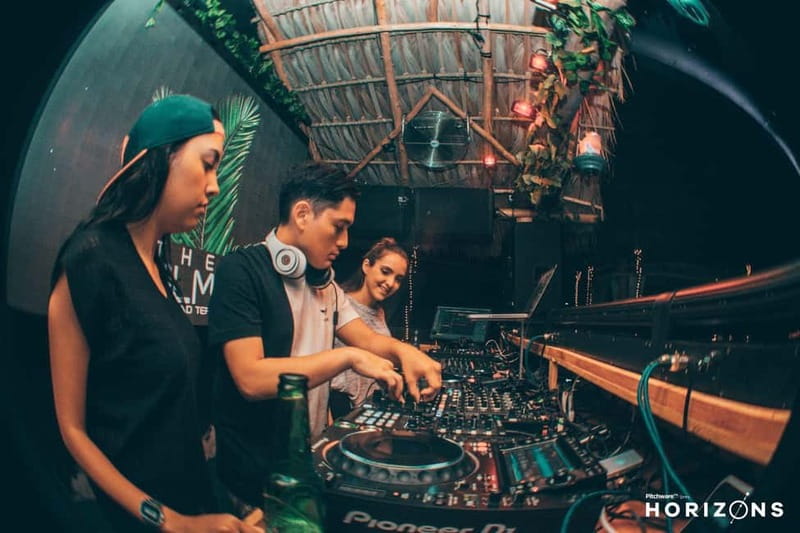
This hands-on workshop gives you a real taste of DJ work, from vinyl scratching to mixing on CDJ, and you get to choose the vibe by picking your favorite tracks like Techno, Trance, Psytrance, and Jouse. I like how the teaching connects technique to music structure, like thinking of songs in phrases the way Beethoven or Mozart build patterns. One thing to consider: the format is very practical, so if you want a passive sightseeing-style class, this may feel too hands-on.
You also get a Berlin spin beyond the gear. The instructor, Marcos Jesus Otero Valeta, also known as Sasha (Jesus), explains how electronic music in Berlin evolved, and he ties it to the kinds of sounds you hear in different clubs, including older places that helped shape the scene. Small group helps here, too, because it stays limited to 6 participants and you are not just watching from the back.
Key points to know before you go
- Vinyl and CDJ time so you can compare how each setup changes your timing and technique
- Scratching basics using different styles such as hip hop, techno, and pop
- Pick your own music from styles like Techno, Trance, Psytrance, and Jouse
- Effects and mixing table skills covered in a structured, beginner-friendly way
- Berlin club context through electronic music history and how clubs sound
A hands-on Berlin DJ workshop built around vinyl and CDJ
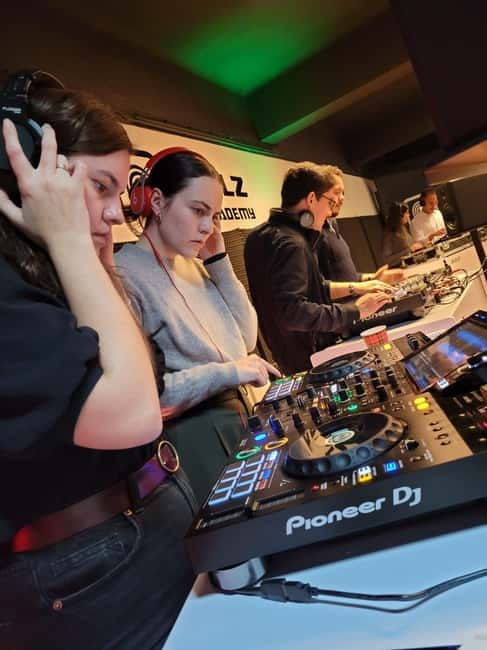
If you have ever watched DJs and thought, I could never do that, this kind of session is exactly the antidote. It is not about learning jargon. It is about learning what your hands do, when the beat lines up, and how to make transitions sound intentional.
What makes this workshop especially appealing is that it is split between two worlds. You can play with the CDJ, and you can also play with vinyl, including scratching that connects to how people were doing it in the 80s and 90s. That matters because vinyl teaches control and physical timing in a way many people do not get from screens alone.
You get to choose the music direction, too. You are not stuck on someone else’s playlist. You can pick genres like Techno, Trance, Psytrance, and even Jouse, then practice with the tracks you actually want to play.
Before the plan settles, compare this with a few more ways to spend time around Berlin.
- Berlin: Reichstag, Dome and Government District Guided Tour★ 4.7 · 18,288 reviews
- Berlin: 1-Hour City Tour by Boat with Guaranteed Seating★ 4.3 · 16,993 reviews
- Berlin: Boat Tour Along the River Spree★ 4.4 · 11,252 reviews
- Discover Berlin Half-Day Walking Tour★ 5.0 · 9,624 reviews
Meeting Marcos Jesus Otero Valeta, your small-group instructor
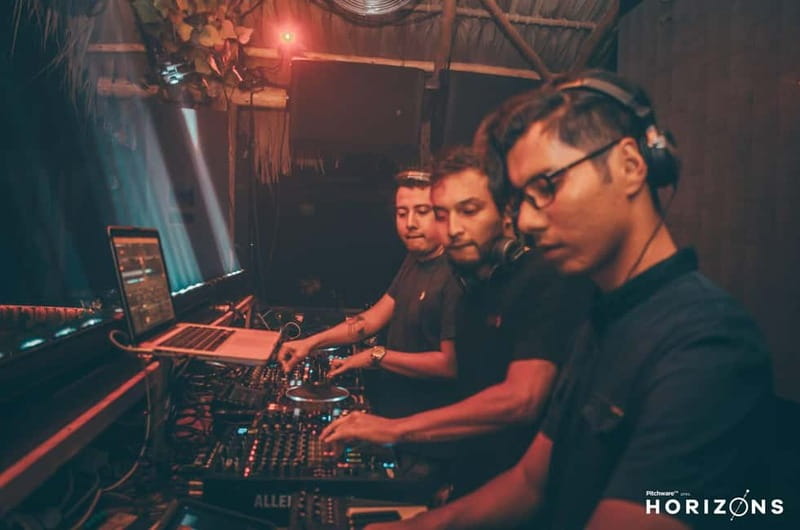
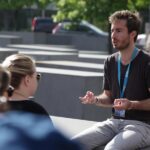
The instructor for this experience is Marcos Jesus Otero Valeta, and you may hear him referenced as Sasha (Jesus). He teaches in English and German, and that flexibility is useful if you want to ask questions quickly without waiting for a translation lag.
The group size is capped at 6 participants, and that changes the whole vibe. In a big class, you might get one short turn on equipment. Here, you have enough time to try things yourself. It is the difference between learning how it works and learning how you would do it.
The meeting point is simple to spot once you arrive: it is between a cake shop and a jewelry shop. You will finish back at that same meeting spot when the 1.5 hours are done.
The 1.5-hour plan: beat structure to your first mix attempt
The session runs about 1.5 hours, so the teaching has to be efficient. Instead of throwing you straight into complicated transitions, the instructor sets up a basic structure for how DJs think about songs.
One smart idea here is the way music structure gets explained. You can expect guidance on how songs are built with beats and phrases, almost like thinking in musical patterns the way Beethoven or Mozart structure ideas. That may sound like classical music language, but it is practical for DJing. When you can hear where sections begin and end, you can plan transitions faster.
From there, you will cover the basics of DJ technique, including:
- How to handle vinyl, turntable, and the mixing setup
- How mixing works on a table with effects
- Scratch basics, with different styles such as hip hop, techno, and pop
The goal is not to make you a full-time DJ by the end of 90 minutes. The goal is to give you a working foundation you can build on after you leave, with a clear sense of what to practice next.
Choosing your sound: techno, trance, and the DJ mindset
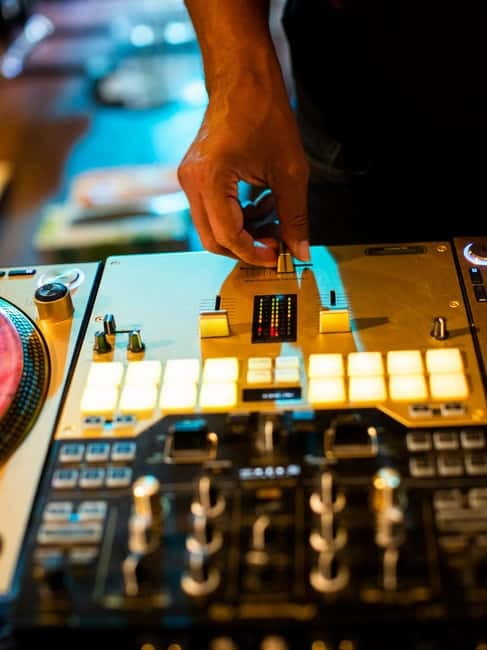
A lot of DJ lessons fail because they pick music for you. That is not what you want in a workshop like this. Here, you select your favorite tracks from the style list, which includes Techno, Trance, Psytrance, and Jouse.
That choice matters for two reasons.
First, you will learn better when you care about the music. Your brain pays attention to the rhythm changes more naturally when you are excited about the tracks.
Second, genres teach different kinds of mixing. Even when the core skill is the same, DJs approach timing, energy changes, and transitions differently depending on the style. Practicing with a track type you enjoy helps you understand what technique is doing in the music, not just on the equipment.
You can also expect practice across a wide style range. The workshop notes that you can play styles such as trance, progressive, hard techno, techno, hardcore, hip hop, and hard style. That variety is a benefit if you are curious how DJing changes with different BPM energy and vibe.
CDJ vs vinyl: why switching tools changes your technique
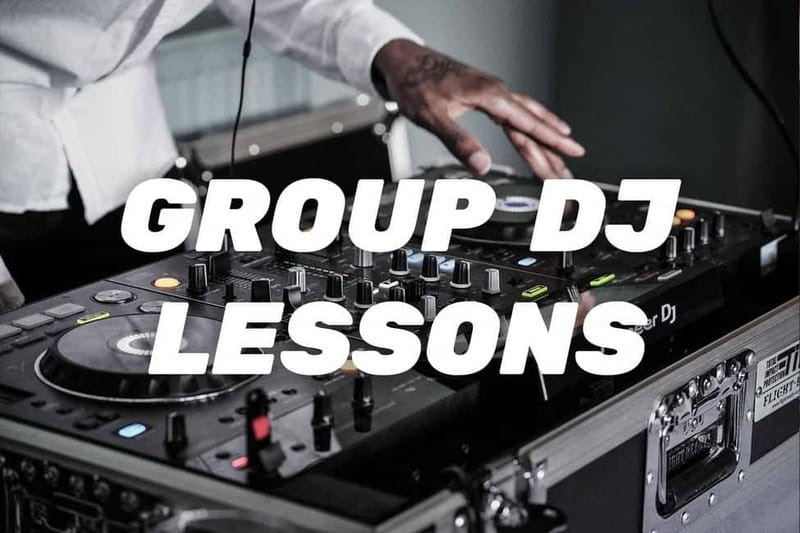
This is one of the most valuable parts of the experience because it gives you a built-in comparison.
Playing with a CDJ tends to feel more direct because the track handling is different. Vinyl requires a more physical approach, with hands-on control and physical timing. When you practice both, you quickly understand why DJs often develop preferences, and why some people feel more confident in one format.
You will also see the difference in technique. Vinyl can force you to slow down and pay attention to how the beat moves when you touch the platter. CDJ tends to reward quick reaction, but vinyl rewards precision control.
That comparison is especially useful if you have only ever listened to music on streaming platforms. After trying both, you get a clearer sense of what DJs are actually doing in real time, not just watching the results.
- Berlin: Reichstag, Dome and Government District Guided Tour
★ 4.7 · 18,288 reviews - Berlin: 1-Hour City Tour by Boat with Guaranteed Seating
★ 4.3 · 16,993 reviews - Berlin: Boat Tour Along the River Spree
★ 4.4 · 11,252 reviews - Discover Berlin Half-Day Walking Tour
★ 5.0 · 9,624 reviews - Berlin: Hop-on Hop-off Bus Tour with Live Commentary
★ 4.3 · 8,579 reviews
Scratching like it’s the 80s and 90s, with modern styles
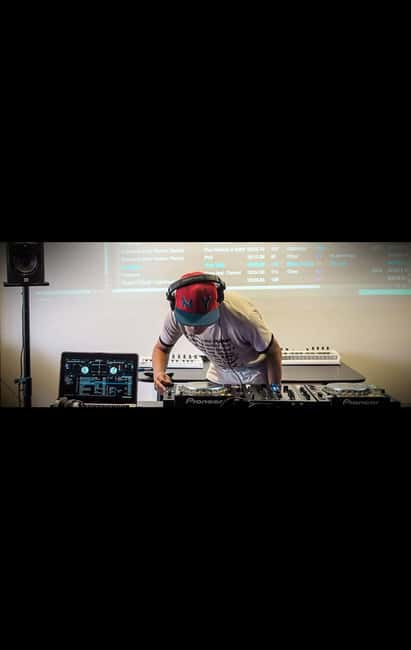
Scratching can look like magic until someone breaks it into repeatable actions. This workshop includes scratching instruction with different styles mentioned like hip hop, techno, and pop.
It also specifically references vinyl scratching as in the 80s and 90s. That gives you a sense of lineage, not just a random set of tricks. Even if your favorite genre is modern, the hand motions and control methods still connect to classic DJ moves.
In practical terms, scratching training helps you in at least three ways:
- It improves your sense of rhythm because you must feel timing through your hands
- It teaches you control under pressure, since you are doing technique while the music keeps playing
- It gives you a sound identity, because scratching can add personality to transitions
If you like the idea of being more than a beat matcher, scratching is the quickest path to creative input. You do not have to be perfect to start sounding intentional. You just need a foundation, and this workshop aims to give you that.
Effects, mixing table basics, and what to listen for
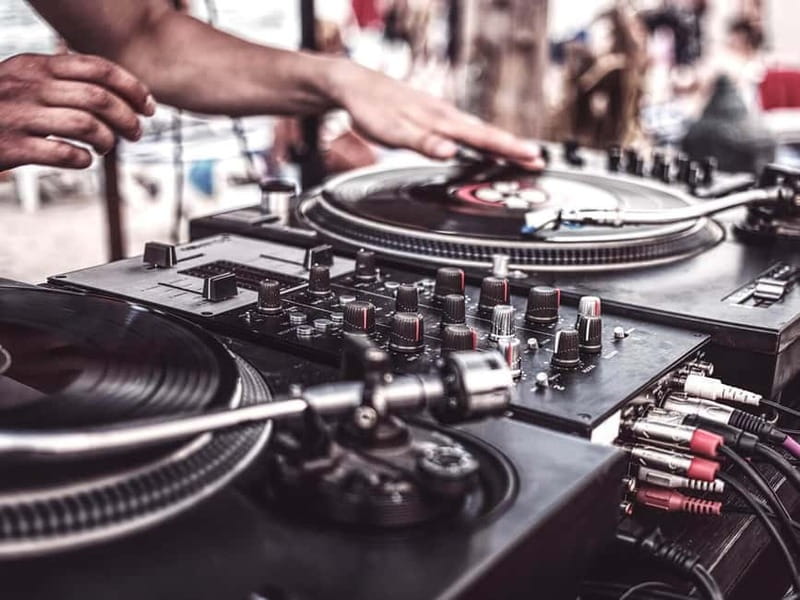
The workshop also covers how mixing works with a mixing table that includes effects. You should expect guidance on how to use the gear in a way that supports your transitions, rather than making effects the focus.
A useful way to approach this in your own practice later is to listen for cause and effect:
- When you change levels, does the track feel smoother or more jarring?
- When you add an effect, does it help you bridge sections or distract from the beat?
- When you switch formats from vinyl to CDJ, what changes in timing and control?
Because the session is short, the instruction is likely to focus on fundamentals. That is a good thing. In DJing, the difference between an okay mix and a great one is often consistency. Fundamentals are what let you repeat results.
Also, you can play with the CDJ or sing one song. That detail is quirky in a fun way, and it signals the workshop is not trying to be a sterile technical seminar. It wants you to experience DJing as performance, not just knobs and menus.
Berlin’s electronic sound story: what clubs want from your mix
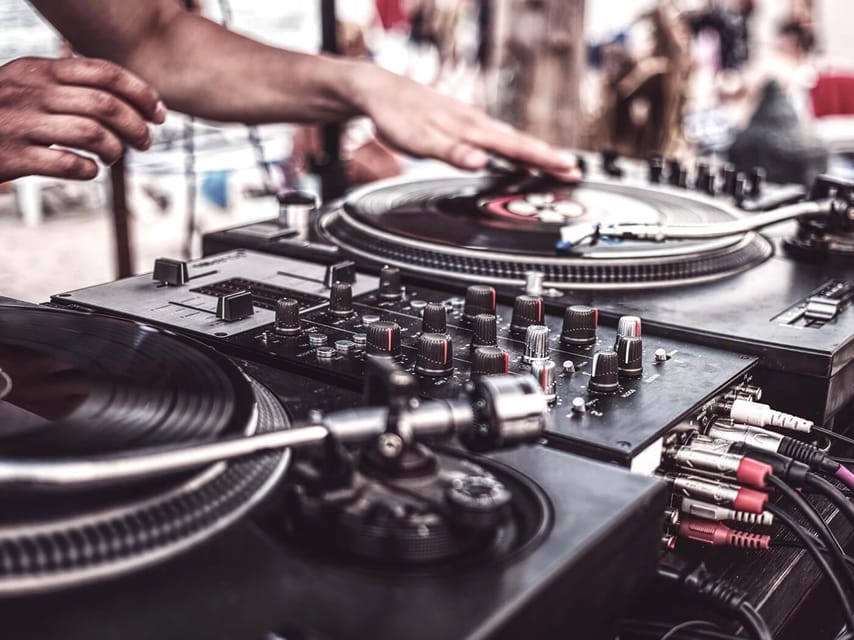
One part I really appreciate in this experience is the Berlin context. You are not just learning how to mix. You are learning why Berlin DJs sound the way they do.
The instructor explains Berlin electronic music history and the evolution of the genres, and you get a guided sense of how sounds may keep changing in the future. The workshop also frames club music choices, including the kind of track energy that suits different clubs in Berlin, and even references older institutions that helped shape the scene.
This is valuable even if you never plan to DJ in Berlin. When you understand the local taste patterns, you start mixing with intention instead of randomness. You also gain perspective: DJing is cultural, not only technical.
Think of it like learning the accent and rhythm of a language, not just memorizing words. Once you hear the context, you understand why a transition style might work better in one setting than another.
Drinks and pacing: a 90-minute class that stays real
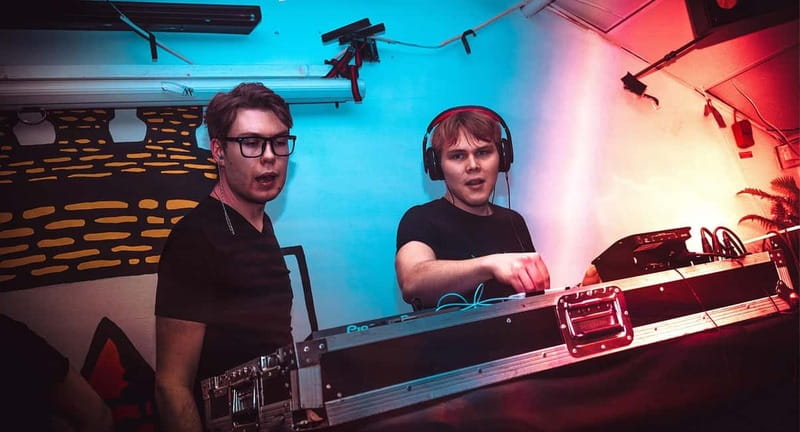
The session includes drinks, like coffee, water, or soft drinks. It may sound minor, but in a hands-on workshop, staying comfortable matters. You are using your focus continuously, and a quick drink break can help you reset between practice attempts.
The pacing is also designed for a short duration. With a maximum group size of 6, the instructor can help without turning it into a lecture. You should expect a lot of time spent doing, not just watching.
Price and value: is $67 worth a 1.5-hour DJ session?
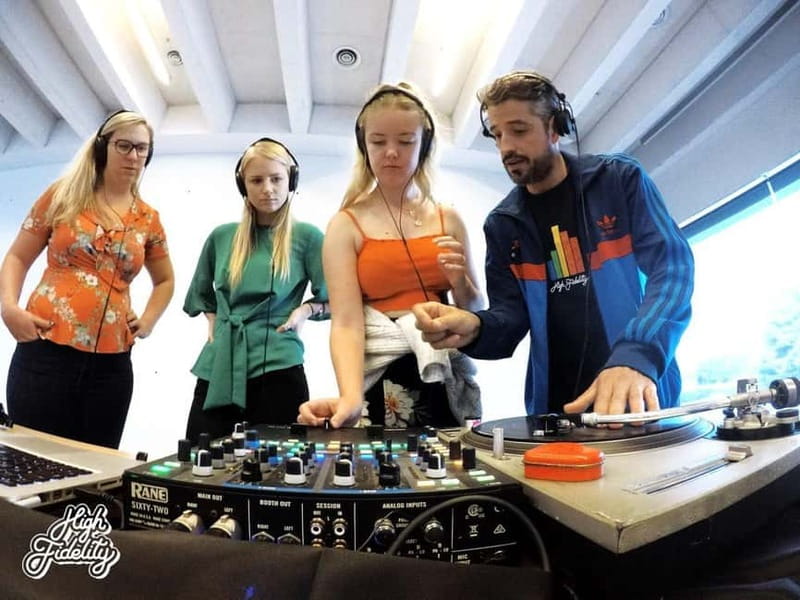
At $67 per person for about 1.5 hours, this sits in a middle zone: not a full-day tour, not a super cheap add-on. The question is what you are actually buying.
Here, you are paying for:
- Hands-on DJ instruction with equipment time
- Practice on both CDJ and vinyl
- Scratching basics in multiple styles
- Mixing table basics with effects
- A small-group setting limited to 6 participants
- Included drinks
The value is strongest if you want skill plus perspective. If you only want a few photos and a vague idea of DJing, a paid workshop is overkill. If you want to leave with repeatable technique and a clearer sense of how Berlin electronic music is structured and played, the price starts to make sense fast.
Also, the format is geared toward real practice. That is harder to replicate at home without investing in gear and learning curve stress.
Who should book this, and who should skip it
This workshop is a great match if:
- You love electronic music and want to understand how DJs actually build a mix
- You are curious about vinyl scratching but do not know where to start
- You want small-group coaching instead of a large, impersonal class
- You prefer active learning, with you at the equipment
You might skip it if:
- You want a mostly sightseeing experience
- You are looking for a long, multi-session course with deeper progression
- You want advanced production training, because the focus is on DJ basics, mixing, and scratching rather than building tracks
It is also not suitable for children under 13, so plan accordingly if you are traveling with family.
Should you book DJ for a Day in Berlin?
Book it if you want a short, practical Berlin music workshop where you actually touch the setup. This is not a lecture where you leave with secondhand inspiration. The combination of CDJ practice, vinyl scratching, and an instructor who explains how Berlin’s electronic scenes connect to club sounds is the kind of learning that sticks.
If you are on the fence, think about one question: do you want to learn by doing, in a small group, with a teacher who can answer questions in English or German? If yes, this is a strong choice for your Berlin time.
FAQ
FAQ
How long is the DJ workshop?
The workshop is about 1.5 hours.
What is the price per person?
The price is $67 per person.
How big is the group?
The group is limited to 6 participants.
What languages is instruction offered in?
The instructor teaches in English and German.
Will I be able to play with vinyl?
Yes, you can play with vinyl and practice vinyl scratching.
Can I play on CDJ, too?
Yes, you can play with the CDJ.
Do I get to choose what music we use?
You can select your favorite music like Techno, Trance, Psytrance, and Jouse.
What will I learn during the session?
You will learn DJ basics, including scratching styles, handling vinyl and turntables, using a mixing table with effects, and mixing fundamentals.
Is there anything included with the price?
Yes, it includes drinks like coffee, water, or soft drinks.
Who can join, and is there a cancellation option?
It is not suitable for children under 13. You can cancel up to 24 hours in advance for a full refund, and you can reserve now and pay later.