
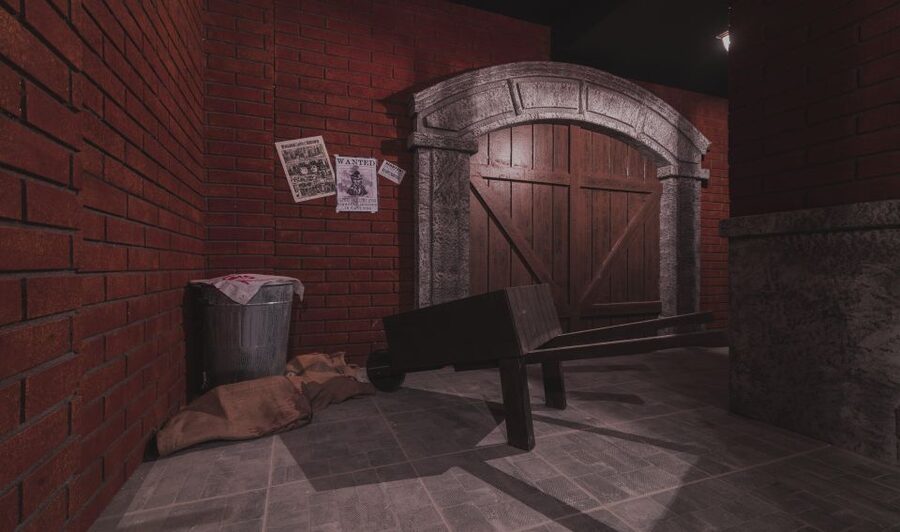
Tour review · BERLIN SELF-GUIDED TOURS & GAMES
Live escape room
A ticking clock. A room full of clues.
If you like your puzzles served with movie-set energy, Laserstar Funworld’s live escape rooms are a fun bet, with themed adventures like Jack the Ripper and game-style danger built into the space. The format is simple: you and your team solve everything fast enough to win.
I especially like that you can play in English or German, so the experience is less about guessing at instructions and more about solving. Second, the rooms feel technologically advanced and scenography-heavy, meaning you are not just hunting for a paper note and a lock.
One drawback to consider: the experience isn’t right for everyone, especially if you are not comfortable with claustrophobic spaces. Also, like any timed live activity, smoothness depends on the session itself, so I recommend going in with realistic expectations and a team plan.
Key highlights to know before you book

- Five themed missions across Berlin and Göppingen, from Jack the Ripper to Area51
- Timed gameplay: you are typically locked in for 45 to 90 minutes, within a 1-hour slot
- English or German play, with interactive help from a gamemaster
- Tech and set design that change how you look at clues
- Comfort limits: not suitable for claustrophobia or altitude sickness
- House rules you should respect: no food or drinks, no alcohol or drugs, no bare feet
More self-paced Berlin routes and city games
- Escaping and spying on the Berlin Wall Scavenger hunt★ 4.5 · 128 reviews
- Berlin: Self-Guided Family and School Class Scavenger Hunt★ 4.6 · 128 reviews
- Berlin: “Shadow of the Rubber Duck” Escape Room Experience★ 4.7 · 95 reviews
- Berlin: Scavenger Hunt Self-Guided Tour★ 4.6 · 79 reviews
Berlin and Göppingen escape rooms that feel like theater

A live escape room is not just a puzzle workshop. It is a small story world with pressure built in. You get a mission, a countdown vibe, and enough props and tech to keep you scanning instead of zoning out. At Laserstar Funworld, that “story world” is the main selling point, with rooms designed to feel like you stepped into a scene, not a warehouse corner.
You also get a practical advantage: the whole thing is made for teams to work together. Even if you are more of a details person or more of a lateral thinker, the room’s design tends to reward mixing roles. You can literally see progress when the right sequence clicks, which is a lot more satisfying than guessing randomly.
Just remember, you are under time pressure. If your idea of fun is slow and relaxed, you might feel rushed. But if you like puzzles with a bit of adrenaline, this is exactly that kind of night.
Choosing your mission: Jack the Ripper, Game of Thrones style, or Tutankhamun
Laserstar Funworld runs multiple themed rooms, and which one you pick changes the whole flavor of the puzzles.
In Berlin, you can choose:
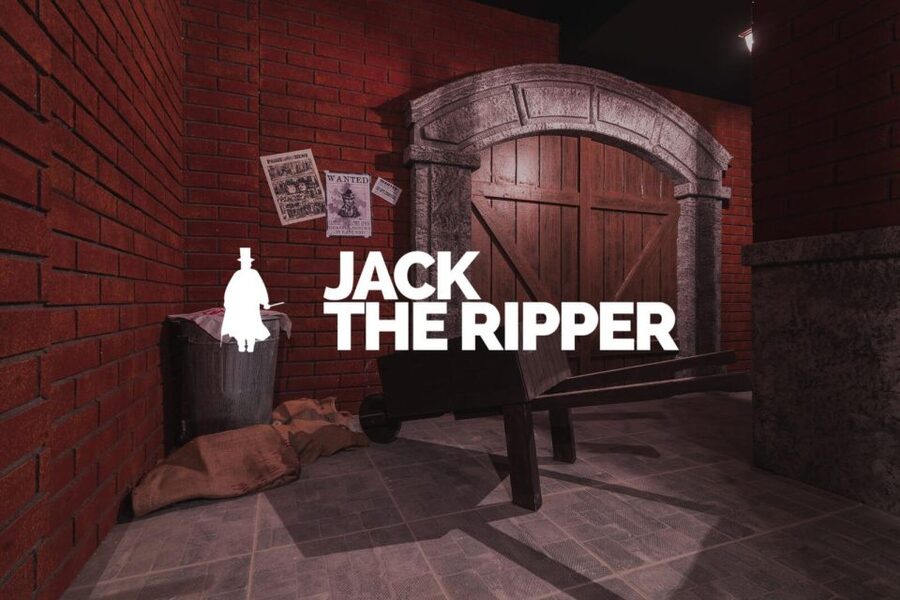
- Jack the Ripper (Berlin): an 1880s hunt for the notorious serial killer, set in Whitechapel.
- Winter is Coming (Berlin): a mission tied to Castle Black energy, where you are trying to stop the threat beyond the Wall.
- Tutankhamun’s Tomb (Berlin): an Egyptian burial chamber puzzle that turns serious if you overstay.
In Göppingen, you can choose:
- The Prison (Göppingen): locked up, something you broke, and a race to escape before a worse fate.
- Area51 (Göppingen): an abandoned reactor setting that ramps up fast, including an oxygen-time style pressure element.
Each story brings its own “how to think” style. The Ripper room feels like clue hunting and deduction. Winter is Coming feels more like finding the right path through layered challenges. Tutankhamun’s Tomb adds urgency with a curse warning if you go past the hour mark. If you want the biggest variety, pick based on which theme you already care about, because motivation matters when the clock starts biting.
Jack the Ripper: a Whitechapel chase with clues that feel urgent
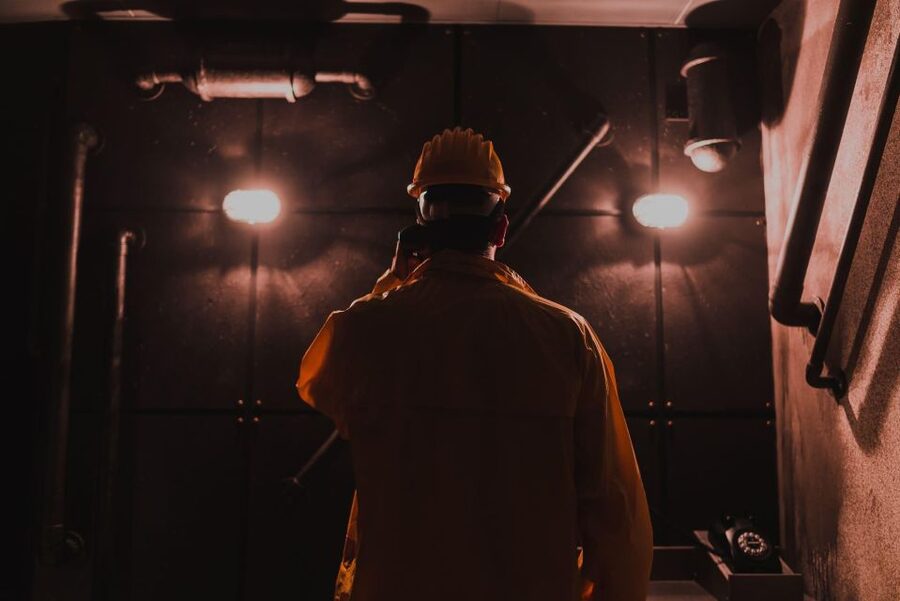
In Jack the Ripper (Berlin), the setting is London in 1888, with a murder in Whitechapel and people too afraid to be on the street. Then you arrive, and the story says the killer is striking again. The goal is straightforward: use the clues you have in your hands to make sure tonight ends the way it should.
What makes this room stand out is the tone. It is not “spot the hidden switch and go back to your life.” The space is described as technologically advanced with great scenography, which usually means puzzles are built into the environment, not stapled to a wall. You will likely spend time correlating bits of information instead of just brute-forcing a single mechanism.
Practical tip: when you find new clue fragments, pause and compare them immediately with what you already solved. This type of detective-themed room tends to reward people who build a running theory, not people who keep everything in their head until the last minute.
Possible consideration: if your team splits up, make sure you still keep one person acting as “clue recorder.” The room’s premise is about piecing together what is happening, and it is easy to lose track when everyone is sprinting to different parts of the set.
Winter is Coming: saving the world, then dealing with a locked castle
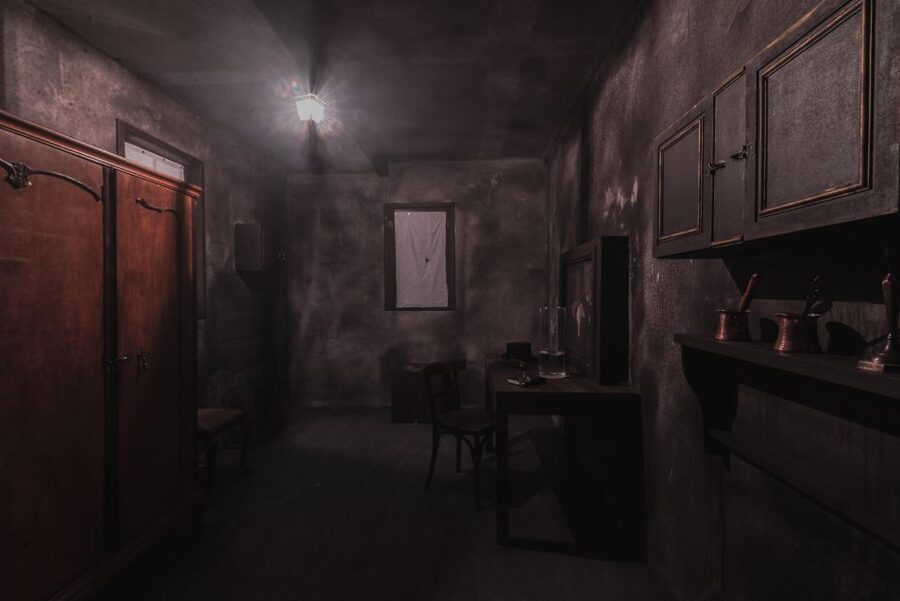
Winter is Coming (Berlin) is built around the idea that the White Walkers cross the Wall and are everywhere. Your job is to save the world from the dead, and the room leans into a dramatic, tech-and-setup style. You are told you are invincible, and the mission turns to a script from the Grand Meister, with the weapon hidden in the ice wall against winter.
This is the kind of room where you should expect the puzzles to feel connected to a larger mechanism. You are not just solving one stand-alone lock. The description also says that secret mechanisms lock you up in the castle and prevent you from escaping, which adds a second layer of pressure: you are not only racing to find answers, you are also dealing with the room trying to keep you inside.
Practical tip: in a story like this, you want to pay attention to where the room seems to “point.” If the set design highlights certain areas or objects, treat those as likely puzzle hubs. When you ignore those visual cues, time slips fast.
Who this suits best: teams who like planning and sequence thinking. If your group is used to coordinating like a game night crew, you will probably have a better run here than in a more chaotic, random puzzle hunt.
- Berlin: Reichstag, Dome and Government District Guided Tour
★ 4.7 · 18,288 reviews - Berlin: 1-Hour City Tour by Boat with Guaranteed Seating
★ 4.3 · 16,993 reviews - Berlin: Boat Tour Along the River Spree
★ 4.4 · 11,252 reviews - Discover Berlin Half-Day Walking Tour
★ 5.0 · 9,624 reviews - Berlin: Hop-on Hop-off Bus Tour with Live Commentary
★ 4.3 · 8,579 reviews
Tutankhamun’s Tomb: one door, one mission, a clock that means business
In Tutankhamun’s Tomb (Berlin), you step into a lively representation of an old Egyptian burial chamber, inside a pyramid setting. The room description says it is tech-forward and scenography-based, so you can expect the puzzles to be integrated into the space, not isolated.
When you reach the main hall and open the door, the story turns into the hunt for the great pharaoh’s secret. The warning is clear: if you stay for more than an hour, his curse will come over you forever. That line is obviously part of the game, but it signals how the room handles time.
So here is the practical way to play it: treat any long pause like a problem. If nobody has a lead, switch roles. One person should try to interpret what you found. Another should test what you think is connected. A third should keep an eye on the clock. This kind of themed room often has multiple puzzle steps, and time is what ties the experience into a “do it now” challenge.
Who might like it most: people who enjoy visual puzzles and step-by-step discoveries. If your brain likes patterns and symbolic clues, this should feel satisfying.
The Prison and Area51 in Göppingen: escaping under pressure
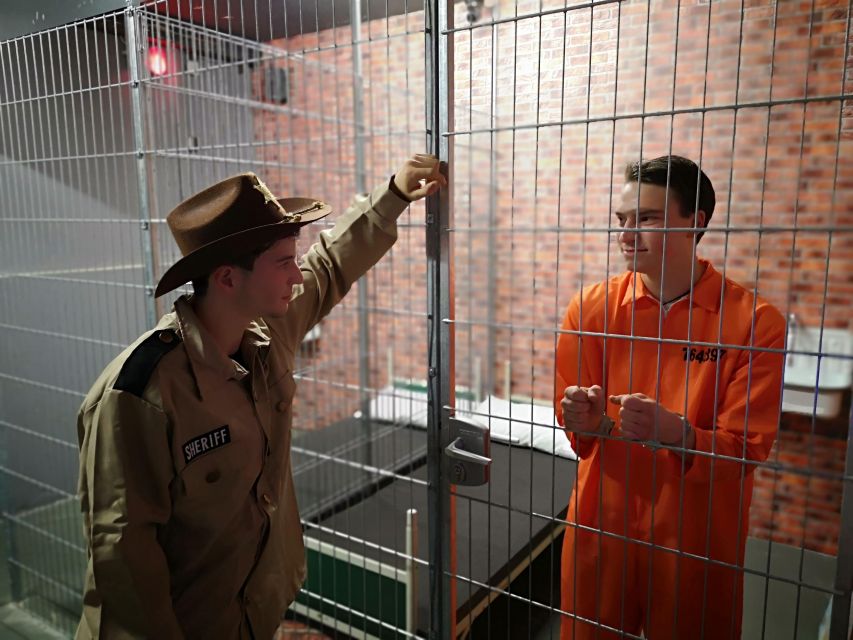
The Prison (Göppingen) gives you the classic escape premise: you are locked up, you do not feel free, and you need to escape before you get a worse fate. The room description includes a question that drives the story: what did you break, and what secret does the Commissioner hide in front of you. That wording matters because it implies the puzzles are not just mechanical. You will likely be interpreting clues tied to the narrative.
Practical tip: when a room has a “who hid what” premise, expect information to matter. If you find writing, symbols, or pieces of a narrative, treat them as part of the solution path, not decoration.
Then there is Area51 (Göppingen), set in an old, abandoned reactor. The setup starts like a vacation story that becomes a nightmare: the forest, an abandoned reactor, then an entrance to a facility that is not as dead as it seems. The description also includes a specific caution: the available oxygen seems to be like that for an hour, so you need to heat yourself. In a timed escape, that kind of detail usually signals you are under pressure with a built-in race feeling.
What to do with that: do not spend ten minutes arguing over one tiny step if the room gives you other leads. In oxygen-pressure style rooms, you want momentum more than perfection. Assign who tests mechanisms and who keeps the team on track.
Gamemaster support: helpful, but your team still runs the show

Gamemaster help is included. In practice, that means you should expect interactive support, not total silence. But the real value is not that someone rescues you from every mistake. It is that you can get unstuck when your logic stalls.
One key consideration from real-world experience with escape rooms is that staffing can vary by session. If the room is busy or the team is short, the gamemaster may have less time to guide you step-by-step. That is why you should treat hints like a safety net, not a training wheels system.
My advice for maximizing your chance of a clean solve:
- Decide early on how you will communicate (fast summaries, one person calls out what they see).
- When you get a hint, assign it a job immediately, like checking a specific section or testing a specific idea.
- Keep a running list of solved steps, even if it is messy. When your team is under time pressure, memory gets unreliable.
This approach turns support into speed. You get less stuck, and the game feels fair instead of frustrating.
Timing, pressure, and what 45 to 90 minutes really means
The activity slot is listed as 1 hour, but the playable time is typically 45 to 90 minutes. That range is important because it changes how you pace your decisions.
In an escape room, the first 10 to 15 minutes sets your rhythm. If your team starts with lots of wandering, the “solve all puzzles in good time” requirement can become brutal. On the flip side, if you focus and build a plan, you can often clear early puzzles and then snowball progress.
So think of it like this: your goal is not to be the smartest person in the room. Your goal is to be the fastest team at turning clues into actions.
Also, this is recommended for ages 12 to 15 when accompanied by an adult. That tells me it can be engaging for younger teens, but it is not designed for kids under 12. If you are bringing a family, make sure you choose a room where your group’s interests align, because motivation matters when you are racing a clock.
Comfort rules and what can affect your experience
Escape rooms are physical in small ways. You might lean, stretch, crouch, or stand close to tech props and locked mechanisms.
Here are the comfort and rules you need to know:
- Bare feet are not allowed.
- Food and drinks are not allowed.
- Alcohol and drugs are not allowed.
- It is not suitable for claustrophobia.
- It is not suitable for altitude sickness.
I would take the claustrophobia note seriously. Even if you are not panicking, tight spaces and constant movement can escalate anxiety. If that is even a mild concern, choose your mission carefully or skip it.
And about the no-food and no-drink rule: plan to eat before you arrive. A 45 to 90 minute mental sprint with snacks missing can be fine, but only if your body is already fueled.
Price and value: is $45 per person worth it?
At $45 per person, you are paying for a live, timed, themed experience with tech-based set design and interactive support. That is not cheap, but it can be fair value compared to low-budget entertainment because you are buying coordination, production, and a story you actually act inside.
What makes the price easier to justify is that:
- You play in English or German.
- The rooms are described as technologically advanced with strong scenography.
- You get interactive gamemaster support.
- The overall experience is built around a time challenge, so it feels event-like, not like a slow self-guided activity.
The main value question is whether your group will finish. Escape rooms are inherently uncertain. If your team misses key steps, you might feel like you “lost” even though you had fun.
So I recommend booking with teams who enjoy puzzles and teamwork. If your group tends to bail when challenged, you might want a different type of attraction.
Should you book this escape room?
Book it if you want a story-driven, tech-heavy puzzle night with English or German options. Pick the mission that matches your group’s interests, because the theme is part of the fun, not just a label. If your team likes figuring things out together and you are okay with time pressure, this is a solid choice.
Skip it if you are sensitive to tight or enclosed spaces, or if altitude sickness is a concern for anyone in your group. Also, if you hate the idea of racing the clock, you may find the pressure stressful.
One last practical thought: with a timed experience, your best chance is a calm team plan. Split roles, communicate clearly, and use hints as a reset button. Do that, and you will turn $45 into a memorable night, not a frustrating scramble.
FAQ
How long is the live escape room experience?
The activity is listed as 1 hour, and the actual playing time is typically 45 to 90 minutes. Starting times depend on availability.
What is the price?
It is $45 per person.
Is it available in English and German?
Yes. The experience can be played in English and German.
Do I get help during the game?
Yes. Interactive support from a gamemaster is included.
Is it a private group activity?
Yes. The format is listed as a private group.
What age is it recommended for?
It is recommended from ages 12 to 15 when accompanied by an adult. It is not suitable for children under 12.
Where do we meet and where does it end?
Meet at the entrance with laser star. Ring the bell, then go to the 1st floor to the reception. The activity ends back at the meeting point.
Is it suitable for claustrophobia?
No. It is not suitable for people with claustrophobia.
Are food, drinks, and alcohol allowed?
No. Food and drinks are not allowed, and alcohol and drugs are not allowed. Bare feet are also not allowed.
More Self-Guided Berlin





More Tour Reviews in Berlin





Recently added around Berlin




Berlin Self-Guided Tours & Games, compared.
 ★ 4.6Self-Guided Family and School Class Scavenger HuntFrom $47128 reviews
 ★ 4.5Escaping and spying on the Berlin Wall Scavenger huntFrom $22128 reviews
 ★ 4.7“Shadow of the Rubber Duck” Escape Room ExperienceFrom $3595 reviews
 ★ 4.6Scavenger Hunt Self-Guided TourFrom $5279 reviews
 ★ 4.5Berlin Wall: Greatest Escapes Self-Guided Walking AdventureFrom $527 reviews
 ★ 4.7Scavenger Hunt through Berlin’s Government DistrictFrom $5224 reviews
 ★ 4.4Potsdam: Outdoor Escape GameFrom $3822 reviews
 ★ 4.1Berlin Kreuzberg: Scavenger Hunt Self-Guided TourFrom $5219 reviews
Browse the lists this tour appears in