
Tour review · BERLIN MUSIC & SHOW TICKETS
Produce Techno and House Music in Berlin
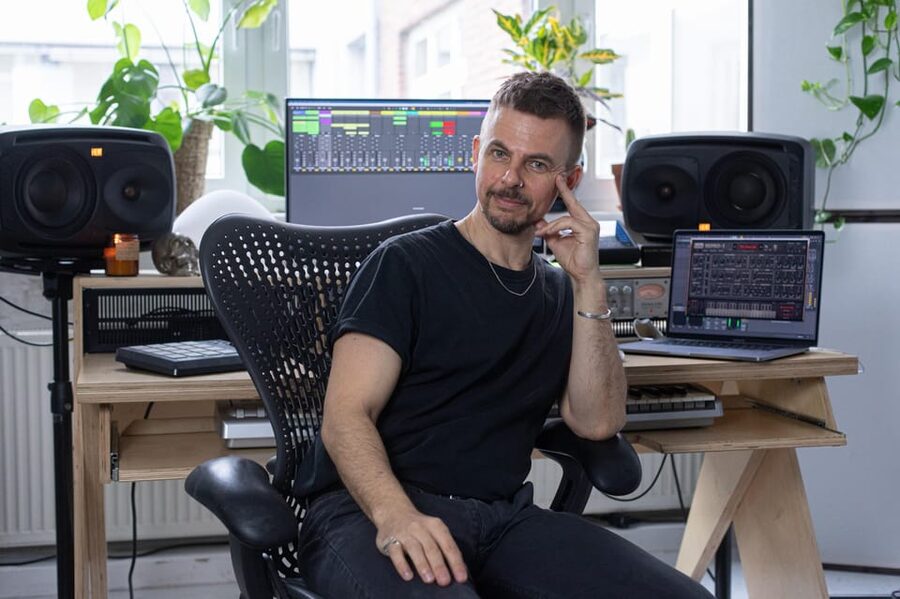
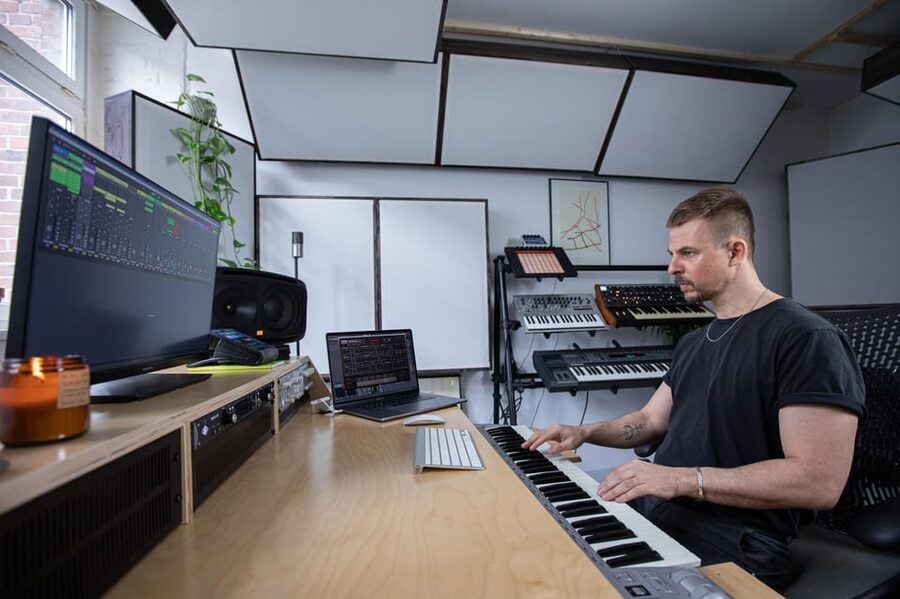
Berlin’s club music starts in a studio. In Andy Sexton’s small-group masterclass in Berlin’s clubbing district, you get hands-on with synths and drum machines, then arrange a house or techno track in real production software. I especially like how fast you move from idea to working groove, and how the teaching connects sound design, structure, and final mixing for club use.
The main thing to keep in mind is the 2-hour timing. You can absolutely leave with a solid track skeleton and strong skills, but you may not have time for the kind of endless fine-tuning producers do over days.
Key Takeaways Before You Go
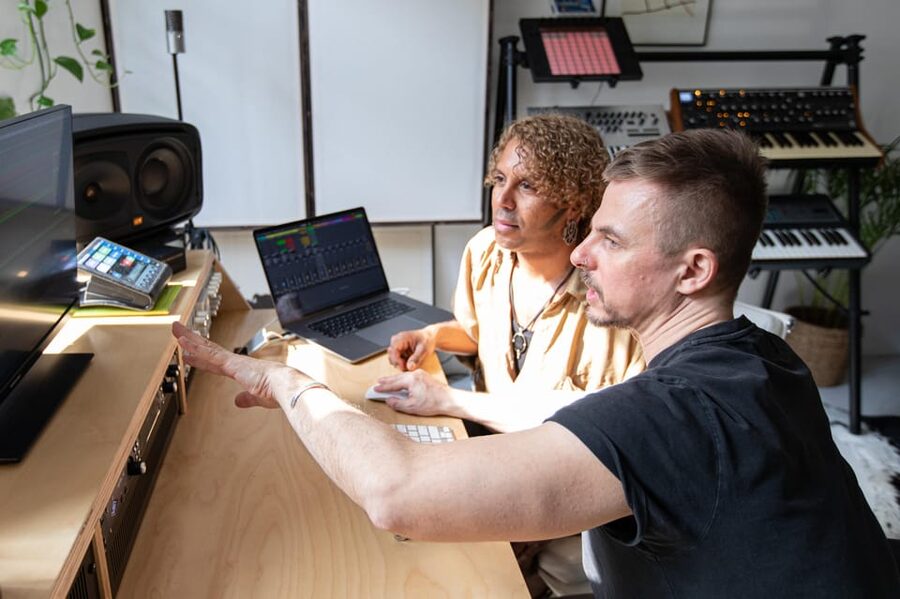
- Small group, big studio time (limited to 4 participants), so you are not lost in a crowd.
- Synth and drum programming basics that actually transfer to what you want to make next.
- Professional software + real studio gear, including modern and vintage instruments.
- Arranging and recording geared toward club play, not just headphones listening.
- Supportive, practical instruction in English, with a style that keeps you moving.
- A studio inside Berlin’s underground scene, plus some context for why the music sounds the way it does.
More Berlin stages, cabaret rooms and live performances
- Berlin: FALLING | IN LOVE Grand Show Friedrichstadt-Palast★ 4.7 · 1,268 reviews
- Berlin: Laughing Spree Comedy Show on a Boat★ 4.9 · 670 reviews
- Quatsch Comedy Club Berlin: Die Live Show Entry Ticket★ 4.7 · 634 reviews
- FALLING | IN LOVE Grand Show at Friedrichstadt-Palast Berlin★ 4.5 · 632 reviews
A Tiny 2-Hour Studio Class in Berlin’s Club District
This is the kind of experience that makes Berlin electronic music feel less like magic and more like craft. You meet in a large industrial building with reddish brown brick, right where the city’s club scene clusters. The studio setting matters. You are not learning on a generic laptop at a tourist desk. You are working in a real music space, with the tools and habits that producers use to get from a blinking cursor to something a crowd can feel.
You start with the basics, but you do not stay in theory. In a short session, you build toward a real track by making choices, hearing results quickly, and adjusting. That flow is one reason people love this class: it respects beginners but still gives music makers a path to go further.
And yes, this is a 2-hour session. That makes it a great add-on to a Berlin itinerary, but it also means you should show up ready to work with focus. If you want a slow, deep, “everything click-by-click” process for days, you might feel rushed. If you want a concentrated skill boost and a finished (or nearly finished) track moment, you will probably love it.
Why Andy’s House and Techno Focus Fits Berlin
Berlin is famous for underground techno and house, but the useful part is how this class frames the sound. You learn to create the kind of grooves, arrangements, and textures that fit the culture, not just random electronic patterns. You also get an inside view of how the process behind Berlin music works, including the way producers think about structure and momentum.
The teaching approach stands out. Andy Sexton does not just point at knobs. He shares a methodology and frameworks for making music. That matters because once you understand the workflow logic, you can recreate it later even when you are not in the studio. One helpful detail I liked in the class vibe is that people feel comfortable asking questions. There is also a sense of humor that keeps the room relaxed, which makes it easier to try stuff that might sound wrong at first.
You do not need prior experience. Still, this is not a “press play and watch” workshop. Even if you are new, you will be programming and arranging. If you already make music, you’ll likely appreciate the cleaner structure and the way the session nudges your sound choices toward house or techno identity.
Studio Gear and Software: What You’ll Actually Touch
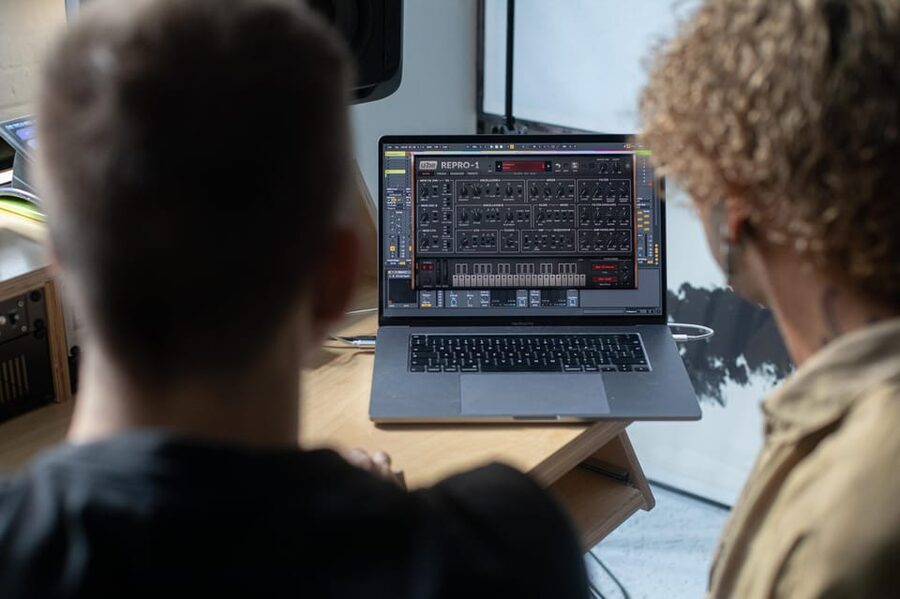
You’ll be using professional music production software during the class. That is important for value. It means you learn in the environment that matches how producers work day to day, not an oversimplified app that leaves you stuck later.
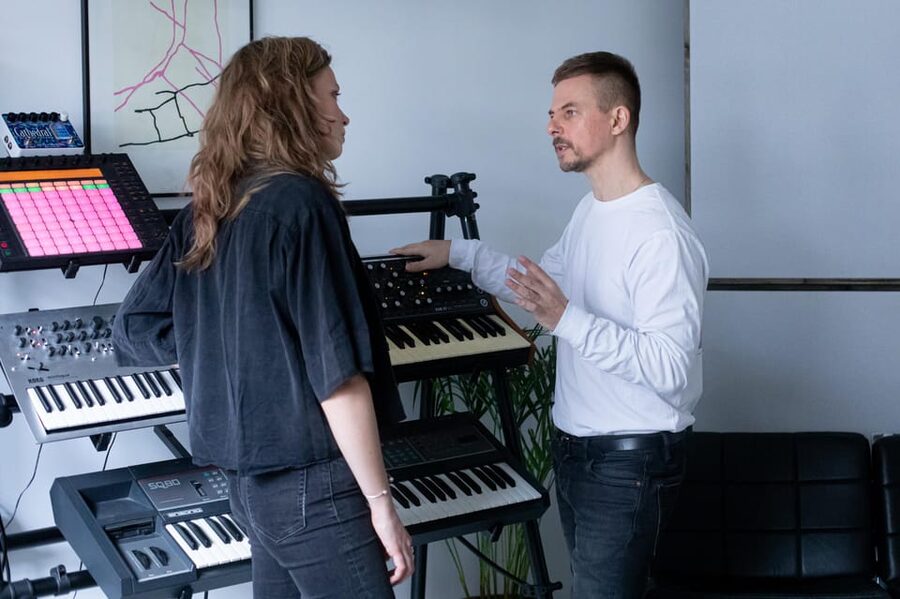
On top of software, the studio includes modern and vintage music gear. You also have access to a wide range of microphones, plus acoustic instruments like piano, guitar, and percussion. That combination is a big deal for house and techno. Even when the backbone is synth and drum machine, adding real recorded elements can give your track depth and personality. It is also simply fun, because you get options beyond a single preset workflow.
Here’s what this means for you practically:
- If you want to stay “straight to the point,” you can focus on synth programming and drum machine grooves.
- If you want texture, you can record or add acoustic parts using the studio instruments.
- Either way, you get to hear how choices sound in a professional studio environment.
Synth Programming and Drum Machine Grooves
The core skills you’ll work on are synthesizer programming and drum machine sequencing. In a house or techno track, the rhythm is the engine and the synth is the personality. You learn how to build those parts so the track feels intentional, not like disconnected loops.
In practice, you get guided through how producers think about programming. That includes learning the building blocks you can reuse later: sound selection, layering or shaping tones, and then creating a drum pattern that creates movement over time. You also work on the groove organization, meaning how the rhythm supports the track’s energy level, not just what the pattern looks like on screen.
This is the part that beginners usually find empowering. You start hearing what makes a groove click. People also enjoy playing with different instruments and synthesizers because it turns learning into experimentation instead of memorization. And if you are already making electronic music, you’ll likely notice the session pushes you toward more professional workflow habits, which can save hours later when you create your own tracks.
- Berlin: Reichstag, Dome and Government District Guided Tour
★ 4.7 · 18,288 reviews - Berlin: 1-Hour City Tour by Boat with Guaranteed Seating
★ 4.3 · 16,993 reviews - Berlin: Boat Tour Along the River Spree
★ 4.4 · 11,252 reviews - Discover Berlin Half-Day Walking Tour
★ 5.0 · 9,624 reviews - Berlin: Hop-on Hop-off Bus Tour with Live Commentary
★ 4.3 · 8,579 reviews
Recording and Arranging Your House or Techno Track
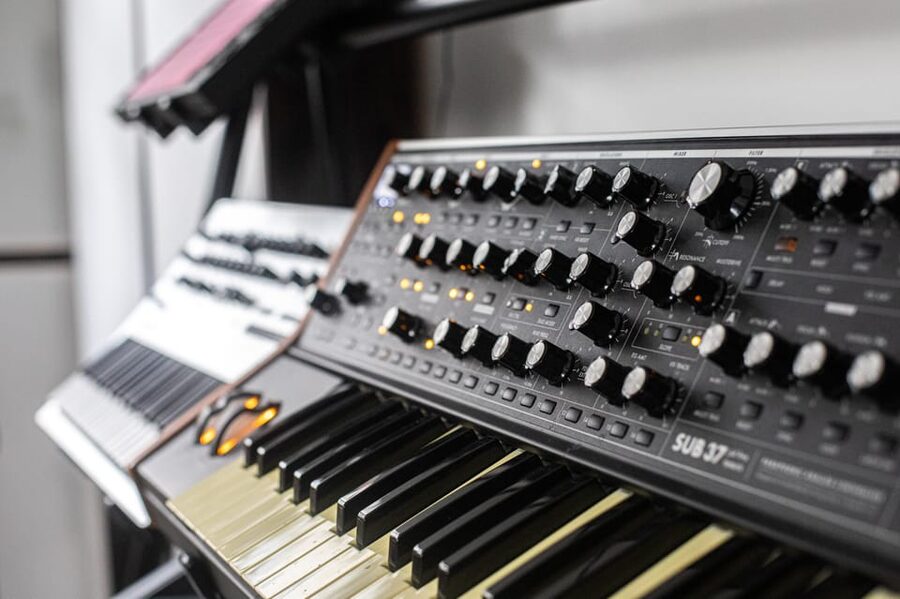
Once the groove basics are in place, you move into recording and arranging. This is where your track starts to feel like a song instead of a collection of parts.
You’ll learn to record and arrange a house or techno track using the studio’s setup and the professional software you’re using. You work on building sections and structure, so the arrangement creates a sense of progression. That might sound like a basic concept, but it is the difference between a loop that entertains for 30 seconds and a track that holds attention for a full clubside stretch.
Arranging is also where the Berlin context becomes useful. Berlin house and techno often reward steady forward motion. The best tracks do not just change for the sake of change. They develop. They build anticipation, add rhythm layers, and keep the floor moving. You do not have to imitate a specific sound. Instead, you learn the underlying logic of how the music gets its feel.
One detail I really value: you get an inside look at the “process that gives rise to the music.” That kind of knowledge is hard to find from tutorials alone. You learn not only what to do, but why producers do it that way in the first place.
Mixing Down for Club Play (Not Just Background Music)
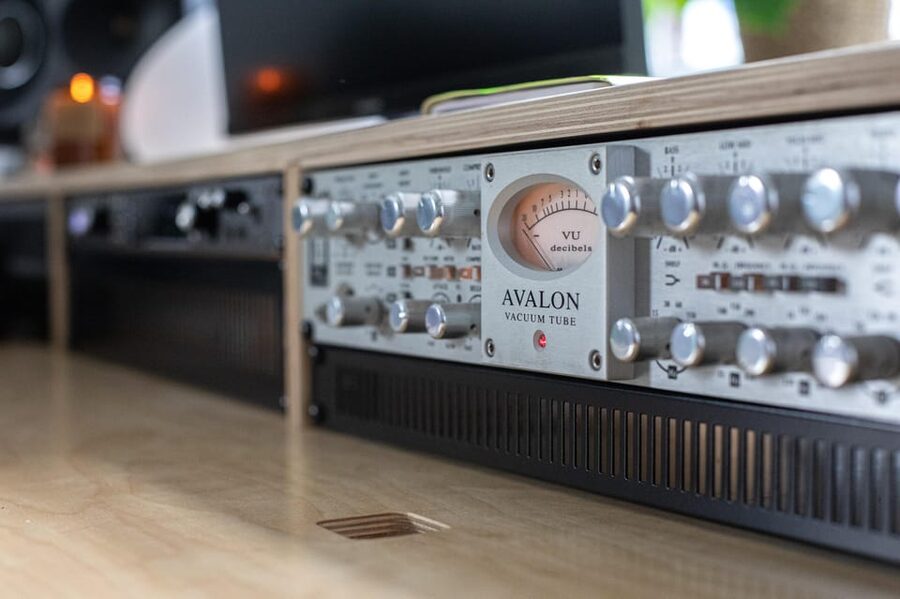
Then you get to the stage most people skip when they’re learning production. In this class, you mix down and prepare your work for club play.
Mixing can sound intimidating, but the way this session frames it helps. The goal is not to win a studio engineering contest. The goal is to make your track sound balanced and effective for the way club systems reproduce sound: bass has weight, kicks hit clearly, and elements sit together without turning the mix into mush.
You’ll learn how to get your track ready for club use. That usually means thinking about levels and how different elements interact in a club context. Even if you end up with something imperfect in a first session, the big win is that you leave with a practical checklist in your head.
Also, because this class is limited to 4 participants, you are more likely to get real feedback on what you’re doing. In short sessions, feedback is everything. It keeps you from wasting time on something that does not matter and helps you improve what does.
Price and Value: $147 for 2 Hours in a Real Berlin Studio
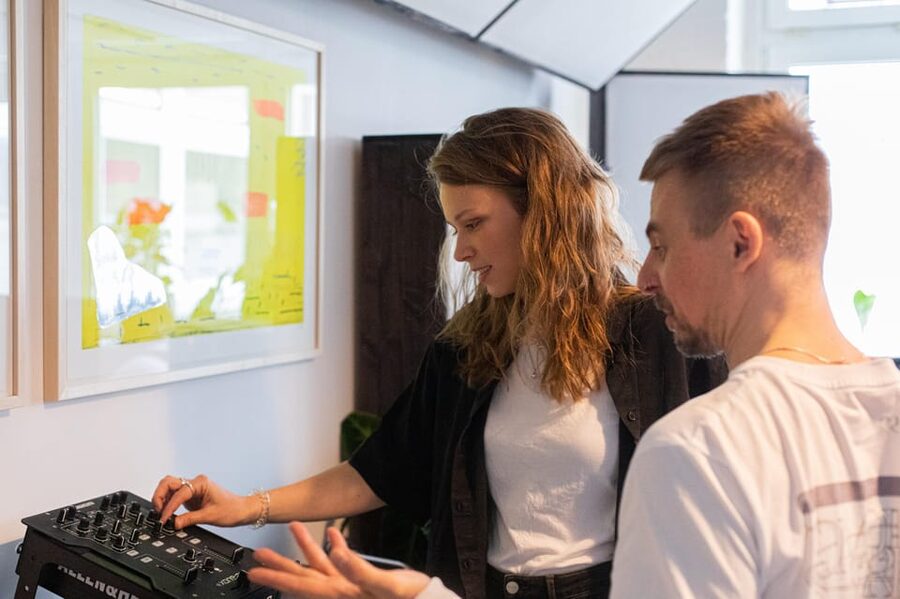
At $147 per person for a 2-hour session, the price is easiest to judge based on what you get included. You have access to professional music production software. You also get use of both modern and vintage gear, plus microphones and acoustic instruments. On top of that, you’re guided through programming, recording, arranging, and mixing down.
A big chunk of the cost is studio time and access. In Berlin, that can be expensive if you tried to source it on your own without an instructor. Here, you are not just renting equipment. You are getting teaching that turns the gear into usable skills.
It also helps that this is a small group limited to 4 participants. You get more attention than you would in a larger workshop. That matters in a practical class where you need troubleshooting and quick guidance.
Two small things to plan around: meals and drinks are not included, and transportation to and from the studio is on you. If you’re pairing this with evening plans, give yourself enough buffer time after the session, because you’ll likely want a moment to listen back and absorb what you built.
Who This Berlin Masterclass Is Perfect For
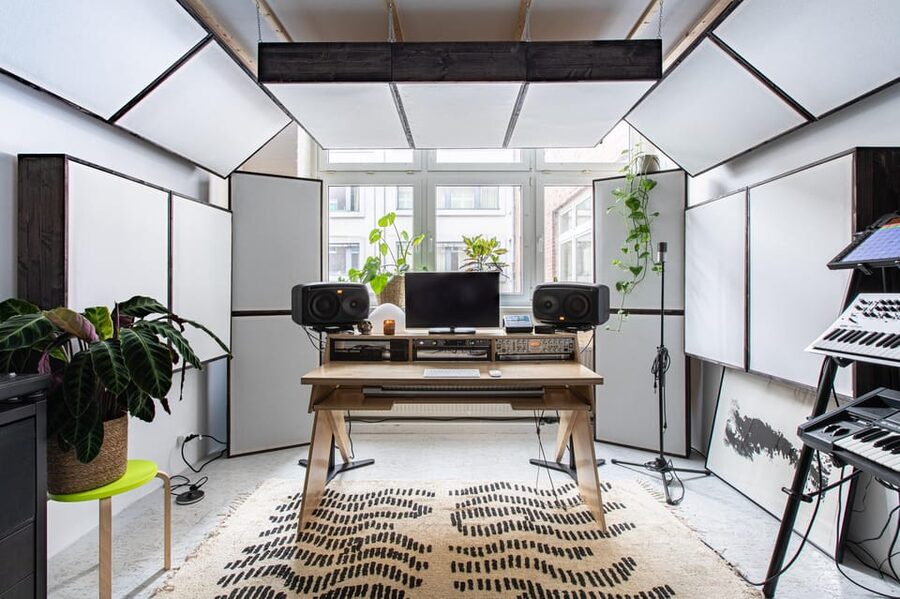
This is one of those experiences that fits a wider range than you might expect.
It is designed for people with no prior music production experience required, and participants must be at least 10 years old. That makes it a strong option for teens and adults who want to try creating techno or house without feeling out of place.
If you are already making music, you might still love it because you get professional workflow structure and practical mixing guidance. Some people also end up extending the session if time allows, which can mean you get to build more of the track and sometimes even leave with a track to take home. Don’t count on extra time as guaranteed, but it’s a real possibility when the session goes well.
If you struggle with sitting still and focus for short bursts, production can feel more demanding than you expect. You’ll be working actively with software and instruments, so treat it like a class, not a casual hangout.
Should You Book This Berlin Techno Production Class?
If you want one experience in Berlin that is hands-on, memorable, and skills-based, I think this is a strong booking choice. You’ll learn synth and drum programming, record and arrange a house or techno track, and mix down to prep it for club play, all with a teacher who speaks English and works with a small group.
Book it if:
- You want to make real progress in 2 hours, not just observe.
- You’re curious about Berlin’s underground sound and want the process behind it.
- You’d enjoy working in a studio with modern and vintage gear, plus instruments like piano, guitar, and percussion.
Skip it (or consider a different option) if:
- You want a long, slow course where you can obsess over every detail for days.
- You dislike focused, active learning with production software.
FAQ
How long is the session?
The session lasts 2 hours.
What is the group size?
It is a small group limited to 4 participants.
Is the class taught in English?
Yes, the instructor teaches in English.
Do I need prior music production experience?
No prior music production experience is required.
What age is the minimum participant age?
Participants must be at least 10 years old, and it is not suitable for children under 10.
What’s included in the price?
Access to professional music production software, use of modern and vintage music gear, introduction to synthesizer and drum machine programming, recording and arranging a house or techno track, and mixing down the track preparation for club play.
Where do I meet the instructor?
Meet at the front door of a large industrial building with reddish brown brick, a few minutes before the scheduled start time.
More Berlin Music & Shows



More Tour Reviews in Berlin





Recently added around Berlin




Berlin Music & Show Tickets, compared.
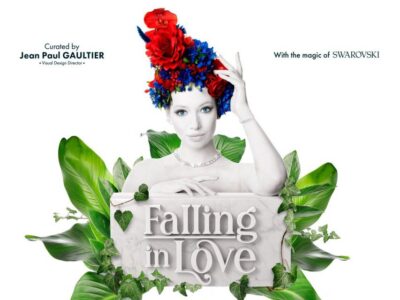 ★ 4.7FALLING | IN LOVE Grand Show Friedrichstadt-PalastFrom $511,268 reviews
 ★ 4.9Laughing Spree Comedy Show on a BoatFrom $15670 reviews
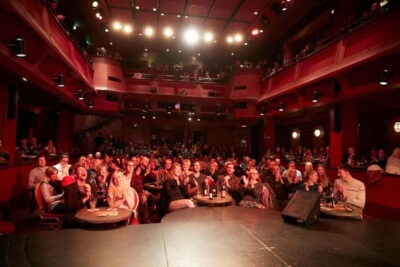 ★ 4.7Quatsch Comedy Club Berlin: Die Live Show Entry TicketFrom $40634 reviews
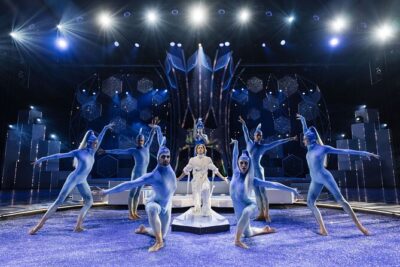 ★ 4.5FALLING | IN LOVE Grand Show at Friedrichstadt-Palast BerlinFrom $52632 reviews
 ★ 4.6Haunted Guided Live Theatre Tour in GermanFrom $24630 reviews
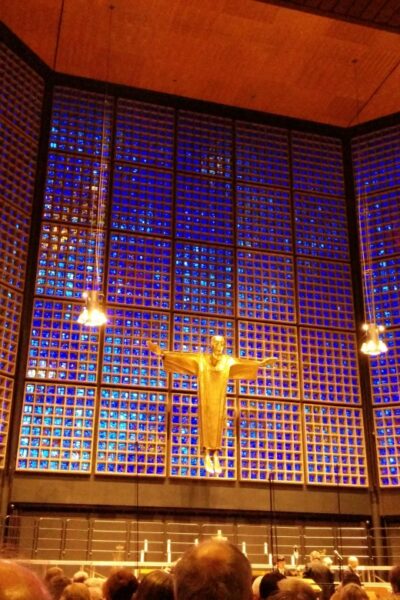 ★ 4.6Classical Concert at Kaiser Wilhelm Memorial ChurchFrom $27387 reviews
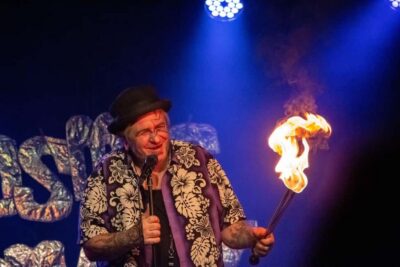 ★ 4.6English Stand-Up Comedy ShowFrom $20306 reviews
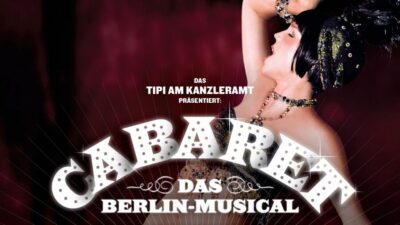 ★ 4.5Cabaret – The Berlin Musical at Tipi am KanzleramtFrom $71303 reviews
Browse the lists this tour appears in