
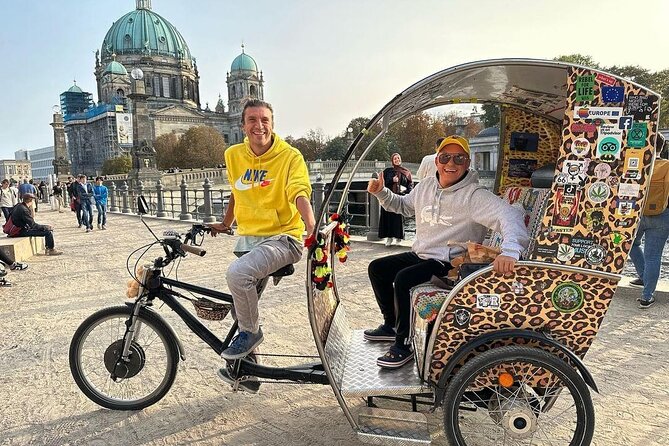
Tour review · BERLIN PHOTOGRAPHY EXPERIENCES
Romantic Berlin Rickshaw City and Photo Tour – incl. pick-up
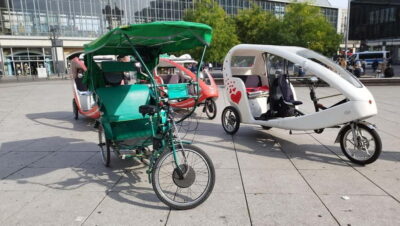
Berlin looks better from a rickshaw. I love how this private city tour turns big sights into a close-up, low-stress loop, and the included warm blanket makes cold-weather sightseeing actually doable. I also like that the ride feels personal, not like a cattle line, even though the route packs in major landmarks.
My second favorite part is the photo focus, because you get help to frame key views as you glide past Berlin’s most famous corners. The one drawback to consider is that the historical depth can vary by guide, so if you want deep, stop-by-stop commentary, be ready to ask questions and steer the pace.
Key highlights you should know before you go
- Pickup within 2 km of the Brandenburg Gate keeps you out of the logistics maze
- Photographer included, so you are not stuck playing camera operator
- Music on request and WiFi on board makes the ride feel like a mini private lounge
- Warm blanket and alcohol beverages help set the romantic tone, especially in winter
- A tight route of iconic Cold War and classic Berlin sites works well for short trips
More Berlin ideas for the space still left in the itinerary
- Berlin: Fotografiska Photography Exhibition Ticket★ 4.6 · 168 reviews
- 5hours: Guide, Chauffeur & Photographer in Berlin private Tour★ 5.0 · 66 reviews
- BERLIN PHOTO TOUR with a professional Photographer from Berlin★ 5.0 · 44 reviews
- Berlin: Ticket for Photography Exhibitions at C/O Berlin★ 4.5 · 39 reviews
Berlin’s best date-night setup, one rickshaw at a time
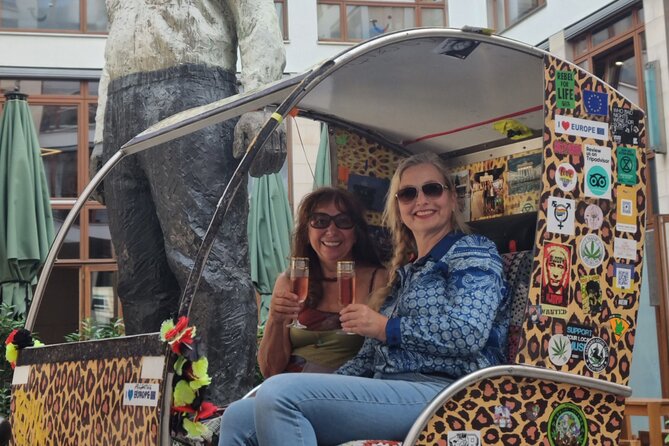
This is the kind of Berlin experience that makes sense fast. Berlin is famous for its monuments and museums, but most people see them from sidewalks while shuttling between them with trains and walking detours. Here, you sit in a rickshaw and let the city come to you.
That changes the vibe. You get close views of facades and squares without constantly stopping your day to plan the next turn. For me, the biggest win is the private format, meaning you can set a comfortable pace and spend more time on the parts that matter to you, whether that is architecture, memorials, or simply getting good photos.
And yes, it is called Romantic Berlin, so you should expect date-night energy. But you do not need to force it. The combination of photo help, a guide, and the relaxed open-air ride makes it natural for couples, anniversaries, and small friend groups who want a memorable “Berlin in motion” afternoon or evening.
Price and logistics: how $183.35 per group really plays out
The price is $183.35 per group (up to 2). That matters, because your cost is for the whole private experience, not per person in a larger group.
In practice, that can be good value if you are:
- visiting as a couple, and you would otherwise pay two separate tickets and guides, or
- short on time and want to cover a lot without spending half the outing navigating transit,
- the type who wants photos and help rather than just watching landmarks slide by.
You also get:
- private transportation
- a travel guide and a photographer
- WiFi on board and music on request
- warm blanket
- alcoholic beverages included
That set of inclusions is what makes the overall feel different from a basic “sightseeing taxi plus a map.” Still, be honest with yourself about what you want. If you want a long, slow, deeply guided tour with lots of museum time, the 1 to 2 hour window might feel tight. This is designed to move through the highlights.
Comfort details that matter in Berlin cold weather
Berlin can be sharp in the shoulder seasons. Even if the day is sunny, it can still bite once you slow down and wait at viewpoints. This tour tackles that with a warm blanket you can use while you ride.
I also appreciate the included touches that keep the mood steady:
- music on request means you can set the tone, and
- WiFi on board helps if you need to look up something quickly or share photos.
Then there is the alcohol included. Keep in mind you are outside and moving through traffic and streets, so pace it. A single drink can add to the romantic feel. Too much can turn a photo tour into a blurry obstacle course.
The route, stop by stop: classic Berlin through Cold War memory
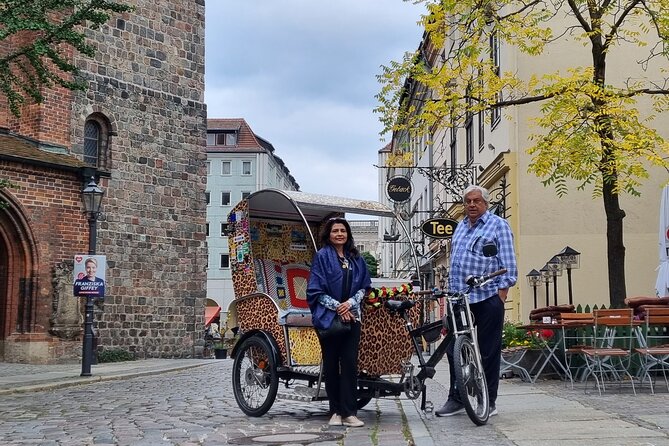
The tour starts and ends back at Pariser Platz 4A (10117 Berlin). Pickup is included within a radius of 2 km from the Brandenburg Gate. If you are farther out, you are charged 10 € per km, paid on the spot.
From there, your ride focuses on a very deliberate mix: grand German classicism, major government sites, Soviet memorials, Cold War checkpoints, and then the museum core and old-town texture.
More Berlin ideas for the space still left in the itinerary
- Berlin: 1-Hour City Tour by Boat with Guaranteed Seating
★ 4.3 · 16,993 reviews - Berlin: City Sightseeing Hop-On Hop-Off Bus Tour
★ 4.1 · 4,233 reviews - Berlin: 1-Hour City Sightseeing Cruise
★ 4.4 · 2,210 reviews - Berlin City Hop-on Hop-off Tour with Optional Cruise
★ 3.5 · 1,155 reviews - City Sightseeing Berlin Hop-On Hop-Off Bus Tour
★ 3.0 · 981 reviews
Brandenburg Gate to Reichstag: starting with the big symbols
You begin at the Brandenburg Gate, one of the most recognizable statements of German classicism. The key details worth noticing while you ride:
- it was built between 1788 and 1791
- based on designs by Carl Gotthard Langhans the Elder
- inspired by the Propylaea of the Athens Acropolis
- King Friedrich Wilhelm II ordered it as an architectural finish for the boulevard Unter den Linden
This opening stop works because it gives you context quickly. You get a sense of where Berlin likes to place power, symmetry, and national identity in stone.
Next comes the Reichstag Building, tied to major turning points. This is where your guide’s pacing matters, because the story is intense:
- Nov 9, 1918: SPD politician Philipp Scheidemann proclaimed the republic from the west portal balcony
- Feb 27, 1933: the Reichstag fire destroyed the plenary hall and dome
- Apr 30, 1945: a Soviet Union red flag was raised by two Red Army soldiers, marking the victory over the Third Reich
One practical consideration: there is admission ticket not included for this stop. So you are mostly viewing from outside or from accessible viewpoints during your ride, not doing a full inside tour at that moment.
My tip: If you care about the Reichstag dome experience, ask the guide where you can best see the angles, and then decide on your own whether you want a separate ticket-based visit later.
Soviet memorials and Berlin’s green oxygen break
After the government-heavy start, you pass a very specific kind of monument: a memorial square with two T-34 tanks flanking a bronze statue of a Red Army soldier holding a rifle. Behind the pillars, you see texts honoring fallen Soviet soldiers, and at the rear there are graves of around 2,500 soldiers.
This stop tends to hit people differently than a typical landmark photo. It is not about the architecture style. It is about what Berlin remembers, and how. If you are bringing someone who loves history, this is a meaningful emotional anchor in the ride.
Then the route shifts toward the zoo area and its park-like setting. Here the story is about transformation over centuries:
- at the end of the 17th century, Elector Friedrich III created a pleasure park from a former hunting ground
- later, it was redesigned and, between 1833 and 1838, turned into an English public park by landscape designer Peter Joseph Lenné
- the zoo covers around 200 hectares
- key features include monuments and bridges, plus places like the Victory Column, the Federal President’s Office, and the House of World Cultures
- the English Garden around a pond is singled out as one of the nicest corners
You are not visiting as a long-form zoo day here. You are seeing how Berlin blends memorial and leisure. It is a useful reset for the rest of the tour, especially if you have had travel fatigue.
Potsdamer Platz: modern Berlin, built as a whole district
Next is Potsdamer Platz, a district planned as an integrated project rather than a random collection of buildings. The idea worked, because the area has cafes, cinemas, shops, and the kind of street life Berliners actually use.
You are also getting a sense of modern city planning. The description references a new district created on 6.8 hectares between Potsdamer Platz and Reichpietschufer. Even if you do not geek out on urban planning, standing or riding through here helps you understand how Berlin rebuilt parts of itself after the Cold War.
Topography of Terror and the wall memory corridor
The route includes Topography of Terror, the site tied to planning and control of Nazi crimes from 1933 to 1945. The focus is on the institutions of the SS and police housed there, including:
- the Secret State Police Office
- the Reich Leadership SS
- the Reich Security Main Office
This is powerful material. In a short tour, the challenge is not learning everything. The win is getting oriented so that, later, you can choose deeper study if you want it.
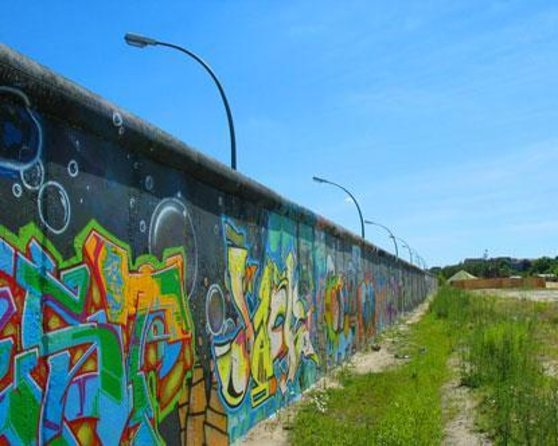
You then have stops that relate to the Wall. Berlin’s Wall story is everywhere, but being moved along by rickshaw helps you see how quickly the city shifts from memorial spaces to everyday streets. It also helps you get those in-between views that you miss when you only ride transit or walk long stretches.
Martin-Gropius-Bau: art and photo culture in the middle of the route
The tour also touches Martin-Gropius-Bau, described as dedicated to cultural history, contemporary art, and photography. This stop is useful even if you are not entering, because it signals that Berlin’s identity is not only memorial. It also processes culture, creativity, and modern expression through institutions.
If you happen to visit during an exhibit period, this could be one you would want to return to on your own with extra time.
Checkpoint Charlie and Friedrichstraße: the border romance you should treat carefully
Then you reach Checkpoint Charlie, once the most famous border crossing during Berlin’s division. The key facts that help you frame what you are seeing:
- it was controlled as one of the border points, alongside crossings like Glienicke Bridge
- other American-controlled border crossings included Checkpoint Alpha (Helmstedt-Marienborn) and Checkpoint Bravo (Dreilinden-Drewitz)
- passage was allowed only for foreigners and certain personnel tied to the permanent representation of the FRG in the GDR, plus GDR functionaries
Checkpoint Charlie can feel commercial on some streetscapes, but the underlying reality is serious. Keep that in mind while you take photos.
After that, you move along Friedrichstraße, Berlin’s north-south axis. The description notes a shopping mile grew between Checkpoint Charlie and Friedrichstraße station after the Wall fell. This is a good reminder of how Berlin’s borders became everyday routes.
Gendarmenmarkt to Bebelplatz: art, democracy, and the book burning scar
Next comes Gendarmenmarkt, built in the late 17th century based on plans by Johann Arnold Nering. The area was tied to French immigrants, especially French Protestants (Huguenots).
The square’s names evolved over time: Esplanade, Lindenmarkt, Friedrichstädtischer Markt, Neuer Markt, and then renamed Gendarmenmarkt in 1799 because the guard and stables of the regiment Gens d´armes were located there from 1736 to 1782.
On or near the square, you have two major cultural anchors:
- the German Cathedral, with the permanent exhibition Ways – Irrwege – Detours, covering the historical development of liberal parliamentary democracy on five floors
- the concert hall, described as a masterpiece of classical architecture and a key work by Karl Friedrich Schinkel, with roots in an earlier comedy house opened in 1776 under Frederick the Great, later becoming the Royal National Theater in 1787
Then comes Bebelplatz, tied to one of the most chilling episodes of Nazi censorship: the book burning. The memorial marks the place where, on May 10, 1933, Nazis burned over 20,000 books. The description includes names like Erich Kästner, the Mann family, Magnus Hirschfeld, Lion Feuchtwanger, Karl Marx, Else Lasker-Schüler, and almost 400 other authors. It also mentions Heinrich Heine, with the note that where books are burned, people are harmed.
This stop is a reminder that Berlin’s memorials are not only about battles. They are also about ideas.
Neue Wache and the push toward the museum island core
You then reach Neue Wache, built between 1816 and 1818 from designs by Karl Friedrich Schinkel. Since 1993, it has been the central memorial in the Federal Republic of Germany for the victims of war and tyranny.
Right near there, you transition toward Berlin’s museum center. The ride includes Museum Island, which is a UNESCO World Heritage site. The point here is not to list every museum. It is to understand why this island matters: Berlin built a focused cultural core, not just scattered attractions.
You also pass or see:
- Berlin Cathedral, described as a must for church lovers
- the Lustgarten, once part of Berlin City Palace, now a popular open square
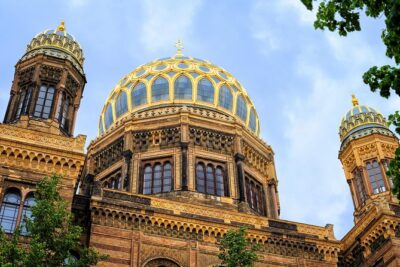
- the New Synagogue on Oranienburger Strasse, where what remains still signals the importance of this site as once the largest and most important synagogue in Germany
These are big structures. Your best move during a short ride is to take photos for future reference, then decide later which building deserves a paid, timed visit.
Nikolaiviertel and Alexanderplatz: old neighborhood charm meets big-city energy
As the route continues, you get to Nikolaiviertel, Berlin’s first residential area, described as the oldest. You also get the feeling of an old-town pocket with the Nikolaikirche, plus historic houses and restaurant and coffee shop stops nearby.
Then the tour finishes with Alexanderplatz, Berlin’s famous, lively square. The idea is simple: after all the monumental sights, you end in a place that feels like real daily Berlin.
Finishing on a square like Alexanderplatz makes the tour feel complete. You can hop off, grab food, or plan a next step without feeling like you are ending in a dead-end monument area.
Photo tour tips that actually help (especially from a moving rickshaw)
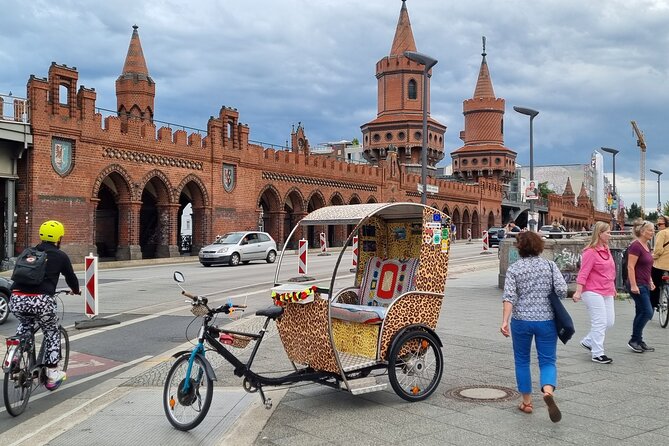
This is a photo tour, and you also have a photographer included. That means you should treat your time like a guided photo session, not only a sightseeing ride.
Here are practical ways to make the most of it:
- Ask for a plan at the start: which landmarks are your must-have shots
- Wear something that stands out against stone and brick tones, so your photos do not blend into the background
- If you care about crisp architecture photos, tell your guide you want moments that pause longer on facades
- Use the warm blanket strategically: when you relax into it, your posture looks better in photos, and you suffer less from cold
Also, keep your expectations realistic. You are on a moving vehicle, and some stops are short. The goal is a set of strong images you can use to remember the trip, not studio-quality perfection.
Who should book this, and who might want a different format
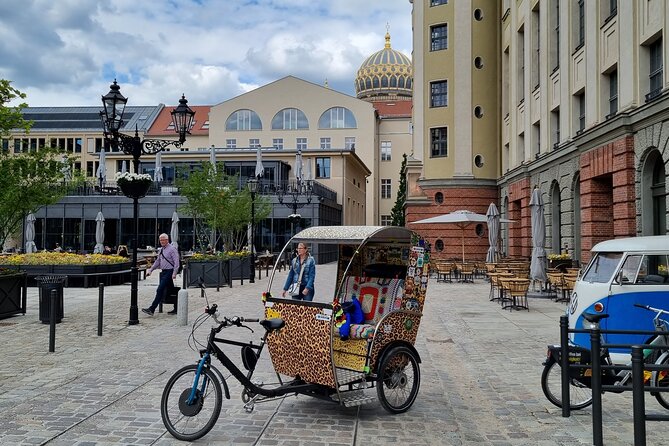
This tour makes the most sense if you:
- want a romantic, private Berlin outing for two
- care about getting strong photos at major landmarks
- have limited time and still want a “big highlights” route
- prefer comfort details, like a warm blanket and a relaxed ride rather than long walks
It might be less ideal if you:
- want long, detailed museum time, because this is designed around a moving itinerary
- need deep historical storytelling at every stop, because the background level can vary by guide
One review issue that matters for your decision is that route stretch and historical depth were mentioned as uneven for some groups. That does not mean the tour is bad, but it does mean you should go in with an open mind and be ready to ask questions.
Final thought: should you book this rickshaw photo tour?
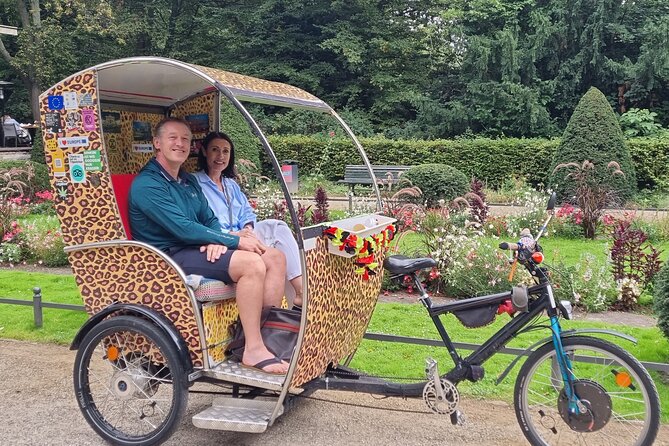
I think you should book it if you want a romantic, low-effort way to see Berlin highlights without wrestling transit maps or hauling your own camera setup. The combo of private transportation, photographer help, and the comfort upgrades like warm blanket makes it a strong value for couples.
Skip it if you want a long, museum-heavy day or if you are the type who expects a very academic, stop-by-stop lecture. In that case, you might pair a shorter highlights tour with a couple of separate timed museum visits.
If your goal is to see major Berlin landmarks, get good photos, and end the day with real city energy, this tour is a very workable choice.
FAQ
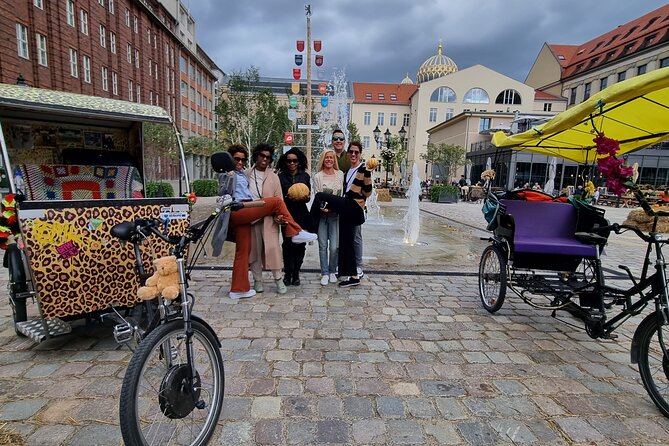
How long is the Romantic Berlin Rickshaw City and Photo Tour?
The tour is listed as lasting about 1 to 2 hours.
What is the price for the tour?
The price is $183.35 per group, up to 2 people.
Is pickup included?
Yes. Pickup within a radius of 2 km from the Brandenburg Gate is included. More than 2 km is charged at 10 € per km, paid on the spot.
What language is the tour offered in?
The tour is offered in English.
What is included in the price?
Included items are private transportation, WiFi on board, a warm blanket, music on request, a travel guide, a photographer, and alcoholic beverages.
Is the tour private?
Yes. This is a private tour/activity, and only your group participates.
Are mobile tickets used?
Yes, you receive a mobile ticket.
Is good weather required?
Yes, the experience requires good weather. If it is canceled due to poor weather, you are offered a different date or a full refund.
Is there a cancellation option if plans change?
Free cancellation is offered. You can cancel up to 24 hours in advance for a full refund.
More Tours in Berlin
More Berlin Photography Experiences in Berlin
More Tour Reviews in Berlin
Recently added around Berlin
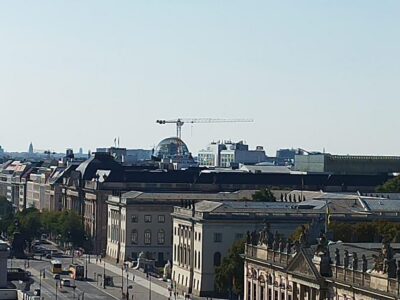
Berlin Photography Experiences, compared.
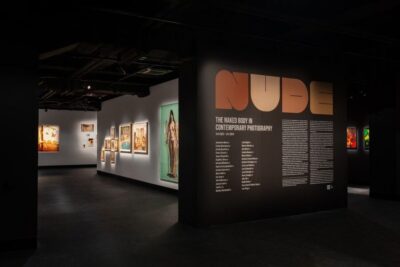 ★ 4.6Fotografiska Photography Exhibition TicketFrom $17168 reviews
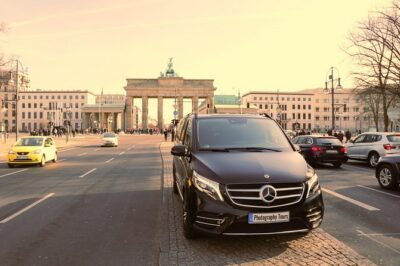 ★ 5.05hours: Guide, Chauffeur & Photographer in Berlin private TourFrom $71266 reviews
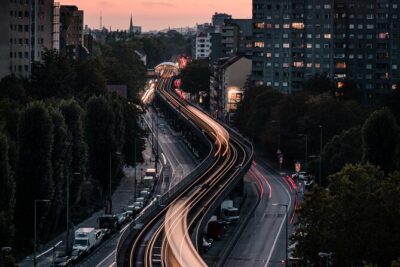 ★ 5.0BERLIN PHOTO TOUR with a professional Photographer from BerlinFrom $13044 reviews
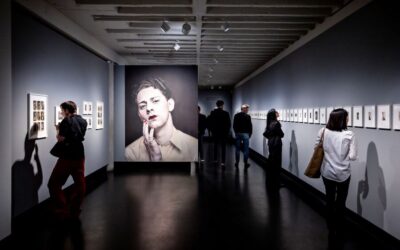 ★ 4.5Ticket for Photography Exhibitions at C/O BerlinFrom $1439 reviews
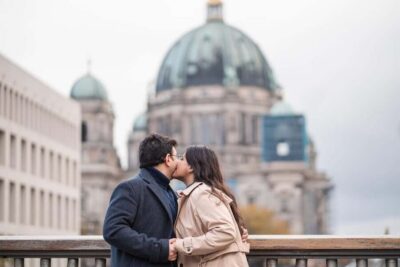 ★ 4.9Private Photo Session with Professional PhotographerFrom $6234 reviews
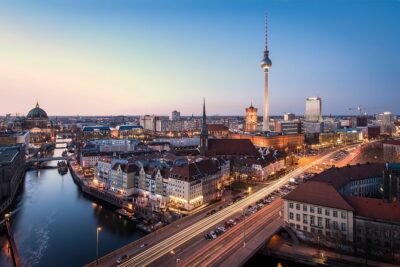 ★ 4.5Berlin Photography Masterclass – Private Photography LessonFrom $18023 reviews
 ★ 4.7Early Morning Private Photoshoot to avoid the CrowdFrom $7819 reviews
 ★ 4.0Berlin Photoshoot A Private Photoshoot with Berlins Top SightsFrom $589 reviews
Browse the lists this tour appears in