
Tour review · BERLIN CITY SIGHTSEEING TOURS
Berlin: DIY & Subculture Sightseeing in a 1972 Ford Van!
Berlin in a retro van sounds like a party.
What makes it more than that is the focus on DIY and subculture history, told through street-level stops, not museum-style lectures. I really like the way this tour pairs iconic sights like the East Side Gallery with the quieter places behind storefronts, where the city’s scene learned to build its own spaces.
You’ll get to enjoy Berlin’s DIY spirit through improvised bars, venues, and hidden basements, with stops built around Berlin’s cultural and political shifts. The guide also brings the story into the present, so you’re not just collecting dates, you’re understanding why the city works the way it does. One thing to consider: the van has no air conditioning (just a fan), so plan for hot days and bring a layer for cooler evenings.
Key things to know before you go
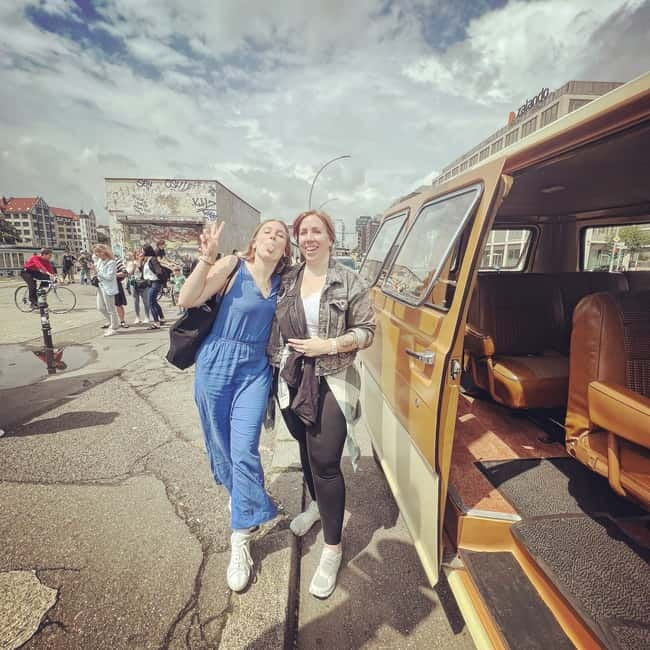
- 1972 Ford Econoline window seat: great views for photos and quick street-scene spotting.
- Small group of 6 max: you’ll actually hear the guide instead of fighting traffic noise.
- Charged smartphone required: you’ll use it for background photos and videos during photo stops.
- East Side Gallery to Friedrichshain and Kreuzberg: the route is designed around DIY neighborhoods, not random landmarks.
- Rain or shine: this is a street tour, so dress like you’ll be outside the whole time.
- 1 free drink plus a Get In The Van T-shirt: the ticket includes more than narration.
More ways to establish Berlin’s shape before the day fills up
- Berlin: 1-Hour City Tour by Boat with Guaranteed Seating★ 4.3 · 16,993 reviews
- Discover Berlin Half-Day Walking Tour★ 5.0 · 9,624 reviews
- Berlin: Discover Berlin Walking Tour★ 4.9 · 5,998 reviews
- Berlin: City Sightseeing Hop-On Hop-Off Bus Tour★ 4.1 · 4,233 reviews
Why DIY subculture is the right lens for Berlin
Berlin has plenty of standard sightseeing routes. This one uses a different map. Instead of only chasing monuments, the tour treats Berlin’s DIY and underground culture like the city’s operating system: people made their own venues, their own rules, and their own community spaces, especially when official options were limited.
I like that the story starts with the physical city and then moves into the human habits behind it. You see why the same streets can feel different depending on the era, and you understand how squats, clubs, and informal hangouts became a kind of civic creativity. It also keeps the timeline moving from older scene roots into today’s nightlife culture, so you leave with a better sense of continuity.
The van experience: 1972 Ford Econoline, window views, and real street time
The ride is part of the point. You meet the group at the van itself: a beige/brown 1972 Ford Econoline. The setup is cozy, and the window-seat style viewing works well for Berlin, where you learn more by watching the street than by scanning a distant skyline.
The vehicle is old, so expectations should be realistic. There’s no air conditioning, only a fan, which matters on warm days. If you’re the type who runs hot, plan your timing carefully, wear breathable clothing, and keep your phone accessible but protected from wind and grime.
Practical note: show up 15 minutes early. With a small group and a single van, that little buffer keeps things smooth, especially if you want the best seat for photos.
Meeting at East Side Gallery and rolling into Friedrichshain and Kreuzberg
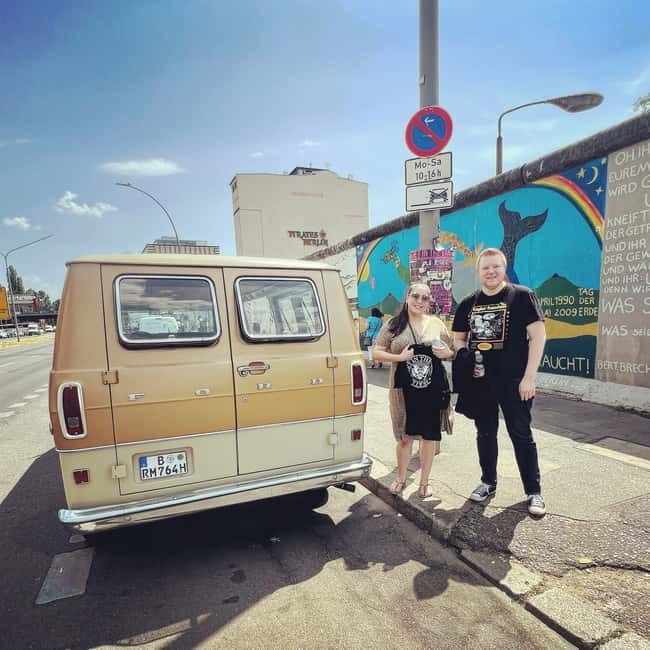
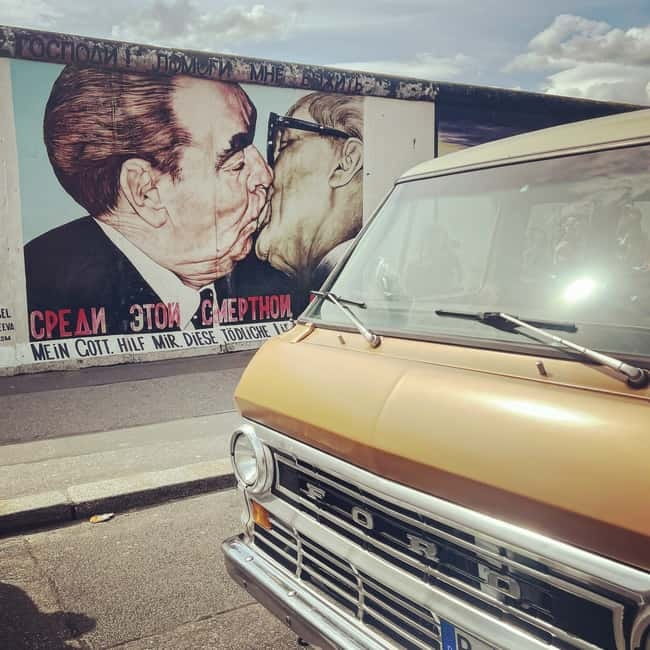
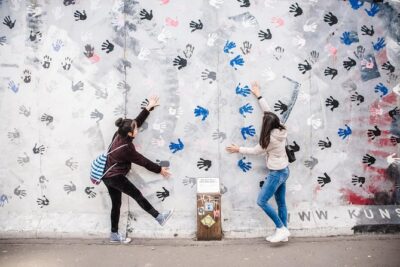
The tour kicks off near the East Side Gallery, the longest remaining section of the Berlin Wall, right by the Spree River. Starting here is smart because it anchors the whole story. Berlin’s DIY scene grew in a city shaped by division, then reinvention, and this location sits at the crossroads of memory and movement.
From there, the van heads toward the neighborhoods that helped define modern Berlin subculture, especially Friedrichshain and Kreuzberg. The guide’s approach is practical: you get picture-friendly stops where you can see the building front today, and then you get context for what used to happen there. That contrast is often the whole lesson, because Berlin changes while the creative DNA keeps resurfacing.
Görlitzer Bahnhof and May 1st: how unrest fed the scene
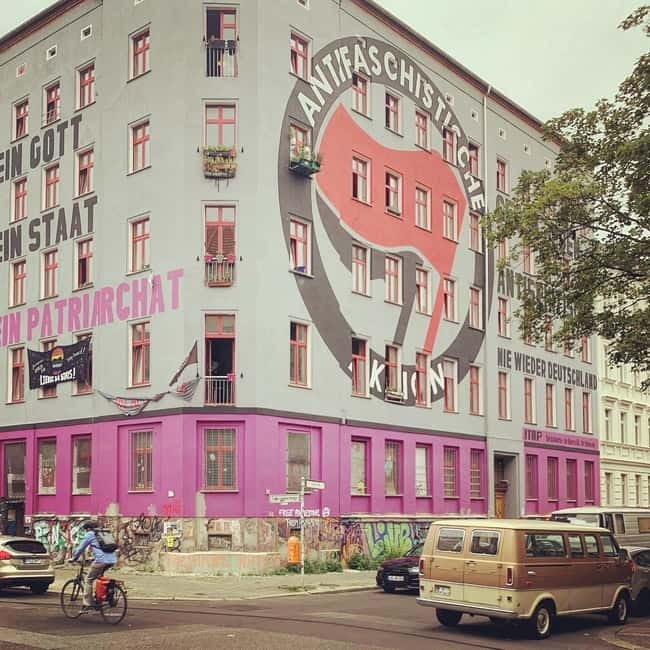
One of the tour’s strongest themes is that Berlin’s culture was not born in perfect conditions. You’ll hear about the May 1st riots around Görlitzer Bahnhof, a reminder that the city’s nightlife and DIY infrastructure evolved alongside political tension and protest energy.
This kind of context matters because it prevents you from treating Berlin clubs as purely entertainment. Instead, you start seeing nightlife as a social engine. When you understand that history, later stops in squats and basements feel less random and more like parts of a larger pattern: people making space for themselves, then defending that space through time.
If you like music history, social history, and street-level politics, this segment gives you something you can actually use. It also helps you decode what you see on your own after the tour, because you’ll know what kind of meaning to look for in signage, murals, and the way venues operate.
More of Berlin’s street art, studios and alternative culture
- Berlin: Alternative Berlin Walking Tour
★ 4.6 · 1,204 reviews - Berlin: City Street Art Guided Walking Tour
★ 4.8 · 886 reviews - Berlin: 3-Hour Street Art Tour
★ 4.7 · 778 reviews - Kreuzberg: Culinary Food Tour
★ 4.5 · 770 reviews - Berlin: Alternative Bike Tour of Kreuzberg & Friedrichshain
★ 4.7 · 548 reviews
Kreuzberg squats and the art of looking behind shop windows
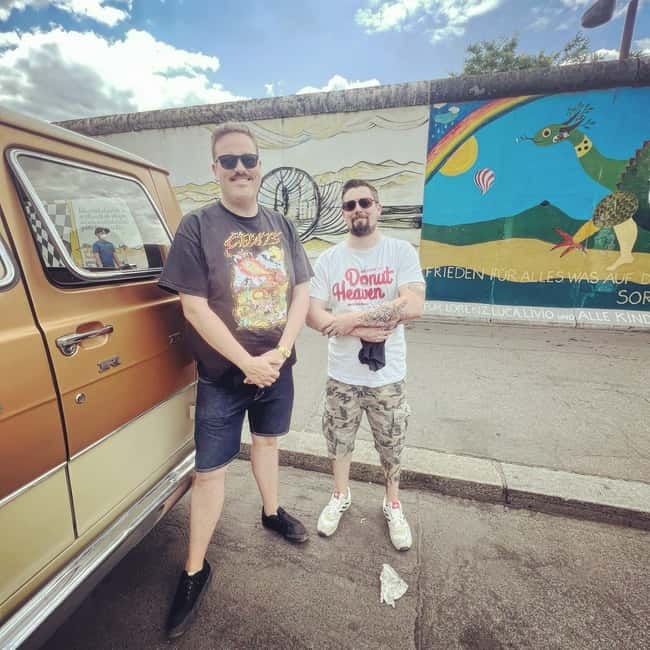
A big promise of this tour is exploring what sits behind the front door. You’ll get to experience that idea literally, with stops that encourage you to look behind shop windows and into the “backyard” world of the scene.
Kreuzberg is central here, and the story connects the neighborhood’s squats to the bands and artists who found room to work. The guide frames squatting not as a vague myth, but as a method. When mainstream systems didn’t offer space, communities created their own. You see the physical locations where that mindset could take root, including the kind of semi-private outdoor areas and basement-like venues that shaped the scene.
This is also where you learn to read Berlin like a local. Some spots look normal from the street, but the tour gives you the missing chapter. It’s the difference between walking past a door and understanding why people once gathered there with purpose.
Backyards and basements: why the unglamorous spaces matter
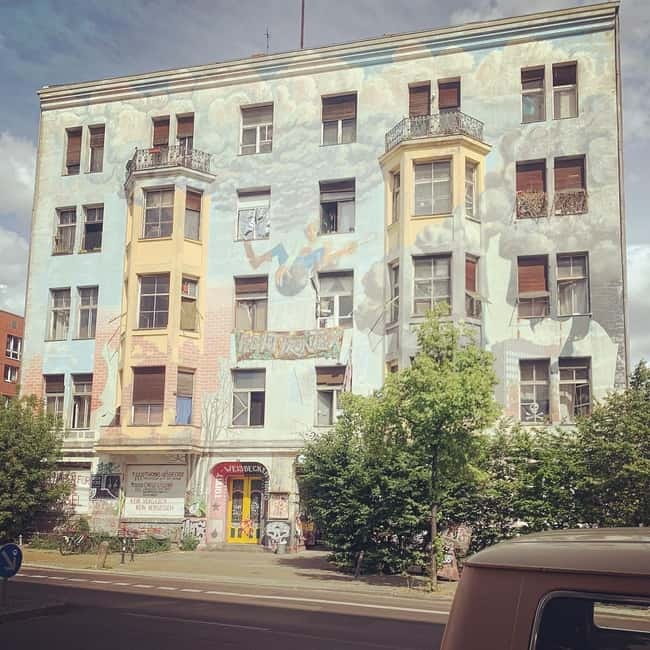
Berlin’s underground story often lives below street level or behind fences. This tour repeatedly returns to that point, focusing on backyards and basements that hosted the kind of music and art that didn’t always fit conventional venues.
You’ll see why these locations were useful. Basements could mean freedom from strict rules, lower costs, and a sense of discovery. Backyards offered flexibility, social comfort, and a community vibe that didn’t rely on big-ticket glamour. And because these spaces are part of the city’s lived environment, the guide’s explanations make them feel tangible instead of romantic.
If you like authenticity, you’ll appreciate this. It’s not “here’s a famous building, now move on.” It’s more like, here’s how people built culture with whatever space they could get, and here’s what that did to the music and the crowd.
DIY music timeline, from Bowie to Beatsteaks
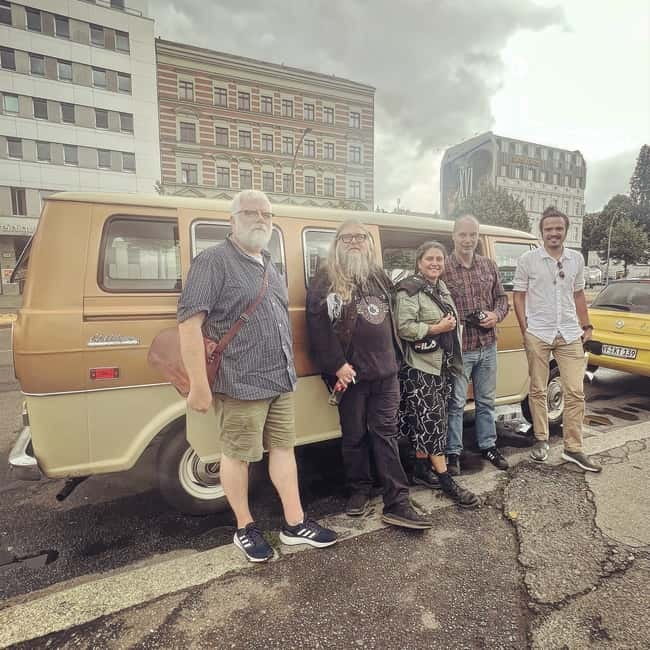
The tour’s story spans decades, and it does it with recognizable touchpoints. The guide connects Berlin DIY culture to artists and bands such as Bowie and Beatsteaks, moving from the 1970s into more current scene developments.
I like this timeline method because it gives you anchors. Even if you’re not a hardcore Berlin music historian, you can follow the arc: the early DIY spirit shaped how later scenes organized, and that organization influenced both sound and community.
It also helps you avoid a common mistake. Some visitors treat Berlin as one era, usually the most famous one. This tour helps you understand the transitions, so you’re better prepared to spot how today’s venues and creative spaces reflect older patterns.
How the photo stops and smartphone background info work
You’re not just riding and listening. The guide plans stops so you can take pictures in front of many of the key locations tied to the story. It’s very much a street-photo kind of tour.
Here’s the practical tech part: bring a charged smartphone. The tour uses it for background information, including photos and videos from the past. That’s a big upgrade over normal guide narration, because you can compare what the place looks like now with what it represented then.
For me, this is one of the most useful aspects. Berlin is full of eras layered on top of each other, and the phone content helps you see that layering quickly. If your battery tends to die mid-day, bring a small power bank or keep your charger cable handy.
The included drink and t-shirt: small cost, real value
The price includes a free drink per person and an exclusive Get In The Van t-shirt. That matters because it offsets part of what you’d probably spend anyway once you’re out in Berlin for a nightlife-themed tour.
Now the cost question. You’ll see it listed at $85 per person. But if you book through getinthevanberlin.com, the price is 59 Euros. That difference is big enough to influence the decision, especially if you’re traveling in a group.
Value-wise, the ticket isn’t just paying for a ride. You’re paying for a guided route that links specific locations to a clear theme, plus the smartphone media feature and the small-group format. If you’re the type who enjoys context, this tends to feel worth it.
Comfort and pacing: 1.5 hours that still feel substantial
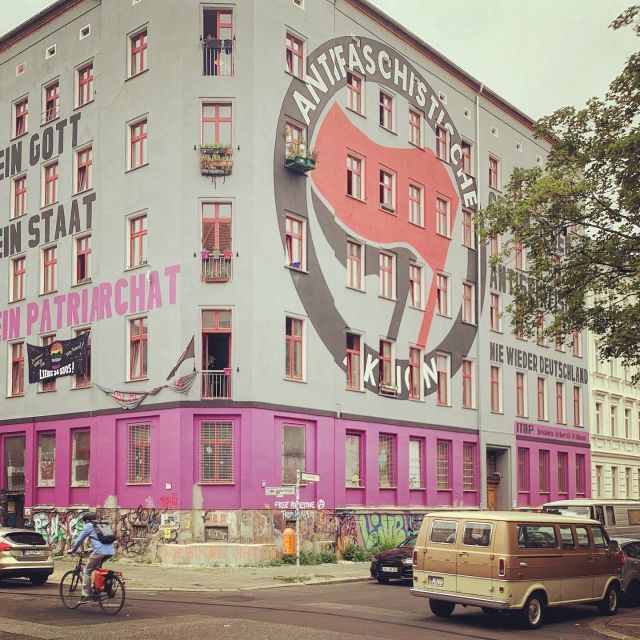
The tour duration is listed as about 1.5 hours, with check availability for starting times. That short runtime is useful for your schedule, because it’s easy to fit between other Berlin plans without losing an entire morning or afternoon.
The pace is designed around street viewing and photo stops. You won’t be sitting forever at one location. You’ll move enough that the neighborhoods feel different by the end of the ride, but not so much that you lose the thread.
After the trip, you return to the meeting point. That keeps it simple, and it reduces the stress of “where do I end up” after an attraction-heavy day.
Rain or shine, and what that means in an un-air-conditioned van
This is a street tour that runs rain or shine. The van has no air conditioning, only a fan, so weather and temperature will affect comfort.
For rain: you’ll want a light rain jacket and a small towel or wipes for your hands and phone. For sun: breathable clothing and water help. Berlin weather can swing fast, so a light layer is a smart idea even in warm seasons.
One more practical tip: avoid bringing food in the vehicle. If you plan to eat before or after, do it at your own timing rather than expecting meals during the ride.
Who should book this van tour, and who might not love it
This tour is a strong fit if you want Berlin through the lens of DIY culture, music history, and street-level subculture. You’ll likely enjoy it if you like seeing a neighborhood’s past and present with a guide who connects the dots, and if you’re curious about how people built venues in spaces that were never designed as “official attractions.”
It’s also a good choice for first-time visitors who want more than postcards. The East Side Gallery start gives you a recognizable anchor, then the route quickly shifts into the neighborhoods that shaped Berlin nightlife.
You might prefer something else if you only want top-tier classic sights, or if you hate tight narratives tied to one theme. This is not about checking off a list. It’s about learning how Berlin’s creative spirit works.
Should you book Berlin DIY and Subculture Sightseeing in a 1972 Ford Van?
If you like music and social history, I think it’s an easy yes. The small group size, the street-photo stops, and the smartphone media background info make it more than a drive-by. The included drink and t-shirt also add real value for a short, focused tour.
The biggest reason to choose it anyway is also the biggest reason to plan: it’s an old van with no air conditioning, and it runs rain or shine. If you’re comfortable dressing for weather and you’re ready for a DIY-focused story, you’ll probably love the way Berlin feels when you understand where the scene came from.
If the listed price feels high for your budget, check the 59 Euros option on getinthevanberlin.com. Same concept, noticeably different cost, and that can turn a “maybe” into a “book it.”
FAQ
How long is the tour?
The tour is listed as 1.5 hours. Starting times depend on availability.
Where do I meet the guide?
Meet at the van, described as a beige/brown 1972 Ford Econoline.
Is the tour rain or shine?
Yes, the tour runs rain or shine.
What languages are available?
The tour is offered in English and German.
What is the group size?
It is a small group limited to 6 participants.
Is it wheelchair accessible?
Yes, the tour is wheelchair accessible.
What should I bring?
Bring a charged smartphone, since the tour uses background information with photos and videos.
Is food allowed in the vehicle?
No food is allowed in the vehicle.
Is a drink included in the price?
Yes, the experience includes 1 free drink per person.
How much does it cost?
It is listed at $85 per person. If you book through getinthevanberlin.com, you only pay 59 Euros.
More Alternative Berlin


More Berlin City Sightseeing


More Tour Reviews in Berlin



Recently added around Berlin

Berlin City Sightseeing Tours, compared.
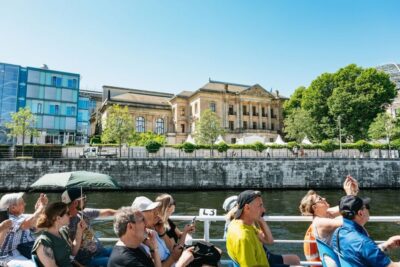 ★ 4.31-Hour City Tour by Boat with Guaranteed SeatingFrom $2516,993 reviews
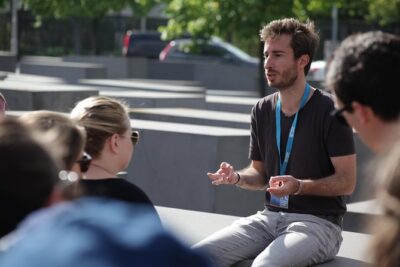 ★ 5.0Discover Berlin Half-Day Walking TourFrom $249,624 reviews
 ★ 4.9Discover Berlin Walking TourFrom $235,998 reviews
 ★ 4.1City Sightseeing Hop-On Hop-Off Bus TourFrom $254,233 reviews
 ★ 4.3Hop-On Hop-Off Sightseeing Bus with Boat OptionsFrom $304,012 reviews
 ★ 4.41-Hour City Sightseeing CruiseFrom $252,210 reviews
 ★ 4.9Sightseeing Tour in Classic Volkswagen T1 Samba BusFrom $51993 reviews
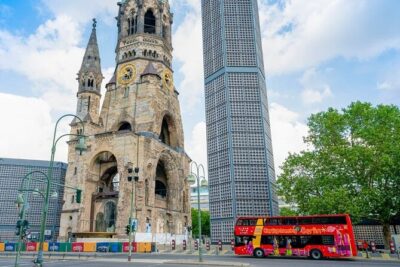 ★ 3.0City Sightseeing Berlin Hop-On Hop-Off Bus Tour981 reviews
Browse the lists this tour appears in