

Tour review · BERLIN CITY SIGHTSEEING TOURS
Berlin: Sightseeing Tour in Classic Volkswagen T1 Samba Bus
Berlin moves fast, but this tour slows it down.
What makes it special is the 1965 VW T1 Samba bus itself, plus the way the guide connects landmarks to the city’s changing eras. I love that you get live commentary while the streets slide past the bus’s wide viewing windows, so it feels like Berlin is explaining itself.
One thing to consider: it’s a short, tight 2-hour loop packed with stops, so if you hate crowds, winter cold, or long sitting, you may want to plan a separate time to linger on the sites you care about most.
Key highlights at a glance
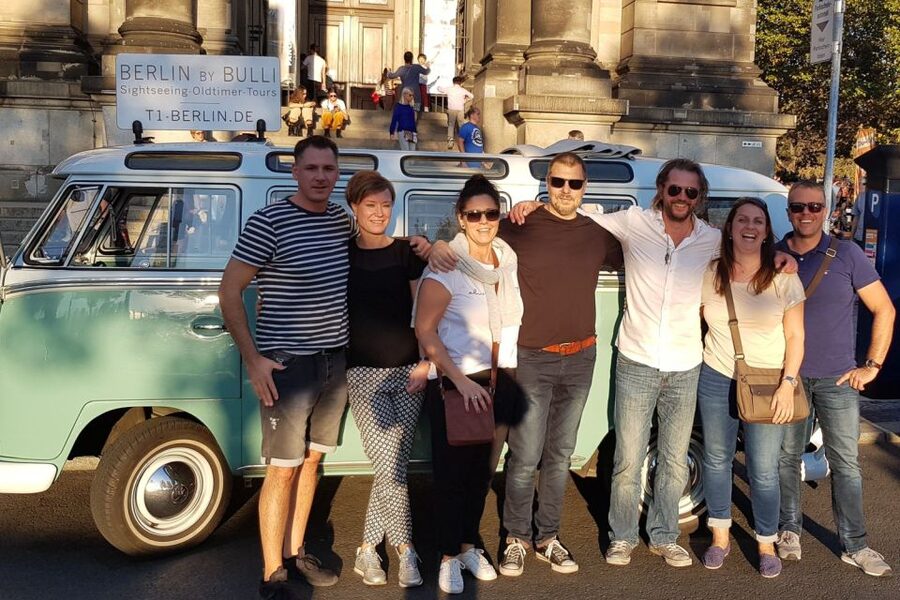
- Classic 1965 VW T1 Samba bus with extra-wide views from 21 windows
- Small group, up to 7 people, so questions stay easy and the ride stays calm
- Live guide commentary in English and German, with side-road routing to spot details
- Analog photo booklet that helps you visualize what buildings looked like before
- Packed route across East and West, including Berlin Wall, Holocaust Memorial, and Brandenburg Gate
More ways to establish Berlin’s shape before the day fills up
- Berlin: 1-Hour City Tour by Boat with Guaranteed Seating★ 4.3 · 16,993 reviews
- Discover Berlin Half-Day Walking Tour★ 5.0 · 9,624 reviews
- Berlin: Discover Berlin Walking Tour★ 4.9 · 5,998 reviews
- Berlin: City Sightseeing Hop-On Hop-Off Bus Tour★ 4.1 · 4,233 reviews
The VW T1 Samba bus makes Berlin feel personal fast
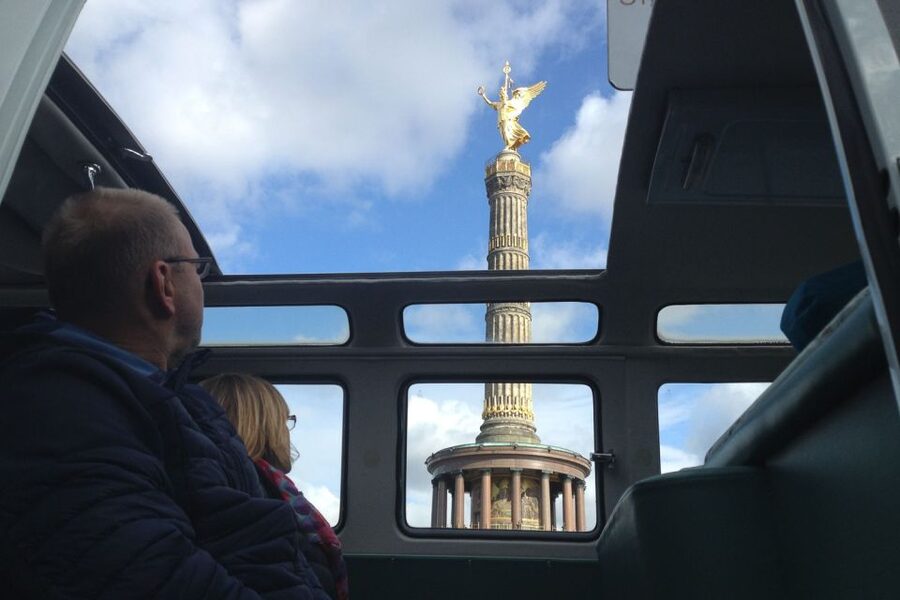
This tour is built around one simple idea: if you change how you travel, you change how you see. The VW T1 Samba bus is iconic in Berlin, partly because it is rare to see anywhere else, and partly because it turns a history lesson into a street-level story. The bus is also heated when needed, which matters because you will be outside long enough to feel the temperature, even in a warm vehicle.
I really like that you do not just watch famous buildings from a distance. You actually pass them at a human pace, turning corners onto smaller side roads where Berlin’s character shows up, then returning to the bigger monuments to frame the bigger picture. That pacing is a big reason this works well for first-time visitors and return visitors alike.
Price and the “2 hours that count” value math
At $51 per person for a 2-hour tour, you’re paying for two things: curated route planning and a guide who speaks on the move. Compared with hop-on, hop-off sightseeing, the value here is the narration plus the route design, not just transportation.
The other cost saver is time. In two hours you cover a huge spread, from the museum core to the government district to Cold War-era landmarks, then across to West Berlin’s major shopping and culture zones. If your Berlin schedule is tight, this tour can quickly tell you where you should spend your next day.
One practical note: the tour is small group style with a limit of 7 participants, and that helps keep the vibe focused. Still, because you see so much, it can feel like a “highway of landmarks” rather than a slow sit-down museum day.
Starting at Berlin Cathedral, then straight into the city’s grand core
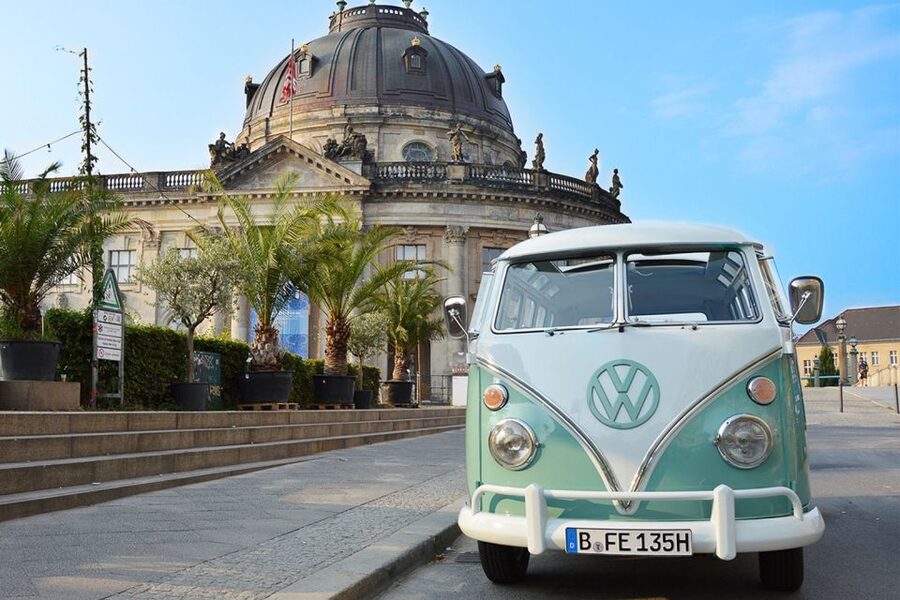
You begin at Berlin Cathedral, which is a strong choice because it puts you at a symbolic meeting point for Berlin’s German story. From there, the route heads into the Lustgarten area and the museum sweep that surrounds it. This is where Berlin’s planning brain shows: wide spaces, big institutions, and sightlines that help you understand why certain districts became central.
As you roll past major museum buildings like Alte Nationalgalerie, Neues Museum, Pergamon Museum, and Bode Museum, the guide’s commentary matters because these are not just pretty facades. Berlin’s museum island buildings reflect which values each era wanted to show, and you start to notice that the city’s past is written into its architecture.
If you are the type who likes structure, you will enjoy this part. It gives you a mental map fast. If you prefer deep time at one museum, you’ll want to treat this segment as orientation only, not a substitute for a timed entry inside.
Lustgarten to Unter den Linden: why these streets teach Berlin
After the museum cluster, the tour leans into the “main stage” of Berlin’s grand boulevard look. Unter den Linden is the spine here, and riding past it gives you a feel for scale that photos often miss. This is the kind of street where you can sense how rulers and governments used space to project power.
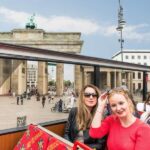
You also pass Pariser Platz toward the Brandenburg Gate and the sweep into the Reichstag area. These are Berlin’s most recognizable political backdrops, and the guide uses that familiarity to add context instead of repeating obvious talking points. Even if you already know what the Gate is, the commentary helps you see why it became such a durable symbol.
I like that the tour does not stay only on the postcard stops. It threads through the surrounding government and civic spaces so you understand how the landmarks relate to each other, not just where they are standing alone.
More ways to establish Berlin’s shape before the day fills up
- Berlin: Hop-On Hop-Off Sightseeing Bus with Boat Options
★ 4.3 · 4,012 reviews - Berlin: 1-Hour City Sightseeing Cruise
★ 4.4 · 2,210 reviews - Berlin: Sightseeing Tour in Classic Volkswagen T1 Samba Bus
★ 4.9 · 993 reviews - City Sightseeing Berlin Hop-On Hop-Off Bus Tour
★ 3.0 · 981 reviews - Berlin Highlights 3-Hour Bike Tour
★ 5.0 · 948 reviews
Brandenburg Gate and Reichstag: seeing the government district as a map

Once you reach Brandenburg Gate and then continue on toward the Reichstag, the experience shifts from “grand monuments” to “Berlin as a political system.” You ride through the government district and pass key sites like the Federal Chancellery and Bellevue Palace.
This section is where you start to understand Berlin’s layers: the modern government zone sits on top of older narratives, and the city’s road layout still carries that imprint. The live guide talk helps you notice the relationships between buildings, not just the buildings themselves.
A helpful part for your first visit: the tour keeps moving, but it also points out what to remember. You come away with a street-by-street sense of where things sit relative to each other, which makes your later self-guided wandering much easier.
Potsdamer Platz to the Berlin Wall: the Cold War story in motion
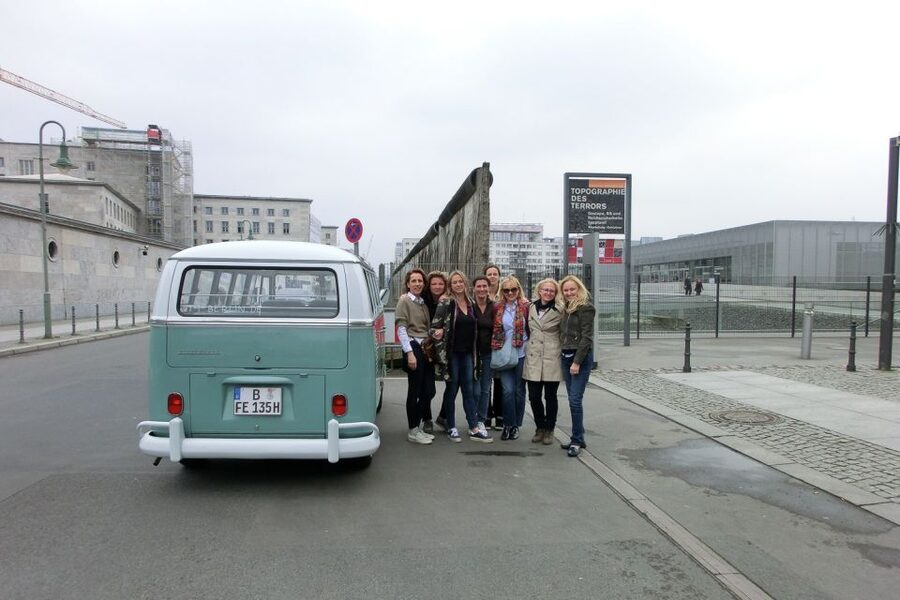
Berlin’s most emotional sites are handled with a “see and understand” approach. As the route reaches Potsdamer Platz and then heads for the Berlin Wall, you are not just looking at an object. You are watching how the city preserves the line where lives changed.
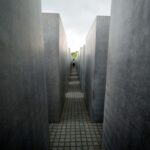
The tour includes stops tied to that era, including parts around Niederkirchner Straße and Anhalter Station, plus the Holocaust Memorial. It also mentions Führer Bunker and the Reich Chancellery on the drive, which anchors the area’s 20th-century weight without turning the ride into a lecture.
One consideration: because these are heavy, the pacing can feel fast. It is still a solid way to orient yourself, but if you want long reflection time, plan to return later. This bus tour gives you the what and where, then you decide how deeply to go.
From Checkpoint Charlie to Gendarmenmarkt: East meets West in one loop
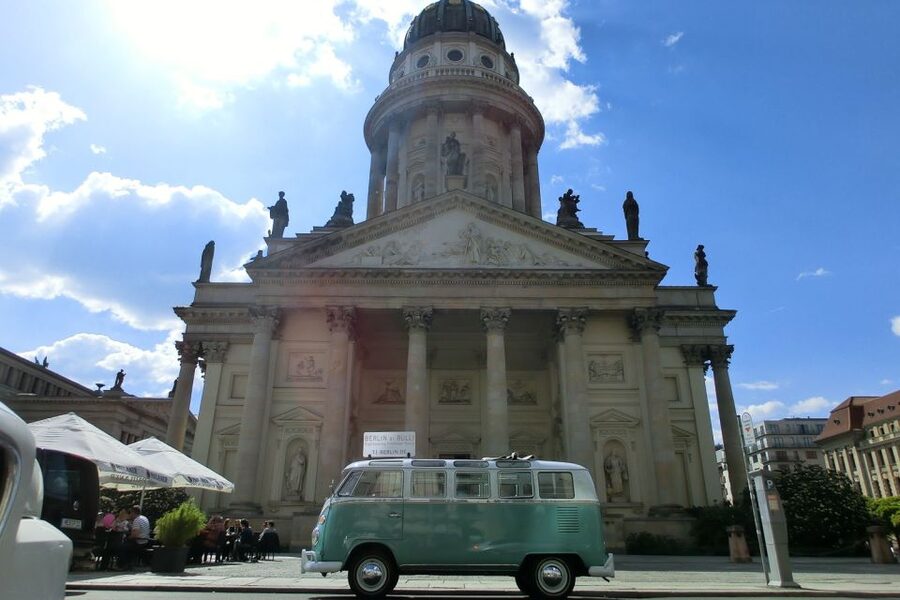
As you continue, you pass Friedrichstraße and Checkpoint Charlie, then head toward the open civic beauty of Gendarmenmarkt. That sequence works because it shifts mood: from Cold War edge-of-history to a carefully composed square that looks like it belongs to a different Berlin entirely.
You also ride past Berlin City Palace and the area around Jungfern Bridge, then toward places like Rotes Rathaus (the Red Town Hall). This stretch helps you see Berlin’s east-side character and the way restoration and rebuilding changed what the city looks like today.
This is also where the bus windows become more than a novelty. Being inside the classic bus with a wide view makes it easier to track street names and building shapes while the guide explains the stories behind them.
Museum Island to TV Tower, Neptune Fountain, and St. Mary’s Church
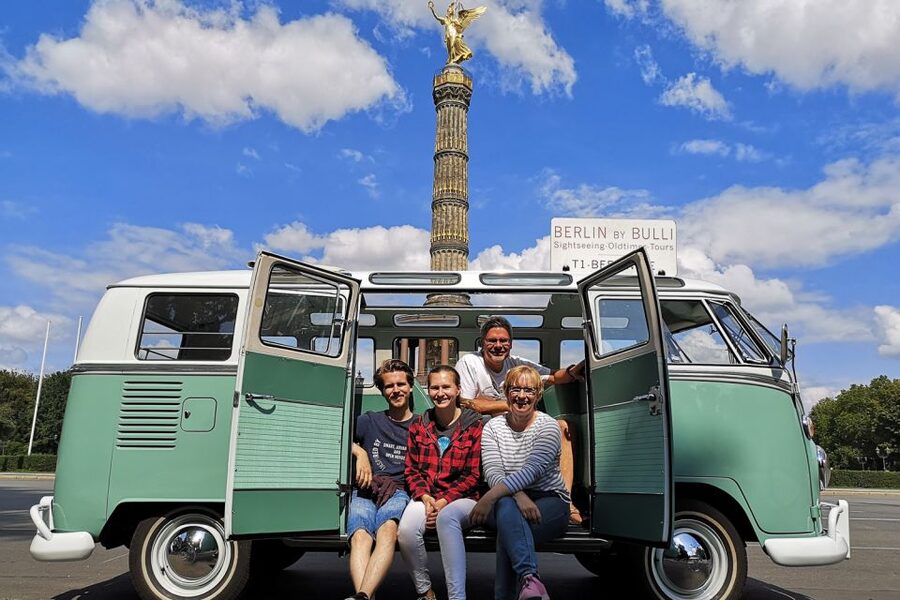
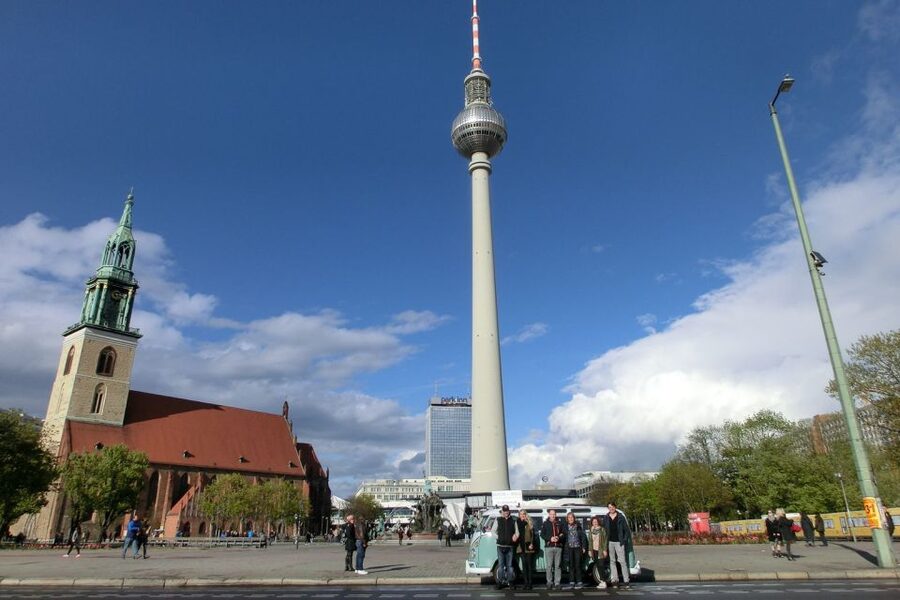
One of the smartest parts of this tour is how it reaches key skyline and civic points that many walking tours miss. You pass by the TV Tower and also the Neptun Fountain area, plus Marienkirche (St. Mary’s Church).
Why this matters: skyline anchors are how you build a mental model of a huge city. When you later stand in one of these spots on your own, you will recognize it right away. You can also use these landmarks to orient your directions, especially if you are mixing East and West neighborhoods.
The tour keeps the energy moving, so you get those big “I see it” moments without spending the whole day commuting between distant points.
West Berlin sweep: Zoo, Kurfürstendamm, KaDeWe, and the Memorial Church
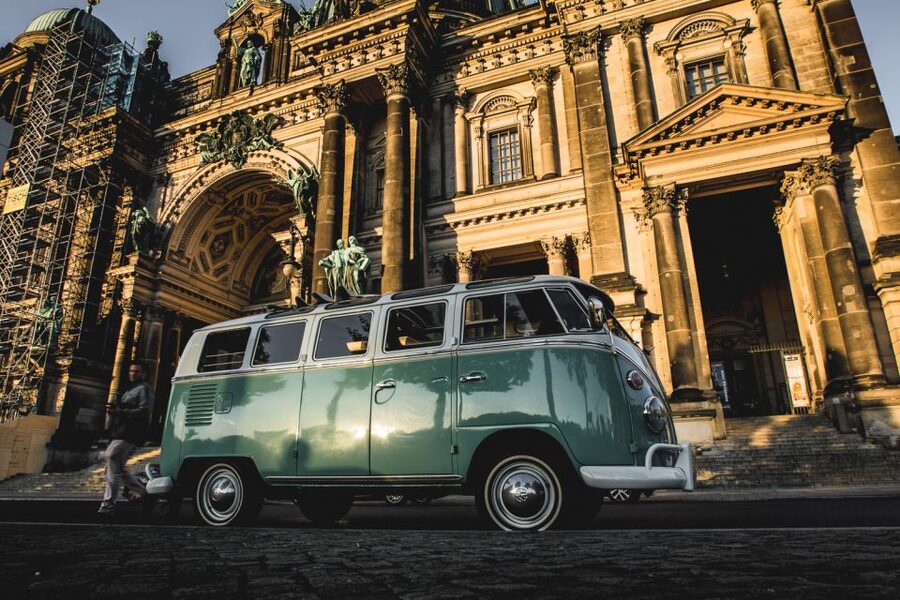
After the emotional and political core, the route broadens out into West Berlin’s famous cultural and shopping stretch. You pass Zoologischer Garten, then head toward Kurfürstendamm, with Kaiser Wilhelm Memorial Church along the way. These stops give you a sense of West Berlin’s 20th-century style and the way the city rebuilt identity.
You also go by KaDeWe, and for many people that is the highlight of this section because it’s a real “Berlin feels like a city now” moment. If you like food and shopping streets, this is useful orientation because you learn where to return for a longer wander.
The route continues through Berliner Philharmonie and Kulturforum, then past Theater des Westens and Savignyplatz. It is a lot to fit into two hours, but it works because the bus ride shows you the spacing between cultural hubs.
The photo booklet is the secret tool for faster understanding
A lot of Berlin tours show buildings. This one adds a helpful learning tool: a tailored photo booklet using an analog device (an analog iPad) that shows what you are seeing in older versions. As you ride past landmarks like the ones around the Unter den Linden corridor, the booklet helps you visualize how architecture and public space used to look.
This is the difference between “I saw it” and “I get it.” The booklet helps you connect what changed, what stayed, and why certain spaces look the way they do now. In practice, it is one of the best ways to speed up your understanding in a short time.
Also, the bus has 21 windows, so you are not stuck craning in one direction. Your view stays flexible, and you can keep track of both street-level details and the bigger backdrops.
Comfort, timing, and practical tips for your best ride
The tour is wheelchair accessible, but non-folding wheelchairs are not allowed, so if you use a chair, make sure it fits that rule. People over 275 lbs (125 kg) are not suitable, and the tour is also marked as not suitable for people with epilepsy and people with a cold. If any of those apply, it’s worth asking before you book.
For comfort, I’d plan like it’s winter mode even if your dates are mild. Reviews highlight that the bus heating helped in cold weather, and with a 2-hour sitting experience, you want to dress for being still.
One more practical tip: if you do this early in your trip, it becomes your routing cheat sheet. You can come back later and spend real time where you feel a connection, instead of trying to guess from a map on day one.
Who this tour fits best, and who should choose something else
This is a strong choice if you want a quick, friendly overview that covers a huge spread of Berlin in a short time. It also works well if you care about context, not just sights, because the route is paired with continuous live commentary.
It may not fit you if you want quiet and long stops. The format is designed for movement and sight passing, not for lingering at one site for a deep museum-style experience. It also may not fit if you are very sensitive to crowds, because small group still means multiple people in one vehicle.
If you like vehicles with character, you’ll probably love it even before the first stop. The classic bus itself becomes part of the memory, and that is exactly what the guidework is built around.
Final call: should you book the VW T1 Samba bus tour?
I recommend booking this if you want the fastest way to get your bearings and understand Berlin’s story in plain, live talk. The small group size, the heated classic bus, and the photo booklet combine into a format that feels fun and useful, not just scenic.
Skip it if your top priority is slow museum time or you know you only want a few sites. In that case, you’d likely get more satisfaction from a focused walking tour or timed museum tickets. But if you want a smart two-hour overview that points you to what to explore next, this is a solid pick.
FAQ
Where does the tour start and end?
The tour starts at Berlin Cathedral, and you return to Berlin Cathedral at the end.
How long is the Berlin sightseeing tour in the VW T1 Samba bus?
The tour lasts 2 hours.
How many people are in the group?
It is a small group limited to 7 participants.
What languages is the tour offered in?
The live tour guide provides commentary in English and German. The tour may be conducted in more than one language.
What is included in the ticket price?
The price includes transportation in the Volkswagen T1 Samba bus, a driver/guide with live commentary, a photo booklet, and heating when necessary.
Is the tour suitable for wheelchair users and everyone health-wise?
It is listed as wheelchair accessible, but non-folding wheelchairs are not allowed. It is also marked as not suitable for people with epilepsy, people with a cold, and people over 275 lbs (125 kg).
More Berlin City Sightseeing
More Berlin City Sightseeing
More Tour Reviews in Berlin


Recently added around Berlin


Berlin City Sightseeing Tours, compared.
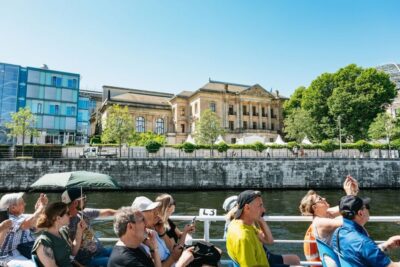 ★ 4.31-Hour City Tour by Boat with Guaranteed SeatingFrom $2516,993 reviews
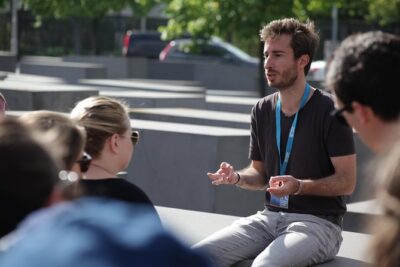 ★ 5.0Discover Berlin Half-Day Walking TourFrom $249,624 reviews
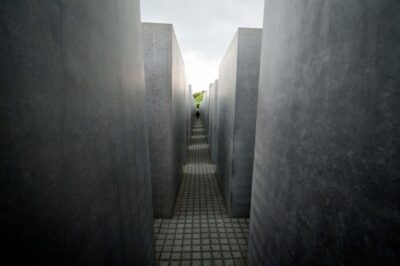 ★ 4.9Discover Berlin Walking TourFrom $235,998 reviews
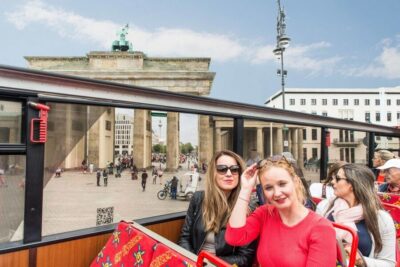 ★ 4.1City Sightseeing Hop-On Hop-Off Bus TourFrom $254,233 reviews
 ★ 4.3Hop-On Hop-Off Sightseeing Bus with Boat OptionsFrom $304,012 reviews
 ★ 4.41-Hour City Sightseeing CruiseFrom $252,210 reviews
 ★ 3.0City Sightseeing Berlin Hop-On Hop-Off Bus Tour981 reviews
 ★ 5.0Berlin Highlights 3-Hour Bike TourFrom $42948 reviews
Browse the lists this tour appears in