Berlin in one day – day tour with an expert guide

Tour review · 1-DAY TOURS

Berlin in one day – day tour with an expert guide

5.0 · 14 reviews 6 hours (approx.) From $294 Operated by Birchys Berlin Tours · Bookable on Viator
Book on Viator →

Berlin history can hit fast. This 6-hour Berlin in One Day tour makes it manageable with focused stops in Mitte. You get a clear thread through WWI and WWII sights, Cold War division, and the Wall story, plus a guide who can tailor the flow to what you care about most.

Two things I especially like about this experience are the structured route and the way the guide connects big landmarks to the real lives behind them. The other strong point is that you are not stuck wasting time in cars since there is no private transportation used, just walking. One drawback to consider: it is a packed day with a lot of ground to cover, so comfy shoes matter.

The tour starts and ends at the same place near public transit, and there is a pickup on foot from your hotel lobby about 5 minutes before. It also runs in English, uses a mobile ticket, and includes an admission ticket for one of the stops, so you do less last-minute ticket searching.

Key highlights you will feel right away

Berlin in one day – day tour with an expert guide - Key highlights you will feel right away

  • A guided, no-car walking format that helps you see Berlin without transit delays
  • Mitte landmarks in one tight 6-hour loop, built around WW2 and the Cold War
  • Wall details you can actually picture, including ghost stations and escape stories
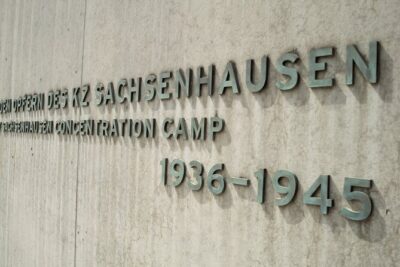
  • Memorial stops that add meaning, including Remembering Europe’s Murdered
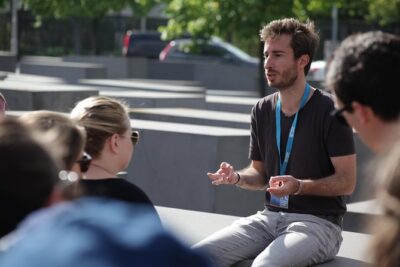
  • A guide-led adjustment to your interests, with examples like Julian praised for structured guiding
  • Private tour for only your group, with group discounts available

Price and value: what $294.72 buys you in 6 hours

Berlin in one day – day tour with an expert guide - Price and value: what $294.72 buys you in 6 hours
At $294.72 per person, this is not a cheap “see it from a bus window” outing. What you are paying for is the combination of (1) a live local guide, (2) a tight 6-hour plan built around major sites, and (3) an included admission ticket. For a one-day hit list, that is often better value than piecing together multiple ticketed stops on your own, especially if you want context while you walk.

This also has a practical advantage: because it is no vehicles, you avoid the common headache of losing time to traffic and transfers. You start at Ebertstraße 24, stay in the Mitte orbit, and finish back at the same meeting point, so the day feels controlled even when Berlin’s sights are not.

One more value signal: the tour shows a 5 out of 5 rating from 14 bookings, with 100% recommendation. That does not guarantee your exact match, but it suggests the format lands well for people who want depth without wasting hours.

Where you meet, how pickup works, and why the format matters

Berlin in one day – day tour with an expert guide - Where you meet, how pickup works, and why the format matters
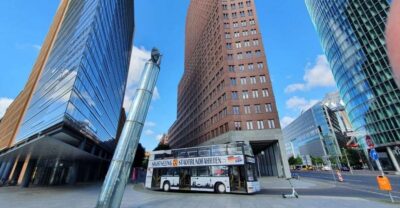
You meet at Ebertstraße 24, 10117 Berlin. The tour ends back at the meeting point, which makes planning dinner later easier. Pickup is available on foot from your hotel lobby, and the guide meets you about 5 minutes before start time.

Because the tour does not use vehicles, your schedule is tied to walking pace and sight timing. That is good news if you like to move and see places in a natural order. The tradeoff is energy. If you know you tire out after a few hours of walking, plan your day around this tour. I would also avoid booking something physically demanding right afterward.

You will also get a mobile ticket, which reduces friction on the day. And since the tour is private, it is for only your group, not a large mixed crowd, which usually makes the guide’s explanations easier to follow.

Mitte orientation: WWI, WWII, and the state power you can still see

Berlin in one day – day tour with an expert guide - Mitte orientation: WWI, WWII, and the state power you can still see
The day starts in Mitte, and the tour frames Berlin’s modern look through the lens of WWI and WWII. This matters because Mitte is where the city’s political story is most visible. When you stand near the big symbols, you quickly realize they were not built for decoration. They are tied to power, propaganda, rebuilding, and memory.

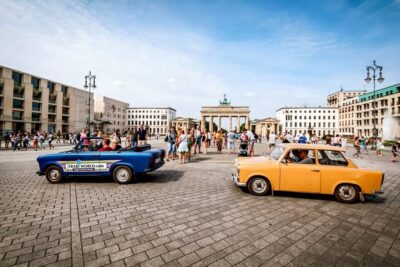
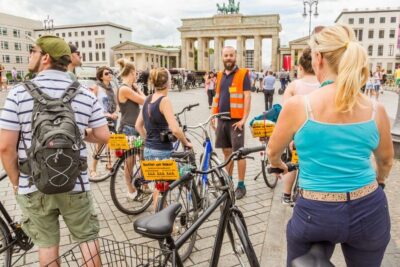
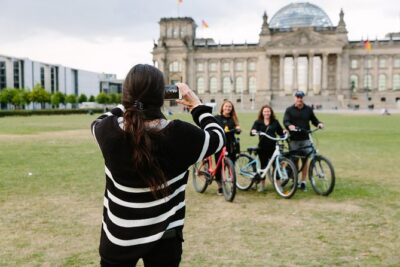
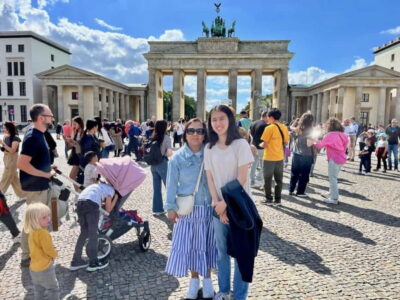
One of the first anchors is the Brandenburg Gate. Even if you have seen photos a hundred times, watching it sit within the street layout helps you understand its symbolism in both the old and newer Berlin narratives. Your guide’s job here is to connect what the gate represents to what Berlin went through, including a retrospective of the battle of Berlin.

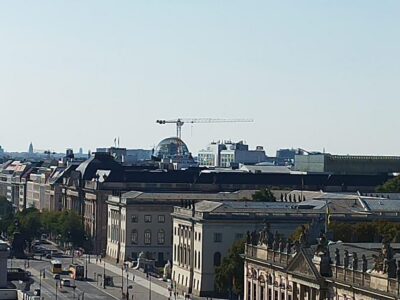
Then you move through the story thread toward the Under den Linden area. This broad avenue is perfect for understanding how state and ceremony used to march across the city. The guide’s explanations help you notice details you might otherwise walk right past, like how architecture can reinforce political messaging.

What to watch for here

  • Look for how streets, sight lines, and monument placement guide your attention.
  • Ask your guide a simple question early, like what one site best represents the shift after WWII. It often changes how the rest of the day clicks.

More Berlin ideas for the space still left in the itinerary

Brandenburg Gate and the Battle of Berlin angle

Berlin in one day – day tour with an expert guide - Brandenburg Gate and the Battle of Berlin angle
The Brandenburg Gate stop is more than a photo moment. The tour includes a retrospective of the Battle of Berlin, which is the kind of context that can make the rest of the day feel less random. When you understand what the city endured, you start noticing how later landmarks became tools for commemoration and argument.

A guide can also help you separate what is frequently repeated in simplified stories from what is more grounded. Even if you already read about Berlin before coming, this is where a good guide’s structure pays off, because you are processing the information at the same time you see the built environment.

Checkpoint Charlie and the Berlin Wall Memorial: the border you can feel

Berlin in one day – day tour with an expert guide - Checkpoint Charlie and the Berlin Wall Memorial: the border you can feel
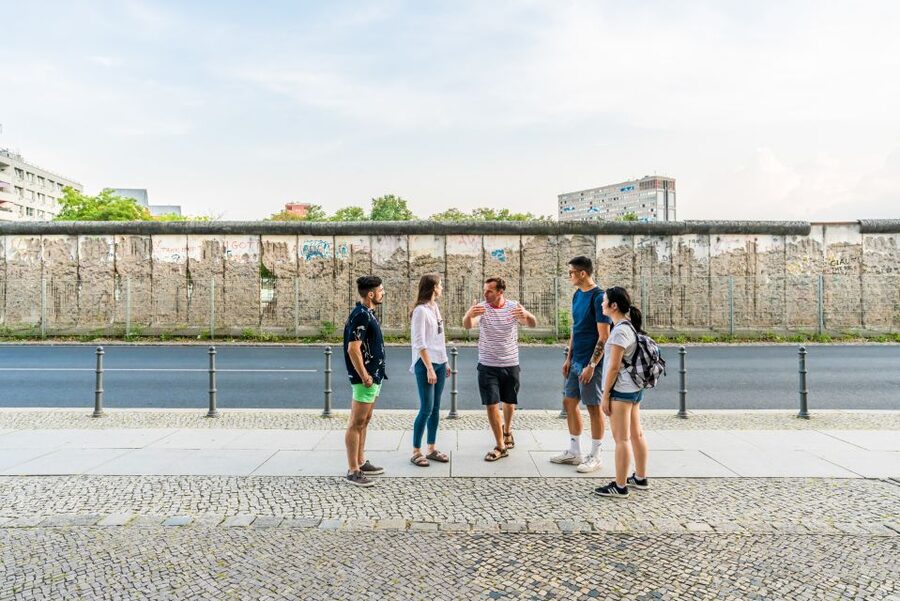
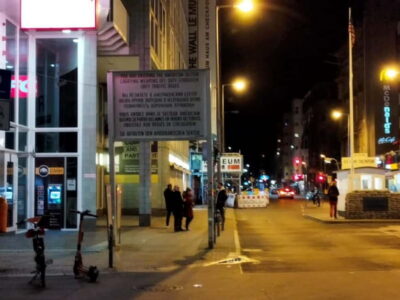
Next comes the Cold War wall narrative through Checkpoint Charlie and the Berlin Wall Memorial. This is where Berlin’s division stops being an abstract concept and turns into geography you can stand beside.

Checkpoint Charlie represents the world watching Berlin, and the Wall Memorial shows the cost of that division. Your guide’s explanations are what make these stops work. Without context, it can feel like signage and monuments. With context, you get the real meaning: controlled movement, surveillance, and the pressure on everyday decisions.

If you have even a mild interest in Cold War stories, you will likely enjoy how the tour connects the Wall story to crossing points and to the larger East vs West contrast.

A practical tip

Wear layers. This area gets windy in open spaces, and explanations often happen while you are standing still near monuments.

East Side Gallery and Museum Island: art and culture on the same map

Berlin in one day – day tour with an expert guide - East Side Gallery and Museum Island: art and culture on the same map
The itinerary includes the East Side Gallery and Museum Island. This part can be a welcome shift in tone, but it is not just a break. It helps you see how Berlin transformed. A section of Wall turned into public art says something powerful about reclamation and memory.

Museum Island adds another layer. Even without going deep inside every museum, being there helps you understand why Berlin’s cultural identity matters in the post-war era. It is hard to feel the city’s “new” character when you only focus on destruction. This stop balances the emotional weight.

The route through this area also keeps the day moving logically. You are not bouncing across town. You stay in a corridor where the guide can connect themes.

Reichstag and Topography of Terror: where state power meets consequences

Berlin in one day – day tour with an expert guide - Reichstag and Topography of Terror: where state power meets consequences
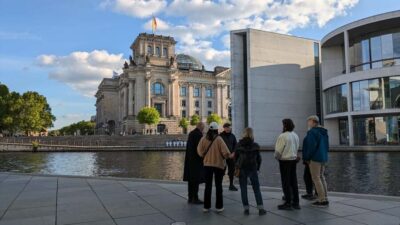
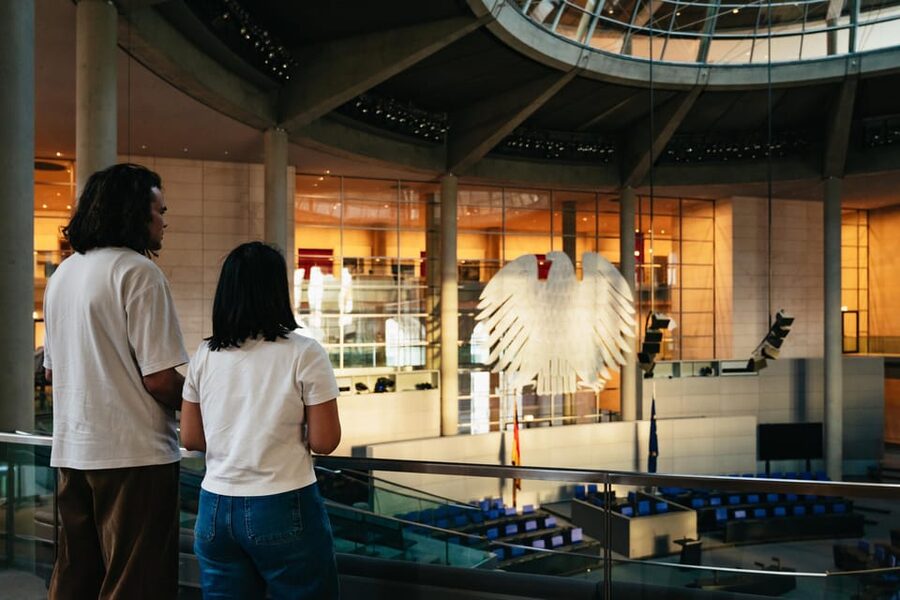
The tour then heads toward the Reichstag and the Topography of Terror. This is a strong combination because it pairs political symbolism with the machinery behind WWII-era terror.

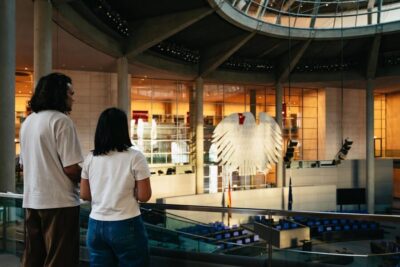
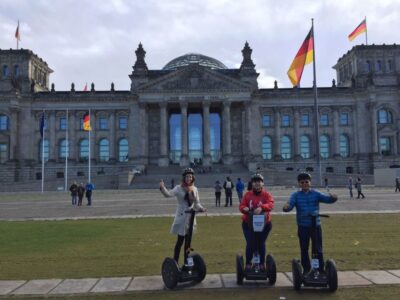
At the Reichstag area, the guide’s framing helps you understand why this building matters beyond architecture. It is tied to the shifts Berlin has lived through and the dramatic changes in who held authority.

Then Topography of Terror brings you closer to the human consequences of Nazi rule. It is also one of the places where an admission ticket included in the tour can save you time. Since the tour includes an admission ticket but does not specify which site it covers, just know that at least one stop has paid entry built in.

If you care about WWII details, this is where the explanations can feel most “on target.” If you are more of a big-picture person, the guide can help you keep the scale straight without drowning you in dates.

Unter den Linden plus the walk-between: the day’s connective tissue

Berlin in one day – day tour with an expert guide - Unter den Linden plus the walk-between: the day’s connective tissue
You keep returning to Unter den Linden and nearby viewpoints as the guide stitches the story together. I like this part because it helps your brain build a map. When you move along the avenue, you can connect earlier monument stops to later Cold War reminders.

This is also a good stretch to listen actively. The guide often uses the in-between walking time to connect dots, like how Berlin’s symbols changed meaning over decades.

If you get tired, this is still worth staying with. The tour format means you are not left on your own, guessing what the next stop is supposed to mean.

Watchtowers, ghost stations, and escape stories: the Wall in daily life

The tour explicitly includes watchtowers, ghost stations, and escape stories. That trio is what separates a basic sightseeing loop from a Berlin Wall understanding.

A watchtower represents surveillance as a system. Ghost stations show how even transit infrastructure could become part of control. And escape stories put tension and risk back into the narrative. Instead of thinking about the Wall only as a wall, you start seeing it as a full environment shaping movement, time, and decisions.

This is exactly where a guide’s structure helps. If your guide is like Julian, who has been praised for being structured and for not missing things that match the group’s interests, you will likely get explanations that feel like a story you can track from beginning to end.

What you might want to ask your guide

If you are the curious type, ask: what was most difficult to cross, the Wall itself or the surrounding system? It often leads to a better understanding than just looking at the physical barrier.

Remembering Europe’s Murdered and Humboldt University: memory and institutions

Midway through, the itinerary includes Remembering Europe’s Murdered and Humboldt University. These stops add a different kind of weight than checkpoints and street-level wall details.

Remembering Europe’s Murdered helps you place WWII’s genocide into the wider European story. It is one of those places where you do not need more facts added on top. What you need is a guided interpretation that respects the meaning of the site, so your time there feels thoughtful instead of rushed.

Humboldt University is a pivot point. Universities are where societies train leaders, ideas, and policy futures. In a city like Berlin, institutions show how ideology, governance, and education interact across eras.

Soviet War Memorial and the East vs West Berlin contrast

The day also includes a Soviet War Memorial and the broader theme of Divided Berlin, East vs West. This part matters because Berlin’s Cold War story is not one-sided. You see how different powers interpreted the city, how monuments communicated messages, and how the physical split translated into lived reality.

A good guided explanation keeps this from becoming political lecturing. It becomes a way to read the city, like learning a new language where symbols and locations have meaning.

You are also getting another look at the theme of the Wall through the Cold War framing, including Berlin Wall watchtowers and what the division meant after WWII.

Who this tour is best for

This tour fits you if:

  • You want a one-day, walkable plan with major Berlin landmarks
  • You like your history connected to place, not just dates
  • You want a guide who can adjust to your interests without turning the day into chaos
  • You prefer learning in English with a local guide rather than self-guided guesswork

It may feel less ideal if:

  • You have limited stamina and know you struggle with long stretches of walking
  • You only want casual photo stops and no context
  • You are planning to see other distant attractions immediately after, since the day is full

Practical tips to make the most of a packed Berlin day

  • Wear good shoes. This is a 6-hour walking format with multiple major stops.
  • Bring water. Berlin can be deceptively tiring even when the weather is mild.
  • Plan a calm evening. Your brain will be processing a lot of heavy themes.
  • If you have a specific interest, say it early. The tour is set up so a structured guide can tailor the flow, and that makes your time more satisfying.

Also, since pickup is only on foot from your hotel lobby 5 minutes before, be ready to meet quickly. That small timing detail can save you stress.

Is the $294.72 price worth it for you?

If you compare this to buying multiple individual tickets and spending your time hunting for context, it starts to look fair. You are paying for guidance, timing, and a coherent route that hits WWI/WWII themes, the Wall, Cold War division, and major landmarks in one day.

You are also not paying for private transportation, since none is used. And because the tour is private for only your group, you often get more responsive guiding than you would in a big shared tour.

The other reason it feels worth it: it has a consistent rating and strong recommendations. That suggests the format works for people who want a clear, structured introduction to Berlin’s hardest chapters.

Should you book Birchys Berlin Tours for a Berlin in one day fix?

I would book it if you want one guide-led day that covers the big, meaningful sites in the center of Berlin and helps you understand what you are looking at. The structure, the Wall-focused storytelling elements, and the mix of memorial, political, and cultural stops make it a solid way to get your bearings fast.

I would think twice if you are sensitive to emotionally heavy WWII and genocide content. This tour includes memorial sites and Cold War death-strip themes, so it is not a light sightseeing day.

If you can handle the themes and you want an efficient, walkable plan, this is a strong choice for first-time Berlin visitors or anyone who wants a deeper one-day overview.

FAQ

How long is the Berlin in One Day tour?

It lasts about 6 hours.

Where do I meet the guide?

The meeting point is Ebertstraße 24, 10117 Berlin, Germany.

Does the tour include pickup from my hotel?

Pickup is offered on foot. The guide will pick you up from your hotel lobby about 5 minutes before the tour.

Is this tour private or shared?

It is private. Only your group will participate.

Is the tour offered in English?

Yes, it is offered in English.

Is an admission ticket included?

Yes, an admission ticket is included.

What is the cancellation policy?

You can cancel for free up to 24 hours in advance for a full refund. If you cancel less than 24 hours before the start time, the amount you paid is not refunded.