Tour review · BERLIN CITY SIGHTSEEING TOURS
Explore Berlin History and Highlights Sightseeing Walking Tour
Berlin history clicks into place quickly. On this 3.5-hour small-group walk from Brandenburg Gate to Museum Island, I like the limited group size (max 15) and the expert English guide who connects each stop into one clear storyline. Many of the named sites are marked as free admission on the tour schedule, so you spend your time learning instead of waiting in ticket lines.
The one thing to watch is the format: this is a walking tour. If your legs get tired fast, be honest with yourself before you commit, because you will be on foot for much of the morning.
Key Highlights Worth Marking on Your Map

- Max 15 people, so you can actually ask questions and move at a human pace
- A timed, 11-stop route that covers Imperial Berlin, Nazi Germany, and Cold War Berlin
- Free-admission stops at every scheduled landmark, so the day stays simple
- Storytelling that sticks, with guides like Cairan and Aurel praised for rapport and clear explanations
- Begin near the Brandenburg Gate and end at Museum Island, a convenient launchpad for museums
More ways to establish Berlin’s shape before the day fills up
- Berlin: 1-Hour City Tour by Boat with Guaranteed Seating★ 4.3 · 16,993 reviews
- Discover Berlin Half-Day Walking Tour★ 5.0 · 9,624 reviews
- Berlin: Discover Berlin Walking Tour★ 4.9 · 5,998 reviews
- Berlin: City Sightseeing Hop-On Hop-Off Bus Tour★ 4.1 · 4,233 reviews
A Smart Way to See Berlin’s Turning Points, Not Just Photos

Berlin can feel like three different cities layered on top of each other. This tour helps you sort them fast. You start by the Brandenburg Gate, then you move through the places tied to government power, Nazi persecution, and the Cold War, and you finish in the Museum Island area where the city’s postwar identity becomes the headline.
At $32.58 per person for about 3 hours 30 minutes, the value is mostly about what you get included. You are not paying separately for a guide plus a pile of admission tickets at each stop. The schedule lists free admission at every named site, and you still get expert commentary as you walk. That combo matters in a city where self-guided sightseeing can turn into reading plaques at full speed and missing the connections.
The tour is also in English, with a mobile ticket. Meeting and ending points are central and easy to reach by public transportation, which helps you keep your whole day flexible.
One more small point that adds up: the tour is booked on average about 59 days in advance. Popular history tours like this tend to sell out, so if you are set on doing it, lock it in early.
Your Morning Route: Brandenburg Gate to Museum Island

The walk is built like a timeline. You do not just jump between famous landmarks. You keep returning to the same question, how Berlin became what it became.
You start at Wurst 🙂 am Brandenburger Tor, on Ebertstraße at the corner of Scheidemannstraße (meet at 10:00 am). That location is a good choice because Brandenburg Gate is the symbol everyone recognizes, even if you do not know the rest of the story yet.
You finish on Museum Island (listed end near “10 Berlin”). That ending is practical. When you are done, you are already in the museum zone, so you can keep going if you want.
The schedule includes about 15 to 20 minutes per stop, which is long enough for context and short enough to stay moving. If you prefer slow pacing with long museum time, this is not that kind of tour. Think orientation with meaning.
Brandenburg Gate and the Reichstag: Power, Collapse, and Consequences

Brandenburg Gate
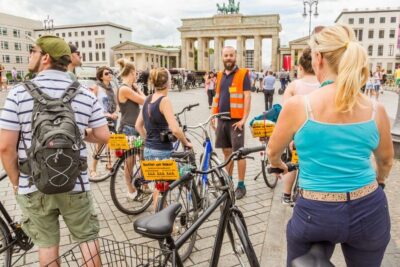
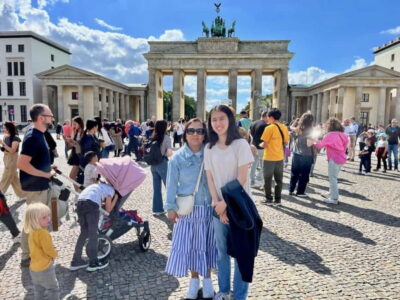
You begin at the Brandenburg Gate, and the guide’s job here is to frame it as more than a postcard. You hear how the gate became a witness to key events in Berlin’s story. The time slot is about 20 minutes, which is just enough to understand why it matters without turning it into a lecture.
Practical tip from the photo-obsessed crowd: if you care about the best shots, plan to arrive a bit earlier than the tour start, or be ready for the midday crowd later. The area around the gate can get busy.
Berlin on foot, with a few more routes worth comparing
- Berlin: Third Reich and Cold War 2 Hour Walking Tour
★ 4.9 · 6,830 reviews - Berlin’s Best: 2 Hour Walking Tour Third Reich and the Cold War
★ 5.0 · 5,486 reviews - Berlin: Hidden Backyards Guided Walking Tour
★ 4.8 · 5,360 reviews - Third Reich Berlin: Hitler and WWII Walking Tour
★ 5.0 · 3,301 reviews - Berlin: Alternative Berlin Walking Tour
★ 4.6 · 1,204 reviews
Reichstag Building
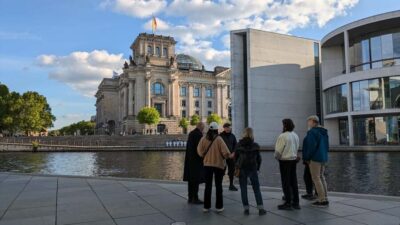
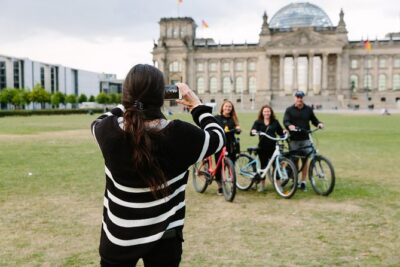
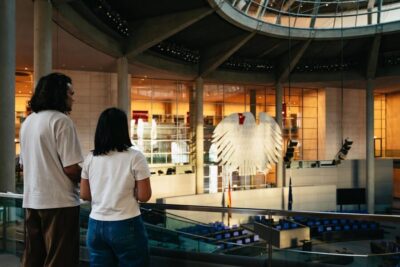
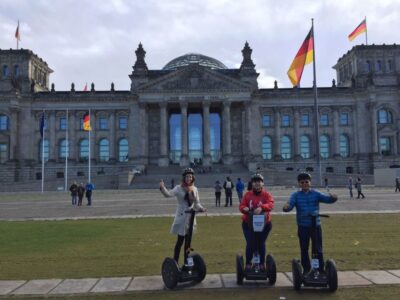
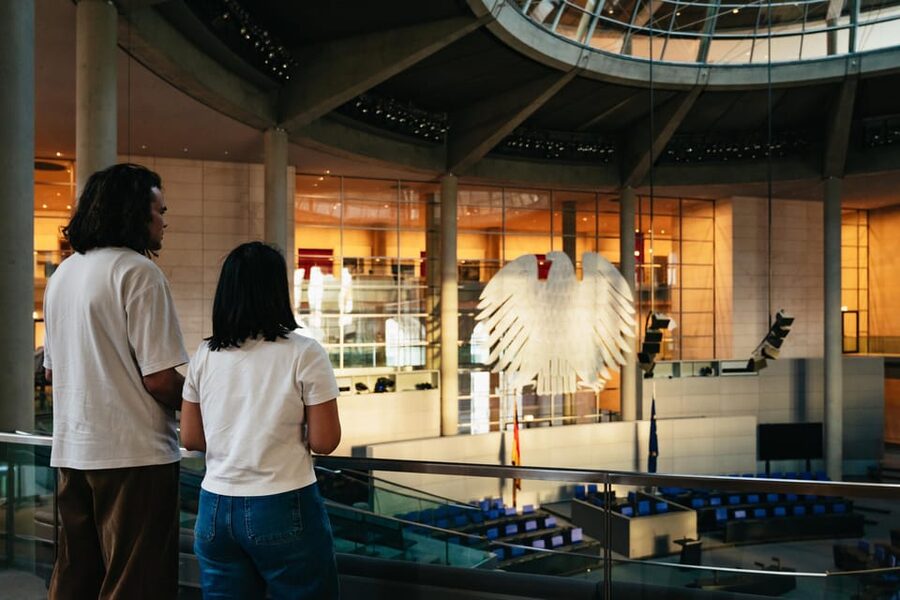
Next you head to the Reichstag building, where you learn how the building sat at the center of German political life in the Imperial period, then became tied to two major turning points: the infamous fire shortly after Hitler became Chancellor, and the building’s later targeting by the Soviets as they took Berlin at the end of World War II.
The stop is around 20 minutes and marked free admission. The benefit of covering it by guide rather than alone is context. Without a narrative, it is easy to see the exterior and miss why it became such a charged symbol.
Holocaust Memorial to Fuhrerbunker: Where Memory Is the Point

The Holocaust Memorial
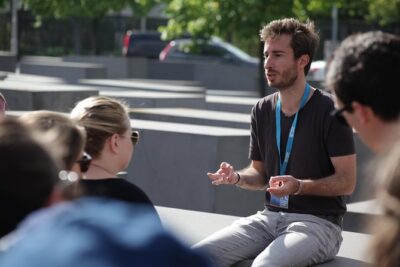
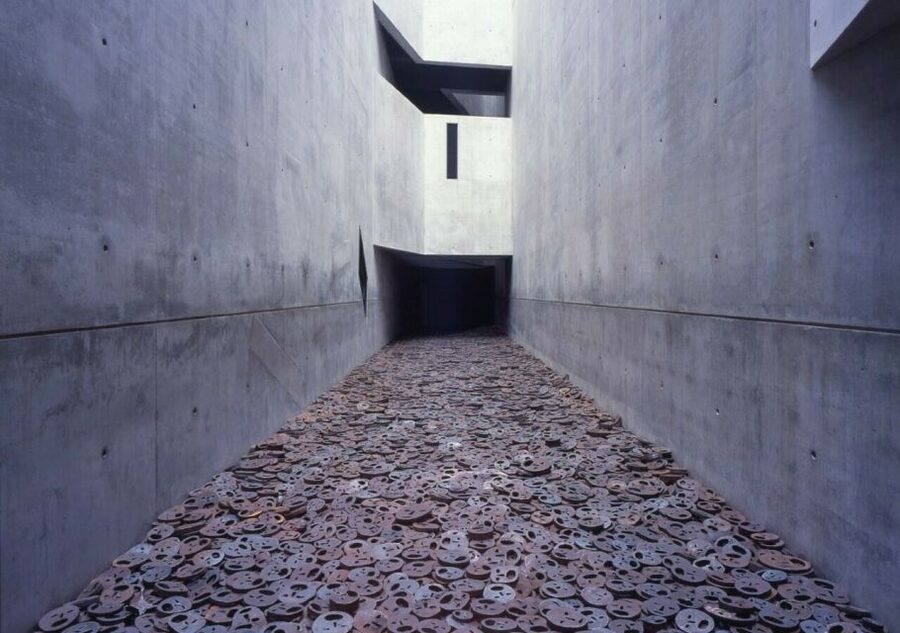
At the Memorial to the Murdered Jews of Europe, the focus is on scale and meaning. It is described as the largest memorial in central Berlin, and you also hear about how and why it was built, plus the crimes that made such memorialization necessary.
This is a short stop, about 15 minutes. That brevity can feel strange, depending on how you like to experience memorials, but the payoff is what comes with it: a frame for what you are seeing and why it was designed the way it was.
Fuhrerbunker
Then comes the stop people remember for its darker contrast: Fuhrerbunker. The tour describes the site as the most infamous car-park in the world, tied to where Hitler’s rule ended, within what were the gardens of the New Reich’s Chancellery.
Time here is about 15 minutes, marked as free admission. The practical value is that you get the historical location, not just the name. You also get help connecting it to what you just heard at the Holocaust Memorial and Reichstag, so the day stays coherent rather than jumping eras.
The Third Reich to Cold War Berlin, in One Walking Loop

Bundesministerium der Finanzen (Former Luftwaffe HQ)
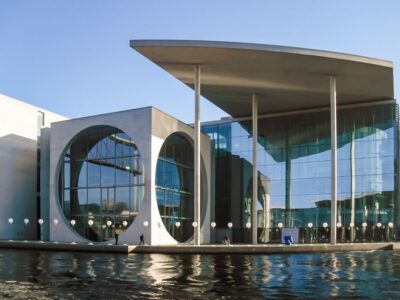
You then visit the Bundesministerium der Finanzen. Today it is the finance ministry building, but you hear its past as the HQ building of the Luftwaffe, plus its Cold War role later.
The time slot is about 15 minutes. Stops like this are where a guide helps most. A building that looks “official” from the street can feel meaningless until someone tells you what it used to do and why that matters.
Topography of Terror
After that, the tour moves to Topography of Terror, the site of former headquarters of the SS, Gestapo, and SD, along with how it was memorialized after the war.
This stop is about 20 minutes, marked free admission. It is not just a place for Nazi-era facts. It is also a place about postwar choices: what gets remembered, what gets preserved, and what gets interpreted.
Checkpoint Charlie
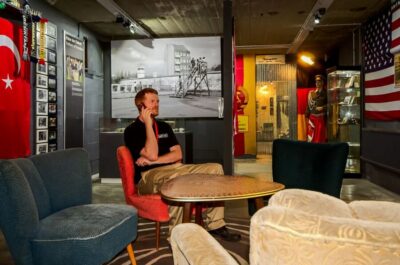
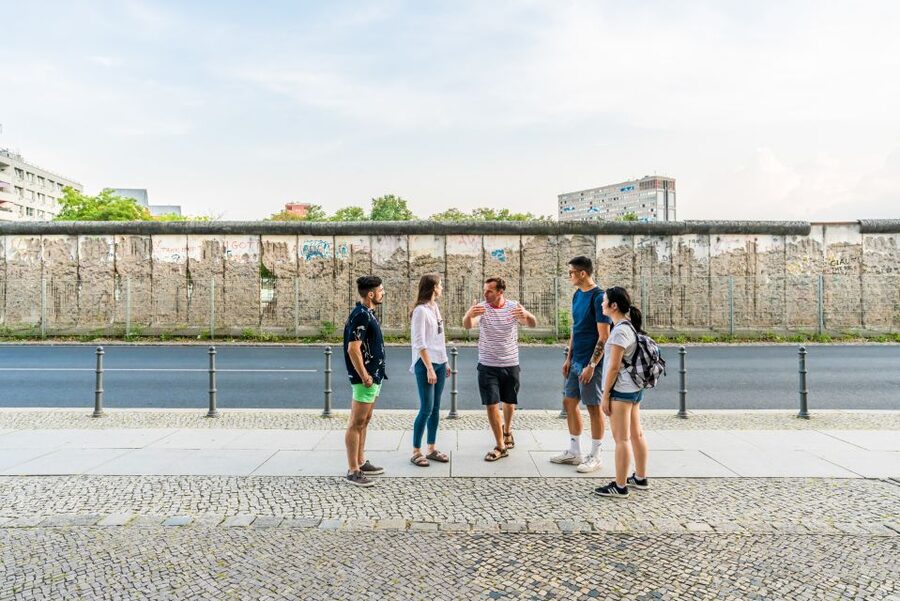
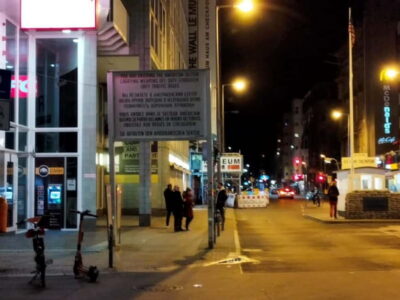
You finish this Cold War thread at Checkpoint Charlie, which is one of the best-known crossing points linked to Cold War Berlin.
You get about 20 minutes here, free admission. The big help is that the guide ties it back to the earlier stops. By the time you reach Checkpoint Charlie, you are no longer thinking only about Germany during World War II. You are understanding how the conflict’s aftermath shaped everyday Berlin life.
Gendarmenmarkt to Bebelplatz: Beauty, Then a Brutal Contrast

Berlin is not only about trauma and treaties. This part of the route proves that by switching from hard stops to architectural grandeur.
Gendarmenmarkt
At Gendarmenmarkt, the guide shares the history tied to the square’s foundation and development, with a spotlight on the splendor of the 18th and 19th century architecture.
Time is about 15 minutes, free admission. This is a welcome reset. If your day is starting to feel heavy, the shift to a gorgeous public square helps your brain recover without losing context.
Bebelplatz and the 1933 Book Burning
Then you reach Bebelplatz, framed by the grandeur of Frederick the Great’s Prussian capital. This stop also includes the Memorial to the 1933 Nazi Book Burning, and the guide explains why the buildings were constructed and what happened in the square’s darkest chapter.
Time is about 15 minutes, free admission. The pairing matters. You see how ideology can invade culture, even in places that look beautiful and formal from the outside.
Unter Den Linden and Museum Island: From Wartime Memory to a City That Moves On

Unter den Linden
Next you stroll along Unter den Linden and learn about Humboldt University, plus the Memorial to Victims of War and Tyranny and the German History Museum.
This part is about 20 minutes, free admission. It helps you place Berlin not only as a past conflict zone, but as a working capital with institutions and civic identity. You start to see how people rebuild, rename, and reframe public space.
Museum Island
Your final stop is Museum Island, and you cross into what the tour describes as medieval Berlin. You hear about the Stadt Schloss from the 15th century, the Berlin Cathedral, and how the area now hosts five world-class museums. The guide also points out the eastern side view toward Alexanderplatz, connecting your walk to postwar East Berlin’s center.
Time is about 20 minutes. Ending here is smart because it sets you up for what to do next. If you want museums, you are already where the action is.
Why the Small Group Size Changes Everything

This tour caps at 15 travelers, and that detail is not just marketing. In practice, it means you get more back-and-forth with the guide. Reviews praise the way guides create rapport, answer questions, and keep the group engaged rather than reading a script into the wind.
You may meet guides such as Cairan or Aurel, and other names show up in past groups like Eugen, Rhys, Al, Paul, and Steve. Across the board, the common pattern is the same: clear explanations plus an easy, friendly style.
One reviewer even mentioned that the guide included small exercises to help humanize the time period. That kind of activity is not something you get on a large bus tour. Even if you do not love exercises, it signals a guide who wants you to understand, not just hear facts.
Also, since the tour is English and the stop times are short, you want a guide who can adapt. The reviews mention that the tone can work for different English levels, including people who understand basic English only. That is a real strength if you do not want to miss key points.
Practical Tips So You Enjoy the Walk (Not Just Survive It)
Because the tour is walking-based, comfort matters. Plan on being on foot for about 3.5 hours. Wear supportive shoes, and if the ground looks uneven, slow down rather than trying to power through. The tour is designed to be doable for most people, and service animals are allowed, but your legs still set the pace.
Bring a few practical items:
- Snacks: one review specifically advised bringing them because there is a lot to take in.
- A water bottle: not required by the tour info, but Berlin in warm weather can get tiring fast.
- Your best photo strategy: if you want the Brandenburg Gate without a crowd, consider arriving earlier than the 10:00 am meet time, or plan your own photos outside the tour window.
Also, expect questions. The more you ask, the more you get out of it. The guides described in reviews are patient and engaged, including with families and kids.
How Much Value $32.58 Really Buys You
At a glance, $32.58 might seem modest for a history tour that covers so much ground. The value part is the mix of:
- Expert guide included
- A small-group cap that keeps the experience from turning into a cattle walk
- Multiple major landmarks scheduled with free admission
- An itinerary that covers big shifts in German history, from Imperial government and Nazi rule to Cold War divides and postwar memory
If you try to do this alone, you would either spend time piecing together context from books and plaques, or you would spend money on individual guided stops plus tickets. Here, the tour gives you a single narrative line and keeps admissions friction low.
Yes, it is still a walking tour, and it is not a museum day. But for a first-time visitor, that is often exactly what you want, a way to build understanding before you pick where to spend extra hours on your own.
Who Should Book, and Who Should Consider Another Option
This tour is a great fit if:
- You are visiting Berlin for the first time and want a strong orientation
- You care about understanding why these landmarks matter, not just seeing them
- You prefer a guide who explains connections in English
- You want a small-group experience where questions and pacing are more flexible
You might want to skip or choose a different format if:
- You cannot comfortably handle a 3.5-hour walking schedule
- You want deep museum time at each stop, since each site is brief and designed for story context rather than long exhibits
- You are traveling with someone who struggles with walking distances, since the itinerary expects movement between stops
Should You Book This Berlin History Highlights Tour?
If you want a clear, chronological grasp of Berlin’s most important 20th-century turning points, this is an efficient choice. The combination of small group, an English guide, and scheduled free admission at every stop makes it a strong deal, especially if you are the type of traveler who likes to understand what you are looking at.
If you can handle a guided walk through heavy topics, do it. If mobility is a concern, be upfront and look for a different option that matches your pace.
FAQ
How long is the Explore Berlin History and Highlights Sightseeing Walking Tour?
The tour runs for about 3 hours 30 minutes.
Is the tour offered in English?
Yes. The tour is offered in English.
What is the group size limit?
This tour has a maximum of 15 travelers.
Do I need admission tickets for the stops?
The itinerary lists Admission Ticket Free for each scheduled stop.
Where do I meet, and where does the tour end?
You meet at Wurst 🙂 am Brandenburger Tor on Ebertstraße Ecke Scheidemannstraße, 10117 Berlin, and the tour ends at Museum Island, 10 Berlin.
Are service animals allowed?
Yes. Service animals are allowed.
What is the cancellation cutoff for a full refund?
You can cancel for a full refund if you cancel at least 24 hours in advance of the experience start time.
Keep Walking Berlin
More Berlin City Sightseeing
More Tour Reviews in Berlin
Recently added around Berlin
Berlin City Sightseeing Tours, compared.
★ 4.31-Hour City Tour by Boat with Guaranteed SeatingFrom $2516,993 reviews
★ 5.0Discover Berlin Half-Day Walking TourFrom $249,624 reviews
★ 4.9Discover Berlin Walking TourFrom $235,998 reviews
★ 4.1City Sightseeing Hop-On Hop-Off Bus TourFrom $254,233 reviews
★ 4.3Hop-On Hop-Off Sightseeing Bus with Boat OptionsFrom $304,012 reviews
★ 4.41-Hour City Sightseeing CruiseFrom $252,210 reviews
★ 4.9Sightseeing Tour in Classic Volkswagen T1 Samba BusFrom $51993 reviews
★ 3.0City Sightseeing Berlin Hop-On Hop-Off Bus Tour981 reviews
Browse the lists this tour appears in