
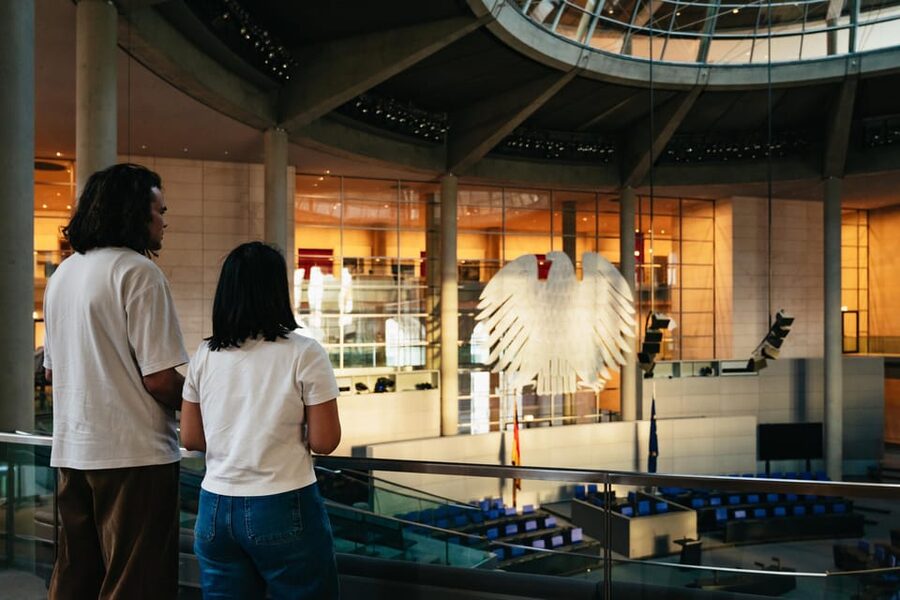
Berlin rewards the curious route.
Trace the Wall, look through the Reichstag dome, cross the Spree, and leave room for the neighbourhoods between the landmarks. Clear reviews show what each ticket includes, how long it takes, and which Berlin day it suits.
The ones that sell out first.
A first Berlin stay needs the city in layers: the Reichstag and Museum Island, the Wall and its aftermath, a neighbourhood on foot, and one slow hour on the Spree.
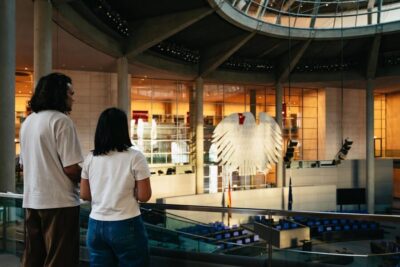
Reichstag, Dome and Government District Guided Tour
Berlin’s Reichstag and Government District guided tour with Plenarsaal and dome access, plus rooftop views from Foster’s glass dome design.
From $18 per person
Read the review → ★ 5.0Books out fastDiscover Berlin Half-Day Walking TourFrom $249,624 reviews
 ★ 4.3Crowd favouriteHop-on Hop-off Bus Tour with Live CommentaryFrom $228,579 reviews
 ★ 4.7Small-groupGovernment District around the Reichstag Guided TourFrom $2848,447 reviews
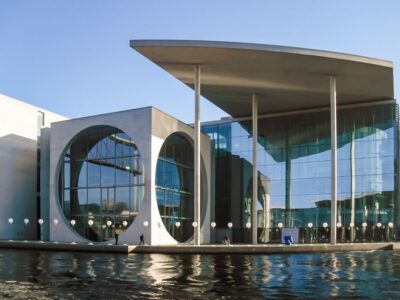 ★ 4.6History-ledReichstag, Plenary Chamber, Cupola & Government TourFrom $188,422 reviews
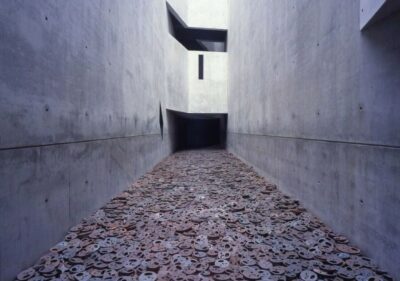 ★ 4.5Easy winJewish Museum Berlin Entrance TicketFrom $08,393 reviews
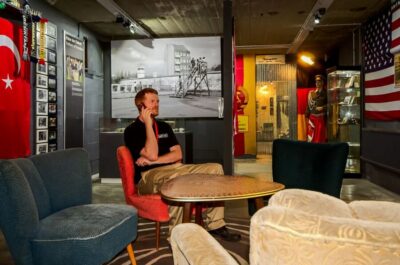 ★ 4.6Local favouriteBerlin Story Bunker Entry TicketFrom $216,759 reviews
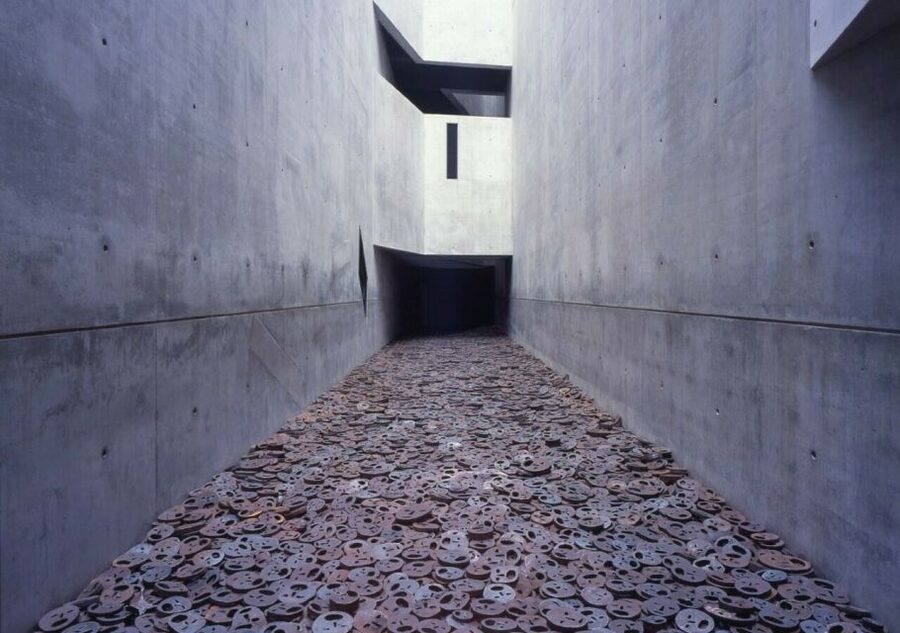
Choose the ticket that changes the day.
Museum Island, the TV Tower, immersive exhibitions and landmark entries all compete for limited time. Compare timed access, queues, language, transport bundles and the depth of the visit before fixing the rest of the day.
How should Berlin first come into focus?
A broad city loop, a story-led walk and a Spree cruise solve different planning problems. Pick the perspective that suits your pace, then build outward.
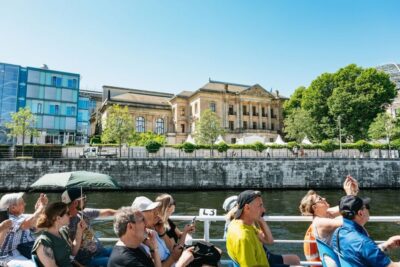 The broad overview
The city highlights tour
1 hour · from $25 · 16,993 reviews
Use one clear loop to place the Reichstag, Brandenburg Gate, Museum Island and the Wall before returning to the places that deserve more time.
See the city tours →
The street-level story
The guided walk
3 hours 30 minutes (approx.) · from $24 · 9,624 reviews
Berlin makes more sense with the traces underfoot. A focused walk gives context to the memorials, rebuilt squares and abrupt changes between neighbourhoods.
See the walking tours →
The quiet perspective
The Spree cruise
1 hour · from $25 · 16,993 reviews
The river links government buildings, Museum Island and modern architecture without adding another long walk. Choose by route, duration and commentary.
See the Spree cruises →
The broad overview
The city highlights tour
1 hour · from $25 · 16,993 reviews
Use one clear loop to place the Reichstag, Brandenburg Gate, Museum Island and the Wall before returning to the places that deserve more time.
See the city tours →
The street-level story
The guided walk
3 hours 30 minutes (approx.) · from $24 · 9,624 reviews
Berlin makes more sense with the traces underfoot. A focused walk gives context to the memorials, rebuilt squares and abrupt changes between neighbourhoods.
See the walking tours →
The quiet perspective
The Spree cruise
1 hour · from $25 · 16,993 reviews
The river links government buildings, Museum Island and modern architecture without adding another long walk. Choose by route, duration and commentary.
See the Spree cruises →
The city changes after the museums close.
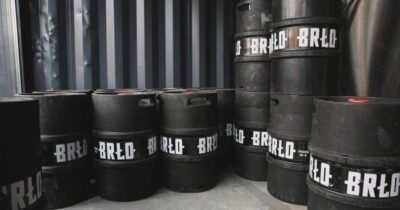
Kreuzberg bars, small breweries, cabaret stages and late cultural venues all offer a different Berlin night. Compare start time, neighbourhood, inclusions and the route home before choosing.
Currywurst is only the opening move.
Market halls, Turkish bakeries, old-school beer rooms and independent kitchens reveal a city built from successive arrivals. A good food tour explains the neighbourhood as carefully as the plate.

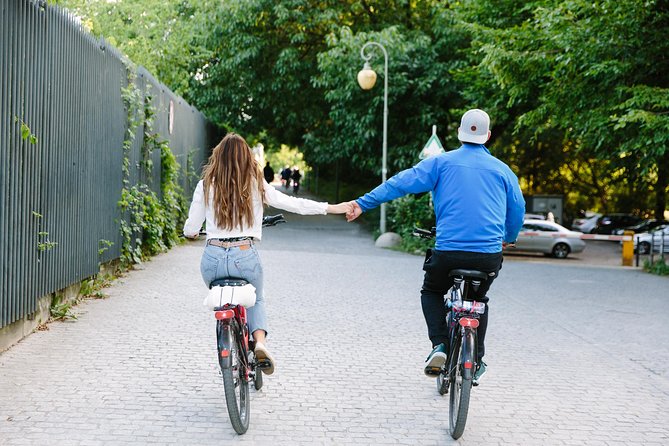
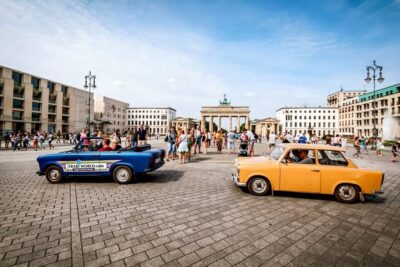
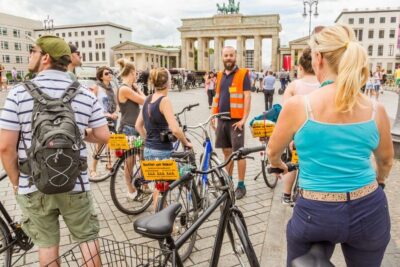
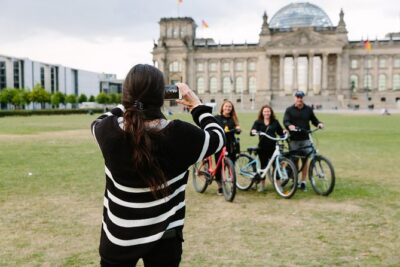
Two wheels, small wheels, or a Trabi.
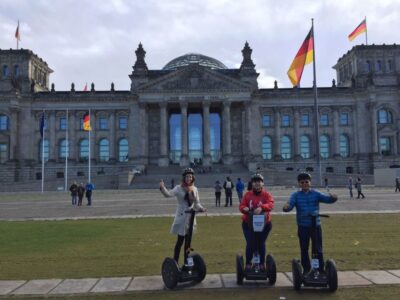
Berlin is flat enough for an easy bike day, broad enough for a Segway route, and historically odd enough to justify a Trabant drive. Compare traffic exposure, group size and how much guiding comes with the vehicle.
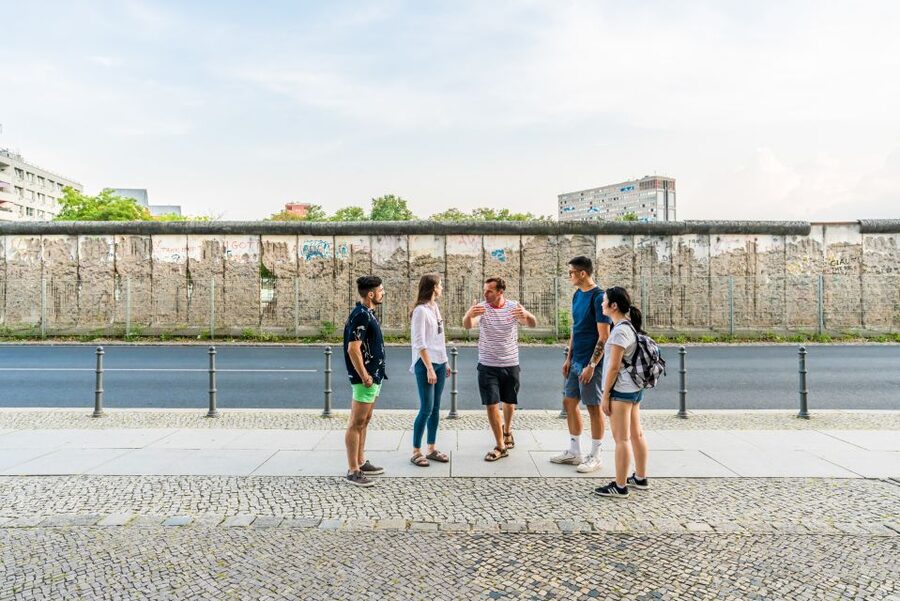
Read the Wall before checking it off.
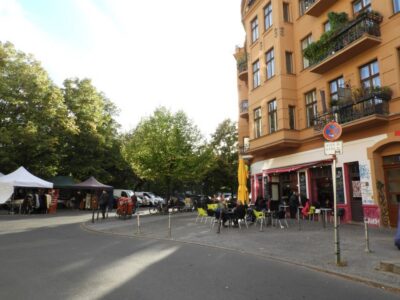
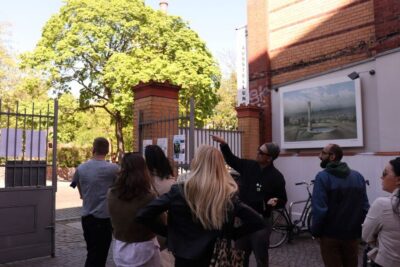
Checkpoint Charlie, the East Side Gallery and quiet residential traces tell different parts of the same division. Choose a tour by historical depth, route and group size rather than by the number of photo stops.
Choose a lens, not just a landmark.
Government Berlin gathers around the Reichstag, divided Berlin survives along the Wall, creative Berlin spills through Kreuzberg and Friedrichshain, and royal Prussia waits in Potsdam.
What kind of day is it?
Choose the way you want to understand Berlin, then compare the strongest options by route, pace and what the ticket actually includes.

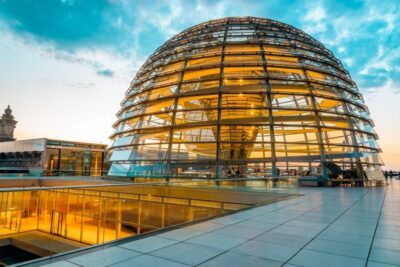


Step beyond the central sights.
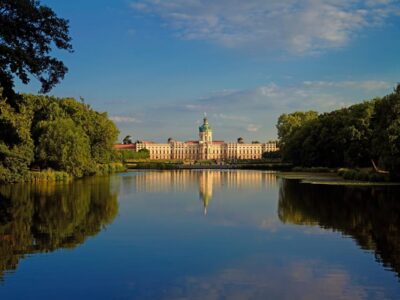
Potsdam brings Sanssouci and Prussian palaces, Sachsenhausen demands a more reflective day, and Berlin’s neighbourhood routes uncover the stories between famous monuments.
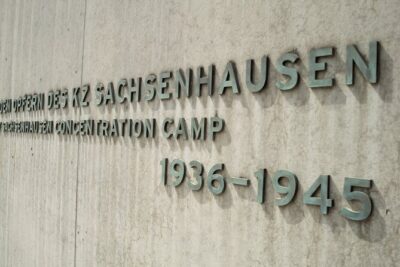
Three Berlin days, layer by layer.
Begin with the civic centre, give the second day to the Wall and the city it divided, then use the third for Potsdam or a deeper neighbourhood route.
Day 1
Reichstag, Museum Island and the Spree
Walk the government quarter and historic centre, then use a Spree cruise to connect the architecture without adding another long march.
Plan day one →
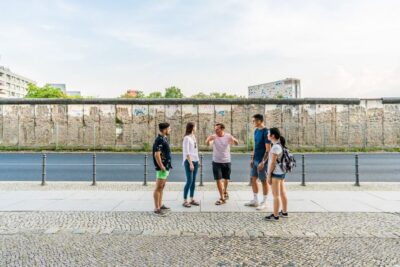 Day 2
The Wall and divided Berlin
Follow the division through memorials, preserved sections and former border streets, then let a neighbourhood guide show what reunification changed.
Plan day two →
Day 2
The Wall and divided Berlin
Follow the division through memorials, preserved sections and former border streets, then let a neighbourhood guide show what reunification changed.
Plan day two →
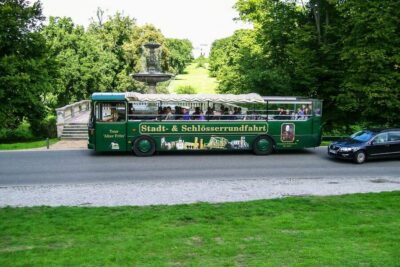 Day 3
Potsdam and Sanssouci
Trade the capital’s twentieth-century intensity for palace gardens, Prussian history and Potsdam’s compact old centre.
Plan day three →
Day 3
Potsdam and Sanssouci
Trade the capital’s twentieth-century intensity for palace gardens, Prussian history and Potsdam’s compact old centre.
Plan day three →
Latest from Berlin.
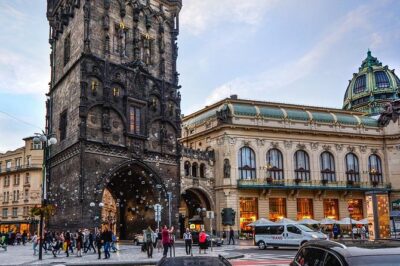 ★ 5.0Private Transfer from Berlin to Prague, Hotel-to-hotel, English-speaking driverFrom $2723 reviews
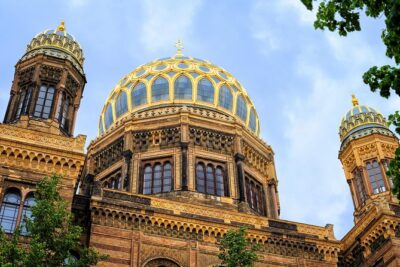 ★ 5.0Berlin’s Jewish Heritage: Private Tour of the Vibrant Jewish DistrictFrom $233 reviews
 ★ 3.5Private Berlin One Day Tour with a Local: See the City UnscriptedFrom $1783 reviews
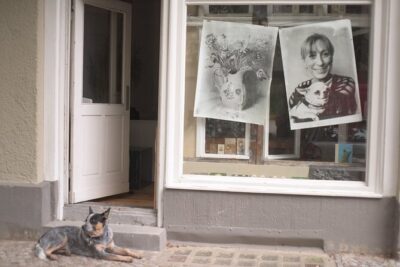 ★ 5.0Private Analogue Photography Experience in BerlinFrom $1563 reviews
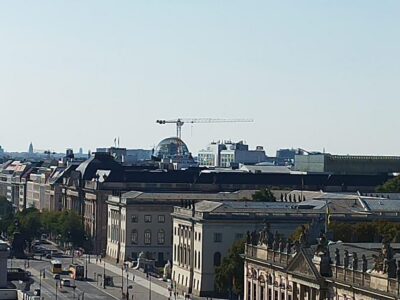 ★ 4.0Promotion Berlin Rickshaw Shared Guide (Combo Vehicle Group)From $2353 reviews
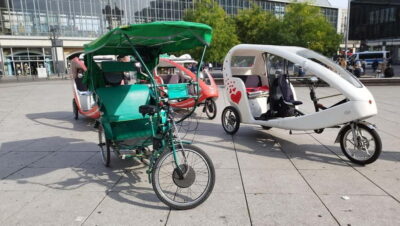 ★ 5.0Private (Multi) Rickshaws with Pick-up HotelFrom $1253 reviews
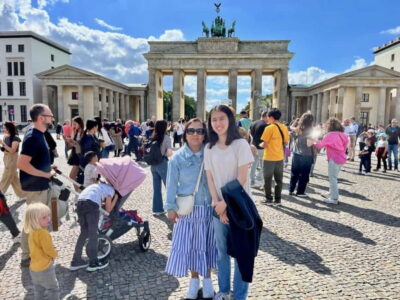 ★ 5.0Private Taxi Tour through Berlin East and West and Kiez 4-6hFrom $1243 reviews
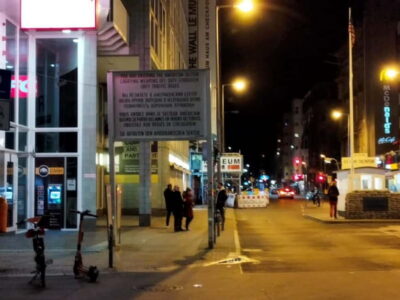 ★ 5.0Private Rickshaw Taylor Made By Night TourFrom $1253 reviews