Private Cold War Berlin: Espionage, Berlin Wall, a Divided City

Tour review · BERLIN PRIVATE TOURS

Private Cold War Berlin: Espionage, Berlin Wall, a Divided City

5.0 · 20 reviews 3 to 4 hours (approx.) From $191 Operated by Insider Tour Berlin · Bookable on Viator
Book on Viator →

Berlin split in two, and history follows you. This private walking tour strings together the Berlin Wall story, border-crossing heartbreak, and Stasi surveillance into one logical route, with hotel pickup and drop-off to keep your day easy. I particularly love how the guide turns big events into human details, and I like the mix of escape attempts, espionage, and the final street-level turning point in 1989. One drawback to plan for: it is a walking tour, so wear solid shoes and expect a steady pace for about 3 to 4 hours.

If it helps you choose, this is a strong fit for first-timers who want the Cold War explained in plain language, and also for repeat Berlin visitors who are ready for the less-pleasant side of the city. The tour runs in all weather conditions, and tickets for the listed stops are free, which makes it easier to keep costs predictable.

Key things to know before you go

Private Cold War Berlin: Espionage, Berlin Wall, a Divided City - Key things to know before you go

  • Hotel pickup and drop-off included, so you can focus on the sites instead of transit logistics
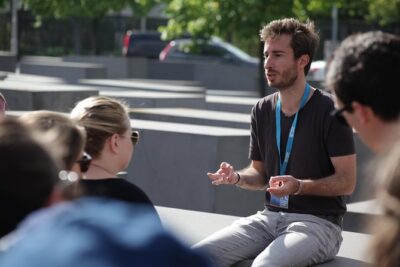
  • Private format means only your group, which makes it easier to ask questions and set your pace
  • Wall, border control, and spycraft in one route, not just monuments and photos
  • Short museum time at key stops, so you get context without losing the flow of the walk
  • Guides with storytelling skills, including guides like Tina and Toni who bring personal perspective to the era

Other ways to read the Wall and divided Berlin in the street

Cold War Berlin on foot: why this route works

Private Cold War Berlin: Espionage, Berlin Wall, a Divided City - Cold War Berlin on foot: why this route works
Berlin has plenty of Cold War leftovers you can spot on your own, but this tour gives you a guided order. You do not just see places. You learn why each place mattered, and how the same wall could feel different depending on which side of the border you stood on.

The pace is active, and that is a feature, not a flaw. Walking connects the dots fast. You start at the Wall’s emotional epicenter, then move through border crossing and espionage hubs, and end up at major public-change landmarks. It is a clear arc: division, control, attempts to escape, then the moment when the system cracked.

For the best experience, come ready to move and listen. This tour is offered in English, and you’ll spend a lot of the time hearing stories that can get heavy. It helps that it is private, because you can set the tone with your guide.

The Berlin Wall Memorial at Bernauer Strasse, where escapes had faces

Private Cold War Berlin: Espionage, Berlin Wall, a Divided City - The Berlin Wall Memorial at Bernauer Strasse, where escapes had faces
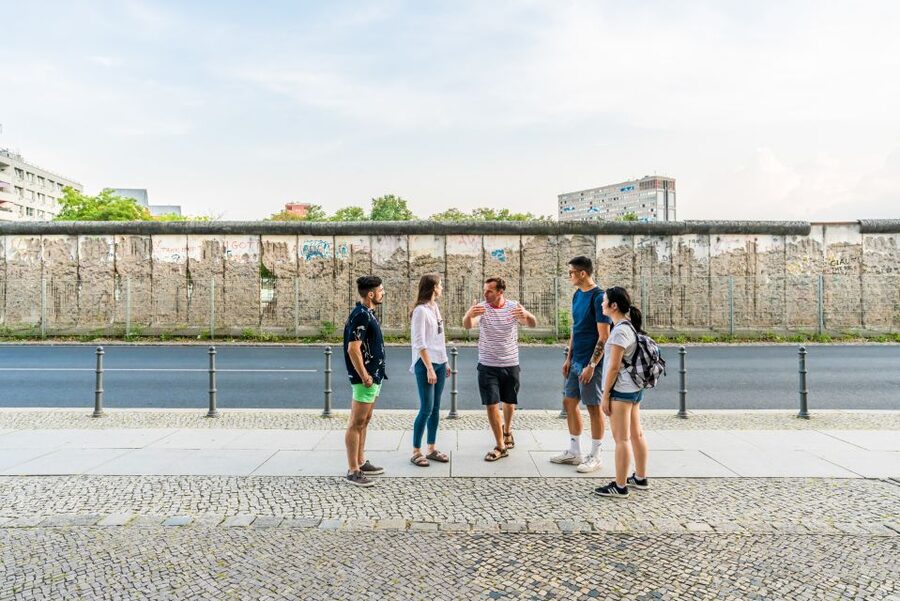
The tour starts at the Memorial of the Berlin Wall in Bernauer Strasse, a site people often find emotionally intense for good reason. This is where the Wall’s history is not abstract. The preserved section is paired with the Chapel of Reconciliation, which frames the story of separation with something more reflective than a typical viewing platform.

You’ll also hear about escape attempts, including Tunnel 57 and Tunnel 29. These tunnels are more than trivia. They show how far people would go when normal routes were sealed. Tunnel 29 is especially striking because it led 29 people to freedom in 1962. When you learn it in context, the tunnels stop being a dramatic story headline and become a window into planning, risk, and the desperation of ordinary life.

What I like about this start is that it sets the emotional baseline for the rest of the tour. If you begin here, the later stops about border control, prisons, and intelligence work make sense, because you understand what the Wall was doing day to day.

Watch-outs: this is a powerful area to walk through. If you are prone to feeling overwhelmed by heavy history, take breaks when you need them, and bring a water bottle. The tour does operate in all weather, so rain gear can help you keep your focus.

Tränenpalast at Friedrichstrasse: goodbyes, control, and spy opportunism

Private Cold War Berlin: Espionage, Berlin Wall, a Divided City - Tränenpalast at Friedrichstrasse: goodbyes, control, and spy opportunism
Next comes Tränenpalast, the Palace of Tears, at Friedrichstrasse. The name is not poetic for show. This building was a border crossing point where East Berliners said emotional farewells when they crossed into West Berlin.

That human side is a big part of why this stop hits. Separation is not just a concept here. You get the sense of what it meant to move one direction and lose a loved one, sometimes permanently, under a system that treated families like collateral.

Then the story widens into espionage. Tränenpalast also became a hotspot for spies trying to cross between East and West, using tactics to avoid detection. That creates an interesting contrast: the same crossing that could mean tears could also mean paperwork, disguise, and intelligence extraction.

Today, the building houses a museum with exhibits about the Berlin Wall, border control practices, and spy networks. Even if you only spend a short time there, you come away with a clearer picture of how the border was managed and why it was so dangerous.

Potential drawback: this stop can feel emotionally intense, especially if you are sensitive to separation stories. If you want a lighter rhythm, plan a little decompression time on your own after this portion, like a quiet drink nearby (food and drinks are not included on the tour).

East Side Gallery: how Berlin turned a wall into a message

Private Cold War Berlin: Espionage, Berlin Wall, a Divided City - East Side Gallery: how Berlin turned a wall into a message
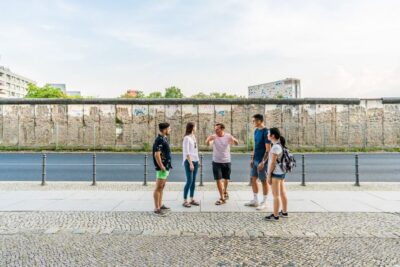
After the darker, more controlled sites, the tour moves to the East Side Gallery, a 1.3 km stretch of the former Wall transformed into an open-air art gallery. When you first see it, it can look like a street art destination. But with your guide’s context, it lands differently.

After the Wall fell in 1989, artists from around the world painted murals on remaining sections. The point was not to erase the past, but to reframe it. As you walk, you’ll hear about the murals and the messages behind them, many reflecting hope after reunification.

This stop is valuable because it shows a common Berlin pattern: the city does not only preserve the past in museums. It also repurposes trauma into public memory. You still see the Wall, but you see the post-1989 interpretation too.

Tip: take your time with photos here, but do not rush. The best part is listening to how each mural ties back to the moment the city changed.

Other ways to read the Wall and divided Berlin in the street

Stasi headquarters and Stasimuseum: surveillance you could feel

Private Cold War Berlin: Espionage, Berlin Wall, a Divided City - Stasi headquarters and Stasimuseum: surveillance you could feel
The Stasimuseum is one of the stops that most clearly explains how the Cold War operated at ground level. The former Stasi headquarters becomes a museum, and your guide helps you understand the surveillance system that East Germany’s secret police used to monitor and suppress dissent.

You’ll learn about the network of spies and informants, plus tactics like hidden cameras and wiretapping. One of the most sobering parts is how ordinary citizens could be pulled into that system, often with serious consequences for families and individuals who faced interrogation and harassment.

Why this stop matters for you, even if you already know Stasi as a keyword: it gives structure to the fear. Instead of vague horror stories, you get a sense of how surveillance worked, how it could reach into daily routines, and why people learned to self-censor.

Consideration: this is not a tour stop designed for light moods. If you prefer history facts without emotional weight, you might feel this one more than others. That said, it is hard to understand divided Berlin without it.

Checkpoint Charlie: the most famous crossing, explained beyond the photos

Private Cold War Berlin: Espionage, Berlin Wall, a Divided City - Checkpoint Charlie: the most famous crossing, explained beyond the photos
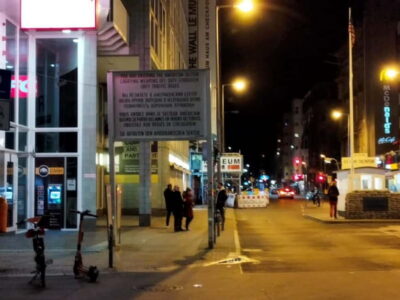
Checkpoint Charlie is an iconic Cold War site between East and West Berlin, and it often comes with a lot of expectations. Your guide keeps it grounded in what made it tense in real life.

You’ll learn about standoffs between American and Soviet forces, particularly during the Berlin Crisis of 1961 when the Wall was erected. Instead of treating it as a postcard stop, you’ll understand it as a place where superpowers faced each other with real consequences.

This is also where the tour connects espionage to everyday Berliners. You hear about dramatic events tied to the crossing, including escapes and spy exchanges, and you see how the border’s symbolism shaped the lives of people trying to live around it.

There’s a museum at the site too, with exhibits on espionage, escapes, and Cold War history. Even in a short time, it gives useful reinforcement for the concepts you heard earlier, especially about how movement across the border could be both controlled and exploited.

Practical note: because this is one of Berlin’s best-known points, plan to keep your expectations realistic on crowds. The guided focus helps a lot.

Prenzlauer Berg prison history at Fröbelstraße: NKVD to Stasi control

Private Cold War Berlin: Espionage, Berlin Wall, a Divided City - Prenzlauer Berg prison history at Fröbelstraße: NKVD to Stasi control
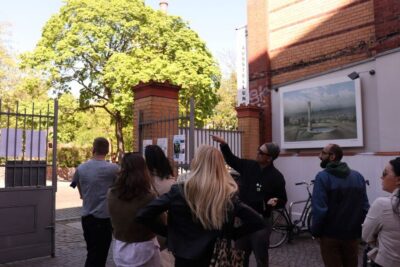
The tour continues in Prenzlauer Berg at the Fröbelstraße corner, tied to both NKVD and Stasi prisons. This is a distinct kind of site, because it shows how control systems overlapped and evolved after WWII.

First, Soviet authorities used the NKVD prison for political prisoners, people suspected of spying, and those considered enemies of the state. Later, once the GDR formed, the prison was taken over by the Stasi, extending the surveillance and repression system in a new phase.

Your guide shares what conditions were like and how both Soviet and East German authorities used detention and intimidation to silence opposition. There’s also room for stories of bravery and resistance, which keeps the narrative from being only about fear.

What I like here is the continuity. You see how one authoritarian system could turn into another, with the same goal: keep power stable, keep dissent contained.

Walk tip: this portion stays on the active side of walking, so keep your shoes comfortable and avoid anything that pinches. You’ll appreciate it more when you are listening closely rather than thinking about your feet.

Alexanderplatz and the 1989 protest: when crowds changed the math

Private Cold War Berlin: Espionage, Berlin Wall, a Divided City - Alexanderplatz and the 1989 protest: when crowds changed the math
The final portion moves to Alexanderplatz, a central Cold War area. You’ll learn about how it fit into GDR power and Stasi surveillance, then get the big moment that changed Berlin.

Your guide highlights the November 4, 1989 protest, when more than half a million East Berliners gathered to demand change. That scale matters. It is one thing to say the Wall fell in 1989, and another to understand how massive public pressure looked on the ground.

You’ll also connect the location to key East German leadership symbols, including the Television Tower (Fernsehturm) and Red City Hall. With that context, the space becomes more than a busy city square. It becomes a map of power, and later, resistance.

This ending works well because it pulls you out of only the past-tense story. It reminds you this was a living city with ordinary people who eventually forced change.

If you like context: this is where the tour’s earlier pieces click. You can see how surveillance and repression could not hold back collective action forever.

What you get for the price: private guiding that keeps your day efficient

At $191.44 per person for a 3 to 4 hour private walking tour, you are paying for more than a few landmarks. You’re paying for a guide who can connect Wall escapes, border control, and Stasi surveillance into one coherent story.

Hotel pickup and drop-off also change the value. Berlin is easy to get around, but it is also easy to waste time. Pickup helps you keep the experience tight, and it is especially useful if your hotel is not right next to major sightseeing clusters.

Admission tickets are free for the stops listed, which can offset costs you might otherwise add for museum entries. Food and drinks are not included, so plan for at least a snack or water bottle on your own.

You’ll also benefit from the private setup. Even with a single group, you can ask questions. If the topic gets complicated, you can slow down and get clarity.

A few smart preparation tips

  • Wear comfortable walking shoes, this is built around walking between sites
  • Dress for all weather, since the tour runs in all conditions
  • Bring a light layer, Berlin can shift quickly through the day
  • Plan a meal after, food is not included

Who should book this Cold War Berlin tour

This tour is best for active travelers who want a guided, story-led route through some of Berlin’s most important Cold War sites. It works well if you:

  • want a clear explanation of the Wall beyond viewing points
  • are interested in espionage and how borders were controlled
  • like history that connects to real people and specific escape attempts
  • have been to Berlin before and want a deeper cut than the typical highlights

It also suits first-timers, as long as you can handle a walking pace and you are ready for serious subject matter.

If you want something mostly scenic or light, this probably will not match your mood. If you want how-and-why history, and you can handle emotional material, it is a very solid choice.

Should you book this Private Cold War Berlin tour?

Yes, I think you should book it if you want your Cold War understanding to feel grounded and well-organized. The strongest reason is the route itself. You start at the Wall’s most human, escape-focused setting. Then you move through border tears, espionage pressure points, the surveillance machinery, prison control, and finally the protest that changed the outcome.

Also, the guide quality seems to be a standout. Guides like Tina can bring the era to life with storytelling that makes the lived experience clearer. Toni adds a different angle with a calm, informative style, and personal perspective from having been a child during the Cold War.

Book it now if your dates are flexible and you want to avoid planning headaches. If you are worried about pacing, wear good shoes and keep your expectations realistic for a walking tour.

FAQ

How long is the Cold War Berlin tour?

It runs about 3 to 4 hours.

What is the price per person?

The price is listed as $191.44 per person.

Is this tour private?

Yes. It is a private tour/activity, and only your group participates.

Does the tour include hotel pickup and drop-off?

Yes, hotel pickup and hotel drop-off are included.

Is food included?

No. Food and drinks are not included.

What language is the tour offered in?

The tour is offered in English.

Are museum or site admission tickets included?

The provided information shows admission tickets are free for the listed stops.

Does the tour run in bad weather?

Yes. It operates in all weather conditions, so dress appropriately.

When should I book for best availability?

On average, it is booked 28 days in advance.

What is the cancellation policy?

You can cancel for free up to 24 hours in advance for a full refund.