Berlin: Private Guided Tour of the Main Sights

Tour review · BERLIN PRIVATE TOURS

Berlin: Private Guided Tour of the Main Sights

5.0 · 13 reviews 3 hours From $471 Operated by Kaibel & Erdmann Stadtrundfahrten OHG · Bookable on GetYourGuide
Book on GetYourGuide →

Three hours, and Berlin makes sense fast. This private main-sights drive turns the city’s WWII and Cold War story into something you can actually see, not just read, while rolling past royal palaces and striking modern architecture. You get a guide who can tailor the pace, and a vehicle setup built for real sightseeing conversations.

I especially like the private stop-anywhere approach, because you can linger for photos, skip what you do not care about, and focus on what hits you. I also like the business-class comfort with A/C and microphones, which matters when you are tracking serious history in the rain or the cold. The main drawback to consider is that 3 hours is short, so you will cover the big highlights rather than doing deep, slow walks at every single site.

Key highlights worth your time

Berlin: Private Guided Tour of the Main Sights - Key highlights worth your time

  • Door-to-door pickup in Berlin city centre: You meet the driver at your hotel reception or another central spot you choose.
  • Business-class sedan or minivan with A/C and mic: You hear the guide clearly, even when you are moving between stops.
  • You pick the sights, within the 3 hour window: Expect 1 to 2 actual stopovers where you can get out.
  • A WWII and Cold War route built around the Berlin Wall: You connect the city’s changes to what happened here.
  • A “main sights” mix of old and new: Government landmarks, cultural spaces, palaces, and contemporary skyline angles.
  • Optional extension, including Potsdam: Add time or combine with a Potsdam-focused tour if you want more depth.

Why this Berlin main-sights format works

Berlin: Private Guided Tour of the Main Sights - Why this Berlin main-sights format works
Berlin is one of those cities where the map looks simple, but the meaning is layered. A private drive for the main sights helps you get the big picture fast, especially if you are visiting for the first time or you only have a half day. The guide can connect the dots between neighborhoods, architecture, and political eras.

What you are really buying here is direction. You are not just passing landmarks. You are getting a guided storyline for the places that shaped Berlin during WWII, the Cold War, and after reunification. That makes it easier to decide what to revisit on your own later, when you have more time.

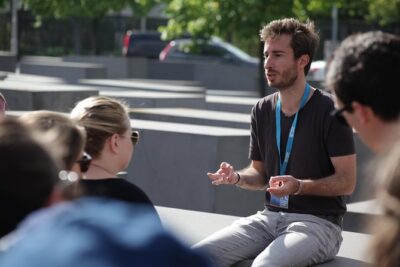
Because the group is capped at up to 8 people, the experience stays personal. You can ask questions without the usual “wait your turn” problem that comes with large bus tours. And because it is private, you are not stuck with a fixed schedule that assumes everyone has the same interests.

Getting picked up and hearing the guide clearly

Berlin: Private Guided Tour of the Main Sights - Getting picked up and hearing the guide clearly
The practical magic is the vehicle and audio. You ride in a business-class sedan or minivan with air-conditioning, plus microphones so the guide’s commentary stays clear. That setup is a big deal in Berlin weather, because you will spend real time looking out windows, then stepping out briefly for photos and viewpoints.

Pickup is also straightforward. The driver meets you in Berlin city centre at your hotel reception, or at another central location you name. On arrival, the driver holds a sign with your last name, which makes the meeting point easier than it sounds on paper.

You will also finish back in the Berlin city centre. That is useful because the whole point of a 3-hour tour is to avoid spending your time commuting in and out of the core.

How the WWII and Cold War story shows up on the route

Berlin: Private Guided Tour of the Main Sights - How the WWII and Cold War story shows up on the route
This tour is designed around the idea that Berlin is a city of visible transitions. WWII damage, Cold War divisions, and reunification are not abstract topics here. They show up in what was rebuilt, what was preserved, and what was newly built to symbolize power and identity.

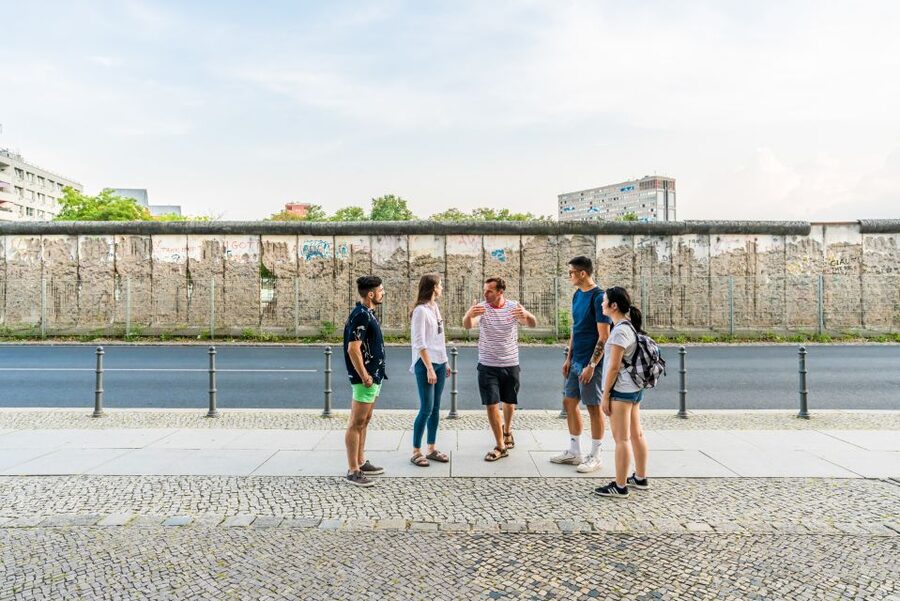
A major thread is the Berlin Wall and related remnants. Even when you are only stopping briefly, your guide can explain what you are looking at and why it matters. That helps you avoid the common trap of seeing the wall sites as isolated photo spots instead of part of a system.

Another thread is the government quarter. Modern institutions sit near reminders of past tensions, and the architecture changes in a way that tells a political story. You get context for why particular buildings were built where they are, and how Berlin’s role in Germany shifted through the decades.

Reichstag and the government quarter: seeing power up close

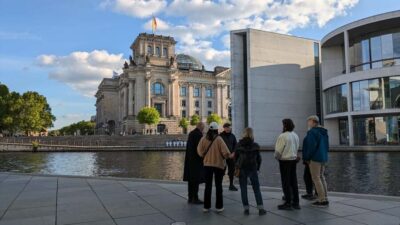
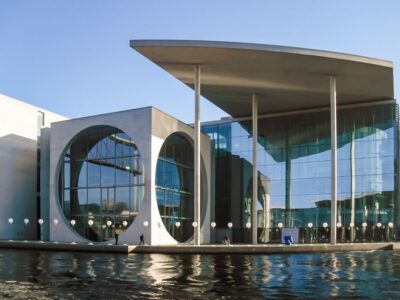
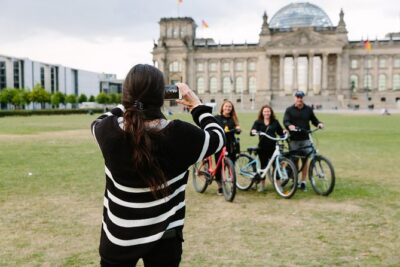
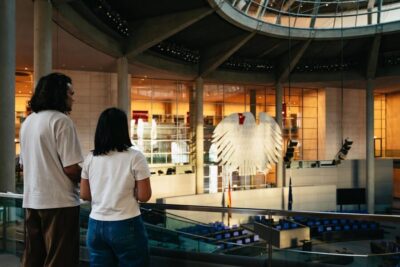
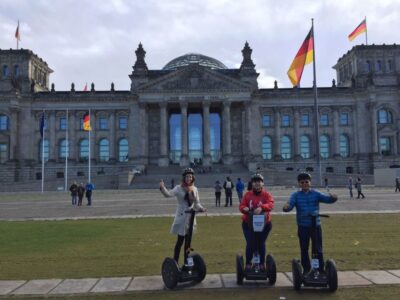
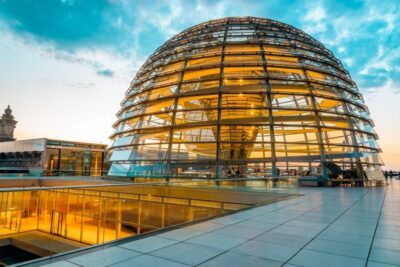
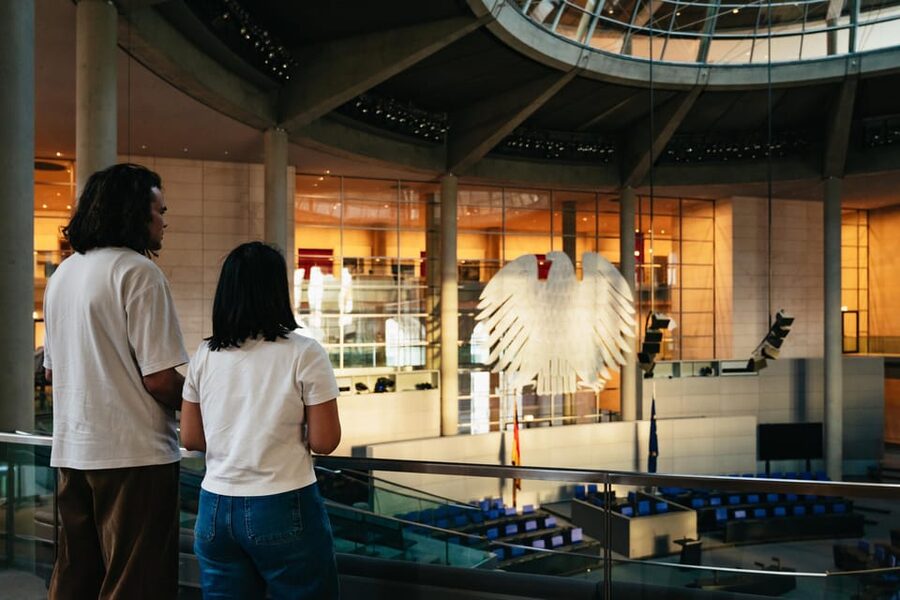
If your goal is to understand modern Germany, the Reichstag area is a key anchor. You will pass and likely spend time around the Reichstag, then connect it to the surrounding new buildings in the government quarter. Even if you do not go inside, you can still read the city’s intentions through scale, placement, and design choices.

The biggest value of having a private guide here is interpretation. The Reichstag is iconic, but it can feel like just a landmark if you do not know what to look for. Your guide can point out the meaning behind how the parliament complex relates to the rest of Berlin, and what the area represents today compared with what it represented during earlier eras.

A quick word of realism: in a 3-hour format, you will not get long museum-style time at every spot. Plan to treat the government quarter as an overview chapter. You can come back later if something sparks your curiosity.

Other tours with a local leading the way

Brandenburg Gate and Unter den Linden: the “main hits” loop

Berlin: Private Guided Tour of the Main Sights - Brandenburg Gate and Unter den Linden: the “main hits” loop
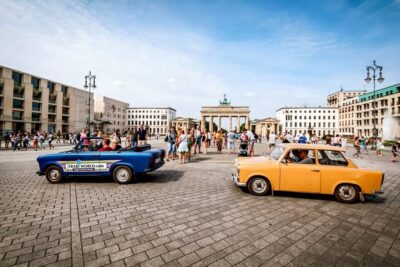
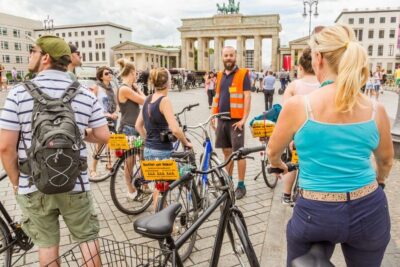
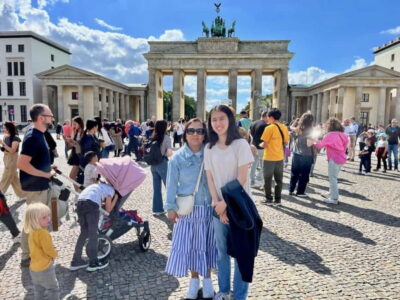
Brandenburg Gate is the kind of sight that snaps you into Berlin mode immediately. It is also a shortcut into understanding the city’s political symbolism. From there, the tour typically moves along Unter den Linden, a boulevard that is ideal for a fast but meaningful overview.

This stretch gives you variety without chaos. You see the classic Berlin icons from the right angles, then the guide can add context as you glide between points of interest. You also pass the Staatsoper area, and that blend of ceremonial architecture and cultural institutions helps explain Berlin’s identity beyond politics.

If you enjoy photo stops, this is a good part of the tour to pay attention to weather and timing. If conditions are good, you can ask for a short extra stop for a better shot. If it is rainy or cold, the vehicle ride makes the experience easier to tolerate while still keeping you oriented.

Museum Island, TV Tower zone, and Nikolaiviertel

Museum Island is one of the city’s most recognizable cultural groupings. You will see it as part of the main-sights loop, and your guide can explain what makes it important in Berlin’s story. The benefit of seeing it from the road is speed. You get the “where and why” without spending your entire limited time inside.

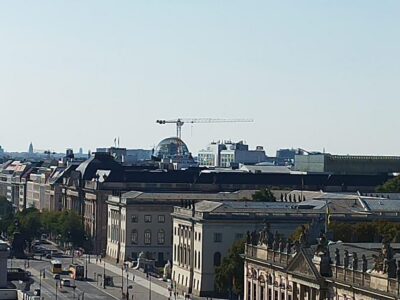
You will also encounter the TV Tower area. Even if you never climb, the viewpoint energy is real. Berlin is visual, and the TV Tower helps you understand the city’s modern skyline and how it has grown past earlier divisions.

Nikolaiviertel adds a different flavor. It has that old-town feel that helps balance the heavier WWII and Cold War narrative. In a short tour, it is a smart pairing because it gives you a little emotional contrast: you are not only processing conflict, you are also seeing where Berlin residents might choose to stroll and relax.

Gendarmenmarkt and Philharmonie: culture with structure

Gendarmenmarkt is another classic “you should see this” square. It is visually distinctive and works well as a pause point for orientation. The guide can tie what you see here to Berlin’s broader cultural planning, which can be surprisingly useful if you like architecture and urban design.

Then you have the Philharmonie. Even when you just pass near it, it signals Berlin’s commitment to arts and public cultural spaces. If you are the type who wants your history tour to also feel alive, these stops help keep the tour from turning into a nonstop lecture.

A good private guide makes these areas click. Instead of just listing what buildings are called, your guide can explain what these spaces mean to Berlin’s identity. That is what turns a list of stops into a coherent experience.

Synagogue and the city’s layers of faith

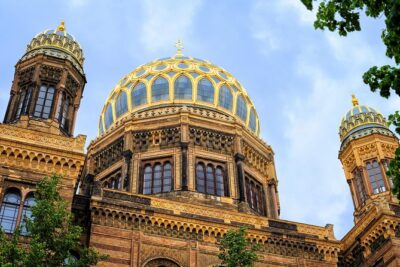
You will also see a synagogue listed among the possible stops. In Berlin, religious buildings often sit at the intersection of history, community life, and architectural style. Your guide can help you understand the context of the neighborhood and how different historical forces shaped what stands today.

In a short 3-hour drive, you might not have long time at every place of worship. But even brief sighting plus solid explanation can change how you remember the city. It gives the tour a broader human dimension, not just political monuments.

Potsdamer Platz, Berlin Wall remnants, and the Cold War geography

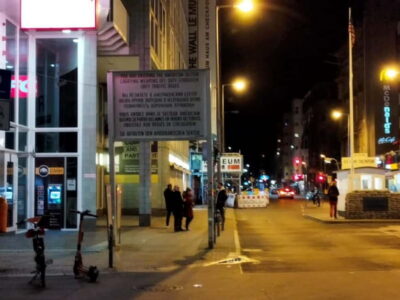
If there is one section that makes Berlin feel uniquely Berlin, it is the Cold War geography. This itinerary includes Berlin Wall remnants, and it also mentions Potsdamer Platz as part of the main sights mix.

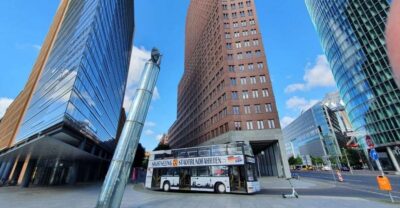
Potsdamer Platz is useful because it represents Berlin’s post-divisions evolution. You can often feel the contrast between the place’s current energy and the tense role the area played during the split city years. Combined with an explanation of the Wall remnants, you get a before and after story in one flow.

This is also where your “stop wherever you want” option matters. If you want a longer look at a Wall-related point, you can ask for it. Your guide can adjust within the tour’s overall pacing, which is the whole point of going private.

Charlottenburg Palace, Memorial Church, and KaDeWe

Berlin is not only about power and politics. It also has royal and cultural glamour, and this tour includes that side too.

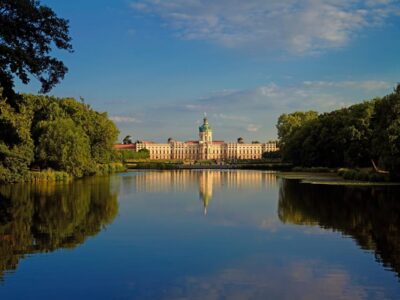
Charlottenburg Palace gives you a sense of how Berlin’s elite past shaped the city’s physical look. Even from outside, palace architecture is easier to “read” when you know why it exists and what era it belongs to. A private guide can usually give you the key framing without turning your day into a textbook.

The Memorial Church is also included, and that matters because memorial sites are often emotional in a way a driving tour can handle respectfully. You might not get extended time here, but you can still take in the meaning through commentary.

KaDeWe is a different kind of landmark. It is a practical contrast to palaces and memorials. Including a major shopping department store in the route helps balance your experience with something that feels like daily city life, not only historical monuments.

Victory Column, Bellevue Palace, and Kongresshalle

Victory Column is a strong “big monument” stop. It is the kind of landmark that can feel abstract until someone explains the intended symbolism and its place in Berlin’s broader narrative. This tour gives you the structure to understand it instead of just treating it like a tall photo prop.

Bellevue Palace is another key stop. It represents the relationship between governance and place, and it also helps round out the government-themed parts of the tour you already saw. By the time you reach it, the city’s political storyline feels more connected.

Kongresshalle comes in as a reminder that Berlin’s monumental architecture includes both planned civic identity and the weight of historical periods. In a 3-hour tour, these final monument stops can work like a closing argument. You finish with stronger mental links between what you saw earlier and what Berlin chose to keep, repurpose, or move away from.

What the “stop wherever you want” really means in practice

The tour promises you can stop wherever you want, but there is still a time reality: in about three hours, you usually have 1 to 2 stops at sights you choose. That means you should think like a director, not a collector.

Pick your “must stop” category first:

  • One history anchor (Berlin Wall remnants, Wall-adjacent point, Reichstag area)
  • One architecture or culture anchor (Brandenburg Gate, Museum Island, Gendarmenmarkt, Philharmonie)
  • Then optionally one lighter stop (Nikolaiviertel feel, KaDeWe, a palace viewpoint)

If you do not plan, you risk spending the best part of the tour deciding in the moment. A private guide can handle route suggestions, but you will get a better experience if you arrive with at least a rough priority list.

Rain helps you understand why the vehicle is comfortable. You can keep moving between places and still get meaningful commentary through the microphone, rather than losing the day to weather.

Price and value: $471 per group, up to 8 people

The price is $471 per group for up to 8 people, for a three-hour private tour. That sounds high until you translate it into what private guiding costs in big European cities.

Here is the value logic: you are not paying per person for one-on-one coaching. You are paying for a group-sized vehicle and a guide who can adjust your route. If you have a small group, the cost per person drops quickly compared with booking separate guides or relying on rigid group buses.

Also remember what is included versus not included. The tour includes the private sedan or minivan, private driver-guide, and pickup and drop-off in the Berlin city centre. Entrance fees are not included, and food and beverages are not included. So you are paying mainly for time, orientation, and interpretation, not for museum tickets.

If you are traveling solo or as a couple, you might feel the cost more sharply. In that case, this tour is best when you want a fast, high-quality overview that saves you time and helps you plan the rest of your stay. It can pay off because Berlin is big, and time spent getting your bearings early reduces wasted loops later.

Who this tour fits best

This tour fits you if:

  • You want a clear Berlin storyline for WWII and the Cold War without stitching together multiple bus tours.
  • You prefer a private experience with a small group size and the ability to ask questions.
  • You care about both classic landmarks and modern architecture, in one flowing route.
  • You value comfort, especially with air-conditioning and good audio.

It may be less ideal if you want long walking time at many sites. A three-hour format is built for overview and photo-friendly viewing. If your heart is set on slow museum time, you will likely want to pair this with separate on-foot exploration later.

A note on guide quality and pacing

What makes private tours feel special is the guide’s control of pacing and priorities. A guide named Christine is mentioned as offering a flexible style, including stopping for photos and allowing longer looks at sights, even in rainy conditions. The standout theme is practical, human flexibility paired with strong commentary.

While you cannot assume every guide will match that exact style, the structure of the tour supports that kind of experience. You have microphones for clarity, and you have enough stop control to match what you want to see most.

Should you book this private Berlin main-sights tour?

Book it if you want a time-efficient way to understand Berlin’s main landmarks and how the city’s WWII and Cold War story shows up in real places. The private vehicle, small group size, and flexible stop choices make it easy to tailor the experience without stress.

Skip or rethink it if you already know Berlin deeply and you want lots of entrance time, long walking tours, or museum-heavy immersion. In that case, you might prefer a specialized tour with fewer road stops and more time inside.

If you are balancing first-time orientation with real history and you like being able to steer the day, this is a strong fit. You come away with clearer context, better priorities for what to revisit, and a route that helps Berlin feel less overwhelming.

FAQ

How long is the Berlin private guided main-sights tour?

It is 3 hours.

What group size is this tour designed for?

It is a private group for up to 8 people.

What is included in the price?

You get a private sedan or minivan, a private driver-guide, and pickup plus drop-off in Berlin city centre.

Does the tour include entrance fees or meals?

No. Entrance fees, food, and beverages are not included.

Are pickup and drop-off in Berlin city centre included?

Yes. You are picked up in Berlin city centre, and the tour ends in the Berlin city centre.

Can I choose where the guide stops during the tour?

Yes. You can stop wherever you want, and the route can be adjusted based on your wishes.

Is there an option to add time or combine with Potsdam?

Yes. You can book additional hours or combine with a Potsdam tour.

What languages are the guide and tour offered in?

The live tour guide is available in English and German.

How late can I cancel for a full refund?

You can cancel up to 24 hours in advance for a full refund.