An Introduction to Berlin Walking Tour

Tour review · BERLIN WALKING TOURS

An Introduction to Berlin Walking Tour

5.0 · 3 reviews 3 hours From $135 Operated by insightcities.com · Bookable on GetYourGuide
Book on GetYourGuide →

Berlin has layers, and this walk reads them fast.

I love the way the tour traces 300 years of change through real landmarks, not vague dates, and I also like that you get a historian’s lens rather than a script of facts. The guide skills matter here, and you will feel that at stops like the Reichstag, where symbolism gets explained in plain language. One thing to consider is pacing and context: this is a heavy, reflective route, and it can feel intense if you prefer lighter sightseeing.

What makes it work is the balance. You start with Prussian power games, move through Nazi propaganda and persecution, then end at the Cold War’s literal border crossing, showing how the city keeps negotiating memory. On a few departures, guides include academics and authors such as Dr. Martin Sauter, and that kind of expertise shows in how carefully questions are handled.

Key moments that make this tour work

An Introduction to Berlin Walking Tour - Key moments that make this tour work

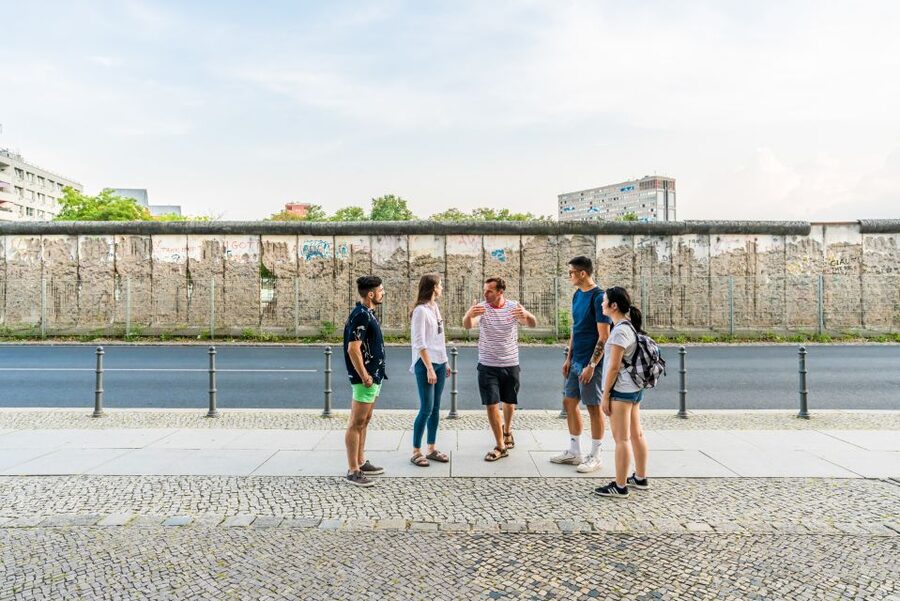
  • The Berlin Wall line in the modern city, starting near Potsdamer Platz and running through Tiergarten
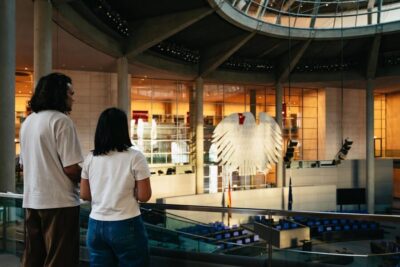
  • Holocaust Memorial + Reichstag, with a focus on how architecture and state power collided
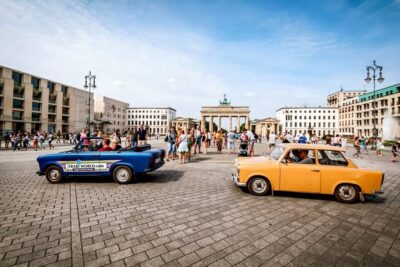
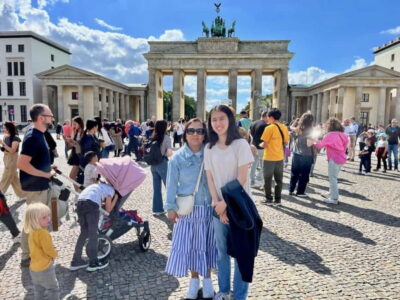
  • Napoleon’s footsteps at Brandenburg Gate, where a French revolution sparks German nationalism
  • Bebelplatz and the Nazi book burning, one location that connects ideology to real-world harm
  • Alexanderplatz as an East German showplace, including the 1960s rebuild and TV Tower view
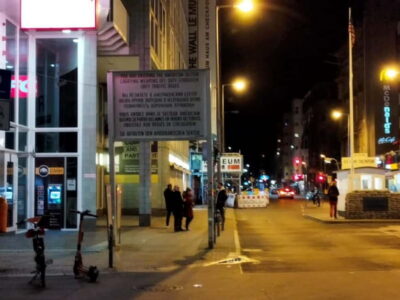
  • Checkpoint Charlie at the end, where thousands crossed in 1989 and the Cold War shifted

Berlin on foot, with a few more routes worth comparing

A 3-hour timeline that makes Berlin feel understandable

An Introduction to Berlin Walking Tour - A 3-hour timeline that makes Berlin feel understandable
Berlin can overwhelm you. Big sights, big history, big opinions. This tour helps because it’s built like a guided timeline where each stop has a job: explain a turning point, connect it to the next era, and then show what the city looks like now because of it.

At 3 hours, you avoid the trap of trying to learn everything. You also keep enough energy to actually notice details: the way streets funnel you, the way monuments frame sightlines, and the way newer buildings sit beside older scars. The route is not just scenic, it’s structured to make cause and effect feel real.

I also appreciate the tour’s “zoom out, zoom in” method. You get a broad view of how violence in the 20th century did not appear out of nowhere. The guide ties those outcomes back to earlier power shifts, political ideology, and the rise of militarized thinking that started long before the Nazi era.

Potsdamer Platz, where East Berlin once felt like a warning

An Introduction to Berlin Walking Tour - Potsdamer Platz, where East Berlin once felt like a warning
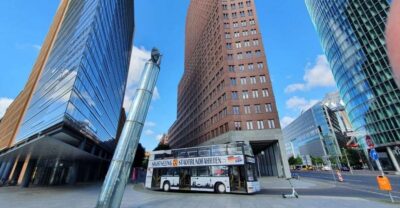
The walk begins at Cafe Einstein on Unter den Linden, then you head toward Potsdamer Platz, the business-center that rose where a wasteland once stood. This area is important because it forces you to compare past and present in one glance. You are standing in a modern hub that replaced the emptiness of East Germany’s so-called Death Strip, and that contrast changes how you read everything else that comes later.

You start there for a reason. Berlin’s history is often presented like separate chapters, but the city’s borders, surveillance zones, and postwar rebuilding make those chapters overlap. Early on, the guide sets the tone: the Cold War wasn’t just a political disagreement, it was a lived geography that shaped how people moved, feared, and hoped.

If you’re the type who likes “show me why” explanations, this start will suit you. And if you get impatient with background, don’t worry. The tour keeps anchoring the storyline to specific places you can look at, not just talk about.

Tracing the Berlin Wall’s path through Tiergarten

An Introduction to Berlin Walking Tour - Tracing the Berlin Wall’s path through Tiergarten
From the Potsdamer Platz area, the tour follows the line where the Berlin Wall once stood and continues toward Tiergarten Park. This is one of the tour’s smartest choices because Tiergarten is not a museum room. It’s a real city park, and that makes the past feel closer.

The guide doesn’t just point at the absence of a wall. You learn how the Wall defined movement and choices. You also get a sense of how Berlin tried to remake itself after division, and how even today, the city’s layout still carries that old logic.

In practice, you’re walking enough to feel like you’re part of the city, but you’re also using public transport once or twice when distances would be too far on foot. That matters, because the historical focus is dense. Efficient movement helps you stay with the story instead of getting worn down.

Holocaust Memorial and the Reichstag, where symbolism is politics

An Introduction to Berlin Walking Tour - Holocaust Memorial and the Reichstag, where symbolism is politics
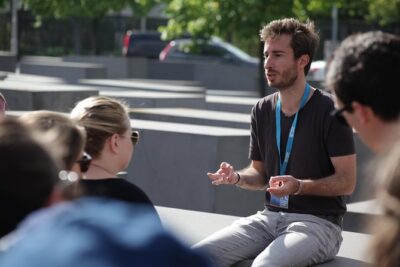
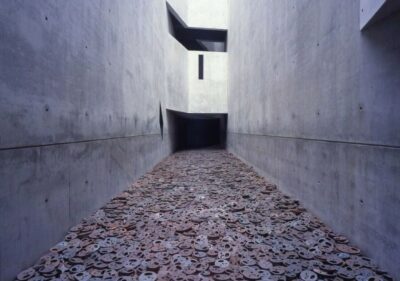
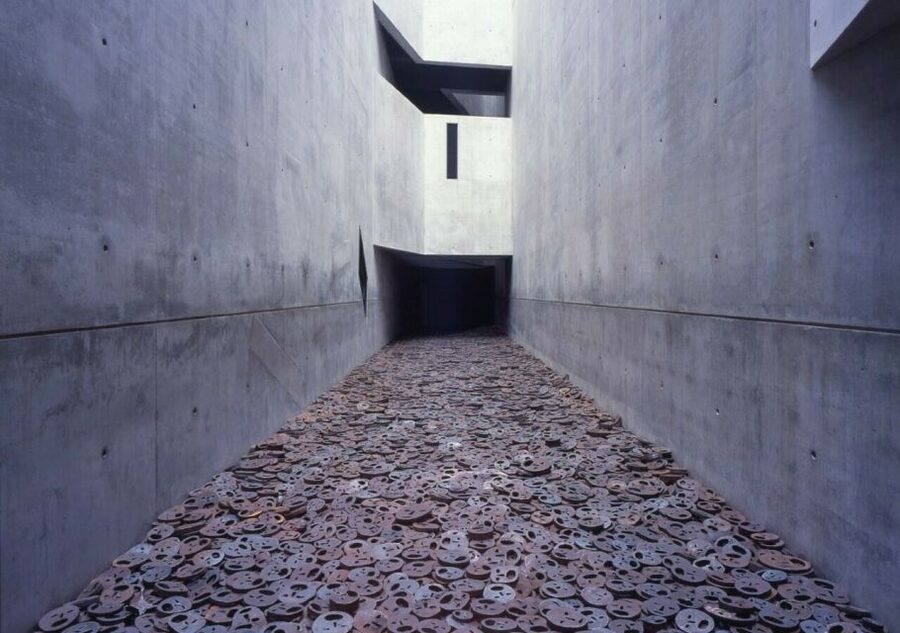
The tour hits two heavy hitters in a row: the dramatic Holocaust Memorial and the Reichstag. You’ll feel that the guide treats both locations with care, because each one does more than “represent” history. It shapes how you experience memory in physical space.

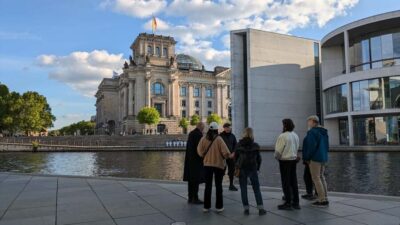
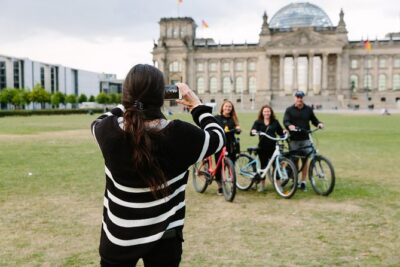
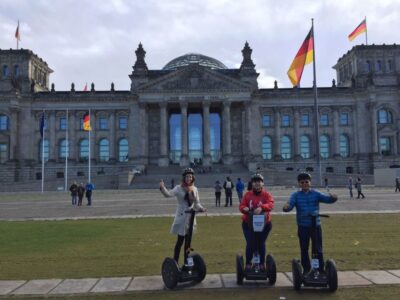
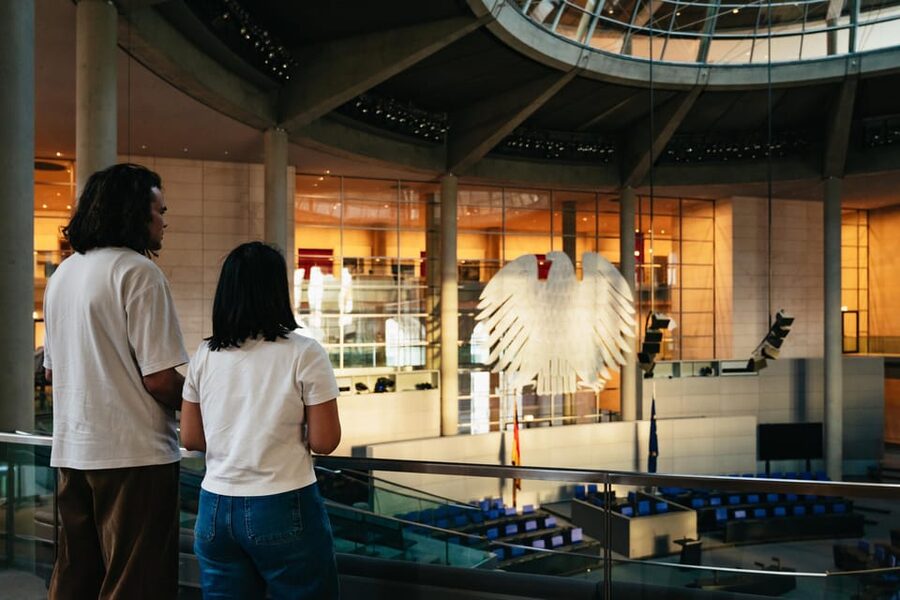
At the Reichstag, the talk gets especially interesting. You’ll hear how the 1933 fire became a Nazi pretext to suspend civil liberties and arrest political opponents. Then the conversation pivots to the modern moment: the grand glass dome added in 1992 by architect Norman Foster.

The dome is not just a design feature. It becomes a way to discuss reunification, transparency, and democracy. When the guide explains the idea of symbol and structure, you start noticing what visitors often miss. Architecture here is not neutral. It either supports trust or threatens it, depending on who holds power and why.

This stop is also a great test of whether you enjoy guided interpretation. If you like learning how and why meanings are built, you will get a lot out of it. If you prefer quick photo stops, you might find yourself wishing for more time to simply look, with less discussion. The good news is the guide keeps the focus tight to what you need to understand the city’s choices.

Berlin on foot, a few more ways

Brandenburg Gate and Napoleon, the shock that reshaped German nationalism

An Introduction to Berlin Walking Tour - Brandenburg Gate and Napoleon, the shock that reshaped German nationalism
Next, the tour reaches back further and follows the footsteps of Napoleon through the Brandenburg Gate. This is a smart move because it reminds you that Berlin’s later conflicts were not inevitable. They grew from political and ideological currents that moved across Europe.

The guide connects the French Revolution to the stirrings of German nationalism. That connection is the kind of thing you can easily gloss over if you only look at later battles. But once you see how political ideas travel and mutate, the timeline starts to make more sense. It also explains why later leaders leaned toward unity, power, and militarized identity.

You also get to experience the Gate as a living landmark. It’s famous, yes. But with the historical framing, it becomes more than a photo spot. It’s a hinge point, a place where new political thinking briefly surged into view and then set expectations that would echo for decades.

Unter den Linden and Frederick the Great, Prussia’s mix of culture and force

An Introduction to Berlin Walking Tour - Unter den Linden and Frederick the Great, Prussia’s mix of culture and force
Walking along Unter den Linden, Berlin’s royal boulevard lined with palaces, museums, and theaters, you slow down a bit. The street itself helps you understand how power lived in public. This wasn’t only about armies. It was also about prestige, performance, and cultural influence.

A key moment comes at the equestrian statue of Frederick the Great. The guide uses him to explain Prussia’s path from a smaller state into Europe’s dominant military power. You’ll hear the angle of his role as the so-called Poet King, and how that mix of cultural polish and militaristic direction helped shape what came next.

This stop is valuable because it resists a simplistic story like good guys versus bad guys. Prussia’s transformation is presented as a complex setup for later tragedies. That does not excuse anything. It does explain how systems and ideas can harden over time until violence becomes a normal tool of politics.

Bebelplatz book burning and Hitler’s rise, ideology with receipts

An Introduction to Berlin Walking Tour - Bebelplatz book burning and Hitler’s rise, ideology with receipts
At Bebelplatz, the tour stops at the site of the 1933 Nazi book burning. This is one of those locations where the history is brutal, but the logic is clear: controlling ideas is a way to control people.

From here, the guide discusses Adolf Hitler’s rise to power and the terrible consequences that followed. The value is in how the story is connected to action. This is not only a tale of propaganda posters. It’s about how regimes used public spectacle to intimidate, erase, and prepare for greater harm.

If you find these moments emotionally difficult, you’re not alone. This is why the tour’s structure matters. It doesn’t throw everything at you randomly. It moves from earlier nationalism and militarization to Nazi ideology, so the escalation feels like an argument, not a jump scare.

Museum Island and the 19th century, culture as a counterforce

An Introduction to Berlin Walking Tour - Museum Island and the 19th century, culture as a counterforce
Crossing Museum Island gives you a breather in tone, but not a break in meaning. The guide discusses Berlin’s 19th century development into a cultural center, often compared in spirit to a Louvre-like role for the city.

This part is important because it gives you the contrast that makes the rest of the timeline sharper. Germany was not only producing wars and authoritarian shifts. It was also building institutions, shaping art and scholarship, and investing in cultural prestige.

That doesn’t cancel out later crimes. It does show you how societies can hold multiple directions at once, and how culture and politics can tug against each other. You’ll likely look at the island and museums differently after this.

Hackescher Markt courtyards, pre-war Berlin in miniature

An Introduction to Berlin Walking Tour - Hackescher Markt courtyards, pre-war Berlin in miniature
Then you get a change of pace with Hackescher Markt, a charming pre-war pocket where you can ramble through a network of hidden courtyards. This stop matters for more than aesthetics. It reminds you that Berlin’s identity is not only monuments and major state buildings.

The courtyards also help you understand daily life and neighborhood texture. In a tour focused on political shocks, having a human-scale area prevents the history from feeling like it happened to someone else.

If you like walking where local architecture surprises you, this is a good moment to slow down and look. You’ll likely notice how courtyards create private space inside a public street, which quietly ties back to the broader theme of movement and restriction that appears earlier.

Alexanderplatz and the East German rebuild, modernity shaped by division

Next up is Alexanderplatz, a striking counterpoint to pre-war Berlin. The guide explains how East Germans rebuilt the area in the 1960s as a communist bloc showplace. You’ll see the mix of government buildings, apartment blocks, and the iconic TV Tower.

This is where Berlin’s split feels urban, not abstract. The buildings are not just background. They represent a worldview about the future, who should lead, and how everyday life should look. In other words, architecture becomes ideology again.

This part can also be visually satisfying. Alexanderplatz has a big-city energy, and the sight of the TV Tower gives you a clear modern reference point to anchor the Cold War story. Even if you don’t love photos, you’ll likely appreciate the way the guide ties form to politics.

Checkpoint Charlie, where the border story ends in 1989

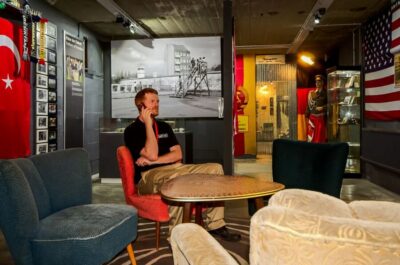
The tour finishes at Checkpoint Charlie, the legendary crossing point from West Berlin to East. The focus here is the late-stage Cold War moment: in 1989, thousands of East Germans poured across the border, and that crowd energy effectively changed the timeline.

It’s a powerful ending because you move from ideology and control to a moment of release and choice. The guide wraps up with a discussion of how East and West divisions continue to impact Berlin, even as the city keeps evolving with new sensibilities and directions.

If you plan to keep exploring after the tour, this is a good place to stop. You leave with a clear mental map of what matters and why, so the next streets you walk will feel less random.

Price and logistics, what $135 buys you

The price is $135 per person for a 3-hour tour with a historian. That’s not a bargain, but it is not just a casual walking guide price either. You’re paying for interpretation and context, and you can feel it in how the tour handles sensitive topics and symbolism.

A practical thing to know: transport tickets are not included. You will use public transport one or twice because some key sites are too far to walk comfortably. If you do not have a Berlin metro pass, your guide helps you buy tickets in the first metro station.

Berlin Transit prices you may want to plan around:

  • Berlin Transit One Way Tarif AB: 2.8 EUR (Senior Discount 1.70 EUR)
  • Berlin Transit Day Ticket: 7 EUR (Senior Discount 4.70 EUR)

For a 3-hour route, you might only need a small number of rides. But if you expect extra walking or a longer day afterward, it can help to check whether a day ticket makes sense for your schedule.

Group size is another value factor. The tour offers private or small groups, and that often means more room for questions and more tailored pacing. With a topic this serious, I’d rather have fewer people than a huge crowd.

Who should book this tour, and who might want something lighter

This tour is a strong fit if you want your sightseeing to make an argument. You’ll enjoy it if you like learning how earlier power struggles shaped later tragedies, and if you appreciate guided explanations of symbolism at places like the Reichstag dome.

It’s also a good match for people who like meeting serious guides. The tour can include professors, doctoral students, historians, journalists, art critics, and published authors, and that range usually shows in the clarity of explanations and the way questions are answered.

If you prefer fast, photo-heavy itineraries with minimal discussion, you might find the dense historical content tiring. In that case, you could still do it, but consider whether you want a lighter day afterward so your brain can rest.

Should you book this Berlin history walk?

If Berlin’s story is what you came for, I think this is a smart booking. The itinerary connects Prussia, Nazi-era persecution, and the Cold War border reality into one walkable timeline, and the guide support makes those connections understandable instead of overwhelming.

I’d book it if you want to see the headline landmarks and also understand what they mean. I’d skip it if you only want quick sights, or if you are not ready for a route that includes the Holocaust Memorial and the Nazi book burning site.

FAQ

How long is the Berlin walking tour?

The tour lasts 3 hours.

What is the price per person?

The price is $135 per person.

Where is the meeting point?

Meet at Cafe Einstein, Unter den Linden 42, 10117 Berlin, Germany.

Is public transport included?

Transport ticket is not included. You may need to use public transport one or twice, and your guide can help you buy tickets at the first metro station.

What language is the tour guide?

The tour is in English.

What is included in the tour price?

The package includes a 3-hour tour of Berlin in the company of a historian.

Does the tour offer private or small groups?

Yes, private or small groups are available.

Do I need a Berlin metro pass?

You might not, because the guide will help you purchase tickets if you do not have a Berlin metro pass, but you should be ready to use public transport for parts of the route.

Can I get a refund if my plans change?

Yes. There is free cancellation up to 24 hours in advance for a full refund.

When will I receive confirmation after booking?

You will receive confirmation within 48 hours of booking, subject to availability.