Tour review · BERLIN PRIVATE TOURS
Private Berlin In a Day History Tour With Expert Guide
Berlin’s history fits into one long walk. This private 6-hour route links big wartime turning points to what you see today, with hotel pickup on foot.
I like the way the stops are packed so you get the main threads of Berlin quickly, without playing guesswork.
One catch: it is not a short stroll, so you will earn your rest later.
I especially love two things here. First, the route hits major symbols in quick order, from the Brandenburg Gate to the Reichstag and the Holocaust Memorial. Second, the day has a sensible rhythm, including a mid-tour lunch stop plus chances for bathrooms, snacks, and water.
The only drawback I’d flag is walking time and distance. If your idea of a Berlin day is mostly sitting in museums, this format may feel like too much on your feet.
Key things that make this tour work

- Hotel pickup on foot means you start without hunting for your own meeting point
- Dense, curated sight order covers everything from WWI-era reminders to Cold War checkpoints in one sweep
- Hard-hitting WWII and Holocaust stops get real context, not just photo ops
- Wall-era storytelling includes details tied to guard towers, ghost stations, and escape stories
- Guide energy matters, and guides like Toby and Steve have been noted for humor and keeping it engaging
Other Berlin days with the guide and route to yourself
- Berlin: Private Reichstag and Glass Dome Tour★ 4.8 · 2,226 reviews
- Berlin Private Complete History All Day Walking Tour★ 5.0 · 474 reviews
- Private Walking Tour Berlin Third Reich Hitler and World War II★ 5.0 · 360 reviews
- Private Berlin: Iconic Sights and Hidden Gems Walking Tour★ 5.0 · 292 reviews
How a 6-hour Berlin history day actually fits together

This is a walking-heavy day designed to show you a lot of Berlin history without the usual “I’m only here for one day, so I’ll just hit the highlights” feeling. The tour runs about 6 hours, and it keeps moving between landmark clusters rather than waiting for you to browse each site forever. You’ll still get time to look around, but this is built for momentum.
The format is also practical. Pickup is available on foot from your accommodation, and the tour can also meet at Ebertstraße 24, 10117 Berlin, outside Hopfingerbräu restaurant near the Brandenburg Gate. That matters because Berlin landmarks are spread out, and spending your morning commuting the hard way is how a history plan turns into a fatigue plan.
The pace is described as easy for the group, and you get breaks for basic needs. You will stop for lunch in the middle, and the guide builds in room for snacks, bathrooms, and water. That helps a lot on a day that includes serious stops and long stretches of walking.
Also, this is private. That means your guide can match the group’s speed and attention, instead of sticking to a script for a large crowd. If you like asking questions, this format usually makes it easier to do.
Brandenburg Gate, Reichstag, and Victory Column for the big political picture

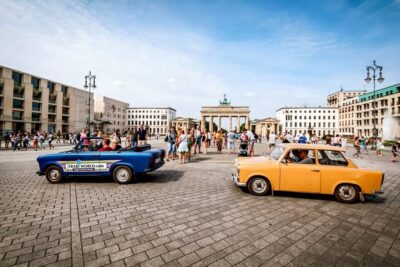
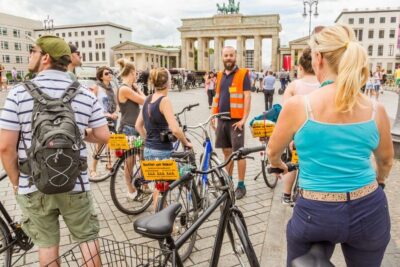
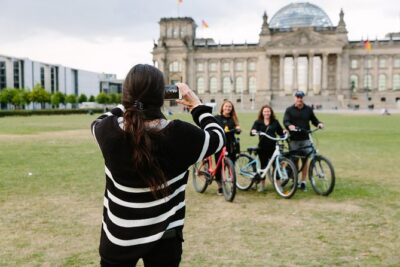
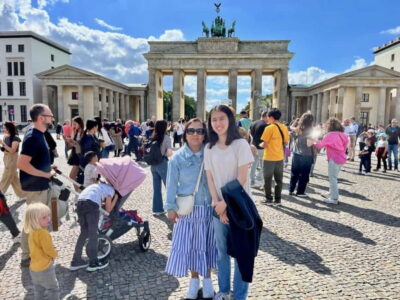
Your day starts near the Brandenburg Gate area, which is smart because it gives you an instantly recognizable anchor. The tour includes a dedicated stop at the Brandenburg Gate, so you can see it not just as a postcard, but as a symbol that gets reused in different political chapters.
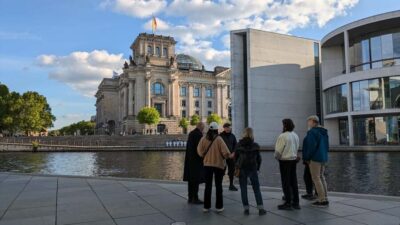
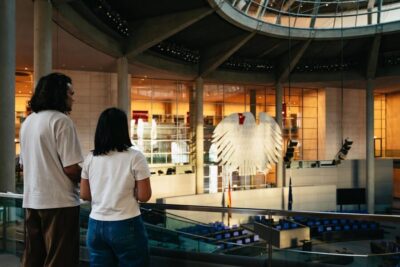
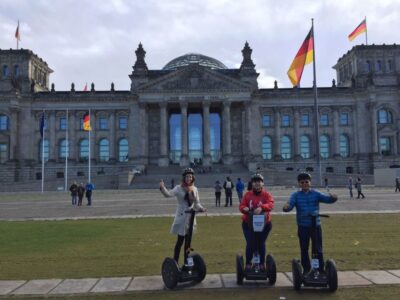
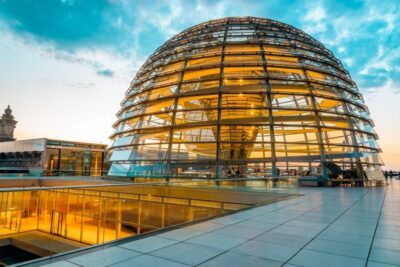
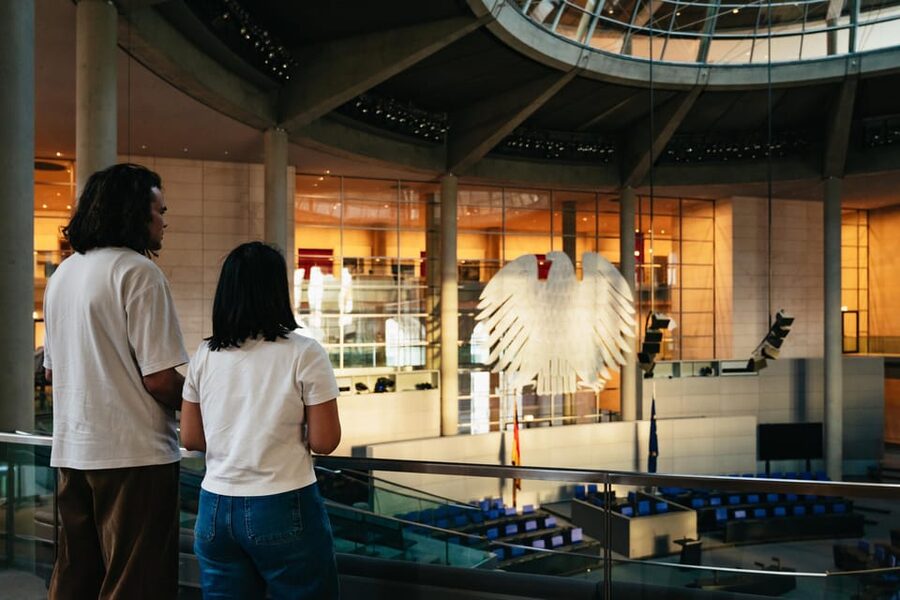
Next up is the Reichstag area. The short stop there works best if you treat it like a “place to understand why this matters,” rather than a place to soak up every detail. Berlin’s government buildings are loaded with meaning, especially when you connect them to the wars and regime changes your guide will talk through.
From there, the route continues toward the Tiergartenviertel and the Berlin Victory Column. This is one of the places where you’ll feel the tour covering World War I to World War II themes in the same day. A lot of people think they need separate days for WWI and WWII sites, but a good guide can make the connections without turning it into a history lecture.
If you want an easy way to remember the arc of the city, this section gives you the “power center” landmarks early. You are essentially building a mental map before the day turns darker.
Holocaust Memorial, Hitler’s bunker area, and Johann Georg Elser’s lesson

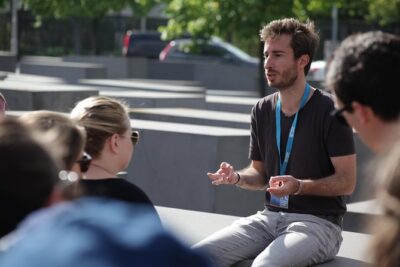
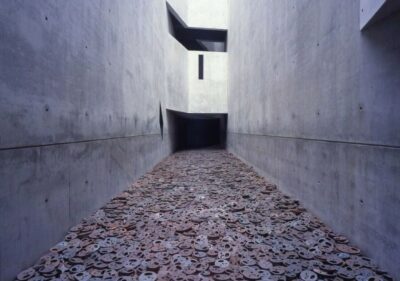
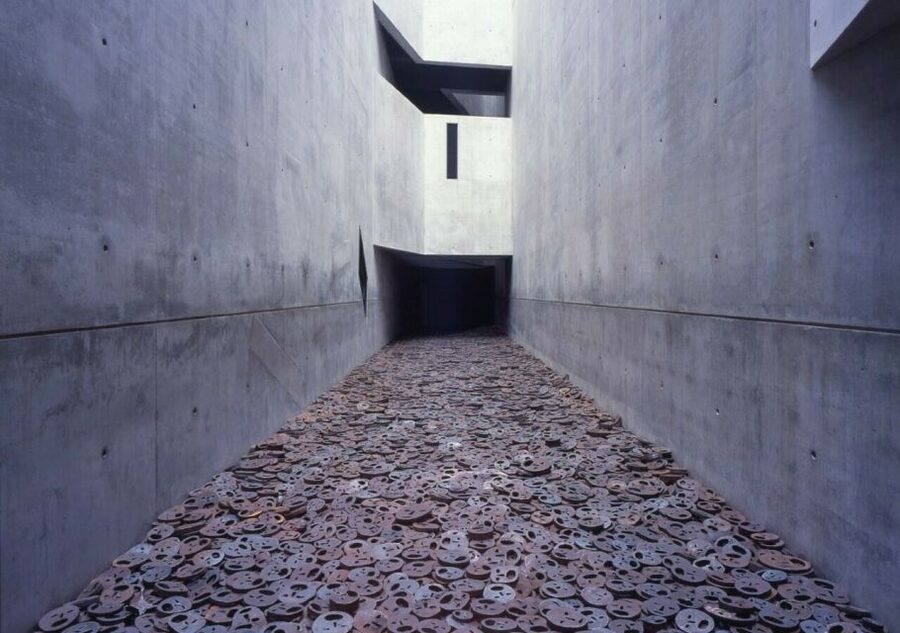
Then the tour turns to some of the hardest Berlin stops. The Memorial to the Murdered Jews of Europe is included, with a focused sightseeing stop that gives it space to land properly. This is not one of those “quick look then move on” sites when a guide does the explanation well, because the meaning requires attention.
After that comes the area connected with Hitler’s bunker. The pacing here matters. When guides handle it well, you feel the shift from monuments and government symbols into lived history and consequences. The tour also references remembrances tied to the battle of Berlin, which helps connect the WWII timeline to the physical city.
One of the most interesting added stops is the Johann Georg Elser Memorial. That’s a reminder that resistance is part of the story too, not just the actions of the major powers. It adds a different angle to the WWII narrative, and it often makes the day feel less like one long downhill slide.
Then you move through the area near Detlev-Rohwedder-Haus before reaching Topography of Terror. Even without getting too technical, the sequence helps you understand how the Nazi era shaped institutions and everyday life.
Topography of Terror and the Berlin Wall Memorial for Cold War reality

Topography of Terror is one of those places where the value is in the explanation. The tour includes a scheduled stop there, and it fits perfectly after the WWII-linked sites because it covers how fear and repression were built into systems. If you want to understand how Berlin went from dictatorship to division, this is where the story becomes concrete.
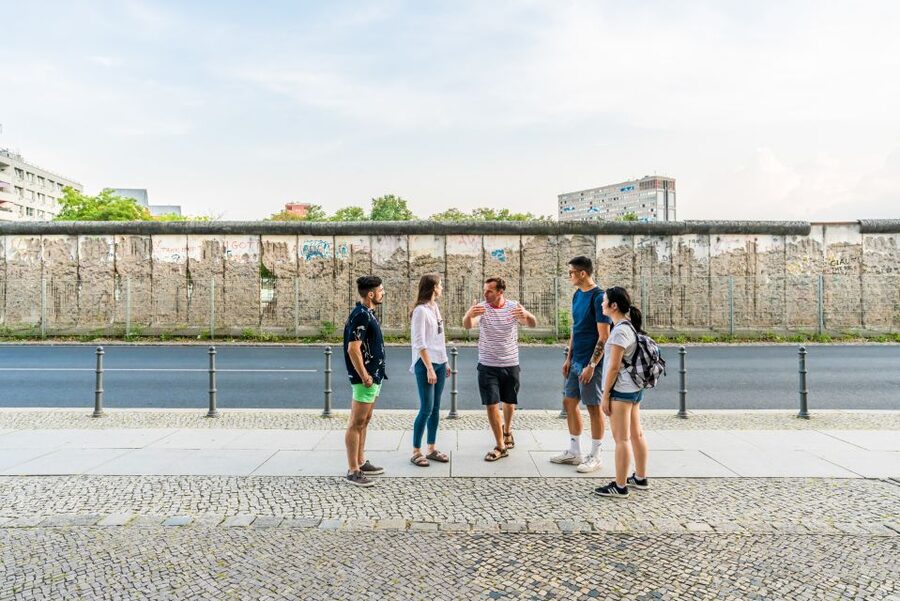
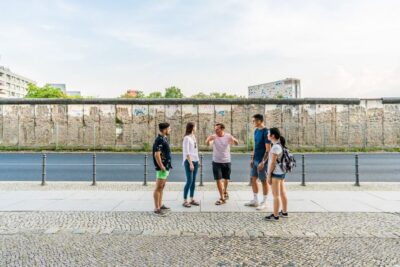
From there you continue toward the Berlin Wall Memorial. This is a high-impact stop because it brings the Cold War out of the abstract. The tour is specifically set up to talk about the Berlin Wall, guard towers, and how the city was split into East vs West. You’ll also hear about ghost stations and escape stories, which adds human scale to what otherwise can feel like just old concrete.
This is also the part where the private format helps. The Wall topic is emotional, but it can also be technical. When you have time and a guide can tailor the pace, you get clarity instead of confusion.
The tour also references the East Side Gallery, which is a key Wall-related area people like to see. In an itinerary like this, that inclusion works because you are not just taking a photo of murals, you already understand what the Wall represented before you see its later transformation.
Other tours with a local leading the way
- Berlin: Reichstag, Dome and Government District Guided Tour
★ 4.7 · 18,288 reviews - Berlin: Government District around the Reichstag Guided Tour
★ 4.7 · 8,447 reviews - Berlin: Hidden Backyards Guided Walking Tour
★ 4.8 · 5,360 reviews - Berlin: 1-Hour Boat Tour with Bilingual Live Guide
★ 4.7 · 3,629 reviews - Berlin: Sights and Highlights Bike Tour with a Local Guide
★ 4.8 · 2,698 reviews
Checkpoint Charlie, Deutscher Dom, and how Berlin split the city
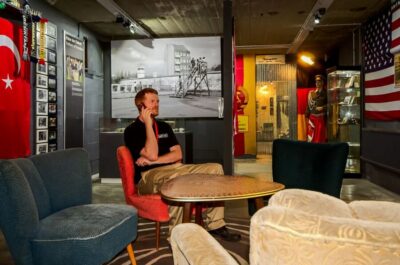
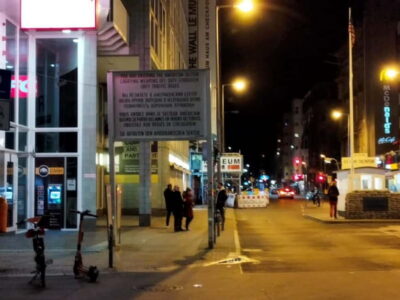
Next comes Checkpoint Charlie, with a dedicated sightseeing stop. This is where your guide’s ability to connect the Cold War to street-level details really matters. Checkpoint Charlie is famous, but it can become a bit of a theme-park stop if you don’t get context. Here, it is sequenced after the Wall Memorial, so you can place it on the same timeline of division and negotiation.
You also pass by Deutscher Dom, which is included with a sightseeing stop. It’s not a Cold War site on the level of the Wall, but it helps balance the day. In a route this dense, those breathing spots keep the day from feeling like nonstop heaviness.
Then the itinerary continues toward the university and museum side of the city. If you’ve felt worn down by the Wall material, this shift gives your brain a different job: you start thinking about ideas, education, and cultural identity after the chaos.
Humboldt University, Neue Wache, and Museum Island’s post-war identity

The tour includes Humboldt University of Berlin and Neue Wache, followed by the German Historical Museum and multiple Museum Island stops. That is a strong sequence for anyone who wants to see Berlin as more than war sites. You are showing a city that rebuilds itself, debates itself, and tries to define itself again.
Neue Wache is included with a sightseeing stop, and because the tour has already walked you through WWII and division, it will land with more meaning. The German Historical Museum and Museum Island stops also give you a chance to connect the physical landmarks to the way Berlin tells its own story.
You will also see Humboldt Forum, plus Marienkirche. The tour includes both, and that pairing often helps you feel the contrast between different eras of architecture and different ways the city presents itself to visitors.
This portion is where the guide’s storytelling can make or break the day. If you’re just there to take photos, you might feel like you’re moving between important-looking buildings. But if you listen for the guide’s connections, this is where Berlin starts to feel like a real timeline instead of a list.
TV Tower and Alexanderplatz for Berlin after division
Toward the end, the tour includes TV Tower and Alexanderplatz. Even with short sightseeing stops, these places work as a payoff. You’ve spent the day inside Germany’s political fractures, and now you can look up and around and see how Berlin has become itself again.
Alexanderplatz is included with a short sightseeing stop, and it’s a good way to end the day with a sense of modern city life. A lot of history tours stop right at the memorials, but ending with central, living Berlin helps you walk away with a fuller picture.
If you’re the type who likes to compare “then vs now,” this finish does that naturally. The guide’s earlier talk about divided Berlin East vs West makes the modern city feel less random.
Lunch break plus the walking reality: what to plan for

The tour includes a lunch break in the middle of the day at a local partner, and the plan is for you to learn a little about local Berlin cuisine. Food and drinks are not included, so you’ll want to budget for lunch and maybe an extra snack later, depending on what you choose to eat.
The walking pace is described as easy for the group, but there are a lot of stops. That matches one key piece of feedback from people who like this tour for a short trip: it’s not a “quick hit” day. You’ll be on your feet, and the best preparation is basic, comfortable shoes.
The tour also builds in opportunities for snacks, bathrooms, and water. That is genuinely useful information because big history days often forget the logistics until you’re already tired. Here, the schedule is meant to reduce that kind of stress.
If you know you get restless sitting still for long periods, this itinerary can actually work better than a museum-heavy plan. You’re constantly orienting yourself to the city, and the guide keeps the route meaningful.
Guide quality is the real value at $247 per person

At $247 per person for a 6-hour private walking tour, the price is not about covering a few monuments. The value is in the labor: a guide planning the route, explaining the connections, and handling the flow between WWII and Cold War material without rushing you past the important parts.
In the feedback, the consistent theme is that the guides make it enjoyable and not rushed. People also mention personal service and that the lunch stop breaks the day in a helpful way. That matters because the biggest complaint with history tours is usually speed, not content. Here, the structure seems aimed at keeping you engaged instead of exhausted.
It can also be worth it if you want a “whole Berlin” overview in limited time. The tour is designed so you see what many people would try to spread across multiple days. If your schedule is tight, paying for a private expert guide often turns into real savings, because you spend fewer hours figuring out what to see and more time seeing it with context.
One practical note: food and drinks are not included. If you’re price-checking, remember your lunch budget is separate from the tour cost.
Who this tour is for, and who might want a different style
This tour is a strong fit if you want Berlin history in one day and you like having a guide connect the dots. It’s especially good for first-timers who already know they want the Wall story, the WWII story, and the modern-city context.
It also suits people who prefer walking over long indoor museum sessions, because the itinerary is built around landmark clusters. If you’re traveling as a couple or small private group, a private format can be a good match because you can keep the pace comfortable.
On the other hand, if your history style is “sit down, read slowly, and spend time inside,” you might feel this day is too compressed. It includes many stops, and even though the pace is described as easy, you are still moving often.
Should you book this private Berlin in a Day history tour?
If you’re short on time and want the major Berlin turning points in a single day, I think this is a smart booking. The mix of Brandenburg Gate, Reichstag, Holocaust Memorial, Wall Memorial, and Checkpoint Charlie covers the big themes that define Berlin, while Museum Island and the city center stops help you end with the Berlin that exists today.
Book it if you want expert guidance, a lunch break, and a route built to keep you from bouncing between disconnected places. Skip it if you want a slow museum day or if lots of walking would be genuinely uncomfortable.
If you do book, go in ready for an active day. Bring comfortable shoes, and plan on paying for lunch since food and drinks are not included.
FAQ
How long is the tour?
The tour lasts about 6 hours.
Is hotel pickup included?
Yes. Hotel pickup by the tour guide on foot is available, and the meeting point option is Ebertstraße 24, 10117 Berlin (in front of Hopfingerbräu restaurant at the Brandenburg Gate).
Is this a private group tour?
Yes, it is a private group tour.
Is lunch included, and are food and drinks provided?
Lunch is included as a break mid-tour, but food and drinks are not included.
What languages is the guide available in?
The live guide is available in English and Polish.
Is the tour wheelchair accessible?
Yes, the tour is wheelchair accessible.
What is the cancellation policy?
You can cancel up to 24 hours in advance for a full refund.
More Tours in Berlin
More Private Berlin Days
More Tour Reviews in Berlin
Recently added around Berlin
Berlin Private Tours, compared.
★ 4.8Private Reichstag and Glass Dome TourFrom $2882,226 reviews
★ 5.0Berlin Private Complete History All Day Walking TourFrom $253474 reviews
★ 5.0Private Walking Tour Berlin Third Reich Hitler and World War IIFrom $192360 reviews
★ 5.0Berlin Private Half-Day Walking Tour: Discover the German Capital’s HistoryFrom $180244 reviews
★ 5.0Private Walking Tour: World War 2 and Cold War Sites in BerlinFrom $192230 reviews
★ 5.0The History of Berlin: WWII PRIVATE Walking Tour With LocalsFrom $143209 reviews
★ 5.0Private Sachsenhausen Concentration Camp tour with trainFrom $338205 reviews
Browse the lists this tour appears in