
Tour review · BERLIN WALKING TOURS
Berlin: 2.5-Hour Walking Tour through Kreuzberg 61
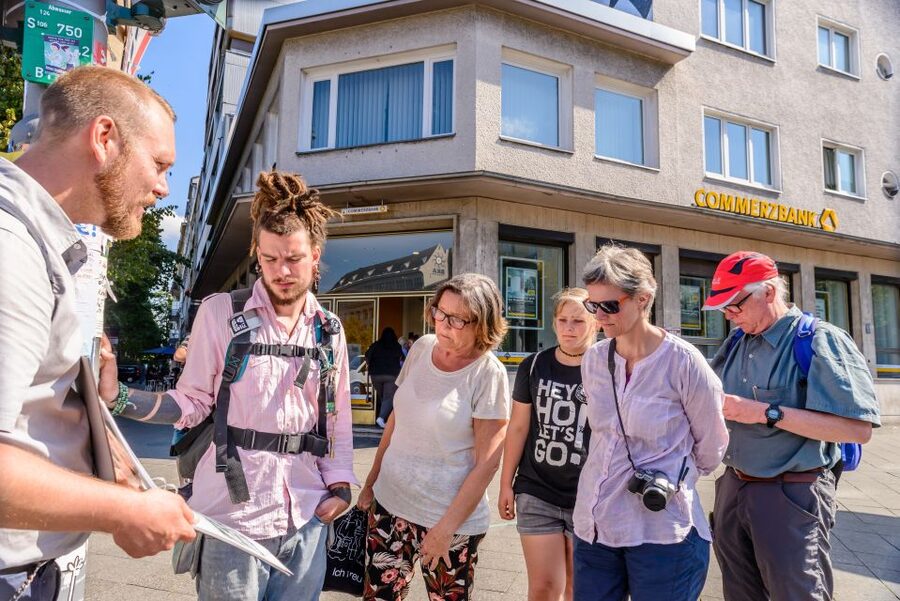
Kreuzberg has quieter corners worth walking. In 2.5 hours, this guided route threads through Kreuzberg between Platz der Luftbrücke and Mehringdamm, mixing city history with real street life. I love that the guide, often Tobias Schwabe, tells stories in a friendly, professional way and helps you notice what most people speed past.
I also like the contrast of big-city buildings with calm pauses in Viktoriapark and Riehmers Hofgarten, then the charming, well-preserved architecture around Chamissoplatz. One thing to consider: this is a walking-heavy neighborhood tour with lots of short stops, so it is not built around long museum time or one big, ticketed attraction.
Key things I’d plan around
- A route through Kreuzberg 61 that avoids the obvious tourist loop
- Guiding in English or German, led by a professional who knows how to explain the area
- Calm breaks in Viktoriapark and Riehmers Hofgarten between city scenes
- Architecture and urban design focus, from historic monuments to everyday apartment-block details
- A taste of daily local life near Bergmannstraße and Marheineke Markthalle
- Photo stops that actually matter, not random roadside posing
Berlin on foot, with a few more routes worth comparing
- Discover Berlin Half-Day Walking Tour★ 5.0 · 9,624 reviews
- Berlin: Third Reich and Cold War 2 Hour Walking Tour★ 4.9 · 6,830 reviews
- Berlin: Discover Berlin Walking Tour★ 4.9 · 5,998 reviews
- Berlin’s Best: 2 Hour Walking Tour Third Reich and the Cold War★ 5.0 · 5,486 reviews
Why Kreuzberg 61 feels worth your feet
Kreuzberg can be all about the highlights, but this walk nudges you into the less predictable parts of the district. The route works because it is built around layers you can see: older building styles, park spaces that soften the street, and monuments that give you scale for the city.
What makes it feel especially practical is the pace. You are not sprinting from one landmark to the next. You are moving at a human walking speed, with short guided segments and brief pauses, so you can look up, look around, and connect the dots.
And that matters in Berlin. The city rewards attention, and Kreuzberg rewards curiosity. This tour leans into that. I like that it keeps the conversation tied to places, not generic talking points.
Meet the guide, then get the stories that make the streets click
This is a professionally guided tour in English and German, with a live guide who leads you through the neighborhood. In many departures, the guide is Tobias Schwabe, and the big strength of his style is clarity. He does not just recite dates. He helps you understand why a building, a monument, or a street corner is there at all.
One recurring theme from experience with this type of guiding is that you learn to see Berlin’s context. You start noticing how neighborhoods grow, how architecture communicates a time period, and how everyday life shapes what stays and what changes.
In the reviews, people repeatedly mention that the guide is friendly, professional, and very engaged, with stories that connect personal perspective and local history. That is the difference between a route you follow and a place you actually understand.
If you like to ask questions, this format also supports it. You get enough back-and-forth to make the tour feel like a conversation, not a lecture you just endure.
From Platz der Luftbrücke into western Kreuzberg’s street scenes
The walk starts with your bearings. The first big anchor is Platz der Luftbrücke, where you get guided context before you move on through the surrounding area.
Right after that, you head toward the Verband der deutschen Buchdrucker (Denkmal). This is one of those stops that works best when your guide points out what to look for. Even if you have walked around Berlin before, monuments like this can fade into the background unless someone explains the connection to civic life and local industry.
A short hop brings you to Sixtusgarten 10, another address stop where you pause for photos and observations. This is the kind of stop that helps you read the neighborhood as architecture, not just geography. You are learning how Kreuzberg’s streets hold onto their texture, even when the city changes around them.
Then the tour reaches Viktoriapark, and that is where things slow down in a good way.
Viktoriapark waterfall and the view moments you’ll remember
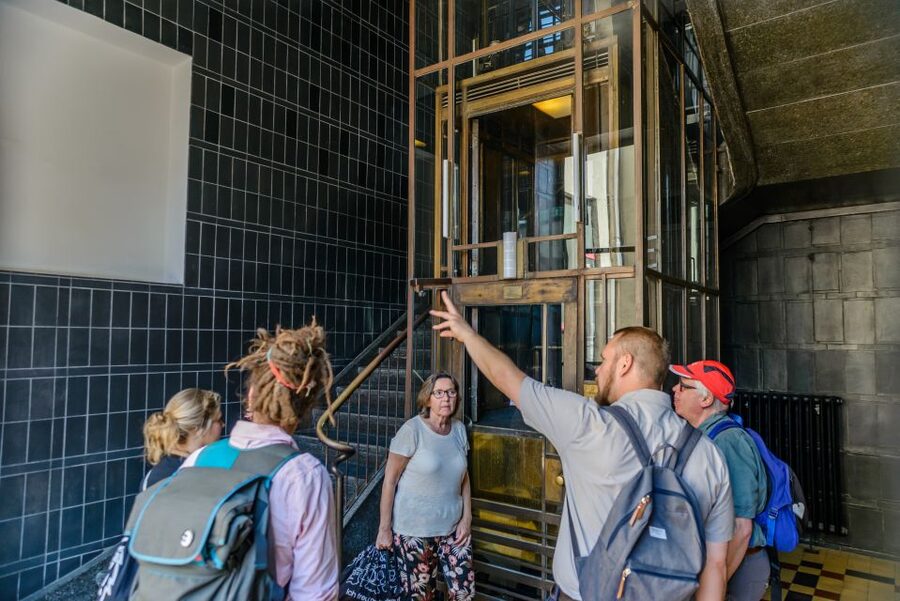
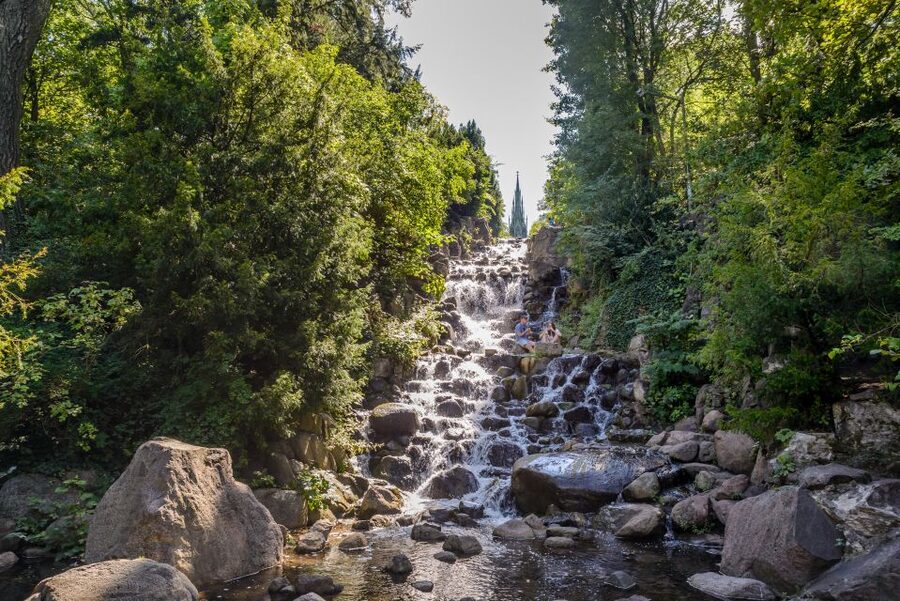
Viktoriapark is where the tour gives you an “aha” break from the density of urban blocks. You get a photo stop and scenic views on the way, plus time at the park itself. The standout detail here is the waterfall in Viktoriapark. It is the sort of feature that turns a walk into a small reset. You feel the air shift when you step into the green space.
After that calm reset, you move toward the Prussian Monument for the Liberation Wars. This is one of the tour’s strongest payoff moments because it links history and perspective. From the monument area, you get panoramic viewing value over Berlin, and that helps you understand how Kreuzberg sits within the broader city.
Even if you are not a monument person, these view stops work. They give you orientation, and they make the rest of the walk more coherent. When you can see the city spread out, street-level architecture starts to feel like part of a bigger urban plan, not random buildings placed by accident.
More of Berlin’s street art, studios and alternative culture
- Berlin: Alternative Berlin Walking Tour
★ 4.6 · 1,204 reviews - Berlin: City Street Art Guided Walking Tour
★ 4.8 · 886 reviews - Berlin: 3-Hour Street Art Tour
★ 4.7 · 778 reviews - Kreuzberg: Culinary Food Tour
★ 4.5 · 770 reviews - Berlin: Alternative Bike Tour of Kreuzberg & Friedrichshain
★ 4.7 · 548 reviews
Riehmers Hofgarten and Sarottihöfe: old shapes, everyday energy
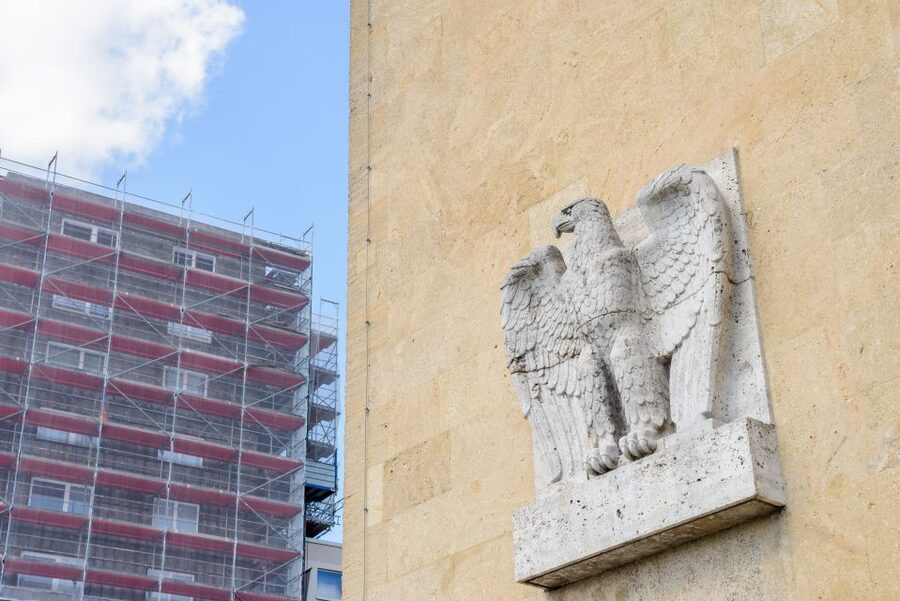
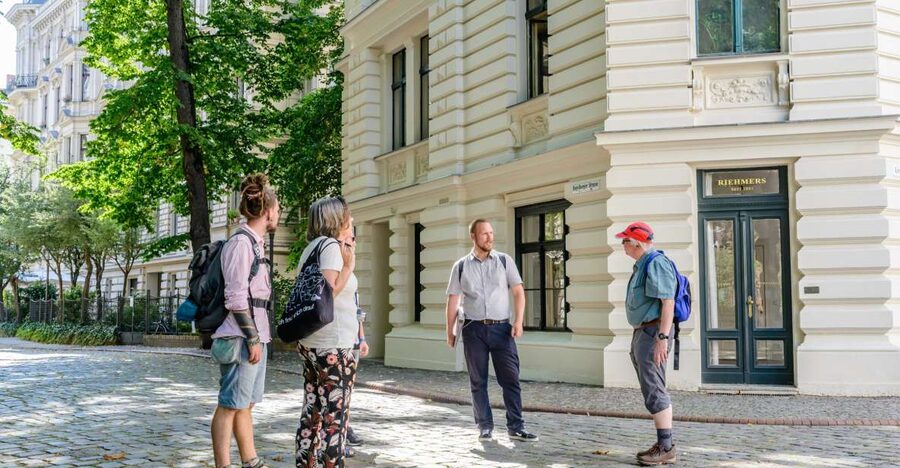
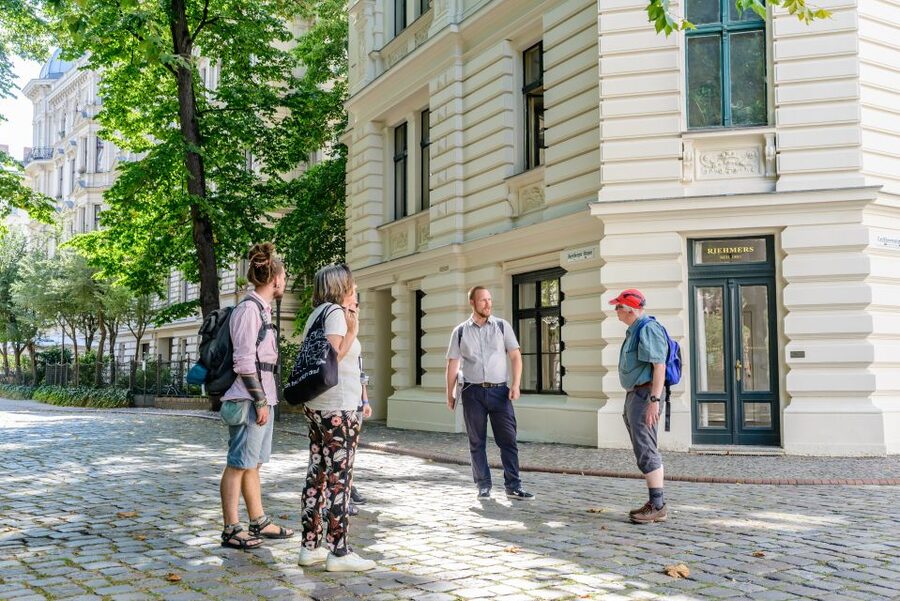
After the views, the tour shifts back into neighborhood detail with a stop at Riehmers Hofgarten. You get a photo stop and short guided walk here too, with a focus on calm, green space within the city.
This is the second pocket of quiet on the itinerary. Viktoriapark handles the romantic garden moment with the waterfall. Riehmers Hofgarten feels more like a practical pause, something you can picture locals using as a daily escape.
Next comes the Schmelzwerk in den Sarottihöfen. You pass by and pause for photos, and this is the kind of stop architecture fans often love. You are looking at the visual language of industrial-era structures and how they stay present in the fabric of a modern neighborhood.
If you like to connect what you see to how cities evolve, this stop does that without requiring you to be an expert. Your guide’s job is to point out the details that tell the story: building rhythm, craftsmanship cues, and the sheer presence of older structures that still shape the street.
Bergmannstraße, the Fachwerkhof, and the charm of Chamissoplatz
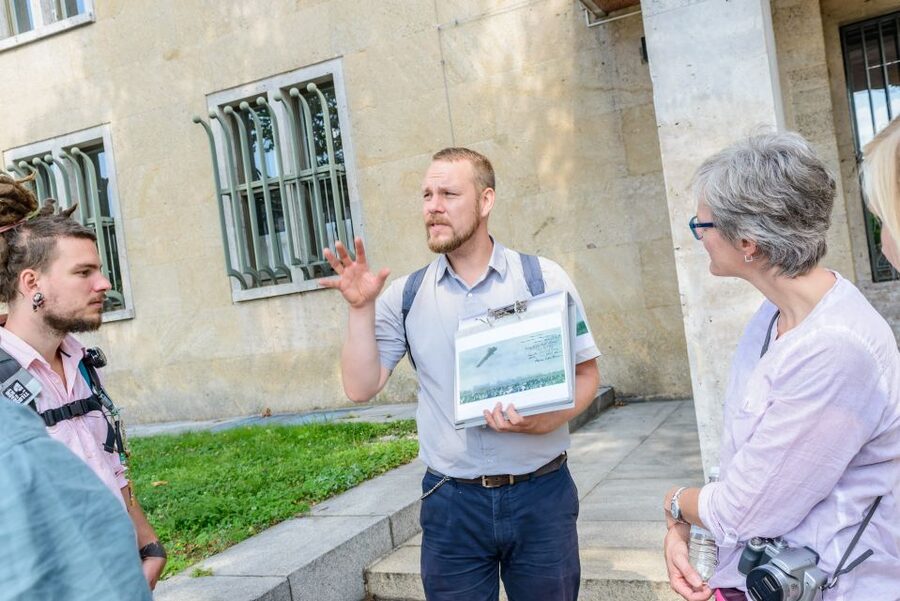
As the tour nears the end, it moves into the part of Kreuzberg where daily life and culture show up loudest: Bergmannstraße. You get a guided segment here that includes shopping and sightseeing, with the specific payoff being the multicultural atmosphere around the street.
This is a helpful contrast after all the monuments and parks. It shifts the lens from buildings-as-objects to buildings-as-homes for businesses, communities, and routine. Even the time spent walking along Bergmannstraße feels less like sightseeing and more like observing how the neighborhood lives.
Before you fully close out the route, you get a photo stop at Der Fachwerkhof in Kreuzberg. The value here is contrast. You get an element of traditional-style timber framing inside the broader Berlin streetscape, which makes the architecture feel more varied than many first-time visitors expect.
Then you move on to Chamissoplatz. It is a brief guided stop, with sightseeing time focused on what you can see and how the surrounding architecture reads as well preserved. A square stop is short, but it is a great way to end if you like composition. You can look at building lines, street angles, and how public space ties the neighborhood together.
Marheineke Markthalle break: a smart pause built into the walk
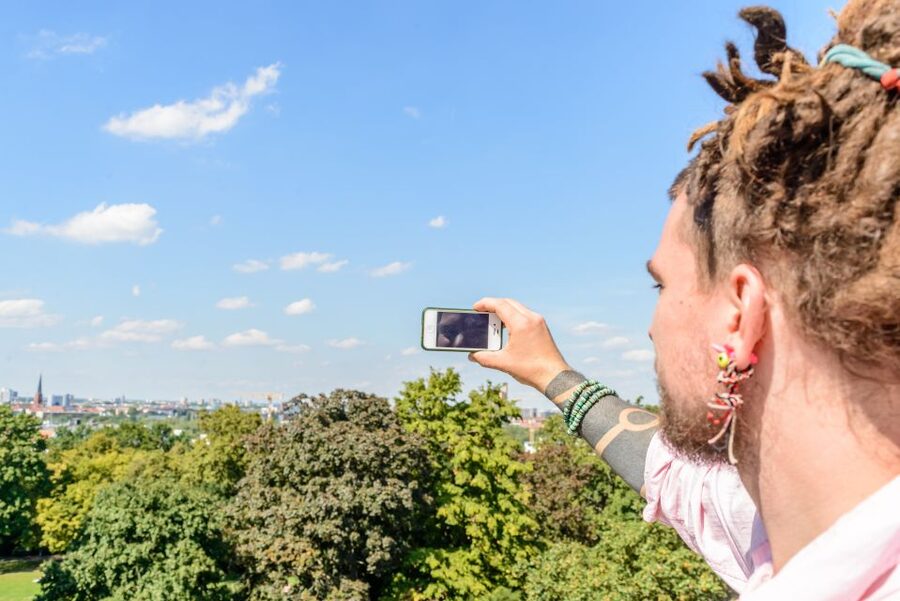
The tour includes a short break time at Marheineke Markthalle. This matters because a 2.5-hour walk can feel like a sprint if you do not get a reset.
Use the break in the simple way. If you want a snack or a drink, this is your moment. If you just want to breathe and watch people move through a market space, that works too. Either way, you return to the final stretch with better energy for the last photo stops and guided finishing pieces.
This kind of built-in pause also gives you a practical buffer if the group pace moves slightly faster or slower that day. You are not guessing where you’ll need a rest, the tour already has one.
Price and value: $23 for a 2.5-hour neighborhood education
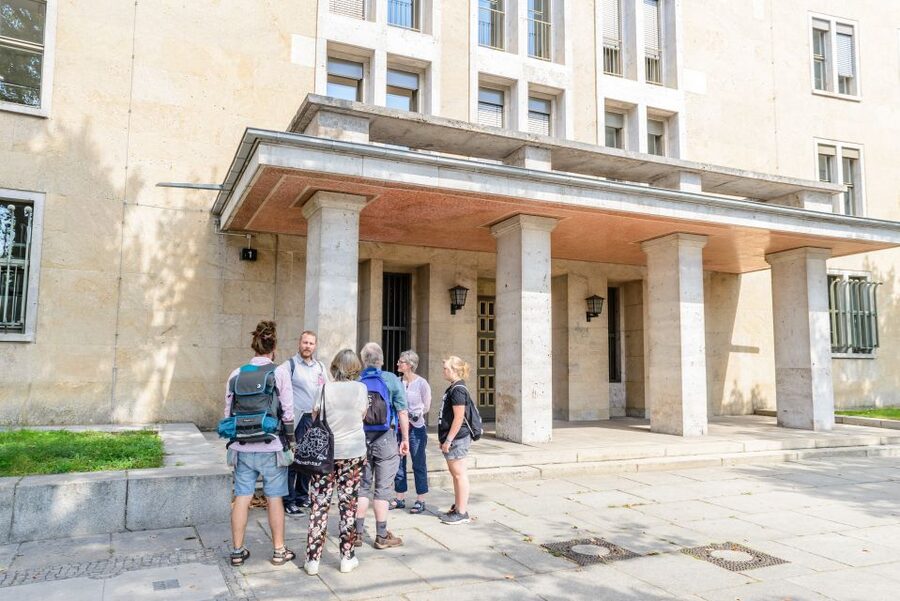
The price is $23 per person for a 2.5-hour guided walk. For Berlin, that is solid value when the experience is structured around interpretation, not just movement.
Here is why it feels worth it:
- You pay for a guide who knows how to connect small details to bigger context, so you leave with more than photos.
- You get multiple parks, monuments, and architecture stops packed into a short window, which saves you the hassle of piecing together a route on your own.
- The guide’s style appears consistently strong in feedback, including mentions of being friendly, professional, and especially good at showing spots you might not notice.
Also, the tour is offered with both English and German live guidance, which helps if your group has mixed language comfort.
In short, you are buying a local lens. And in a city like Berlin, that lens is what turns a walk into something you remember.
How long you’re out, and how to prepare like a pro
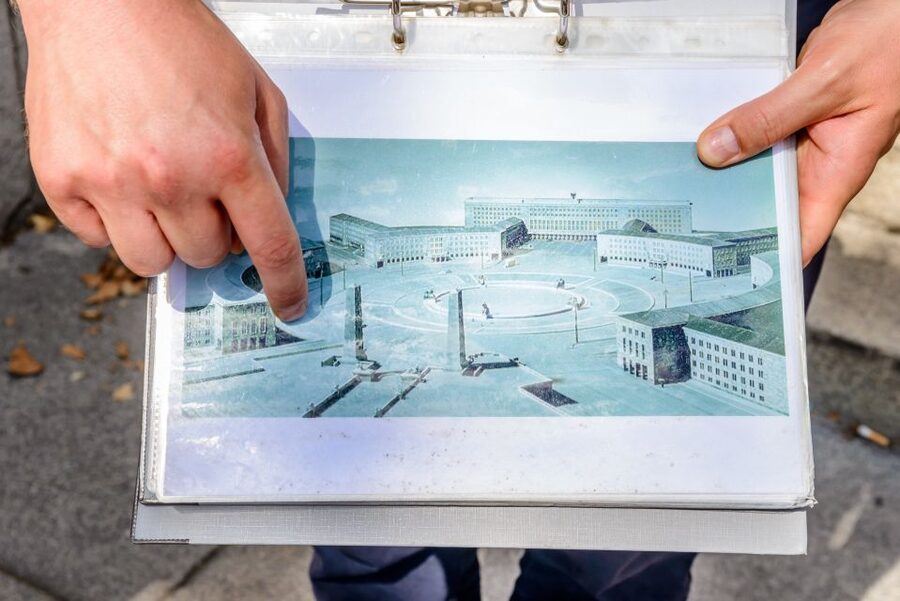
You are out for about 2.5 hours, and the route includes walking plus several photo stops. That means your biggest preparation job is simple: wear shoes that can handle steady city pavement and plan to pause your phone enough to look up.
A few habits that help you get more from a guided architecture-oriented walk:
- Bring a camera, but also keep space in your brain for listening. The stories are what make the photos meaningful.
- Ask questions when something catches your eye. This tour is designed around noticing details.
- Expect short stops rather than long lingering. If you hate hurrying, bring a patient attitude.
Berlin weather can swing. You do not want to be the person who spends half the tour wishing you dressed differently. If it is chilly or rainy, still go. Just pack accordingly, because the pacing is steady enough that you warm up as you walk.
Who should book this Kreuzberg 61 walk
This tour is a strong fit if you:
- Care about architecture and urban planning, and want to see how Berlin neighborhoods are put together
- Want Kreuzberg beyond the usual stereotypes and food-only stops
- Prefer guided context over wandering without direction
- Enjoy multicultural street life and want the feel of Bergmannstraße at the end of the walk
- Are a return visitor who thinks they already know Berlin, but wants to hit a different angle of Kreuzberg
It may be less ideal if you want one huge, ticketed attraction day or you prefer long museum-style visits where you sit for extended periods. This is a neighborhood walking tour, so the value is in movement, interpretation, and street-level detail.
Should you book this Kreuzberg 61 walking tour?
Yes, if you like learning by walking and you want a Kreuzberg-focused experience that mixes calm park moments, panoramic views, and architectural street reading. The best sign is the consistency of what people praise: the guide’s friendly professionalism, the way he points out places you might miss, and the focus on the district as a living, changing part of Berlin, not just a backdrop for generic sightseeing.
If your idea of a perfect Berlin day is fast facts and crowded landmarks, you might find this more thoughtful than flashy. But if you enjoy a guided stroll where the neighborhood becomes the main attraction, booking is a good call.
FAQ
How long is the Berlin Kreuzberg 61 walking tour?
The tour runs for 2.5 hours.
What does the tour cost?
It costs $23 per person.
Where does the tour start?
Meeting points can vary depending on the option booked. The starting location includes Mehringdamm 129, and the route is built around the area between Platz der Luftbrücke and Mehringdamm.
What language is the live guide available in?
The live tour guide is available in English and German.
Is there a chance to stop for a break during the tour?
Yes. There is break time at Marheineke Markthalle.
What parks and viewpoints are included?
You get time at Viktoriapark, including the waterfall and scenic views on the way. You also visit Riehmers Hofgarten. The route includes a photo stop at the Prussian Monument for the Liberation Wars, which offers panoramic views.
Who leads the tour?
The tour includes a professional tour guide, and many departures are led by Tobias Schwabe.
Can I get a full refund if I cancel?
You can cancel up to 24 hours in advance for a full refund.
Is there a way to book without paying right away?
Yes. The tour offers reserve now & pay later, so you can book your spot and pay nothing today.
More Alternative Berlin



Keep Walking Berlin



More Tour Reviews in Berlin


Recently added around Berlin


Berlin Walking Tours, compared.
 ★ 5.0Discover Berlin Half-Day Walking TourFrom $249,624 reviews
 ★ 4.9Third Reich and Cold War 2 Hour Walking TourFrom $236,830 reviews
 ★ 4.9Discover Berlin Walking TourFrom $235,998 reviews
 ★ 5.0Berlin’s Best: 2 Hour Walking Tour Third Reich and the Cold WarFrom $245,486 reviews
 ★ 4.8Hidden Backyards Guided Walking TourFrom $235,360 reviews
 ★ 5.0Third Reich Berlin: Hitler and WWII Walking TourFrom $243,301 reviews
 ★ 4.6Alternative Berlin Walking TourFrom $291,204 reviews
 ★ 4.9Third Reich, Hitler, and WWII Walking TourFrom $201,133 reviews
Browse the lists this tour appears in