
Tour review · 2-HOUR EXPERIENCES
Berlin: Backyards of Berlin 2-Hour Tour
Courtyards in Berlin can change your whole view. This 2-hour Backyards of Berlin walk links Hackesche Höfe with Spandauer Vorstadt, so you see what life looks like behind facades, not just from the sidewalk.
I love the way the stories tie Jewish history to real streets you can point at, like Sophienstraße and Oranienburger Straße. I also like the style of guiding, it is described as witty and genuinely helpful, with a guide who stays open to questions rather than rushing you through.
The main drawback is simple: two hours can feel long if you are dressed only for short walks or if you prefer fewer stops. There is also a note that some courtyard choices could feel more informative, so if you want only the big-ticket sights, plan to ask the guide what to prioritize.
Key moments worth your attention
- Hackesche Höfe starting point: you begin in the first courtyard, right in the thick of the back-courtyard world.
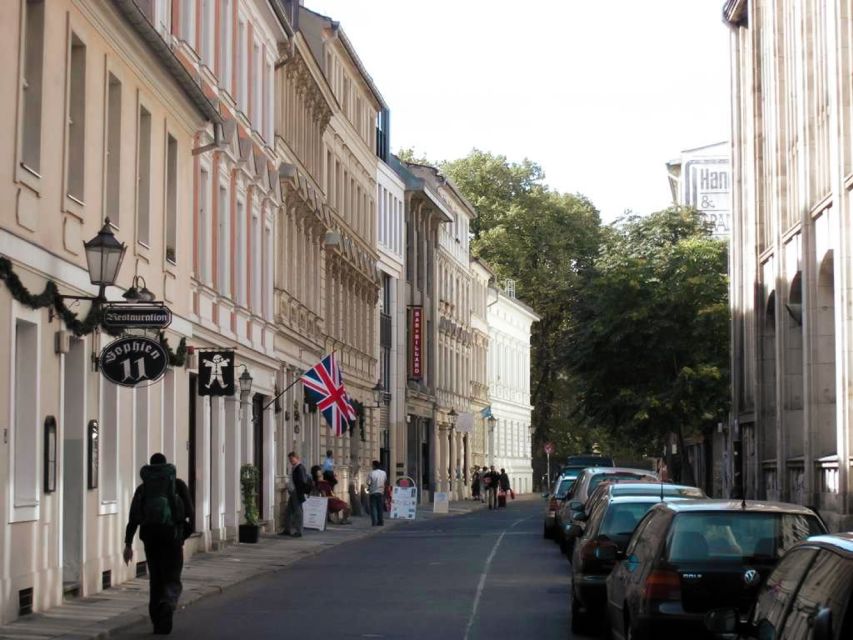
- Sophienstraße street-to-courtyard storytelling: the guide connects everyday streets to the odd fates of the places you pass.
- Artisan association courtyards: you get a close look at working spaces, not just scenic “photo corners.”
- Tolerance theme on Große Hamburger Straße: you learn how religious and social life shaped the area.
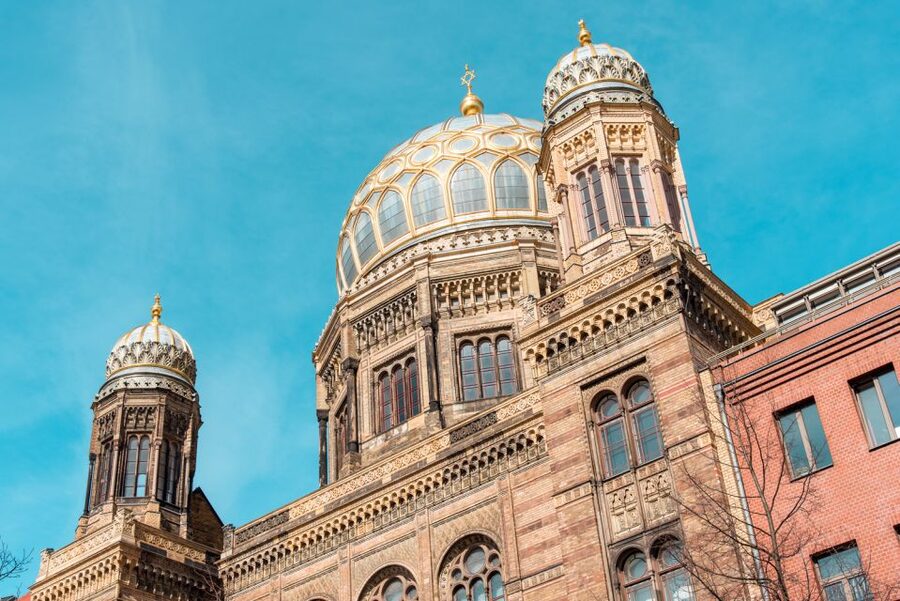
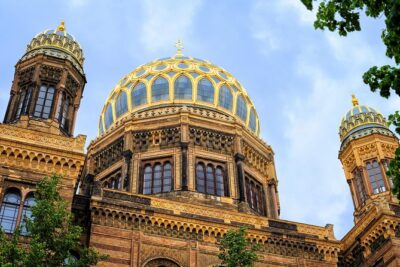
- New Synagogue area on Oranienburger Straße: the walk places major Jewish landmarks into a broader city context.
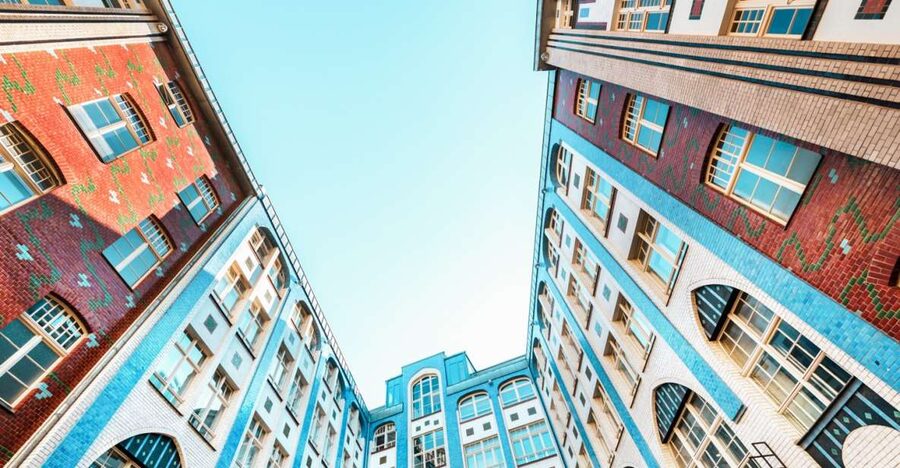
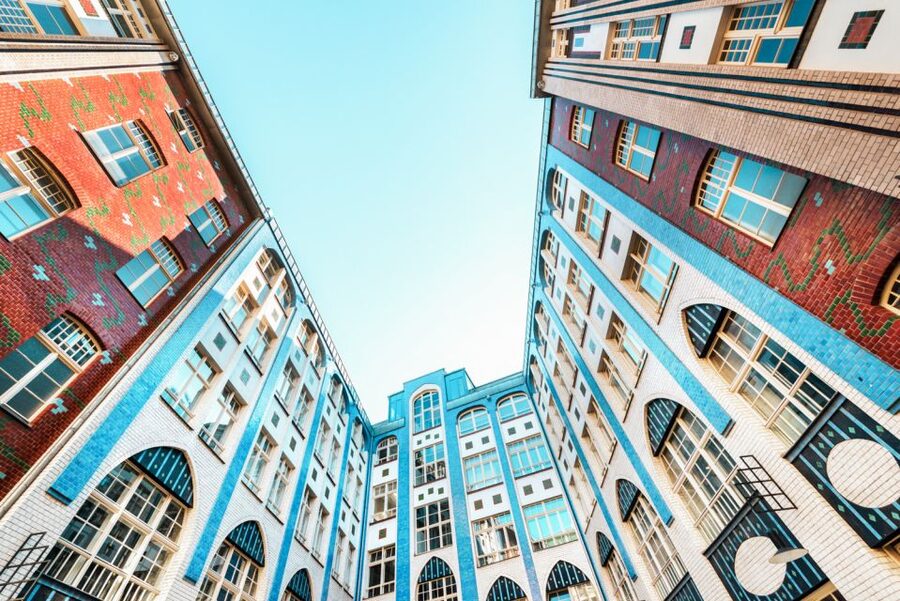
- Heckmann Höfe finish: the tour ends with another standout courtyard to keep your last impressions strong.
More Berlin ideas for the space still left in the itinerary
- Berlin: Third Reich and Cold War 2 Hour Walking Tour★ 4.9 · 6,830 reviews
- Berlin’s Best: 2 Hour Walking Tour Third Reich and the Cold War★ 5.0 · 5,486 reviews
- Berlin: 2-Hour Lake Oberhavel Cruise from Tegel★ 4.4 · 577 reviews
- Berlin 2-Hour Segway Tour★ 4.6 · 238 reviews
Why Berlin’s back courtyards feel more real than the street
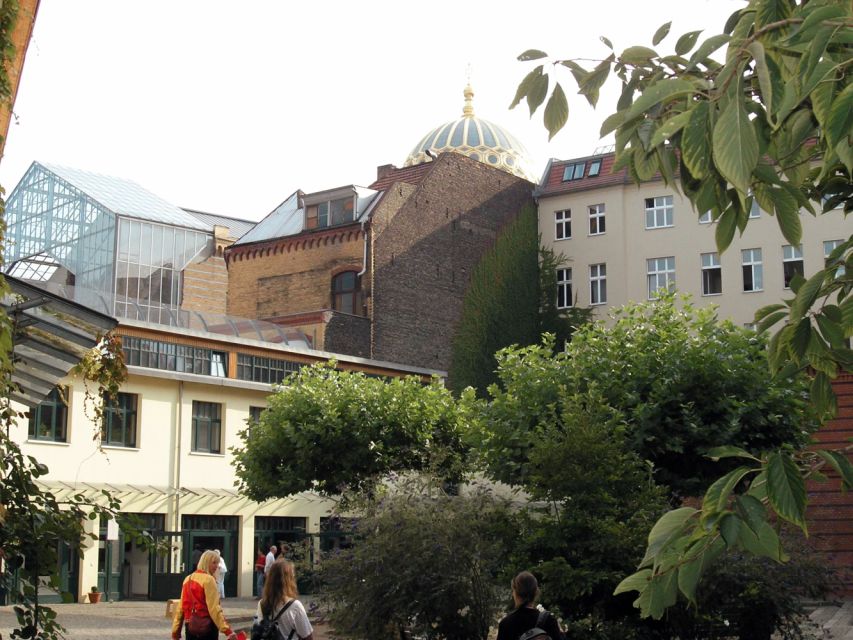
Berlin is famous for grand buildings and wide avenues. Still, the places that stick with you tend to be smaller. Courtyards are one reason. They were built for light, air, storage, work, and community, all squeezed into the block. Once you notice how they functioned, the city stops being only a backdrop.
This tour is built around that idea. You are not just sightseeing, you are learning how a neighborhood was organized, then later reshaped, and how different communities left their marks in very practical ways. The result is a walking tour that feels like urban history you can actually walk through.
You also get a strong thematic focus. The tour highlights what the area was known for, including a “road of tolerance” framing on Große Hamburger Straße, plus Jewish landmarks connected to Oranienburger Straße. That makes the time feel purposeful. It is not random courtyard hopping, it is a story you can follow from block to block.
Meeting at Hackesche Höfe: where the tour starts to make sense fast
Your meeting point is Hackesche Höfe, first courtyard, Cash counter of Chamäleon. This matters more than it sounds. Hackesche Höfe is a place where you can easily get turned around if you try to self-guide. Starting in the first courtyard helps you orient quickly, and that makes the rest of the tour smoother.
Once you are in, you can expect the guide to set the “rules” of what you are going to see. Courtyards in Berlin are often tucked behind passageways and façades, and the walls can look blank if you are not sure where to look. A good guide points out the small signals: entrances, levels, and the way buildings face inward for everyday use.
This is also a good moment to think about comfort. The tour is two hours, and you will be walking. Bring warm layers if you are visiting in winter. One of the big compliments about this tour is that the guide keeps the pace engaging, so even cold weather does not slow the experience down.
Hackesche Höfe and Sophienstraße: how the neighborhood redeveloped behind the scenes
Hackesche Höfe is the opening chapter for a reason. It is a revitalized courtyard complex, and it helps you understand a key theme for the whole tour: old structures can become new neighborhoods without erasing what made them functional in the first place.
From there, you move into the area around Sophienstraße, where the tour leans into “colorful multicultural life” in the district. You get the sense that the courtyards were never only about architecture. They were places where different groups could live and work close enough to overlap.
Two specific courtyard-related stops are built into the route:
- the courtyard of the artisan association
- the Sophie-Gips-Höfe
These are the kinds of places that reward attentive looking. Courtyards can look similar at first glance, but the details give them away. Watch for how the buildings connect, how entrances are framed, and how the space is used. In a good tour, those observations turn into stories about changing ownership, shifting uses over time, and how modernization happened in stages rather than all at once.
If you like urban planning, this part tends to be your favorite. You are essentially seeing how a block is organized, then understanding why it was reorganized. If you prefer pure big-sight sightseeing, you might need to remind yourself that the payoff here is “behind the scenes,” not a museum stop.
Große Hamburger Straße and the “road of tolerance” story
One of the tour’s strongest framing ideas is that Große Hamburger Straße has been a “road of tolerance.” That is not just a slogan. The street is presented as a corridor where religious and cultural institutions sat side by side, shaping daily life in the surrounding blocks.
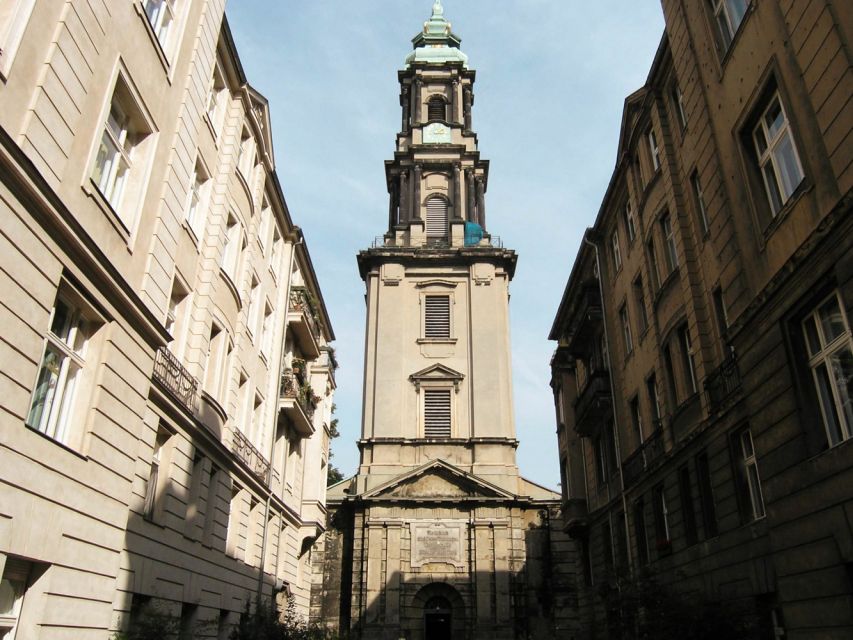
As you walk, you will get a look behind the facades of a Catholic institution and enjoy views of the most important Baroque church in the city. The description is specific, and it gives the tour a clear architectural beat. Baroque churches are meant to be seen, and from the right angle, you get a stronger sense of why this style was used and how it influenced the streetscape.
Then the guide shifts back to community history, including what happened to the Jewish community in Berlin and the mention of the first cemetery. This is where the tour does something valuable: it keeps courtyards and streets tied to human history, not just buildings.
Practical tip: if you have only two hours, you should use them. That means stop and look up when the guide points out church views, then come back down to street level for the next story. Courtyard tours feel easy until you miss the key line of sight.
- Berlin: Reichstag, Dome and Government District Guided Tour
★ 4.7 · 18,288 reviews - Berlin: 1-Hour City Tour by Boat with Guaranteed Seating
★ 4.3 · 16,993 reviews - Berlin: Boat Tour Along the River Spree
★ 4.4 · 11,252 reviews - Discover Berlin Half-Day Walking Tour
★ 5.0 · 9,624 reviews - Berlin: Hop-on Hop-off Bus Tour with Live Commentary
★ 4.3 · 8,579 reviews
Oranienburger Straße: the New Synagogue area and Postfuhramt context
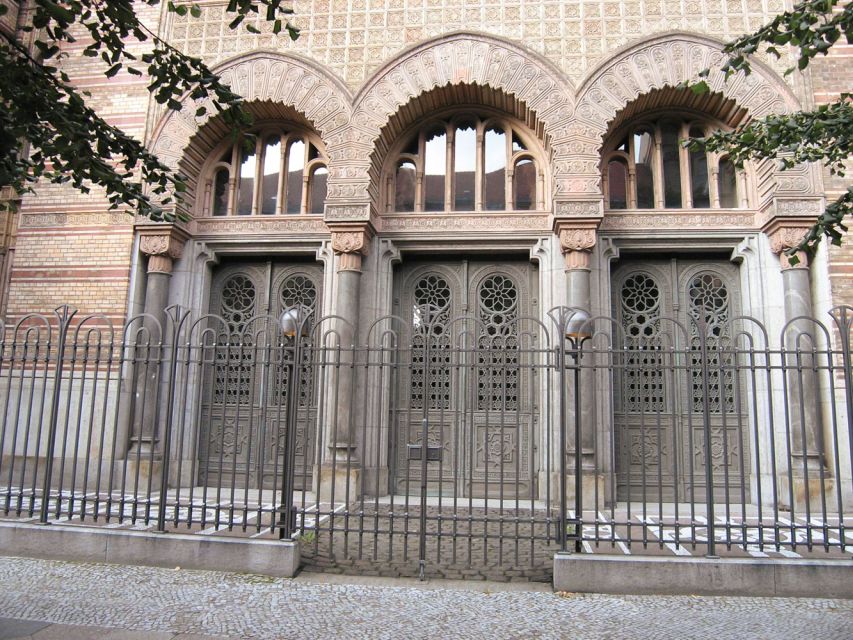
On Oranienburger Straße, the tour turns to major Jewish landmarks, starting with the imposing New Synagogue. Even if you have seen it from outside before, this tour approach helps you read the area around it as part of a bigger network of buildings and institutions.
You will also learn about the adjacent Postfuhramt. It is the kind of detail that often gets missed when you treat a city as separate postcards. Putting Postfuhramt next to the New Synagogue gives you a more complete picture of how a neighborhood functions: worship, administration, services, and daily logistics all in the same radius.
What I like about this section is the way it turns a famous monument into a neighborhood system. You are not memorizing one building, you are understanding relationships. That is also why the tour works well for people who want history, but not a lecture format.
The guide also ties this part of the route back to the earlier story beats, especially the themes around tolerance and the fate of the Jewish community. The emotional weight is there, but the structure keeps it from becoming heavy without direction.
Heckmann Höfe at the end: a strong finish in one more courtyard layer
The tour ends with a look into Heckmann Höfe, described as one of the most interesting back courtyards in the neighborhood. Ending with a courtyard like this is smart. Your brain is already tuned to courtyard sight lines by this point, so the final stop feels like a reward rather than a repeat.
This stop also helps you test your takeaway. After you have walked through Hackesche Höfe, Sophie-Gips-Höfe, artisan spaces, and the major street landmarks, you can see how courtyards carry meaning across different eras of Berlin life.
You do not have to be an architecture nerd to enjoy it. You just need to keep noticing. Courtyards are about use, not just style. Even a brief look inside can make you understand how people moved, worked, and shared space within the block.
Price and value: is $21 really fair for a 2-hour Berlin walk?
At $21 per person for a 2-hour walking tour, this sits in the “good value” category, especially if you like guidance that turns places into context.
Here is why the price feels reasonable:
- You pay for a live tour guide, not a self-walk route.
- You get a curated route linking multiple courtyard locations plus major street-level landmarks.
- The tour connects themes you might otherwise study separately: neighborhood revitalization, Jewish history in this part of Berlin, and the “tolerance” angle on Große Hamburger Straße.
Two things can affect whether it feels like a bargain to you. First, if you hate walking in winter, two hours can feel more expensive than the number suggests. Second, if you want maximum “wow” per minute and hate anything that feels like a smaller side stop, you might wish the route had fewer courtyard variations. There is a note that 1.5 hours might have suited some people better.
Still, if you are the kind of traveler who enjoys back-alley texture and historical connections, this price matches the payoff pretty well.
What’s included, what you should bring, and how to plan your day
Included is straightforward: you get a tour guide and a private walking tour. Not included is also clear: no hotel pickup and no food or drink.
That means you should plan like a local for the simple logistics:
- Dress for walking, and bring a warm layer if you are visiting in colder months.
- Consider bringing water, and eat before or after, because you will not be purchasing anything during the tour.
- If you want extra focus, consider asking the operator ahead of time. The tour notes that special interests like Jewish history, urban planning, and city history can be arranged.
If you are coming from another sight nearby, the good news is that this tour is built around a dense area. You will likely be able to combine it with other central Berlin stops without changing your whole itinerary.
Who should book this tour, and who might skip it
You should book if:
- You like Berlin that feels lived-in, not only monumental.
- You want Jewish history connected to specific places you can stand in front of.
- Courtyards, architecture, and how neighborhoods evolved matter to you.
- You appreciate a guide who stays interactive. The overall tone of the feedback suggests guides are personable and willing to answer questions.
You might skip it if:
- You want only the biggest iconic buildings and do not care about courtyard interiors or smaller spaces.
- Two hours of walking in cold weather is not your thing.
- You prefer fewer stops and more time at one location rather than moving through several key scenes.
One last thought: with a theme-heavy tour like this, your best experience comes from a small mindset shift. Instead of asking what you can photograph, ask what you can understand. When you do that, courtyards stop being just pretty and start being readable.
Should you book Backyards of Berlin 2-Hour Tour?
If your ideal Berlin day includes courtyards, architecture, and history linked to real streets, I think this is a solid booking. The route is concentrated, the guidance sounds engaging and humorous even in cold weather, and the thematic blend of revitalization plus Jewish history makes it feel more meaningful than a generic walking tour.
If you are short on time, very weather-sensitive, or you only want ultra-famous monuments, you might find two hours slightly long. In that case, consider contacting the operator in advance about your priorities, especially if you want a tighter focus on the major landmarks and less time on smaller side spaces.
FAQ
How long is the Backyards of Berlin tour?
The tour lasts 2 hours.
How much does the Berlin Backyards 2-Hour Tour cost?
The price is $21 per person.
Where do I meet the tour guide?
You meet at Hackesche Höfe, first courtyard, at the Cash counter of Chamäleon.
Are hotel pickup and drop-off included?
No, hotel pickup and drop-off are not included.
What languages is the tour available in?
The live tour guide is available in English and German.
Can I request special interests for the tour?
Yes. Special interests like Jewish history, urban planning, and city history can be arranged with the tour operator in advance.
Is there free cancellation?
The activity offers free cancellation, cancel up to 24 hours in advance for a full refund.
Is food and drink included?
No. Food and drink are not included.
More 2-Hour Experiences in Berlin





More Tours in Berlin





More Tour Reviews in Berlin
Recently added around Berlin

2-Hour Experiences, compared.
 ★ 4.9Third Reich and Cold War 2 Hour Walking TourFrom $236,830 reviews
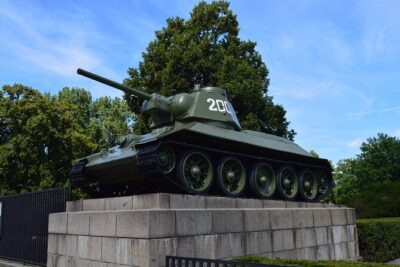 ★ 5.0Berlin’s Best: 2 Hour Walking Tour Third Reich and the Cold WarFrom $245,486 reviews
 ★ 4.42-Hour Lake Oberhavel Cruise from TegelFrom $22577 reviews
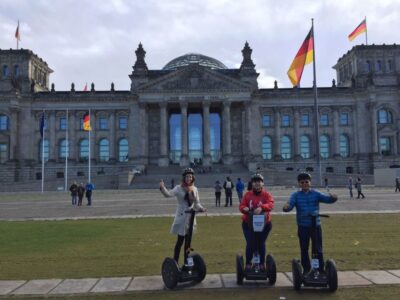 ★ 4.6Berlin 2-Hour Segway TourFrom $69238 reviews
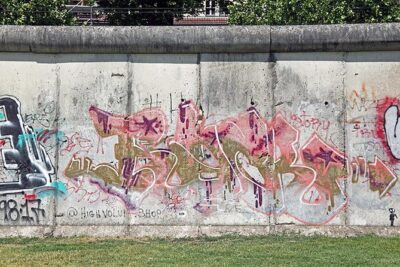 ★ 5.0East Berlin and the Berlin Wall 2-Hour Walking TourFrom $21228 reviews
 ★ 4.52-Hour Premium Segway TourFrom $78157 reviews
 ★ 5.02-Hour Segway Discovery Tour BerlinFrom $83154 reviews
 ★ 4.5Berlin Small Group Segway Adventure: Explore in 2 Hours!From $84140 reviews
Browse the lists this tour appears in