

Tour review · BERLIN WALKING TOURS
Berlin: Charité Hospital History Walking Tour
Medical history begins in a plague-era courtyard. This Charité walking tour traces 1710 to the people behind modern medicine, with a stop inside the Veterinary Anatomy Theatre and views across the Charité neo-gothic campus. One thing to plan for, it is cold and a lot of the route is outdoors.
I especially liked how the guide makes the facts feel personal, including the grim ethics of the Nazi period and the push for social change in later decades. Meet by the Robert Koch statue, then look for the guide with the orange umbrella, and you are on a focused, easy-to-follow route that is ideal if you want more than a photo stop.
Key things you should know before you go

- Starts at Robert-Koch-Platz by the Robert Koch statue, so you get oriented fast.
- Veterinary Anatomy Theatre visit gives you a rare 18th-century look at how Berlin studied disease in animals and cavalry horses.
- Charité campus walk highlights neo-gothic architecture and the big-name medical figures tied to it.
- Rachel Hirsch’s story (1913) shows how women broke into Prussian medicine, despite pushback.
- Nazi and socialist chapters are explained directly, including how medical ethics were bent and enforced.
- Links the Charité TV series to real-life stories, so the show becomes a starting point, not a mystery.
Berlin on foot, with a few more routes worth comparing
- Discover Berlin Half-Day Walking Tour★ 5.0 · 9,624 reviews
- Berlin: Third Reich and Cold War 2 Hour Walking Tour★ 4.9 · 6,830 reviews
- Berlin: Discover Berlin Walking Tour★ 4.9 · 5,998 reviews
- Berlin’s Best: 2 Hour Walking Tour Third Reich and the Cold War★ 5.0 · 5,486 reviews
Medical history, from plague house to world-famous scientists
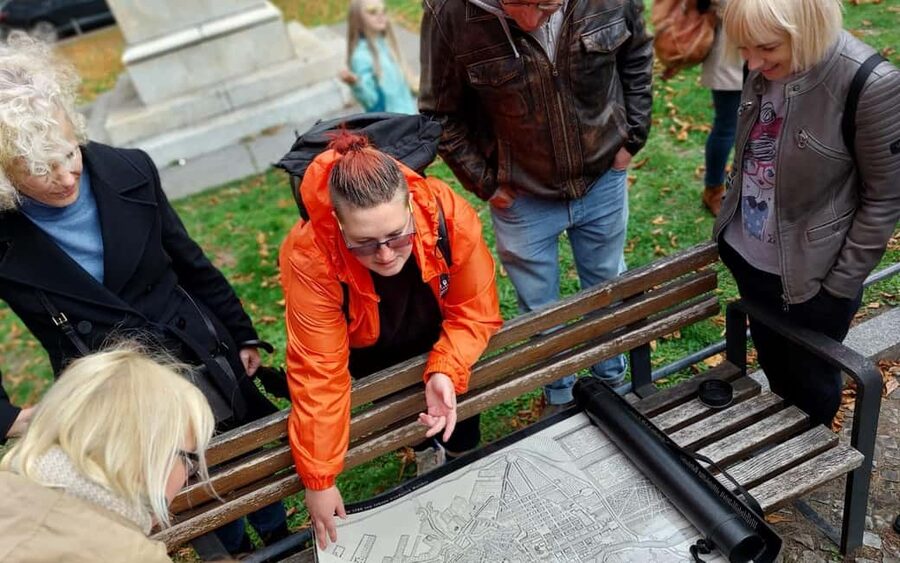
Charité Hospital is one of those places where the building matters, but the people matter more. The tour starts with a simple 1710 idea, a plague house built as Berlin faced an approaching epidemic. From there, the story moves forward into an era where treatments were brutal by today’s standards, including bloodletting, mercury doses, and amputations.
What I like about this approach is how it keeps your feet on the ground. You are not just hearing names. You are seeing how changing ideas about illness shaped the hospital, and how the hospital shaped modern medicine.
And yes, the tour also deals with the darkest parts of Charité’s legacy, especially during the Nazi era. That section is not sugarcoated, because it has to be. It also adds context for how East Germany later presented Charité achievements, while controlling the view toward the capitalist West.
Where you meet at Robert-Koch-Platz and how the tour stays practical
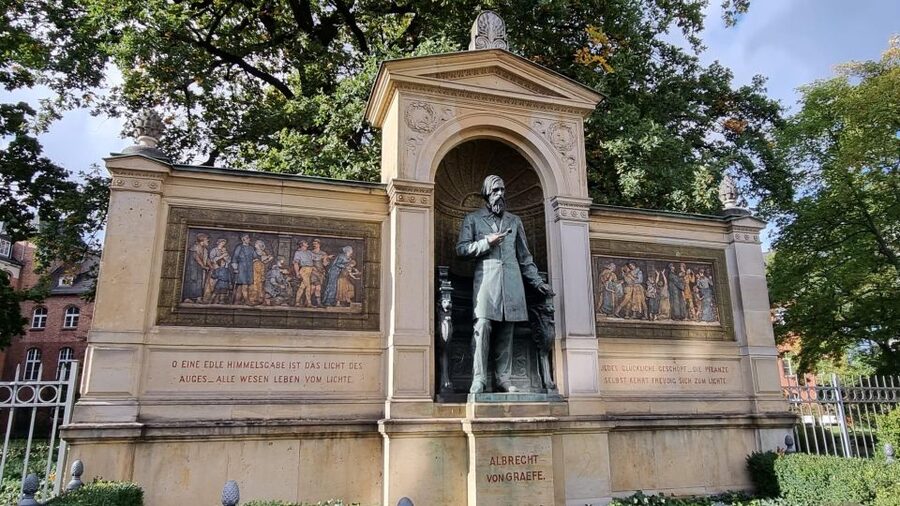
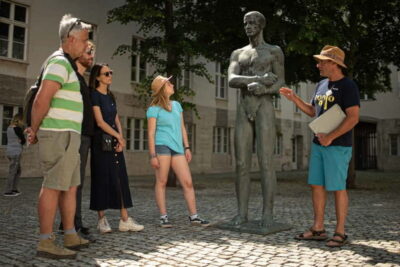
Logistics are simple, which matters on a 2-hour walk. You meet at Robert-Koch-Platz, by the Robert Koch statue. The guide holds an orange umbrella, so you can spot them quickly even if it is busy outside.
The route works well if you want medical history without a long museum day. You will be walking and standing for about two hours total, so I recommend comfortable shoes and a water bottle. This is also a good tour to plan for earlier in the day, since it ends close to Berlin Central Station, making it easy to keep moving afterward.
One practical note, the Veterinary Anatomy Theatre is free to visit as part of the tour, but entry to other hospital or university activity areas is not included. That means you get guided viewing and key stories, but you are not treated like you have a full VIP pass into every room.
The Veterinary Anatomy Theatre: Berlin’s oldest academic building

The most memorable stop is the Veterinary Anatomy Theatre. This is Berlin’s oldest academic building still in existence in the city, and it is the perfect match for the theme of the tour, how science grew from real local needs.
In the 18th century, Berlin was dealing with illness in livestock and in cavalry horses. The theatre is where you can picture the learning setup that helped people understand those ailments. It makes the story feel grounded. You are not only learning about human doctors. You are learning how a city functioned, how animals mattered, and how medical inquiry expanded beyond hospitals.
The tour gives this visit enough time to register. Expect a focused look around, then the guide connects what you see to the wider history of Charité and Berlin medicine.
Possible drawback: on occasion the theatre can be closed due to internal events or public holidays. When that happens, you might need to rely on the rest of the route and guide explanations rather than a full theatre viewing.
Walking the Charité neo-gothic campus with Koch and Virchow in mind
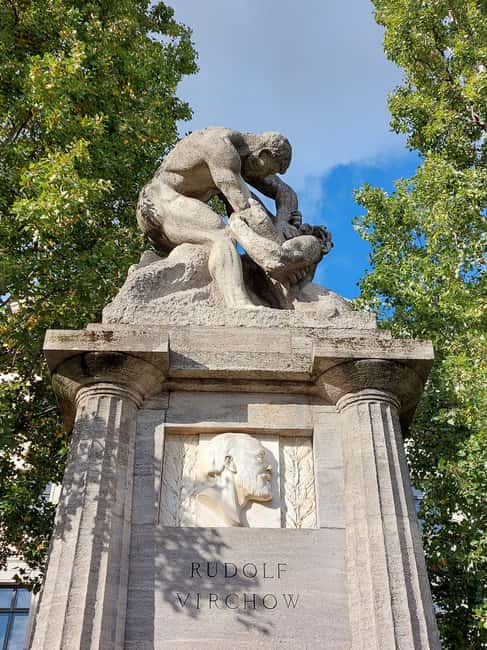
After the theatre, the tour shifts into a campus walk that rings the historical neo-gothic grounds. This is where Charité becomes more than a timeline, because the architecture helps you feel the scale of an institution that has evolved for centuries.
As you walk, the tour points to medical pioneers tied to this place, including Robert Koch and Rudolf Virchow. You will hear how their work shaped breakthroughs in medicine, and you will also get a sense of how Charité served as a hub where ideas traveled from the lab to the clinic.
I like campus walks like this when they do one key thing well, they connect the building to the human story. Here, you get the names, but you also get the why. Medicine did not grow in a straight line. It grew through institutions, arguments, and changing standards of evidence.
Also, the route is designed to keep the pace steady. Two 15-minute guided segments are built in beyond the theatre, so you are not stuck listening for long stretches without a visual cue.
Berlin on foot, a few more ways
- Berlin: Hidden Backyards Guided Walking Tour
★ 4.8 · 5,360 reviews - Third Reich Berlin: Hitler and WWII Walking Tour
★ 5.0 · 3,301 reviews - Berlin: Alternative Berlin Walking Tour
★ 4.6 · 1,204 reviews - Berlin: Third Reich, Hitler, and WWII Walking Tour
★ 4.9 · 1,133 reviews - Berlin: City Street Art Guided Walking Tour
★ 4.8 · 886 reviews
Rachel Hirsch and the real push for women in medicine
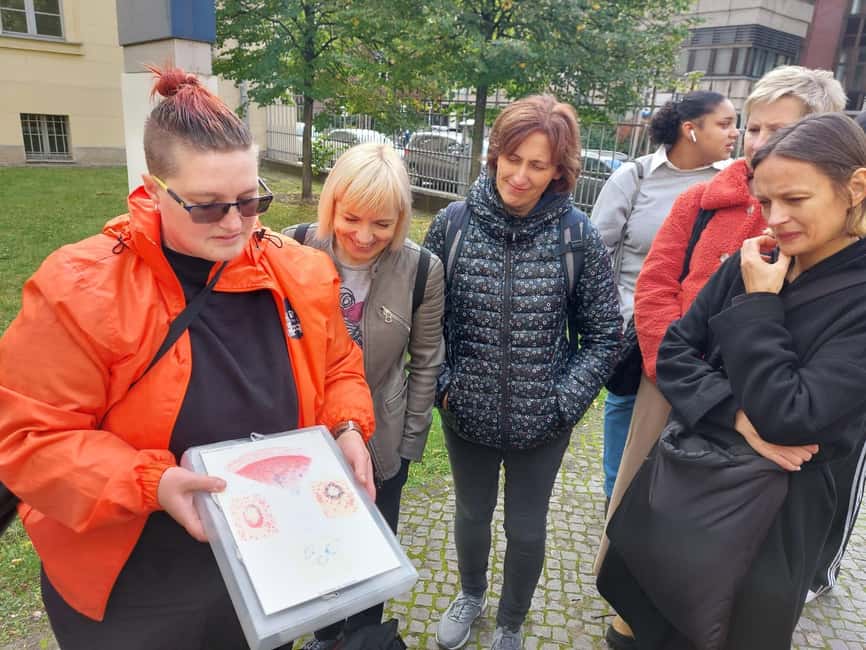
One highlight you should not skip is the section on Rachel Hirsch. Charité is not only a story of famous doctors. It is also a story of who got access to authority, and who had to fight for it.
Rachel Hirsch became the first woman to hold a medical professorship in Prussia, and her appointment came in 1913. The tour frames this as a major social turning point, not just a personal achievement. It also emphasizes that even when change happened on paper, resistance inside institutions did not disappear.
For me, the best part of hearing this in a place like Charité is the contrast. You see how a hospital can represent scientific progress while still being a gatekeeper. The appointment becomes a way to understand shifting attitudes in early 20th-century Europe, not just a trivia fact.
If you care about gender history, this is one of the most practical ways to connect it to a real institution that still stands today.
Nazi and East German medical ethics: difficult but important context
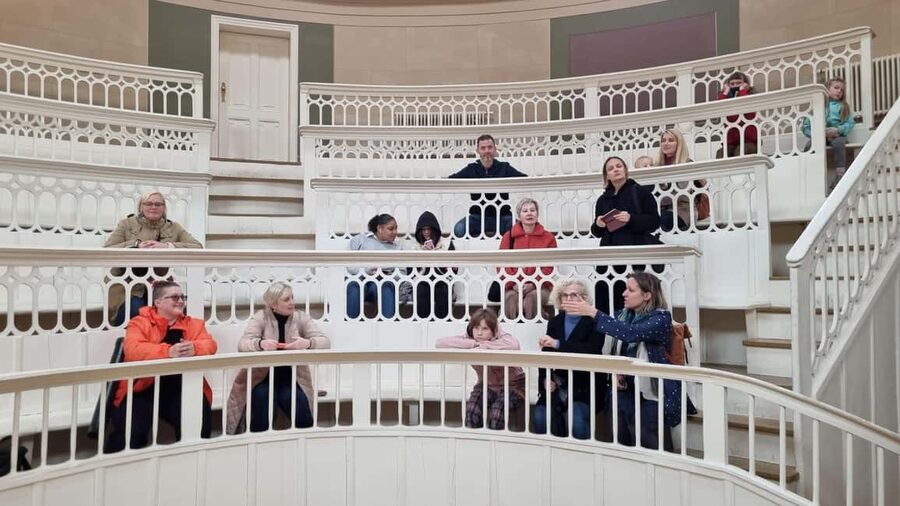
This tour does not treat the Nazi era as a footnote. It explains that under the Nazi regime, medical ethics were disregarded and racial hygiene ideas were enforced ruthlessly.
You also learn that some doctors kept quiet while others actively organized the extermination of psychiatric patients. That is heavy information, and the tour handles it with a clear focus on responsibility, not sensational horror.
Then the story moves forward into later decades, when East Germany took pride in Charité’s achievements. At the same time, the tour points out how the institution also controlled the physical and symbolic view toward the capitalist West, including bricking up windows that faced that direction.
Whether you are a history buff or just a curious traveler, this part is valuable because it shows how medicine can be politicized. The lesson is not only about one regime. It is about what happens when power overrides ethics.
If you want a tour that is emotionally honest, this is the one kind of section you might remember for a long time.
How the Charité TV series connects to the real place
If you have watched the Charité TV series, you will like how the tour uses it as a bridge. The tour connects real-life stories behind what you see on screen, so you get the background that makes the drama make more sense.
Instead of treating the series as fiction to ignore, the guide uses it as a clue. You learn how real people and real events shaped the institution, and you see why those storylines stuck.
This is a smart angle for value. It turns your viewing experience into something you can walk through, and it gives context without requiring you to be an expert on Berlin history first.
Timing, walking comfort, and what to expect hour by hour

The tour runs about two hours, with starting times that depend on availability. Most of it is outside, so you should dress for cold weather. You do not want to spend 120 minutes feeling numb, because it makes it harder to follow the details.
Here is the rough rhythm you can expect:
- A start at Robert-Koch-Platz where you get oriented to Robert Koch and the grounds.
- A theatre visit focused on the Veterinary Anatomy Theatre and 18th-century medical learning for animals and horses.
- Guided segments that cover the campus and the big figures linked to Charité, plus the social and political chapters that shaped the hospital over time.
- A finish at Alexanderufer, near Berlin Central Station, so you can keep exploring without a complicated transit plan.
You are also told upfront that entry into certain buildings where hospital or university activities take place is not part of the tour. Some restricted areas might still be possible to explore independently after the tour, so you might want to glance around after you finish, if you are allowed to go there.
Price and value: is $28 a fair deal for Charité?

At $28 per person for a 2-hour guided walk, this tour is priced like a good local history experience rather than a high-end private tour. For that cost, you get an expert local guide and a scheduled visit to the Veterinary Anatomy Theatre with free admission.
The value comes from two things:
- You get guided interpretation of multiple eras, including science breakthroughs and the painful political misuse of medicine.
- You get an included stop that you would likely miss on your own, since not every traveler thinks to hunt down the Veterinary Anatomy Theatre and connect it to Charité’s broader role.
What you do not get is building entry into active hospital or university spaces. But honestly, you still see plenty of what you came for: campus context, key historical stories, and the theatre. For many travelers, that is the right balance between access and time.
If you are choosing between doing Charité on your own and joining a guide, I would lean toward the tour. The hospital’s story is layered, and a guide helps you keep it straight.
Who this tour is best for
This is best for people who:
- Want medical history that includes real ethical stakes, not just achievements
- Like architecture tied to story, especially neo-gothic institutional design
- Have watched or are curious about the Charité TV series
- Prefer a walking format that keeps you moving and oriented
It is not a good fit if you want a light, family-friendly outing. The content runs deep, and the tour is not suitable for children under 14. Minors must be accompanied by an adult.
It is also wheelchair accessible, which is a big plus. That said, since most of the tour takes place outside, I still recommend planning for uneven pavement and cold weather.
Should you book the Berlin Charité Hospital History Walking Tour?
I think you should book it if you want a smart, focused way to understand why Charité matters. The tour balances big medical names with social change, and it does not skip the brutal Nazi chapter. The Veterinary Anatomy Theatre stop gives you a concrete, memorable anchor in an otherwise hard-to-picture story.
Skip it if you hate cold outdoor walking, or if you only want cheerful, achievement-only history. You are going to hear uncomfortable facts here, and you should be ready for them.
If you do book, do two things: wear warm layers, and come in with a curiosity about how medicine and politics can collide. This is exactly the kind of tour where those questions pay off.
FAQ
Where do I meet for the Charité Hospital History Walking Tour?
You meet at Robert-Koch-Platz by the Robert Koch statue. Look for your guide holding an orange umbrella.
How long is the tour?
The tour lasts about 2 hours. Starting times depend on availability.
What languages is the tour offered in?
The live guide speaks English and German.
What does the tour cost?
The price is $28 per person.
What’s included, and what isn’t?
Included is an expert local guide and a visit to the Veterinary Anatomy Theatre with free admission. Not included is entry to buildings where hospital or university activities take place, and access to certain restricted areas of the campus.
Is the tour mostly outside, and what should I bring?
Most of the tour takes place outside, so dress warmly in cold weather. Bring comfortable shoes and water.
Is the tour wheelchair accessible?
Yes, the tour is wheelchair accessible.
Is this tour suitable for children?
It is recommended for ages 14 and up due to the historical depth. It is not suitable for children under 14.
What if the Veterinary Anatomy Theatre is closed?
On occasion, the theatre can be closed due to internal events or public holidays. If that happens, the stop may not run as planned, but the tour will still proceed with the rest of the experience.
How much does the tour cover, and where does it end?
The tour finishes at Alexanderufer, 10117 Berlin. This is close to Berlin Central Station, which makes it easy to continue exploring after.
More Tours in Berlin






Keep Walking Berlin





More Tour Reviews in Berlin
Recently added around Berlin





Berlin Walking Tours, compared.
 ★ 5.0Discover Berlin Half-Day Walking TourFrom $249,624 reviews
 ★ 4.9Third Reich and Cold War 2 Hour Walking TourFrom $236,830 reviews
 ★ 4.9Discover Berlin Walking TourFrom $235,998 reviews
 ★ 5.0Berlin’s Best: 2 Hour Walking Tour Third Reich and the Cold WarFrom $245,486 reviews
 ★ 4.8Hidden Backyards Guided Walking TourFrom $235,360 reviews
 ★ 5.0Third Reich Berlin: Hitler and WWII Walking TourFrom $243,301 reviews
 ★ 4.6Alternative Berlin Walking TourFrom $291,204 reviews
 ★ 4.9Third Reich, Hitler, and WWII Walking TourFrom $201,133 reviews
Browse the lists this tour appears in