
Tour review · BERLIN MUSEUMS & ATTRACTION TICKETS
Berlin: Classical concerts at the Bode Museum Berlin
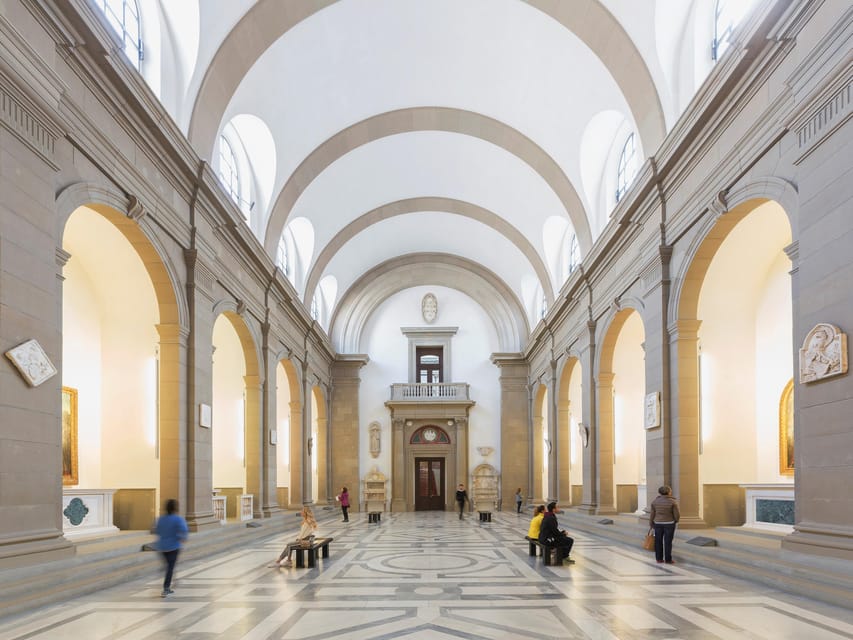
Berlin’s Bode Museum has a way of making music feel important. This concert series brings classical highlights into the historic Gobelin Room, with programs ranging from baroque to Beethoven, delivered by professional performers. I especially like the setting, and I also like that you get free museum admission tied to your ticket.
The one thing to watch is finding the hall smoothly. One booking I read flagged that the concert room was not obvious on arrival, and the price through a third-party channel may be higher than the on-site box office.
Key things to know before you go
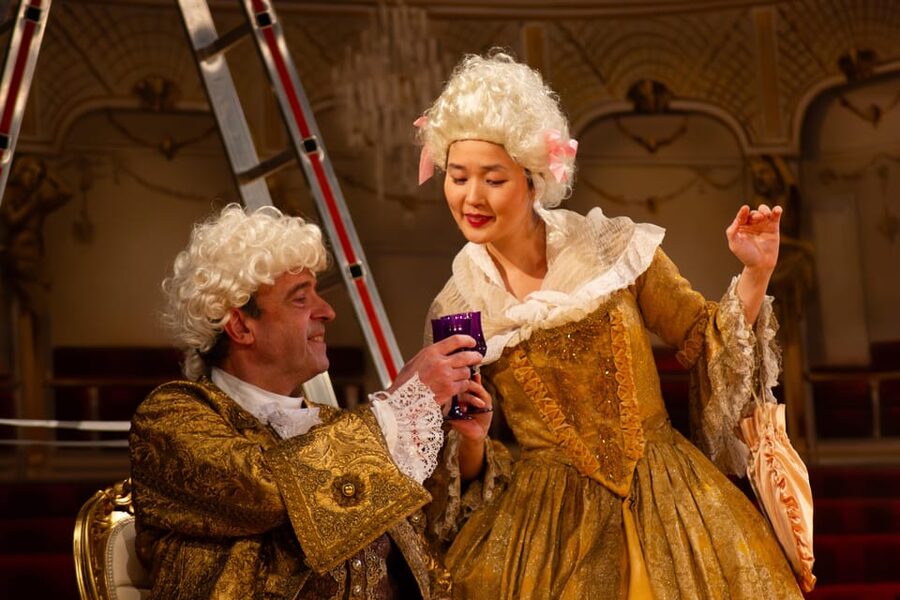
- Historic listening room: Concerts are held in the Bode Museum’s Gobelin Room on the first floor.
- Real music range: Expect nights built around baroque, Mozart, romantic duets, and Beethoven-Liszt themes.
- Plan for a break: The concert runs about 90 minutes to two hours and usually includes a 20-minute pause.
- You choose a category, not a seat: You’ll select a seating category, but not a specific seat number.
- Value can be channel-dependent: At least one ticket buyer saw a higher price online than at the museum box office.
- Free museum admission: You can use the time before the concert to explore the museum.
Other Berlin museums and landmark entries worth reserving
- Berlin: Berlin Story Bunker Entry Ticket★ 4.6 · 6,759 reviews
- Berlin: Illuseum Berlin Entrance Ticket★ 4.1 · 3,970 reviews
- Berlin: Madame Tussauds Admission Ticket★ 4.6 · 3,941 reviews
- Berlin: Natural History Museum Entrance Ticket★ 4.6 · 3,382 reviews
Inside the Gobelin Room at the Bode Museum
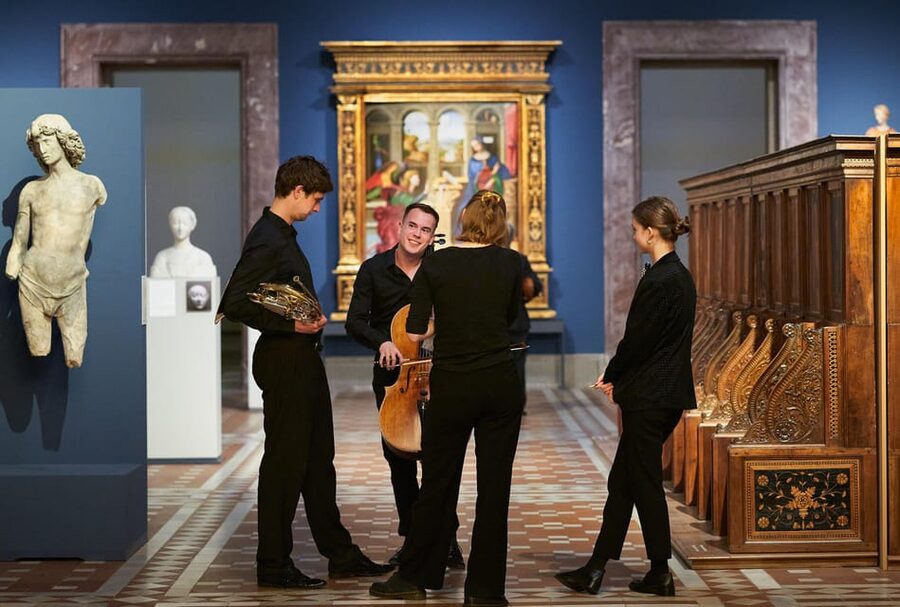
If you want a Berlin evening that feels more like a cultural appointment than a night out, this is a smart bet. The music is staged in the Bode Museum’s Gobelin Room on the first floor, in a space designed for art, not distractions. That matters, because a classical concert works best when everything around you quietly supports the sound and the mood.
What I like most is the pairing of venue and programming. The historic atmosphere helps the performances feel grounded in the city’s cultural layer, and the repertoire selection covers several major eras. One night leans Italian and baroque. Another turns toward romantic themes and even romantic duets. Then you get Mozart or Haydn, and on other dates, Beethoven enters the conversation in a way that makes the series feel varied, not repetitive.
The small drawback is practical: getting to the right room. The venue is inside a major museum, and one verified booking noted that searching for the concert hall took effort. If you tend to arrive right on time, I’d adjust your plan and give yourself extra buffer.
How your evening flows, from voucher to concert
Your evening is simple in structure, which is good news for travel days when you do not want a complicated schedule. You should plan to arrive at the Bode Museum, then present your voucher at the box office to receive your tickets. After that, you’re headed to the Gobelin Room on the first floor.
Here is the rhythm that usually works well:
- Arrive early enough to orient yourself inside the museum.
- Use a bit of time for museum wandering, since free museum admission is included.
- Settle in before the music starts, especially if you want to avoid last-minute stress in a crowded interior.
The concert itself typically lasts 90 minutes to two hours, and it usually includes a 20-minute break. That break is not just a pause, it helps the program pacing. You can reset, stretch, and then return ready to listen again.
One more logistics point that can affect comfort: seating is based on a category, not a specific seat. That means you should be mentally flexible. If you have strong preferences about sight lines, arrive early enough to find your best option within your assigned category.
What makes the venue experience special

This is not a generic concert hall setup. The Bode Museum brings a museum-world calm that changes how you experience live classical music. The Gobelin Room is described as magnificent, and you can feel why that matters. When the surroundings have a strong sense of place, the performance lands differently, even before the first note.
Also, the series tends to keep things focused. Expect evenings that are built around specific composers or themes, not a random playlist style. That helps you follow the emotional arc of the evening. If you are the type who likes to connect the pieces to the composer, this kind of programming makes the night more satisfying.
Finally, this series seems to deliver a consistent quality. The overall rating is 4.3 across 26 reviews, and comments highlighted the venue as amazing and the concert experience as excellent. In plain terms: you are not paying for a forgettable performance in a pretty room. The performances matter.
The concert programs, by date (so you can pick your night)
One of the best ways to choose here is to match the program to your taste. The series offers different textures, and each date has its own identity. Below is what you can expect across the listed performance days.
Other Berlin museums and landmark entries worth reserving
- Berlin: Charlottenburg Palace Entry Ticket
★ 4.4 · 2,076 reviews - Skip-the-Line: Berlin Wall Museum at Checkpoint Charlie
★ 4.1 · 2,041 reviews - Berlin: Museum Island Multiple Museum Entry Ticket
★ 4.4 · 2,007 reviews - Berlin: Interactive DeJa Vu Museum Entrance Ticket
★ 4.1 · 1,338 reviews - Berlin: “Pergamonmuseum. The Panorama” Exhibition Tickets
★ 4.6 · 1,245 reviews
February 14, 2026: Italian Masters of the Baroque
If you like crisp lines, lively textures, and the sense of formality baroque music often carries, this is the night to target. The performers listed are Susanne Ehrhardt (recorders) and Christian Finke (chest organ).
Baroque programs often feel especially good in historic spaces, because the sound world and the room world share an older style of resonance. You also get a more “chamber-like” clarity here, with recorder and organ creating distinct layers rather than a wall of sound.
March 28, 2026: The Birth of Romanticism
This date shifts into Mozart-era contrast and the early romantic spirit, led by Mozart Ensemble Berlin. If you want a night that connects classical roots to later emotional breadth, this is a great bridge performance.
Mozart Ensemble Berlin suggests a solid, ensemble-driven approach. You can expect careful interplay, where the details matter. For many visitors, this kind of program is a good entry point if you are not sure whether romantic music is your thing yet.
April 1, 2026: Pure Romance Romantic Duets
This one is built around voices and piano, with Inês Pinto (soprano), Kristina Naudé (alto), and Beatrice Wehner-Schaller (piano). Romantic duets usually bring a different kind of energy than instrumental-only nights, because the chemistry between parts becomes part of the performance.
If you enjoy melodies that feel more personal and lyrical, this is the date to pick. It also tends to work well even if you are traveling with someone who likes both music and storytelling.
April 2, 2026: Italian Impressions
Another strong-sounding evening, with Marianne Boettcher (violin), Yasuko Fuchs-Imanaga (flute), and Karin Leo (guitar). This is the kind of mix that can feel fresh, because guitar and flute can bring lightness and color into the mix.
If you like when a concert adds variety inside the program, this date is likely to deliver. It also gives you different timbres across the evening, which helps keep attention without needing any theatrics.
April 3, 2026: Haydn, The Seven Last Words, Op. 51
This date is clearly structured around Joseph Haydn’s The Seven Last Words by Joseph Haydn Op. 51, again with Mozart Ensemble Berlin. Haydn’s work here carries weight, and concerts built around it often feel more contemplative than celebratory.
If your taste runs toward music with dramatic shape and emotional pacing, this is an easy recommendation. Just know that this kind of listening calls for attention. Put your phone away and settle in.
April 4, 2026: Piano music to dream to
This one is simply described, and the lineup says it all: Maria-Magdalena Pitu-Jokisch (piano). A solo piano concert can be a beautiful way to experience classical music without dividing your attention across many performers.
If you want a calmer night, with space for the music to breathe, this date fits. Solo piano also tends to highlight nuance, and it is a good choice if you love melody and harmony more than orchestral power.
April 5, 2026: Romanticism in women’s hands
This date focuses on Beatrice Wehner-Schaller (piano). Program titles like this are a sign that the series is thinking about framing and focus, not just composer chronology.
If you value performances that feel grounded in artistry and expression rather than academic presentation, this can be a satisfying evening. It also gives you a single performer to follow closely, which is often more rewarding than you expect.
April 6, 2026: Beethoven-Liszt in dialogue
This night brings the pairing: Naoko Fukumoto (piano). Beethoven and Liszt are a big contrast in musical personality, and a “dialogue” concept suggests the program will show how these composers speak to each other through sound.
This is a strong pick if you want intensity and drama, with piano as the engine. It can also be an excellent “highlight” date for first-timers, because it gives you two recognizable musical worlds in one evening.
May 9, 2026: Bach Violin Sonatas 2
This date features Marianne Boettcher (violin) and Yuko Tomeda (harpsichord). Bach violin sonatas tend to reward close listening, because the interplay between string and harpsichord can be endlessly detailed.
If you love Baroque clarity, formal structure, and music that feels intellectually alive, this is a great match. The presence of the harpsichord also signals an authentic sound approach, not a modern substitute.
May 10, 2026: Mozart: Bastien and Bastienne & Gluck: The Converted Drunkard
This is the biggest “theatrical” program on the list, featuring a mix of vocal roles and ensemble staging by Roland Treiber. Performers include:
- Yuri Mizobuchi (Bastien)
- Inês Pinto (Bastienne)
- Stephen Barchi (the magician)
For The Converted Drunkard:
- Marcel Benedikt (Jacob Ofenloch)
- Kristina Naudé (Barbara)
- Inês Pinto (Bastienne)
- Yuri Mizobuchi (Bastien)
- Stephen Barchi (Luke)
If you like opera-adjacent evenings, this is the date to pick. Staging is mentioned, so this program is not just a concert performance. It is designed to give the story elements some shape, while still staying within the classical concert framework.
For you, the value here is choice. You get two works in one program, and the cast list shows you are likely to hear clear character perspectives rather than a single general interpretation.
Price and value, what $37 really means in Berlin
The listed price shown is $37 per person, and the package includes concert tickets plus free museum admission. On paper, that can be good value in a city where top classical programming often costs more, especially when it involves a major museum setting.
Still, do not assume every booking channel prices the same. One verified note pointed out a meaningful gap between a third-party online price and what a person saw at the museum box office. The takeaway is simple: if you are checking out options, compare with what you would pay at the Bode Museum box office, especially if you are price-sensitive.
My practical recommendation: if the date and lineup matters to you, buy early. If your main goal is saving money and you are flexible on date, it can pay to double-check on-site pricing before finalizing a booking.
Who this is best for (and who might want a different night)
This series is best for people who want Berlin culture without the chaos. If you like classical music, opera, or chamber-style listening, you’ll appreciate the focus. The performers listed across dates include established names and ensemble groups, and the program variety means you can find a night that matches your mood.
You might especially enjoy this if:
- You like concerts that connect to history and place, not just a random stage.
- You want a one-night plan that also gives you a museum visit.
- You enjoy themed programming, like baroque, romantic duets, or a Beethoven-Liszt pairing.
If you hate waiting around in museums or you get stressed about wayfinding, give yourself extra time on arrival. One real concern flagged difficulty locating the concert hall without help, which is exactly the kind of friction that can ruin a calm evening.
Practical tips for a smoother concert night
A few small moves can make this night feel effortless:
- Arrive early enough to get oriented inside the museum, not just to make the start time.
- Expect a 20-minute break, and use it. Do not leave your schedule too tight for dinner.
- Choose your date based on the lineup. A recorder and chest organ night feels different from a piano-only night or the Mozart and Gluck double bill.
- If you care about seating, plan to get there before you think you need to, since you only pick a seating category.
Also, remember food is not included. Plan on eating before or after, and treat the museum and concert as the main event.
Should you book?
Yes, if you want a Berlin evening where classical music and a museum setting genuinely work together. The series has strong performer credentials, the Gobelin Room gives it a sense of occasion, and the included free museum admission is a real plus. The overall rating sits at 4.3, and comments consistently praised both the concert quality and the venue experience.
Book with confidence if your dates match a program you care about, especially the themed nights like the Italian baroque date, Haydn’s Seven Last Words, or the Mozart and Gluck staged program. Just do two things before you go: give yourself extra time to find the Gobelin Room, and sanity-check pricing if you are comparing booking options.
FAQ
Where is the concert held?
The concerts take place in the Gobelin Room on the first floor of the Bode Museum in Berlin.
How long is the concert?
The concert lasts between 90 minutes and two hours, and it usually includes a 20-minute break.
Does the ticket include museum admission?
Yes. Free museum admission is included along with the concert tickets.
Do I get food with the concert?
No. Food is not included.
Can I choose specific seats?
You can select a seating category, but you cannot choose specific seats.
Is the venue wheelchair accessible?
Yes, the activity is wheelchair accessible.
More Berlin Museums & Tickets





More Berlin Museums & Tickets
More Tour Reviews in Berlin






Recently added around Berlin





Berlin Museums & Attraction Tickets, compared.
 ★ 4.5Jewish Museum Berlin Entrance TicketFrom $08,393 reviews
 ★ 4.6Berlin Story Bunker Entry TicketFrom $216,759 reviews
 ★ 4.1Illuseum Berlin Entrance TicketFrom $183,970 reviews
 ★ 4.6Madame Tussauds Admission TicketFrom $253,941 reviews
 ★ 4.6Natural History Museum Entrance TicketFrom $123,382 reviews
 ★ 4.5Potsdam: Sanssouci Palace and Prussian Palaces Entry TicketFrom $252,101 reviews
 ★ 4.4Charlottenburg Palace Entry TicketFrom $222,076 reviews
 ★ 4.1Skip-the-Line: Berlin Wall Museum at Checkpoint CharlieFrom $212,041 reviews
Browse the lists this tour appears in