
Tour review · BERLIN WALKING TOURS
Berlin: David Bowie & 1970s Berlin Guided Walking Tour
David Bowie came to Berlin for a reason. This 3-hour guided walk follows the real places behind his Berlin trilogy, from the Cold War grind to the late-night music life. I love the way the tour threads Bowie’s creative story through major landmarks, and I love the Hansa Studios stop because it makes the album sound physical and specific. With guides like Dan and Lee, the best part is how the music and the era connect.
One thing to plan for: you cover some distance by public transport. It is still a great use of time, but if you hate riding trams and metros, this may feel a bit less like a pure walking tour.
Key things I’d highlight before you go
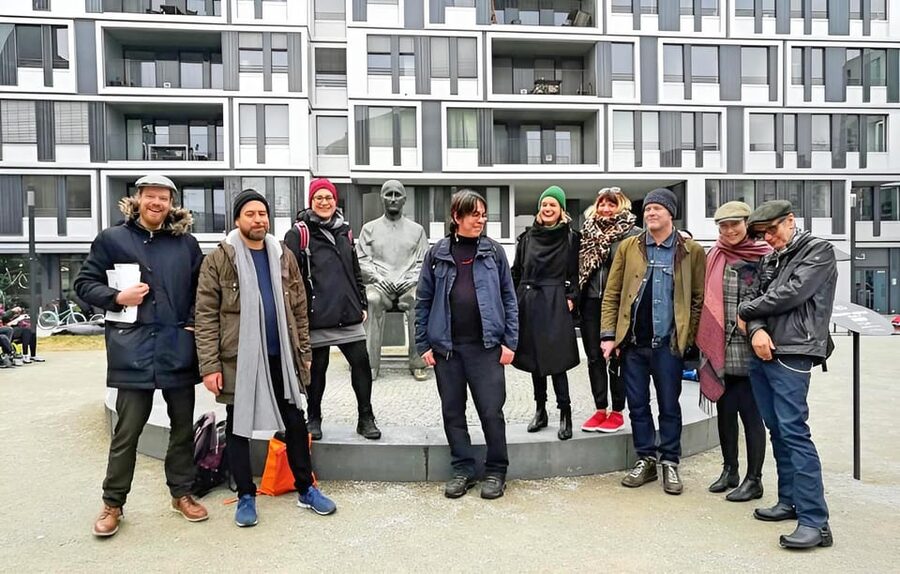
- 1970s Bowie context across West Berlin: you are not just chasing fandom stops, you are seeing the city that shaped his themes.
- Hansa Studios visit: a true anchor point for how those recordings came together in Berlin.
- The Iggy Pop connection: you follow the trail to the flat Bowie shared with Iggy Pop.
- Bowie’s nightlife on the route: clubs like the former Dschungel Club plus favorite cafes like Neues Ufer Café.
- Hard history included, not ignored: the tour also visits Topographie of Terror and the Wall area to explain the mood Bowie absorbed.
- A guide who teaches with visuals and music: past tours included video clips, photos, and excerpts from the albums as you move between stops.
Berlin on foot, with a few more routes worth comparing
- Discover Berlin Half-Day Walking Tour★ 5.0 · 9,624 reviews
- Berlin: Third Reich and Cold War 2 Hour Walking Tour★ 4.9 · 6,830 reviews
- Berlin: Discover Berlin Walking Tour★ 4.9 · 5,998 reviews
- Berlin’s Best: 2 Hour Walking Tour Third Reich and the Cold War★ 5.0 · 5,486 reviews
Bowie Berlin Works Best When You Understand the City Mood
Berlin in the late 1970s was tense, stylish, and slightly off-kilter. When Bowie moved there in 1976, he stepped into a Cold War city where art felt connected to politics, not separate from it. That is the core idea of this tour. You are not just collecting a list of Bowie addresses. You are building a sense of why these songs, especially Low, Heroes, and Lodger, sound like they do.
I also like that the tour keeps the tone balanced. Yes, there’s nightlife. But there’s also the pressure-cooker backdrop: the Wall era, Cold War West Berlin, and the places tied to fear and remembrance. That mix helps you hear the albums as products of a time and a place, not just as classics.
A practical note: the tour is about 3 hours. That is long enough to feel like a mini-journey, but short enough that you are still free to enjoy Berlin afterward.
Starting at Zoo Station: the Route Kicks Off with Cold War Energy
Most tours like this start with the obvious fandom hits. This one starts at Zoo Station, the tour’s entry point into West Berlin’s mood. Zoo Station is a fitting start because it feels like a hinge between worlds. You get that sense of Berlin as a city of arrivals, departures, and constant motion.
From there, you follow Bowie’s trail through the spaces that mattered to him. The early part of the route sets expectations: you will move between places tied to daily life, creative work, and the social scene. It is a good way to keep the story moving, instead of jumping straight to music history and then running out of steam.
You’ll also be using public transport a few times during the full 3 hours. That matters here because the tour is designed to connect key sites that are not all within easy walking distance. The upside is you cover more ground without burning the whole afternoon on transit.
Bertolt-Brecht-Platz and the Tränenpalast: Place, Power, and a Theatre-Ready Berlin
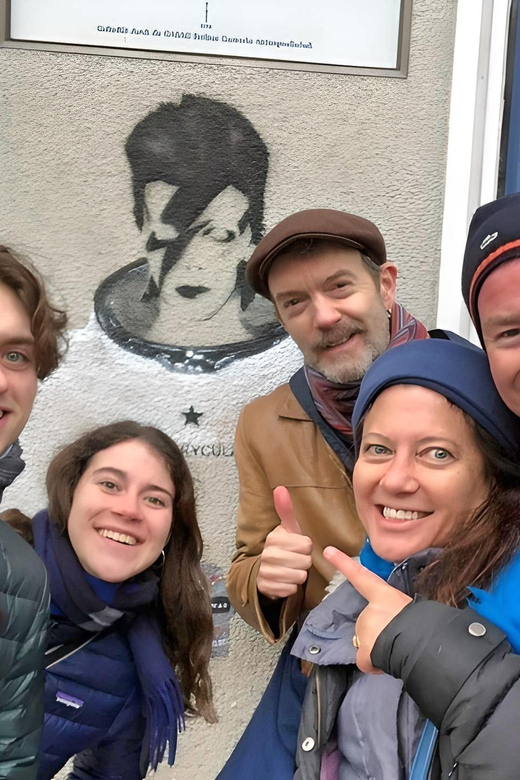
As the walk begins, you stop at Bertolt-Brecht-Platz and the Tränenpalast. These are not Bowie-centric in the way Hansa is, but that’s exactly why I like them for this tour. They help explain the atmosphere Bowie stepped into.
Tränenpalast, the Tears Palace, gives you a direct link to how the Cold War looked and felt for ordinary people. You do not need a politics degree to get why an artist would soak that in. In a city where borders and separation were real and visible, songs about distance and communication feel less abstract.
At Bertolt-Brecht-Platz, the setting supports the tour’s bigger point: Berlin was full of ideas and performance culture. That fits Bowie’s habit of turning art into a personal system. Even if you are mainly here for the music, these stops help you understand the atmosphere that made the Berlin trilogy click.
Anhalter Bahnhof and Martin-Gropius-Bau: Getting Oriented in the Bowie Map

You also pass through the area of Anhalter Bahnhof and visit Martin-Gropius-Bau. These stops work in two ways.
First, they help you get oriented in Berlin. After a tour like this, Berlin feels less like a pile of landmarks and more like a connected walkable story, even if you revisit only a few areas on your own later.
Second, they support the tour’s rhythm. The route isn’t only dramatic, it also gives you solid urban context. That’s useful because Bowie’s Berlin was not only clubs and studios. It was trains, buildings, and cultural institutions, all wrapped into a lived-in city.
If you are the type who likes to photograph architecture, these stops give you plenty to work with. The only drawback I see is that if you want every stop to be directly linked to Bowie’s name, you might feel a slight shift toward general Berlin history before the music landmarks show up.
Berlin on foot, a few more ways
- Berlin: Hidden Backyards Guided Walking Tour
★ 4.8 · 5,360 reviews - Third Reich Berlin: Hitler and WWII Walking Tour
★ 5.0 · 3,301 reviews - Berlin: Alternative Berlin Walking Tour
★ 4.6 · 1,204 reviews - Berlin: Third Reich, Hitler, and WWII Walking Tour
★ 4.9 · 1,133 reviews - Berlin: City Street Art Guided Walking Tour
★ 4.8 · 886 reviews
Topographie of Terror and the Wall: Why This Mood Shows Up in the Songs
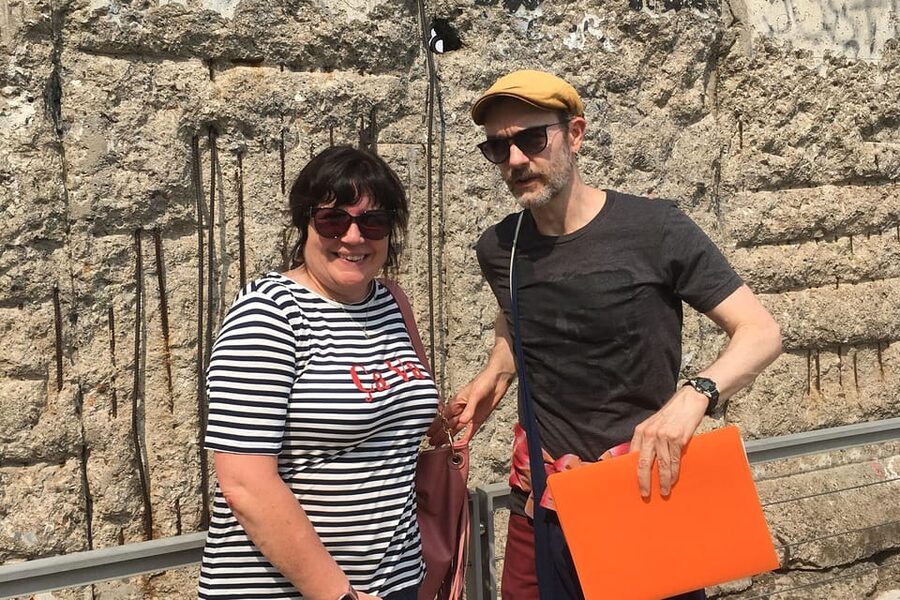
Topographie of Terror is a heavy stop, and the Wall area is part of the same weight. This is not a lighthearted Bowie stroll. The tour explicitly includes Topographie of Terror and also includes the Berlin Wall.
That matters for a music tour because Bowie’s Berlin records are often described in terms of feeling. But feelings come from real conditions. The Cold War anxiety, surveillance vibes, and sense of division are not just background noise. They help explain why the sound of Heroes feels like it is reaching for connection, while Low feels like it is thinking in shadows.
This part of the tour can be emotional. It also helps you avoid a common mistake: treating the Berlin trilogy as purely aesthetic. This route anchors the art in history.
Wear weather-appropriate clothing here. Berlin weather can change quickly, and you will be outside for segments of the story. Past participants specifically advised sturdy shoes and dressing for shifting conditions, which is smart because you are out for three hours with some transit.
Hansa Studios: The Album-Moment You Can Actually Touch
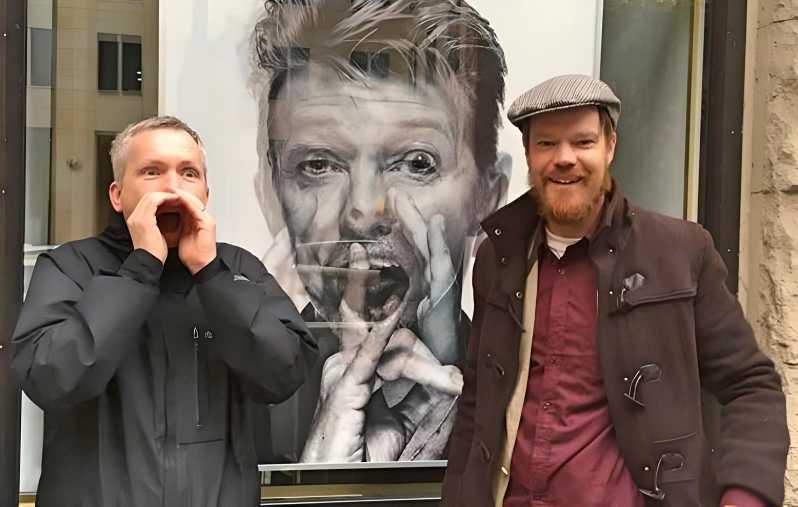
Then comes the reason many people book this tour: Hansa Studios. The tour includes a guided visit around Hansa recording studios, where Bowie’s music reached its creative peak in Berlin.
Even if you already know the legend, seeing a studio stop on your route changes your listening. It turns the songs from a tracklist into a place. You can stand there with the idea that the space itself helped shape what was recorded, how it sounded, and what kinds of experiments were possible.
If you’re a fan of Low and Heroes especially, this is the moment where the tour’s promise feels most direct. It’s also where the guide’s storytelling pays off. A good historian guide doesn’t just say facts about recordings. They connect the dots between a city, a studio environment, and the way Bowie produced work during that Berlin period.
I’d recommend taking a minute here to step back and listen to your own mental soundtrack. The guide may play excerpts and discuss context as you move, but you will also want a quiet pocket for your brain to absorb why this stop is central.
KaDeWe and Bahnhof Zoo: Everyday Berlin, High Style, and the Sound of Movement
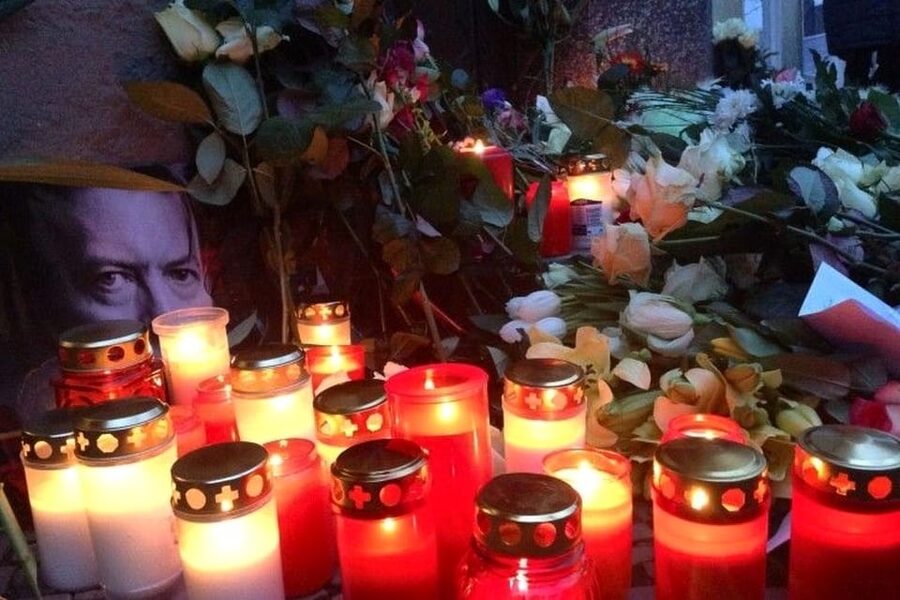
The tour also includes KaDeWe and Bahnhof Zoo (this lines up with the Zoo Station area where you start). These are different kinds of stops, and I think that contrast is a win.
KaDeWe gives you a sense of Berlin as a place with shopping, luxury, and public life. It makes the city feel real, not only theatrical and underground. In other words, Bowie’s Berlin wasn’t one genre. It was multiple layers living side by side.
Bahnhof Zoo brings you back to motion and meeting points. It helps reinforce the idea that Bowie’s days were part routine and part creative chase. This stop also keeps the tour grounded in geography, so you can later trace your own route through the city using what you learned.
One consideration: you are moving between major areas and doing some transit. That is practical, but it means you should keep an eye on timing. If you are hungry, plan a snack before the tour starts, because food is not included.
Clubs and Cafes, Including Neues Ufer Café: The Afterlife of a Song
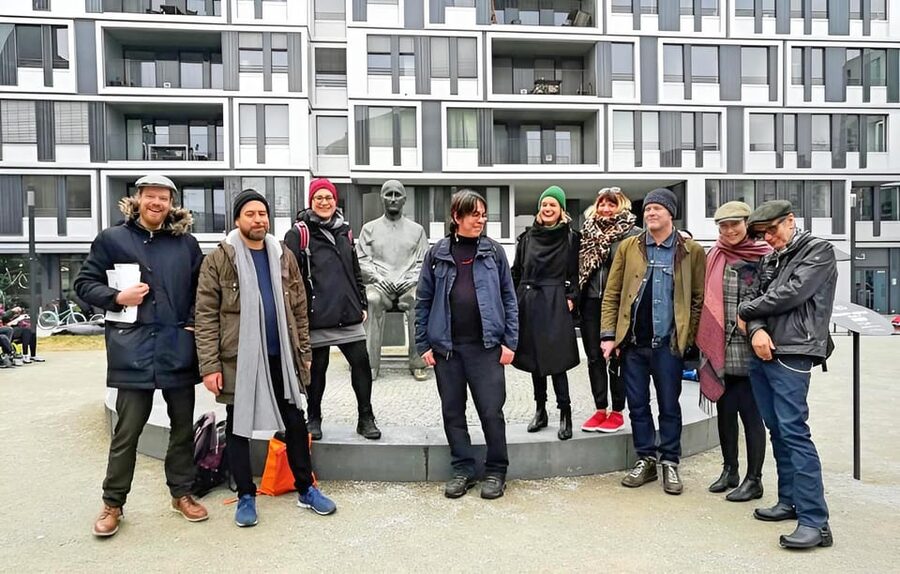
A big part of what makes this tour fun is that it leans into Berlin’s social life. The route includes stops tied to Bowie’s favorite clubs and cafes, including the former Dschungel Club and Neues Ufer Café.
This is where Bowie fans often feel they get their money’s worth. The places make the story feel lived-in. The tour helps you picture not just a studio session, but the late nights, the conversations, and the creative circles that made Berlin feel possible.
Neues Ufer Café is a particularly good ending-feeling stop because it is a place for lingering. The tour’s description includes Neues Ufer Café, and in practice this kind of stop is where guides tend to show photos and video clips to bring the era into focus. Past tours specifically mention the use of video clips and photos, plus album excerpts connected to places on the route.
I’d also add that this part of the tour is a good bridge if you are going next to other Berlin plans. After you see Bowie’s world in context, you will likely want to explore the surrounding neighborhoods on your own.
Guide Quality Makes or Breaks This Tour
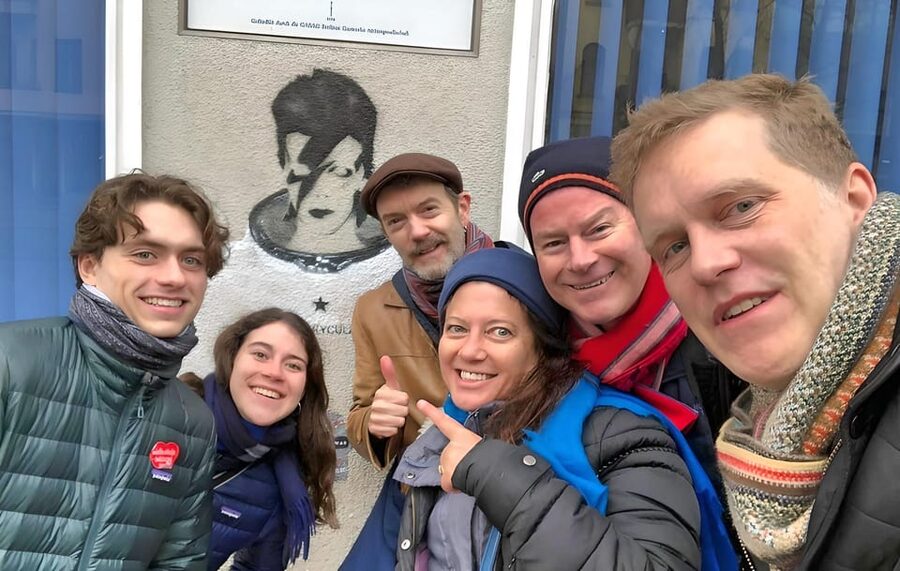
The tour is led by live guides who are historians. The tour info also says that professors, doctoral students, historians, journalists, art critics, and published authors act as guides, which gives you a sense of seriousness behind the storytelling.
From the guide examples that have appeared on past tours, names like Dan, Lee, Klaus, Ronen, Rachel, and Martin show up. That matters because the most praised experience is how the guide connects facts to music and to Berlin’s broader cultural shifts. Many participants highlighted that guides were friendly, humorous, and able to give lesser-known facts, not only the famous headlines.
If you like interactive tours, you will probably enjoy this one. Several accounts describe the guide engaging people with questions and using music excerpts to link directly to the places you are seeing.
This is also where the “historian guide” part becomes practical. You get context for what you see, so you can navigate the rest of Berlin with better instincts.
Price for $135: Is It Worth It for a 3-Hour Bowie Walk?
At $135 per person for a 3-hour tour, you are paying for three things: expert narration, a tight route that hits both music and Cold War context, and a format that saves you time.
Could you build a DIY Bowie map? Sure. But DIY has two problems. You might find locations, yet you often lose the connections that make the albums feel coherent. And without a guide, it is harder to decide what order to see sites in so the story stays understandable.
The tour is also not purely walking. It uses public transport several times because the distances between key sites can be too far to walk. That is part of the value. You spend your time hearing the story instead of charting a route between disconnected points.
Also consider what’s not included. Public transport ticket is not included, and food and drink are not included. If you budget for those, the price starts to look more reasonable as a guided cultural experience rather than a cheap city stroll.
If you are a big Bowie fan and you want the Berlin trilogy tied to real places, this price usually feels in line with what you are getting.
Logistics That Actually Matter: Transit Pass, Time, and Shoes
Plan for transit. The tour info says you need to use public transport a few times since some sites are too far to walk. If you do not already have a visitor transit pass, it is advised to buy a day metro pass. If you cannot purchase it in advance, the guide will help you buy it at the first metro station on the tour.
Also plan for weather. Even with transit, you will spend time outdoors. Past participants recommended sturdy, supportive footwear and dressing for Berlin’s inclement weather, which is great advice. Bring layers.
Meeting point: you meet at Ständige Vertretung, a memorabilia-filled café. Address is Schiffbauerdamm 8, 10117 Berlin. Pickup can depend on the selected option, but this address is the fixed anchor for meeting.
If you want photos, come ready. This route covers both architecture and atmosphere, so your phone storage might run fast. Keep your charging cable handy if you tend to shoot a lot.
Who Should Book This Bowie Berlin Tour?
Book it if you fit one of these profiles.
- You love Bowie’s Berlin trilogy and want the places behind Low, Heroes, and Lodger tied to the city’s mood.
- You like history that connects to culture, not history that stays in lecture mode.
- You enjoy guided storytelling that uses photos, video clips, and album excerpts to connect sound to location.
- You want a route that covers major Cold War touchpoints plus music-world stops, all in one half-day package.
You might think twice if you hate public transport segments during walking tours, or if you only want very direct, name-only Bowie locations. This route spends time on broader Berlin context because that is part of how the Bowie Berlin story makes sense.
Should You Book This Bowie Berlin Walking Tour?
Yes, if you want a guided route that turns Bowie’s Berlin into something you can picture while listening. The biggest reason to book is the combination: Hansa Studios, the Iggy Pop flat connection, and Bowie-linked clubs and cafes, all paired with Topographie of Terror and the Wall area so the emotional tone lands.
If you’re on the fence, use this quick filter: do you want a story that links the music to the actual city conditions? If yes, this tour is a strong use of a 3-hour window. If you only want shopping for Bowie trivia without the Cold War context, you may find parts of the route less satisfying.
FAQ
How long is the Berlin David Bowie walking tour?
It lasts 3 hours.
Where do I meet the tour?
The meeting point is Ständige Vertretung, Schiffbauerdamm 8, 10117 Berlin.
Is the tour in English?
Yes, the live tour guide speaks English.
Do I need a public transport ticket?
A public transport ticket is not included. The tour notes you will use public transport a few times, so plan for a day metro pass if you do not already have one.
Is hotel pickup included?
Hotel pickup and drop-off are not included.
What is included in the tour price?
The tour includes a 3-hour guided experience with a historian guide.
Can I cancel if my plans change?
Free cancellation is available up to 24 hours in advance for a full refund.
More Tours in Berlin






Keep Walking Berlin



More Tour Reviews in Berlin
Recently added around Berlin




Berlin Walking Tours, compared.
 ★ 5.0Discover Berlin Half-Day Walking TourFrom $249,624 reviews
 ★ 4.9Third Reich and Cold War 2 Hour Walking TourFrom $236,830 reviews
 ★ 4.9Discover Berlin Walking TourFrom $235,998 reviews
 ★ 5.0Berlin’s Best: 2 Hour Walking Tour Third Reich and the Cold WarFrom $245,486 reviews
 ★ 4.8Hidden Backyards Guided Walking TourFrom $235,360 reviews
 ★ 5.0Third Reich Berlin: Hitler and WWII Walking TourFrom $243,301 reviews
 ★ 4.6Alternative Berlin Walking TourFrom $291,204 reviews
 ★ 4.9Third Reich, Hitler, and WWII Walking TourFrom $201,133 reviews
Browse the lists this tour appears in