

Tour review · BERLIN MUSEUMS & ATTRACTION TICKETS
Berlin: Deutschlandmuseum – Flexible Entrance Ticket
Two thousand years, told with your hands and ears. In Berlin’s Deutschlandmuseum, you go through historical turning points from twelve eras, starting with the Battle of Varus and ending in 2006, using interactive media plus period displays.
What I like most is the museum’s hands-on way of teaching. You do not just read and look, you experience scenes through interactive elements and historical staging that aim to engage all your senses. A second big plus is that the information is approachable, even for kids, with history explained in an easy, lively way. The one catch is that it is not designed for ultra-deep, academic detail, and if the museum is busy it can feel crowded.
Key highlights at Deutschlandmuseum (Flexible Entrance, Berlin)
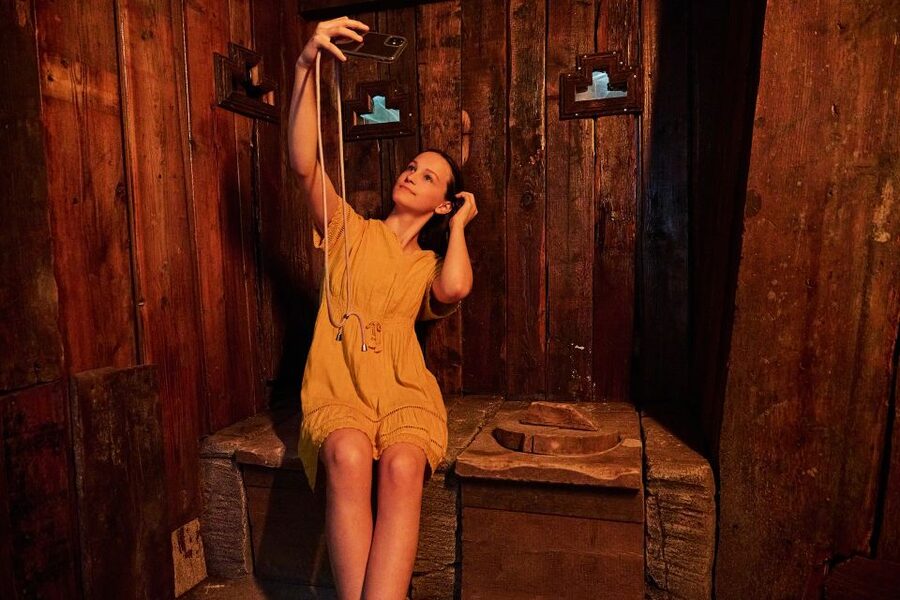
- Interactive stages across 12 eras that keep you moving through German history in a clear timeline
- Period exhibits paired with interactive media, so you learn by doing, not just reading plaques
- Skip-the-line entry using a separate entrance, plus no pre-registration required
- Family-friendly atmosphere, with history made easier to grasp
- Fun factor built into the storytelling, not a stuffy museum vibe
- Expect an approachable overview, not the most detailed scholarly history you can find
Other Berlin museums and landmark entries worth reserving
- Berlin: Berlin Story Bunker Entry Ticket★ 4.6 · 6,759 reviews
- Berlin: Illuseum Berlin Entrance Ticket★ 4.1 · 3,970 reviews
- Berlin: Madame Tussauds Admission Ticket★ 4.6 · 3,941 reviews
- Berlin: Natural History Museum Entrance Ticket★ 4.6 · 3,382 reviews
Deutschlandmuseum in Berlin: What 2,000 Years Looks Like on One Ticket

Deutschlandmuseum is built for one goal: help you understand German history by walking through it. On a 1-day visit, you cover historical turning points spanning roughly 2,000 years, guided by a sequence of staged scenes for twelve eras.
This is not the kind of museum where you sit in one room and read long panels. The setup is designed for action and participation. You pass from one era to the next, and each space includes historical exhibits from its time period, plus interactive media. The point is to make the timeline feel real, so the stories stick faster.
If you like museums that feel like stories you can move through, you will probably enjoy this. If you want a lecture-style deep dive with footnotes and long-form analysis, you may find it too approachable. One review summed up the vibe well, saying it does not go into the deepest history, but it is vivid, interesting, and varied.
Twelve Eras, Starting at Varus and Ending in 2006
The museum’s timeline begins with the Battle of Varus and runs forward through twelve eras of turning points, finishing with the 2006 summer fairy tale. That range matters because it lets you build a single mental line from ancient Rome-era conflict to modern-era cultural memory.
As you move through, you are looking at depictions of important moments in German history. What makes the experience feel different is that you are not asked to treat each period like a random fact. Instead, the eras are presented as steps in a chain, with historical displays from each time period and interactive media that help you connect what came before with what comes after.
A practical way to approach this: plan to give yourself time to actually slow down in the interactive parts. The museum is designed for attention, and the learning method works best when you do not just rush through the scenes to reach the last era.
Also, the timeline is wide. When you cover that much history in one day, the museum naturally prioritizes the most important moments. That is great for getting your bearings fast. It is just not the best fit if you want dense detail on every single event.
Interactive Staging and Period Exhibits: Why It Works for Learning
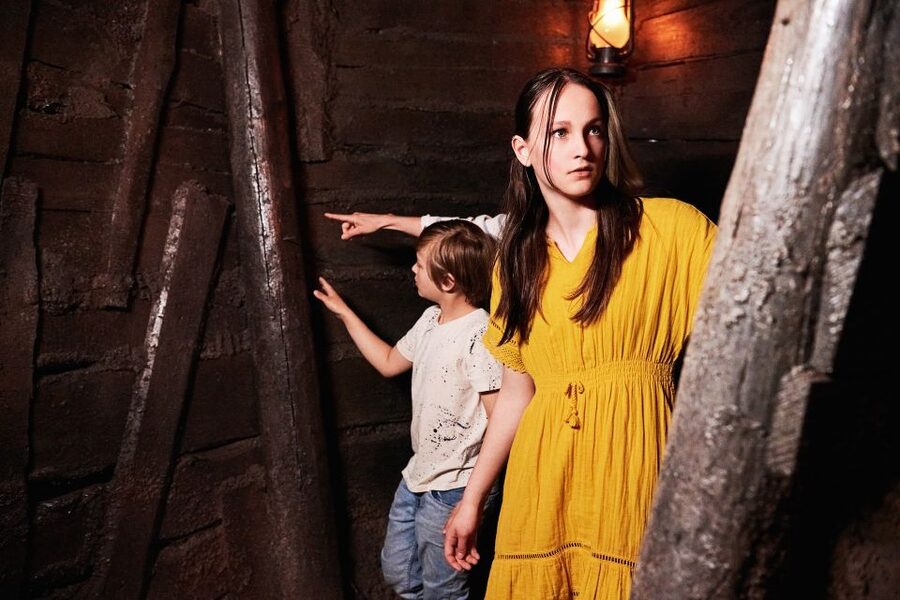
One reason Deutschlandmuseum gets good marks is the mix of staging and historical exhibits. You see scenes that represent turning points, and those scenes are supported by objects and displays from the period being shown. That combination helps your brain connect the story to visual cues that feel specific to that era.
Then comes the interactive media. This matters because it shifts you from passive reading to active figuring-out. Instead of treating history like a list, you treat it like a set of experiences you can respond to. The museum’s idea is a new way of knowledge transfer, and you feel that in how the spaces are built.
I find that this style helps when you are traveling and your schedule is tight. Berlin has no shortage of museums, and you cannot spend hours on every topic. If you want a museum that still has impact without requiring a full research day, this is a strong contender.
The other “learning” win is the way the museum aims to use all your senses. You get more than sightlines and reading. Even when you are not doing something physical, the design encourages you to focus on details in a more lived-in way.
Going Beyond the Basics Without Feeling Like School
If you are deciding whether this is worth your time, it helps to understand what kind of history experience you are buying. Deutschlandmuseum is meant to be engaging and fun, not strictly formal.
The better reviews point to a presentation that is easy to follow and varied. One comment even highlighted a nice atmosphere for children, with history explained simply. That tells me the museum is built to meet mixed audiences where they are, instead of only appealing to hardcore history students.
Here is the balanced truth: because it covers twelve eras and focuses on turning points, it cannot cover everything deeply. One review explicitly said it does not go into history in the deepest way, even though it is visually engaging and interesting. So treat it as an overview you can emotionally connect to, not as your only source for scholarly depth.
Other Berlin museums and landmark entries worth reserving
- Berlin: Charlottenburg Palace Entry Ticket
★ 4.4 · 2,076 reviews - Skip-the-Line: Berlin Wall Museum at Checkpoint Charlie
★ 4.1 · 2,041 reviews - Berlin: Museum Island Multiple Museum Entry Ticket
★ 4.4 · 2,007 reviews - Berlin: Interactive DeJa Vu Museum Entrance Ticket
★ 4.1 · 1,338 reviews - Berlin: “Pergamonmuseum. The Panorama” Exhibition Tickets
★ 4.6 · 1,245 reviews
Your Best Visit Plan for a 1-Day Ticket
You do not need a complicated itinerary here, but a little strategy helps. Aim to pick a calmer time if you can, because one review complained that it was too full and that it was not enjoyable. That suggests there are busier periods where the atmosphere gets less relaxed.
When it feels crowded, you can still make it work. Do this:
- Slow down at the interactive areas, and move quickly through the rest if you need breathing room
- Prioritize the eras that interest you most, then backfill as you have time
- Plan for a museum that takes attention, not just walking
Also, because the museum covers such a long timeline, you will get more out of it if you approach it like a story. Instead of memorizing dates, focus on what changes across eras. The museum is designed to show turning points, so look for the moments where things shift.
Price and Value for $30 in Berlin: What You Get
At $30 per person, you are paying for more than entry to a museum room. The value here comes from three practical features.
First, you get entry to Deutschlandmuseum. Second, the ticket includes no waiting in line, with skip-the-line access via a separate entrance. Third, you get flexibility: you can have a flexible appearance without pre-registration, and the ticket is valid for 1 day.
That combination is what makes it feel worth it for many visitors. Berlin attractions can be time-consuming, especially when you are juggling trains, meals, and other museum slots. If you arrive and the lines eat your day, your plan can unravel. Here, the separate entrance helps you keep your schedule intact.
Now for the honest part. If your main goal is deep, graduate-level detail on German history, $30 might feel like a lot for an overview. But if your goal is to understand the big turning points, in a way that feels alive, then it is easier to justify the cost.
Who This Experience Suits Best

Deutschlandmuseum fits best when you want a history experience that is active, visual, and easier to digest.
You will likely enjoy it if:
- You like interactive museums more than text-heavy ones
- You want a clear timeline across many eras in a single day
- You are traveling with mixed ages, since one review specifically mentioned a nice atmosphere for children
- You want something fun that still teaches you facts and context
It may not be the best match if:
- You want deep historical analysis on every topic
- You prefer museums where every room is quiet and uncrowded
Should You Book Deutschlandmuseum?
Yes, you should book Deutschlandmuseum if you want an approachable, engaging way to get your head around German history across twelve eras, without sacrificing a whole day to planning. The museum’s interactive design and period-supported staging make it a smart use of travel time, especially with skip-the-line entry and flexible arrival.
Hold off if you are chasing the most academic level of detail, or if you know you dislike crowded indoor spaces. In that case, you may feel rushed or boxed in.
If you are unsure, use this quick rule: you will probably love it if you want history you can experience. You will probably pass if you want history you can only absorb from long-form scholarship.
FAQ
How long is the Deutschlandmuseum visit?
The ticket is valid for 1 day.
Where is Deutschlandmuseum located?
It is in Berlin, Germany.
Is there a line to wait in?
The ticket includes no waiting in line, with skip-the-line access via a separate entrance.
Do I need to pre-register for a specific time?
No. The ticket offers flexible appearance without pre-registration, though you should check availability to see starting times.
Is the museum wheelchair accessible?
Yes, it is listed as wheelchair accessible.
Is there free cancellation?
Yes. You can cancel up to 24 hours in advance for a full refund.
Can I reserve and pay later?
Yes. You can reserve now and pay later.
What time period does the museum cover?
The museum covers German history across twelve eras, starting with the Battle of Varus and ending with the 2006 summer fairy tale.
More Berlin Museums & Tickets






More Berlin Museums & Tickets
More Tour Reviews in Berlin






Recently added around Berlin





Berlin Museums & Attraction Tickets, compared.
 ★ 4.5Jewish Museum Berlin Entrance TicketFrom $08,393 reviews
 ★ 4.6Berlin Story Bunker Entry TicketFrom $216,759 reviews
 ★ 4.1Illuseum Berlin Entrance TicketFrom $183,970 reviews
 ★ 4.6Madame Tussauds Admission TicketFrom $253,941 reviews
 ★ 4.6Natural History Museum Entrance TicketFrom $123,382 reviews
 ★ 4.5Potsdam: Sanssouci Palace and Prussian Palaces Entry TicketFrom $252,101 reviews
 ★ 4.4Charlottenburg Palace Entry TicketFrom $222,076 reviews
 ★ 4.1Skip-the-Line: Berlin Wall Museum at Checkpoint CharlieFrom $212,041 reviews
Browse the lists this tour appears in