
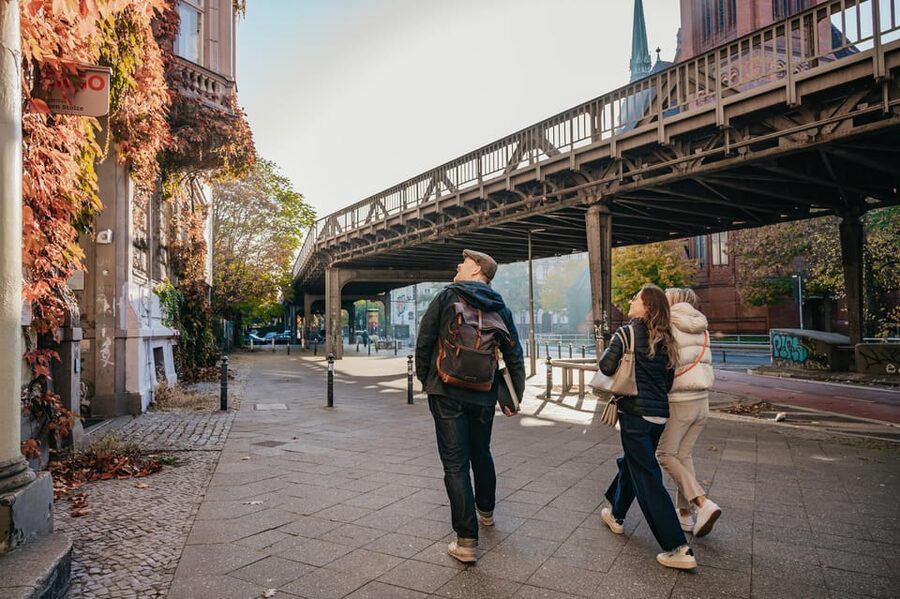
Tour review · BERLIN WALKING TOURS
Berlin: Gay Berlin Out in Schöneberg Walking Tour
Schöneberg remembers, street by street. This 2.5-hour gay Berlin walking tour traces how Nationalhof activism and nightlife shaped queer life, then points you at El Dorado on Motzstraße where legends turned into everyday culture. The only real catch is that it is a walking tour, so plan for time on your feet and bring layers if weather is messy.
I like how the guide, Tobias, uses strong storytelling and visual aids like archive pictures and text, not just street names and dates. Expect a good mix of humor, context, and personal touches, with a pace that makes room for questions and occasional comfort stops. With a 4.8 rating from 281 reviews, it is one of the steadier bets if you want a grounded primer to queer Berlin without it feeling like a lecture.
Key points I’d prioritize before you go
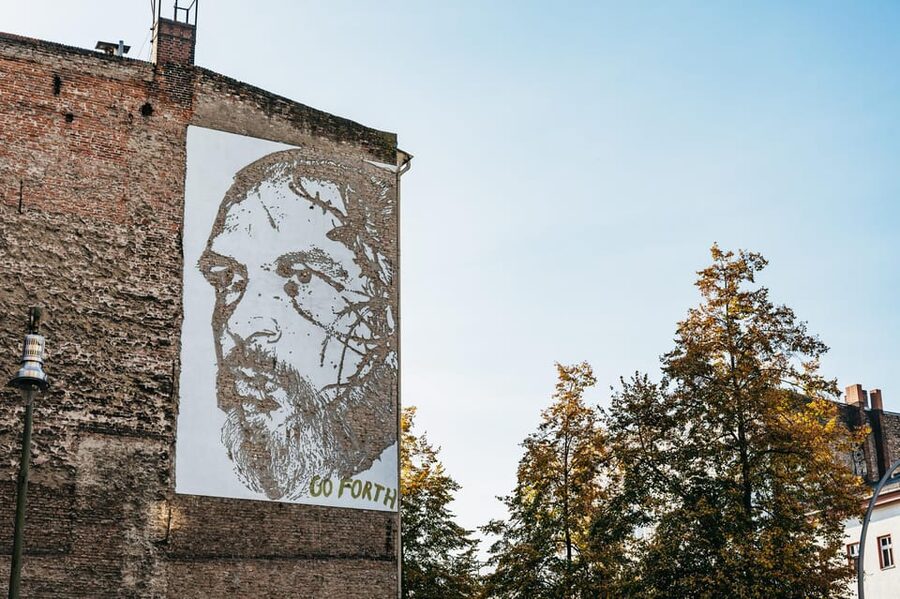
- Schöneberg’s queer “centers of gravity” on Nollendorfplatz, Motzstraße, and the surrounding streets
- Nationalhof and El Dorado as two anchors for early activism and famous nightlife
- Interwar years context, from the end of World War I to the Nazi rise in the early 1930s
- A direct line to the 1960s revival, including West Berlin’s only gay district and what that changed
- Christopher Isherwood’s former home on Nollendorfstraße, for culture and activism overlap
- Lesbian quarter and today’s street life, including Schwerin Straße and Eisenacher Straße
Berlin on foot, with a few more routes worth comparing
- Discover Berlin Half-Day Walking Tour★ 5.0 · 9,624 reviews
- Berlin: Third Reich and Cold War 2 Hour Walking Tour★ 4.9 · 6,830 reviews
- Berlin: Discover Berlin Walking Tour★ 4.9 · 5,998 reviews
- Berlin’s Best: 2 Hour Walking Tour Third Reich and the Cold War★ 5.0 · 5,486 reviews
Schöneberg at street level, why this walk feels different
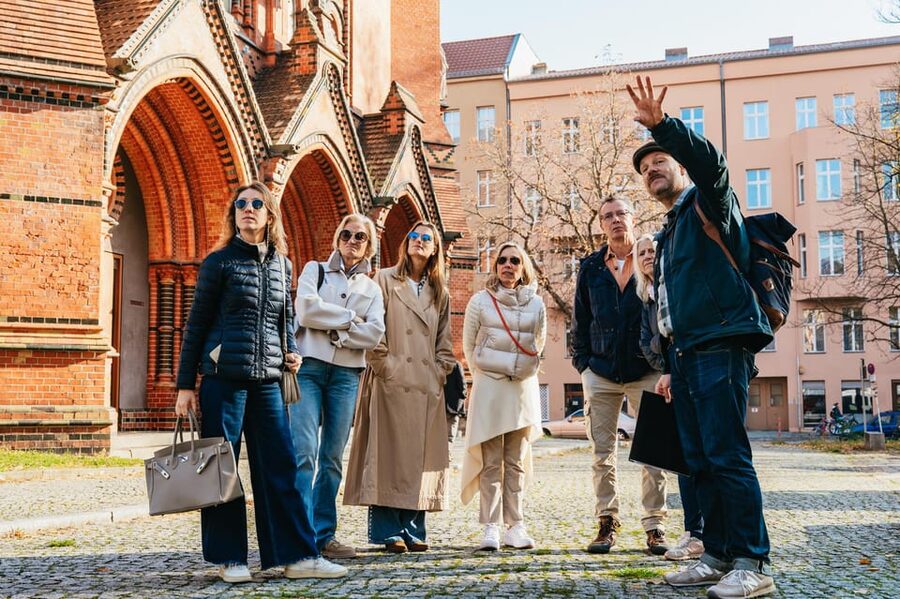
Berlin’s queer history is not hidden, but it is easy to miss if you only look for obvious landmarks. This walking tour is built around the geography of Schöneberg, especially the area around Nollendorfplatz, so you start seeing how people used to meet, perform, lobby, and live in specific blocks.
What I like most is how the story moves in real time through places you can still stand in front of. You are not just hearing a timeline. You are mapping it onto the city, so the interwar scene, the crackdown era, and the later West Berlin resurgence feel connected instead of like separate chapters.
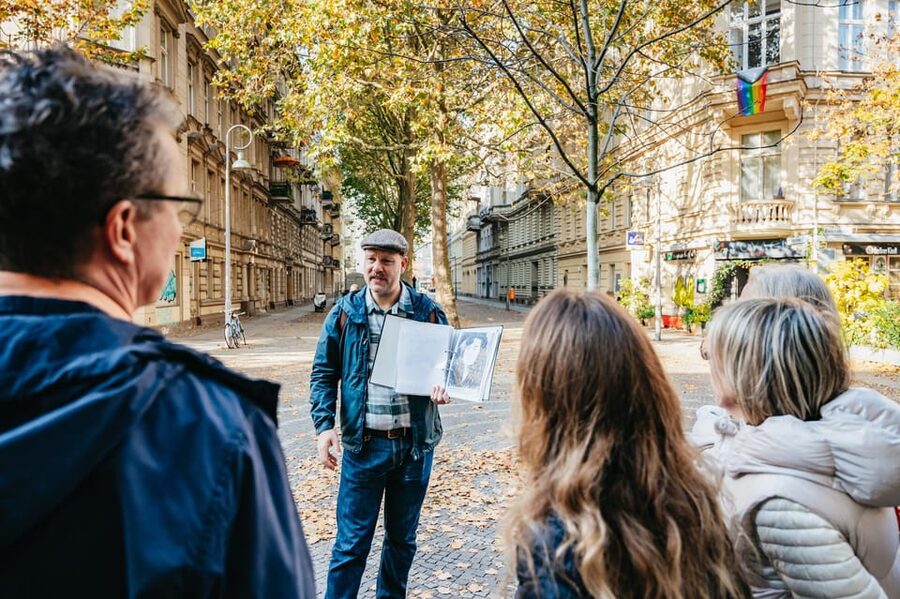
And yes, the guide matters. Tobias is repeatedly praised for delivering details with the right tone, including humor, and for using archive images and text to add texture. If you want a tour where the guide reads the room and adjusts when you need questions answered, this one fits that style.
Starting around Nollendorfplatz, setting the tone fast
Most people come into this part of Berlin thinking of it as a normal neighborhood. That is exactly why the start works. The tour begins around Nollendorfplatz, where you can understand why Schöneberg became one of the most famous queer neighborhoods in the world.
From the beginning, you get a sense of the area as a hub rather than a random cluster of venues. The guide frames Schöneberg’s rise across eras, from the post-World War I years into the early 1930s, when political pressure tightened and the public space queer people relied on was under threat.
Practical note: the meeting point may vary depending on the booking option. If you want to avoid stress, check your exact pickup spot ahead of time and arrive a few minutes early, especially if you are traveling across Berlin by transit.
Nationalhof: where early queer rights energy took form
The tour’s centerpiece for early activism is the Nationalhof location. Even if you have heard the term before, standing at the site is a different experience than reading about it. It helps you understand how rights movements often grow out of social spaces, not just courtrooms and speeches.
You learn how the interwar years shaped queer organizing, and you connect that to the broader political atmosphere leading into the early 1930s. That matters because it prevents the story from becoming romantic or simplified. The neighborhood was not just entertainment. It was also a place where identity, community, and demands for equality started to take a more organized public shape.
One drawback to consider: the topic includes periods that are historically heavy. The guide is described as sensitive about what he covers, but you should still mentally prepare for moments that may feel uncomfortable. If you like your history light and purely celebratory, this tour may not be that.
Motzstraße and the El Dorado cabaret legacy
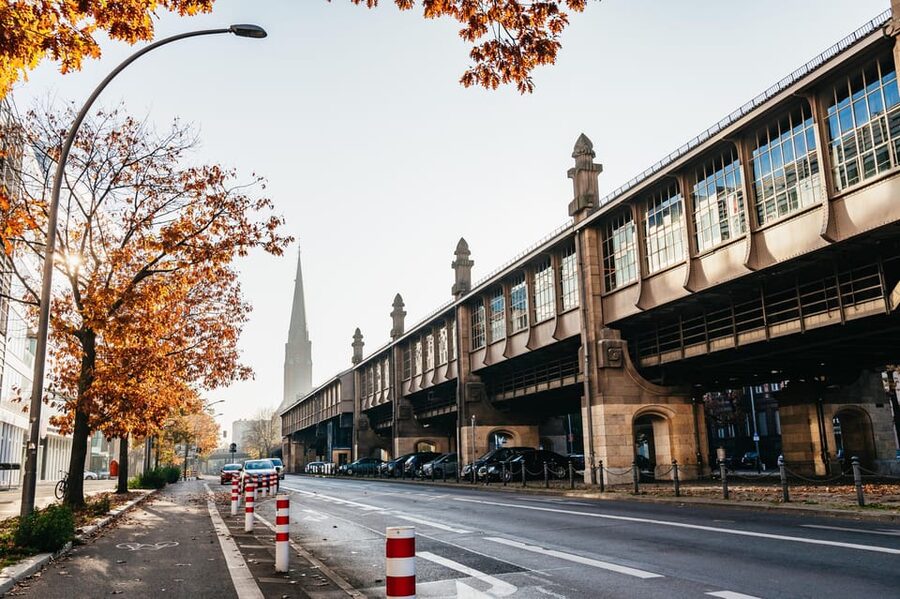
On Motzstraße, the tour points you to the site of the famed El Dorado cabaret club. This is where Berlin’s queer nightlife history becomes tangible.
Cabaret culture was not only about shows. It was also about coded expression, visibility, and the social rituals that let people find each other. Walking to the El Dorado reference point, you can almost feel why these venues mattered, especially in the years when public life was less predictable and identities had to be negotiated in view of politics and policing.
I also like how the tour keeps the nightlife story connected to the larger social timeline. You are not being asked to remember a list of clubs like souvenirs. Instead, you learn how interwar nightlife, queer community leadership, and later political shifts created the conditions for the neighborhood’s resurgence.
Berlin on foot, a few more ways
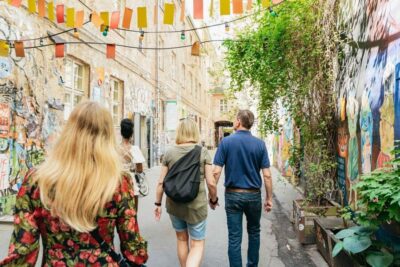
- Berlin: Hidden Backyards Guided Walking Tour
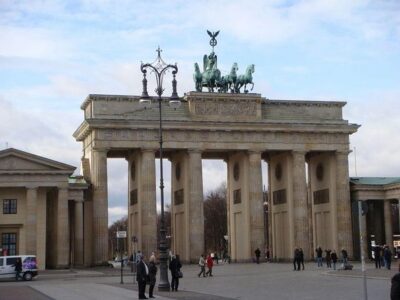
★ 4.8 · 5,360 reviews - Third Reich Berlin: Hitler and WWII Walking Tour
★ 5.0 · 3,301 reviews - Berlin: Alternative Berlin Walking Tour
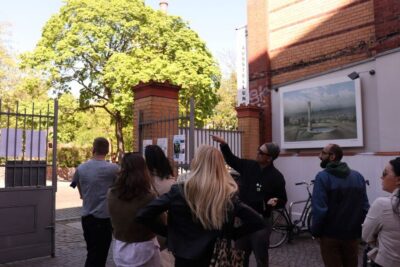
★ 4.6 · 1,204 reviews - Berlin: Third Reich, Hitler, and WWII Walking Tour
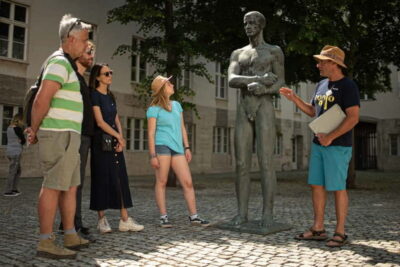
★ 4.9 · 1,133 reviews - Berlin: City Street Art Guided Walking Tour
★ 4.8 · 886 reviews
The Hollandais club, Kleist Casino, and the neighborhood map in your head
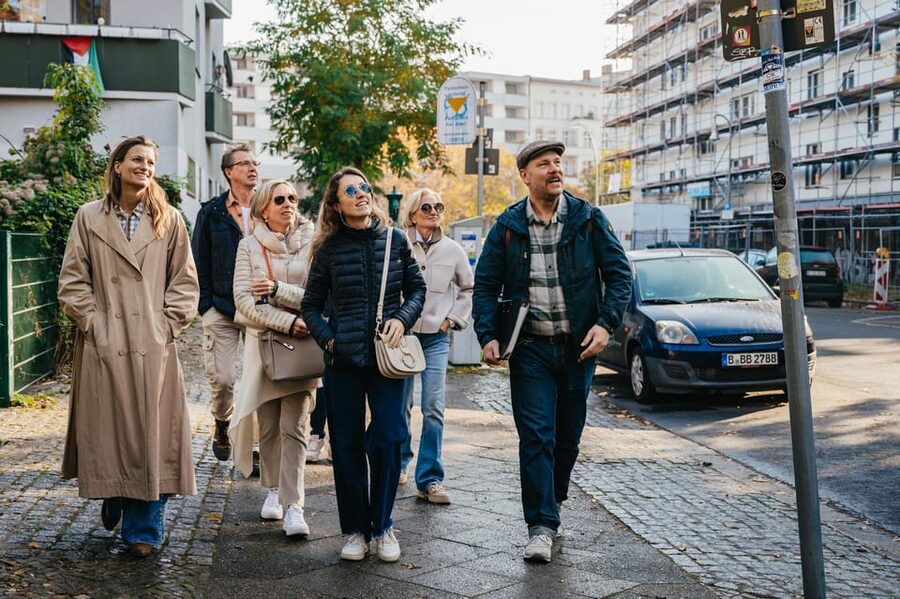
This walk gives you the kind of street-level understanding that helps long after the tour ends. You visit or reference key locations tied to the queer scene, including the Hollandais club and the Kleist Casino, plus other relevant stops in the surrounding streets.
What you get here is a functional map. You start recognizing that venues often sat near each other for practical reasons: visibility, transit access, and the ability for community members to gather in a familiar environment. Later on, that same spatial logic helps you understand why Schöneberg could re-emerge as the area people associated with queer nightlife and meeting points again in the late 1960s.
A small consideration: since this is a guided walk, you will get the most out of it if you come with curiosity and the willingness to ask questions. If you prefer to explore entirely self-paced with minimal talking, you may find yourself wanting more time at fewer stops. But the tour’s length and structure aim to balance talking with actually looking at buildings.
Christopher Isherwood on Nollendorfstraße, where literature meets activism
One of the tour’s standout stops is the former home of novelist Christopher Isherwood on Nollendorfstraße. His role comes through less as trivia and more as a bridge between culture and the Gay Liberation movement.
Isherwood is one of those figures whose work helped shape how many people thought about sexuality and identity in public life. The tour frames his presence in the neighborhood as part of the wider ecosystem: writers, performers, activists, and everyday community life all influencing each other.
If you are someone who likes to connect history to art, this stop is for you. It helps explain why queer history in Berlin is not only about clubs and rights organizing. It is also about how stories changed people’s understanding.
The 1960s resurgence and West Berlin’s only gay district
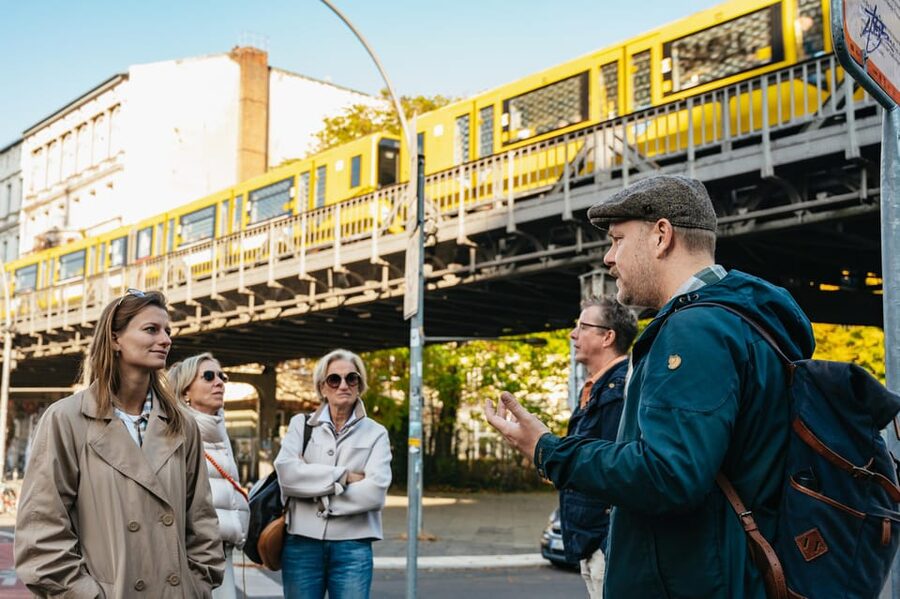
A major emotional shift in the tour comes when it moves into the post-1960s era. You learn how the area began to bloom again as West Berlin’s only gay district from the late 1960s up to the present day.
This part matters because it turns your attention from a single “era snapshot” into a long arc. Instead of treating the interwar years as the whole story, the tour shows how the neighborhood’s identity survived, adapted, and reasserted itself.
You also get language and framing around how community spaces returned and became part of daily life rather than only special nights out. That is one reason the tour feels relevant even if you are visiting decades later.
Schwerinstraße and the lesbian quarter, then Eisenacher Straße today
The walk continues with stops that point out the lesbian quarter on Schwerin Straße, then moves through Eisenacher Straße, which still reflects the varied life of the neighborhood.
I like this approach because it prevents the tour from turning into a single-narrative focus on male-centered nightlife. Even within the information provided, the tour is designed to show that queer community life is plural, with different spaces and different social rhythms.
And because it includes today’s street fabric, you leave with a stronger sense of what “continuity” looks like. You are not only thinking about the past as something locked behind glass. You are seeing how people live around these places now.
How Tobias delivers it, and why that makes the tour worth $23
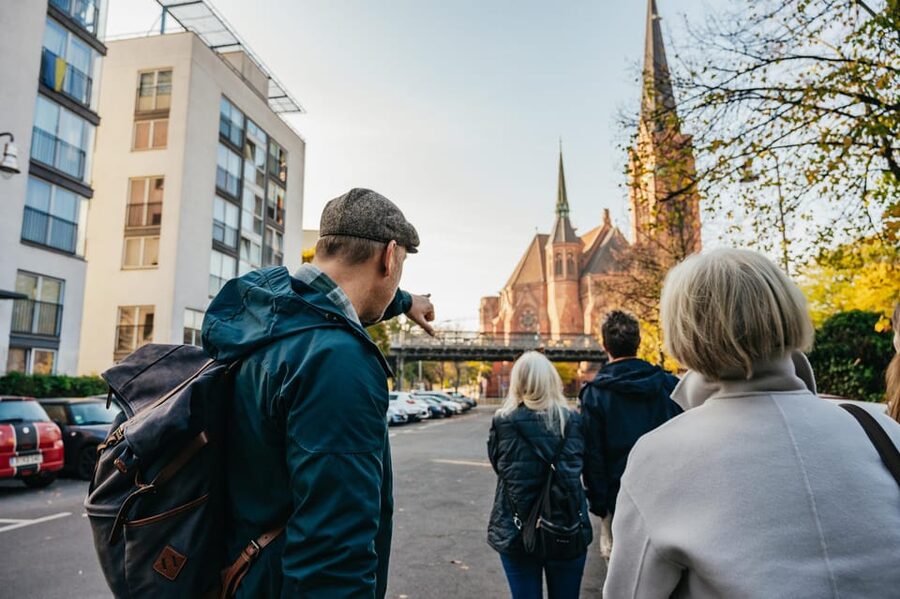
At $23 per person for a 2.5-hour walking tour, the value is strong when you factor in what is actually included: the walking tour plus a live guide. Food and drinks are not included, so you do want to plan for that if you are touring at meal time.
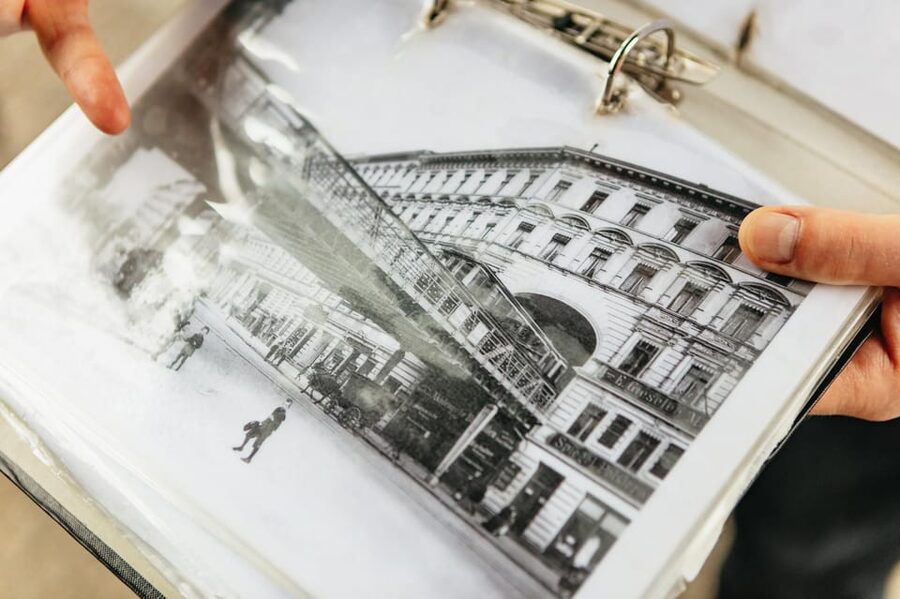
But the better question is what you get beyond the basics. The guide is widely praised for in-depth knowledge of Berlin gay history, for an engaging mix of facts and humor, and for personal anecdotes that make the story feel less like a script. There are also repeated mentions of using archive pictures and text, which helps you picture what the streets looked like when these spaces were active.
That matters for your experience. With a tour like this, you are paying for interpretation. You want someone who can turn locations into meaning. Tobias seems to do that consistently, and the pacing fits the goal: enough time to take in architecture and street details, plus comfort stops so it does not feel like a marathon.
Pacing, questions, and a heads-up for rainy days
This tour is rated as a comfortable 2.5 hours, with time to walk, stand, and absorb architecture. Reviews mention opportunities to ask questions, comfort stops, and the guide adapting when transport runs late. Another theme is that Tobias adjusts the experience for conditions like freezing weather and uses it as an occasion to keep people comfortable.
Still, this is Berlin. Bring a rain layer just in case. Even if the tour is well organized, the street-level nature of it means you will be outside for the duration.
One small caution from past experiences: if you plan to ask extra questions at the end, do not wait until the final seconds. Some travelers felt that the tour’s ending could be abrupt when questions remained. Your best move is to ask as you go and again right near the end, while the guide is still in full explanation mode.
Who should book this Schöneberg queer history walking tour
This tour is a good match if you want:
- A structured queer history primer for Berlin that does not stop at one era
- A guide who connects locations to activism and nightlife, not just names and dates
- An experience that includes both the interwar scene and the later West Berlin resurgence
- An opportunity to learn about places tied to culture, including Christopher Isherwood
It may be less ideal if you want a quiet stroll with minimal guiding, or if you prefer broad city highlights over neighborhood depth. Also consider your own comfort with history that touches on oppression and political violence. The tone is described as sensitive, but the content still covers real realities.
On the plus side, the tour is listed as wheelchair accessible, and it runs with a live guide in German and English. If you have mobility needs, confirm practical details with the provider ahead of time so the route works for your comfort.
Should you book Gay Berlin Out in Schöneberg?
If you are choosing between a quick “just show me the sights” walk and something that helps you understand why Schöneberg became such a symbolic place, I’d lean toward booking this one. The $23 price feels fair because the tour is doing real work for you: it turns street corners into story, and it guides you through a long arc of queer community life.
Book it especially if you care about:
- Nationalhof and the idea of early organized queer rights energy
- The legacy of El Dorado on Motzstraße
- A thoughtful route that includes both nightlife history and later community life on Schwerin Straße and Eisenacher Straße
- A guide like Tobias who uses archive visuals and keeps the tone engaging
If you dislike walking or you need frequent seated time, you might want to consider whether a 2.5-hour outdoor format will be easy for you. Otherwise, this is a strong way to get your bearings in queer Berlin, on foot, with a guide who clearly loves the subject and can explain it without getting lost in jargon.
FAQ
How long is the Berlin Gay Berlin Out in Schöneberg walking tour?
It lasts 2.5 hours.
How much does the tour cost?
The price is $23 per person.
Is food or drinks included?
No. Food and drinks are not included.
What languages is the tour offered in?
The live tour guide offers German and English.
Is the tour wheelchair accessible?
Yes, the tour is listed as wheelchair accessible.
Where do I meet for the tour?
The meeting point may vary depending on the option booked.
Can I cancel for a refund?
Yes. Free cancellation is available up to 24 hours in advance for a full refund.
Can the tour be arranged for special dates or times for a group?
Yes. Special dates, times, and meeting points can be arranged for your group if you contact the provider and share the details.
More Tours in Berlin




Keep Walking Berlin



More Tour Reviews in Berlin
Recently added around Berlin


Berlin Walking Tours, compared.
 ★ 5.0Discover Berlin Half-Day Walking TourFrom $249,624 reviews
 ★ 4.9Third Reich and Cold War 2 Hour Walking TourFrom $236,830 reviews
 ★ 4.9Discover Berlin Walking TourFrom $235,998 reviews
 ★ 5.0Berlin’s Best: 2 Hour Walking Tour Third Reich and the Cold WarFrom $245,486 reviews
 ★ 4.8Hidden Backyards Guided Walking TourFrom $235,360 reviews
 ★ 5.0Third Reich Berlin: Hitler and WWII Walking TourFrom $243,301 reviews
 ★ 4.6Alternative Berlin Walking TourFrom $291,204 reviews
 ★ 4.9Third Reich, Hitler, and WWII Walking TourFrom $201,133 reviews
Browse the lists this tour appears in