
Tour review · BERLIN MUSEUMS & ATTRACTION TICKETS
Berlin: Museum Island Tour
Museum Island gets a human-sized intro. I love the walk between the romantic columns of the Colonade Courtyard, and I love the story of the Grantschale, the largest granite dish in the world. In just two hours, you get a guided sense of where everything is, why these buildings matter, and how Berlin’s bigger story shaped what you see today.
One heads-up: museum entry is not included, other than entrance halls, so you will still need tickets if you want to go deep into the collections.
Key highlights I’d plan around
- Colonade Courtyard columns that make the island feel cinematic, even before you hit the museums
- The Grantschale story and why this one object has real cultural weight
- Seven museum stops across Museum Island and its surrounding landmark buildings
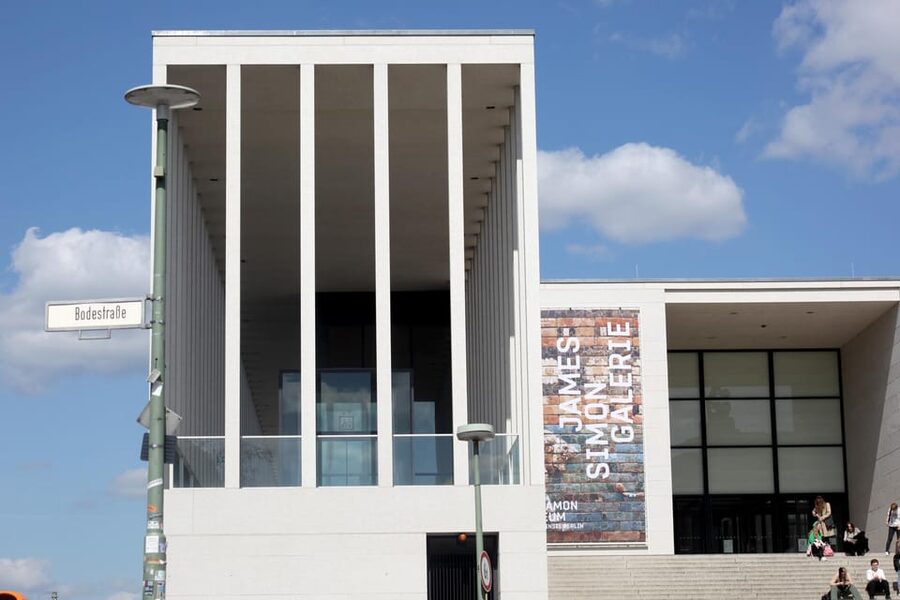
- Time inside historic entrance spaces, especially at the Bode Museum
- A guide like Klaus, praised for museum background and clear, engaging explanations
- A private group format, so the pace stays comfortable and questions stay welcome
Other Berlin museums and landmark entries worth reserving
- Berlin: Berlin Story Bunker Entry Ticket★ 4.6 · 6,759 reviews
- Berlin: Illuseum Berlin Entrance Ticket★ 4.1 · 3,970 reviews
- Berlin: Madame Tussauds Admission Ticket★ 4.6 · 3,941 reviews
- Berlin: Natural History Museum Entrance Ticket★ 4.6 · 3,382 reviews
Getting your bearings on Berlin’s Museum Island
Museum Island sounds like one place. In reality, it is a whole cluster of museums that can feel like a lot when you arrive cold. This tour works because it gives you structure first, then lets you explore at your own speed later.
You start in a very specific spot, in front of the Bode Museum. From there, you move across Museum Island and nearby landmark buildings, with short guided stops. Think of it as a guided orientation walk plus quick architecture lessons. That matters because when you do return for a longer visit, you already know what you are looking for and what connections the guide pointed out.
The tour is also a good match for different interests at the same time. If you like art, you get museum context. If you like history, you get Berlin context. And if you just want to see impressive buildings without drowning in information, the “short stops, guided explanations” format makes it manageable.
The Bode Museum entrance hall: where the mood clicks
Your first guided moment is at the Bode Museum, and the emphasis is not on speed-scanning galleries. It is on the entrance hall and its architecture, where history and art meet in the physical space.
I like this approach because it changes how you see the museums. Instead of treating Museum Island like a list of ticketed attractions, you start noticing design choices and the “why” behind the grand forms. You can also get an immediate sense of the museum’s tone before deciding where you want to spend your time later.
This is one of those stops where a good guide matters. In the reviews, people specifically called out Klaus’s background and his ability to explain museums with enthusiasm. That same talent shows up here, because entrance spaces are where you can understand the building’s intentions quickly, without needing to commit to a full museum visit right away.
Humboldt Forum and the Old Arsenal, Zeughaus, in Berlin’s storyline
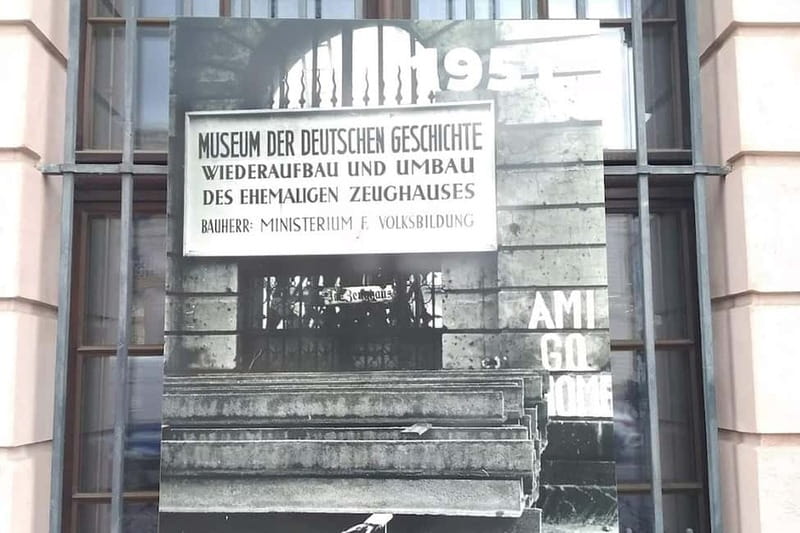
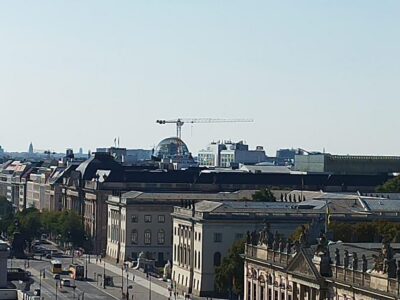
After the Bode Museum, the tour moves toward the Humboldt Forum and the German Historical Museum housed in the Old Arsenal, the Zeughaus, on Unter den Linden.
What I think you will enjoy here is the way the tour ties architecture to Berlin’s changing chapters. This is not just “here is a pretty building.” The guide connects the site to Berlin’s complicated past and transformation over time. That is what makes the area feel more meaningful than a set of facades.
If you are the type who gets more out of a museum when you understand the background, this part is especially useful. You walk, you look, and you hear the reasoning behind why these spaces exist in this form, and what they represent in the city’s ongoing reinvention.
And since the tour includes short guided time at each major stop, you get the story without getting stuck in one place.
Altes Museum and Alte Nationalgalerie: seeing the outside, learning the language
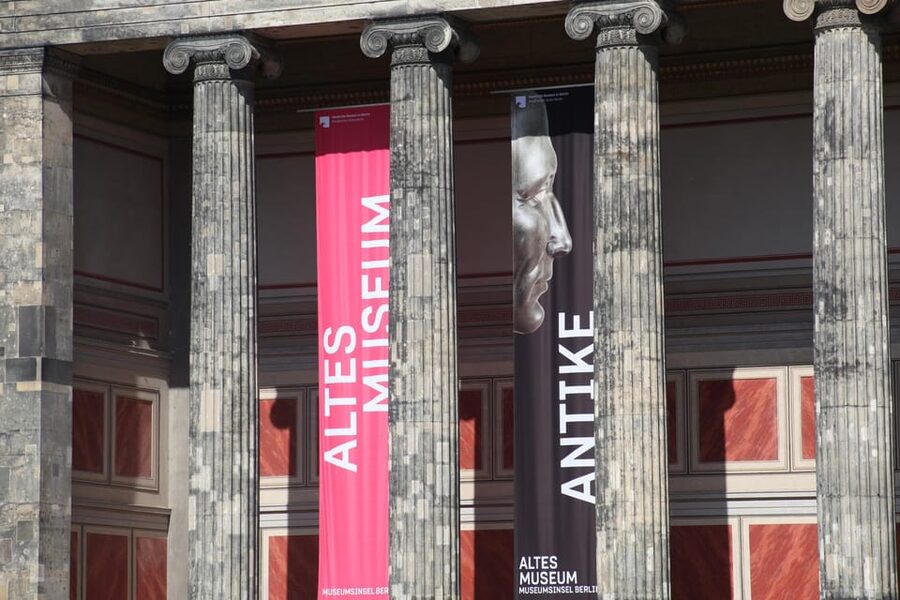
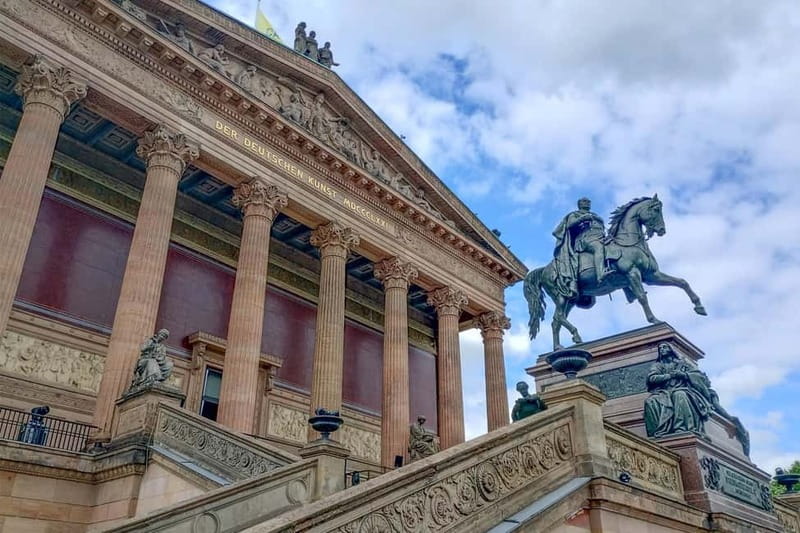
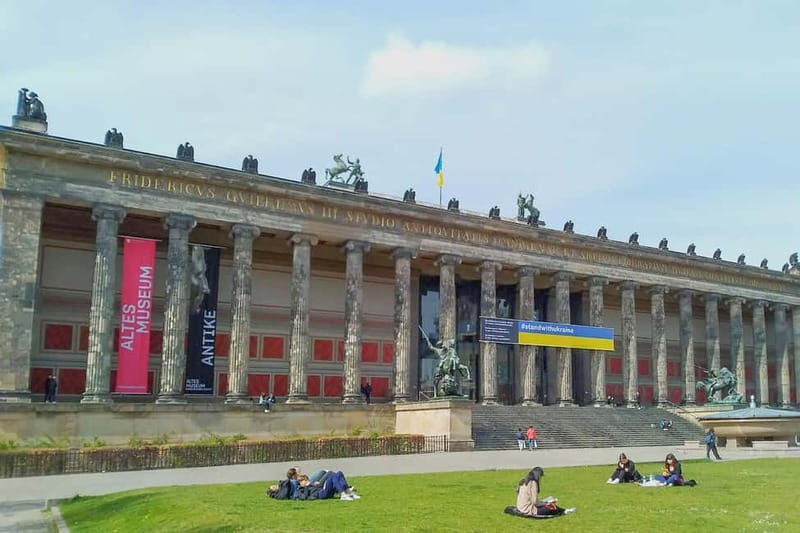
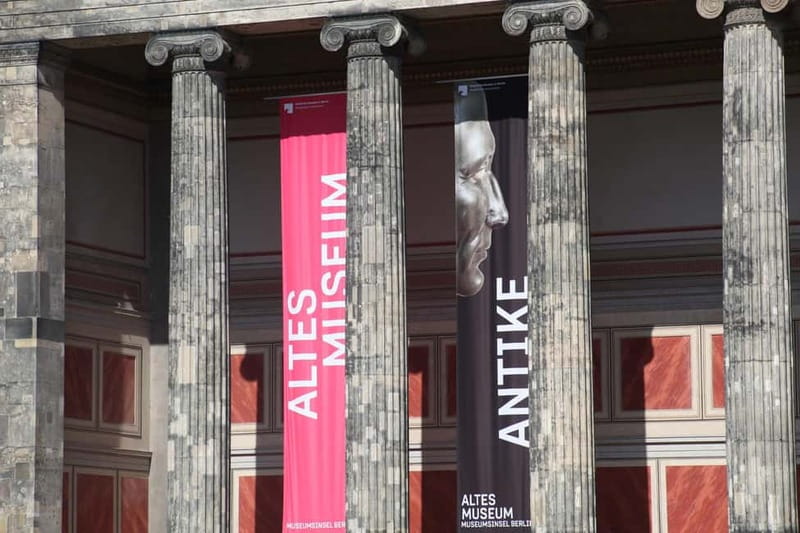
Next come the Altes Museum and the Alte Nationalgalerie. Here, you spend time with guided explanations that focus heavily on architecture and historical context, including what the buildings communicate even before you step inside.
This is a good strategy for Museum Island because the architecture itself is part of the experience. The guide helps you read details, and it gives you a mental map of how each museum fits into the island’s overall identity.
There is also a practical advantage. If you go later on your own, you will know what to pay attention to. You will not waste your first hour just trying to orient yourself. You will already have a framework in your head.
Other Berlin museums and landmark entries worth reserving
- Berlin: Charlottenburg Palace Entry Ticket
★ 4.4 · 2,076 reviews - Skip-the-Line: Berlin Wall Museum at Checkpoint Charlie
★ 4.1 · 2,041 reviews - Berlin: Museum Island Multiple Museum Entry Ticket
★ 4.4 · 2,007 reviews - Berlin: Interactive DeJa Vu Museum Entrance Ticket
★ 4.1 · 1,338 reviews - Berlin: “Pergamonmuseum. The Panorama” Exhibition Tickets
★ 4.6 · 1,245 reviews
Neues Museum and Pergamon: using short stops to plan smart
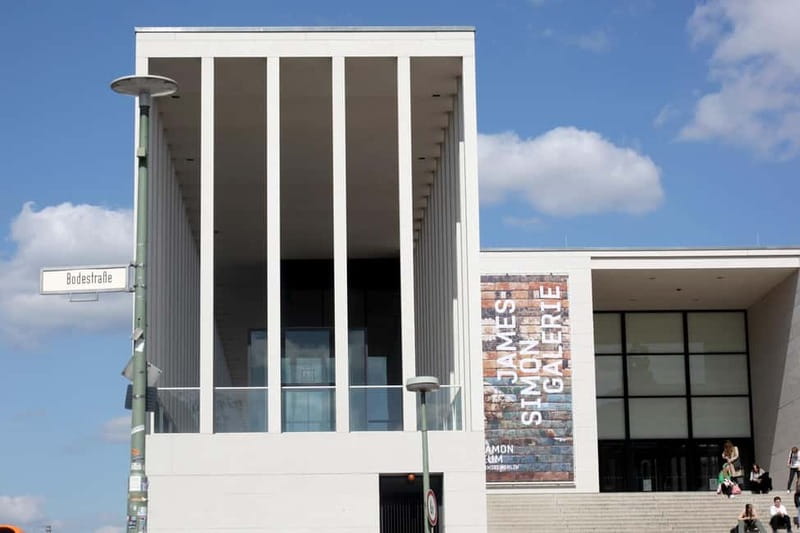
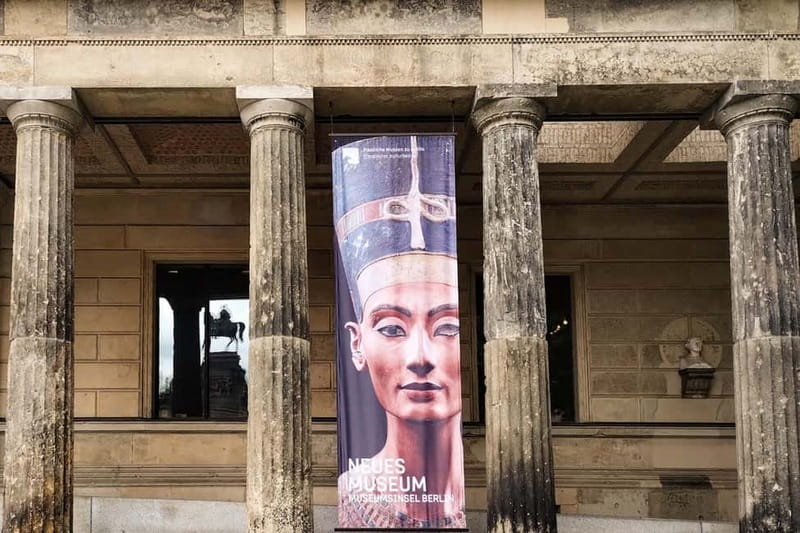
The tour also includes Neues Museum and Pergamon Museum. These are big names, and they can intimidate you when you show up without a plan. A short guided introduction helps you avoid the all-too-common problem of choosing the wrong museum first because you did not know what fits your tastes.
You get walking context and guidance from the outside, with the guide explaining how Berlin history shaped the museum buildings and their collections. That matters because Museum Island is not only about objects. It is about the institutions, the building projects, and the cultural shifts that brought these collections into view.
If you want to come back for a longer visit, this stop sequence is useful for decision-making. After the tour, you can pick where you want more time based on what the guide highlighted, rather than on guesswork.
Colonade Courtyard and the Grantschale: the two details that stick
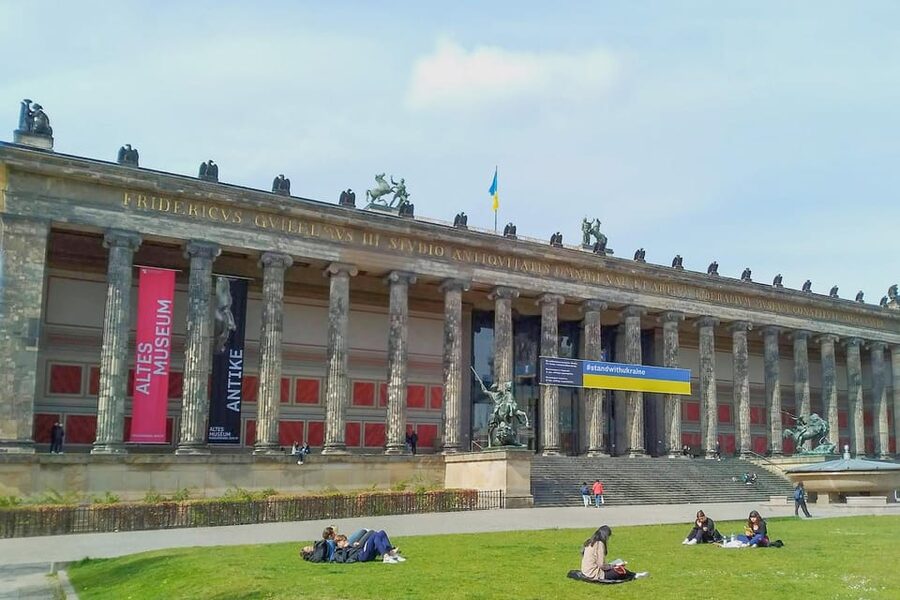
Two of the most memorable elements are built for storytelling.
First, you walk between the romantic columns of the historic Colonade Courtyard. Even if you have seen lots of grand courtyards before, this one has a particular “stage set” feeling. You notice scale, symmetry, and how the island’s design helps you move between landmarks.
Second, you hear the story of the Grantschale, described on the tour as the largest granite dish in the world. I love details like this because they give you a concrete talking point. When you later see related exhibits or learn more independently, you remember the object and the reason it became famous.
These two moments help the tour stick in your mind, which is exactly what you want from a two-hour introduction. You are not trying to master everything. You are building anchors.
How the tour fits your day (and when it might not)
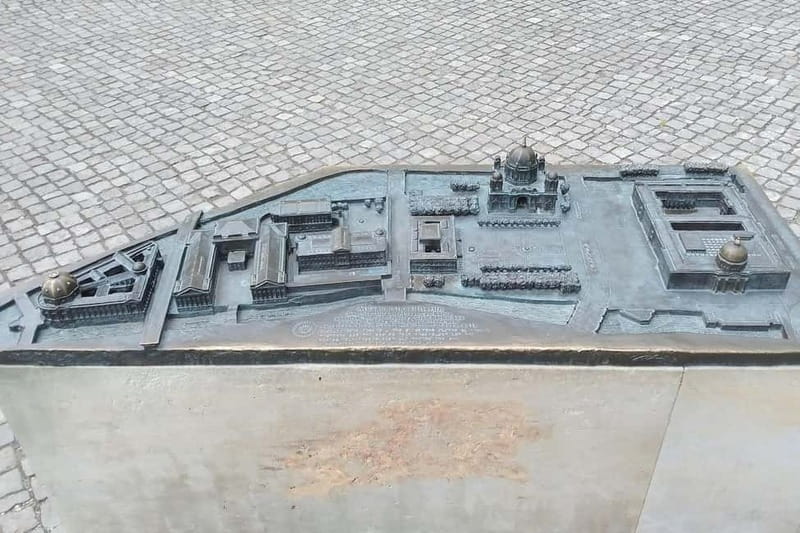
This tour is designed as an opener. It is two hours, and it is private group. The schedule keeps the pace moving, which is great if you want a quick orientation and architecture focus.
Just be realistic about museum time. The tour does not include entry to museums beyond some entrance halls. That means you should plan for follow-up visits if you want the full experience of each collection. In other words, treat this as your “get oriented, then go deeper” plan.
Also, because you visit multiple major buildings in a short window, you will not get the kind of slow, gallery-by-gallery experience you would on a longer museum day. If your top priority is spending hours inside one museum, you might prefer to choose one and do a full visit yourself. But if your priority is understanding the island and building a map in your head, this tour is a strong fit.
Price and value for a private group up to 20
At $283 per group up to 20, the pricing feels most attractive if you are traveling with friends, family, or a small group. Private tours can be expensive on a per-person basis, so the key here is the group cap. If you have 6 to 10 people, the cost per person tends to look much more reasonable than solo touring.
The value is not just “someone walks you around.” You are getting an expert guide, a guided museum island circuit, and time in entrance halls where architecture sets context. That is useful because entrance halls are often the fastest way to understand how the buildings are meant to be experienced, and that context will guide your later choices.
If you are a solo traveler, the price may still be fair depending on your priorities, but you should factor in that you will likely want museum tickets afterward for the actual collections. In that sense, the tour is more about preparation and orientation than about covering every museum start to finish.
Who this tour suits best
This is the kind of tour I recommend when you want more than a checklist.
You will like it if you:
- Feel overwhelmed by Museum Island and want an organized introduction
- Care about how architecture connects to history
- Want to walk between the major museum buildings with a guide’s context
- Plan to return to one or more museums later and want to choose wisely
It might not be the best fit if you:
- Want long time inside specific galleries during the same two hours
- Are only interested in one museum and nothing else
One more point that stands out from the tour experience described in the reviews is the guide quality. People praised Klaus as enthusiastic, charming, and very strong on background knowledge, including how museums connect to Berlin’s history, geography, and culture. That is exactly what you want for an orientation tour, because the whole point is to understand what you are seeing, not just where to walk.
What to do right after the tour
When you finish back where you started near the Bode Museum, you should do two simple things.
First, decide which museum you want to go back to first. Your tour context should make this easier, because you will have heard how the museums evolved over time and how Berlin’s history shaped the institutions.
Second, look for the entrance hall or key architectural elements the guide mentioned, then connect those visuals to the collections you plan to see. That connection is often what turns a museum visit from passive to personal.
Should you book this Museum Island tour?
Book it if you want a guided, two-hour way to get your bearings on Museum Island and learn the building context behind the museums. The tour’s strengths are practical: short stops across major sites, time in entrance halls, and a guide who can make Berlin’s museum story easy to follow, with memorable details like the Colonade Courtyard columns and the Grantschale.
Skip or reconsider if you already know exactly which single museum you want and you prefer to spend your limited time fully inside it rather than gathering orientation first.
FAQ
Where does the tour start and end?
You meet your guide in front of the main entrance of the Bode Museum, and the tour ends back at the meeting point.
How long is the Museum Island tour?
The tour lasts about 2 hours.
Is this a private tour?
Yes, it is a private group experience.
What languages are offered?
The live tour guide is available in English and German.
Is wheelchair access available?
Yes, the activity is wheelchair accessible.
Is museum entry included?
Entry to museums is not included, except for some entrance halls.
Can I reserve without paying right away?
Yes. You can reserve now and pay later.
How flexible is cancellation?
You can cancel up to 24 hours in advance for a full refund.
More Berlin Museums & Tickets






More Berlin Museums & Tickets
More Tour Reviews in Berlin






Recently added around Berlin




Berlin Museums & Attraction Tickets, compared.
 ★ 4.5Jewish Museum Berlin Entrance TicketFrom $08,393 reviews
 ★ 4.6Berlin Story Bunker Entry TicketFrom $216,759 reviews
 ★ 4.1Illuseum Berlin Entrance TicketFrom $183,970 reviews
 ★ 4.6Madame Tussauds Admission TicketFrom $253,941 reviews
 ★ 4.6Natural History Museum Entrance TicketFrom $123,382 reviews
 ★ 4.5Potsdam: Sanssouci Palace and Prussian Palaces Entry TicketFrom $252,101 reviews
 ★ 4.4Charlottenburg Palace Entry TicketFrom $222,076 reviews
 ★ 4.1Skip-the-Line: Berlin Wall Museum at Checkpoint CharlieFrom $212,041 reviews
Browse the lists this tour appears in