
Tour review · BERLIN WALKING TOURS
Berlin: Prussian History Walking Tour with Geo Epoche
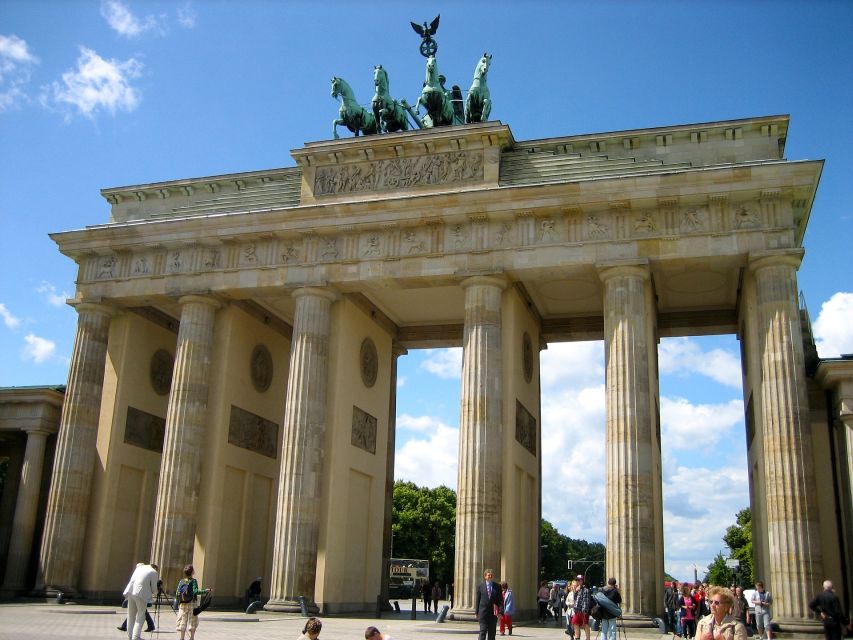
Prussian Berlin hides in plain sight. This 2-hour walking tour takes you through the city center where electors, kings, and emperors left their mark, with stops between the City Palace, Brandenburg Gate, and the Old Reich Chancellery. Along the way, you get pointed toward famous buildings and also quieter corners you might otherwise miss.
I like how the guide shares surprising anecdotes tied to each site, not just names and dates. I also like that you leave with a simple brochure with illustrative pictures, which helps you keep the landmarks straight after the walk.
One thing to consider: the tour is entirely in German. If your German is limited, you may not catch the finer details the guide is telling, even though you can still enjoy the sightseeing.
Key moments worth your attention
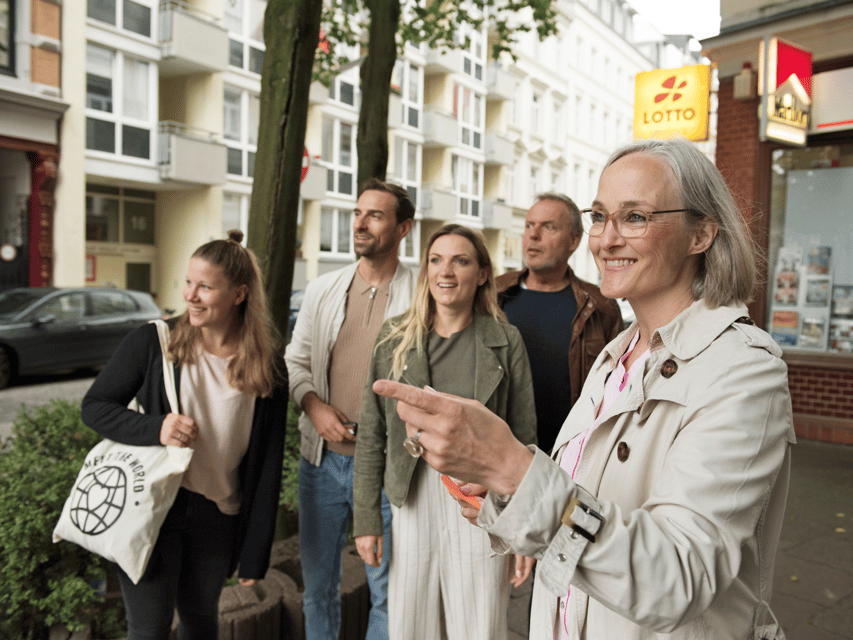
- Lustgarten meeting point: You start at the granite bowl in the park area, which makes it easy to orient yourself in central Berlin.
- Prussian-era focus in one loop: You cover the area around major power and culture landmarks connected to Prussia’s capital role.
- Landmarks you can name, and ones you might not notice: Stops include major sites like the Dome, the Palace, and Gendarmenmarkt, plus time in the Friedrichswerder neighborhood.
- Stories tied to real places: Expect anecdotes and context about the lives and personalities connected to Berlin in the past.
- A German-language guide you can rely on: You get a live guide who explains everything directly, with no prerecorded audio.
- Rain or shine walking: Plan on comfort outdoors, since the tour keeps going in bad weather.
Berlin on foot, with a few more routes worth comparing
- Discover Berlin Half-Day Walking Tour★ 5.0 · 9,624 reviews
- Berlin: Third Reich and Cold War 2 Hour Walking Tour★ 4.9 · 6,830 reviews
- Berlin: Discover Berlin Walking Tour★ 4.9 · 5,998 reviews
- Berlin’s Best: 2 Hour Walking Tour Third Reich and the Cold War★ 5.0 · 5,486 reviews
Meeting at the granite bowl in Lustgarten
If you want to get value fast in Berlin, start at Lustgarten. That is where this tour’s walking route begins, at the granite bowl. It’s a smart choice because Lustgarten sits right near the city’s central sights, so even before you hear your first story, you already feel like you’re in the right neighborhood.
The meeting point matters more than people think. A Berlin tour can go sideways if you can’t find the leader quickly, especially in busy areas with lots of signage. One reviewer noted there was an initial mix-up about where to meet, but it got solved with a helpful phone response. So, do yourself a favor: bring a charged phone, and check your confirmation details so you know how to contact the guide if needed.
Since the tour takes place rain or shine, I’d also show up ready to walk at a steady pace. The experience is designed for sightseeing on foot, not a bus ride with short stops.
The Prussian center route: City Palace, Brandenburg Gate, and the Old Reich Chancellery
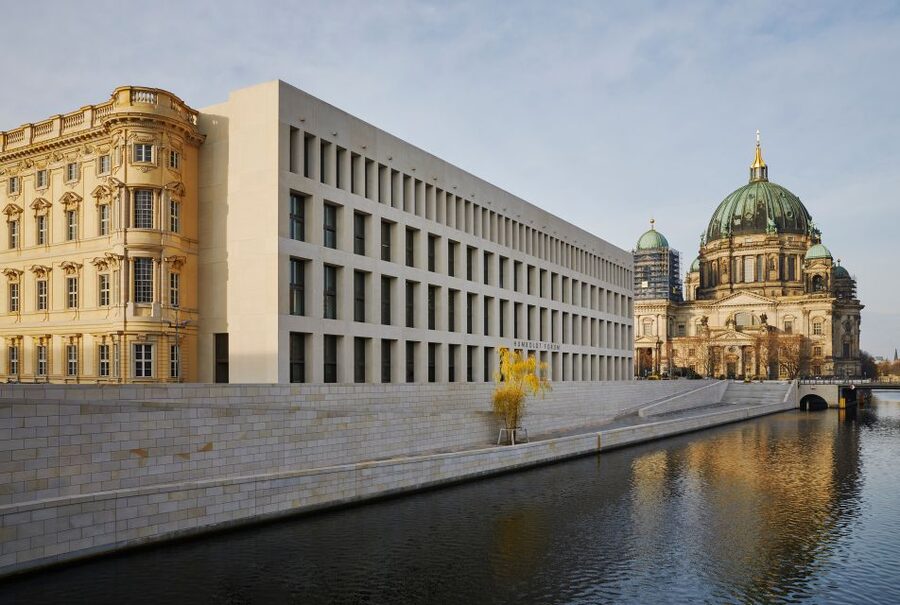
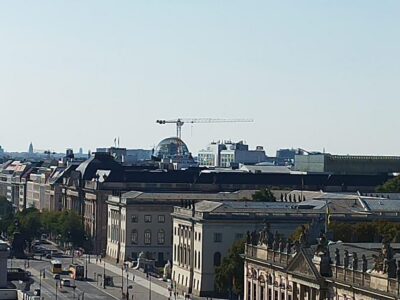
The core of the walk follows the heart of the city, positioned between three big anchors: the City Palace, the Brandenburg Gate, and the Old Reich Chancellery. Even without memorizing architectural details, you’ll quickly understand what the guide is aiming for. This is Berlin during the Prussian era, when power politics and public life were tightly connected to the city’s most visible buildings.
Here’s why this route works for you: it compresses a lot of meaning into a tight area. Instead of jumping around the city, you build a mental map of how Prussian Berlin looked and where the major institutions shaped everyday life for people living there.
As you move through the center, the guide is not just pointing at facades. You’ll learn the history behind the sites, plus small context about electors, kings, and emperors, and why their era mattered for Berlin’s development. That kind of framing is what turns a stroll into something you can actually use when you later walk through these spots on your own.
Also, pay attention to the way the tour mixes famous landmarks with the in-between streets. The “hidden treasure” part of this experience is less about secret doors and more about learning what to notice when you’re surrounded by big sights.
Dome and Palace stops: seeing power through scale and placement

Early on, you’ll come across the Dome and the Palace. The tour description signals that these are Prussian-era buildings you’ll use as anchors for understanding the period. That means you’re likely to hear how the guide connects each landmark to the people and institutions that shaped Berlin at the time.
Even if you are not the type to get excited about architecture, these stops are still useful because they help you read the city. You start noticing how placement and scale communicate importance. In a walking tour, that’s the biggest practical payoff. You see the same area again later and you think, I remember why this place mattered.
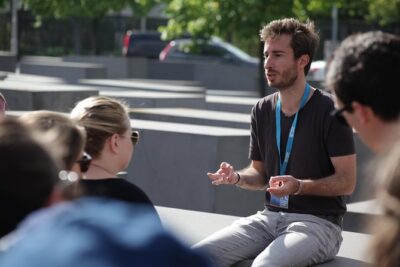
One of the strongest praised aspects of this tour is that the guide helps you spot things you might not see on your own. That shows up in the way these major stops are treated. Instead of simply saying, Here it is, you get explanation about what it represents in Prussian Berlin.
Friedrichswerdersche Church: a quieter chapter in the middle of the story
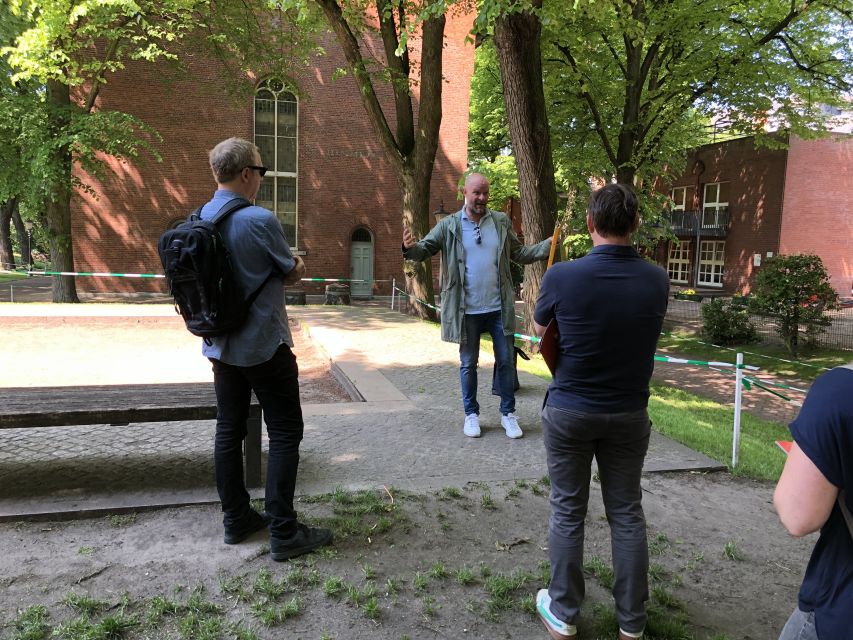
Another featured stop is the Friedrichswerdersche Curch. From the tour’s framing, you can expect it to function as more than a photo stop. The guide uses buildings like this to show different layers of city life during the Prussian era, including the everyday world alongside high-power institutions.
This is where the walking format really helps. You’re not stuck in a museum where everything feels separate. You’re moving through the city fabric, so the church sits in your mind as part of the overall Prussian-era picture.
If you like guided history that stays tied to place, this is exactly the kind of stop that can deliver. The guide is expected to share fascinating background tied to each site, so the moment you look at the building, you have context instead of just a name.
Berlin on foot, a few more ways
- Berlin: Hidden Backyards Guided Walking Tour
★ 4.8 · 5,360 reviews - Third Reich Berlin: Hitler and WWII Walking Tour
★ 5.0 · 3,301 reviews - Berlin: Alternative Berlin Walking Tour
★ 4.6 · 1,204 reviews - Berlin: Third Reich, Hitler, and WWII Walking Tour
★ 4.9 · 1,133 reviews - Berlin: City Street Art Guided Walking Tour
★ 4.8 · 886 reviews
Gendarmenmarkt: why this kind of stop is worth planning for
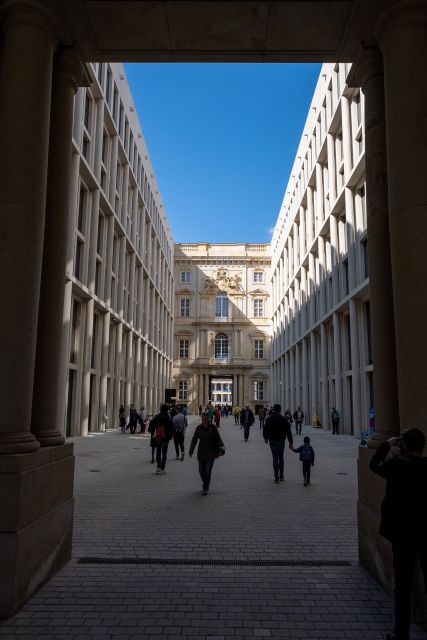
The tour includes Gendarmenmarkt, and that’s a smart inclusion for two reasons. First, it’s a recognizable landmark name in Berlin, so you’ll feel oriented while learning. Second, guided tours that end up skipping major squares often lose the bigger “why” behind the places.
On this walk, Gendarmenmarkt is part of the broader loop through the Prussian center. That means the guide can connect it to what Berlin was becoming during the period, including the public-facing side of city life.
I also appreciate how this tour balances landmarks with neighborhoods. One of the best reasons to do a walking tour here is that you don’t just rack up sights. You get the sense of how Prussian Berlin flowed from institution-heavy zones into other parts of the city where everyday life played out.
Friedrichswerder neighborhood: hidden gems, with people behind the buildings
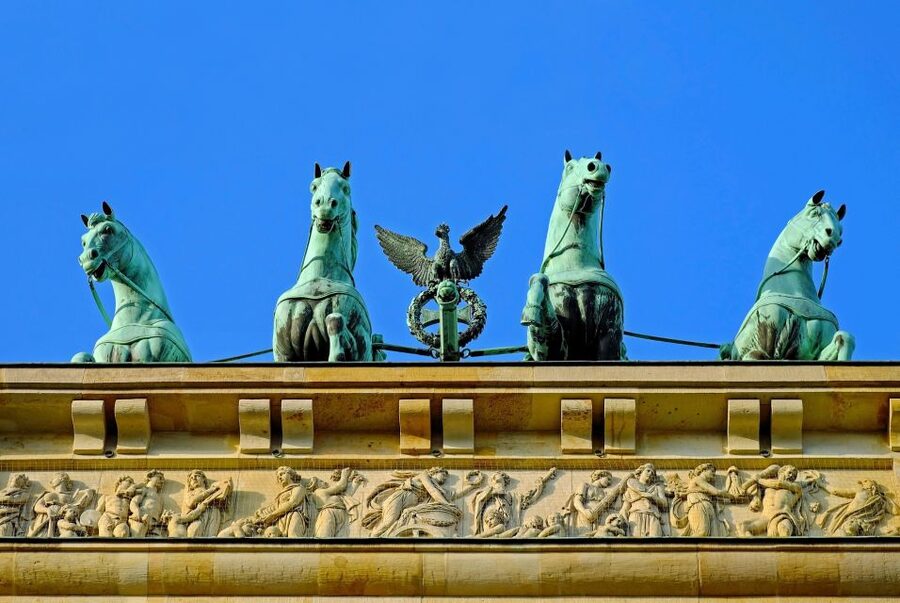
After you cover the central sights, the tour moves into the Friedrichswerder neighborhood to look for hidden gems from the past. This is often the most rewarding part of a city walk because neighborhoods show you how history sits in ordinary streets.
The tour is also positioned to teach you about notable personalities connected to Berlin’s development. You’re not just learning about buildings in isolation. You’re getting a glimpse of the lives of the people who lived in Berlin in the past, as the guide connects historical roles to real locations around you.
This is a big part of why the reviews are positive about the guide’s value. A guide can turn a neighborhood walk into a story of who lived where, and what kind of city Berlin was becoming. Without that, you’ll still enjoy the area, but you’ll likely miss the connections.
If you’re someone who enjoys learning how history affects the street-level feel of a city, you’ll probably love this portion.
What the tour feels like in real time (and how to get the most out of it)
This experience is built around leisure walking. That sounds mild, but it’s still a true walking tour, so you should plan your day accordingly. Two hours can go quickly when you’re stopping, listening, and moving at a steady pace.
A few practical things will improve your experience:
- Wear comfortable shoes. This tour specifically calls that out, and it’s a good sign you’ll be walking on uneven pavement at points.
- Dress for weather-appropriate clothing. Since it runs in rain or shine, you’re dealing with the outdoors for the full duration.
- Go in with a basic mindset shift. Instead of thinking, I’ll just take photos, think, I’ll collect stories and place names.
You should also know that the tour is not a multilingual experience. It is live and German. If you don’t speak German, you can still follow the route visually, but you’re more likely to miss the anecdotes that reviewers clearly valued.
One more tip: if you get separated or start looking around for the guide, don’t panic. There is evidence that a phone number is provided and answered by a helpful person, so you can regroup.
Brochure with illustrative pictures: your take-home memory tool
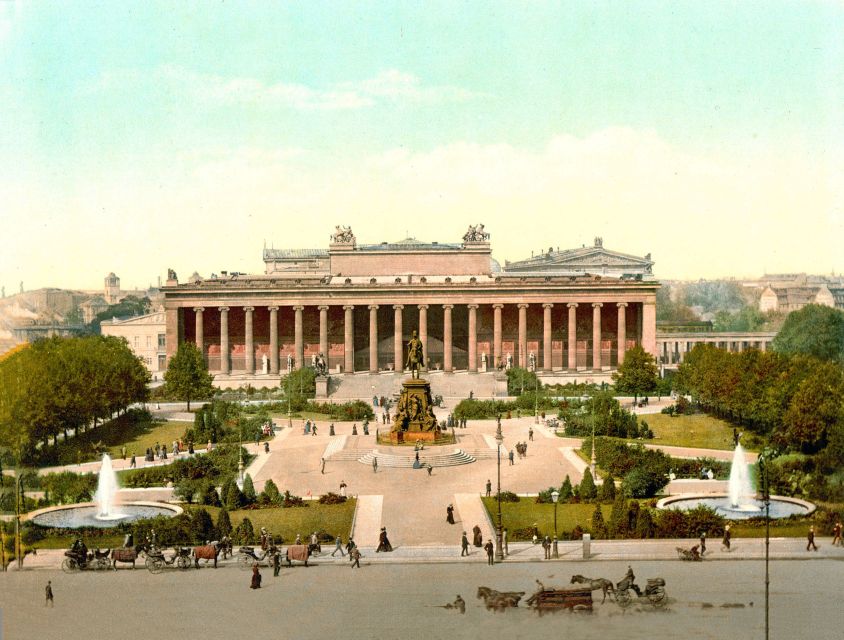
Included with the tour is a brochure with illustrative pictures. That’s a small thing, but it’s one of those practical inclusions that actually helps you later.
Walking tours can blur together, especially if you’re doing more than one in a day. The brochure helps you match what you saw with what the guide explained, so you don’t just remember that you were somewhere near something important. You remember the landmark names and the logic behind the route.
I like this kind of takeaway because it supports your self-guided exploring after the tour ends. It turns a short guided experience into something that lasts longer than the two hours you’re outside.
Price and value: is $29 for 2 hours fair?
At $29 per person for a 2-hour guided walking tour, the value depends on what you want out of Berlin. If you’re satisfied with sightseeing and a few photos, you could always walk the same central sights on your own. But if you want the “why,” a guide becomes the difference between seeing and understanding.
This tour’s pitch is the Prussian-era story tied to specific stops, plus surprising facts and anecdotes. That matters because it saves you time. Instead of researching every building, you get the guide’s connections in the moment while you’re standing there.
It’s also cost-effective compared to longer or more specialized history tours, mainly because the route is compact. You get a strong central overview without spending the day on logistics.
The one caveat is the German-only format. If language is a barrier for you, your value drops because the tour’s main “product” is the guide’s spoken explanation.
Who this tour suits best (and who should rethink it)
This tour is a great fit if you:
- enjoy walking and can handle two hours outdoors
- like city history that stays tied to streets and landmarks
- want an overview of Prussian Berlin centered around the city core
- are comfortable with German-language guided commentary
It is not suitable for people with mobility impairments, and pets are not allowed. If either of those affects you, plan another option that matches your needs.
If you’re traveling with family, this could work for older kids or teenagers who like history stories and walking. But you’d still want to consider the German language factor.
Should you book the Berlin Prussian History Walking Tour with Geo Epoche?
If you want a focused, central Prussian history walking experience that helps you notice more than just famous facades, I’d book it. The combination of a live German guide, landmark coverage from the Lustgarten area, and a brochure with pictures gives you a solid learning payoff for a short time.
I would not book it if you need an English guide, because the tour is entirely in German and that’s where most of the value lives. Also, be honest about your walking tolerance, since it runs rain or shine and it is not designed for mobility limitations.
If you’re comfortable with those tradeoffs, this is an efficient way to understand Berlin’s Prussian-era identity while you’re already in the heart of the city.
FAQ
Where do I meet the guide?
Meet your guide at the granite bowl in the Lustgarten.
How long is the tour?
The tour lasts 2 hours.
What language is the tour in?
The tour is entirely in German, with a live tour guide.
Does the tour run in bad weather?
Yes. The tour takes place rain or shine.
What should I bring?
Bring comfortable shoes and weather-appropriate clothing.
What is included in the price?
The tour includes a tour guide, the walking tour, and a brochure with illustrative pictures.
Is this tour accessible, and are pets allowed?
It is not suitable for people with mobility impairments, and pets are not allowed.
More Tours in Berlin




Keep Walking Berlin



More Tour Reviews in Berlin
Recently added around Berlin

Berlin Walking Tours, compared.
 ★ 5.0Discover Berlin Half-Day Walking TourFrom $249,624 reviews
 ★ 4.9Third Reich and Cold War 2 Hour Walking TourFrom $236,830 reviews
 ★ 4.9Discover Berlin Walking TourFrom $235,998 reviews
 ★ 5.0Berlin’s Best: 2 Hour Walking Tour Third Reich and the Cold WarFrom $245,486 reviews
 ★ 4.8Hidden Backyards Guided Walking TourFrom $235,360 reviews
 ★ 5.0Third Reich Berlin: Hitler and WWII Walking TourFrom $243,301 reviews
 ★ 4.6Alternative Berlin Walking TourFrom $291,204 reviews
 ★ 4.9Third Reich, Hitler, and WWII Walking TourFrom $201,133 reviews
Browse the lists this tour appears in