
Tour review · BERLIN WALKING TOURS
Berlin: The Time of National Socialism Walking Tour
Berlin changes tone fast on this walk. I like the small group setup, and I like that the tour is guided by a native Berliner who ties major sites to real stories people lived through. You’ll also see how propaganda, government power, and resistance connect across the city.
The main drawback is simple: this is a full-on outdoor walking tour in all weather, and it runs even on public holidays. If you hate cold ground, wind, or standing around at memorials, plan accordingly.
Key highlights worth your time
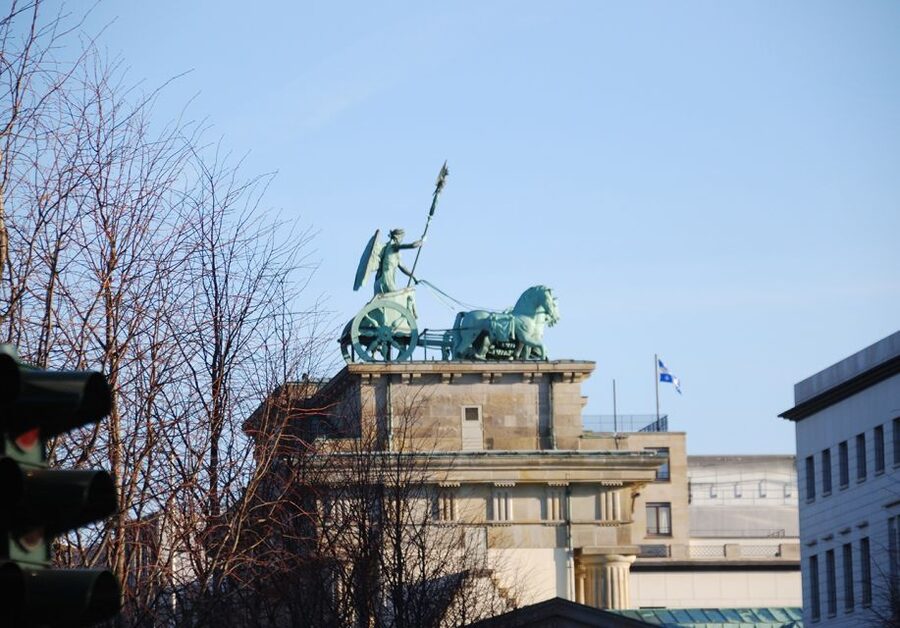
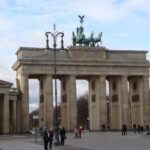
- Brandenburg Gate to Reichstag shows how power was staged right from the start
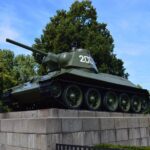
- Tiergarten Soviet War Memorial puts World War II back into sharp focus with T-34 tanks and artillery
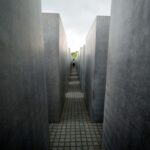
- Holocaust Memorial forces the message into the middle of the route, not off to the side
- Johann Georg Elser memorial adds the story of resistance, not just the machinery of dictatorship
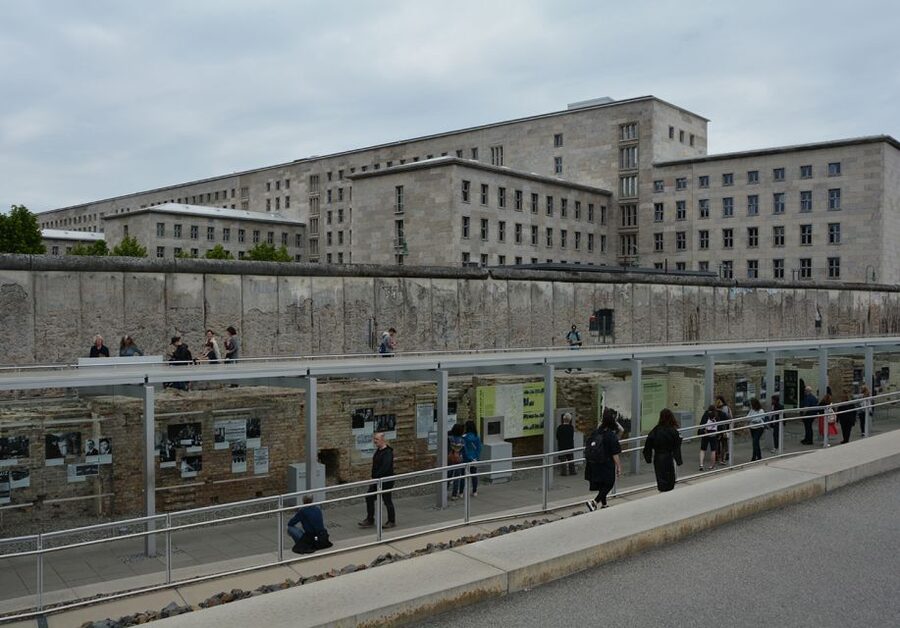
- Topography of Terror pinpoints Nazi terror institutions you can still place in your head as you walk
- Guides like Carlo often get praised for pacing and for handling icy conditions with care
Berlin on foot, with a few more routes worth comparing
- Discover Berlin Half-Day Walking Tour★ 5.0 · 9,624 reviews
- Berlin: Third Reich and Cold War 2 Hour Walking Tour★ 4.9 · 6,830 reviews
- Berlin: Discover Berlin Walking Tour★ 4.9 · 5,998 reviews
- Berlin’s Best: 2 Hour Walking Tour Third Reich and the Cold War★ 5.0 · 5,486 reviews
A Nazi-era walking tour that stays concrete, not abstract
Berlin has a talent for making the past feel present. This tour uses that strength in a smart way: you don’t just hear about the Third Reich in general, you connect it to specific corners, buildings, and public spaces.
I like the way the route is built around named places you can picture later. One moment you’re looking at the Brandenburg Gate, and the next you’re standing near the Holocaust Memorial and learning what happened before, during, and after those years of terror. It is sobering, but it stays grounded.
One more thing I appreciate is the balance between “regime power” and “human resistance.” Even with all the heavy institutions discussed, you still get stories about people who opposed the dictatorship. That matters, because otherwise history can turn into just a list of dates.
Meeting at S+U Brandenburger Tor, then starting near Pariser Platz
Your guide meets you at the metro station S+U Bhf. Brandenburger Tor, exit B. You’re looking for a guide holding the Get Your Guide – You in Berlin flag, so it’s fairly hard to miss once you’re in the right spot.
From there, you start close to Pariser Platz and quickly move toward the Brandenburg Gate area. This is a practical setup because it puts you at Berlin’s best-known landmark right away, which helps you orient fast.
Also, the group is limited to 10 participants. That size is big enough to feel social, but small enough that you can still ask questions and keep a steady pace. In the colder months, that pacing matters, because the tour is scheduled for about 2 hours and you’ll be outside the entire time.
Brandenburg Gate and Reichstag: where propaganda meets power
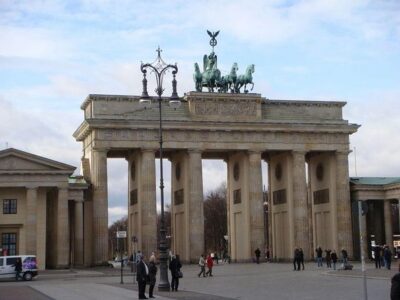
The tour begins at the Brandenburg Gate, described as a place used for propaganda marches in the National Socialist era. Starting here is a clever move because the site is famous, and it also shows how public space can be repurposed for ideology.
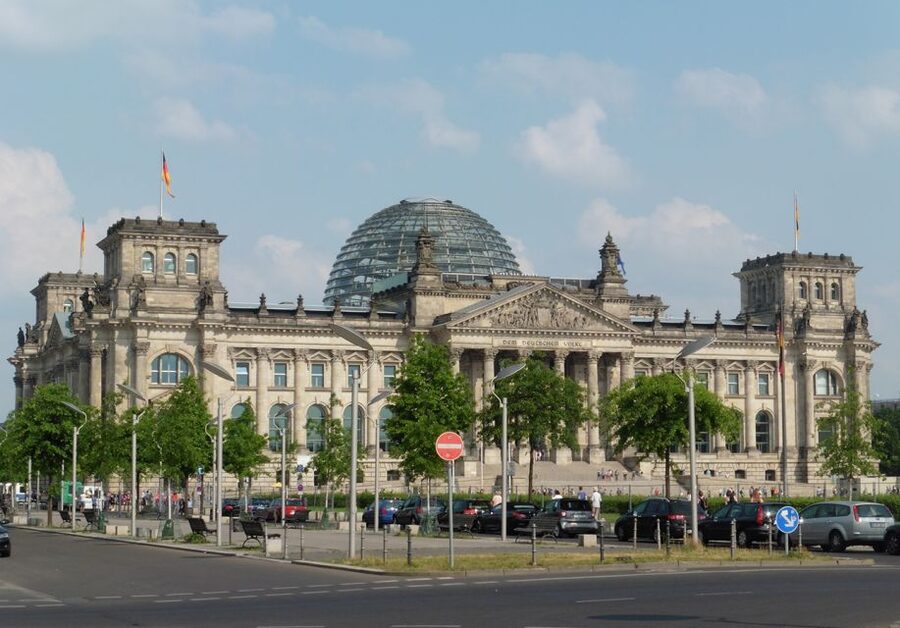
Next you reach the nearby Reichstag area. The tour focuses on how the Nazi Party NSDAP and Adolf Hitler came to power in 1933, and the connection is made through what you can see and how the story fits into the city layout. You’re not just hearing “they rose to power,” you’re learning why that rise needed symbols, crowds, and institutions.
What you’ll take away: propaganda isn’t only posters and speeches. It’s architecture, procession routes, and the way governments want you to feel in public.
If you’re worried about standing time, wear shoes you trust. This part is mostly walking, but you will pause for context.
Tiergarten Soviet War Memorial: the shock of seeing tanks and artillery
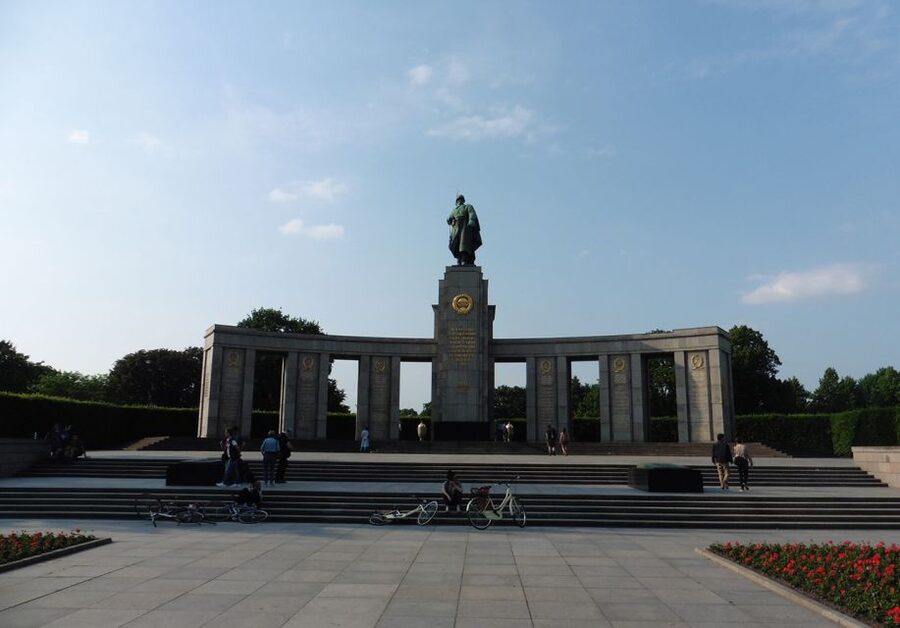
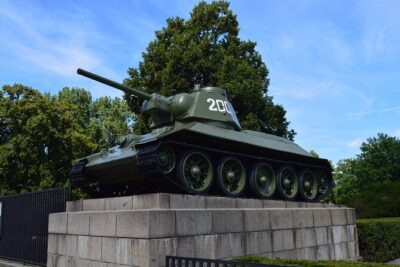
When you enter Tiergarten, the mood shifts, and that’s the point. At the Soviet War Memorial, the tour has you look at Soviet T-34 tanks and artillery from World War II.
This stop matters because it breaks the time bubble. The Third Reich years are part of the story, but Berlin’s outcome was shaped by the wider war, occupation, and liberation battles. Seeing the hardware in a park setting forces the lesson to land in your body as well as your brain.
You’ll also understand why memorials in Berlin often feel layered. It’s not just “then” and “now,” it’s multiple conflicts sitting in the same city memory. One of the tour’s strengths is that it nudges you to notice those layers as you walk.
Quick practical tip: if it’s wet, park paths can get slick. The guide’s job is to keep the group moving safely, and several people highlight that the guide pays attention to icy streets in cold weather.
Berlin on foot, a few more ways
- Berlin: Hidden Backyards Guided Walking Tour
★ 4.8 · 5,360 reviews - Third Reich Berlin: Hitler and WWII Walking Tour
★ 5.0 · 3,301 reviews - Berlin: Alternative Berlin Walking Tour
★ 4.6 · 1,204 reviews - Berlin: Third Reich, Hitler, and WWII Walking Tour
★ 4.9 · 1,133 reviews - Berlin: City Street Art Guided Walking Tour
★ 4.8 · 886 reviews
Holocaust Memorial: a stop that changes the rhythm
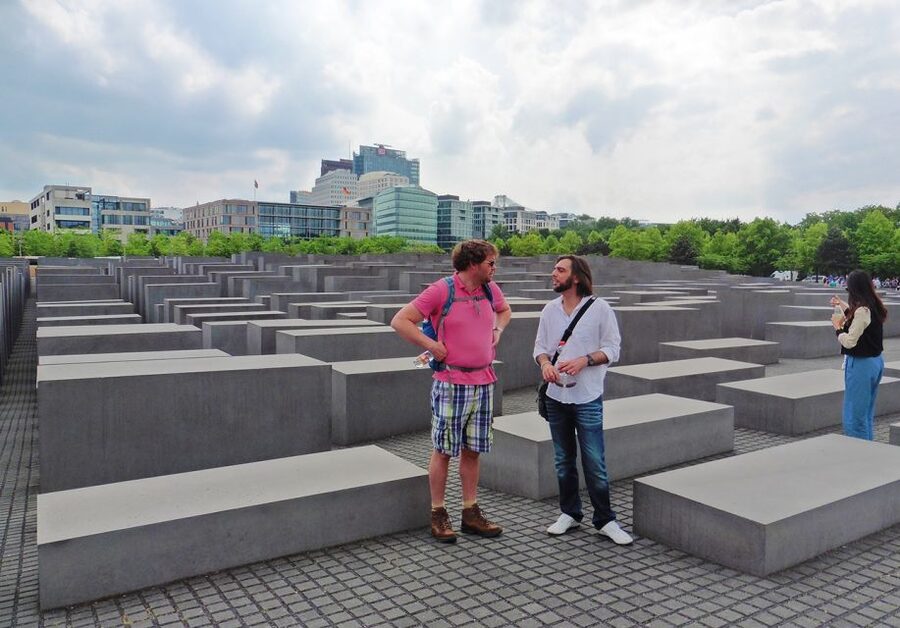
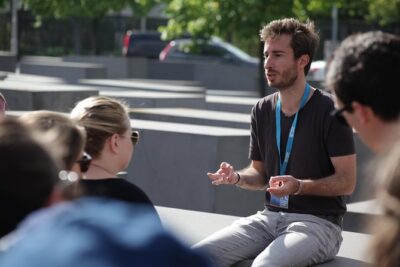
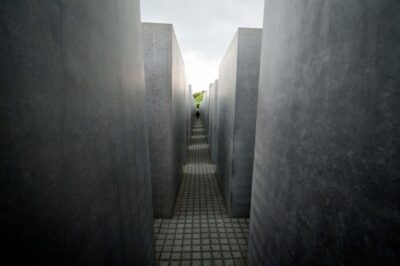
After the WWII memorial, the route leads you to the Holocaust Memorial, the memorial to the murdered Jews of Europe. This is one of those places where the value isn’t in facts alone. It’s in the timing and the placement on the walk.
By the time you reach it, you’ve already been talking about propaganda and power. That sequencing is heavy, but it makes a kind of sense: you learn how a dictatorship formed, then you face the consequences it produced.
I like that the tour doesn’t treat this as a quick photo stop. You get guidance and context, and you’re given room to connect the meaning to what came before in the route.
If you’re sensitive to somber spaces, give yourself a minute or two to adjust when you arrive. The memorial can feel intense, even if you know the history.
Johann Georg Elser and the meaning of resistance
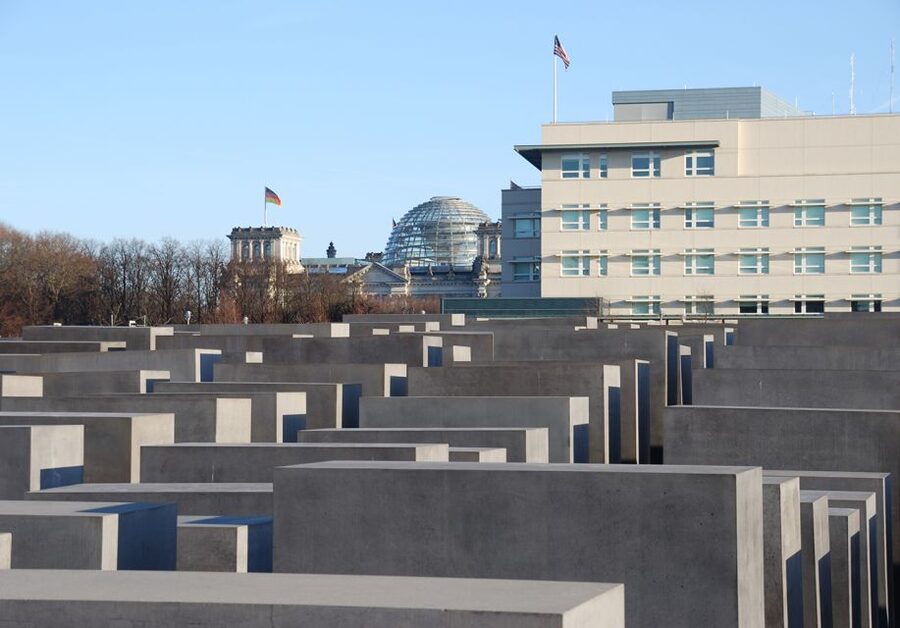
One of the most interesting turns on this tour is the inclusion of the Johann Georg Elser Memorial. Elser is connected to the story of resistance against the dictatorship, and the tour weaves in resistance themes throughout, not only at one endpoint.
Why this matters: too many Nazi-era experiences focus on the perpetrators and the institutions. You still learn about the terror system here, but the route also points out that opposition existed, even under extreme risk.
Elser’s stop gives you a concrete name to attach to the idea of resistance. It changes the tone from inevitability to choice, and it reminds you that dictatorship does not erase human agency.
Hit the government district theme: bunker and New Reich Chancellery area
The tour also guides you to the place where Adolf Hitler’s bunker and the New Reich Chancellery were located. Even if you don’t have a museum in your hands, the guide helps you understand why the government district mattered and how the city carried the machinery of power.
This stop is valuable because it turns a distant, cinematic image of a bunker into something that lives in the geography of Berlin. You start to recognize how “where things happened” is part of “how it happened.”
The tour also includes other recognizable buildings along the way, like Detlev-Rohwedder-Haus, as you move through this government district area. The point is not architecture trivia. It’s that your eye learns the city as a historical map.
Topography of Terror: Nazi terror headquarters on foot
The final major anchor is the Topography of Terror Documentation Center, and this is where the tour earns its reputation for clarity.
Here you learn about the locations of Nazi terror institutions during World War II, including SS headquarters, the Secret State Police, the Reich Security Main Office, and the Reich Aviation Ministry. Instead of treating the regime as a vague concept, you place its bureaucracy and enforcement apparatus in a physical grid you can remember.
This is also where the stories about German Resistance are tied together more explicitly. By the time you reach the end point, the contrast between dictatorship operations and resistance attempts has more weight. You’ve already seen memorials, tanks, and propaganda landmarks. Now you get the operational heart of the story.
The tour finishes at Topography of Terror, which is convenient if you want to keep exploring. You can also use this as a natural stopping point and re-center your day, since you’ve hit the most intense sites on the route.
Price and time: what $43 for 2 hours really means
At $43 per person for a 2-hour walking tour, you’re paying for two things: time with a guide and a guided path through sites that can be overwhelming on your own.
You could wander Berlin’s Nazi-era locations alone, but you’d miss two practical benefits. First, you get guided connections between sites, like why the route begins at Brandenburg Gate and why the end at Topography of Terror matters. Second, you get answers when questions pop up, and people often praise the guides for handling questions and explaining at the right speed.
Also, the small group matters here. With a maximum of 10 participants, you’re less likely to feel like you’re being marched through. And if the group is very small, the tour can feel more personal, with more room for Q&A.
Is it a budget tour? It’s not the cheapest option in Berlin, but it’s good value for what you get: guided context, a tight route, and a concentrated amount of historical meaning in a short window.
Weather and walking comfort: plan like you’re local
This tour runs in all weather conditions, on all public holidays too. That means you should think about clothing more than you think about museums.
Bring layers. Wear shoes with grip. If it’s icy, slow down at crosswalks and let the guide lead the pace. Several people note that the guide keeps an eye on conditions so the group stays safe and on time.
Because the tour is about two hours, you don’t want to be distracted by discomfort. Your goal is to take in the route without your body constantly asking for a break.
Wheelchair access is listed, which is useful if you need it. Still, it’s a walking itinerary, so you’ll want to consider what mobility constraints mean for city sidewalks and stops.
Who should book this tour, and who might want to choose another option
This tour fits best if you want a focused, guided way to understand Berlin during the National Socialist era. It’s ideal if you like learning through real locations and you want the story tied to geography.
It can also work well for older teens and young adults, since the guide connects historical events to the places where they happened, and the resistance angle gives the story a human backbone.
You might want a different format if you prefer a lighter tone, or if you have a very limited tolerance for outdoor walking in cold or rainy weather. This is not a casual stroll, even though the duration is only two hours.
Should you book Berlin’s Time of National Socialism walking tour?
I’d book it if you want a well-connected route that goes from propaganda spaces to memorial sites to the documented terror machinery. The itinerary is short, but it covers the key areas that help you understand the big picture without getting lost.
Book it especially if you appreciate a guide who can answer questions and keep the group moving steadily. People consistently praise guides like Carlo for strong knowledge and for practical care in tough weather, including icy streets, plus extra tips for enjoying Berlin beyond the tour.
If you’re visiting Berlin for the first time and you want one guided walk that gives you firm context for multiple sites you’ll see later, this is a smart choice.
FAQ
How long is the Berlin Time of National Socialism walking tour?
It lasts about 2 hours.
Where do I meet the tour guide?
Meet at the exit of S+U Bhf. Brandenburger Tor, exit B, in the direction of Pariser Platz / Straße des 17. Juni. Look for the guide with the Get Your Guide – You in Berlin flag.
What is the tour price?
The price is listed as $43 per person.
What language is the tour offered in?
The live tour guide language listed is German.
Is the tour wheelchair accessible, and does it run in bad weather?
Yes, it is listed as wheelchair accessible. The tour takes place in all weather conditions and on all public holidays.
What is the cancellation policy?
Free cancellation is available up to 24 hours in advance for a full refund, and you can also reserve now and pay later.
More Tours in Berlin




Keep Walking Berlin


More Tour Reviews in Berlin
Recently added around Berlin


Berlin Walking Tours, compared.
 ★ 5.0Discover Berlin Half-Day Walking TourFrom $249,624 reviews
 ★ 4.9Third Reich and Cold War 2 Hour Walking TourFrom $236,830 reviews
 ★ 4.9Discover Berlin Walking TourFrom $235,998 reviews
 ★ 5.0Berlin’s Best: 2 Hour Walking Tour Third Reich and the Cold WarFrom $245,486 reviews
 ★ 4.8Hidden Backyards Guided Walking TourFrom $235,360 reviews
 ★ 5.0Third Reich Berlin: Hitler and WWII Walking TourFrom $243,301 reviews
 ★ 4.6Alternative Berlin Walking TourFrom $291,204 reviews
 ★ 4.9Third Reich, Hitler, and WWII Walking TourFrom $201,133 reviews
Browse the lists this tour appears in