
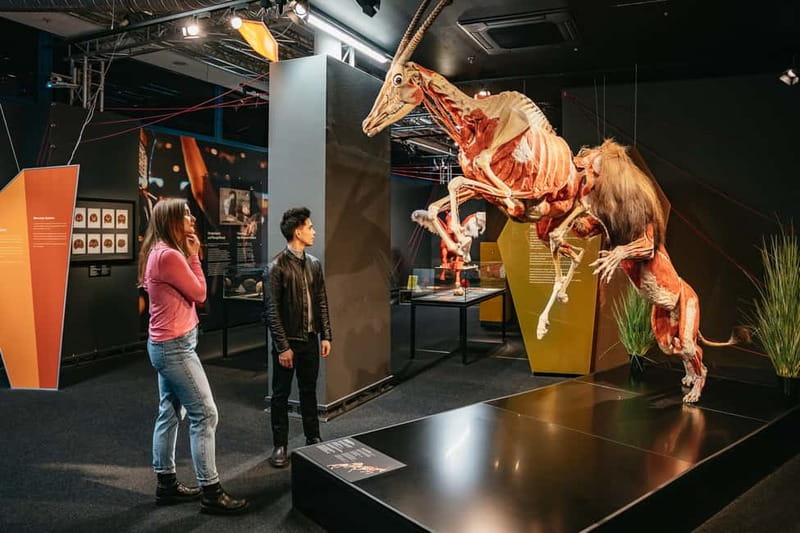
Tour review · BERLIN MUSEUMS & ATTRACTION TICKETS
Berlin: Tickets for the BODY WORLDS Museum in Berlin
Your body has secrets, shown in Berlin. BODY WORLDS turns real anatomy into plastinates, so you can actually see how organs, systems, and diseases work in clear visual displays.
I love the full-body scope, from skeleton and muscles to the embryo and nervous system. I also like the English-friendly presentation, including an on-phone style experience that supports the exhibits.
One possible drawback: the audio parts are not always smooth, with some elements reported as out of order or hard to locate.
Key points before you go
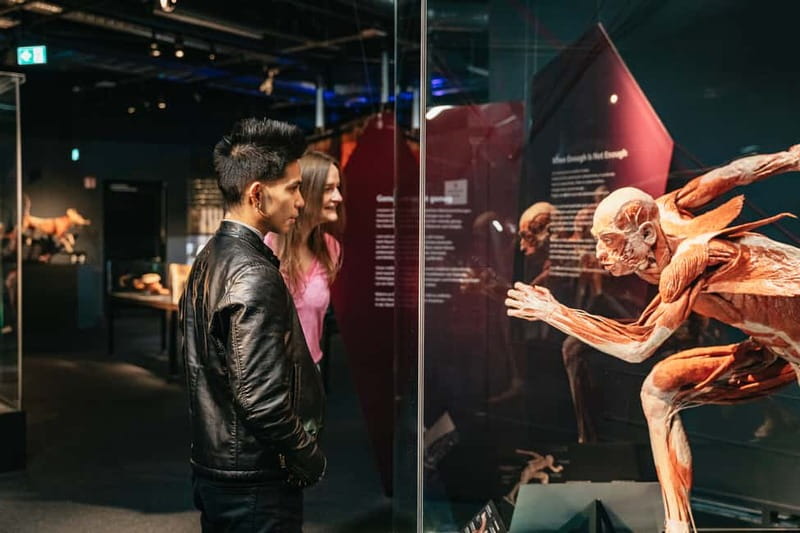
- Real human plastinates that focus on organ function and common diseases
- A full walk-through of major systems: musculoskeletal, digestive, cardiovascular, respiratory, nervous
- Big-picture sections on stress, happiness, and how your body manages daily life
- Clear translation support on displays and through audio or phone-style guidance
- Plan for minor hiccups, like audio issues or some displays that look a bit worn up close
BODY WORLDS Berlin at Panoramastraße, and why $22 can be good value
If you want a museum that changes how you think about your own body, BODY WORLDS is the kind of place that delivers. Tickets are priced at $22 per person, which is not cheap for a single-entry exhibit, but it can feel fair once you consider the scale and the rare nature of what you’re seeing.
You’re going to spend real time inside galleries of whole-body plastinates and organ-focused preparations. This is not just anatomy as text or diagrams. It is physical, three-dimensional, and built to make the invisible parts of you feel concrete.
The experience is located at Panoramastraße 1a, 10178 Berlin. Your entry slot is tied to a day ticket that’s valid for 1 day, and you should check availability for the specific starting time you can choose.
Tickets, timing, and when to plan your visit
This is a one-day admission experience, with the note that you should check availability to see starting times. That matters because the museum runs on a steady schedule, and you’ll want enough time to slow down where you’re curious.
Opening hours are Monday to Sunday, 10:00 AM to 7:00 PM, with the last admission at 6:00 PM. The museum is closed on December 24. If you go late, you may feel rushed, especially because the displays cover a lot of ground, from major systems to deeper, lifestyle topics.
A practical strategy: aim for mid-morning to early afternoon so you get the widest choice of time inside, and so you can still find your pace if you stop to read. The galleries work best when you give yourself breaks instead of doing a quick run.
How the plastinate galleries teach organs, diseases, and connections
The heart of BODY WORLDS is the plastinate collection created by Dr. Gunther von Hagens. You’ll move through areas that focus on how the body is built, how it functions, and how illness can show up inside.
What makes it special is the way the exhibits connect structure to function. You’re not just looking at a single organ in isolation. The displays are set up to explain how muscles, organs, and body systems interact, and how certain diseases relate to what those organs do.
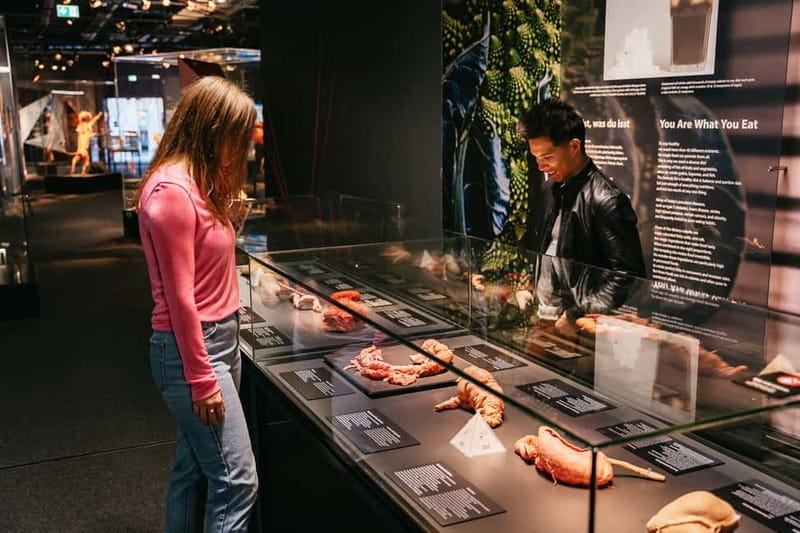
You’ll also notice the emphasis on real preparations. The museum uses whole-body plastinates and organ-level displays to show specific functions and common diseases in an easily understandable way. That approach works well for people who want more than “anatomy basics,” but do not want to wade through dense medical language.
Your suggested inside route, from skeleton and muscles to the nervous system
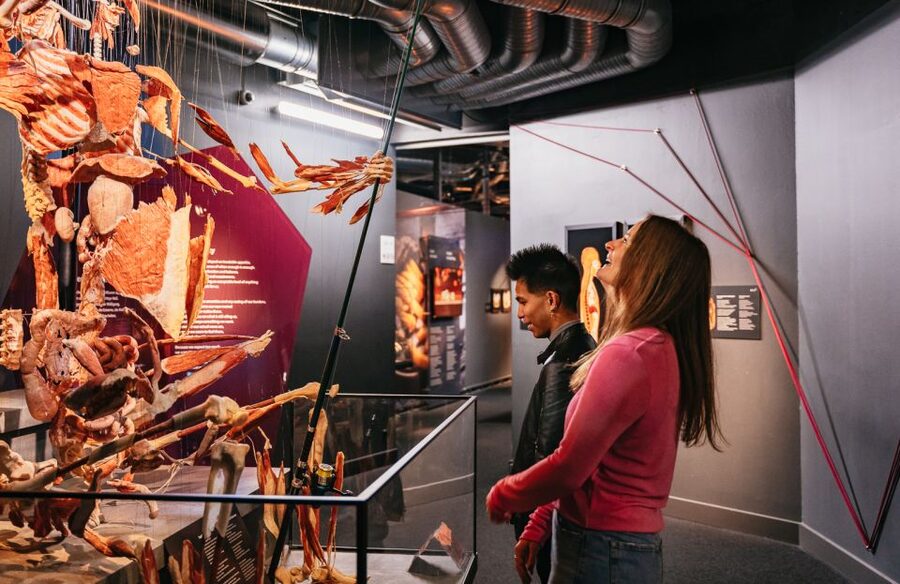
The museum is organized by body systems, and that makes planning your mental map easier. As you enter, expect to start with the foundation: the human skeleton and the way the muscular system works alongside it.
From there, the route naturally shifts into the core systems that most people wonder about:
- Digestive system, where function and structure line up visually
- Cardiovascular system, where you can trace the logic of circulation
- Respiratory organs, tying breathing to the bigger body needs
- Nervous system, which helps you see the body’s control and communication side
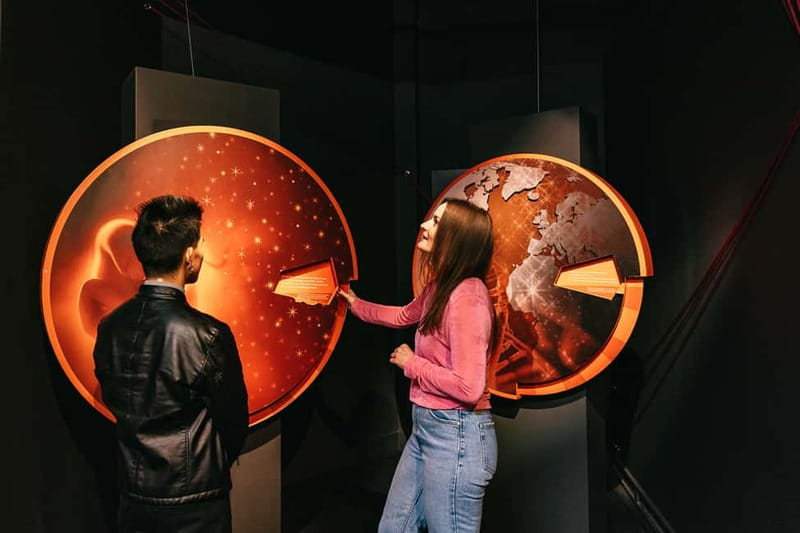
Then there are sections that widen the story. One is about the development of an embryo in the womb, which changes the tone from “here’s an adult body” to “here’s how it forms.” That kind of exhibit gives context, especially if you’re interested in how the body grows into what you experience today.
As you go, keep an eye out for the whole-body plastinates that highlight single organ functions and, in some cases, diseases. Those displays are often the ones people talk about because they bring a medical topic into an immediate visual language.
Beyond anatomy: stress, happiness, and the body’s daily balancing act
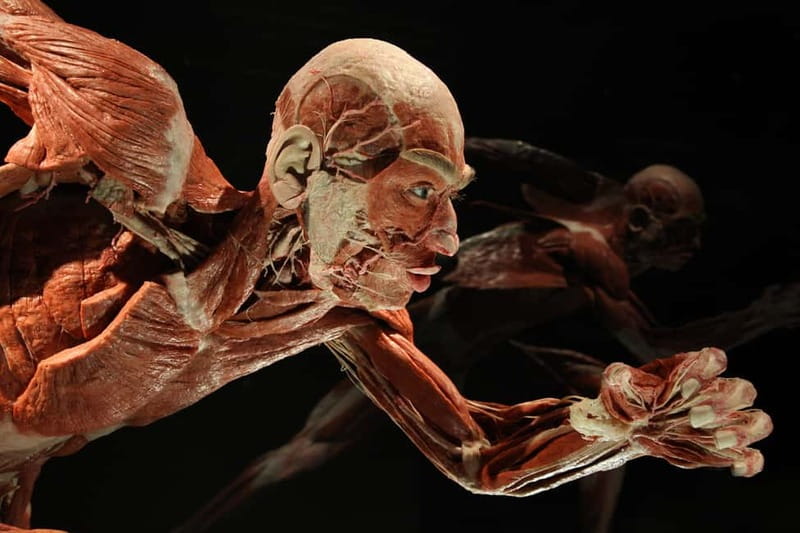
BODY WORLDS doesn’t stop at organs. It also steps into the human side of physiology.
You’ll encounter themes like what determines a person’s happiness, and how the body coping with stress can affect you. That may sound like a shift from anatomy, but it fits the overall point of the museum: your body is not just a set of parts. It is a living system that reacts to life.
There’s also content related to staying healthy long-term, including the middle ground between excessiveness and modesty. In plain terms, it nudges you to think about balance, not extremes. Even if you already know the basics about lifestyle, seeing it framed through body function can make it hit differently.
If you like museums that connect physical science to real-life choices, this is one of the bigger reasons to go. It turns a show of organs into a reflection on how your body actually lives.
Audio, translation, and why you should prepare for a few bumps
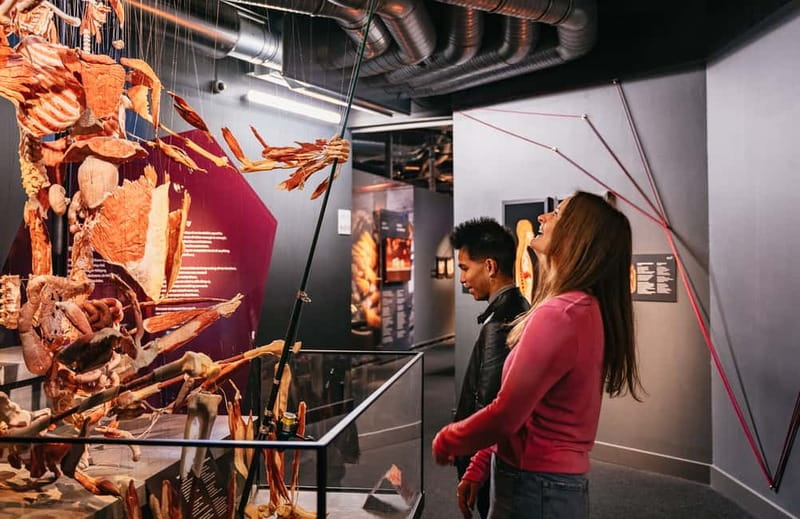
Here’s what to know going in: the activity details say an audio guide is not included. At the same time, the on-site experience seems to offer English support through displays and a phone-style interactive guide that gets strong praise.
So how do you make this work?
- Assume you’ll get plenty from the exhibits themselves, since the core format is visual.
- If you plan to use any audio or phone guidance, arrive with patience. Some reports mention audio exhibits were out of order or hard to find.
- If you rely on audio, build in a little extra time. If one section doesn’t play as expected, you don’t want to lose your whole visit.
English translations appear to be a strong point. People mention that English works well on the displays and audio elements. Still, the layout can feel confusing at first, so a phone guide or careful signage reading can help you get your bearings fast.
What to expect from the crowd, and how to keep the mood respectful
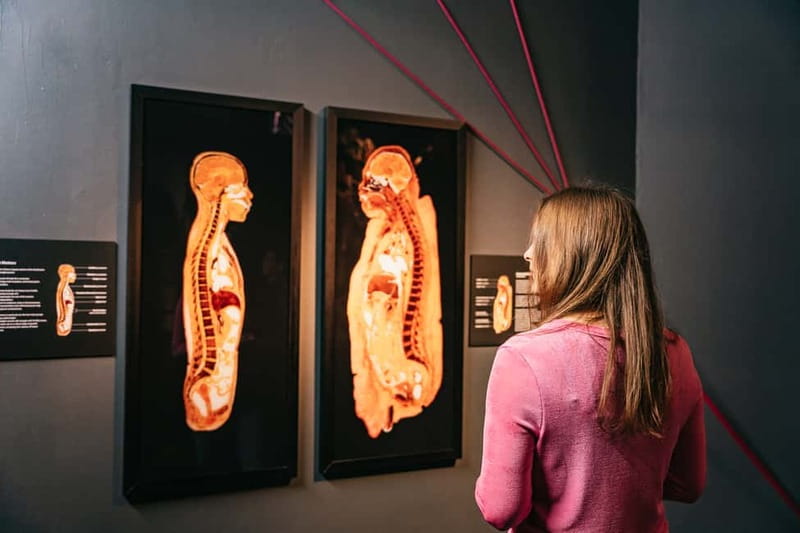
This is a popular, educational attraction. That’s good for visibility and organization, but it can also mean you share space with school groups.
One recurring issue: schoolchildren can be loud or run around, including moments where kids hide or dash between areas. That can make a quiet focus harder, especially in sections that ask you to read and reflect.
My practical advice: go earlier in the day if you can. It reduces the odds of hitting the noisiest group cycles. And if you see a large group entering your favorite room, pause at a transition area and take a breather. The museum is large enough that you can shift your pace without losing much.
Also note that some exhibits may look a bit dusty or tired up close. That is not unusual for a high-traffic show, but it can affect how crisp details look. If you’re going for super close photo inspection, be realistic and focus more on the overall structure.
Practical comfort: lockers, cloakroom, and wheelchair access
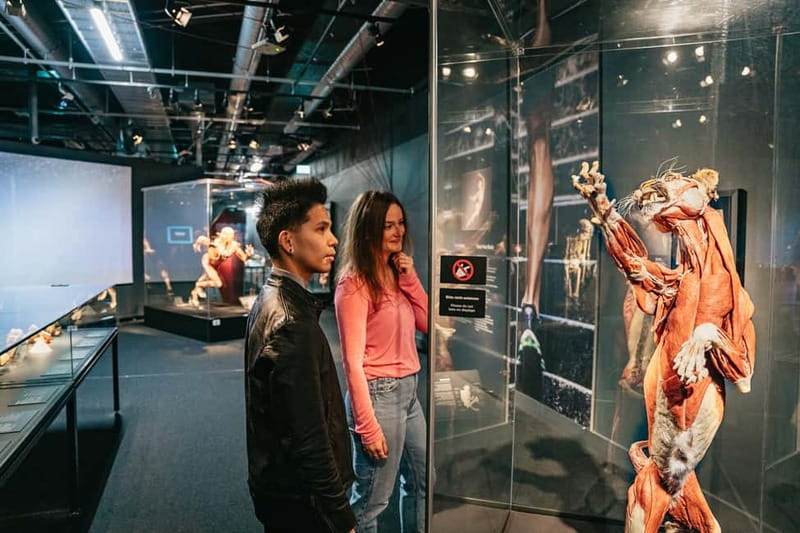
The ticket includes entrance to the BODY WORLDS exhibition. It does not include a cloakroom, and lockers are subject to a charge.
That matters because bags and outerwear can slow you down. If you can travel light, you’ll enjoy the galleries more. If not, plan time for storing items before you settle in.
Good news for mobility: the museum is wheelchair accessible. If you or someone in your group uses a chair, you can still plan a full visit without having to skip major areas. (Just consider that crowded rooms can be tight, so a calmer time slot is a smart move.)
How long to spend, and what kind of questions to ask while you’re there
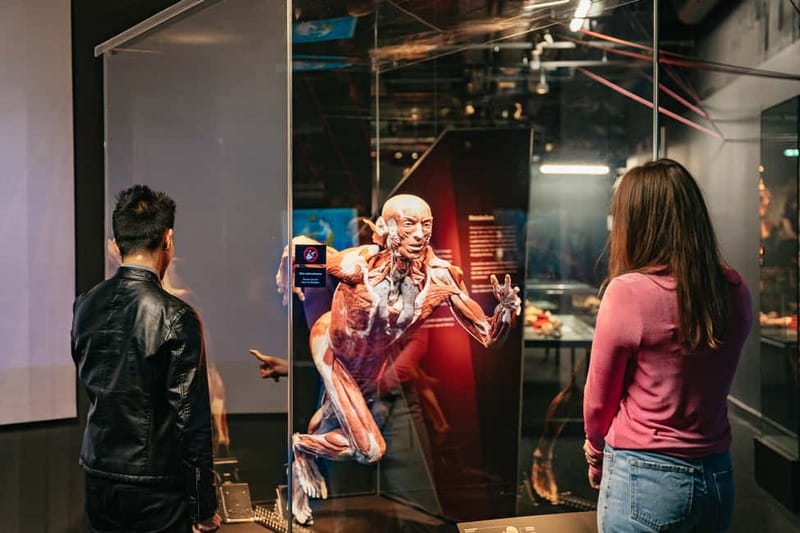
This is one of those places where you’ll get more out of it if you slow down. You’ll see a lot in a short time, but the best learning comes when you connect what you see to what you already know.
A simple way to get value from the visit is to ask yourself:
- What body system am I looking at right now, and what job does it do?
- How does this relate to other systems nearby?
- Where do diseases show up, visually, in relation to function?
Because the museum ranges from anatomy to topics like stress and happiness, you’ll also get more if you let those sections come as part of the same story. Your nervous system ties into stress responses. Your cardiovascular system connects to endurance and long-term health. It’s all connected, even if the labels shift topics.
If you only have a tight schedule, you can rush it, but you will miss the point. The exhibits are designed to reward lingering attention.
Should you book BODY WORLDS tickets in Berlin?
Book BODY WORLDS tickets if you want:
- A high-impact learning experience with real human plastinates
- Clear visual explanations of organs and common diseases
- A museum that goes beyond anatomy into stress, happiness, and health balance
- Strong English support through displays and phone or audio-style guidance
Skip it or approach with care if:
- You need fully reliable audio to understand exhibits, since some audio sections can be out of order or difficult to locate
- You dislike crowds, especially school groups that can add noise and movement
- You expect a perfectly maintained, spotless gallery, because some rooms or displays can look worn or dusty up close
At $22, BODY WORLDS is often a smart buy for people who want a memorable Berlin museum day that feels more like a life-and-body lesson than a traditional exhibition. If that sounds like your kind of learning, you will likely feel the time was worth it.
Berlin Museums & Attraction Tickets, compared.
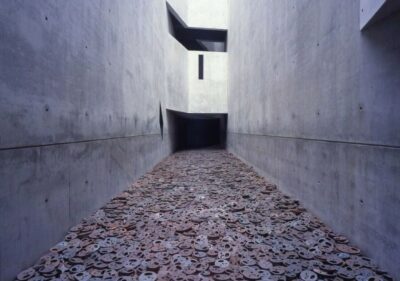 ★ 4.5Jewish Museum Berlin Entrance TicketFrom $08,393 reviews
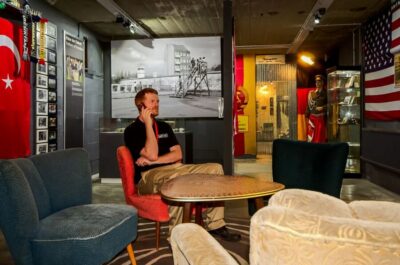 ★ 4.6Berlin Story Bunker Entry TicketFrom $216,759 reviews
 ★ 4.1Illuseum Berlin Entrance TicketFrom $183,970 reviews
 ★ 4.6Madame Tussauds Admission TicketFrom $253,941 reviews
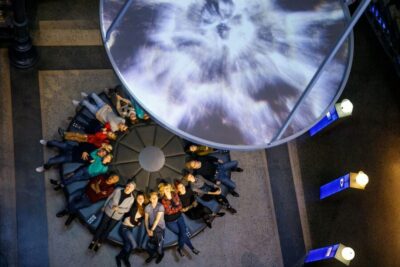 ★ 4.6Natural History Museum Entrance TicketFrom $123,382 reviews
 ★ 4.5Potsdam: Sanssouci Palace and Prussian Palaces Entry TicketFrom $252,101 reviews
 ★ 4.4Charlottenburg Palace Entry TicketFrom $222,076 reviews
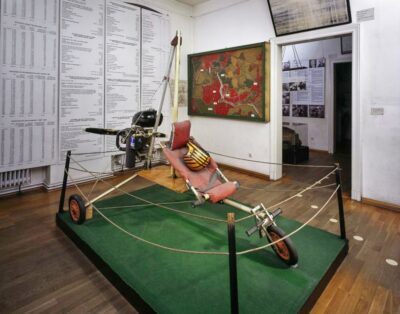 ★ 4.1Skip-the-Line: Berlin Wall Museum at Checkpoint CharlieFrom $212,041 reviews
Browse the lists this tour appears in