
Tour review · BERLIN MUSEUMS & ATTRACTION TICKETS
Berlin: Tickets to the Computer Games Museum
A museum where you press buttons. At Berlin’s Computer Games Museum, you can roam through decades of gaming history across 300+ exhibits, then test the classics and the tech that came after. I especially loved the hands-on format, not just the viewing, and I liked how the Wall of Hardware shows what gaming looked like across generations.
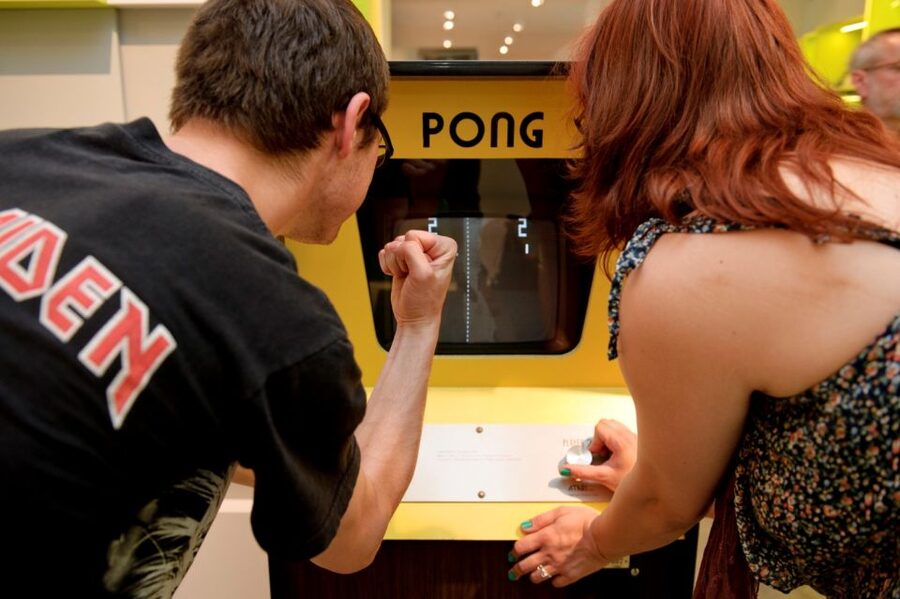
The museum also keeps you moving with interactive stations like Pong and other iconic systems, plus a small arcade area with coin-operated machines. One drawback to plan for: it can get busy, and the arcade section is popular, so expect some waiting and, at times, a lot of noise from kids at play.
Key Points You Should Know Before You Go
- 300+ exhibits across about 70 years of gaming history
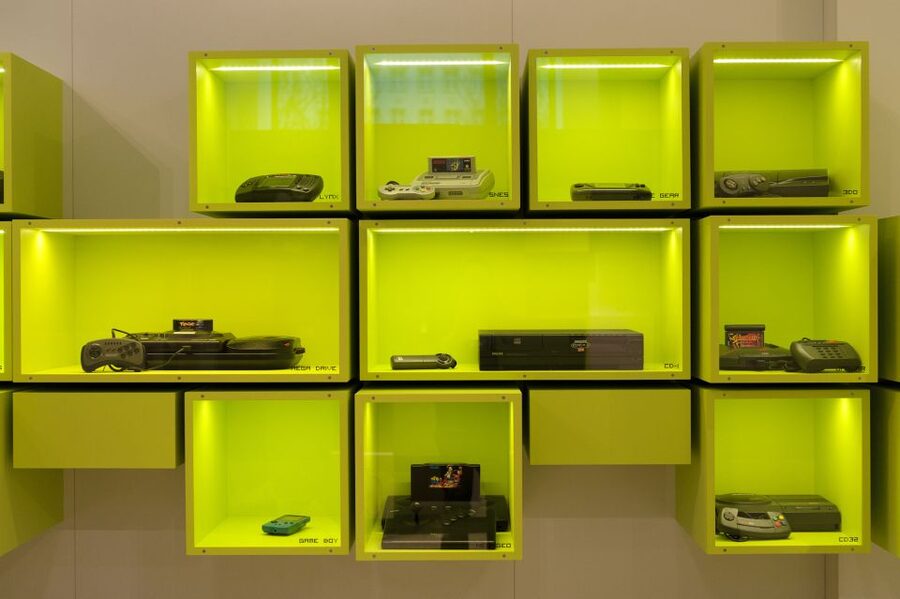
- Wall of Hardware linking Commodore, Game & Watch, and PlayStation eras
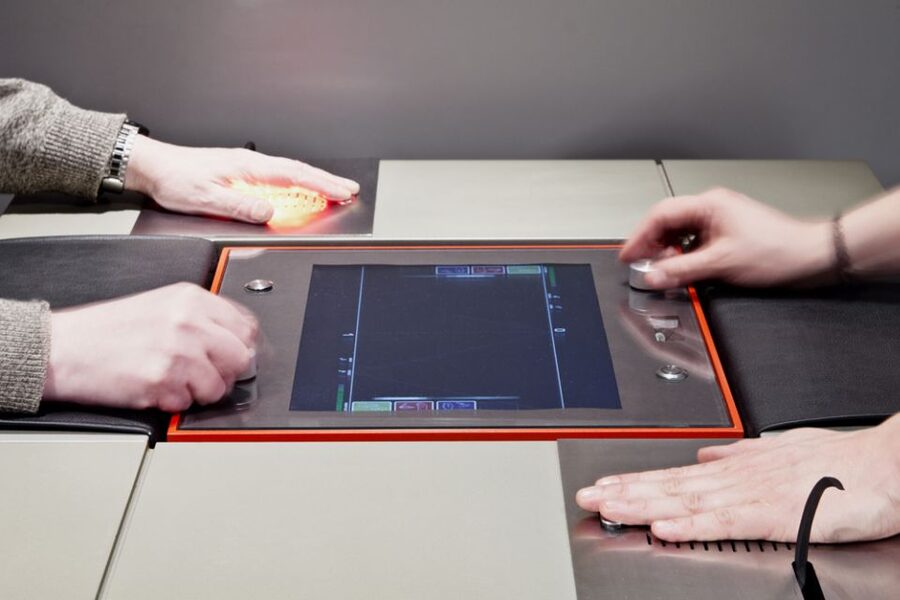
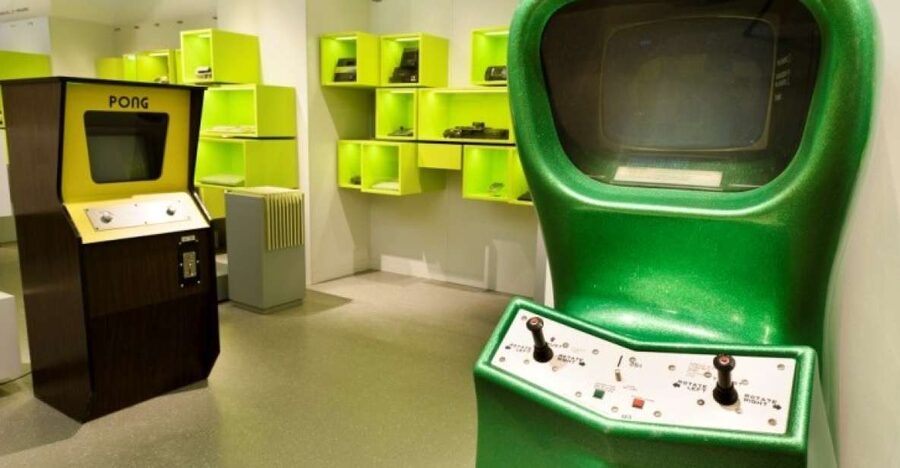
- Interactive must-tries like Pong, the Giant Joystick, and the PainStation
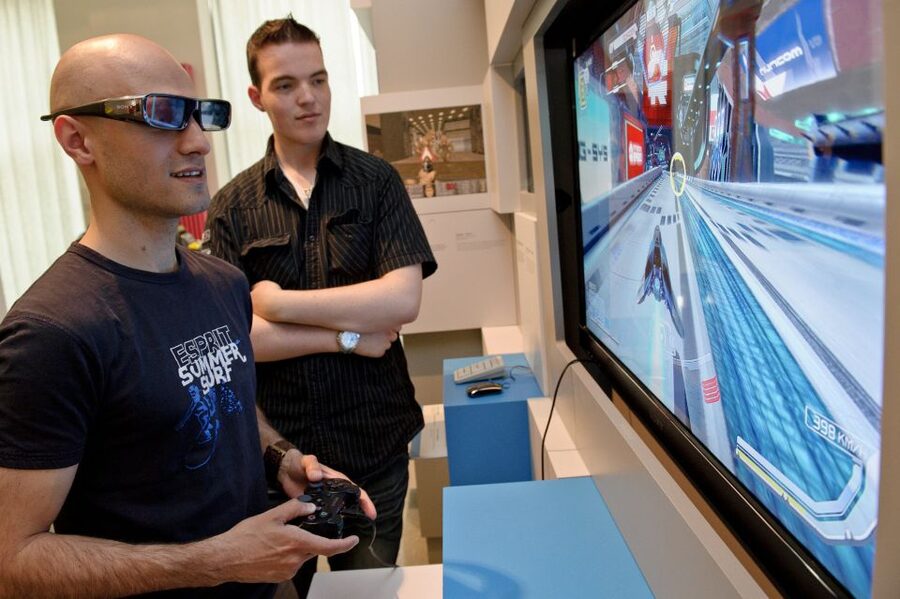
- 3D gaming on a 3D television and handheld 3DS, plus possible VR demos via reception
- One ticket covers the permanent exhibition and the special exhibition
Other Berlin museums and landmark entries worth reserving
- Berlin: Berlin Story Bunker Entry Ticket★ 4.6 · 6,759 reviews
- Berlin: Illuseum Berlin Entrance Ticket★ 4.1 · 3,970 reviews
- Berlin: Madame Tussauds Admission Ticket★ 4.6 · 3,941 reviews
- Berlin: Natural History Museum Entrance Ticket★ 4.6 · 3,382 reviews
First Look: Finding Computerspielemuseum and Setting Expectations
This is not a museum where you read a plaque, nod once, and move on. The Computer Games Museum Berlin, also known as the Computerspielemuseum, is built around interaction, from old-school arcade-style play to more modern formats like 3D gaming. Your ticket is for one day, so you can take your time without feeling rushed into a strict tour rhythm.
You’ll meet at Computer Games Museum Berlin, Karl-Marx-Allee 93a, 10243 Berlin. I’d treat the whole visit like a mix of gallery browsing and “try not to get hooked” play time. The ticket includes the permanent exhibition and the special exhibitions, which matters because it gives you more variety than a single-themed display.
Also note: a guide is not included. That can be a plus if you want to wander freely, but if you like extra context, there may be an optional guided tour on site for a fee. Either way, you can still get a lot from the exhibits themselves.
The Permanent Exhibition: A 1-Day Time Machine for Game History
The heart of the museum is the permanent exhibition, built to walk you through the development of computer gaming over roughly 60 to 70 years. You’ll see more than 300 exhibits, and you’ll notice the museum’s style right away: history here comes with participation. Instead of only explaining how games evolved, the museum gives you a chance to feel how old systems played.
One of the biggest strengths is the way it mixes recognizable milestones with the surrounding technology. The museum includes 52 highlights of famous games, including Pacman, Bomb Jack, and Grand Theft Auto IV. That range helps you place gaming not just as entertainment, but as an industry that keeps changing what is possible.
And yes, you’ll run into legendary names from the past. You can encounter the Pong arcade machine, Nimrod, PainStation, and the Giant Controller. For me, the most satisfying part was watching how the museum frames these as stepping stones. Pong is not just a nostalgia prop, it’s a first chapter in what game design and control layouts became.
If you’re visiting with younger kids, this approach works well because they get to play instead of only listen. One adult caution: some of the older games can feel slow or basic if you grew up with modern controls and speed. Treat that as a feature, not a flaw, because it makes the evolution real.
Wall of Hardware: Why Old Devices Feel Different in Your Hands
Just when you think you’ve seen enough screens, the museum shifts to the physical side of gaming. The Wall of Hardware brings together favorite machines from different generations, from the Commodore era to Game & Watch, and onward to PlayStation.
This section is valuable because it helps you understand that games did not evolve in isolation. Hardware changed the world of gaming, from what could be displayed to how players interacted. Even if you know the names already, seeing the devices arranged like a timeline is a quick way to connect the dots between era and experience.
There’s also a small amusement arcade tucked nearby, which is a great follow-up to the Wall of Hardware. After you’ve seen the machines as objects, you get to experience them as gameplay.
Coin-Operated Arcade Machines: Donkey Kong and Space Invaders
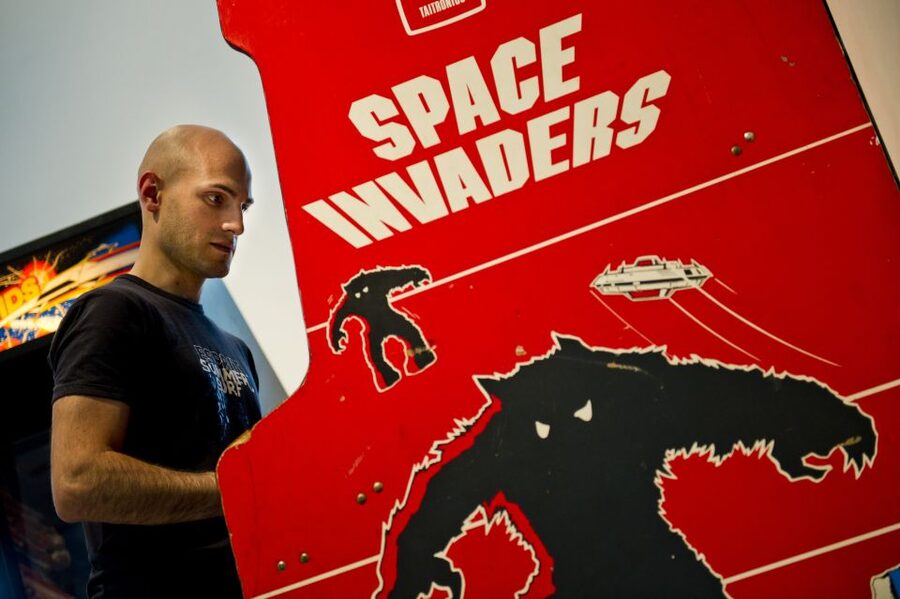
If you like classic arcade energy, the museum has you covered. You’ll find a small arcade area with coin-operated machines such as Donkey Kong and Space Invaders. This is the part of the museum where it can feel busiest, because the arcade cabinets are the easiest stations to understand instantly, even if you don’t know every game.
Because the machines are coin-operated, plan for the reality of per-play access. The museum experience still feels worth it, but your budget can move depending on how many cabinets you want to try.
A practical tip: if you want maximum playing time, consider doing the arcade slightly earlier in your visit. When crowds build, you can lose time waiting for a cabinet, especially for the most popular classics.
Other Berlin museums and landmark entries worth reserving
- Berlin: Charlottenburg Palace Entry Ticket
★ 4.4 · 2,076 reviews - Skip-the-Line: Berlin Wall Museum at Checkpoint Charlie
★ 4.1 · 2,041 reviews - Berlin: Museum Island Multiple Museum Entry Ticket
★ 4.4 · 2,007 reviews - Berlin: Interactive DeJa Vu Museum Entrance Ticket
★ 4.1 · 1,338 reviews - Berlin: “Pergamonmuseum. The Panorama” Exhibition Tickets
★ 4.6 · 1,245 reviews
Milestones, 3D Play, and the Fun of Trying New Formats
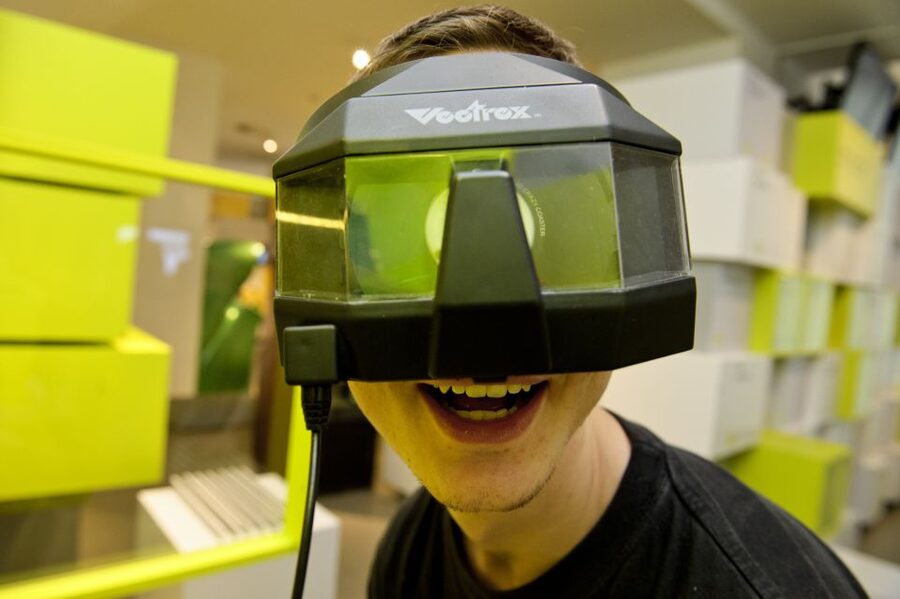
The museum doesn’t freeze time in the arcade years. It also gives you access to more modern formats, including 3D games. You can experience 3D gaming on a 3D television and with a handheld 3DS, which helps explain why stereoscopic visuals mattered enough to build dedicated display experiences around them.
This matters because gaming history is not only about graphics getting better. It is about how developers rethink what players can perceive and how controls respond. When you try the 3D stations yourself, the learning sticks more than it would from reading about it.
One more layer: some visitors mention VR-style demos. In at least one case, people recommend asking reception for a free timed ticket for a VR experience, including a demo tied to the early 1990s. Since that kind of thing can vary day to day, think of it as a possible extra rather than something you should build your whole plan around.
The Most Memorable Attractions: Giant Joystick and PainStation
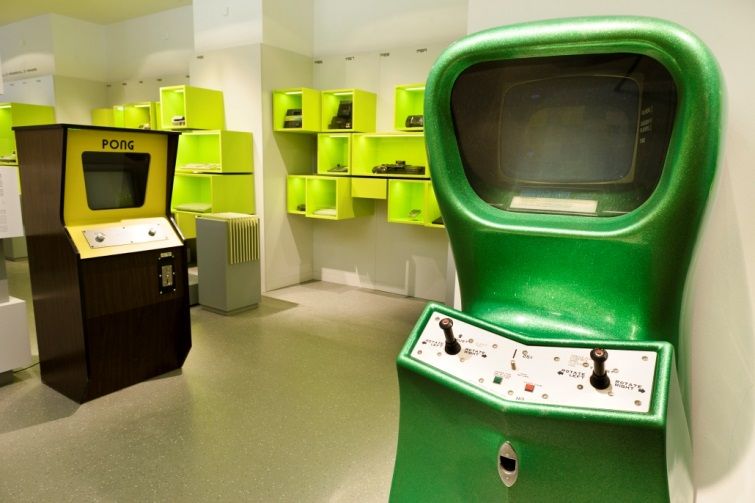
If you want the museum at its most hands-on, focus on the big interactive installations. The museum invites you to play interactive works of art, and that is where it leans into games as physical experiences.
Some of the standout stations include the Giant Joystick and the PainStation. The PainStation is the one that gets attention because it reacts like an arcade challenge, with shocks or hits for every ball you miss. That’s not something you attempt on autopilot. If you have a low tolerance for surprises, go in with a calm plan, or skip it entirely.
The payoff is that these attractions turn history into a story about skill and feedback. Old arcade play was often about learning fast, then improving. These stations keep that spirit alive, even when the exhibit is more theatrical than a standard cabinet.
For adults, it can also be funny how quickly you forget you’re in Berlin and not in your childhood living room. For kids, it’s a way to experience “classic arcade logic” without needing a console at home.
Dance and Movement Games: When Gaming Becomes Physical
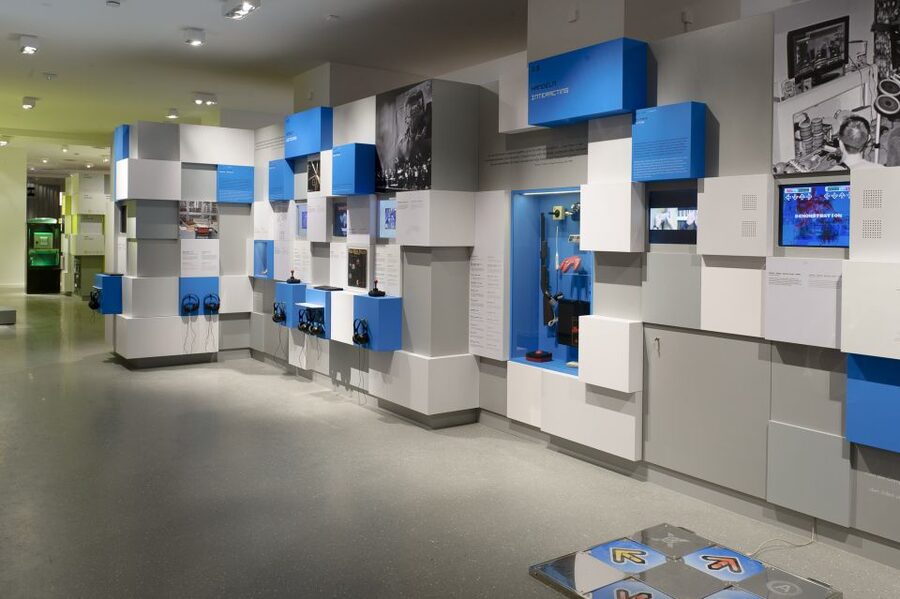
One of the more distinctive parts of the museum is the inclusion of dance and movement games. These fit well with the museum’s overall philosophy: gaming isn’t only buttons and screens, it can be body movement, timing, and coordination.
Even if you are not a dance game person, it is worth at least trying one movement station. You’ll get a sense of why motion-based play gained popularity, and you’ll also understand how game design adapts when the controller changes shape.
This is also a good breather from pure retro play. After you’ve spent time on classic consoles and arcade favorites, moving your body helps you reset your brain and keep your energy up.
Special Exhibition Plus Permanent: Getting Full Value From the $22 Ticket
At about $22 per person for a day pass, this museum can be a strong value if you actually plan to play. If you treat it like a quick walk-through and only try a couple of stations, it might feel short, which is why pacing matters.
The ticket includes the permanent exhibition plus the special exhibitions, so you are not gambling on one theme. That added coverage is what makes this easy to recommend for mixed groups. One person can chase retro consoles while someone else spends time on 3D and interactive challenges.
It’s also worth knowing that the museum has more of a retro focus than a modern focus, based on how many visitors describe it. If you expect lots of brand-new releases, you might feel the balance leans older. Still, the museum’s goal is the evolution, and the older machines are central to that story.
Finally, this place gets consistently strong ratings, with an average around 4.5 from hundreds of reviews. Most of that praise ties back to hands-on play, the range of exhibits, and the feeling that the museum is built for both nostalgia and discovery.
Timing and Crowds: How to Protect Your Playing Time
The museum can get crowded, especially around the interactive zones and the arcade. There are also moments where you’ll hear a lot of kid energy, and it can sometimes feel chaotic around shared equipment.
You cannot control the crowd level, but you can control your strategy. If you want to reduce waiting, plan to mix high-demand activities (arcade cabinets and the most sought-after stations) with lower-demand browsing between them. That way, even when one area is busy, you are never stuck doing nothing.
If you are going with kids, that same strategy helps everyone stay patient. It also makes the visit feel longer without needing to force it. People do spend different amounts of time here, and you will too, based on how much you want to test controls and replay favorites.
Who Should Book This Museum Ticket?
This is a great fit if you fall into any of these groups:
- You love old consoles and arcade games, and you want a real chance to play them again.
- You like hands-on history, where you can compare hardware and gameplay across decades.
- You’re traveling with kids who enjoy interactive exhibits and learning through play.
- You want a different Berlin experience that is more tactile than typical indoor attractions.
It’s also wheelchair accessible, so it is a solid option for travelers who need that level of mobility support.
If you are a person who wants only quiet galleries and minimal interaction, this may feel too energetic. But if you are willing to trade a little calm for a lot of hands-on fun, you’ll likely enjoy it.
Should You Book the Computer Games Museum Ticket?
Yes, I’d book it if you want a one-day Berlin stop that is built around playing, not just looking. The ticket’s value comes from the big combination: 300+ exhibits, interactive stations, and both the permanent and special exhibitions. At roughly $22, it is a reasonable price for a museum day that can keep you engaged for hours if you actually try the games.
I would hold off or adjust expectations if your main goal is brand-new modern games. The museum’s sweet spot is retro and the evolution of gaming tech, not a current-release showroom. Also, if you hate crowds and waiting for shared equipment, plan a pacing strategy before you go.
FAQ
How long is the Computer Games Museum Berlin ticket valid?
The ticket is valid for 1 day. You can check availability to see starting times.
What is included with the ticket price?
Your ticket includes entry to the permanent exhibition and the special exhibitions.
Is a guide included?
No. A guide is not included with this activity.
Where is the meeting point for the museum?
The meeting point is Computer Games Museum Berlin, Karl-Marx-Allee 93a, 10243 Berlin.
Is the museum wheelchair accessible?
Yes, the museum is wheelchair accessible.
Can I cancel and get a full refund?
Free cancellation is available. You can cancel up to 24 hours in advance for a full refund.
Is reserve and pay later available?
Yes. You can reserve now and pay later to keep your plans flexible.
More Berlin Museums & Tickets






More Berlin Museums & Tickets
More Tour Reviews in Berlin






Recently added around Berlin





Berlin Museums & Attraction Tickets, compared.
 ★ 4.5Jewish Museum Berlin Entrance TicketFrom $08,393 reviews
 ★ 4.6Berlin Story Bunker Entry TicketFrom $216,759 reviews
 ★ 4.1Illuseum Berlin Entrance TicketFrom $183,970 reviews
 ★ 4.6Madame Tussauds Admission TicketFrom $253,941 reviews
 ★ 4.6Natural History Museum Entrance TicketFrom $123,382 reviews
 ★ 4.5Potsdam: Sanssouci Palace and Prussian Palaces Entry TicketFrom $252,101 reviews
 ★ 4.4Charlottenburg Palace Entry TicketFrom $222,076 reviews
 ★ 4.1Skip-the-Line: Berlin Wall Museum at Checkpoint CharlieFrom $212,041 reviews
Browse the lists this tour appears in