

Tour review · BERLIN WALKING TOURS
Berlin: walking tour about Charité
Berlin medicine has haunting stories. This 2-hour walk through the Charité connects 18th-century plague care to famous discoveries and doctors like Rudolf Virchow and Robert Koch, all explained by a live German guide.
I love the focus on the people, not just the buildings. You follow the doctor-scientist trail through names such as Emil von Behring and Ferdinand Sauerbruch, and you finish with the oldest surviving teaching building, often called the medicine temple, hidden away in a backyard.
One consideration: this is not a full hospital walkthrough. The tour does not go inside the Charité Bed House, and the main hospital grounds, Charité Campus Mitte, are not accessible for group tours, so expect mostly outside views.
Key moments you should care about

- 300 years of medicine in one route: you trace how an early plague facility became a key university hospital site in Europe
- Nobel Prize related names on the way: Virchow, Behring, Koch, and Sauerbruch get tied to what the Charité became known for
- A mysterious medicine temple stop: you see Berlin’s oldest surviving teaching building from the inside
- Animal Anatomical Theatre (TAT) visit: you add a rare, historical anatomy setting, with opening hours that can change
- Dark chapters are part of the story: you learn that some doctors collaborated with the Nazi regime
- Outside views still matter: you get your bearings fast with the Charité sites and structures you will recognize later
Berlin on foot, with a few more routes worth comparing
- Discover Berlin Half-Day Walking Tour★ 5.0 · 9,624 reviews
- Berlin: Third Reich and Cold War 2 Hour Walking Tour★ 4.9 · 6,830 reviews
- Berlin: Discover Berlin Walking Tour★ 4.9 · 5,998 reviews
- Berlin’s Best: 2 Hour Walking Tour Third Reich and the Cold War★ 5.0 · 5,486 reviews
Meeting at the Charité Tower, then walking with purpose

Your tour begins in front of the Charité Tower at the crossroads of Schumannstraße, Charitéplatz, and Charitéstraße. It starts on time, so I’d treat the meeting point like a first appointment, not a casual drop-in.
Right away, you’re set up to understand the hospital as part of the city, not a sealed-off world. Even before you reach the quieter teaching-building section, your guide frames what you’re looking at and why these places mattered to medicine in Berlin.
If you’re the type who likes to connect street names with real stories, this works well. As you move along, places like Luisenstraße come with context instead of feeling like just another Berlin sidewalk.
From plague house origins to a major university hospital
The backbone of the tour is the transformation of the site over time. You start with the Charité story in the 18th century, when it began as a plague house, and then you trace how it later developed into one of Europe’s most important university hospital settings.
That timeline matters because it changes how you see everything else. When a place starts with epidemics and public health pressures, the institutions that follow are never just about comfort or curiosity. They’re built under real-world stakes, including disease control, patient care, and research priorities.
You also get a sense of why Berlin became a magnet for serious medical thinkers. The Charité didn’t just happen to be in the right city, it became a place where ideas could be tested, argued over, and passed on to new generations.
Virchow, Koch, Behring, and Sauerbruch: the doctor-scientist trail
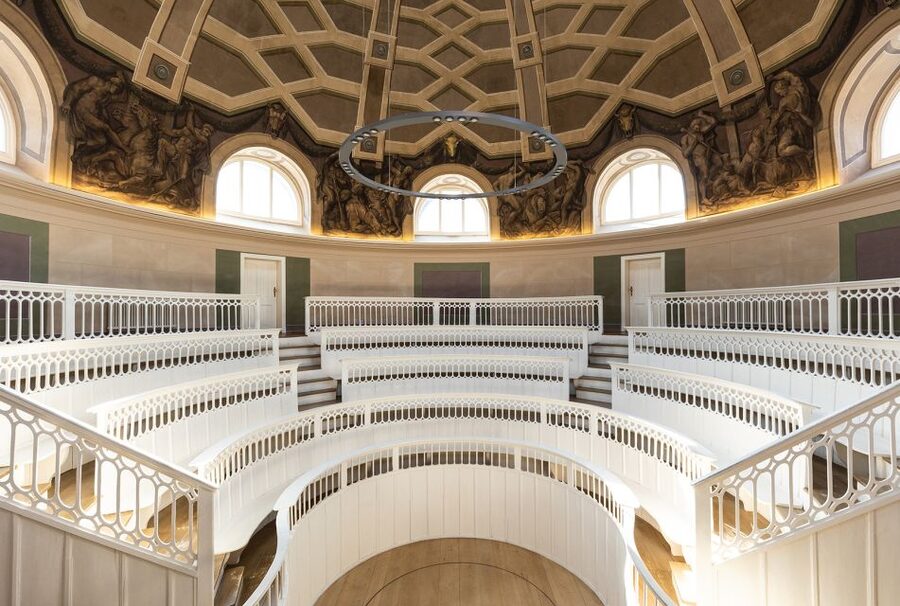
One of the best parts of this tour is the way you’re guided through famous Berlin medicine names as if they’re moving through the same streets. You follow in the footsteps of Rudolf Virchow, Emil von Behring, Robert Koch, and Ferdinand Sauerbruch, and the guide explains what each person represented for medical science.
You’ll likely leave with a clearer picture of why their work mattered to public health and biology, not only to labs and lectures. For example, the tour language connects discoveries to the broader institutional growth of the Charité, so you can see how one generation built momentum for the next.
If you like science history, this is a strong match. It doesn’t feel like a dry list of surnames, because the guide ties those names to the places you’re actually standing near.
Luisenstraße and the university-campus walk you can actually orient to
The route includes a walk along Luisenstraße and across the university campus area. This is more than a transfer between stops. It helps you piece together how the Charité campus relates to the surrounding academic and city environment.
I like that the pacing gives you short bursts of story, then a bit of walking to let it sink in. You don’t spend the entire time frozen at one spot, and you still end up with clear landmarks you can remember later.
There is one practical limit you should plan for, and it affects how you experience the campus: the hospital grounds, Charité Campus Mitte, are not accessible for group tours. That means your views of the main hospital buildings will be from outside, which is still useful if you want the story and orientation, not a ward-level visit.
Berlin on foot, a few more ways
- Berlin: Hidden Backyards Guided Walking Tour
★ 4.8 · 5,360 reviews - Third Reich Berlin: Hitler and WWII Walking Tour
★ 5.0 · 3,301 reviews - Berlin: Alternative Berlin Walking Tour
★ 4.6 · 1,204 reviews - Berlin: Third Reich, Hitler, and WWII Walking Tour
★ 4.9 · 1,133 reviews - Berlin: City Street Art Guided Walking Tour
★ 4.8 · 886 reviews
Charité Bed House: outside views and why they still work
You start at the Charité Bed House and view it from the outside. The tour does not go inside the Bed House, due to the building’s function as an active hospital facility with protection and hygiene rules.
That limitation might sound disappointing at first, but it also shapes the tour into something smarter. Instead of expecting a visitor-friendly walkthrough, you get a more historical, urban approach. You’re learning the institutional story through location and architectural presence.
If you’re hoping for an insider look at daily hospital operations, this tour will not meet that goal. But if you want to understand what the Charité became and who drove its scientific reputation, outside viewing is enough to support the main narrative.
The medicine temple inside a backyard
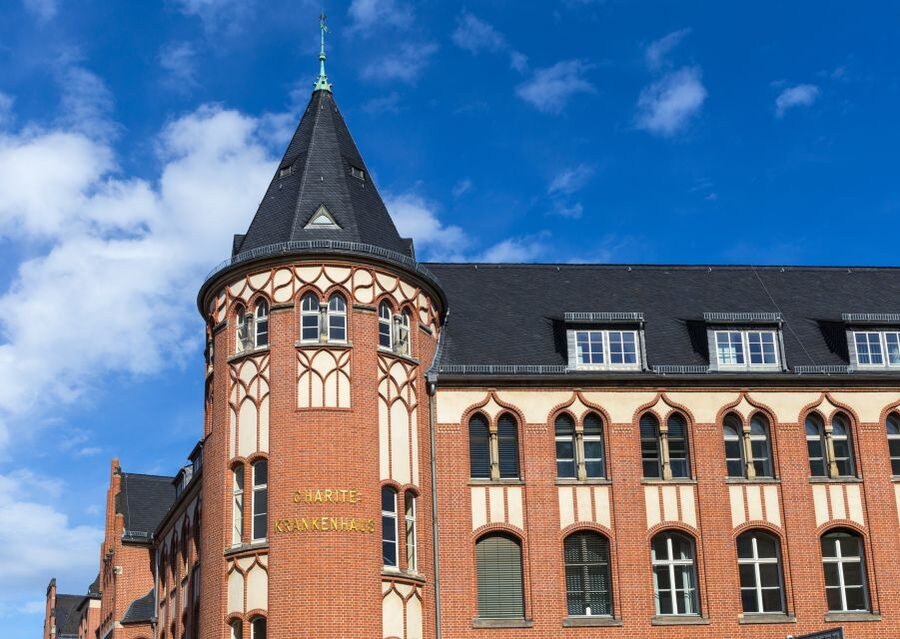
The most memorable stop for a lot of people is the mysterious medicine temple, Berlin’s oldest surviving teaching building. It’s hidden in a backyard area, which makes the reveal feel a little like opening a door you didn’t know existed.
The tour includes an interior visit here, with the guide showing you key spaces tied to medical education and historical anatomy practice. Since the building is still treated as a teaching site with historical rules, you’ll experience it differently than a standard museum.
This is also where the tour’s theme clicks: medicine is not only discoveries and Nobel-related names. It’s also training rooms, lecture culture, and how students learned to think about the body and disease over centuries.
Animal Anatomical Theatre (TAT): a rare historical anatomy setting
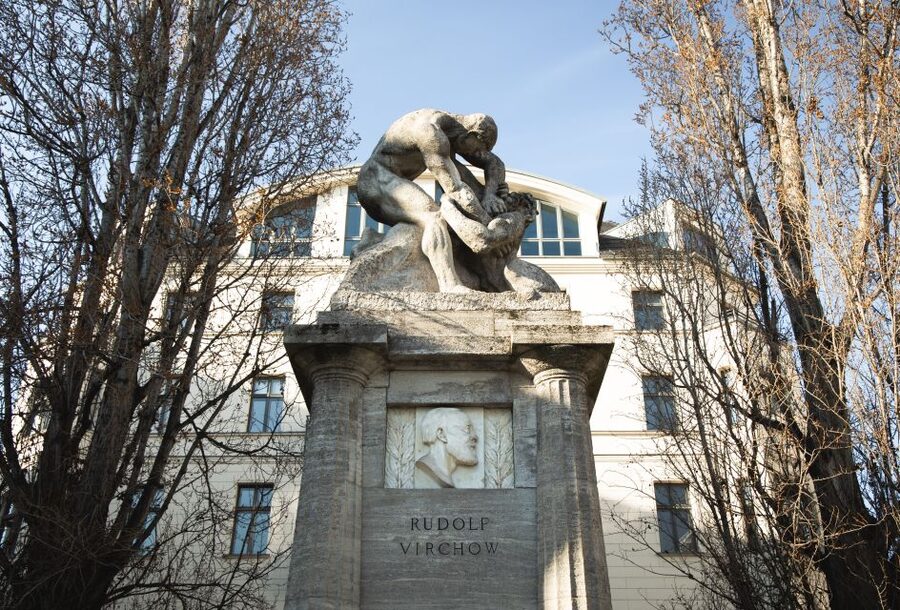
During the walk, you visit the Animal Anatomical Theatre (TAT). This is one of those spaces that feels specific and purposeful, and it adds a science-and-education layer to the story you’ve been hearing about the Charité.
There’s one scheduling reality you should keep in mind. The TAT reserves the right to adjust its opening hours at short notice if there are closed events, and it is closed on public holidays.
So if you’re visiting around a German public holiday, you might want to be flexible with your day plan. When that site changes, the overall tour experience stays focused on the Charité story, but the exact flow depends on what the venue allows.
The darker chapters: medicine and the Nazi regime
A big part of why this tour feels honest is that it doesn’t skip the institution’s worst era. You hear about the dark time when doctors collaborated with the Nazi regime.
This section matters because it reframes scientific progress. You’re reminded that medical institutions can be involved in harm, not only healing, and that history includes ethical failures as well as breakthroughs.
I appreciate when a guide treats this topic with clarity rather than sugarcoating it. It turns the tour from a set of famous names into something more responsible, the kind of story that helps you understand medicine as a human system shaped by politics.
Price and value for a 2-hour Charité walking tour
The price is $27 per person for a 2-hour guided experience. For Berlin, that’s a solid value if you want a structured route with an expert guide explaining how the Charité became what it is today.
Here’s the value logic from my perspective: you’re paying for guided storytelling at multiple stops, including the inside visit to Berlin’s oldest surviving teaching building and the TAT stop. Even with outside views of the main hospital areas, the tour still delivers historical access points that are harder to find on your own.
If you’re doing this as part of a wider Berlin science and history plan, the time investment also makes sense. Two hours is long enough to connect the 18th-century plague origins to modern medical reputations, without dragging on into a half-day commitment.
If you want a hospital interior tour, clinical wards, or behind-the-scenes access, this is not that. The value is in the guided historical walk and selected interior viewing, not in a general access pass.
Practical tips for a smooth walk on this medical-history route
This tour is in German, with a live guide. If your German is basic, you’ll still get a lot from the names, the building-focused route, and the clear stop-and-story rhythm, but it will be more satisfying if you can follow the key points.
Plan your clothing for walking and outdoor time. You’ll move along streets like Luisenstraße and across the university campus area, so comfortable shoes help.
Because the hospital grounds are not accessible for group tours, it’s smart to adjust expectations early. You’re there to learn the Charité story and see key teaching and anatomy sites, not to roam hospital corridors.
Finally, check the calendar for public holidays if Animal Anatomical Theatre (TAT) is important to you. With sites that can close for events, day-of flexibility is your friend.
Should you book the Charité walking tour with Secret Tours Berlin?
Book it if you want a focused, guided walk tied to major medical names and places, and you’re curious about how a plague-era facility became a world-class university hospital. The mix of famous physicians, the medicine temple interior visit, and the Animal Anatomical Theatre stop makes it more than a casual sightseeing loop.
Skip it if you mainly want inside access to active hospital buildings, or you’re uncomfortable with the fact that access is limited to group-friendly sites. Also, if you need everything explained in English, this German-language tour may feel harder to enjoy.
If your ideal Berlin day includes science, institutions, and real historical context, this one is a strong fit, and the $27 price feels fair for the guidance and specific stops you get.
FAQ
Where do I meet for the Berlin Charité walking tour?
Meet in front of the Charité Tower at the crossroads of Schumannstraße, Charitéplatz, and Charitéstraße.
What time does the tour start?
The tour starts on time at the scheduled time shown when you check availability, since starting times can vary by day.
How long is the tour?
The tour lasts 2 hours.
Is the tour available in English?
The tour language is German, with a live tour guide speaking German.
Does the tour go inside the Charité Bed House?
No. The tour does not go inside the Charité Bed House.
Can I visit the hospital grounds, Charité Campus Mitte?
No. The hospital grounds (Charité Campus Mitte) are not accessible for group tours.
What interior sites does the tour include?
The tour includes a visit to Berlin’s oldest surviving teaching building, the medicine temple. It is visited from the inside.
What is the Animal Anatomical Theatre (TAT), and can it change?
You visit the Animal Anatomical Theatre (TAT) during the tour. The TAT can adjust opening hours at short notice for closed events and it is closed on public holidays.
What is the cancellation policy?
Free cancellation is available up to 24 hours in advance for a full refund.
More Tours in Berlin






Keep Walking Berlin




More Tour Reviews in Berlin
Recently added around Berlin





Berlin Walking Tours, compared.
 ★ 5.0Discover Berlin Half-Day Walking TourFrom $249,624 reviews
 ★ 4.9Third Reich and Cold War 2 Hour Walking TourFrom $236,830 reviews
 ★ 4.9Discover Berlin Walking TourFrom $235,998 reviews
 ★ 5.0Berlin’s Best: 2 Hour Walking Tour Third Reich and the Cold WarFrom $245,486 reviews
 ★ 4.8Hidden Backyards Guided Walking TourFrom $235,360 reviews
 ★ 5.0Third Reich Berlin: Hitler and WWII Walking TourFrom $243,301 reviews
 ★ 4.6Alternative Berlin Walking TourFrom $291,204 reviews
 ★ 4.9Third Reich, Hitler, and WWII Walking TourFrom $201,133 reviews
Browse the lists this tour appears in