
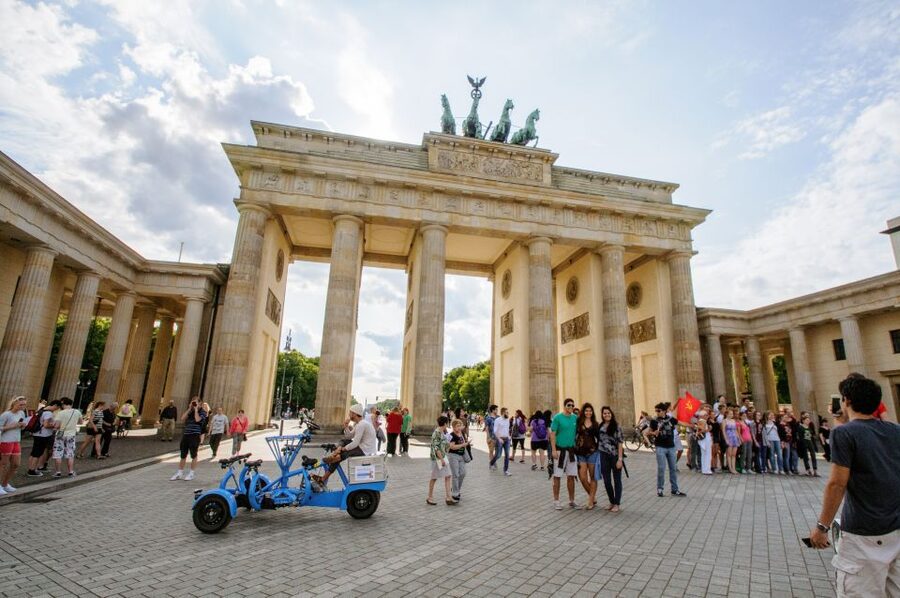
Tour review · BERLIN WALKING TOURS
Explore Berlin: Walking Tour of All The Iconic Sites
Berlin moves fast, but the story sticks. This 3-hour walk strings together the moments you actually came for, from the Brandenburg Gate and the Reichstag to the Holocaust Memorial and the Cold War boundary markers. It is the kind of tour that helps you read Berlin’s buildings like a timeline, with guides who make the city’s sharp turns feel human, not abstract.
I especially like two things. First, the stops are chosen for meaning, not just photos, so you connect Checkpoint Charlie, the Berlin Wall, and the site tied to Nazi book burnings without getting lost in dates. Second, the guide energy is a big part of the value, with standout names like Maria, Hannah, Martha, and Daniel showing up in reviews for being clear, funny at the right moments, and genuinely tuned in to the group. The main drawback to plan for is the walking: this runs rain or shine, so comfortable shoes and a camera-ready mindset matter.
Key Things You Will Notice on This Walk
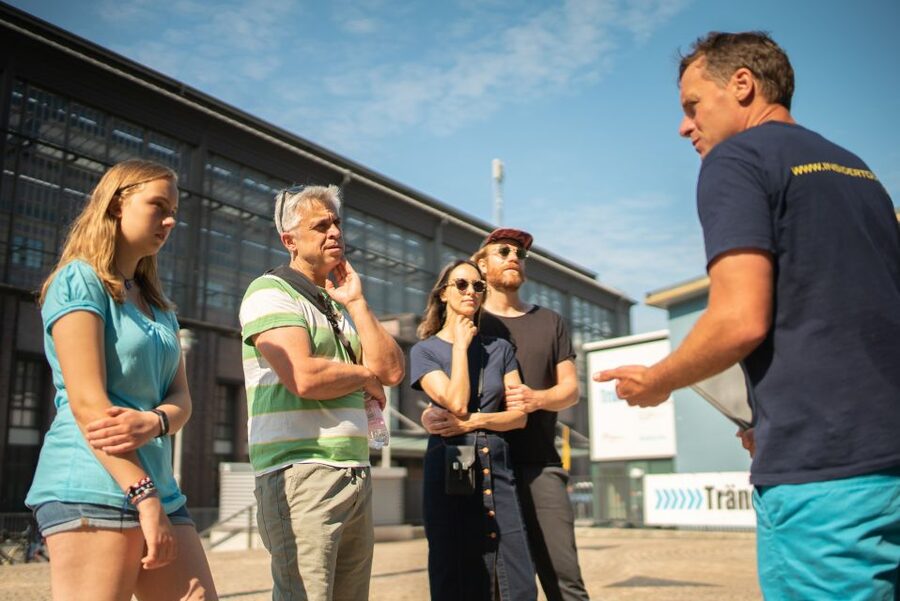
- A tight route of Berlin’s most important turning points in about three hours
- Cold War sites you can read in context, not as isolated landmarks
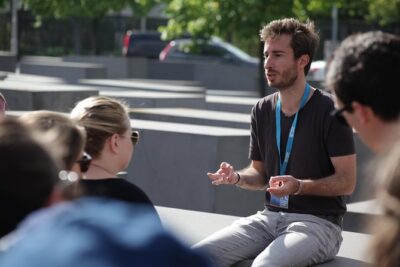
- Memorial time at the Holocaust Memorial, where reflection is part of the pacing
- Brandenburg Gate and Reichstag as a before-and-after story for Germany’s capital
- Real photo stops at places like Checkpoint Charlie, the Berlin Wall, and Hitler’s Bunker area
- Guides with strong personalities, including Hannah, Maria, and Daniel in past groups
Berlin on foot, with a few more routes worth comparing
- Discover Berlin Half-Day Walking Tour★ 5.0 · 9,624 reviews
- Berlin: Third Reich and Cold War 2 Hour Walking Tour★ 4.9 · 6,830 reviews
- Berlin: Discover Berlin Walking Tour★ 4.9 · 5,998 reviews
- Berlin’s Best: 2 Hour Walking Tour Third Reich and the Cold War★ 5.0 · 5,486 reviews
Why This Berlin Walking Tour Makes Sense for Your First Trip
If Berlin is your first stop on a Germany trip, it can feel like the city is doing two or three things at once. Modern streets, big government buildings, and memorial spaces all sit close together, but they do not automatically come with an easy explanation.
That is where this tour earns its low price. At $17 per person, you are paying for a guided storyline that ties the main sights together into one coherent walk. You are not buying a ticket to a single museum. You are buying interpretation, pacing, and a route that helps you understand why Brandenburg Gate and the Reichstag look the way they do today, after everything that happened around them.
This is also a good deal because the tour is built around a limited time window. Three hours sounds short until you realize the span of what you cover: Cold War checkpoints, sections of the Wall narrative, memorial sites, and the political symbols of a unified capital.
You will get the most out of it if you want context as you walk, not later after you have already missed the point.
Meeting at Friedrichstrasse, Finding the Yellow Umbrellas Fast
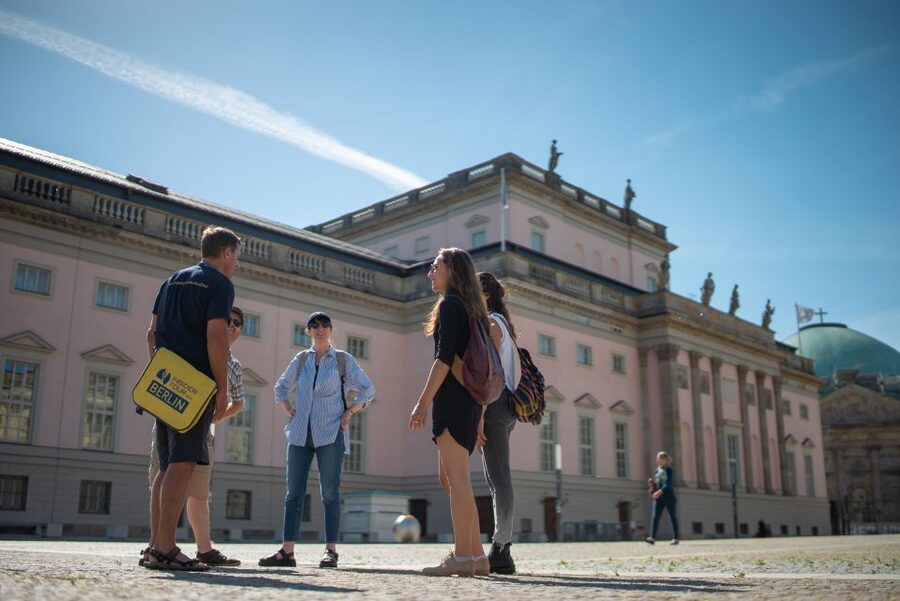
The tour starts outside Friedrichstrasse train station at the square beside the Palace of Tears, called Traenenpalast. The address given is Reichstagufer 17, 10117 Berlin.
Look for the guides holding yellow umbrellas. That matters because Berlin station squares can be busy, and you want to line up quickly so you do not lose the first minutes.
One practical note: the tour ends back at the meeting point. So you can treat this as your own orientation loop for the central area around government buildings and major memorial sites.
If you choose the private option, pickup is available from your Berlin accommodation. You would wait in the hotel lobby about five minutes before your scheduled time, and your guide will be wearing a yellow name tag for easy recognition.
Museum Island and Bebelplatz, Where Culture Meets Dark Power
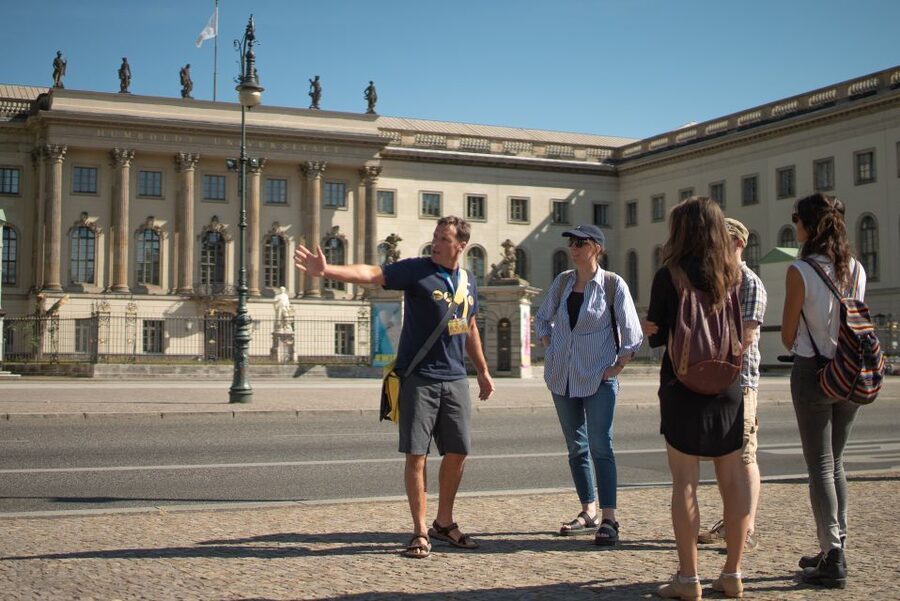
Early in the walk, you head toward Museum Island and then toward Bebelplatz. Even without going inside museums, the area helps you see how the city treats knowledge, institutions, and public ideology.
Museum Island is significant because it represents Berlin’s cultural identity, the kind you can visit, learn, and debate. Bebelplatz adds a different layer. This stop is tied to the site of the Nazi book burning, which turns the concept of culture into something more severe: what happens when authoritarian power targets ideas.
On a walk like this, the guide’s job is to connect the dots. You should expect to hear how Berlin moved through eras and why certain public spaces became symbols for what the regime wanted to control.
If you are the type who likes learning through place, these stops are worth your attention, even if you do not love museums.
Gendarmenmarkt, A Beautiful Break in the Middle of the Story
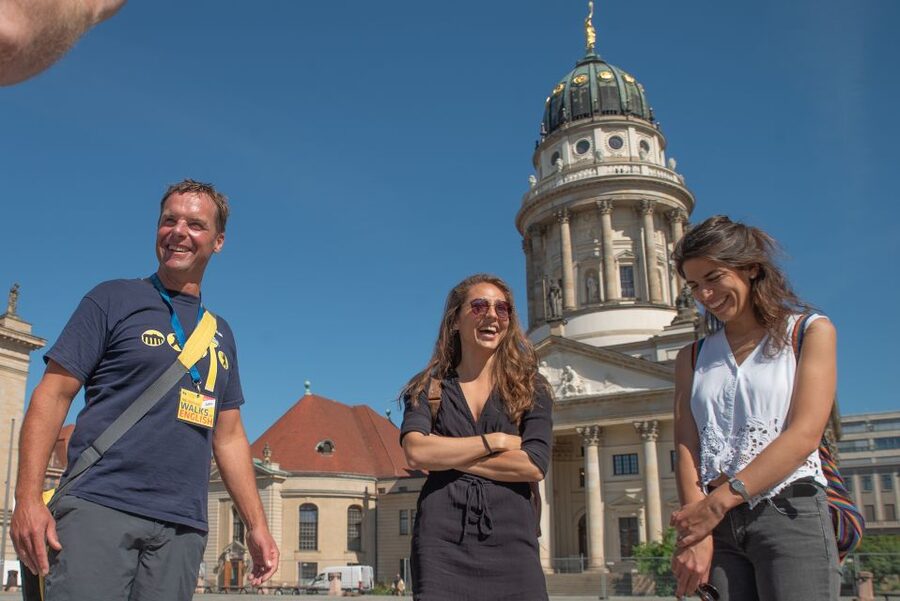
You also pass through Gendarmenmarkt, a square known for its grand, symmetrical design. On paper, that might sound like a detour from “heavy history.”
But it is not. This is a useful contrast stop. Berlin did not only exist as a divided city and a Cold War stage. It also had moments of order, culture, and civic life that people built their daily routines around. When you see Gendarmenmarkt in the middle of a politically intense route, it helps you feel the way the city’s identity kept shifting while the urban space stayed.
Think of it as your mental reset. You get a visual pause before you step into more direct Cold War territory.
Berlin on foot, a few more ways
- Berlin: Hidden Backyards Guided Walking Tour
★ 4.8 · 5,360 reviews - Third Reich Berlin: Hitler and WWII Walking Tour
★ 5.0 · 3,301 reviews - Berlin: Alternative Berlin Walking Tour
★ 4.6 · 1,204 reviews - Berlin: Third Reich, Hitler, and WWII Walking Tour
★ 4.9 · 1,133 reviews - Berlin: City Street Art Guided Walking Tour
★ 4.8 · 886 reviews
Checkpoint Charlie: Where the Cold War Became Personal
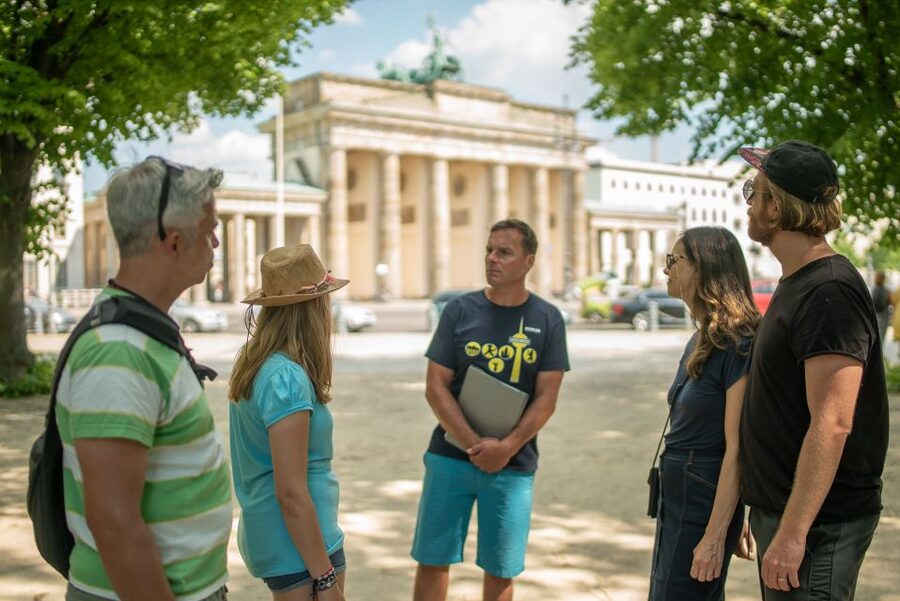
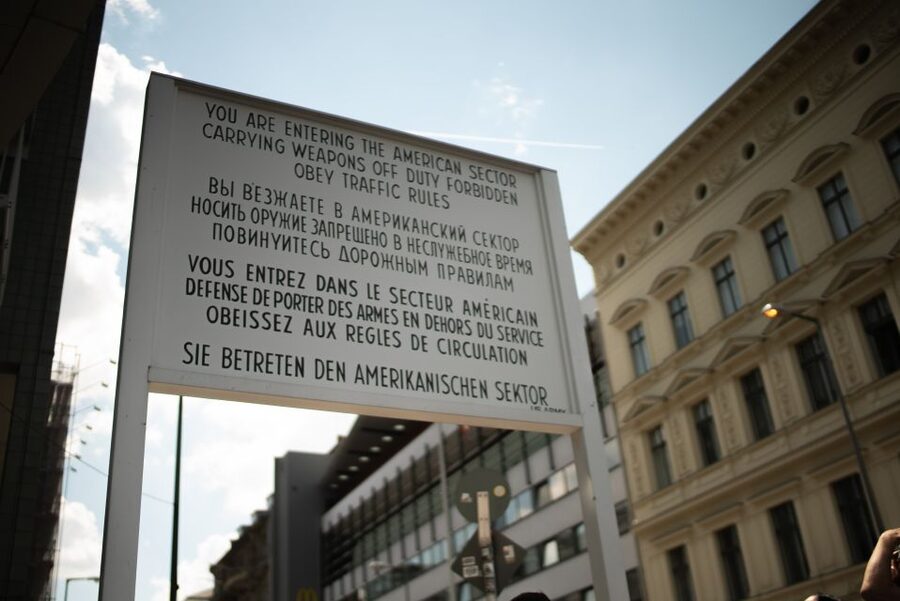
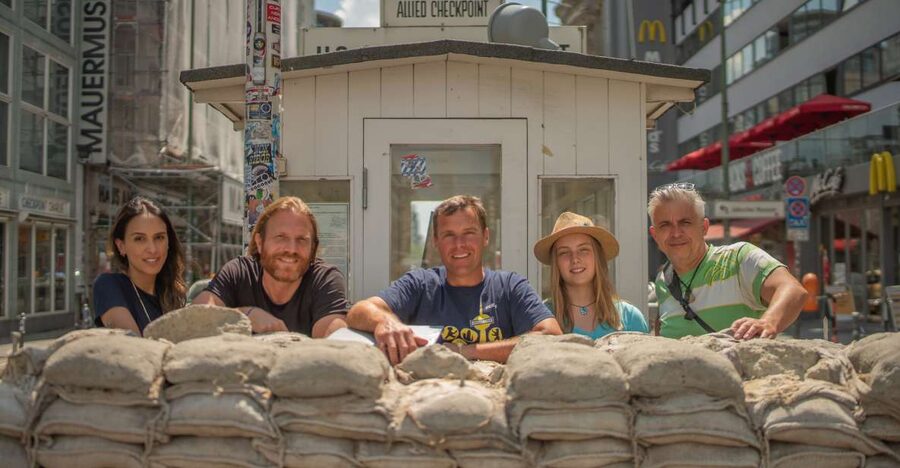
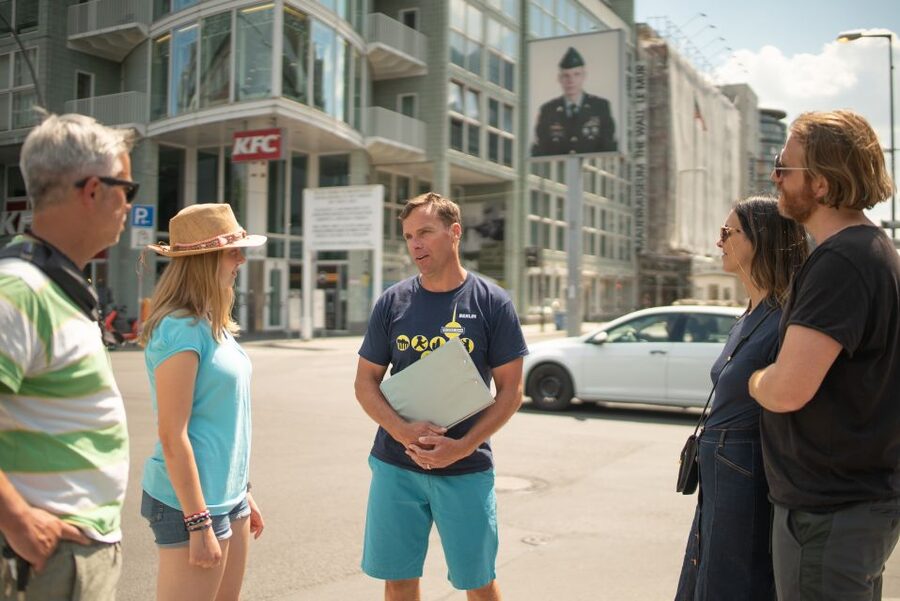
Then comes one of the most photo-friendly stops: Checkpoint Charlie. The tour includes a photo stop and a short guided explanation.
Checkpoint Charlie is valuable not because it is visually dramatic, but because it represents the everyday reality of division. You are not just looking at a marker. You are hearing how the border functioned and why it mattered to the people living near it.
This is also a spot where you can ask questions and get clarity fast. Since the tour format is walking, the guide can link what you just heard about earlier areas with what you are seeing now.
My practical advice: at Checkpoint Charlie, take your photos, then let the information sink in. It is easy to treat it as a set piece, but the most interesting part is the story of movement, restrictions, and negotiations that sat behind the image.
Berlin Wall Stops: The Death Strip Logic, Plus Photo Stops
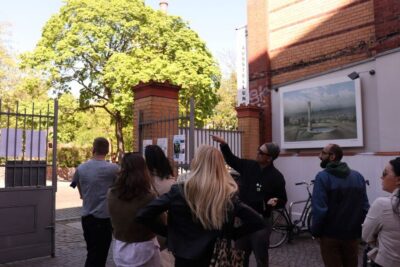
The tour includes the Berlin Wall with photo stop and guided explanation. It also references the former Death Strip and the idea of walking across it in the tour narrative, alongside other key landmarks tied to the Wall and border security.
The big benefit here is that you are not only seeing a wall section. You are seeing how the layout was designed to control distance and visibility. Guides often explain how the Wall was more than a barrier. It was a system.
You also see references connected to the former SS and Gestapo headquarters, which matters because the Wall story is inseparable from the surveillance and coercion of the era. When your guide connects those dots, the Wall feels less like a single monument and more like a machinery of power.
This part of the tour tends to be emotionally intense. If you prefer slow pacing, lean into the stop breaks. If you are traveling with family, this is also a section where guides who can explain clearly and sensitively help a lot.
Hitler’s Bunker Area: How the War Ends Up in the City
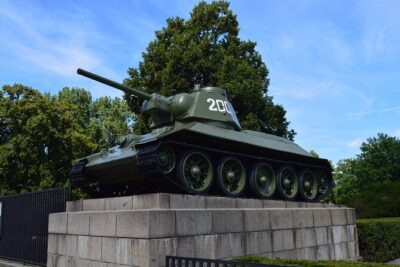
The tour includes a photo stop at Hitler’s Bunker. The description also notes walking across the former Death Strip to Hitler’s Bunker.
Even if you already know the basic story, the reason this can land well on a walking tour is simple: you connect the political decisions to the geography. Berlin is not only a place where history happened. It is a place where history left scars in the layout.
You are likely to hear how Berlin transitioned from a divided city into the unified capital it is today, and how symbols of the past got repurposed or left behind. This stop helps with that “before and after” understanding.
Take the photo if you want, but stay for the explanation. The guide’s framing is what turns a location into meaning.
Holocaust Memorial: Time to Pause, Not Just Look
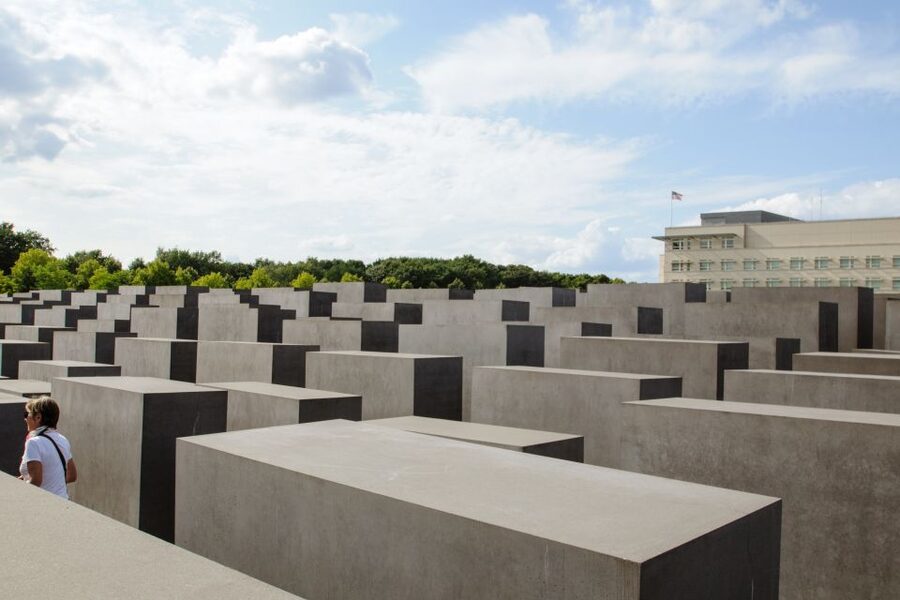
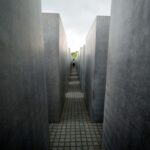
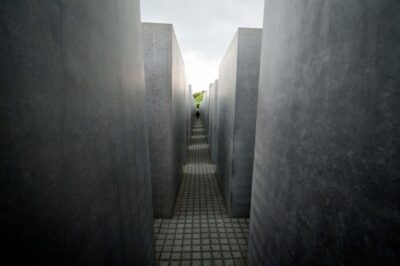
Next is a key emotional stop: the Memorial dedicated to the Murdered Jews of Europe. You get a photo stop and a longer guided segment, with guidance that this is a place for reflection.
This is where the tour’s pacing really matters. A lot of walking tours rush through memorials, but this one builds in more time at this stop, which you can feel immediately. You are not being asked to memorize details. You are being asked to pay attention to what the memorial is doing emotionally and historically.
For many people, this is the moment that turns the entire tour from “sights” into “understanding.” It is also a good reason to book the tour early in your trip. You will carry the context with you as you see the political sites near the end.
Reichstag and the Meaning of Power After Division
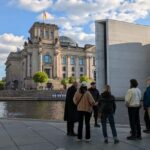
The tour includes the Reichstag with photo stop and guided explanation. The Reichstag is not just architecture here. It is a symbol, and the tour connects it to the story of Germany’s capital transforming from a divided city into a united one.
When you stand near places like the Reichstag, it helps to understand what people fought to rebuild, what was destroyed or discredited, and what institutions were meant to represent afterward.
Guides often do a good job of scaling the information to the group. In reviews, several guides are praised for keeping the narrative at the right level, and you can expect a similar approach. The goal is to leave you thinking, not confused.
Brandenburg Gate: One of Berlin’s Most Loaded Photo Spots
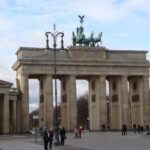
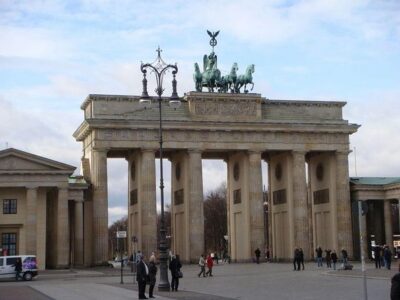
Finally, you reach the Brandenburg Gate for the photo stop and guided wrap-up segment.
The Gate is famous for a reason, but on this tour it is not just about the classic shot. It is the closing symbol of a long arc: division, Cold War conflict, and eventual unification.
If you remember one takeaway from this section, make it this: the Gate is a reminder that buildings can carry ideology, but also carry new meanings after regimes fall.
If you want to extend your day, the area around the Gate and the broader central government district is a logical place to keep walking. You will already have the story in your head.
Guide Quality Is the Real Value Add (Maria, Hannah, and More)
The standout theme across reviews is simple: the guides make the history feel readable. Names you will see repeatedly include Maria, Hannah, Martha, Tina, Daniel, Ru, Glen, Emma, Paul, Xavier, and Arte. What they share in past feedback is a mix of clarity, humor, and sensitivity to the group.
A few practical ways that shows up for you:
- The pacing includes frequent discussion moments, not nonstop marching
- Guides often connect the landmarks so they feel like one storyline
- Several guides get praised for being approachable and answering questions well
- Humor comes through, but stays appropriate for serious topics
If you enjoy learning with a live person who can tailor explanations on the spot, this is a strong match.
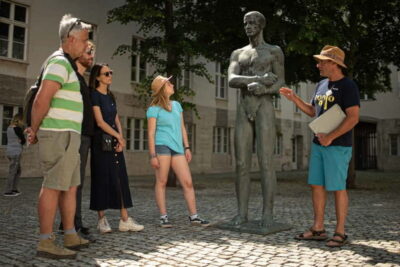
Also, if you like having something to look at, one review mentions a guide using printed material in a notebook style. That kind of support can make explanations easier to hold onto after the tour ends.
What It Feels Like on the Ground: Walking Time, Pace, and Comfort
This tour runs about 3 hours, and it operates everyday rain or shine. That means you should dress for weather, not for an ideal itinerary.
Because this is a walking tour focused on outdoor stops, you should plan around:
- Comfortable shoes you trust for uneven pavement
- A camera ready for quick photo windows at places like Checkpoint Charlie, the Wall photo points, Hitler’s Bunker area, and the Reichstag
- A small water plan for your own comfort, even though what to bring is focused on shoes and a camera
The good news is that the stops are structured, and the narrative is broken into segments. Reviews frequently mention that the time passes quickly and the walking stays manageable for a wide range of ages, especially when the guide is skilled at keeping everyone involved.
You should skip this if you have serious mobility constraints that require a different pace. It is wheelchair accessible, but the route still involves walking between stops.
Price and Value: Why $17 for a 3-Hour Guided Story Works
At $17 per person, this is priced like a budget-friendly orientation tour rather than a pricey private guide experience. And for what you get, that is exactly what you are buying.
You receive a live guide in English, German, or Spanish, guided segments at key points, and a route that includes major Berlin symbols: Brandenburg Gate, Reichstag, Checkpoint Charlie, Berlin Wall references, the Holocaust Memorial, and the Nazi book burning site.
This is the kind of value that can save you time and effort. Instead of piecing together Berlin’s Cold War and postwar meaning through random reading, you get a planned sequence that helps you connect what you see with what it meant.
If you have limited time in Berlin, this price makes it one of the most efficient ways to build a foundation before you choose which museums or neighborhoods to return to later.
Should You Book This Berlin Walking Tour?
Book it if you want a fast, high-impact Berlin orientation built around the places that explain the city’s major turning points. It is especially worth it at the start of your trip, when you still need the big picture and you want a guide who can answer questions in the moment.
Skip it or pair it with other plans if you are expecting mostly inside-the-building stops. This tour is outward and on-foot, with photo stops and guided explanations along the way, so you may want to add a museum visit later depending on your interests.
If you decide to go, do yourself a favor: come with a short list of what you most want to understand, from the Wall to the Nazi book burning site to how Berlin’s capital role changed. Then ask your guide early. The best learning tends to happen right after you commit to listening, not after you wait until the last stop.
FAQ
How long is the walking tour?
The tour runs for about 3 hours.
How much does it cost?
The price is $17 per person.
Where does the tour start?
Meet outside Friedrichstrasse train station, on the square beside Traenenpalast (Palace of Tears), Reichstagufer 17, 10117 Berlin.
How do I recognize the guide?
The guides hold yellow umbrellas at the start point. For private pickup, the guide wears a yellow name tag.
What languages are available?
The live guide is available in English, German, and Spanish.
Is the tour wheelchair accessible?
Yes, the tour is listed as wheelchair accessible.
What should I bring, and what is not allowed?
Bring comfortable shoes and a camera. Alcohol and drugs are not allowed.
Does the tour run in bad weather?
Yes, it operates rain or shine.
More Tours in Berlin



Keep Walking Berlin



More Tour Reviews in Berlin
Recently added around Berlin


Berlin Walking Tours, compared.
 ★ 5.0Discover Berlin Half-Day Walking TourFrom $249,624 reviews
 ★ 4.9Third Reich and Cold War 2 Hour Walking TourFrom $236,830 reviews
 ★ 4.9Discover Berlin Walking TourFrom $235,998 reviews
 ★ 5.0Berlin’s Best: 2 Hour Walking Tour Third Reich and the Cold WarFrom $245,486 reviews
 ★ 4.8Hidden Backyards Guided Walking TourFrom $235,360 reviews
 ★ 5.0Third Reich Berlin: Hitler and WWII Walking TourFrom $243,301 reviews
 ★ 4.6Alternative Berlin Walking TourFrom $291,204 reviews
 ★ 4.9Third Reich, Hitler, and WWII Walking TourFrom $201,133 reviews
Browse the lists this tour appears in