
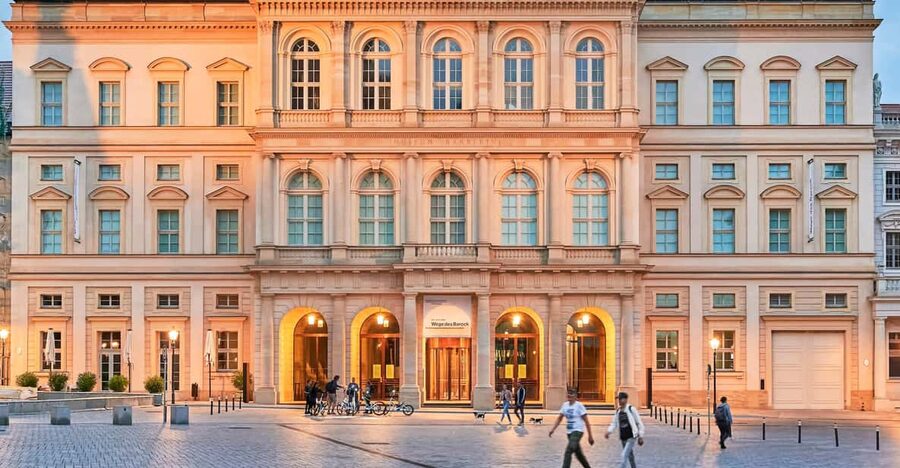
Tour review · BERLIN MUSEUMS & ATTRACTION TICKETS
Potsdam: Museum Barberini Entry Ticket
Great art, right in the middle of Potsdam. This entry ticket gets you into Museum Barberini, set in a reconstructed palace in the historic center, for a fast but satisfying 2-hour visit. I especially love the way the collection stays focused on Impressionists, so you can actually compare styles and brushwork without getting lost.
The second thing I like a lot is the strength of the Monet holdings, including the museum’s second-largest collection of paintings by Claude Monet in Europe. You’ll also see big names like Berthe Morisot, Paul Cézanne, Gustave Caillebotte, Pierre-Auguste Renoir, and Paul Signac, which makes the visit feel like a serious art stop, not just a pretty building.
One drawback to consider: you need to plan for museum rules. You cannot bring food, you cannot carry bags or backpacks, and you also cannot touch the exhibits, so keep your day simple and light.
Key things to know before you go
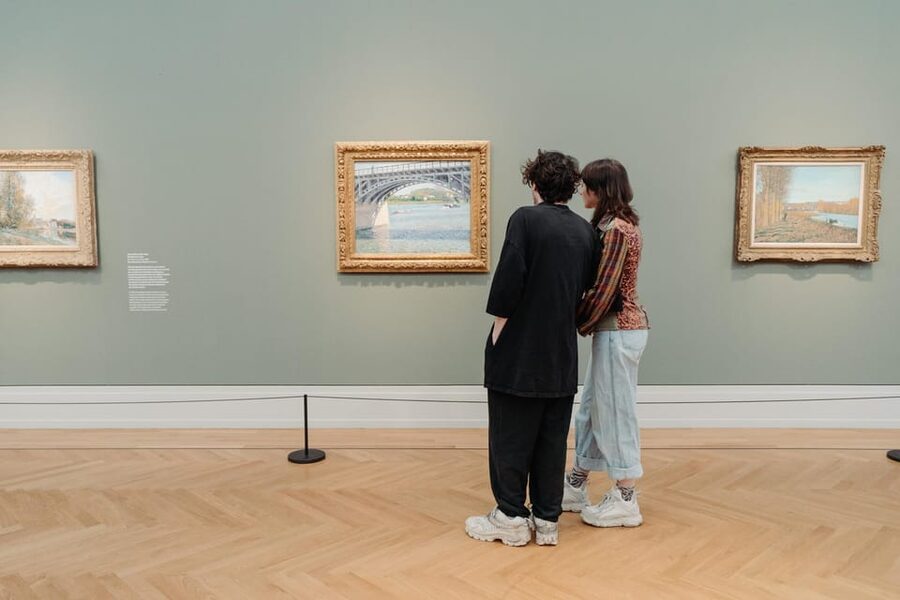
- Second-largest Monet collection in Europe means you can study how his eye changes over time.
- Over 100 Impressionist works from founder Hasso Plattner keeps the visit cohesive.
- Digital audio guide in the Barberini app helps you pace a 2-hour ticket without wandering aimlessly.
- Three special exhibitions each year add variety, especially if you’re returning or visiting off-season.
- A lively events program exists on-site, but workshops and education programs require extra tickets.
- Museum café and store give you a comfortable end point after the galleries.
Other Berlin museums and landmark entries worth reserving
- Potsdam: Sanssouci Palace and Prussian Palaces Entry Ticket★ 4.5 · 2,101 reviews
- Potsdam: Biosphäre Potsdam Entry Ticket★ 4.6 · 289 reviews
Museum Barberini in Potsdam, a reconstructed palace with serious paintings
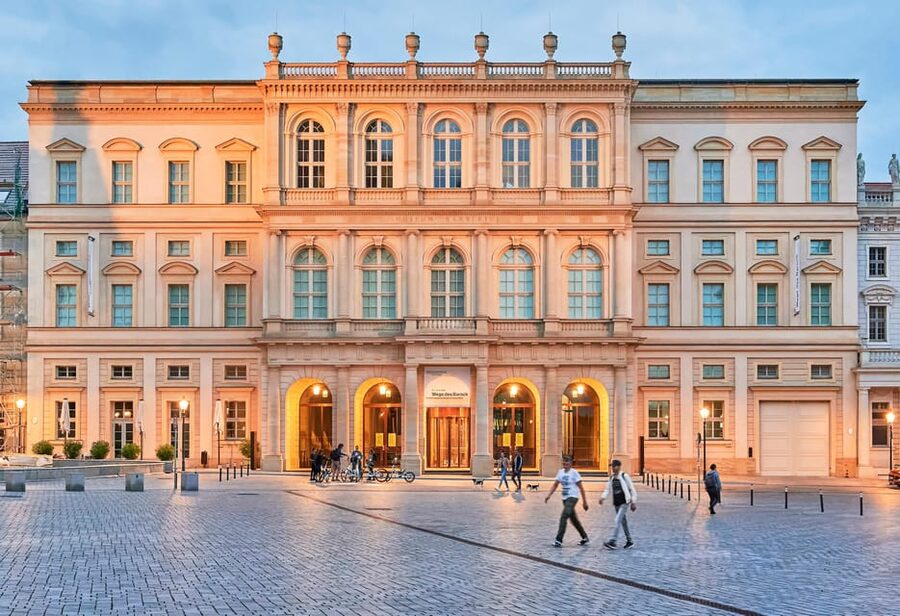
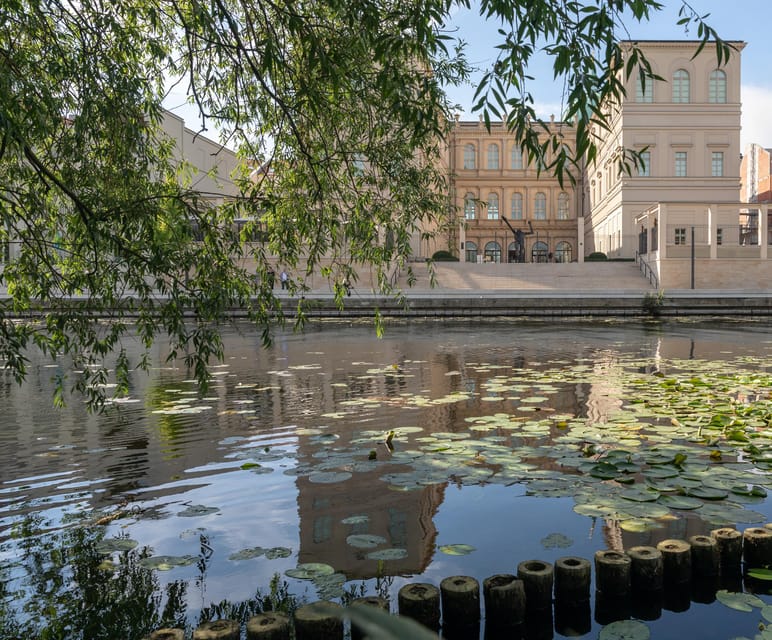
If you like art museums that are designed for a real visit, not just a quick photo stop, Museum Barberini is a smart pick. The museum sits in a reconstructed palace in Potsdam’s historic center, so the setting already feels “on purpose” before you even enter.
For a ticket price of $11 per person and a typical 2-hour duration, it is a lot of art for the time you spend. At this price point, you’re not paying for a guided tour experience, you’re buying access to a world-class collection and letting the museum structure your route.
Just know what you are signing up for. This is a museum visit with rules, and those rules matter for how smooth your day goes, especially around carrying items.
The Impressionist collection from Hasso Plattner, and why it works so well
The core experience is the permanent collection, built from founder Hasso Plattner’s art holdings. You get access to over 100 Impressionist paintings, which is enough to see patterns and progression, but not so much that you lose your momentum.
What you’ll like most is how the artists’ observation skills show up in the paintings. Impressionism isn’t just color and atmosphere here, it is how artists learned to see. You can compare how different painters treat light, distance, and everyday scenes, and you start noticing how realism and abstraction can share the same canvas.
If you want a museum that rewards attention rather than speed, this layout helps. I like that you can sit with a painting, then quickly look at another and feel the difference in technique.
Monet’s heavyweight presence, one stop that teaches you how to look
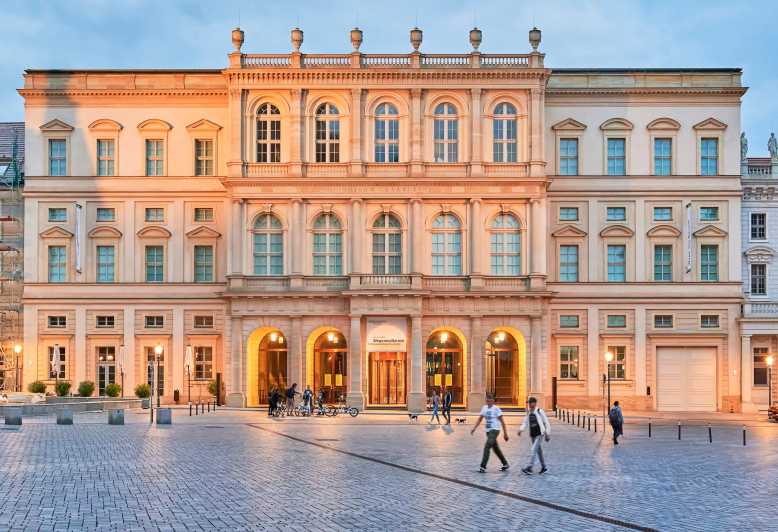
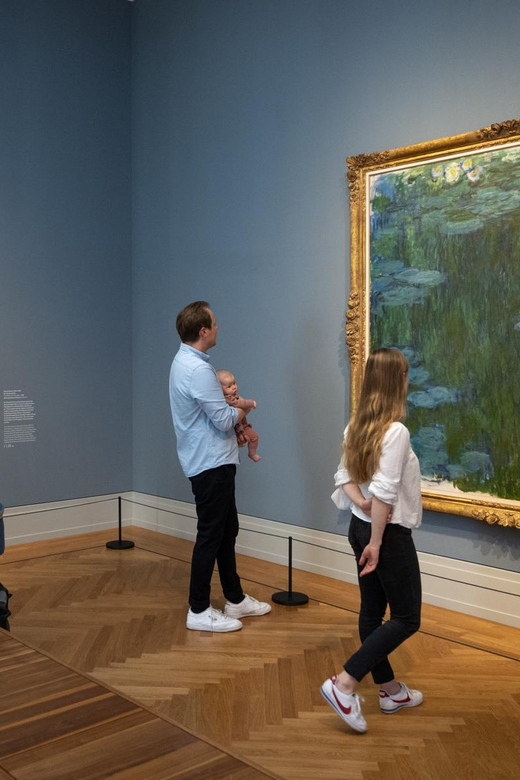
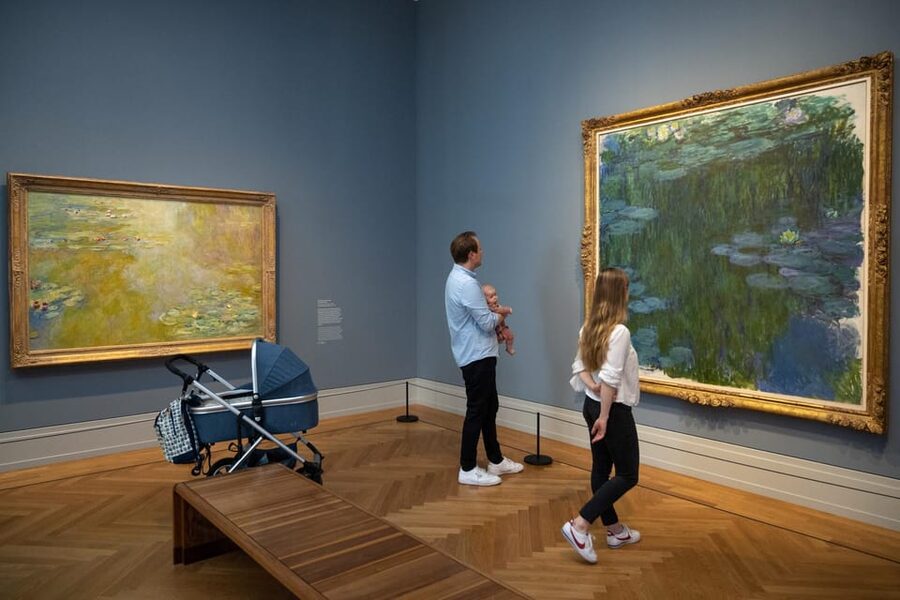
Monet is the headline, and the museum backs it up. Museum Barberini is known for having the second-largest collection of Monet paintings in Europe, which is a huge deal for anyone who thinks they “know” Monet already.
This matters because seeing many Monet works in one place changes your understanding. Instead of scattered images across multiple museums, you can notice how his approach shifts, how he builds depth, and how the same subject can feel different when the light changes.
You’ll also find Monet in conversation with other major Impressionists. That pairing effect makes it easier to spot what’s uniquely his, versus what the broader movement was experimenting with.
Morisot, Cézanne, Caillebotte, and Signac, what to watch for
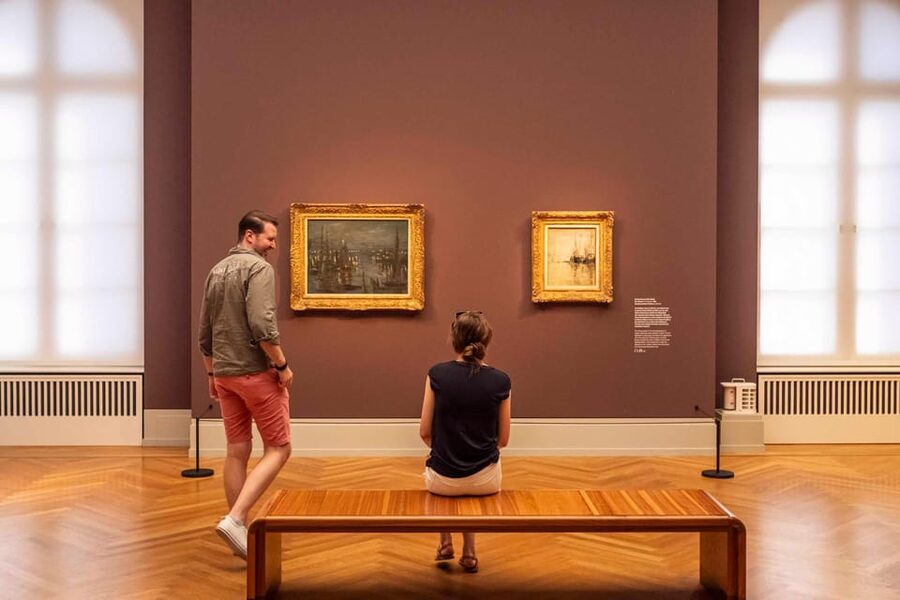
Beyond Monet, the museum covers a strong lineup that is perfect for comparison. You are looking at artists like Berthe Morisot, Paul Cézanne, Gustave Caillebotte, Pierre-Auguste Renoir, and Paul Signac, plus additional works that round out the period.
Here is what I recommend you look for, so you actually get value from the time you have:
- Brushwork and structure: notice when the paint looks “built” versus when it looks like it is catching light mid-air.
- How space is suggested: even when scenes feel airy, artists often place objects and silhouettes with care.
- Abstraction that still feels real: the collection highlights how skilled observation can produce results that feel modern, even when they look like everyday life.
This is the kind of museum where you can learn the movement through pattern recognition. Pick two or three favorites as you go, then keep checking whether other artists are making similar choices, just with their own twist.
More palace and garden routes through Potsdam
- Potsdam: City and Castles Tour
★ 4.7 · 3,721 reviews - Potsdam: Palace Tour by Boat
★ 4.5 · 2,369 reviews - Potsdam by Boat: Island Cruise
★ 4.6 · 1,308 reviews - Potsdam: City Sightseeing Hop-On Hop-Off Bus Tour
★ 4.2 · 864 reviews - City and Palaces Tour Potsdam – Stadt- und Schloesserrundfahrt Potsdam
★ 4.5 · 317 reviews
How the Barberini app digital audio guide fits a 2-hour visit
You get a digital audio guide via the Barberini app, and it’s designed to come with you during your visit. For me, that is a big part of the value because it turns the ticket into something more useful than just looking at labels.
A smart way to use it with a timed visit is to pick a direction and then use the guide to deepen only the paintings that catch your eye. If you try to listen to everything, the 2-hour window can feel short, but if you use it as a spotlight tool, it lands well.
You also have special exhibitions available along with the permanent collection. That means the guide can help you decide what to prioritize if you only have one pass through the museum.
The permanent galleries plus three special exhibitions a year
Admission includes both the permanent collection and access to the special exhibition during your visit. Museum Barberini also has three special exhibitions annually, often with loans and additions from international museums and collections.
That rotating element is why I think this ticket is worth considering even if you’ve seen Impressionists before. Special exhibitions usually shift the mood, and they can add context or contrast to what you just learned from the permanent rooms.
You do not have to plan your whole day around the special exhibition, but you should leave enough time for it. When you’re paying for a 2-hour experience, a half-visited temporary show is the fastest way to feel like you rushed for nothing.
Events on-site, concerts, readings, and what requires extra tickets
The museum also runs a program of events, including symposia, readings, guided tours, concerts, film evenings, and workshops. That can add extra energy, especially if you happen to visit during a busy schedule.
Just keep the rules clear in your head. Education programs, workshops, and events require an extra ticket, so do not assume that everything on the calendar is included with your entry ticket.
If you want a quiet, self-paced art visit, you can still have that here. The key is using the museum’s own pace rather than trying to stack everything on one ticket.
Rules that affect your comfort, bags, food, pets, and touching exhibits
Museum rules are part of the practical experience here. Food and drinks are not allowed, and pets are not allowed either, though assistance dogs are permitted. Bikes are not allowed, and importantly, backpacks and bags are not allowed, so plan to travel with what fits your pockets or on your body.
Also expect the standard no-touch approach: touching exhibits is not permitted. You also cannot climb or make fire, which should be familiar in any museum setting.
If you want your visit to feel smooth, show up prepared. Wear comfortable shoes, keep your carry-ons minimal, and plan to focus on the art rather than managing your stuff.
Ending well, Barberini Café and the museum store
After the galleries, you have two natural ways to close the loop. The museum store is a handy option if you want a souvenir that feels connected to what you saw, not generic gift shop stuff.
There is also a Barberini Café on-site. Even though you cannot bring outside food, the café gives you a place to reset after walking the rooms, and it makes it easier to turn your museum visit into a real outing in the historic center of Potsdam.
If you’re short on time, this is still useful. In a 2-hour visit, a planned ending helps you avoid leaving hungry or frustrated.
Price and value, what you are paying for at $11
At $11 per person, this ticket is strong value because it combines access to a major Impressionist collection with ongoing temporary exhibitions and a digital audio guide. You are paying for quality access, not for a long, structured tour.
The value gets even better if Monet is a priority for you. A museum with a top-tier Monet concentration is not common, and seeing that many works in one place is a better use of your limited time than picking random paintings across multiple smaller stops.
There is also a practical upside: the visit length is clearly set around 2 hours. When you know the time commitment upfront, it is easier to plan around transport and the rest of your Potsdam day.
For budget-minded travelers, this is one of those tickets that feels efficient, not cheap.
Who this ticket suits best
This works especially well if you want:
- A focused Impressionist experience with major names, including Monet
- A museum you can enjoy without committing to a full-day plan
- A visit that includes interpretation via the Barberini app audio guide
- An art stop that fits easily into a city itinerary in Potsdam’s historic center
If you are traveling with kids, or you tend to get impatient in long museums, the 2-hour duration can be a relief. If you prefer big, ticketed guided tours with a live docent, this may feel more self-directed, because the included experience is entry plus a digital guide.
Should you book the Museum Barberini entry ticket?
Book it if you want a high-impact Impressionist visit with Monet as a central theme, and you appreciate having an audio guide to help you see more than you would by labels alone. The price is low enough that it is easy to take the chance, and the collection strength is the kind that makes the time feel well spent.
Skip it only if you are specifically looking for a guided, in-person tour experience, or if your day involves carrying lots of gear. The museum’s “no bags, no backpacks” rule is the main constraint for some people, and you do not want to spend your visit solving a logistics problem.
If you want a clean, art-forward plan in Potsdam, this ticket is a practical yes.
More Potsdam & Sanssouci Tours





More Berlin Museums & Tickets

More Tour Reviews in Potsdam
Recently added around Potsdam


Berlin Museums & Attraction Tickets, compared.
 ★ 4.5Jewish Museum Berlin Entrance TicketFrom $08,393 reviews
 ★ 4.6Berlin Story Bunker Entry TicketFrom $216,759 reviews
 ★ 4.1Illuseum Berlin Entrance TicketFrom $183,970 reviews
 ★ 4.6Madame Tussauds Admission TicketFrom $253,941 reviews
 ★ 4.6Natural History Museum Entrance TicketFrom $123,382 reviews
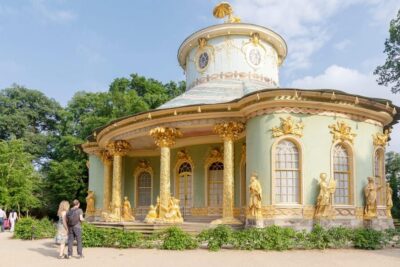 ★ 4.5Potsdam: Sanssouci Palace and Prussian Palaces Entry TicketFrom $252,101 reviews
 ★ 4.4Charlottenburg Palace Entry TicketFrom $222,076 reviews
 ★ 4.1Skip-the-Line: Berlin Wall Museum at Checkpoint CharlieFrom $212,041 reviews
Browse the lists this tour appears in