
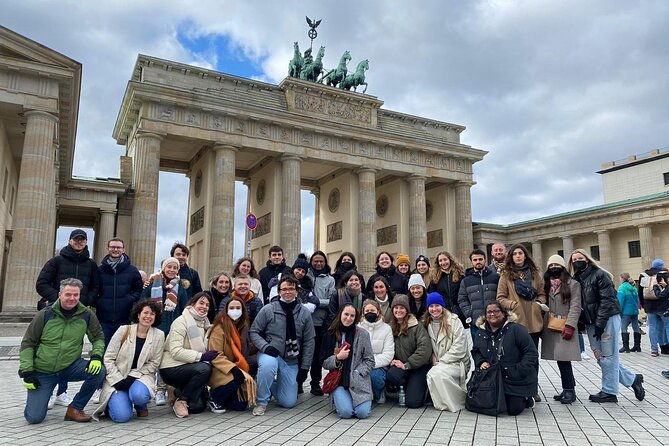
Tour review · BERLIN WALKING TOURS
Berlin Half-Day World War II Walking Tour
Berlin changes fast. One good reason is Berlin’s WWII story is still in the streets. This half-day Berlin WWII walking tour strings together major sites, with an enthusiastic local guide who adds clear context, local legends, and why the landmarks matter. I like that it saves your time, and you do not need to study a map. My one watch-out: you are moving on foot for about 4 hours, so wear comfortable shoes and be ready to stand for explanations.
What makes it especially useful is the way the tour ties together the Nazi era, the final battles, and what came after. You also get a tidy mix of big-name landmarks like Checkpoint Charlie and Brandenburg Gate, plus more specific WWII threads around places tied to the Third Reich and Berlin’s wartime damage. If you want a relaxed museum day, this is not that. But if you want your bearings fast, it’s a strong fit.
Key points before you go
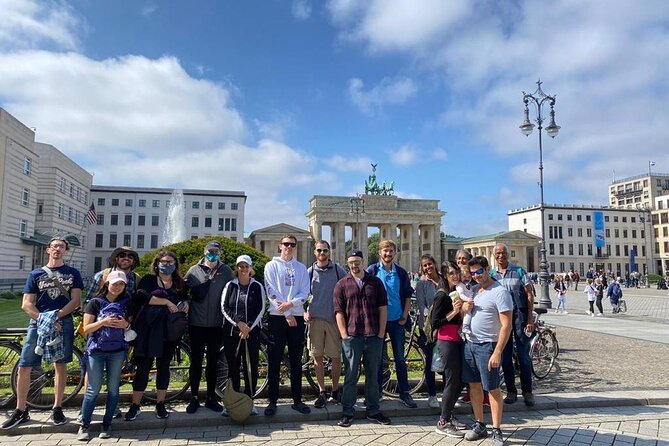
- Start at Generator Berlin Alexanderplatz, with a clear meeting spot and an easy final walk toward Brandenburger Tor
- See major WWII-era landmarks and Cold War proof on the same route, including Checkpoint Charlie and the Berlin Wall Memorial
- East Side Gallery is part of the plan, so you get a visual reminder of reunification alongside earlier destruction
- Your guide handles the story and the pacing, so you do not waste time piecing together an itinerary
- Mobile ticket + near public transit, which helps if you are mixing this with other Berlin stops
- Recommended by 92% (4.6 rating) based on 48 reviews, with one notable concern raised about tour timing in rare cases
More carefully guided routes through Berlin’s wartime history
- Berlin: Third Reich and Cold War 2 Hour Walking Tour★ 4.9 · 6,830 reviews
- Berlin’s Best: 2 Hour Walking Tour Third Reich and the Cold War★ 5.0 · 5,486 reviews
- Third Reich Berlin: Hitler and WWII Walking Tour★ 5.0 · 3,301 reviews
- Berlin: Third Reich, Hitler, and WWII Walking Tour★ 4.9 · 1,133 reviews
Why a half-day WWII walking tour makes sense in Berlin
Berlin is one of those cities where history is not locked inside a building. It sits on street corners, in squares, and along walls that you can still see with your own eyes. A half-day walking tour is a smart way to start, because you get the big map-picture first, then you can choose what to revisit later.
At around 4 hours, this format works well if Berlin is part of a longer trip. You can stack it between other plans without feeling like you lost an entire day to logistics. And because you follow a guide, you get the “why” behind what you see, not just a list of names.
One more reason I like this approach: Berlin’s WWII story overlaps with what happened afterward, including how the city was divided. Sites tied to the Third Reich and the war’s final days are only part of the picture. The other part is what the city became after, and you feel that in places linked to the Berlin Wall era.
Meeting at Alexanderplatz, finishing by Brandenburg Gate
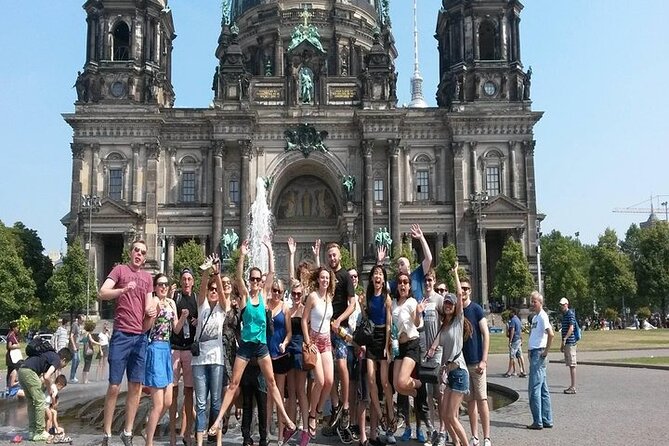
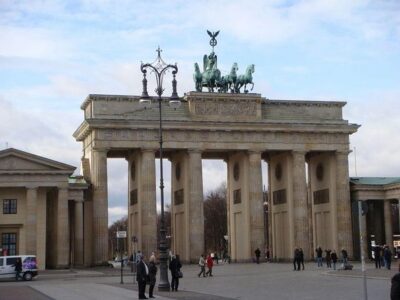
This tour starts at Generator Berlin Alexanderplatz, at Otto-Braun-Straße 65, 10178 Berlin. It ends at Brandenburger Tor, 10117 Berlin, near the most recognizable landmark in the city. The route makes practical sense because Alexanderplatz is a major transit hub, and the finish puts you right where you can easily continue sightseeing or grab food.
The starting time is 12:00 pm. That midday start can be a good compromise. It gives you time in the morning for a museum, a coffee stop, or a neighborhood wander, then you move into the serious story while the day is still flexible.
Since most travelers can participate and the group can include up to 100 people, plan for a lively walking crowd. You will still want to pay attention to your guide’s timing, and you may have moments where you stand near other groups.
What you will learn around Checkpoint Charlie
Checkpoint Charlie is the kind of place people photograph without thinking too hard about the human size of the story. On this tour, you get the background that turns the checkpoint from a symbol into a chapter of how Berlin worked when it was split.
You can expect the guide to connect WWII to the Cold War world that followed. The key idea is that the war’s end did not mean instant peace in Berlin. Instead, Berlin became a frontline between ideologies, with checkpoints controlling movement and shape-shifting the city’s daily life.
Practical tip: plan to spend a moment absorbing the area before you move on. In a short half-day, your guide may keep things moving, so you benefit from doing a quick look around, then listening while you’re standing still. If you take photos, do it first, then switch to listening mode.
Berlin Wall Memorial and the East Side Gallery stop
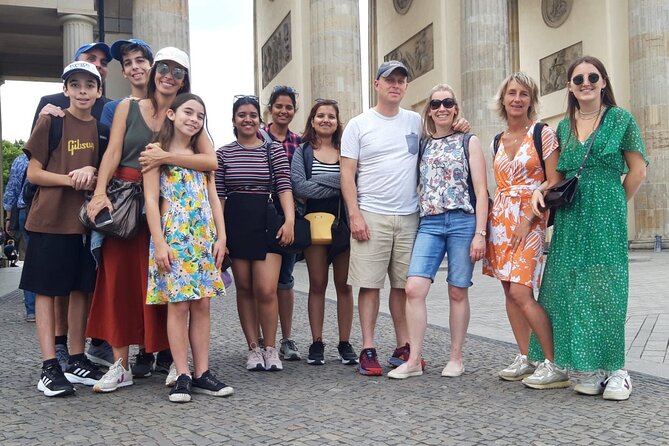
If you want proof that history leaves visible scars, the Berlin Wall sites deliver. The tour includes the Berlin Wall Memorial and the East Side Gallery, which gives you a strong contrast: a memorial space focused on remembrance, and an open-air stretch where the wall’s surface became a canvas after reunification.
The Wall Memorial part matters because it frames the story with more than just aesthetics. It helps you understand why people tried to escape, why borders became daily reality, and why the city’s divisions were not abstract lines on a map. Even if you know the general facts, seeing them organized in a guided format usually makes the details click.
Then East Side Gallery adds another layer. It is still about that wall, but through art and public memory. It helps you grasp the shift from separation to symbolism. It can feel strange at first, in a good way, because Berlin forces you to sit with contradictions.
Practical tip: wear something comfortable for outdoor walking. Wall areas can mean more standing, and midday sun can be intense in summer. Bring water if you tend to run dry.
Berlin on foot, with a few more routes worth comparing
- Discover Berlin Half-Day Walking Tour
★ 5.0 · 9,624 reviews - Berlin: Third Reich and Cold War 2 Hour Walking Tour
★ 4.9 · 6,830 reviews - Berlin: Discover Berlin Walking Tour
★ 4.9 · 5,998 reviews - Berlin’s Best: 2 Hour Walking Tour Third Reich and the Cold War
★ 5.0 · 5,486 reviews - Berlin: Hidden Backyards Guided Walking Tour
★ 4.8 · 5,360 reviews
Reichstag, the Battle of Berlin, and why the Third Reich capital matters
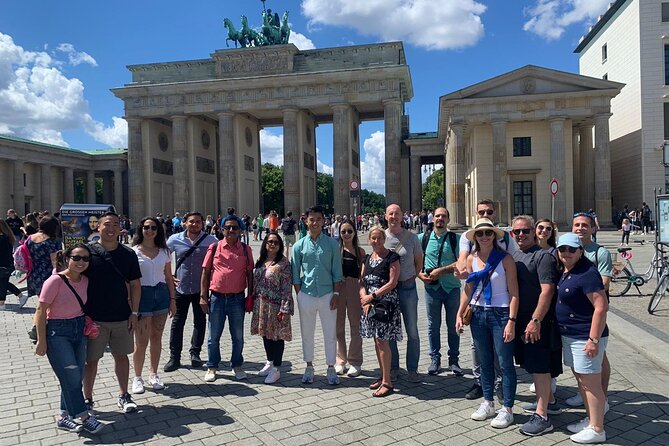
This tour covers major WWII-adjacent sites tied to the Third Reich capital narrative and the endgame of the war in Berlin. You should expect stops or viewpoint explanations connected to the Reichstag and themes like the Battle of Berlin and the Nazi command structure.
The value here is narrative structure. Berlin can be overwhelming if you bounce around on your own. A guide turns it into a sequence: how political power worked, how war unfolded, and how Berlin became the stage for the final collapse.
The Reichstag is not just a famous building. It functions as a symbol of German politics and the way regime power tried to project itself. When the guide connects that symbolism to wartime events, the place becomes more than a photo spot. You start seeing why people fought, planned, and suffered around these buildings.
One caution: if you are sensitive to heavy WWII topics, this tour is built around them. It is not a light “war trivia” walk. It is a guided attempt to explain how Berlin got pulled into the machinery and violence of WWII.
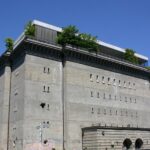
Flak tower and bunker-related sites: the survival logic of war
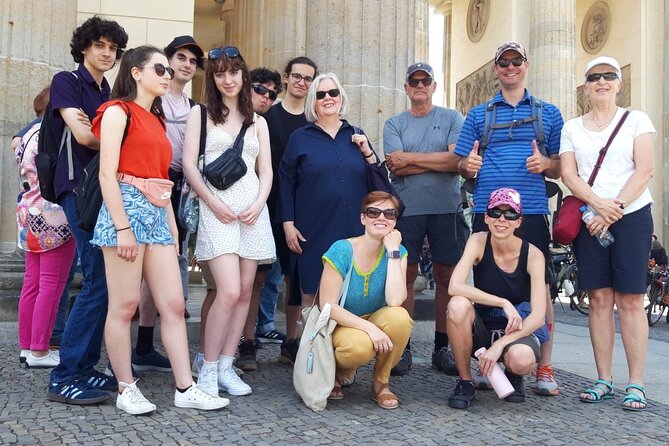
The tour includes WWII threads around a Flak tower and the site of Hitler’s bunker. Even if you do not know much about air defense or bunker systems, these stops help you understand war as logistics, not just battles on big screens.
A flak tower is a good example of how a city defends itself with steel and planning. A bunker site shifts the focus to command and control under pressure. Combined, they show two sides of the same wartime logic: protecting infrastructure while leadership tried to endure the inevitable.
What I find useful about having a guide here is that you avoid getting stuck on trivia. You learn what these structures were meant to do and why Berlin’s urban layout influenced how the war was fought. In a few hours, you get the “mechanics” angle, not just dates.
If you like to visualize history, this part tends to work well. Buildings and sites help your brain hold the story in place. Without that, it can turn into a blur of names and years.
Prenzlauer Berg and the Russian-German War Museum angle
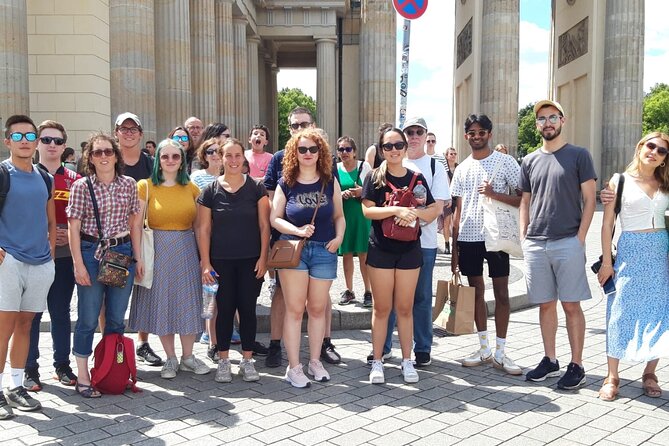
This tour also includes time and story elements around Prenzlauer Berg and the Russian-German War Museum. Even without long museum time, a guided walk into these areas can change how you see Berlin’s postwar transformation.
Prenzlauer Berg can come off as a modern neighborhood to newcomers. A guide helps you read it as a palimpsest: newer streets and restored buildings sitting over older wartime realities. You start noticing how neighborhoods evolve after conflict, rather than treating Berlin as a single era.
The Russian-German War Museum topic matters for balance. WWII in Berlin involved multiple forces and complicated narratives. When your guide points you toward the museum angle, you get a hint of what you can follow up on afterward if you want more detail.
Practical tip: if you feel the urge to learn more after this stop, keep your schedule flexible. A half-day can spark curiosity, and Berlin rewards follow-up with extra time in the right places.
The pace, group size, and how to get more out of 4 hours
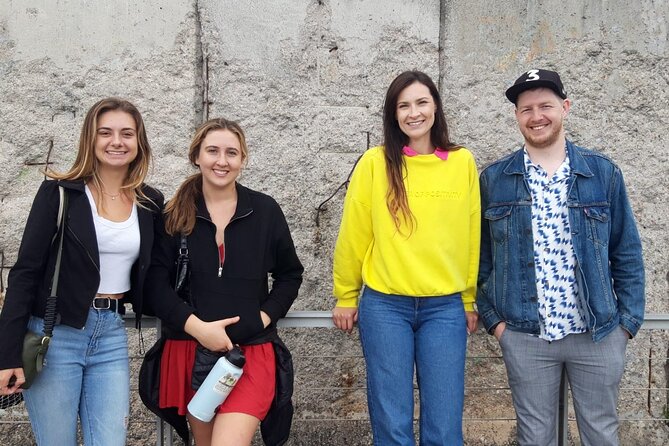
The tour lasts about 4 hours and can host up to 100 people. That does not mean it feels chaotic the whole time, but it does mean you should plan to move with the group and stay aware of your guide’s check points.
Here’s how to make the most of it:
- Arrive a few minutes early at the start spot, so you do not feel rushed when the group assembles.
- Keep your phone charged for maps or follow-up directions after you leave the tour.
- Ask yourself what you want to revisit later, then jot a note in your phone as you go.
The biggest benefit is that your guide turns “Berlin WWII” into a usable mental map. You stop thinking in fragments and start thinking in connections: how political power shaped wartime Berlin, how fighting changed the city, and how the aftermath led directly into a divided Berlin.
If you are a fast planner who loves independence, you may still feel the need to add your own stops after. That’s normal. This tour is more like setting the coordinates than replacing your own exploring.
Value check: is $35 worth it for this format?
For $35 and about 4 hours, the value comes from two things: time saved and story quality. Paying for a guide is not just about convenience. It is about reducing your guesswork so you understand what you are seeing as you see it.
You also do not just get WWII-themed sites. You get a route that connects WWII to the later Berlin divide, with major landmarks such as Checkpoint Charlie, the Berlin Wall Memorial, East Side Gallery, and the end at Brandenburg Gate. That mix makes the ticket feel efficient, especially if Berlin is a short stop on your trip.
What you should keep in mind: public transportation is not included where applicable. So if your day involves shifting between neighborhoods, budget for transit tickets on your own. The good news is the tour is near public transportation, so you are not stranded.
Should you book this Berlin WWII walking tour?
I’d book it if you want a guided half-day that gives you Berlin’s WWII and postwar storyline in an easy-to-follow walking format. It is especially good when you are short on time, you do not want to map out logistics, and you want your first pass at the city to be grounded in context.
Skip it only if you prefer slow, museum-heavy exploration or you know you struggle with intense wartime topics. Also, if you are a stickler for timing and you want everything to be perfectly predictable, do your due diligence before you start your day. One low-rating complaint raised concerns about tour timing and meeting point confusion, so arriving early and confirming your meeting details matters.
Overall, if you are visiting Berlin for the first time and want to understand what you are looking at without a headache, this is a practical choice with strong satisfaction numbers.
FAQ
How long is the Berlin Half-Day World War II Walking Tour?
The tour is listed as approximately 4 hours.
What is the price for this tour?
The price is $35.
Where does the tour start and what time does it run?
It starts at Generator Berlin Alexanderplatz, Otto-Braun-Straße 65, 10178 Berlin, Germany, with a start time of 12:00 pm.
Where does the tour end?
The tour ends at Brandenburger Tor, 10117 Berlin, Germany.
Do I need cash or a printed ticket?
A mobile ticket is used for this activity.
What is included in the tour price?
The tour includes an enthusiastic and knowledgeable local guide.
Is public transportation included?
Public transportation where applicable is not included.
What is the cancellation policy?
Free cancellation is available. You can cancel up to 24 hours in advance for a full refund, and changes within 24 hours are not accepted. Confirmation is received at the time of booking.
Keep Walking Berlin



More World War II History in Berlin

More Tour Reviews in Berlin




Recently added around Berlin



Berlin Walking Tours, compared.
 ★ 5.0Discover Berlin Half-Day Walking TourFrom $249,624 reviews
 ★ 4.9Third Reich and Cold War 2 Hour Walking TourFrom $236,830 reviews
 ★ 4.9Discover Berlin Walking TourFrom $235,998 reviews
 ★ 5.0Berlin’s Best: 2 Hour Walking Tour Third Reich and the Cold WarFrom $245,486 reviews
 ★ 4.8Hidden Backyards Guided Walking TourFrom $235,360 reviews
 ★ 5.0Third Reich Berlin: Hitler and WWII Walking TourFrom $243,301 reviews
 ★ 4.6Alternative Berlin Walking TourFrom $291,204 reviews
 ★ 4.9Third Reich, Hitler, and WWII Walking TourFrom $201,133 reviews
Browse the lists this tour appears in