
Tour review · BERLIN WALKING TOURS
Berlin: Hitler’s Berlin The Rise & Fall Guided Walking Tour
Nazi Germany is all around Berlin, if you know where to look. This guided walk strings the story together from Hitler’s rise to dictatorship and then to total defeat in 1945, using the city’s real locations so the timeline clicks. You get a clear, structured route that connects politics, ideology, repression, and what everyday life felt like.
I really like two things here. First, the guide approach is historian-based and narrative driven, not random landmark hopping. Second, the tour builds understanding with tools like Then & Now photographs and historic maps, so you can see how today’s streets relate to what happened there.
One thing to consider: it is all outdoors and there is a considerable amount of walking. Bring solid shoes and dress for weather, because you will be outside through most of it.
Key highlights worth planning around
- A full arc of Nazi rule, from seizure of power to collapse in Berlin
- Then & Now photos and historic maps to make sense of changes in the same spaces
- Small group size designed for interaction, reflection, and Q&A
- Reichstag, Hitler’s bunker site, and Topography of Terror as the political and emotional anchors
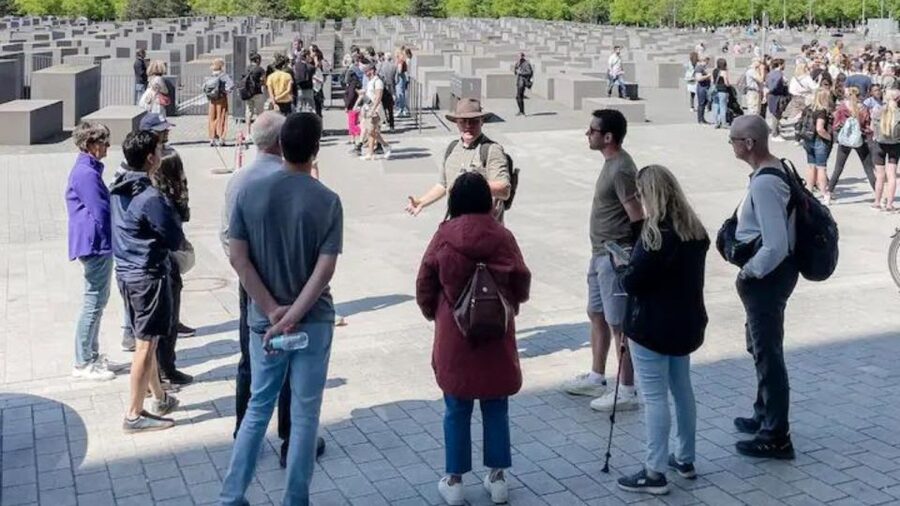
- Multiple memorial stops, including for the Sinti and Roma and for the Murdered Jews of Europe
- Soviet War Memorial in Tiergarten to round out the story with the Battle for Berlin
More carefully guided routes through Berlin’s wartime history
- Berlin: Third Reich and Cold War 2 Hour Walking Tour★ 4.9 · 6,830 reviews
- Berlin’s Best: 2 Hour Walking Tour Third Reich and the Cold War★ 5.0 · 5,486 reviews
- Third Reich Berlin: Hitler and WWII Walking Tour★ 5.0 · 3,301 reviews
- Berlin: Third Reich, Hitler, and WWII Walking Tour★ 4.9 · 1,133 reviews
Why this walk makes Berlin’s WWII story feel clear
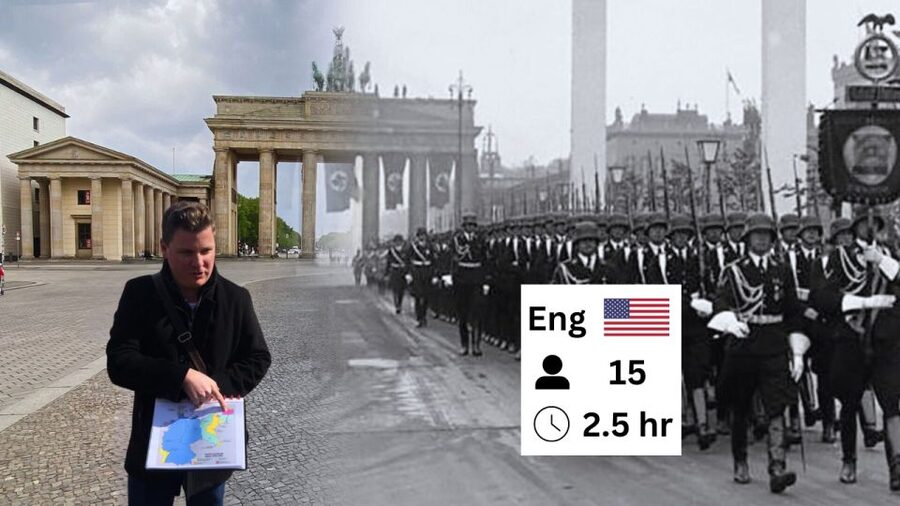
Berlin can be confusing on a first pass. You see grand buildings, wide boulevards, and memorials that feel separate from one another. This tour puts the pieces in order, so the locations stop being just stops and start being part of a cause-and-effect story.
What I like most is the promise that you are not just touring sites. You are tracing how the Nazis took power, how fear and propaganda kept control, and how repression shaped daily life. You also get the part people sometimes skip, the question of what happens after the system collapses, when the streets themselves become the final stage.
The guide style also matters. This is described as no lectures and no gimmicks, which is a good sign. You should expect clear explanations at each site, with room for questions, so you can nail down details that matter to you.
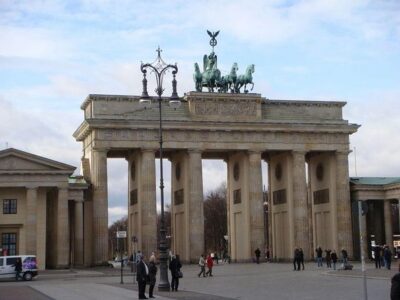
Meeting at Pferdedroschke, then getting oriented at Brandenburg Gate
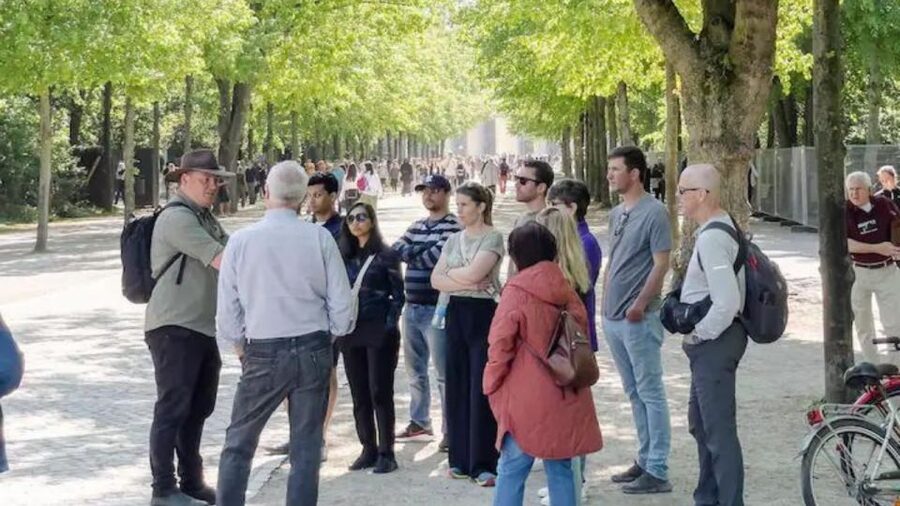
Your tour starts at the Tourist Office at Brandenburg Gate, and you look for a guide with a Blue Umbrella. That matters because this is one of those routes where you do not want to lose time in the first five minutes.
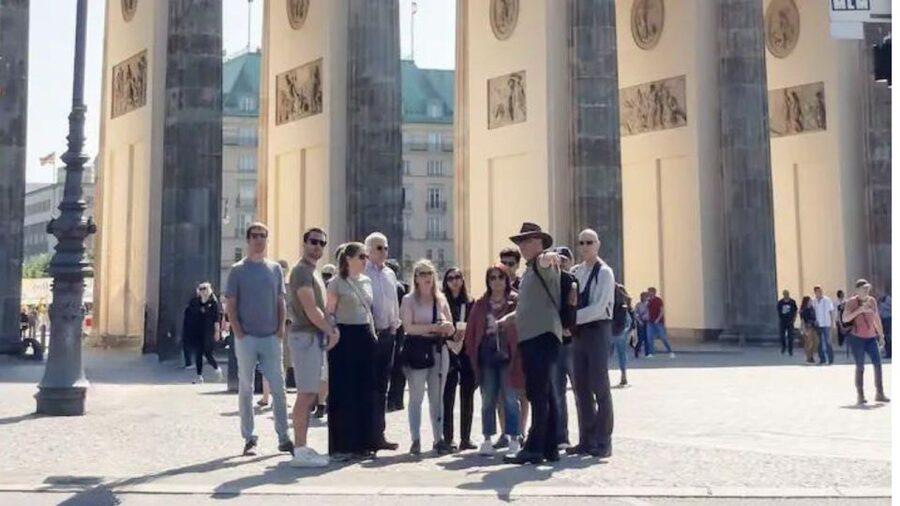
The first real landmark hit is Brandenburg Gate, with a short walk-in, photo time, and guided context. The Gate is a powerful starting point because it carries multiple meanings at once. As the tour frames it, it’s not just a pretty postcard spot. It’s a symbol that can represent democracy, dictatorship, and unity depending on who is in control.
If you want a practical tip, show up a few minutes early. Berlin can be fast and a bit spread out, and you’ll want your bearings before the heavier part of the story begins.
Sinti and Roma memorial stop: space for understanding, not rushing past
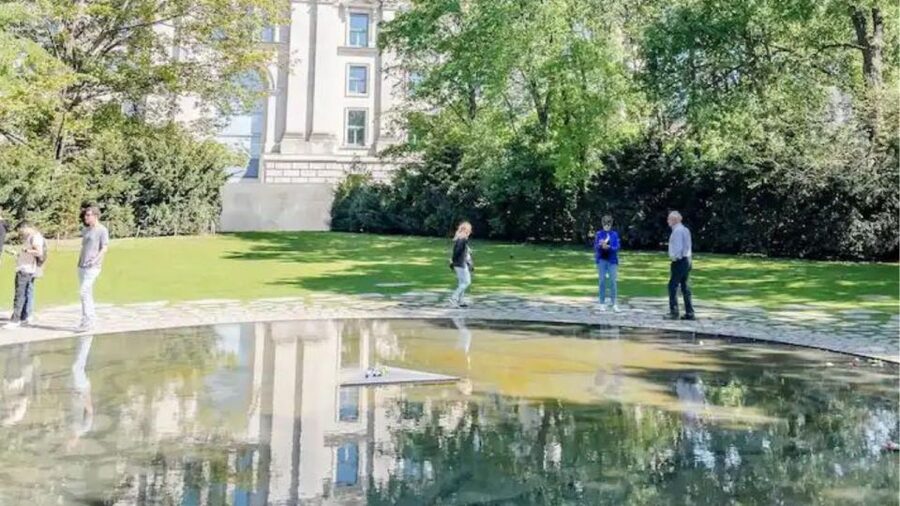
Next you’ll visit the Memorial to the Sinti and Roma Victims of National Socialism. Even if you know the basics of WWII, memorials like this can hit differently because they don’t ask you to admire. They ask you to recognize.
The tour includes a guided element here, plus a walk-through that keeps the moment from turning into a quick photo-and-go. That’s important. If you treat memorials as scenery, you miss the point. Here, you get prompts for what you’re looking at and why it belongs in the Nazi-era timeline.
This stop is also a reminder that the Nazi persecution was not only about one group. The tour’s structure helps you hold the full scope of what the regime did, which keeps the story from feeling like a single-note tragedy.
Reichstag: when democracy is turned into control
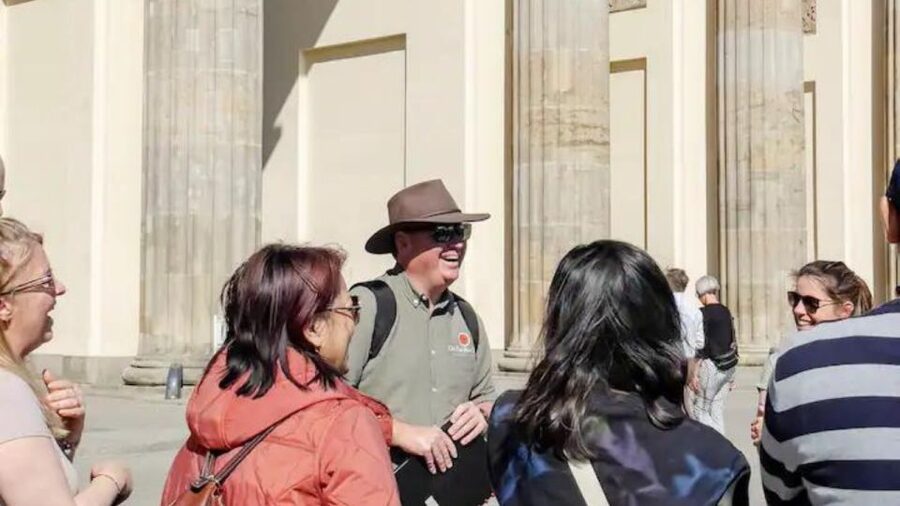
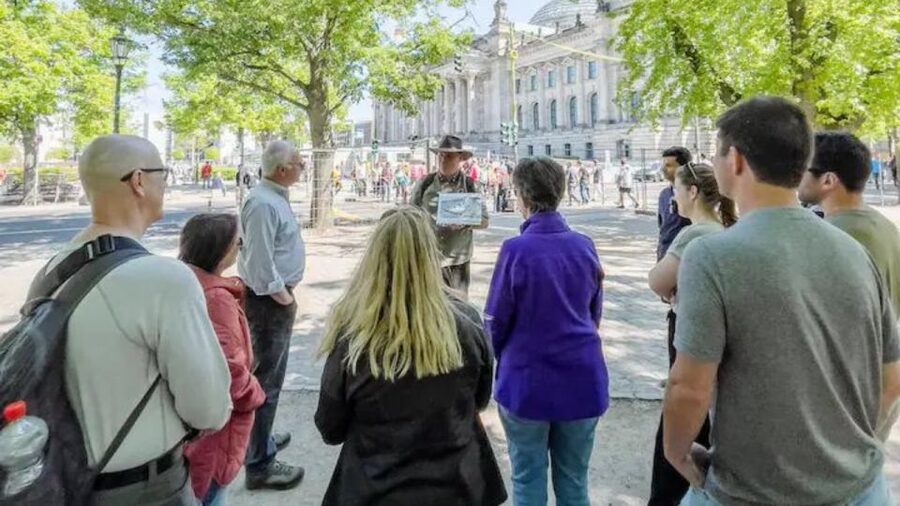
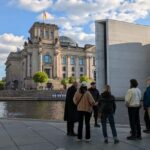
The Reichstag is one of the most symbolic locations in Berlin for a reason. It’s a building tied to democratic tradition, yet during Nazi rule it became associated with dictatorship and domination. On this walk, the visit is guided and takes time, not a drive-by.
You’ll get a context-heavy explanation tied to power. In other words, you should come away with a clearer sense of how institutions can be used, twisted, and repurposed when a regime consolidates control.
A small drawback to expect: the Reichstag area is a magnet for crowds and photos. That can affect pacing just because you are in a busy public space. Still, the guided time is built in, so your guide can focus the experience on meaning instead of logistics.
Berlin on foot, with a few more routes worth comparing
- Discover Berlin Half-Day Walking Tour
★ 5.0 · 9,624 reviews - Berlin: Third Reich and Cold War 2 Hour Walking Tour
★ 4.9 · 6,830 reviews - Berlin: Discover Berlin Walking Tour
★ 4.9 · 5,998 reviews - Berlin’s Best: 2 Hour Walking Tour Third Reich and the Cold War
★ 5.0 · 5,486 reviews - Berlin: Hidden Backyards Guided Walking Tour
★ 4.8 · 5,360 reviews
Tiergarten Soviet War Memorial: connecting the end of the regime to the human cost
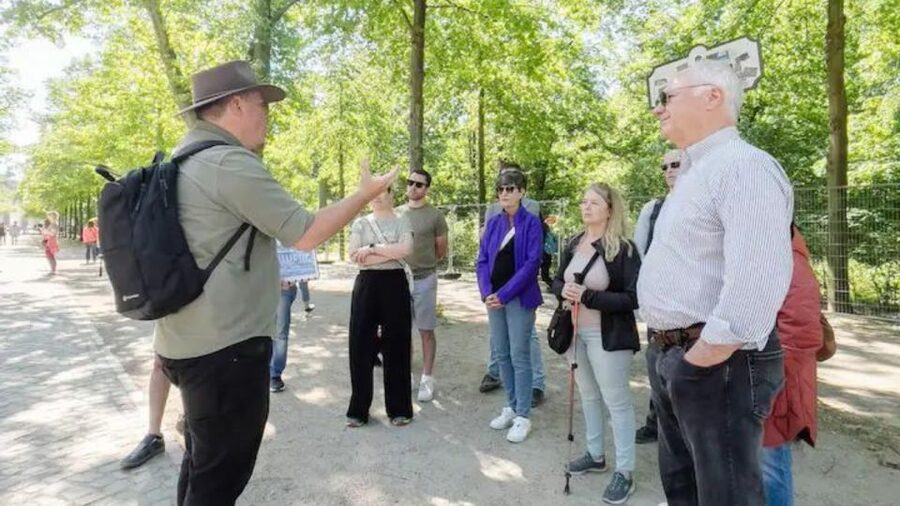
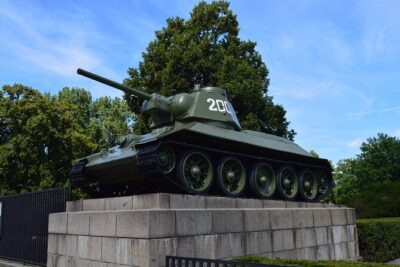
From the Reichstag area, you move toward the Soviet War Memorial in Tiergarten. The tour includes photo time, guided elements, and scenic walking time on the way.
This stop matters because it balances the narrative. If you only focus on Nazi rise and repression, you end with the regime as a closed chapter. Here, the story lands on the final days and the brutal reality of the Battle of Berlin, with the Soviet War Memorial acting as a reminder that the end came with massive suffering.
If you like tours that don’t ignore the aftermath, this part will appeal to you. It keeps your understanding grounded in what collapse looks like on the ground, not just in documents.
Holocaust Memorial: a carefully framed moment for reflection
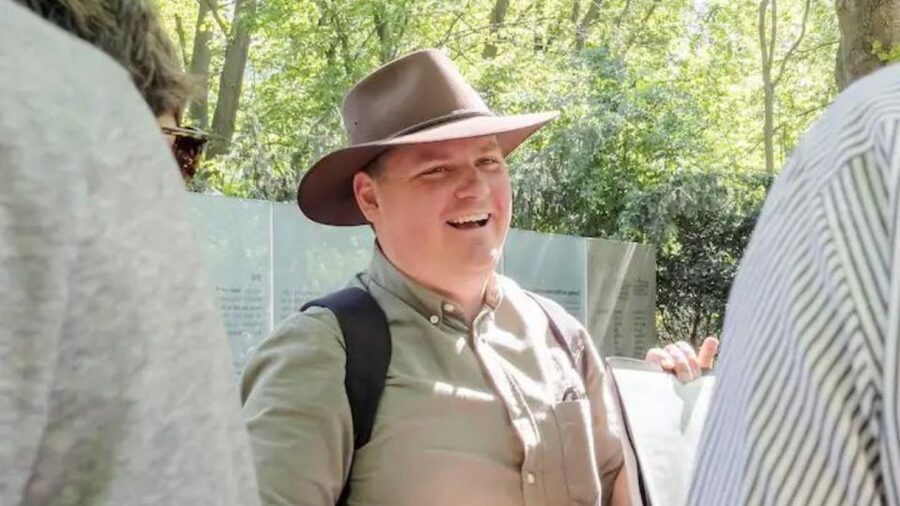
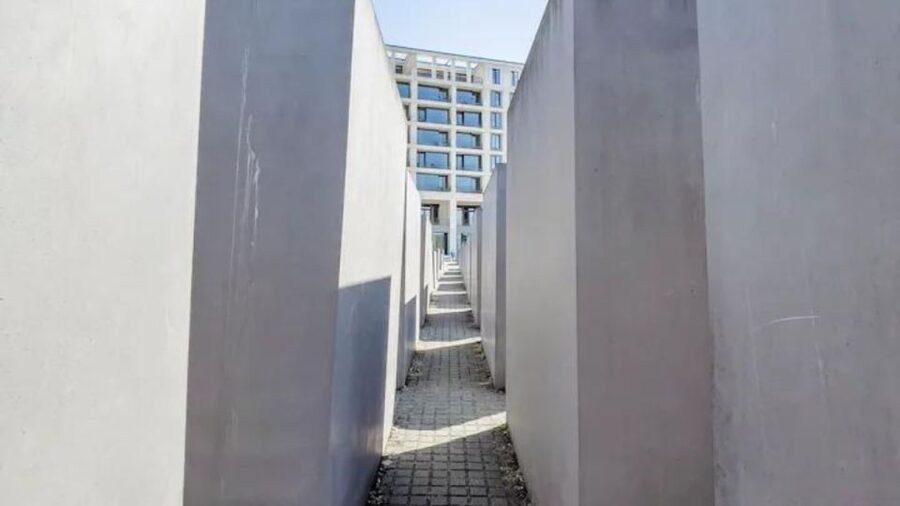
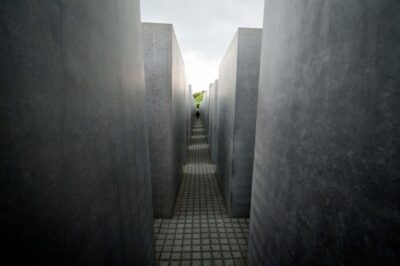
Then you reach the Memorial to the Murdered Jews of Europe. This is another stop where the tour format helps you. You get guided explanation, plus structured time for looking and absorbing.
Memorial spaces can be tricky. It’s easy to feel like you should do something dramatic or say the right thing to match the mood. A good guide helps you slow down without forcing emotion. The tour is explicitly framed as offering opportunities for reflection and Q&A, so you’re not stuck interpreting alone.
Practical note: this area can feel intensely quiet, and walking distance and pauses can make you want a break. You’ll likely be grateful the tour pacing is built for learning, not sprinting between sites.
Hitler’s bunker site: the last chapter, in the middle of the city
The walking route continues to Hitler’s Bunker site, with photo time and guided context. This is the kind of location where it is easy to get distracted by rumors, movie images, or generic horror-story framing.
The tour aims to do the opposite. It places the bunker site in the arc of the war in Europe coming to its end. The guide approach is meant to connect big decisions to what finally happened in Berlin, so you leave with a clearer timeline rather than just a spooky stop.
One consideration here: you may be mentally ready for the emotional weight by now, but the topic still won’t be light. If you tend to get overwhelmed by WWII content, this is where you might appreciate the option to ask questions or take a slower moment during guided pauses.
From Elser’s memorial to the finance ministry: showing how systems work
After the bunker site, you visit the Johann Georg Elser Memorial, then stop by the German Finance Ministry area. Both are shorter stops, but they add important threads.
Elser’s memorial broadens the story beyond only the regime and its victims. It signals that there were people and actions outside the Nazi party orbit, even when the state was tight with fear and repression. You should expect a guided connection back to the broader Nazi-era narrative.
Then the German Finance Ministry stop adds another dimension: the machinery behind power. You’ll get guided context that connects political decisions to resources and state functioning. Even without a museum setting, it can make the story feel less abstract, because finance and administration are part of how regimes operate.
These two short segments are also a nice pacing reset. If you’ve been absorbing big, heavy history, a brief stop can help you reset your focus without losing the narrative flow.
Topography of Terror: where terror became policy and place
Your tour ends at Topography of Terror, with a guided visit and final time for reflection. This is framed as a former Gestapo and SS headquarters, described as the nerve centre of terror and repression.
Ending here is effective because it shifts the story from abstract ideology to a place where repression was organized. You should feel the difference between seeing a memorial and seeing a site tied to machinery of control.
This is also where the tour format really pays off. The route has already walked you through rise, consolidation, persecution, everyday life under the regime, and collapse. Arriving at Topography of Terror at the end gives you a stronger sense of the through-line.
If you are the type who likes to understand how a system worked, this final stop is likely your favorite. If you are sensitive to difficult history, it can also be the toughest, and that’s okay. Give yourself a minute before you move on with your day.
Price and value for a 150-minute WWII story in the streets
At $47 per person for about 150 minutes, this is priced in the mid-range for Berlin guided walks. But what you’re paying for is not just someone walking you past buildings.
You’re paying for an expert local guide with an academic background in WWII history, guided visits to multiple Nazi-era sites and memorials, and tools like Then & Now photographs and historic maps. You’re also getting a small group experience that’s meant to keep you interactive, not stuck listening with no chance to ask questions.
In value terms, it works best if you want a structured story, especially if Berlin is new to you or you only have one shot at Nazi-era sites. If you already know the history very well and want lots of independent time, you might prefer a lighter self-guided plan. But for most people, the guided narrative makes the price feel fair.
Who this tour suits best (and who might want another option)
This tour suits you if you:
- want a single route that connects Nazi Germany’s rise, dictatorship, and collapse
- care about context, not just photos
- like Q&A and guided reflection instead of a rigid script
You might want to consider something else if:
- you prefer indoor museum time, because this tour is outdoors and does not include indoor museum exhibitions
- you struggle with long outdoor walking, since the tour is described as a considerable amount of walking
- you need a very light or upbeat outing, because the content is dark and emotionally serious
Should you book Hitler’s Berlin: The Rise and Fall?
If you want a guided “timeline in motion” through Berlin, this is an easy yes. The stops are deliberately chosen, the pacing is built around understanding, and the small group format with Q&A helps you clear up confusion while you’re standing in front of the places that shaped the story.
Book it if you only have limited time and you want the city to make sense as you go, from Brandenburg Gate to the end point at Topography of Terror. Just be honest with yourself about walking and outdoor weather, and plan your day with a decent cushion afterward.
Keep Walking Berlin



More World War II History in Berlin

More Tour Reviews in Berlin



Recently added around Berlin


Berlin Walking Tours, compared.
 ★ 5.0Discover Berlin Half-Day Walking TourFrom $249,624 reviews
 ★ 4.9Third Reich and Cold War 2 Hour Walking TourFrom $236,830 reviews
 ★ 4.9Discover Berlin Walking TourFrom $235,998 reviews
 ★ 5.0Berlin’s Best: 2 Hour Walking Tour Third Reich and the Cold WarFrom $245,486 reviews
 ★ 4.8Hidden Backyards Guided Walking TourFrom $235,360 reviews
 ★ 5.0Third Reich Berlin: Hitler and WWII Walking TourFrom $243,301 reviews
 ★ 4.6Alternative Berlin Walking TourFrom $291,204 reviews
 ★ 4.9Third Reich, Hitler, and WWII Walking TourFrom $201,133 reviews
Browse the lists this tour appears in