
Tour review · BERLIN WALKING TOURS
Private Walking Tour in Berlin: Hitler’s Germany & WWII
Berlin’s Nazi map hurts to look at. This private 4-hour walk uses a historian-led route to connect major Third Reich locations, from Anhalter Bahnhof to the Hitler-era bunker site. I especially like the historian-led context and the outside-only route that keeps you moving from place to place. One drawback to note: you do not enter the sites, so don’t plan on interior visits.
I also like that many stops are wrapped into the tour with free admission tickets, so you are paying mainly for the guide and the time you get. The tour ends near the Reichstag, so you can tack on a bit of your own exploration afterward. Just be prepared for a heavy, serious topic, since the focus is the mechanics of terror and the realities of the Holocaust.
You will walk with only your group, and you may get guides such as Jasper, Stefan, Rohan, Lewis, or Xavier, who are praised for clear explanations and good interaction. Pickup is offered, and there is a mobile ticket, which makes the start smoother. Expect roughly 3.5 to 4 hours, mostly outdoors.
Key things I’d plan around
- A historian-led walk across the Nazi power chain that ties locations together instead of treating them as random photos.
- Anhalter Bahnhof and Topography of Terror are central stops, including places linked to deportations and the terror apparatus.
- Memorials that broaden the story beyond one group, including the Holocaust Memorial and a monument to homosexuals persecuted under National Socialism.
- Outside views only, including the Reichstag, so you get the street-level setting without ticket lines.
- Free admission at most stops, meaning your money is for guiding, not entry fees.
- Private-group pacing that works well if you want time for questions, but still stays on a half-day schedule.
More carefully guided routes through Berlin’s wartime history
- Berlin: Third Reich and Cold War 2 Hour Walking Tour★ 4.9 · 6,830 reviews
- Berlin’s Best: 2 Hour Walking Tour Third Reich and the Cold War★ 5.0 · 5,486 reviews
- Third Reich Berlin: Hitler and WWII Walking Tour★ 5.0 · 3,301 reviews
- Berlin: Third Reich, Hitler, and WWII Walking Tour★ 4.9 · 1,133 reviews
A historian-led Berlin walk through Hitler’s Germany

If you want a Berlin WWII tour that feels like a guided argument, not a photo scavenger hunt, this route fits the bill. The focus is the Nazi system of power, from key sites tied to deportations and terror to the memorial spaces that force modern eyes to slow down.
What makes it work is the guide framing. You’re not just seeing locations. You’re hearing how the pieces connect. The tour is also built around a simple promise: you’ll finish near the Reichstag, without trying to do a full-day marathon of museums.
There’s a reason people call this an essential Berlin experience. It’s compact, serious, and practical. And since it is private, the guide can adjust pace based on what your group finds most compelling.
Price and logistics: what you get for $173.06
At $173.06 per person, this is not a budget stroll. But the value math changes once you look at what’s included.
You get a professional guide and all fees and taxes. Many of the planned stops come with free admission tickets as part of the experience. That means a big share of your payment is going to the explanation and the walk itself, not on paying entry fees at multiple sites.
What is not included matters too:
- You should plan for public transport tickets. A single ticket AB is listed at about 4€ per person.
- Tips for the guide are not included.
- Reichstag Building entry is not included, and the Reichstag stop is from the outside.
The logistics are also designed to reduce friction. You can often use public transportation, pickup is offered, and the tour uses a mobile ticket. The start point is Neue Promenade 3, and the walk ends at the Reichstag area, Pl. der Republik 1. You’ll find it easy to continue on foot or by transit afterward.
One practical consideration: it’s a walking tour in Berlin weather. On a hot day, bring water and shade protection, because you cannot rely on indoor stops to reset your comfort level.
Stop-by-stop: Nazi-era locations and memorials, seen from street level
A key detail up front: you will see these places only from the outside. That shapes expectations in a good way. You get the setting, the street geography, and the way history sits right in the modern city. It also means you should not expect museum galleries, indoor exhibits, or inside views from behind barriers.
Here is how the route flows, and what each stop contributes.
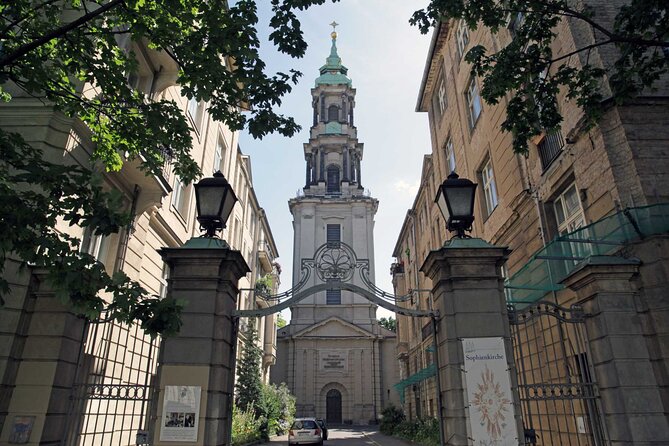
Museum Blindenwerkstatt Otto Weidt (about 10 minutes)
This is the first stop, and it sets a tone early: the guide explains the history of the site. Starting here is smart because it signals that the tour is not only about perpetrators. You’re also being guided toward the human stakes and the ways people navigated Nazi pressure.
Time is short, so use it to get context rather than to read every wall yourself. If you like asking questions, this is a good moment to do it, since the tour has more stops ahead.
Berlin on foot, with a few more routes worth comparing
- Discover Berlin Half-Day Walking Tour
★ 5.0 · 9,624 reviews - Berlin: Third Reich and Cold War 2 Hour Walking Tour
★ 4.9 · 6,830 reviews - Berlin: Discover Berlin Walking Tour
★ 4.9 · 5,998 reviews - Berlin’s Best: 2 Hour Walking Tour Third Reich and the Cold War
★ 5.0 · 5,486 reviews - Berlin: Hidden Backyards Guided Walking Tour
★ 4.8 · 5,360 reviews
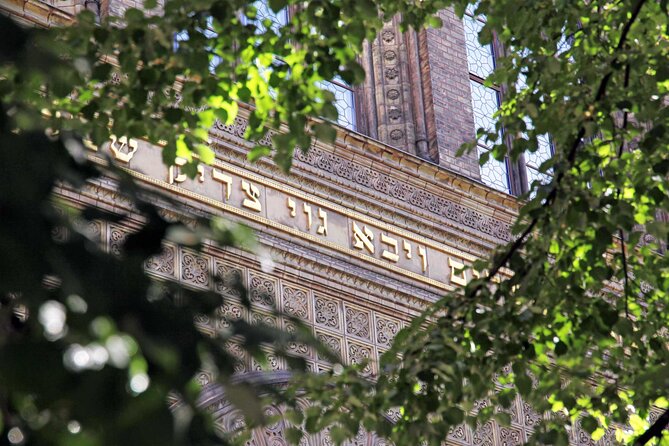
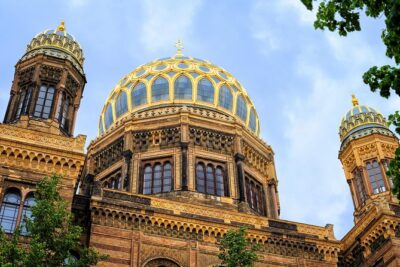
Stiftung Neue Synagoge Berlin – Centrum Judaicum (about 10 minutes)
Next you’ll stop at the synagogue-related site, again with the guide explaining the history. This helps broaden the story beyond one building or one era headline. It also anchors the tour in Jewish life and Jewish community landmarks, which makes the later memorial stops feel less abstract.
Because the stop is brief, treat it as a framing station. You’ll get deeper context from the guide as the walk continues.
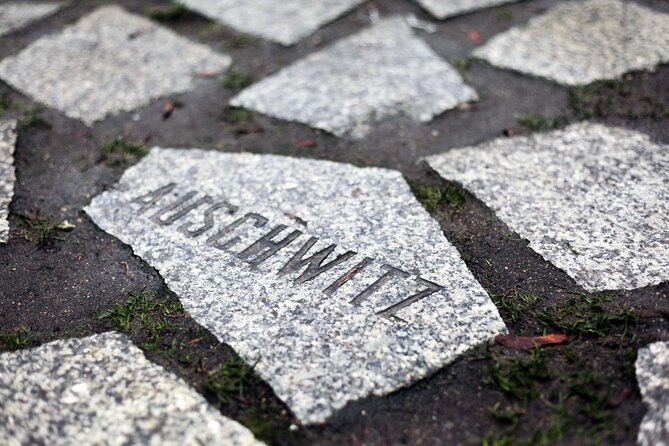
Anhalter Bahnhof (about 10 minutes)
Now you reach one of the tour’s heavy hitters. Anhalter Bahnhof is described as being used to deport prisoners to concentration camps. Even in a 10-minute outside stop, that kind of fact changes how you look at the ruins and the surroundings.
This is where the tour’s value becomes obvious. The guide ties the location to what it meant in the system of terror. You might find yourself connecting the dots between transit, bureaucracy, and violence. That is a key part of understanding how Nazi Germany worked, not just who was in power.
Topography of Terror (about 10 minutes)
Topography of Terror is another centerpiece. The tour includes the former Gestapo and SS headquarters area, plus the broader context of the terror network. Seeing it from the street gives you a sense of scale and proximity, like history is right next door.
This stop is also where you should slow your brain down. The subject is grim, and short stops can tempt you to skim. Don’t. Use the guide’s explanation as your main source of learning here.
Aviation Ministery of Berlin (about 10 minutes)
This stop is brief and intentionally specific: the guide explains the history of the site. The value is not that you’ll get a long exhibit time. The value is that you’ll hear how another piece of state machinery relates to the Nazi system.
If you like political history, you’ll probably appreciate how the tour keeps shifting the spotlight from the obvious terror infrastructure to the wider governmental ecosystem that made it all possible.
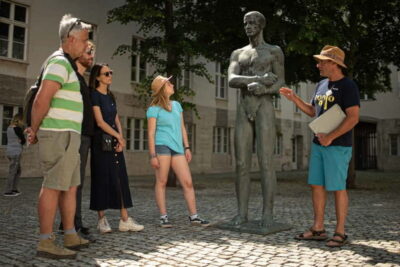
Johann Georg Elser Sculpture (about 10 minutes)
Then the route turns toward resistance. The sculpture stop focuses on the history of Johann Georg Elser, giving the tour a counterweight to pure victim and perpetrator storytelling.
In a route like this, that balance matters. If you only focus on terror, you can end up stuck in darkness. Adding resistance stories is a reminder that not everyone accepted the system.
Because the stop is outside and short, the explanation from your guide is the whole show. If you want to understand the significance, ask one good question.
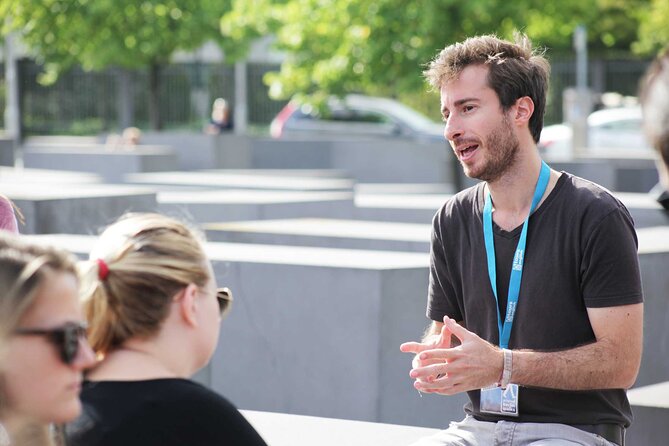
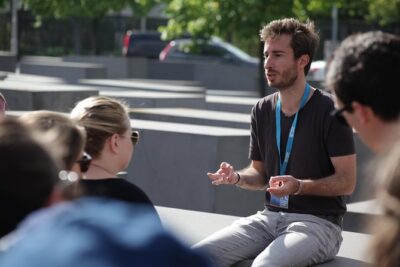
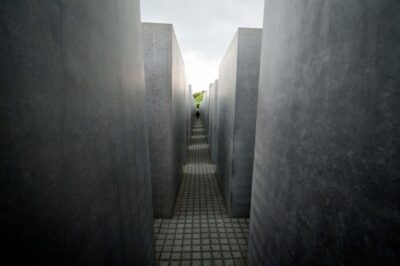
The Holocaust Memorial, Memorial to the Murdered Jews of Europe (about 15 minutes)
This is one of the longer stops, at about 15 minutes. The guide explains the history of the site, and the name alone sets the theme: the memorial is for the murdered Jews of Europe.
This is not the kind of stop you should rush through. Even if you only stay for the planned time, let the setting do some work. The best tours treat memorials as places to think, not checkboxes to finish.
If your group has different comfort levels with this kind of content, 15 minutes can be just enough. It’s also long enough that you’ll remember it long after the walk ends.
Monument to Homosexuals Persecuted Under the National Socialist Regime (about 10 minutes)
This stop adds another layer to the tour’s scope, with the guide explaining the history of the site. The monument’s purpose is right in the title: it’s about how homosexuals were persecuted under National Socialism.
This matters because it corrects a common tilt in WWII conversations. It’s easy for memorial routes to focus only on one group. Including this here makes the whole route more accurate and more human.
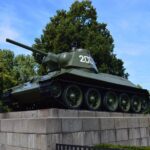
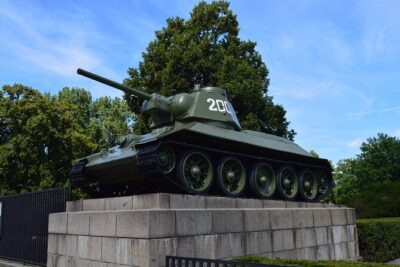
Soviet Memorial Tiergarten (about 10 minutes)
Next you’ll see the Soviet memorial in Tiergarten, with the guide explaining the history of the site. This provides another perspective on the war’s aftermath and the way competing narratives are housed in public space.
Even with limited time, you’ll likely appreciate how Berlin contains layers of memory, not one single official story.
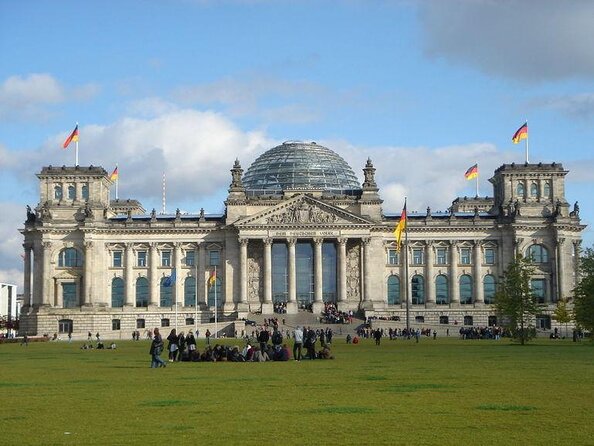
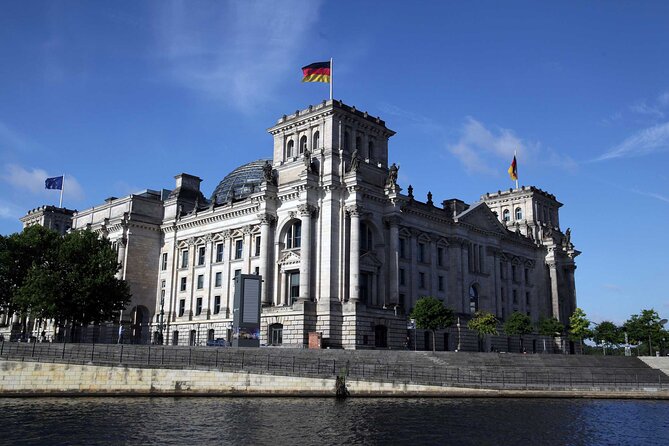
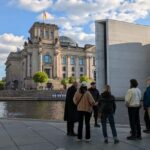
Reichstag Building (about 10 minutes, outside)
The tour finishes at the Reichstag area, and the Reichstag stop is from the outside with history explained. Not entering the building is part of the tour’s design, and that’s fine. The point here is closure, finishing where modern Germany’s institutions stand near the shadows of the past.
It’s also a practical ending. From the Reichstag, you can easily continue exploring nearby sights on your own.
Why these stops feel connected, not random
On many WWII walks, you hop from one famous photo spot to the next. This one works differently. It mixes three kinds of locations:
- Sites tied to deportation and the terror system, including Anhalter Bahnhof and the Gestapo and SS headquarters area.
- Resistance and nonconformity, represented by the Johann Georg Elser sculpture stop.
- Memorials that force remembrance, including the Holocaust Memorial and the monument to homosexuals persecuted under the Nazi regime.
That blend is what helps the route stick. The guide’s job is to connect how the Nazi system used institutions, physical places, and propaganda. Then you end at the Reichstag, letting modern governance sit in your mind beside the ruins and memorials.
Also, since many attractions are outside and the tour does not require long museum breaks, the pacing supports real learning. You don’t spend your whole time queuing or reading labels. You spend your time in motion with someone who can explain what you’re looking at.
Picking the right travel mindset for a serious topic
This is a tour about Nazi Germany and WWII, so come with the right expectations. You are not here for entertainment, and the route does not pretend otherwise. It is built to help you understand how terror worked and how the Holocaust is remembered.
If you want to get more out of it, decide what you want from it before you start:
- If you’re curious about how Nazi power functioned, lean in at the terror-related stops.
- If you’re focused on memory and modern recognition, give extra attention at the Holocaust Memorial and the other persecution memorial.
- If you want a fuller human view, ask about the resistance thread at the Elser sculpture stop.
One more practical note: because it’s an outside walk, wear comfortable shoes. The route is half-day, but you’ll still cover real ground on sidewalks, near ruins, and around dense city areas.
Who this Berlin WWII tour is best for
This works best if you:
- Want a structured Berlin WWII tour that keeps you focused for about 3.5 to 4 hours.
- Prefer a guide to connect locations, especially when you’re dealing with complicated historical material.
- Like private tours where you can ask questions without competing with other groups.
It’s also a decent option if you’re traveling with a teen who is studying WWII or is curious about modern Europe’s darker chapters. Some families specifically liked how the tour explained complex ideas clearly at this pace.
If your group only wants museum entry or full interior access, you might feel limited by the outside-only format and the fact that Reichstag entry is not included.
Should you book this Berlin private walking tour?

I’d book it if you want a focused, practical, and emotionally serious Berlin WWII walking experience that links major Nazi-era sites in one half-day route. The strongest selling points are the histori an-led explanations, the presence of both terror sites and memorials, and the efficient structure that ends near the Reichstag.
I would skip or look for a different option if your priority is indoor museum time or if you need Reichstag interior access. This one is about street-level context, not building access.
If you do book, choose your gear like you are going to be outside most of the time: comfortable shoes, water, and a layer for Berlin weather. Then let the guide’s storytelling do the heavy lifting, one stop at a time.
FAQ
How long is the private walking tour?
It lasts about 4 hours.
Is this tour private or shared with other groups?
It is a private tour/activity, so only your group participates.
Where does the tour start and end?
It starts at Neue Promenade 3, 10178 Berlin, and it usually ends at the Reichstag area, Platz der Republik 1, 11011 Berlin.
Are tickets for the attractions included?
The tour includes admission tickets for the listed stops where admission is marked free. Tickets for the Reichstag building are not included, and you will only view it from the outside.
Do you enter the sites during the tour?
No. You see the attractions only from the outside, not by entering them.
Is public transportation included?
No. Public transport tickets are not included, and a single ticket AB is required for about 4€ per person.
Is pickup offered?
Yes, pickup is offered.
When will I get confirmation after booking?
You should receive confirmation within 48 hours of booking, subject to availability.
Is cancellation free?
Yes, cancellation is free. You can cancel up to 24 hours in advance for a full refund.
Keep Walking Berlin


More World War II History in Berlin

More Tour Reviews in Berlin



Recently added around Berlin


Berlin Walking Tours, compared.
 ★ 5.0Discover Berlin Half-Day Walking TourFrom $249,624 reviews
 ★ 4.9Third Reich and Cold War 2 Hour Walking TourFrom $236,830 reviews
 ★ 4.9Discover Berlin Walking TourFrom $235,998 reviews
 ★ 5.0Berlin’s Best: 2 Hour Walking Tour Third Reich and the Cold WarFrom $245,486 reviews
 ★ 4.8Hidden Backyards Guided Walking TourFrom $235,360 reviews
 ★ 5.0Third Reich Berlin: Hitler and WWII Walking TourFrom $243,301 reviews
 ★ 4.6Alternative Berlin Walking TourFrom $291,204 reviews
 ★ 4.9Third Reich, Hitler, and WWII Walking TourFrom $201,133 reviews
Browse the lists this tour appears in