
Tour review · BERLIN NEIGHBOURHOOD TOURS
Small Group Tour: “Wild Kreuzberg”
Berlin does wild very well.
This small-group walk gives you a street-level look at Kreuzberg through markets, alternative clubs, and the physical leftovers of the city’s squatter days. I especially like how the route threads everyday life and counterculture into the same walk, and how you get specific stops like Oranienstraße and the Mariannenplatz area rather than vague sightseeing. One thing to consider, though, is that it runs in all weather, so plan for rain and wear shoes that can handle cobblestones and long sidewalks.
You also walk with a real Berlin guide who works the details. I saw one satisfied account that praised Ferenz for making the tour feel personal and full of wild, specific Kreuzberg facts.
6 key things I’d plan for on Wild Kreuzberg
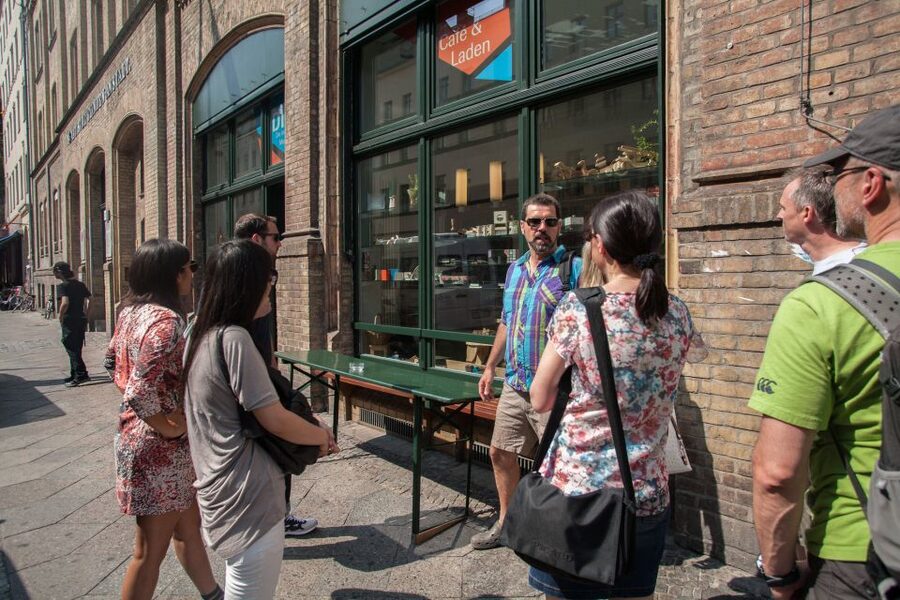
- Kottbusser Tor to Oranienstraße, where markets, rails, and nightlife collide on the same square
- Squatter-scene stops, including Bethanien and the Rauchhaus area, tied to real buildings you can still see
- Museum of Objects, focused on the history of mass production, not just trendy street corners
- Oranienhöfe coffee time, a proper break in a place built for lingering
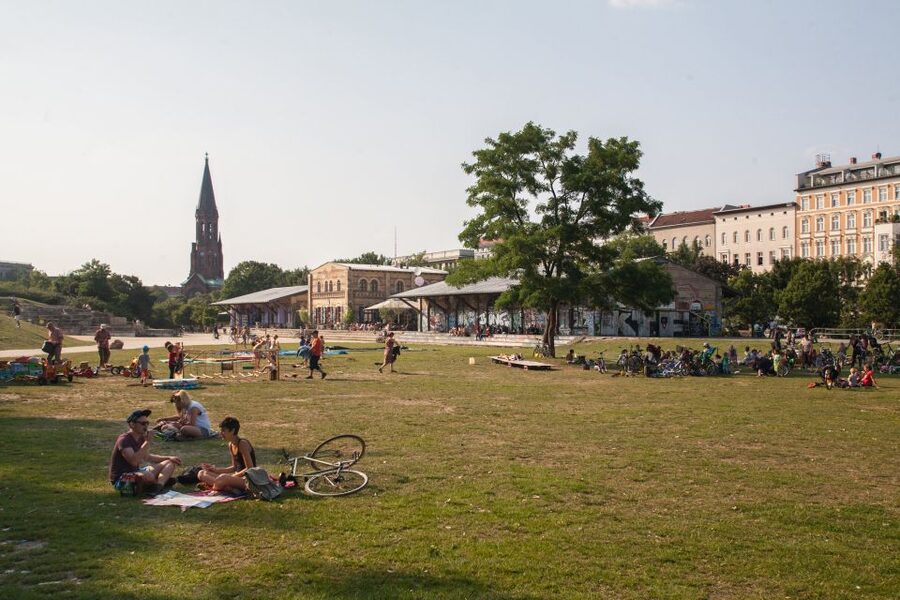
- Görlitzer Park former station grounds, a green pause with history under your feet
- Small group format, minimum 3 and maximum 12, which keeps questions and pacing reasonable
More of Berlin’s street art, studios and alternative culture
- Berlin: Alternative Berlin Walking Tour★ 4.6 · 1,204 reviews
- Berlin: City Street Art Guided Walking Tour★ 4.8 · 886 reviews
- Berlin: 3-Hour Street Art Tour★ 4.7 · 778 reviews
- Kreuzberg: Culinary Food Tour★ 4.5 · 770 reviews
Why this Kreuzberg walk feels different from standard Berlin tours
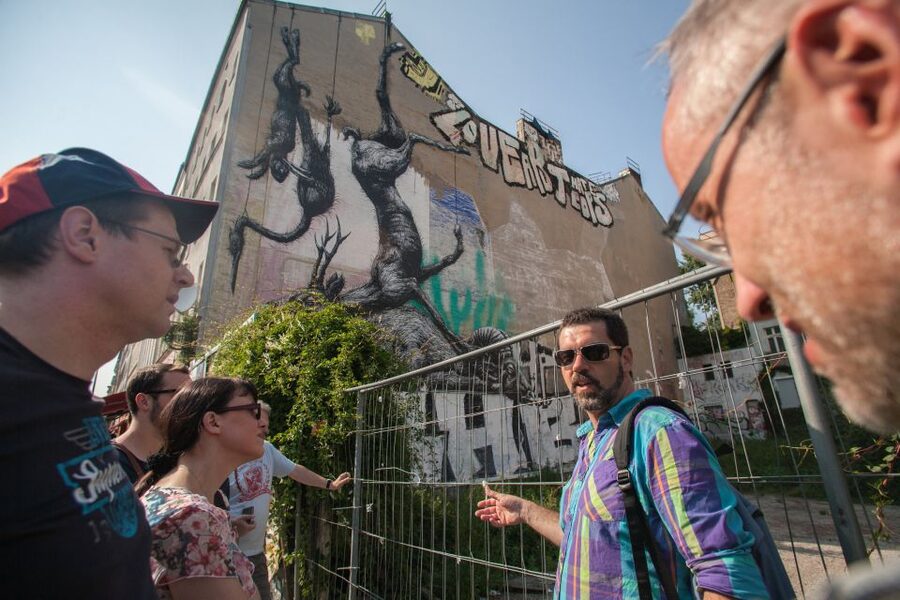
Kreuzberg is one of those Berlin neighborhoods where you can’t really separate culture from daily routine. People eat, shop, argue, dance, and protest in the same streets. This tour leans into that truth instead of treating Kreuzberg like a theme park.
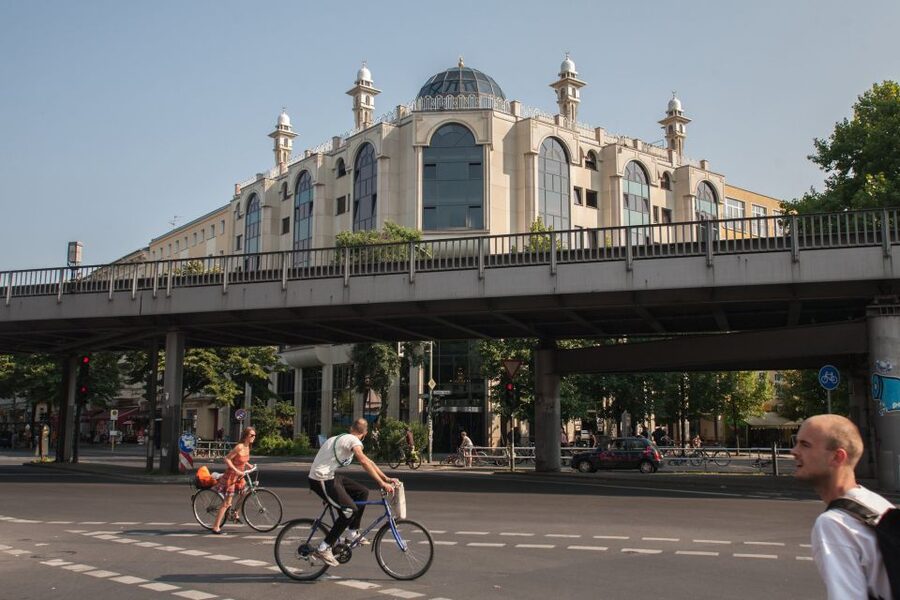
You start at Kottbusser Tor, right where daytime errands meet night-culture energy. The square is visually divided by the overground rails of the U1 line, so you quickly get a feel for how Berlin infrastructure shapes the neighborhood’s rhythm. From there, the walk keeps moving through the bits that explain why Kreuzberg became known for alternative scenes, including what remains of the famous squatter era.
Two big strengths for me are the specific, named stops and the way the guide connects them. You are not just looking at buildings. You’re learning why these places mattered, and how mass-produced modern life, postwar politics, and street-level creativity all ended up living side by side.
The other thing I like is that the pace suits a 3-hour format. It is long enough to feel like you saw a real slice of the neighborhood, but short enough that you do not finish exhausted and numb.
The 3-hour route, step by step, and what each stop adds
This is a walking tour that starts at 137 Skalitzer Straße, in front of Gold Exchange, next to REWE. It ends back at the meeting point, so you’re not left trying to figure out transit at the finish.
Because it is 3 hours, every stop is doing a job. Some are about atmosphere. Some are about history. Some are about how modern Berlin uses old spaces.
Kottbusser Tor to the rails, then into Kreuzberg’s everyday chaos
You begin at Kottbusser Tor, a solid choice because it is a transit hub and a cultural meeting point at the same time. Expect to see the neighborhood’s mixed identity right away: a Turkish market atmosphere, Arabic restaurant and bistro life, and the everyday rhythm of people who live here, not just pass through.
A neat detail is the U1 overground rails cutting through the square. It looks dramatic, but it also explains the daily sound and movement that shape street life here. If you’ve only seen Berlin from inside a museum, this is the moment it starts to feel real.
As you head onward, you pass through areas defined by early-20th-century architecture and big landmark buildings, including the Sozialpalast. This is one of those moments where the streets stop being just pretty and become meaningful. You start to see why Kreuzberg has always been a place where different social worlds share the same blocks.
Adalbertstraße, Kreuzberg Museum, and the idea of change you can measure
As the walk continues, you reach the Adalbertstraße skyscrapers and the Kreuzberg Museum area. The museum stop matters because Kreuzberg’s identity did not appear out of nowhere. It evolved through waves of migration, politics, and housing realities.
Even if you do not spend long inside the museum, the stop helps set a framework. You get to connect the street scenes around you to documented neighborhood stories, which makes later squatter-era landmarks hit harder.
More routes into Berlin’s distinct neighbourhoods
- Berlin: Charlottenburg Palace Entry Ticket
★ 4.4 · 2,076 reviews - Berlin: Kreuzberg Guided Walking Evening Tour
★ 4.7 · 555 reviews - Berlin: Alternative Bike Tour of Kreuzberg & Friedrichshain
★ 4.7 · 548 reviews - Berlin: 2.5-Hour Walking Tour through Kreuzberg 61
★ 4.9 · 525 reviews - Berlin Off-the-Beaten-Path Walking Tour: Kreuzberg, Mitte and Friedrichshain
★ 5.0 · 412 reviews
Oranienstraße, SO36 vibes, and the punk district still in the stones
Next you reach Oranienstraße, which the tour frames as the heart of the former SO36 postal district. This is where Kreuzberg’s punk and alternative reputation still shows up in how people use the streets: restaurants and bars, shops with character, and the overall sense that the neighborhood runs on self-expression rather than official polish.
This section is often the most fun because it is active and visually varied. You’ll see a mix of café culture and alternative club energy, sometimes very close together. It’s not sanitized. It feels lived in.
If you like street photography, this is prime territory. If you prefer quiet, it helps to remember this neighborhood is busy by design, not because your guide is rushing.
Home for the Blind, Oranienhöfe coffee, and why pauses matter
You stop at the Home for the Blind, then continue to take a coffee break in Oranienhöfe. This is a good balance of planning and humanity. Sightseeing is easier when your body and brain get a proper reset.
Oranienhöfe is also a strong contrast point. After the sharp corners of nightlife and alternative spaces, you get a more relaxed, seated moment. It also makes the tour feel less like a checklist and more like a neighborhood walk you could keep exploring after you’re done.
If you’re the kind of person who needs caffeine to stay sharp, this break is worth appreciating. And because food and drink are not included, that coffee stop becomes a useful built-in anchor for the morning or afternoon rhythm.
Museum of Objects and mass production history, without the museum fatigue
One of the most interesting stops is the Museum of Objects, which focuses on the history of mass production. That detail changes the mood of the tour.
Berlin often gets told as a story of art, politics, and war. This stop brings the conversation to everyday goods and how modern life got shaped by manufacturing. It’s a clever angle because Kreuzberg is full of reuse, DIY culture, and alternative design sensibilities. Mass production is part of the reason these reactions became visible in the first place.
You also get more variety here than you would on a tour that sticks only to trendy murals. It adds an idea you can carry with you into later stops.
Mariannenplatz, Bethanien art squat, and the buildings that keep memories
After crossing Heinrich-Platz, you reach Mariannenplatz and then Bethanien, an art squat located in a former hospital. This is where the squatter-era story becomes physical.
The former hospital setting matters because it signals how survival and community needs shaped the neighborhood. You’re looking at buildings that once served one purpose and then got reinterpreted by residents, artists, and activists. That kind of change is a core part of why Kreuzberg has a reputation for making space for nontraditional life.
Next door is the Rauchhaus, where you’ll see more traces of squatters’ life. Even without going deep into a specific exhibit, the stop gives context for how these scenes used real architecture to build real culture.
This section can be emotionally intense if you’re sensitive to social conflict and housing politics. But it is also genuinely fascinating if you like to understand the why behind what you see today.
Fontane-Apotheke and the quiet power of a known local institution
The walk also includes the well-known Fontane-Apotheke. It might sound like a small stop, but local institutions like pharmacies often tell you more about neighborhood permanence than flashy landmarks.
A pharmacy is practical. It is needed. It stays when trends come and go. Including it makes the tour feel anchored to daily life, not just to history lessons.
Oberbaumbrücke, East-West symbolism, and the finish line with a view
As you head toward Oberbaumbrücke, you get a symbolic link between East and West Berlin. This part is a visual payoff because bridges make connections literally and emotionally.
Finishing near Oberbaumbrücke also helps your planning. Even when the tour ends back at the meeting point, you are closer to an area where you can keep exploring. You can also use this as a chance to regroup before heading for dinner.
What the tour includes, what it doesn’t, and how that affects your day
The tour includes a city guide, duties, and a rain poncho if necessary.
What is not included is food and drink. That matters because Kreuzberg has a lot of places to eat and drink, but you should not assume the tour provides it. The coffee stop at Oranienhöfe is part of the experience, but you should still plan your own budget for snacks or a proper meal afterward.
Price-wise, it’s listed at $24 per person, which makes this a strong value for a 3-hour, small-group neighborhood walk that hits multiple themed stops. You’re paying for guide context plus access to a curated route through key Kreuzberg sites, not for admission fees or a full meal.
If you compare it to longer full-day tours, the value comes from focus. This is not trying to cover all of Berlin. It is trying to help you understand one neighborhood properly in a short window.
Who this Kreuzberg tour suits best
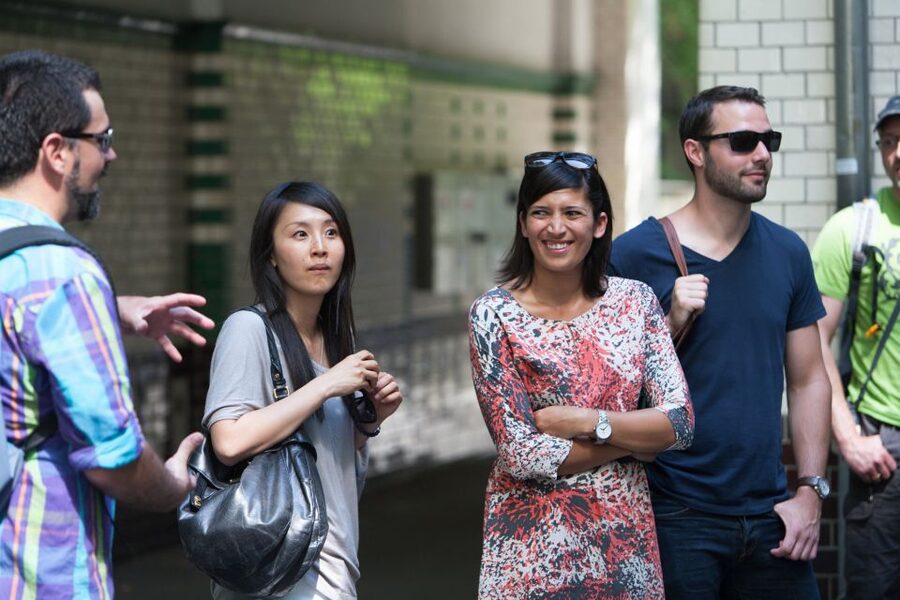
This tour is a good fit if you:
- like walking routes that mix street life with history
- want a focused look at Kreuzberg’s alternative scene and squatter-era landmarks
- prefer small groups, minimum 3 and maximum 12
- enjoy guides who can explain what you’re seeing on the street
It’s less ideal if you:
- struggle with lots of walking and comfortable-shoe needs
- expect a fully indoor museum-heavy schedule
- need food and drink included in the ticket
The tour guide language is German, and the live guide carries a sign with the operator logo. If you only speak basic German, you might still enjoy the walk for the visuals, but you should know this is not marketed as an English-led experience.
Weather reality: it’s an all-weathers walk
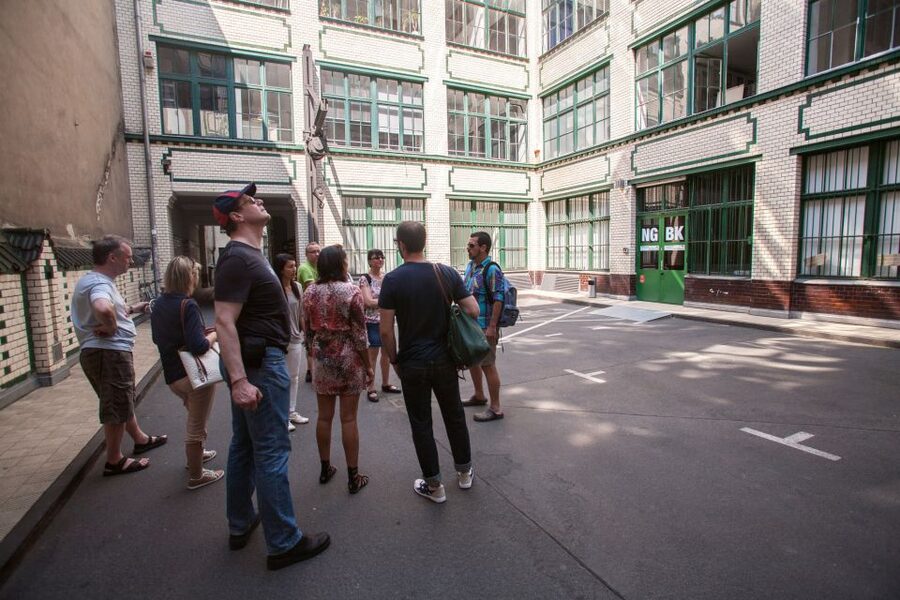
This tour happens in all weathers. On rainy days, you’ll get a rain poncho. That’s helpful, but you still need comfortable shoes you trust on wet pavement.
If Berlin rain is part of your trip, plan to dress in layers and bring a small dry bag if you can. A poncho helps, but it does not magically keep everything dry forever.
Small-group pacing and the Kottbusser Tor starting point
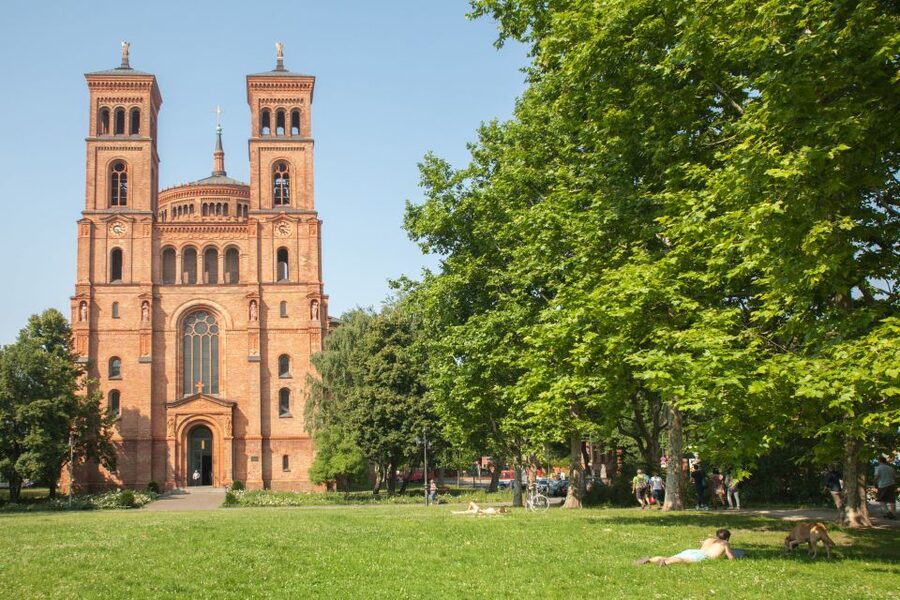
The start at Skalitzer Straße is easy enough if you orient yourself to the right place: Meet at 137 Skalitzer Straße, in front of Gold Exchange and next to REWE. The nearest U-Bahn station is Kottbusser Tor (U1 and U8), using the Skalitzer Straße exit.
Because the group is small, the guide can adjust for questions and slower walkers, but you still want to arrive on time. This is the kind of tour where missing the first 15 minutes can mean you’re late to the story setup at the rails and the Kottbusser Tor atmosphere.
If you’re traveling solo, a minimum number of participants can matter. The tour requires at least 2 persons overall, and the operator can cancel if minimum participation is not reached.
One practical caution: I came across a single unhappy account describing a cancellation tied to German-language service expectations and conflicting organizer explanations. I cannot generalize that, but it’s a reminder to double-check any booking details in advance and keep an eye on updates.
Should you book Wild Kreuzberg?
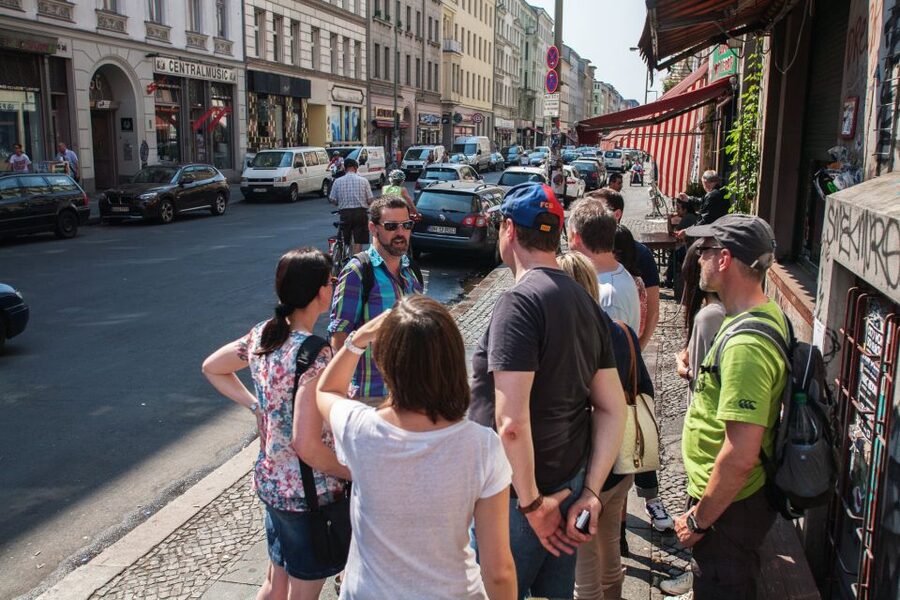
I’d book it if your goal is to understand Kreuzberg as a working neighborhood, not just to tick off sights. The route has a strong mix: markets and everyday culture at Kottbusser Tor, Oranienstraße’s SO36 energy, the coffee pause at Oranienhöfe, and the squatter-era building context at Bethanien and Rauchhaus. Add the Museum of Objects angle and you get more than the usual street mural tour.
Skip it or think twice if you need an English-language guide, hate walking in mixed weather, or want food included in the price. Also, if you have tight timing and cannot handle the possibility of last-minute changes due to participant minimums, you may want a flexible day.
If you’re in Berlin and you want Kreuzberg to make sense in 3 hours, this one is a solid use of time.
FAQ
Where does the Wild Kreuzberg tour start?
It starts at 137 Skalitzer Straße, in front of Gold Exchange and next to REWE.
What is the nearest U-Bahn station?
The nearest station is Kottbusser Tor (lines U1 and U8), using the Skalitzer Straße exit.
How long is the tour?
The tour duration is 3 hours.
How big is the group?
The tour runs with a minimum of 3 people and a maximum of 12 people.
What language is the tour guide?
The live tour guide is German.
What is included in the ticket price?
It includes duties, a city guide, and a rain poncho if necessary.
Is food or drink included?
No. Food and drink are not included.
What should I bring?
Bring comfortable shoes. The tour takes place in all weather.
Does the tour run in bad weather?
Yes. On rainy days, the rain poncho will be distributed.
What is the cancellation policy?
Free cancellation is available up to 24 hours in advance for a full refund. For groups of 3 or more, the cancellation deadline is 3 days before the scheduled tour.
More Berlin Neighbourhoods
More Alternative Berlin

More Tour Reviews in Berlin
Recently added around Berlin

Berlin Neighbourhood Tours, compared.
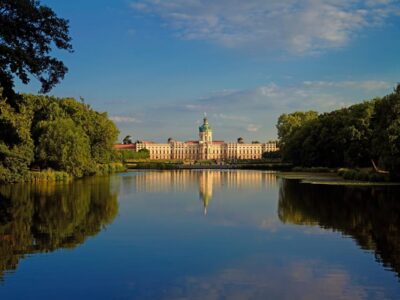 ★ 4.4Charlottenburg Palace Entry TicketFrom $222,076 reviews
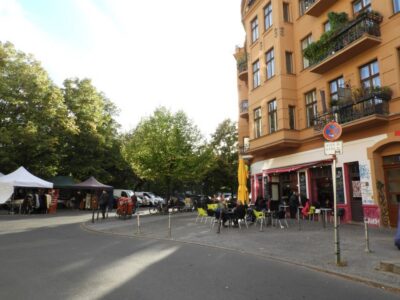 ★ 4.5Kreuzberg: Culinary Food TourFrom $589770 reviews
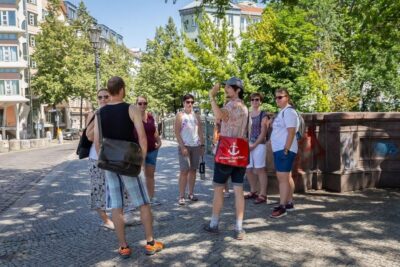 ★ 4.7Kreuzberg Guided Walking Evening TourFrom $27555 reviews
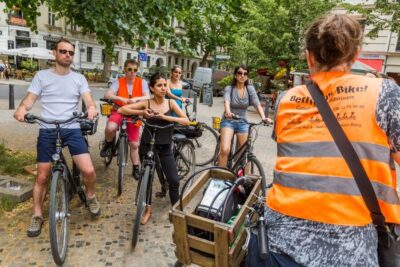 ★ 4.7Alternative Bike Tour of Kreuzberg & FriedrichshainFrom $41548 reviews
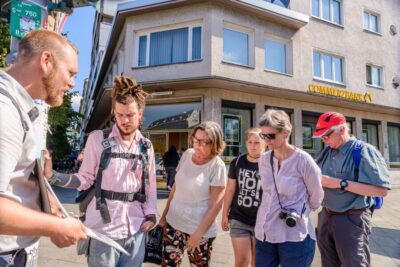 ★ 4.92.5-Hour Walking Tour through Kreuzberg 61From $23525 reviews
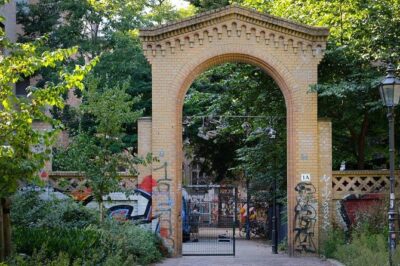 ★ 5.0Berlin Off-the-Beaten-Path Walking Tour: Kreuzberg, Mitte and FriedrichshainFrom $30412 reviews
 ★ 4.9Prenzlauer Berg District Guided Walking TourFrom $23316 reviews
 ★ 5.0Kreuzberg Berlin: Off the Beaten Track PRIVATE Walking TourFrom $123128 reviews
Browse the lists this tour appears in