
Tour review · BERLIN WALKING TOURS
Berlin: Prenzlauer Berg District Guided Walking Tour
Berlin changes fast, and this walk shows how. This Prenzlauer Berg guided walking tour links iconic landmarks like the Jewish Cemetery and Wasserturm with everyday neighborhood life around Mauerpark, plus stops that explain how the area’s character has shifted. Over 2.5 hours, you get a steady pace, real street-level context, and time to ask questions as you go.
I especially like two things. First, the tour mixes history, architecture, and what the neighborhood feels like now, so the stops don’t read like a checklist. Second, the guide conversation is a big part of the value, and names like Tobias come up in feedback, with guides who can connect buildings to Berlin’s broader themes like urbanism and politics. If you want more depth than a stop-and-take-photos route, this format works.
One drawback to consider: it is a walking tour and food and drinks are not included, so plan to eat before or after. If you expect lots of downtime, or you get restless on foot, you may find 2.5 hours a bit full.
Key Tour Highlights in Plain Terms
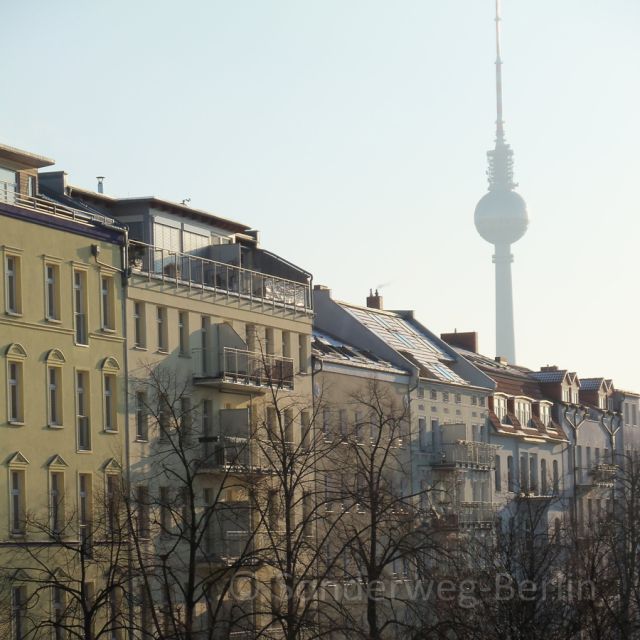
- Prenzlauer Berg both east and west of Schönhauser Allee, so you see more than one “face” of the district
- Jewish Cemetery on Schönhauser Allee and the Wasserturm, two strong anchor sights early on
- Mauerpark, timed for the energy around the Sunday fleamarket and live music shows
- Bernauer Straße to the Messel House, a stop that helps you connect street scenes to architecture
- Rykestraße and Oderberger Straße landmarks, including a grand synagogue and a public pool
- A real conversation with the guide, with plenty of room for questions
Berlin on foot, with a few more routes worth comparing
- Discover Berlin Half-Day Walking Tour★ 5.0 · 9,624 reviews
- Berlin: Third Reich and Cold War 2 Hour Walking Tour★ 4.9 · 6,830 reviews
- Berlin: Discover Berlin Walking Tour★ 4.9 · 5,998 reviews
- Berlin’s Best: 2 Hour Walking Tour Third Reich and the Cold War★ 5.0 · 5,486 reviews
Walking Prenzlauer Berg With a Guide, and Why the Route Works

Prenzlauer Berg can feel like a place you need a day pass to understand, because it wears several outfits at once. This tour is smart about that. You are guided through a neighborhood that keeps reinventing itself, while still showing clear traces of what came before. The east and west coverage around Schönhauser Allee is a practical way to avoid the classic “I only saw one block” problem.
Also, the pace is relaxed, which matters more than it sounds. A 2.5-hour walk is long enough to connect dots between stops, but short enough that you do not feel stuck. The goal is not a sprint. It is that slow “oh, I see why it’s like this” feeling, where the street layout, building types, and public spaces start to make sense as one story.
The guide interaction is the second reason the route works. The tour is set up for you to chat along the way, ask questions, and get small context boosts that you would miss if you simply wandered. In feedback, guides like Tobias are praised for their museum and history background, plus humor, which is a nice combination because it keeps things clear without becoming heavy.
Meeting Up and Getting Oriented in the Neighborhood Center
This tour starts in the heart of Prenzlauer Berg, but the exact meeting point may vary depending on the option booked. That means you should arrive a few minutes early and confirm the specific location when you book.
Once you start walking, you get orientation fast. You are not only shown where to look, you are given a framework for what you are looking at. The guide explains how the area’s long and rocky history has combined with newer prosperity and diversity to shape today’s neighborhood feel. That’s a helpful framing because Prenzlauer Berg can look polished, creative, and “current” all at once, and it helps to know there is more underneath.
Practical tip: wear comfortable shoes. This is a straightforward walking tour, with multiple stops outdoors, and you will enjoy it more if your legs are ready for a couple of hours on city sidewalks.
Down Schönhauser Allee to the Jewish Cemetery and the Wasserturm
One of the strongest parts of the tour is the early run along Schönhauser Allee. The street functions like a spine, and going this way gives you quick visual variety before you slow down for deeper stops.
You start by seeing the Jewish Cemetery on Schönhauser Allee. Even if you already know Berlin is a city of many communities and periods, a cemetery visit changes your angle. It turns the walk from “architecture spotting” into something more human and grounded. The guide’s commentary adds context, so you are not just reading dates on stones. You are learning how place, memory, and city space connect.
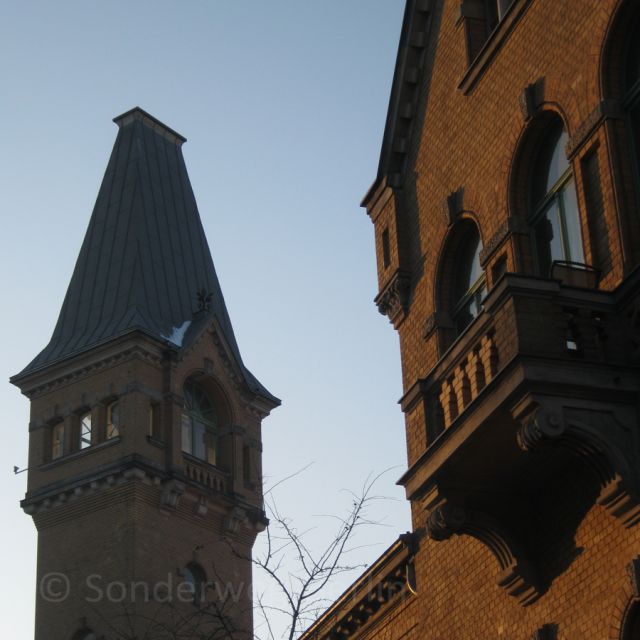
Then you move to the Wasserturm (Water Tower). This stop is valuable for two reasons. First, it gives you a landmark you can actually picture later, which helps the whole tour stick in your mind. Second, a prominent structure like this often becomes a mirror for urban change, because it sits in place while the neighborhood around it evolves. That contrast is exactly what this tour is trying to highlight: the way old and new share the same streets.
If you like tours that explain why a building matters in its setting, this pairing works well. A cemetery adds seriousness, and the water tower adds skyline and engineering type interest. Together, they keep the emotional tone balanced.
Kollwitzplatz and the Neighborhood Texture You Might Miss
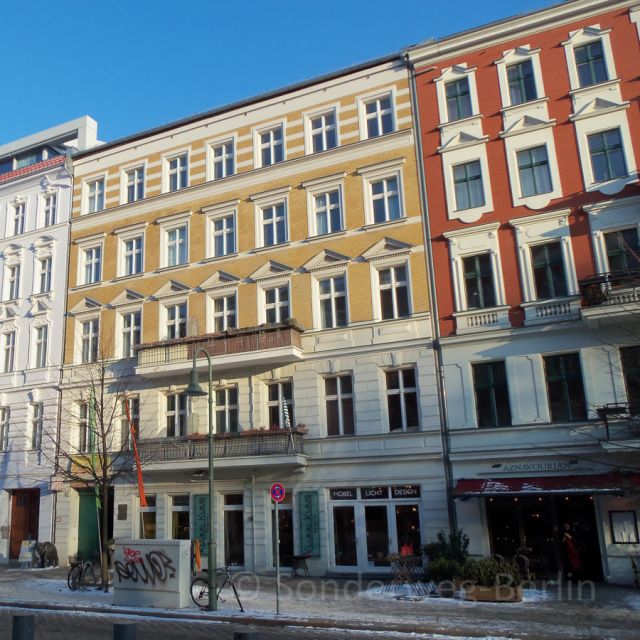
After the early anchors, you get into the “texture” portion of Prenzlauer Berg: squares, streets, and the kinds of public spaces that shape everyday life. The tour specifically mentions Kollwitzplatz, which is one of those places that rewards slow looking.
Here is why I think this stop is important: squares and crossroads are where you feel neighborhood density and social flow. You notice how people move, where they pause, and how the street design nudges daily routines. With the guide’s explanation, you can connect that movement to the bigger changes the area has gone through, instead of treating it like scenery.
This tour also keeps a focus on contrasts. You are shown how former character can still exist in the bones of the neighborhood, even as the district’s future shifts quickly. If you tend to get distracted by trendy shopfronts, you will appreciate the guide steering you toward how architecture and public space communicate the district’s past and present.
More routes into Berlin’s distinct neighbourhoods
- Berlin: Charlottenburg Palace Entry Ticket
★ 4.4 · 2,076 reviews - Berlin: Kreuzberg Guided Walking Evening Tour
★ 4.7 · 555 reviews - Berlin: Alternative Bike Tour of Kreuzberg & Friedrichshain
★ 4.7 · 548 reviews - Berlin: 2.5-Hour Walking Tour through Kreuzberg 61
★ 4.9 · 525 reviews - Berlin Off-the-Beaten-Path Walking Tour: Kreuzberg, Mitte and Friedrichshain
★ 5.0 · 412 reviews
Mauerpark on a Sunday Mood, Flea Market and Live Music
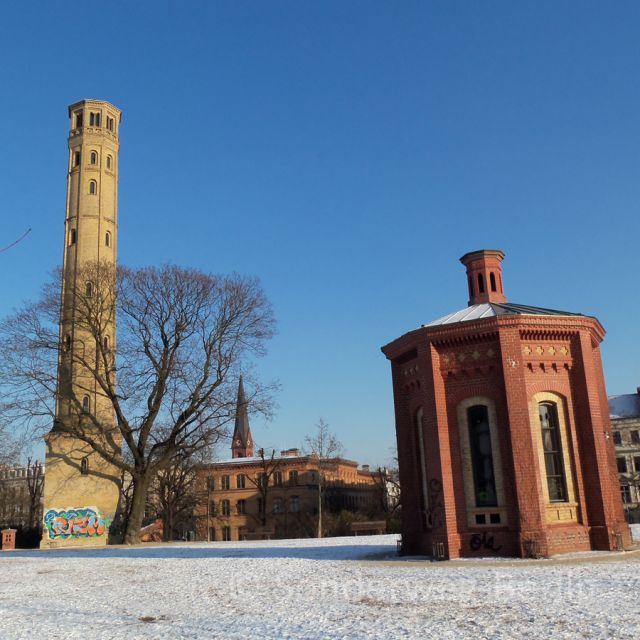
The walk includes Mauerpark, famous for its Sunday fleamarket and live music shows. This is not a “museum style” stop. It is a neighborhood stage.
Mauerpark is valuable on a guided route because it helps you read the place. Without commentary, it can be easy to treat it like just a busy weekend scene. With the guide talking, you can understand why these gatherings matter for the district’s identity and why this kind of public energy shapes what people come to expect from Prenzlauer Berg.
If you are visiting on a Sunday, this timing tends to make the tour feel extra alive. Even if you are not there on Sunday, the stop still matters because it gives you a sense of how the neighborhood uses open space. You start to see why Prenzlauer Berg is known for creativity and social life, not just pretty buildings.
One practical note: Mauerpark can be more crowded on weekends. Keep your expectations flexible, and stay relaxed. A walking tour like this is designed to move with the neighborhood, not fight it.
Bernauer Straße and the Messel House Stop
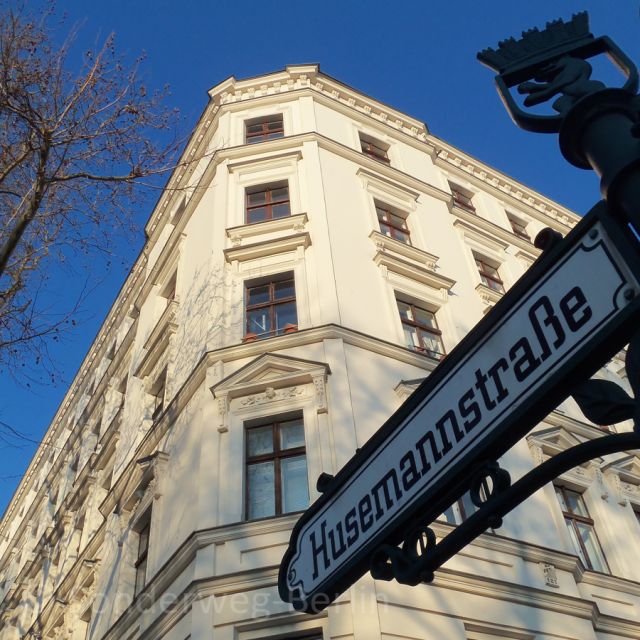
Next is Bernauer Straße, and the tour includes a stop at the Messel House. This section is where architecture lovers usually feel most satisfied, because you are not only seeing structures, you are learning how they fit into the streetscape around them.
The Messel House is a useful kind of stop. It slows you down just enough to notice façade details and building scale. And since the tour is specifically about how the area has changed, this is a good place for the guide to explain contrasts between what the district was and where it is heading.
If you care about how cities grow, Bernauer Straße is a strong reminder that streets are not neutral. A street can hold layers of planning choices, building trends, and shifting uses over time. When the guide ties these observations together, you come away with a clearer sense of how Prenzlauer Berg became what it is now.
Rykestraße Synagogue Grandeur and Oderberger Straße Everyday Life
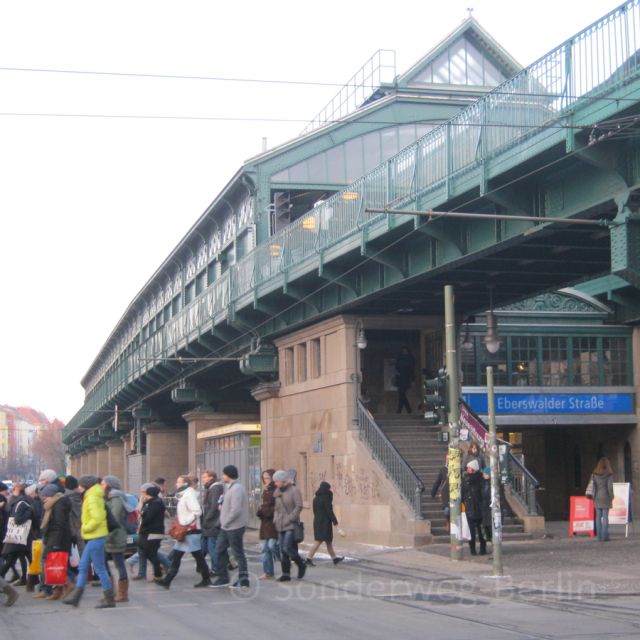
Two of the most memorable landmarks on the tour are on different ends of the “big vs everyday” spectrum.
On Rykestraße, you see the grand synagogue. That kind of building does something different from residential blocks and commercial streets. It draws your attention upward and outward, and it frames the neighborhood with a sense of community presence and historical depth. With guided commentary, you get more than a photo opportunity, you get an explanation of why the building is such a focal point in its surroundings.
Then you shift to Oderberger Straße, including a look at a public pool. This is a great contrast stop because it reminds you that city life is not only about monuments. Public facilities are where day-to-day routines happen, and they often reflect what a neighborhood values, supports, and makes accessible.
That pairing, synagogue on one side and a public pool on the other, gives the tour emotional and practical balance. You see both identity buildings and civic life infrastructure, which helps you understand Prenzlauer Berg as a real place, not a curated theme park.
Hidden Gems, But With a Reality Check
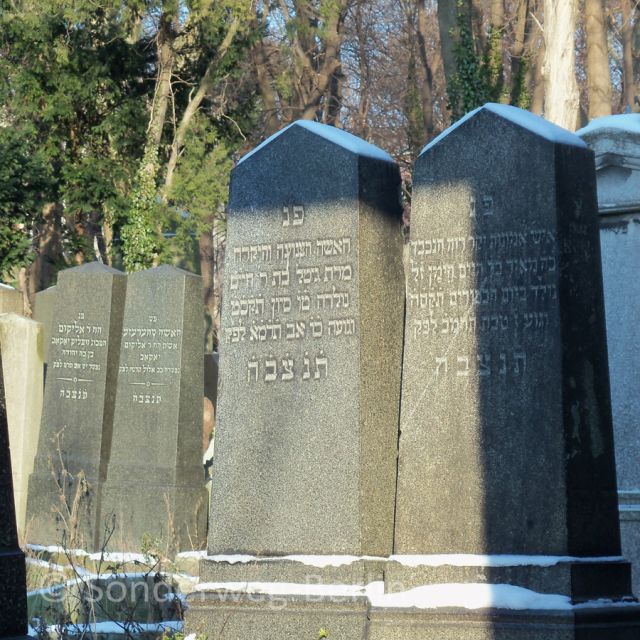
The tour promises hidden gems, and I like that it frames them as places that are not obvious at first glance. The guide is there to help you notice what you would otherwise walk past, especially on streets where the buildings look similar from far away.
In particular, the “hidden gems” theme works best when you are the type of traveler who enjoys questions like:
- Why is this building positioned like this?
- What does the neighborhood use this space for?
- How can you tell what changed over time?
You will also get contrasts between distinctive former character and rapid evolution into the modern form of Prenzlauer Berg. That is useful because Prenzlauer Berg can feel like a single snapshot. The tour makes it clear it is more like a moving train, with new momentum added again and again.
The best part is that you do not have to be an architecture buff to benefit. You just need curiosity and a willingness to slow down for a few streets at a time.
Value at $23 for 2.5 Hours, and What You Should Expect to Pay For Yourself
At about $23 per person for a 2.5-hour guided walking tour, the value is mostly about what you get for that time.
You are paying for:
- A live guide who explains the history, architecture, and modern changes
- A structured route through multiple notable stops
- Time to ask questions and get your route questions answered on the fly
What you are not paying for: food and drinks. That is not a dealbreaker, but it shapes how you plan your day. If you are the type who likes to snack during tours, you’ll want to bring water and plan a meal before or after.
Also, the guide experience seems to matter a lot. With feedback praising guides like Tobias, including their history background and humor, you are not just buying access to buildings. You are buying interpretation, which is where walking tours often either win big or fall flat. Here, the format is clearly designed for you to leave with a clearer understanding of the area, not just pictures.
Who This Tour Fits Best, and Who Might Skip It
This tour fits best if you want:
- A guided walk instead of self-guided wandering
- A balance of landmark stops and neighborhood life moments
- Context about how Prenzlauer Berg got from the past to the present
- A guide who can handle questions about history, architecture, urbanism, and politics
You might consider skipping it if:
- You dislike walking for 2.5 hours, even at a relaxed pace
- You want food included, or you prefer tours that build in a café stop
- You already know Prenzlauer Berg deeply and only need a fast highlight circuit
If you are visiting Berlin for a short time, this is a solid use of a half morning or afternoon because you cover a lot of ground while still moving slowly enough to absorb the district’s story.
Should You Book This Prenzlauer Berg Guided Walk?
I’d book it if you care about understanding neighborhoods, not just ticking off sights. The combination of Jewish Cemetery, Wasserturm, Mauerpark, the Messel House, the synagogue, and a public pool gives you variety that still fits one theme: how a district evolves without erasing what came before.
I would also book it if you like tours where the guide talks, but also responds to your questions. The feedback around guides like Tobias points to real engagement, plus humor that keeps history from turning into a lecture.
Skip it only if walking time is a problem for you or if you want food included. Otherwise, this tour feels like a smart, reasonably priced way to see Prenzlauer Berg like a city resident rather than like a passing spectator.
FAQ
How long is the Berlin Prenzlauer Berg District Guided Walking Tour?
The tour lasts 2.5 hours.
How much does the tour cost?
The price is $23 per person.
What is included in the price?
The tour includes a walking tour and a guide.
Is food and drinks included?
No. Food and drinks are not included.
What sights will I see during the walk?
You’ll see or pass by highlights such as the Jewish Cemetery on Schönhauser Allee, the Wasserturm (Water Tower), Mauerpark, Messel House on Bernauer Straße, the grand synagogue on Rykestraße, and a public pool on Oderberger Straße (plus other listed points like Kollwitzplatz).
What languages are available for the guide?
The tour is offered with guides in German and English.
Where do I meet the guide?
The meeting point may vary depending on the option booked, so check your specific booking details.
More Berlin Neighbourhoods

Keep Walking Berlin



More Tour Reviews in Berlin


Recently added around Berlin

Berlin Walking Tours, compared.
 ★ 5.0Discover Berlin Half-Day Walking TourFrom $249,624 reviews
 ★ 4.9Third Reich and Cold War 2 Hour Walking TourFrom $236,830 reviews
 ★ 4.9Discover Berlin Walking TourFrom $235,998 reviews
 ★ 5.0Berlin’s Best: 2 Hour Walking Tour Third Reich and the Cold WarFrom $245,486 reviews
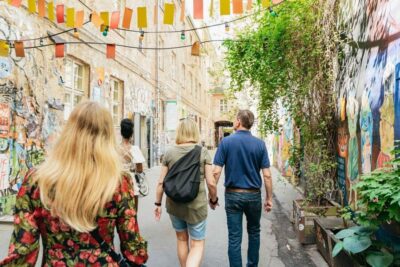 ★ 4.8Hidden Backyards Guided Walking TourFrom $235,360 reviews
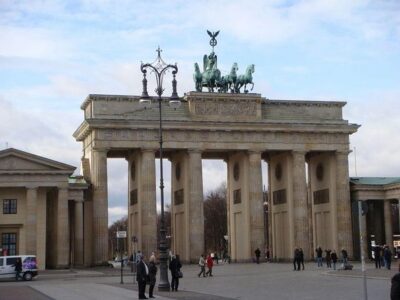 ★ 5.0Third Reich Berlin: Hitler and WWII Walking TourFrom $243,301 reviews
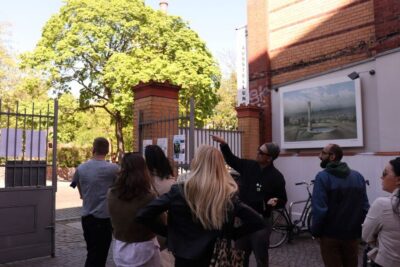 ★ 4.6Alternative Berlin Walking TourFrom $291,204 reviews
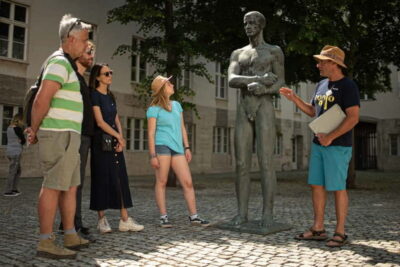 ★ 4.9Third Reich, Hitler, and WWII Walking TourFrom $201,133 reviews
Browse the lists this tour appears in