

Tour review · BERLIN WALKING TOURS
Berlin: Museum Island Guided Walking Tour
Museum Island feels like Berlin’s open-air history lesson. What makes this tour work is how it strings together the Berlin Cathedral moment, UNESCO Museum Island, and the story of the old GDR government area into one easy walk with a live local guide. I also like that the pace is relaxed enough for questions, not just photos on the run.
The main trade-off is simple: this is a walking tour focused on seeing and understanding, so you should not expect ticketed deep time inside every museum stop.
You meet up in central Berlin and spend your morning or afternoon moving across classic neighborhoods and landmarks, with the tour ending near Humboldt Forum so you can keep exploring after the guide drops you off.
Key highlights to look for
- A real local voice for tough Berlin history from the former GDR government district
- Museum Island on foot, with an architectural ensemble that’s easier to read with guidance
- Lustgarten to the Berlin Cathedral, a perfect “zoom out and zoom in” sight line
- UNESCO museum complex context, including the five UNESCO-listed museums you pass by
- A maritime change of pace at the historical harbor and ship lock
- Finish outside Humboldt Forum, handy if you want to continue on your own
Berlin on foot, with a few more routes worth comparing
- Discover Berlin Half-Day Walking Tour★ 5.0 · 9,624 reviews
- Berlin: Third Reich and Cold War 2 Hour Walking Tour★ 4.9 · 6,830 reviews
- Berlin: Discover Berlin Walking Tour★ 4.9 · 5,998 reviews
- Berlin’s Best: 2 Hour Walking Tour Third Reich and the Cold War★ 5.0 · 5,486 reviews
Where You Meet, and How the Walk Gets You Oriented Fast
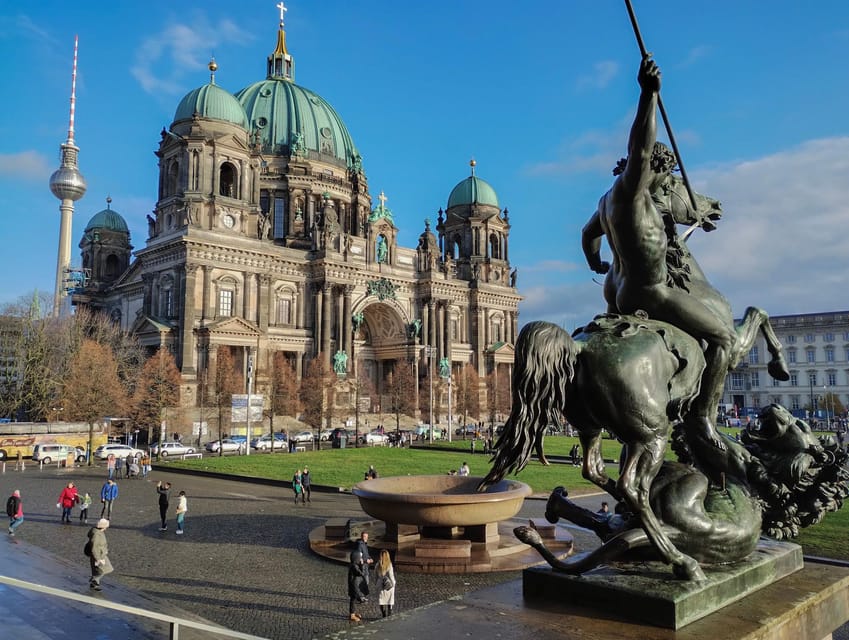
This tour starts right where it’s easy to plug into the Berlin transit grid. You meet at the exit of metro station U Bhf Rotes Rathaus, exit A, and you should look for the guide holding the Get Your Guide – You in Berlin flag. The stop is close to the Donkey Republic bike area, which helps you spot the meeting zone quickly.
From the start, you’re not stuck doing a long, boring transfer to the main sights. Instead, the walk begins with a stroll through Nikolaiviertel, then you cross over the Spree as you head toward Museum Island. That sequence matters more than it sounds. Nikolaiviertel helps you get the human scale of this part of town, while the Spree crossing gives you a natural line of sight to the grand public spaces ahead. You’re basically moving from everyday old-town charm into the monumental civic core.
One more practical point: this is a small group (limited to 10). That means you can actually ask follow-up questions without turning the whole walk into a one-person lecture. And because the guide speaks German, it’s best if you’re comfortable with German narration or you’re happy to catch the main ideas by listening closely.
Nikolaiviertel and the Spree Crossing: A Smooth Entry to the Big Sights
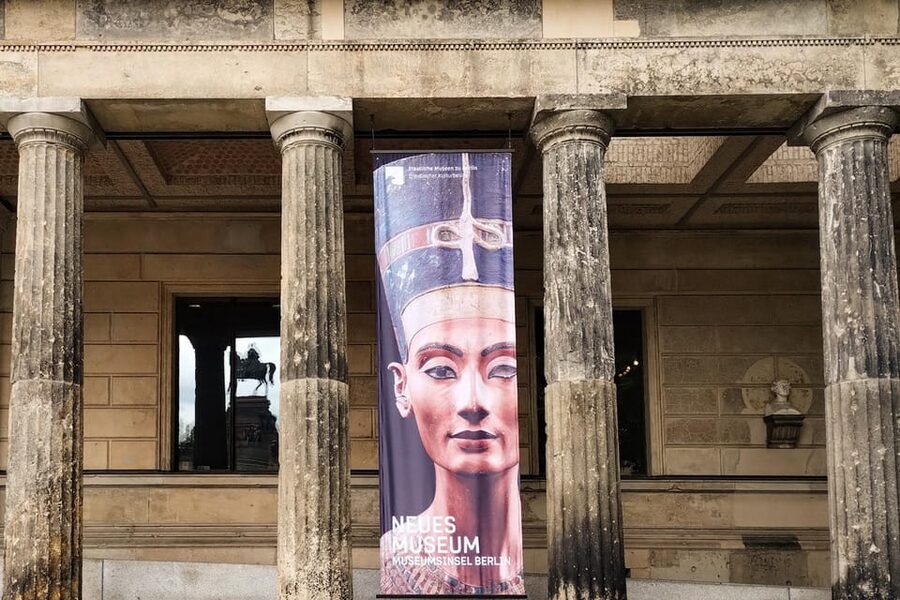
Nikolaiviertel is one of those Berlin areas that helps you mentally slow down. Even before you reach Museum Island, you start picking up the visual language of the city, the way streets open toward major public spaces, and how the river shapes movement.
I like this setup because it reduces the usual first-day overwhelm. Berlin can feel like a set of separate postcards, each great on its own, but hard to connect. Starting with a neighborhood walk and then easing onto the river gives you an order to the day. You’re not just collecting landmarks. You’re learning how they relate.
The Spree crossing also does something useful for photos and comprehension. From certain angles, you can see how Museum Island sits like a centerpiece between waterways and civic buildings. Even if you’re not a “photo person,” you’ll get better orientation for the rest of the tour.
If the weather is windy or rainy, do yourself a favor and wear shoes you can trust. This is a guided walk with no promise of long indoor breaks.
Museum Island Walk: How to Appreciate UNESCO Without Feeling Lost
Once you reach Museum Island, the tour shifts from neighborhood context to architectural storytelling. You’ll spend time walking through one of Europe’s most outstanding museum complexes, and you pass by the five UNESCO World Heritage-listed museums as you go. You’re not just looking at buildings. You’re learning how the ensemble was designed as a statement, not a random collection of institutions.
One of my favorite parts of this style of tour is that the guide connects the architecture to the city’s self-image. You’ll see buildings designed by some of the most eminent architects of their time, and you’ll understand why that matters when you’re standing in the middle of it. Museum Island isn’t only about art or artifacts. It’s also about Berlin saying, in stone and space, that culture is part of public life.
Because you’re moving on foot, you can also notice details most people miss when they arrive, snap photos, and rush away. Think about proportions, sight lines, and how the island’s layout helps the different museum facades feel connected rather than competing.
A note on expectations: since it’s a walking tour, you should plan on explanations and exterior viewing more than long museum interior time. If your dream is reading every label in a gallery, you’ll still want separate museum visits later. But as an orientation tool and history primer, this is strong.
Also, the guided approach helps you avoid that common UNESCO problem: you can see the buildings and still feel like you don’t know what you’re looking at. Here, the guide helps it click.
Lustgarten and the Berlin Cathedral: Big Ceremonial Space, Explained Simply
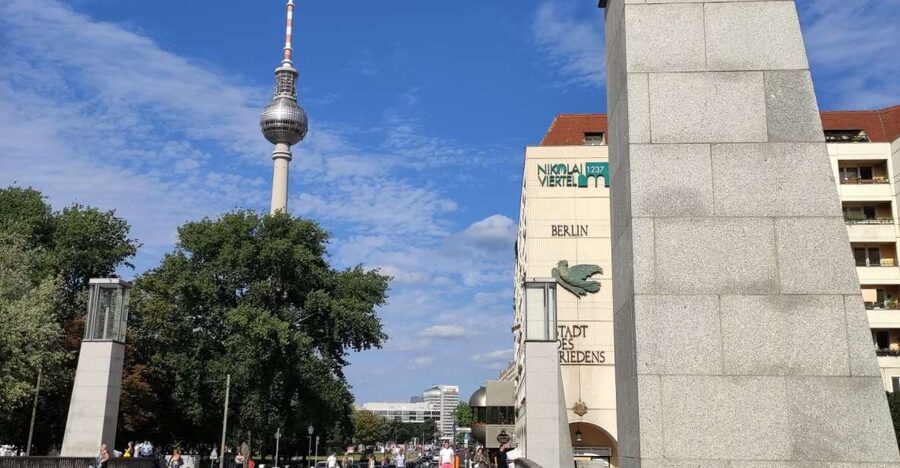
Lustgarten is one of those Berlin squares that feels like it’s meant for major moments. And when the tour moves from the garden setting to the Berlin Cathedral, the contrast does half the work for you.
The Berlin Cathedral is monumental, and the guide’s job is to turn that size into meaning. You’ll walk through the Lustgarten and then admire the cathedral in context, not as a distant landmark you happened to pass. The cathedral’s presence changes how the whole area reads, and that’s exactly why a guided walk helps. You hear how the space has carried influence and attention over time.
If you’re visiting in light rain, or if clouds are low, the cathedral can look even more dramatic. Just keep an eye on footing and traffic patterns around the open square.
What I like most is that the guide doesn’t treat Lustgarten and the cathedral as isolated sights. The story connects them to Berlin’s broader shifts, so you feel like you’re moving through layers rather than ticking off points.
If you’re the kind of traveler who likes landmarks with immediate payoff, this stop delivers. You don’t need to be an architecture nerd to appreciate what’s in front of you.
Other Berlin museums and landmark entries worth reserving
- Berlin: Charlottenburg Palace Entry Ticket
★ 4.4 · 2,076 reviews - Skip-the-Line: Berlin Wall Museum at Checkpoint Charlie
★ 4.1 · 2,041 reviews - Berlin: Museum Island Multiple Museum Entry Ticket
★ 4.4 · 2,007 reviews - Berlin: Interactive DeJa Vu Museum Entrance Ticket
★ 4.1 · 1,338 reviews - Berlin: “Pergamonmuseum. The Panorama” Exhibition Tickets
★ 4.6 · 1,245 reviews
The Former GDR Government District: Turning Complicated History Into Walkable Story
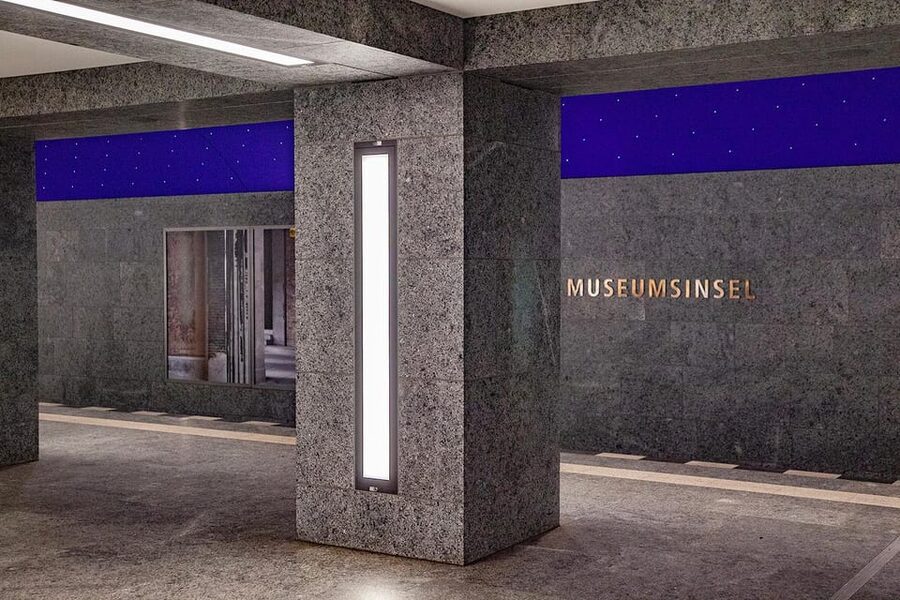
After you’ve seen the cultural core, the tour brings you to the former government district of the GDR. This is where the walking approach really earns its keep. Big political history is hard to understand when you only see names in a book. It gets easier when you’re standing in the spaces where decisions played out and where the city’s shape reflects those decades.
You’ll learn about the eventful history of Berlin as you walk through this area with a real Berliner. I like this part because it shifts the tone. Museum Island is about planned culture and public architecture. The GDR government zone is about power, systems, and how a city can be reorganized around ideology.
Even without going into deep technical detail, you’ll likely start noticing how the layout and nearby buildings signal official importance. You may also find it easier to connect dates and narratives after the guide points out what to look for.
One possible consideration: history-heavy stops can move faster when a group has mixed interests. Because this is small (up to 10), you should be able to steer your questions if you want more background. But if you hate discussion and just want free roaming, you might feel a bit constrained.
Historical Harbor and the Ship Lock: Berlin Gets a Maritime Mood

Then comes a refreshing shift. As you head toward Berlin’s historical harbor and ship lock, you get a maritime side of the city that many one-day itineraries ignore. You’ll see old ships docked here, and you’ll get a sense of how Berlin’s river life supported movement and work.
This part works well after the monumental architecture. It gives you breathing space, visually and mentally. The harbor and ship lock are the opposite of grand museum facades. They’re practical, mechanical, and river-focused, which helps you understand that Berlin’s history is not only political and cultural, but also logistical and everyday.
If the weather turns rainy, water areas can get slippery near edges. Stay aware, and keep your camera ready but your eyes on the ground.
I also like that the guide frames this stop as part of the broader Berlin story, not as an optional detour. You learn to see the city as a system, with rivers connecting neighborhoods, institutions, and economic life.
Ending Outside the Humboldt Forum: Plan Your Next Step With Momentum
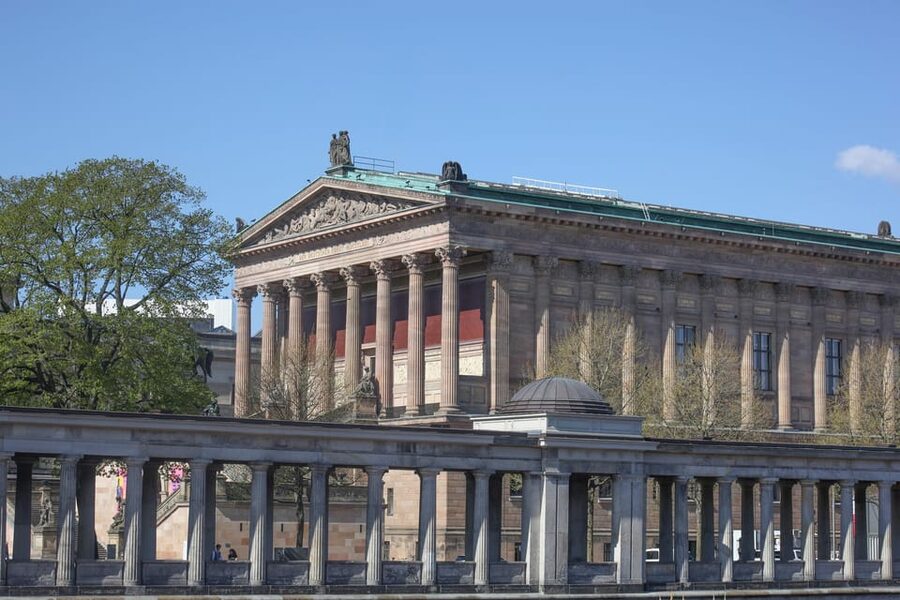
The tour ends outside the Humboldt Forum. This is a smart finish point because it’s a recognizable cultural landmark, and it’s easy to continue on your own after the guide wraps up.
Humboldt Forum is dedicated to human history, art, and culture, so it fits naturally with the rest of the walk. If you’re in “guided learning mode,” you might want to use the time right after your tour to keep reading and exploring. If you’re in “I need a break” mode, you’ve still gained enough context that wandering nearby feels purposeful.
Because the tour ends at the forum, you can also choose your next move based on energy. You might want a café break, a short stroll around the area, or another museum visit. Either way, you’re not ending in the middle of nowhere, which is a real quality-of-life detail.
If you’re taking public transport back, finishing near a major destination tends to reduce stress. After a two-hour walk, that matters.
Price, Pace, and Who This Walk Fits Best
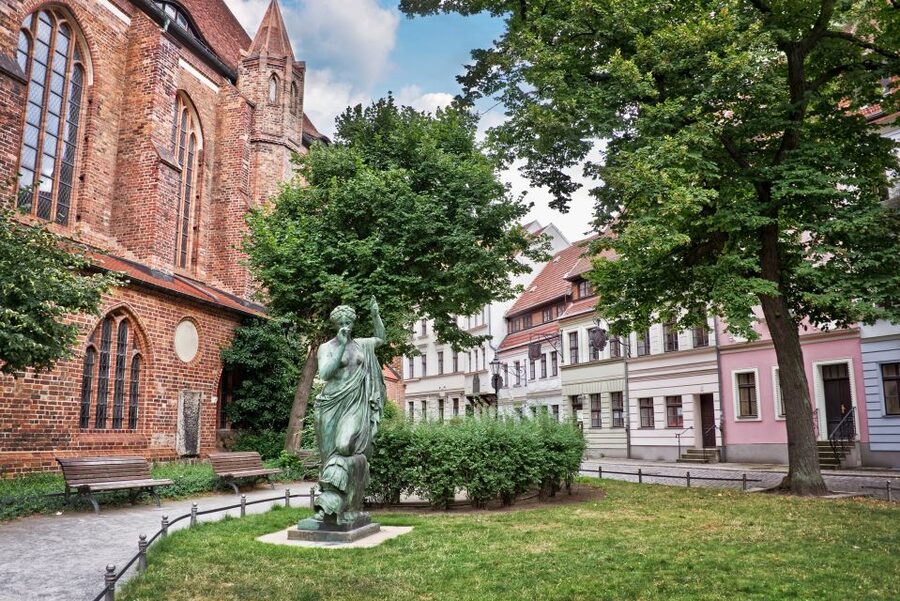
The price is $43 per person for a duration of about 2 hours. For Berlin, that lands in the midrange for guided sightseeing, and the value comes from the combination: a live guide, a small group, and a route that links Museum Island, Lustgarten and the Berlin Cathedral, the former GDR government district, and the historical harbor and ship lock, all in one continuous walk.
Is it worth it? I think it is if you want:
- A guided overview that connects architecture, places, and history
- A manageable length for busy travel days
- A small-group setting where you can ask questions
It might not be the best choice if you:
- Want to spend most of your time inside museums
- Prefer English-only narration (the tour is German)
- Hate walking in rain or on public-holiday crowds, since this runs rain or shine and goes on public holidays
The guide’s English might not be part of your plan here, so if your German is limited, focus on listening for the main story threads. You can still get a lot out of tone, pacing, and repeated themes the guide brings up.
One more practical note: comfortable shoes are a must. Two hours sounds short until you’re walking along rivers, through public squares, and across museum areas that encourage frequent stopping.
A Practical Tip for Getting the Most Out of the Tour
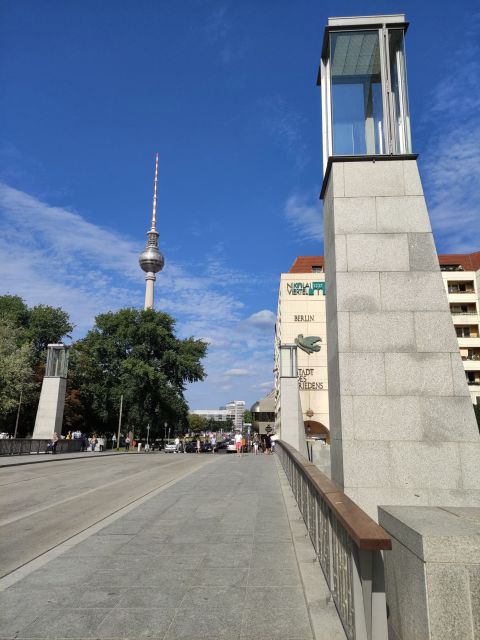
Since the tour is guided in German and focused on outdoor viewing, your best strategy is simple: arrive ready to listen, not just photograph. If you’re the type who likes to understand, this tour rewards you quickly.
Ask at least one question early on, ideally during the switch from Museum Island to the Lustgarten and cathedral zone. Questions tend to sharpen what you notice next. Then you’ll catch more meaning in the former GDR government district and the harbor section too, because you’ll start looking for the “why” behind the “what.”
And if you’re visiting on a rainy day, bring weather-appropriate clothing. This tour runs rain or shine, so you’ll want to stay comfortable enough to keep focusing.
Should You Book This Berlin Museum Island Guided Walk?
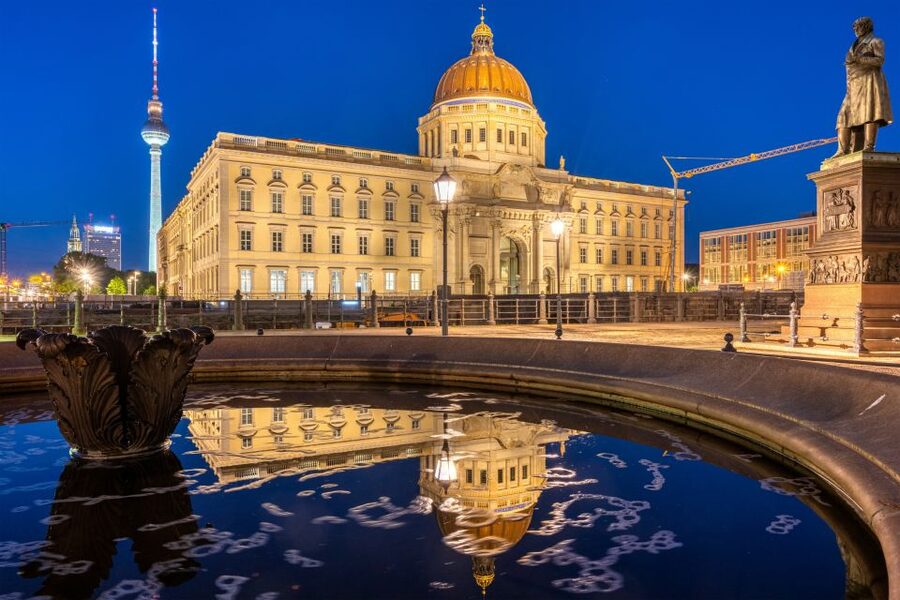
I’d book this if you’re a first-time Berlin visitor or you want a clean, story-driven orientation to Museum Island plus the political past nearby. It’s especially good value if you like walking, appreciate architecture, and want a guide who can explain Berlin in a way that makes the city feel less fragmented.
Skip it only if you need lots of indoor museum time, or if German narration is a hard barrier for you. The route is packed with major sights, but it’s still a walking format, so it works best as an introduction and a connector, not as your only museum day.
FAQ
How long is the Berlin Museum Island guided walking tour?
The tour lasts 2 hours.
Where do I meet the tour guide?
Meet at the exit of metro station U Bhf. Rotes Rathaus, exit A, in the direction of Rathausstr./Spandauer Str./Schloßplatz. Look for the guide with the Get Your Guide – You in Berlin flag.
What is the group size?
It is a small group, limited to 10 participants.
What language is the guide speaking?
The live tour guide speaks German.
Does the tour run in bad weather?
Yes. The tour takes place rain or shine and runs on all public holidays.
What should I bring?
Wear comfortable shoes and bring weather-appropriate clothing.
How much does it cost?
It costs $43 per person.
More Berlin Museums & Tickets






Keep Walking Berlin





More Tour Reviews in Berlin




Recently added around Berlin


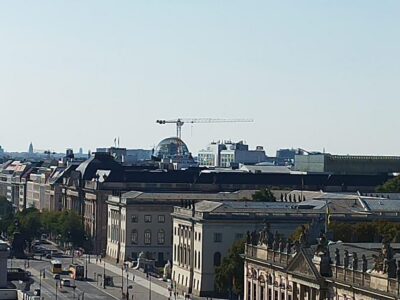

Berlin Walking Tours, compared.
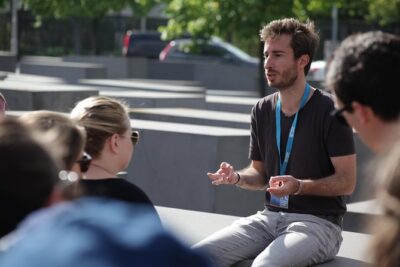 ★ 5.0Discover Berlin Half-Day Walking TourFrom $249,624 reviews
 ★ 4.9Third Reich and Cold War 2 Hour Walking TourFrom $236,830 reviews
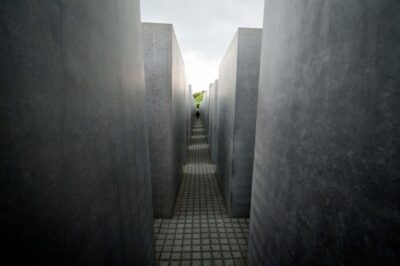 ★ 4.9Discover Berlin Walking TourFrom $235,998 reviews
 ★ 5.0Berlin’s Best: 2 Hour Walking Tour Third Reich and the Cold WarFrom $245,486 reviews
 ★ 4.8Hidden Backyards Guided Walking TourFrom $235,360 reviews
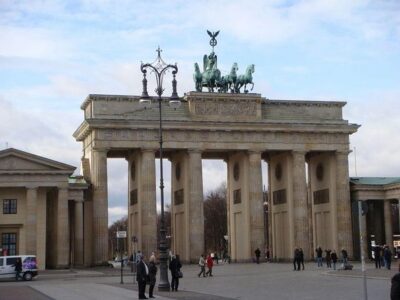 ★ 5.0Third Reich Berlin: Hitler and WWII Walking TourFrom $243,301 reviews
 ★ 4.6Alternative Berlin Walking TourFrom $291,204 reviews
 ★ 4.9Third Reich, Hitler, and WWII Walking TourFrom $201,133 reviews
Browse the lists this tour appears in