
Tour review · BERLIN STREET ART & ALTERNATIVE TOURS
Berlin: Street Art and Alternative Tour
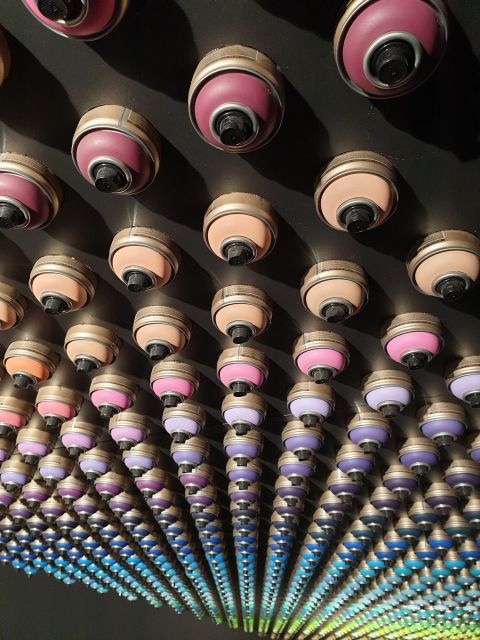
Color tells Berlin’s Cold War story. This 3-hour alternative street art tour connects urban art to the city’s East West history, from Kreuzberg streets to the East Side Gallery.
I especially like how the walk stays grounded in place, with Kreuzberg as your focus point and plenty of visible details you can read on the move. The French- or Italian-speaking guide approach keeps the story human, with clear explanations rather than a lecture.
One drawback to plan for: you need to purchase a 24-hour AB public transport ticket for the day, and the meeting point can vary by the option you booked.
Key takeaways
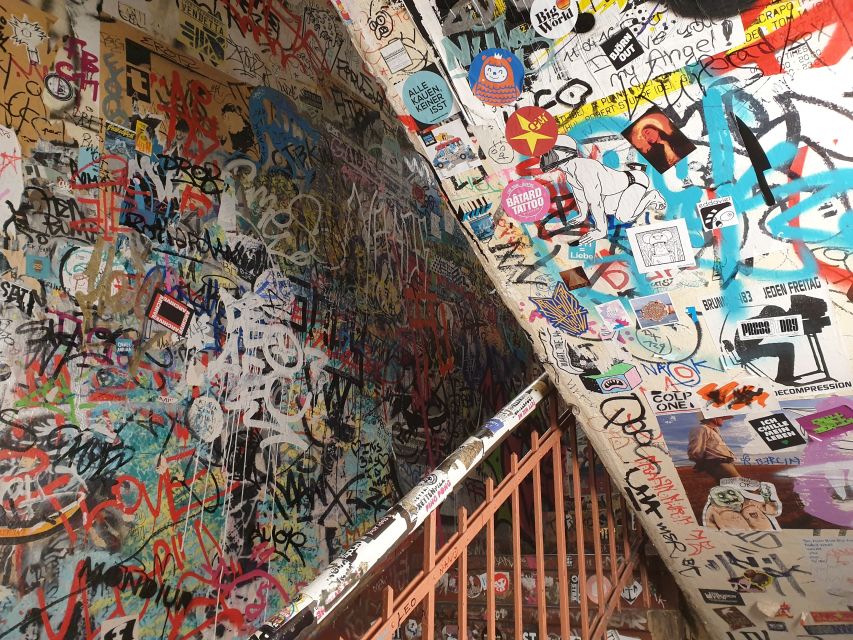
- Street art as a history lesson, tied to the wall, border, and political tension
- Kreuzberg walking focus, with big murals and smaller pieces in corners and courtyards
- East Side Gallery visit, using the art to explain why Berlin became a hub for alternative culture
- Small-group pace, built for questions and slow looking
- French or Italian guide, with local storytelling and city context you can use today
- Bring comfy shoes, because the tour is a 3-hour on-foot experience
More of Berlin’s street art, studios and alternative culture
- Berlin: Alternative Berlin Walking Tour★ 4.6 · 1,204 reviews
- Berlin: City Street Art Guided Walking Tour★ 4.8 · 886 reviews
- Berlin: 3-Hour Street Art Tour★ 4.7 · 778 reviews
- Kreuzberg: Culinary Food Tour★ 4.5 · 770 reviews
Why Berlin’s wall made street art political
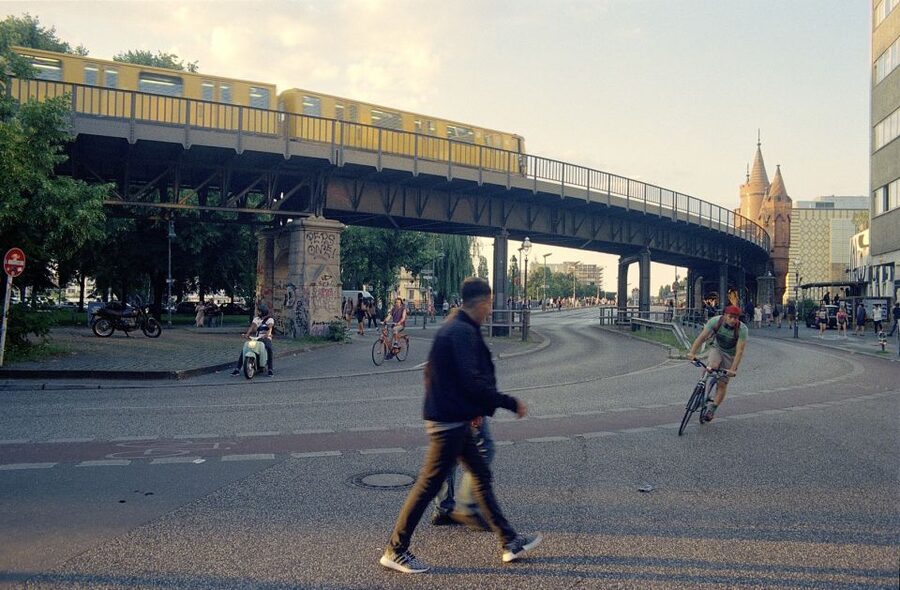
Berlin has a talent for turning pain into visuals. This tour is built around that idea, using street art as your guide to how the city’s Cold War history shaped the alternative culture that grew after 1989. You are not just seeing painted walls, you are learning why these colors and messages matter in Berlin.
What I like is the way the tour frames the city as a living archive. The wall is treated like a wound and also like a canvas, and the border between East and West becomes the thread that ties together art, politics, and everyday life. In a place like Berlin, that matters because the past is not just in museums. It is in street corners, courtyards, and building facades.
You also get a strong sense of the timeline the tour is aiming at: what changed after the wall fell, how economic and social shifts played out, and how the city’s alternative scene helped power the 90s revival. Then the story continues to the present phase, including gentrification, which is part of why the art scene is so visible right now.
Kreuzberg on foot, where the art feels close to life
Your walking base is Kreuzberg, one of Berlin’s most recognizable alternative quarters. On this tour you spend time where the street art is not distant or behind glass. You are looking at it in its setting, among the buildings, side streets, and small pockets of space where art often hides until you notice it.
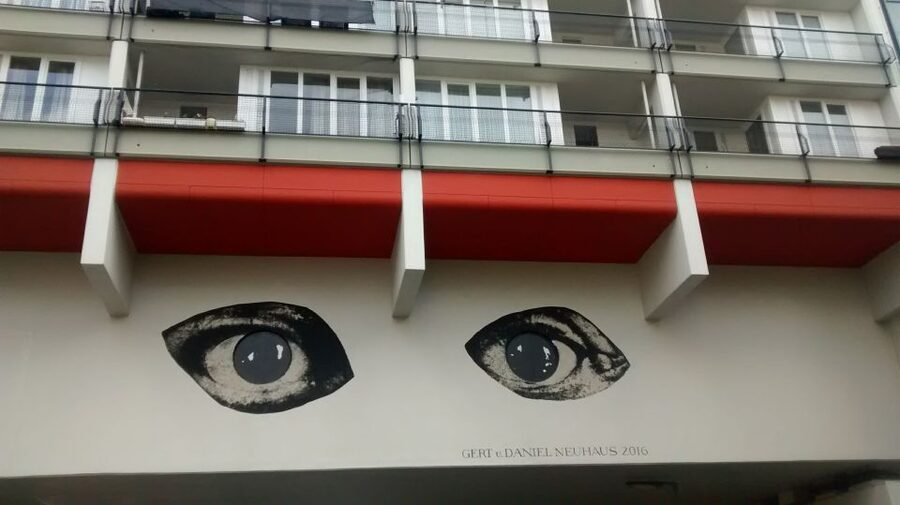
The tour highlights both scale and detail. You will see gigantic works sprouting between buildings, the kind that immediately change the mood of a block. You will also be shown smaller pieces wedged into corners, plus work tucked into courtyards and along nearby streets. That mix is the point. Berlin street art is not only about headline murals. A lot of meaning lives in small placements, the kind you would walk right past without guidance.
Kreuzberg also matters because it helps you understand the social side of street art. The goal is not to treat art as decoration. It is to understand it as a response, a claim, and sometimes a protest sign, even when the style looks playful. When the guide connects a mural or tag to the claims and tensions of a neighborhood, the whole wall starts to make sense.
Practical note for you: this is a 3-hour walking tour, so your feet will do the heavy lifting. Wear shoes you can live in. If you have a bad walking day, Berlin will still be beautiful, but you will miss more than you want.
East Side Gallery visit, art on the border of memory
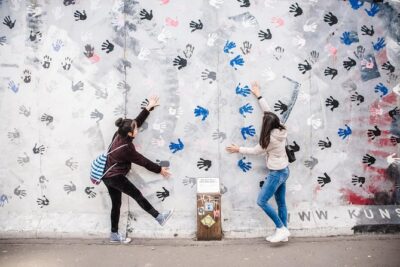
A key highlight is the East Side Gallery. The tour uses it as more than a photo stop. It is presented as part of that border-story theme, where the wall and its afterlife show up in paint, symbols, and public messages.
In Berlin, the East West framing is not just an idea. It is physical, and street art makes that physical reality legible. Even if you already know the basics of Cold War Berlin, the tour’s approach helps you connect the dots between past conflict and present-day identity. The wall history becomes the reason the art looks and feels the way it does, and the reason Berlin still attracts people who want alternative culture.
One smart thing about including this stop on a walking tour is pacing. You are not bouncing around Berlin in transit. You are walking through the city’s different layers, then landing at a place where the wall story takes center stage. That flow helps you read the bigger picture without losing the street-level details.
How the guide turns colors into context
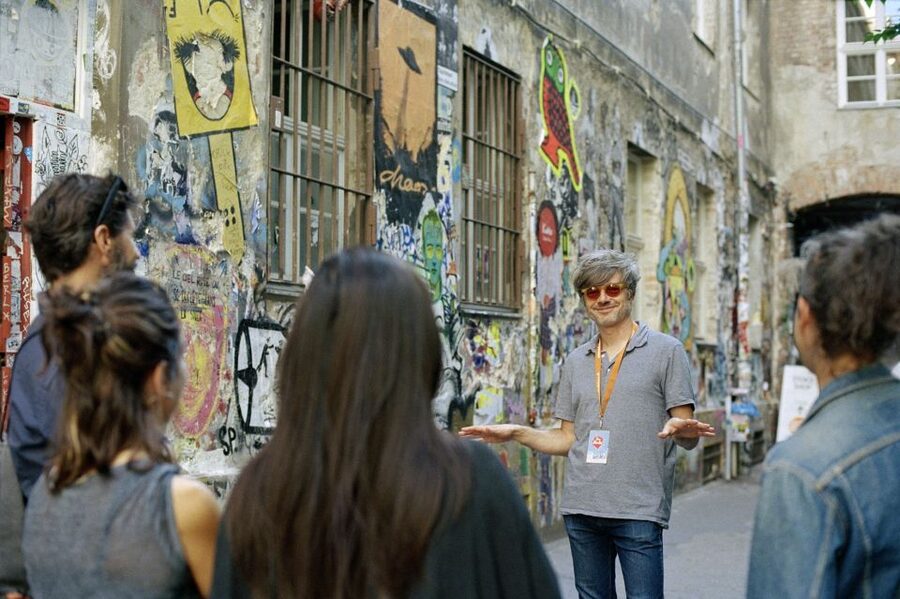
This tour lives or dies by the guide, and the format is designed for context. You will have a French or Italian-speaking guide, and the emphasis is on understanding the city through history, not memorizing facts about buildings.
In the feedback, guides are praised for matching city history to street art in an accessible way. Some guides, like Antonella and Iacopo, are described as very prepared and passionate, guiding people through Berlin history with energy. Others, like Martin and Marie, are singled out for sharing their love of Berlin and for explaining the street art story in a way that answers questions while staying relevant to today.
That is exactly what you should want from a tour like this. Street art can look like a random collection of images if you only glance at it. With the guide’s city context, the art becomes a language. The tour aims to help you understand why Berlin became a central point for alternative culture, and why urban art became a fundamental basis for the 90s revival.
You should also appreciate what the guide structure implies: it is not a one-way monologue. It is built for conversation. If you like asking, you will likely get good answers. And if you just like listening, you will still leave with a clearer mental map of how history created today’s visible culture.
More Berlin ideas for the space still left in the itinerary
- Berlin Street Art Walking Tour – Off The Grid
★ 5.0 · 270 reviews - East Meets West: Berlin Food Culture & Street Art
★ 5.0 · 157 reviews - Berlin Street Art & Graffiti Walking Tour
★ 5.0 · 109 reviews - Berlin: Street Art and Alternative Tour
★ 4.7 · 98 reviews - Berlin: Private Kreuzberg Street Art Walking Tour
★ 4.8 · 57 reviews
What you will likely see in the streets of Mitte, Friedrichshain, and beyond
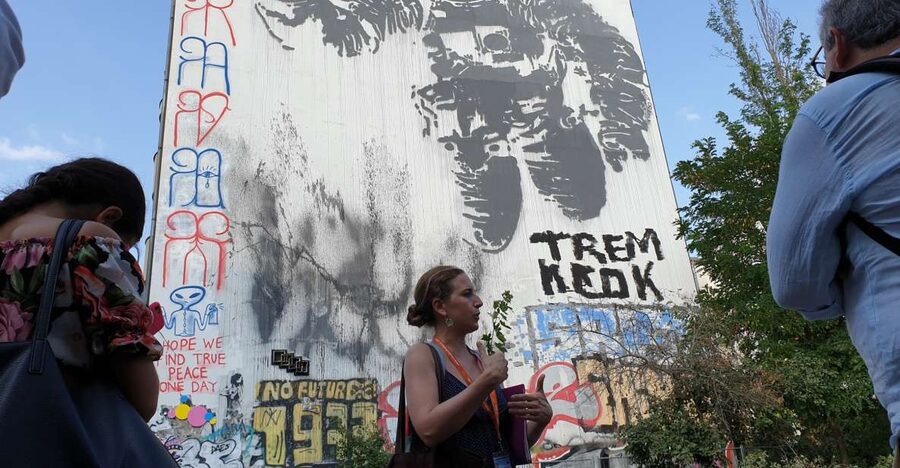
Even though Kreuzberg is the focus, the tour is also tied to the broader area around the wall’s wounds. The description points to work across districts like Friedrichshain and along streets in Mitte, which helps you notice how art spreads beyond one neighborhood identity.
The tour approach is basically this: you start noticing walls as canvases, then you notice how that canvas changes from place to place. In some areas, you find huge works between buildings. In other spots, you find smaller art squeezed into overlooked corners, courtyards, and tight street sections. That makes the walk feel like an evolving exhibition you are moving through in real time.
This is one of the most rewarding aspects of this type of tour. When the guide shows you where to look, your eyes adapt. After the first hour, you will likely start spotting patterns on your own: paint choices that suggest a message, placement that feels intentional, and artwork that seems to respond to local space.
Just manage expectations. Street art is not the same as a museum collection. The tour is about interpretation and context, not about seeing a perfectly curated list of famous pieces. You are walking the city, reading it.
Price and logistics: what $31 buys you
The price is $31 per person for a 3-hour small-group walking tour. That is a solid value if you care about context and not just sightseeing. You are paying for two things that matter most in a street art tour: time on foot with a guide, and the guide’s ability to explain what you are seeing.
There is also a key logistics point. Your tour does not include your AB public transport ticket for the day. You need to buy a 24-hour AB ticket to take public transport as needed. If you plan to use the metro anyway, this is easy. If you are the kind of traveler who avoids transit to save time and money, remember that Berlin distances can still be real even when walking feels tempting.
Meeting point details can vary depending on the option you booked. Before you leave, confirm where to start so you do not burn tour time wandering around the wrong corner. One common tip from feedback: some people wish the meeting point were directly tied to a well-known stop like Kotbusser Tor. Even if your exact start differs, the takeaway is the same, check your confirmation closely.
Also, keep it practical with clothing. This is a walking tour, so dress for foot travel, not for style photos.
Who this tour fits best, and who should skip it
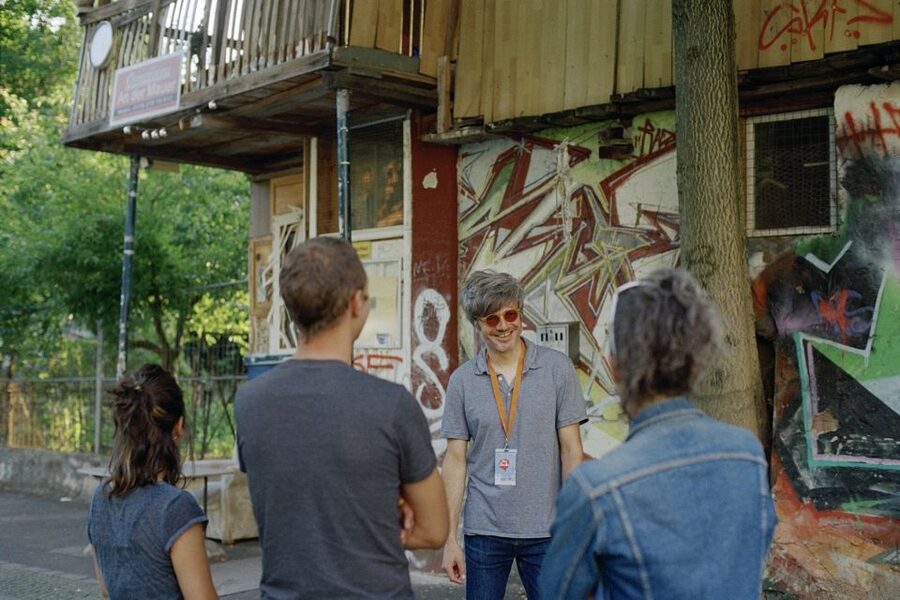
This is the right kind of tour if you want Berlin to make sense through its streets. If you care about how art connects to Cold War history, border identity, and today’s social changes, you will probably enjoy this a lot. It also suits you if you like alternative neighborhoods, slow looking, and guided interpretation.
It is also a good pick for first-timers who already feel a little overwhelmed by Berlin’s layers. Street art can be a shortcut to understanding, because it turns history into something you can point at.
On the other hand, if you only want major monuments, or you prefer fully indoor museum-style visits, this might feel too urban and too story-driven. You will spend time walking and focusing on visible street art in specific neighborhoods. That can be perfect, or it can be less your style, depending on what you came to Berlin for.
Finally, if you hate walking for 3 hours, be honest with yourself. This tour is built on foot, with no indication that it is designed around long sitting breaks.
Should you book Berlin Street Art and Alternative Culture?
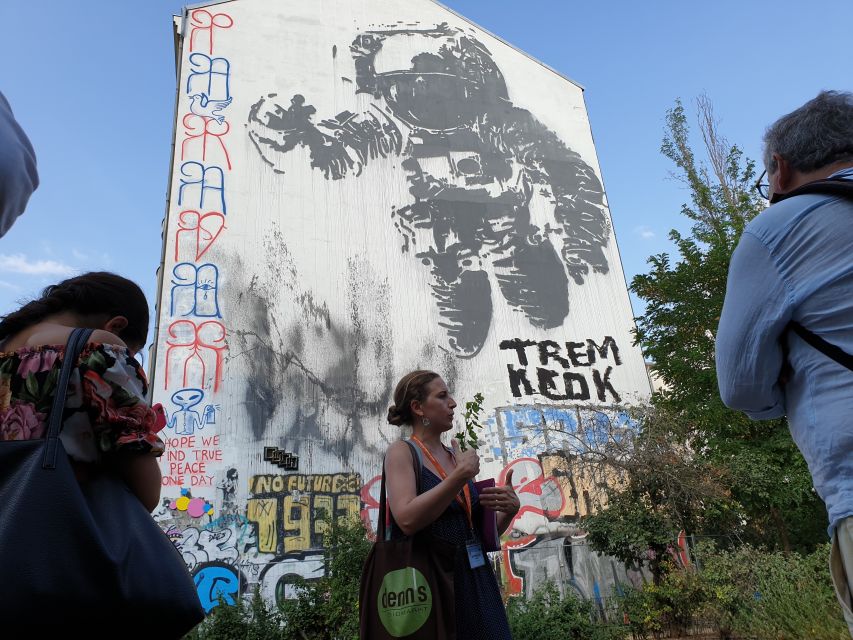
I think you should book this tour if you want a small-group street art experience with a guide who explains why the art exists, not just what it looks like. The strongest reason to go is the concept: street art as a way to understand Berlin’s shift from Cold War division through the wall’s fall, into the 90s revival, and onward to today’s gentrification reality.
You should also book it if you like the sound of Kreuzberg street life plus a stop at the East Side Gallery. That combination gives you both neighborhood texture and a larger anchor tied to wall history.
Skip it if you are not interested in social context and you mostly want postcard sightseeing. Street art is the main character here, and the value is in the interpretation.
If you decide to go, do one simple thing: plan for that 24-hour AB ticket and wear comfortable shoes. Then you will be free to do the part that matters most, look closely and let the city explain itself.
FAQ
How long is the Berlin Street Art and Alternative Tour?
The tour lasts 3 hours.
What is the price?
The price is $31 per person.
Is this a private tour?
No, it is a small-group walking tour.
What language is the guide?
The guide speaks French or Italian.
What are the main highlights?
You will focus on street art in Kreuzberg and visit the East Side Gallery.
Where is the tour located?
The tour is in Berlin, Germany (Berlin state).
Is public transport included?
No. You need to purchase a 24-hour AB public transport ticket for the day.
Where do we meet?
The meeting point may vary depending on the option booked.
What should I bring?
Wear comfortable shoes.
What is the cancellation policy?
You can cancel up to 24 hours in advance for a full refund.
More Tours in Berlin


More Alternative Berlin


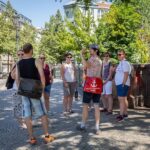
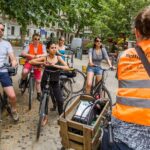
More Tour Reviews in Berlin
Recently added around Berlin
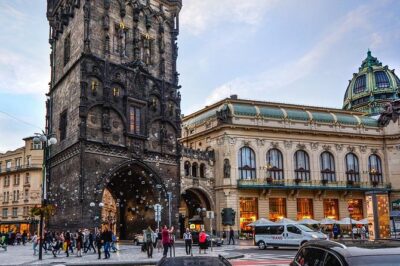
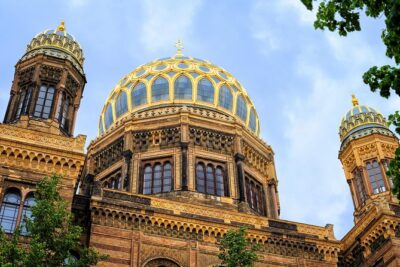
Berlin Street Art & Alternative Tours, compared.
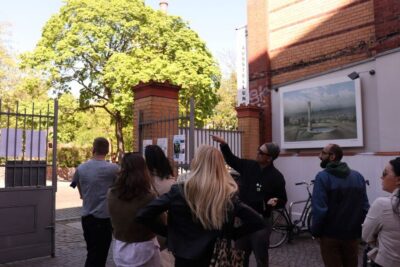 ★ 4.6Alternative Berlin Walking TourFrom $291,204 reviews
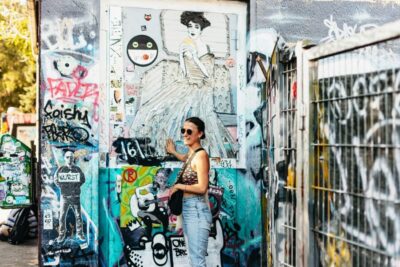 ★ 4.8City Street Art Guided Walking TourFrom $23886 reviews
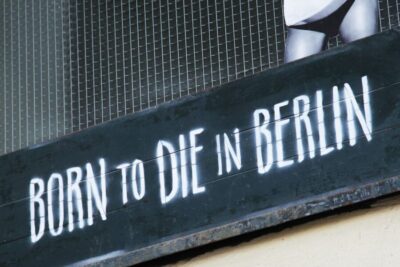 ★ 4.73-Hour Street Art TourFrom $23778 reviews
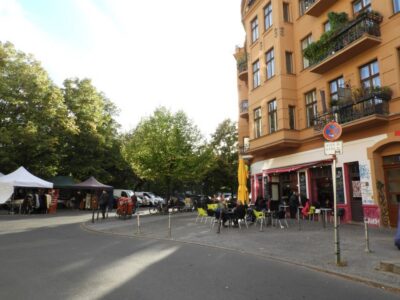 ★ 4.5Kreuzberg: Culinary Food TourFrom $589770 reviews
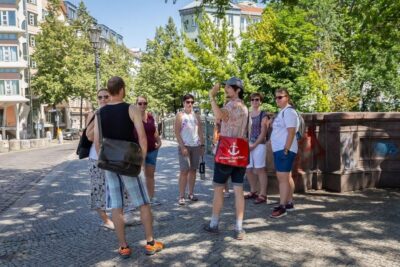 ★ 4.7Kreuzberg Guided Walking Evening TourFrom $27555 reviews
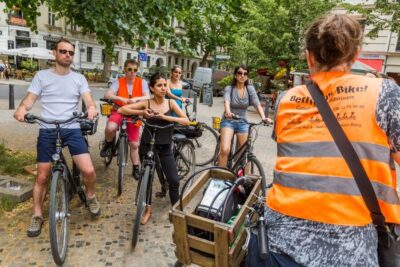 ★ 4.7Alternative Bike Tour of Kreuzberg & FriedrichshainFrom $41548 reviews
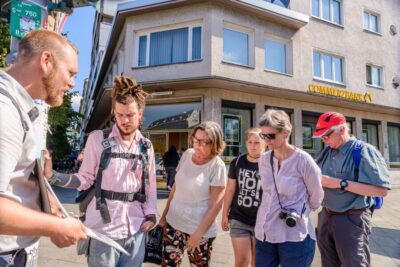 ★ 4.92.5-Hour Walking Tour through Kreuzberg 61From $23525 reviews
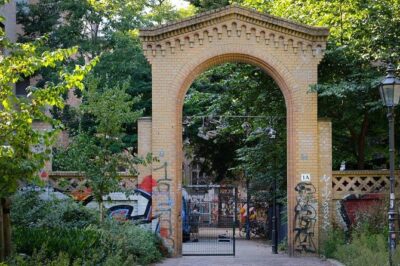 ★ 5.0Berlin Off-the-Beaten-Path Walking Tour: Kreuzberg, Mitte and FriedrichshainFrom $30412 reviews
Browse the lists this tour appears in