
Tour review · HISTORICAL TOURS
Berlin Uncensored: A History of Sex & Freedom
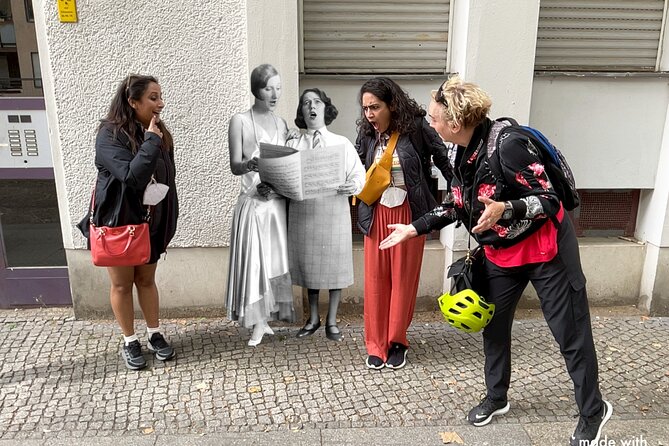
Sex history hits the streets of Berlin. This 3.5-hour walking tour uses AR to bring lost clubs, censorship battles, and sex-science milestones to life, led by sex educator Jeff. You get a clear timeline from the uninhibited 1920s to today’s more open, sex-positive scene.
I especially like the way the tour leans on real places, not vague themes. The small group size (up to 10) helps you actually ask questions, and the 200+ rare photos, videos, audio, and provocative quotes keep the stories grounded in evidence. You also get included fun tools like Mixies personalized AR photos to take home.
One possible drawback: you’re mostly outside, and some of the experience happens at street corners with guided talk plus screen overlays, not as a sit-down theater show or a venue tour. If you were hoping for more frequent refreshment breaks, plan ahead, because there is no built-in stop highlighted in the format.
Quick takeaways before you start
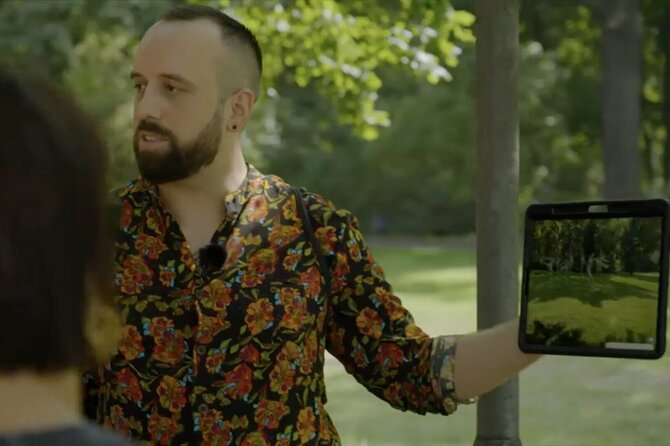
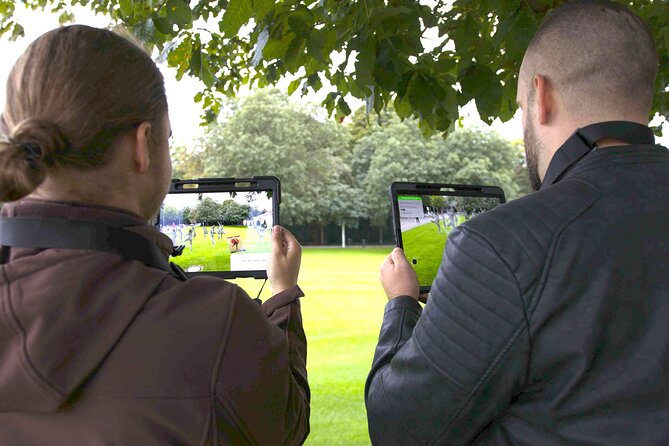
- AR on-site, not just talk, with your guide using an iPad to overlay history where it happened
- A real expert lead (Jeff, certified sex educator and sociologist, plus journalism experience)
- Weimar to today in one connected walk, including condom invention lore and sex-science breakthroughs
- Nazi repression gets its due, with specific attention to censorship and persecution
- Modern Berlin culture you can use, including what to know about today’s clubs and events
More Berlin ideas for the space still left in the itinerary
- Berlin: Natural History Museum Entrance Ticket★ 4.6 · 3,382 reviews
- Berlin: World Heritage Cruise to Potsdam★ 4.5 · 1,435 reviews
- Berlin Historical Highlights Walking Tour★ 4.9 · 657 reviews
- Berlin Private Complete History All Day Walking Tour★ 5.0 · 474 reviews
Why Berlin Uncensored works better than a typical walking tour
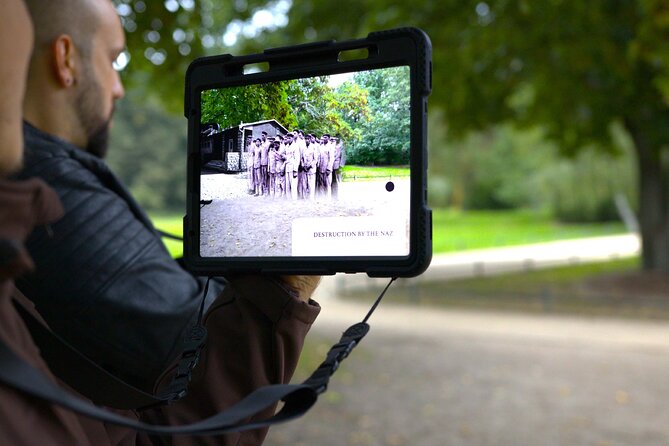
This isn’t the usual, you-know-the-view walking loop. The whole point is to read the city like a living document, where attitudes toward sexuality changed fast, and sometimes violently. Berlin made major contributions to sexual science and contraception, then watched that openness get crushed under Nazi censorship, and later renegotiated freedom under a divided city.
What makes it especially compelling is the combination of three things you rarely get together: (1) a serious academic approach, (2) a street-level walk across recognizable Berlin neighborhoods, and (3) media-based history. The tour leans on more than a few photos in a booklet. You get 200+ rare images, videos, audio recordings, and quotes, plus Augmented Reality so the guide can show what you are looking at and what used to be there.
And because the group is limited to 10, the vibe stays conversational rather than lecture-only. That matters with a subject like this. You want a guide who can pace the material and keep it respectful. Jeff’s background is exactly what you’d hope for here: sociologist, certified sex educator, and journalist, with long-running focus on Berlin’s sexual history.
Meet Jeff and set expectations for a 210-minute walk
The tour runs about 210 minutes, so you should treat it like a long museum visit done on your feet. You’ll start at an easy-to-find location, the organic supermarket Alnatura at Nollendorfplatz. From there, you walk in short segments and spend time at key stops for guided storytelling.
Because it is guided by a sex educator and sociologist, the tone is meant to be educational, not sensational. The tour is also designed to be accessible in several practical ways: it is wheelchair accessible, subtitles are available for videos (English and German), and the guide can provide detailed descriptions of visual materials for guests with visual disabilities.
Still, be realistic about sensory load. Some parts can be high stimulation, with strong sensory input. And because this is an adult-focused topic, it is not suitable for children under 18.
AR history on an iPad: how it helps (and where it may disappoint)
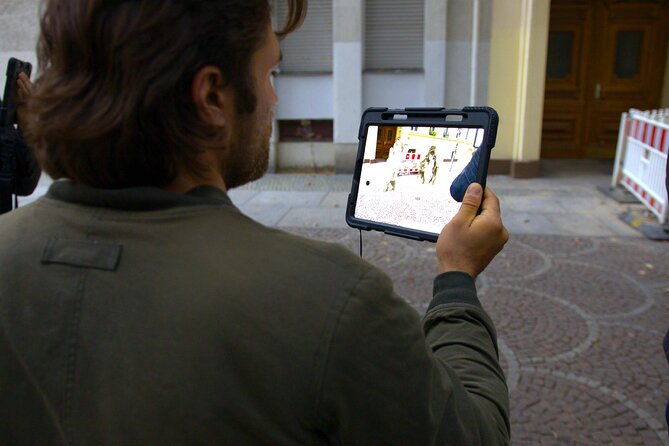
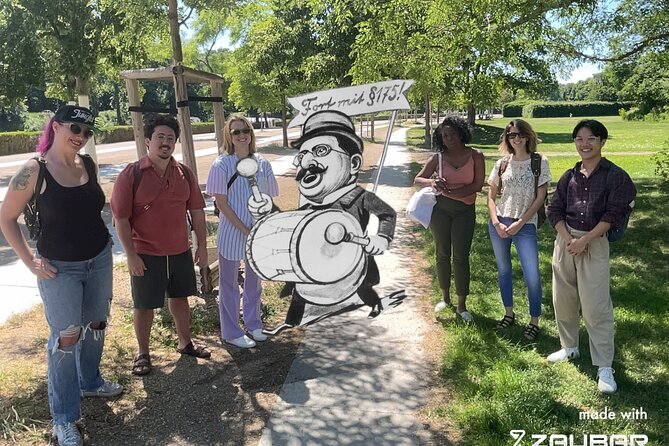
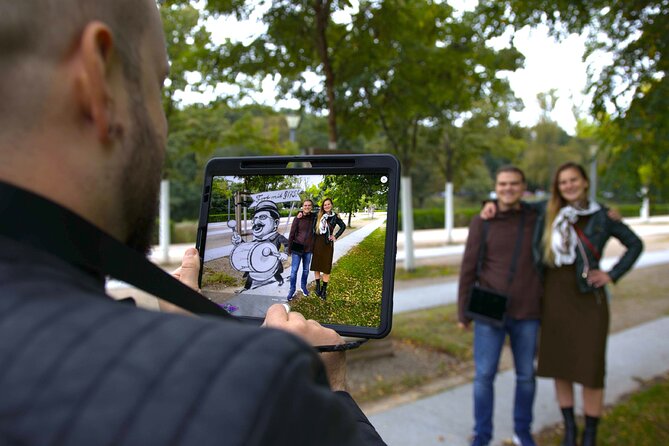
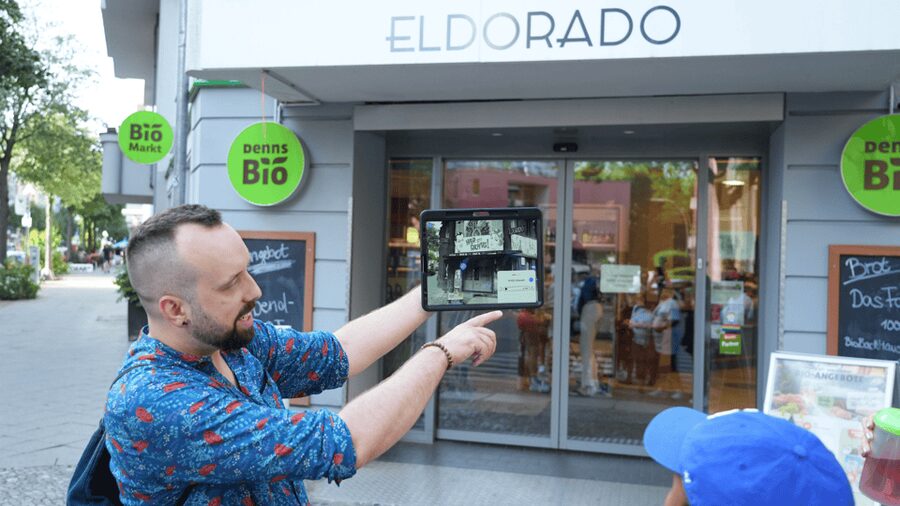
The star tech here is Augmented Reality, used through your guide’s iPad. The idea is simple: you stand at a real location, and the guide overlays historical context so you can see how the story would have looked in the past.
That works best when you let the guide steer it. Think of AR as a flashlight, not a replacement for walking. It can also help you visualize lost places and historic sex clubs that no longer exist in their original form. The tour specifically highlights AR recreations of places like Eldorado Club and lost locations across Berlin’s sexual past.
Where expectations can go sideways is in how much you want the tour to feel like you are inside a reconstructed venue. Some people prefer to step into actual sites rather than standing outside while the guide reads and shows overlays. This tour does include street-corner storytelling as a core format, so come with the mindset that the city is the classroom, not a set of doors you keep opening.
If you are the type who gets restless when you have to stand and watch screens, it may feel more “history in motion” than “immersive visual show.” But when it is used well, AR can make the timeline click, especially when your guide has you connect a site to a bigger story.
Starting at Nollendorfplatz, then walking the city like a timeline
Your meeting point is in front of Alnatura Super Natur Markt at Nollendorfplatz, at Else-Lasker-Schüler-Straße 18 (10783 Berlin). It is a convenient start because you have something familiar right there. Plus, if you arrive early, you can reset before you get into heavy historical topics.
The walking structure is built from short transitions and guided stops. You will move on foot between locations, with guided segments that range from about 10 to 20 minutes. The guide builds a chronological arc while you go, from early modern openness, to repression and persecution, to modern sex-positive culture.
That format is useful. It keeps your attention from drifting too long in one place, and it prevents the tour from becoming a single long speech. You’ll get the sense that Berlin’s sexual history is layered, not linear.
- Berlin: Reichstag, Dome and Government District Guided Tour
★ 4.7 · 18,288 reviews - Berlin: 1-Hour City Tour by Boat with Guaranteed Seating
★ 4.3 · 16,993 reviews - Berlin: Boat Tour Along the River Spree
★ 4.4 · 11,252 reviews - Discover Berlin Half-Day Walking Tour
★ 5.0 · 9,624 reviews - Berlin: Hop-on Hop-off Bus Tour with Live Commentary
★ 4.3 · 8,579 reviews
Stop-by-stop: what you’ll do at each location
Below is the flow as you walk through the key points. The exact historical angle tied to every single address is handled by your guide on the day, but the stop pacing is consistent, and each segment supports the tour’s big themes.
Magnus-Apotheke (guided tour about 20 minutes)
You begin with a guided segment that sets the tone for the tour’s mix of science, society, and social control. Early in the walk, the goal is to show that sexual history is not only about clubs and nightlife. It is also about how people studied sexuality, how contraception discussions moved from taboo to policy, and how medical and social worlds overlap.
Memorial to the Homosexuals Persecuted Under Nazism (guided tour about 15 minutes)
This stop matters. It grounds the story in real Nazi persecution, connecting censorship and state power to harm done to specific communities. The tour frames Nazi censorship as more than banning magazines. It also includes criminalization of erotic expression and consequences for sexuality and identity.
If you are sensitive to heavy history, give yourself a moment before you arrive here. This is where the tone can turn serious and emotionally direct.
Kurfürstenstraße (guided tour about 20 minutes)
As you move along Kurfürstenstraße, the tour shifts into the idea of Berlin as a divided space after WWII and how sexual culture changed under different systems. This is where Berlin’s Cold War split starts to feel personal rather than abstract.
You’ll be walking with the guide guiding what to notice, and you’ll likely see AR overlays that connect the street-level present to what the city’s sexual culture used to look like. It helps you understand that sex culture did not evolve in a vacuum. Politics and institutions shaped it.
Schwerinstraße (guided tour about 15 minutes)
At Schwerinstraße, you keep tightening the timeline, moving through how repression and control functioned differently across East and West. The tour’s broader narrative includes the idea that East Germany embraced nudism through FKK while still tightly controlling sexuality, while West Berlin became known for liberation.
Even if you think you already know Berlin’s Cold War story, this angle makes you see it through everyday bodies and everyday rules, not just propaganda and borders.
Nollendorfstraße (guided tour about 10 minutes)
This shorter stop acts like a hinge. You connect earlier stories of science and censorship to later stories of underground scenes. It is often the kind of moment that helps the guide catch up your mental map so the modern chapter lands cleanly.
If you want to ask a question about how the past links to today’s scenes, this is a good time, because you are not stuck in a long stop.
Denns BioMarkt (guided tour about 15 minutes)
Here you pause again, and the tour’s educational approach becomes more obvious: it balances scandal and freedom with structure and consequences. You get to see how sex-positive culture today was not inevitable. It is the result of conflict, activism, policy fights, and people refusing silence.
Expect more context about social movements linked to queer and feminist liberation, plus how cultural spaces changed with time.
Prinz Eisenherz (guided tour about 20 minutes)
This part of the walk leans toward Berlin’s known nightlife and the way clubs and events shape the city’s reputation. The tour specifically name-checks places you might hear about elsewhere, like KitKat Club, Berghain, and Lab.Oratory, plus major events such as Folsom Europe.
One helpful thing here is that the tour is not just a list of famous venues. It uses these references to explain why Berlin developed a reputation as a global capital of desire, and why sex-positive spaces kept evolving rather than staying frozen.
Metropol (guided tour about 20 minutes)
The final guided stretch is where the past and present overlap most. This is the moment where you should expect discussions about modern kink and electronic music culture and how Berlin handles sexuality in public life today.
It is also a good time to mentally plan what you might do later in your trip. If you are curious, you’ll leave with enough context to look at today’s scenes with more than street-level curiosity.
The tour’s big themes, explained in plain language
The tour’s timeline is built around a few major ideas, and Jeff ties them together with examples and media.
The 1920s: freedom, nightlife, and sex science getting traction
Berlin in the 1920s is presented as a turning point. Sex clubs, performance, nudism, and boundaries shifting between art and sexuality are part of the story. One of the standout claims in the tour’s theme is that the first rubber condom was invented in Berlin.
Whether you treat that as a fun fact or a serious milestone, it signals the tour’s broader message: sexual life was becoming more discussed, more studied, and more industrialized through innovation.
Early sexual science and contraception innovation
The tour emphasizes Berlin’s role in studying desire, attraction, and sexual behavior across societies, along with contraception, sexual health, and relationship models. It also explains that Nazi power erased much of this work.
This part is valuable because it reframes sexuality from “taboo topic” into “human systems people studied.” If you care about science history and social history, this is the piece that makes the whole tour feel more grounded.
Nazis: censorship, double standards, and persecution
This is handled directly. The tour explains how the Nazi regime criminalized desire, banned erotic expression, and persecuted people based on sexuality. It covers the shutdown of erotic magazines, cabarets, and clubs, along with double standards in sexual policies.
You’ll likely feel the contrast in the emotional tone of the walk here. It is not meant to be jokey history. The memorial stop supports that shift.
A divided city: East and West shaped sexuality differently
After WWII, Berlin splits, and so does sexual culture. West Berlin moves toward liberation. East Germany embraces FKK nudism while still imposing tight control over sexuality and gender roles.
What I like about this framing is that it doesn’t treat freedom as a single yes-or-no switch. It shows how different systems produce different kinds of openness, alongside surveillance and limits.
Today’s sex-positive scene and major events
The tour ends in the present, with Berlin described as a city known for sex-positive culture, clubs, and underground scenes. It highlights well-known names (KitKat Club, Berghain, Lab.Oratory) and big events like Folsom Europe.
The practical value for you is that you’ll have context for what you see. You can connect famous nightlife spots to a longer story of activism, censorship, and shifting norms.
Price and value: is $81 worth it?
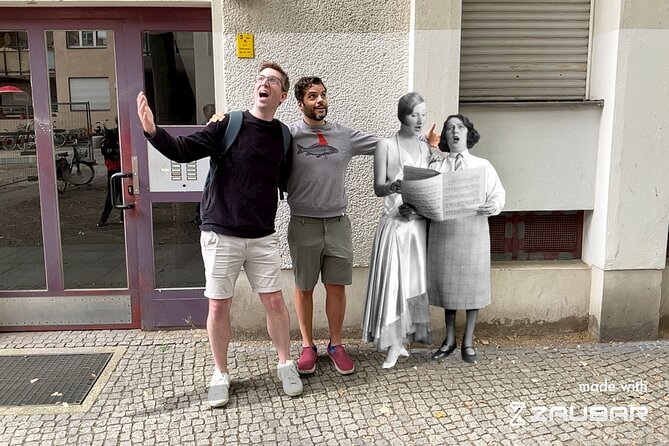
At $81 per person for about 210 minutes, you’re paying for more than a guide telling stories. You’re paying for a certified sex educator and sociologist lead, a small group format (max 10), and tech that supplies real-time visuals through AR plus Mixies personalized AR photos.
You’re also paying for effort that takes time: 200+ rare archival items, multimedia audio and video content, and insider tips about modern sex-positive nightlife and events. It is not a quick hit.
If you’re the type who likes your Berlin tours to be a mix of street-level context and media-based storytelling, this price can make sense. If you mainly want famous landmarks and photos with a view, you might feel like the cost is too high for how much of it happens outdoors and around street corners.
A smart compromise: wear comfortable shoes, bring water, and treat this like an educational walking session you can then pair with a nightlife plan afterward.
Who should book, and who might want to choose differently
Book this if you want Berlin history that talks about real bodies, real laws, and real culture shifts. It is especially a good fit for adults who like a structured timeline, appreciate serious context, and are comfortable with sex-positive education.
It may be less ideal if you:
- dislike being outside for extended stretches
- expect every stop to be an indoor venue visit
- want only light or comedy-style history
Because it is not suitable for children under 18, it’s clearly positioned as adult learning. Also, sensory input can be strong at points, so if you are easily overwhelmed, plan your pace and take breaks as needed.
Should you book Berlin Uncensored?

If your Berlin wish list includes nightlife stories but you also care about the rules, science, and political forces behind those stories, I’d say this tour is a strong match. The combo of Jeff’s expertise, AR used on-site, and the clear Weimar-to-Nazi-to-modern storyline gives you more than entertainment. It gives you a map for understanding why Berlin talks about sexuality the way it does now.
Just go in with the right expectation: you’re walking, standing, learning, and using AR as a guide tool. With that mindset, the experience tends to make Berlin feel more honest and more human.
FAQ
Where is the meeting point?
You meet in front of the entrance to the organic supermarket Alnatura Super Natur Markt at Nollendorfplatz, Else-Lasker-Schüler-Straße 18, 10783 Berlin.
How long is the tour?
The tour lasts 210 minutes.
What language is the tour in?
The tour is in English.
How big is the group?
The group is limited to 10 participants.
Is the tour wheelchair accessible?
Yes, the tour is wheelchair accessible. Some paths may be bumpy, and accessible toilets can be arranged upon request.
Is it suitable for children?
No. It is not suitable for children under 18.
Do I need a public transport ticket?
Yes, you should bring a public transport ticket.
What kind of tech is included?
You get Augmented Reality elements using the guide’s iPad, plus Mixies for fun personalized AR photos.
Who leads the tour?
The tour is led by Jeff, a certified sociologist, certified sex educator, and journalist who has studied Berlin’s sexual history for over a decade.
More Historical Tours in Berlin




More Tour Reviews in Berlin
Recently added around Berlin
Historical Tours, compared.
 ★ 4.6Natural History Museum Entrance TicketFrom $123,382 reviews
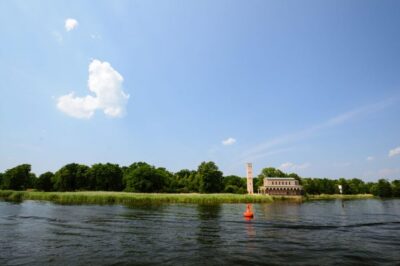 ★ 4.5World Heritage Cruise to PotsdamFrom $251,435 reviews
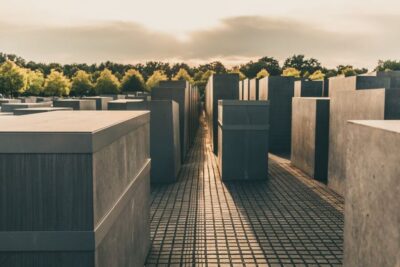 ★ 4.9Berlin Historical Highlights Walking TourFrom $389657 reviews
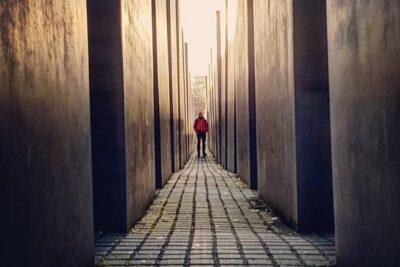 ★ 5.0Berlin Private Complete History All Day Walking TourFrom $253474 reviews
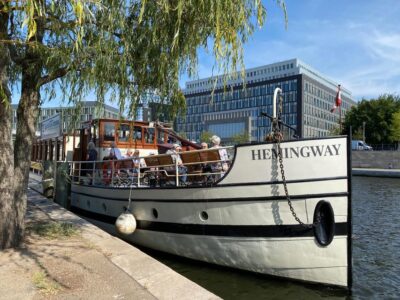 ★ 4.5Historic Boat Sightseeing City Center TourFrom $33415 reviews
 ★ 4.8Cold War Era History Guided Bike TourFrom $35413 reviews
 ★ 5.0Berlin Craft Beer & Cultural Tour With SnackFrom $143343 reviews
 ★ 4.7Small group Potsdam: A Journey Through History and PalacesFrom $659317 reviews
Browse the lists this tour appears in