
Tour review · BERLIN WALKING TOURS
Berlin Private Complete History All Day Walking Tour
Berlin history hits harder when you walk it. This private 6-hour tour strings together the city’s biggest turning points, with a guide who can answer your questions in real time, not in a group shuffle. You’ll cover landmarks most visitors only see in pieces, like the Brandenburg Gate, Reichstag, Checkpoint Charlie, and Museum Island, all on foot.
I love the private format. It means you can slow down for photos, ask follow-ups, and steer the day when something catches your eye. I also like how the route balances major famous stops with the smaller, emotionally intense places that usually get rushed.
One thing to think about: you are walking the whole time, and the stops add up. If you expect a light stroll, this may feel like a workout.
Key Things I’d Watch for on This Berlin History Walk
- A true private guide, so the pace is flexible and questions are welcome.
- WWII and Cold War focus without losing the thread into later Berlin.
- A long, purposeful route that starts near Ebertstraße 24 and ends at Alexanderplatz.
- Lots of free-entry stops, so your main spend is the tour itself.
- Guides get high praise by name, including Ciaran, Rhys, Eugen, Paul, Beth, Darren, and Francisco.
Berlin on foot, with a few more routes worth comparing
- Discover Berlin Half-Day Walking Tour★ 5.0 · 9,624 reviews
- Berlin: Third Reich and Cold War 2 Hour Walking Tour★ 4.9 · 6,830 reviews
- Berlin: Discover Berlin Walking Tour★ 4.9 · 5,998 reviews
- Berlin’s Best: 2 Hour Walking Tour Third Reich and the Cold War★ 5.0 · 5,486 reviews
Why This Private Walking Tour Works for First-Time Berliners
Berlin can feel like a puzzle box at first. This tour gives you the key pieces in a single day, so you can place later sights in context.
The big win is that you’re not bouncing between random hotspots. The day is built around how Berlin changed through time, especially the Nazi era, the Battle of Berlin, then the Cold War split, and finally reunification. If you do this early, you’ll know what you’re looking at the rest of the week.
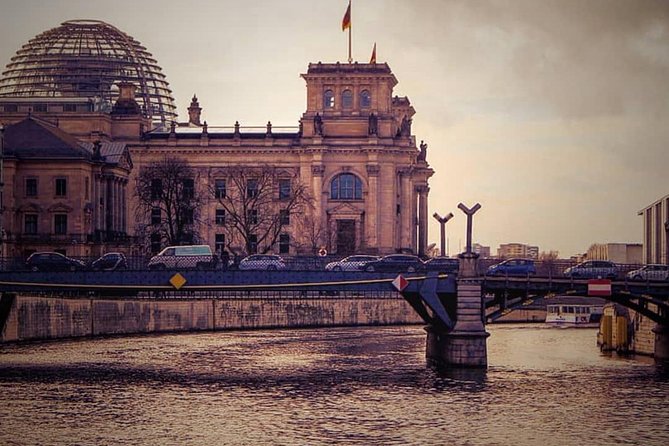
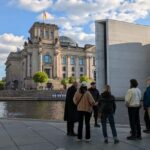
You also get the benefit of having someone who can explain what you are actually seeing. At the Reichstag, for example, you’re not just taking in a famous building. You’re learning why it matters to the 1933 Nazi consolidation, why it became a violent flashpoint during the Soviet Battle of Berlin, and what happened there after reunification. That kind of context makes the city snap into focus.
Meeting at Ebertstraße 24, Ending at Alexanderplatz, and Then Just Keep Walking
The day is point to point. You start at 10117 Ebertstraße 24 and finish at Alexanderplatz. Pickup is offered on foot with the guide, so you’re not waiting on a bus or van.
Plan for steady walking. The tour runs about 6 hours, and the itinerary is packed with short visits that add up. One review notes about 5 1/2 miles, which tracks with a day that mixes quick exterior stops and a few deeper pauses. Wear shoes you trust.
Also note what’s not included. Food and drinks are on your own. That doesn’t mean you won’t get a breather. Some guides build in a lunch pause, and one review mentions lunch at Maximilians, but it’s not described as a guaranteed included meal. If you want a snack strategy, bring water and a light plan so you’re not searching while everyone else is moving.
Brandenburg Gate and the Reichstag: Your Crash Course in Divided Berlin
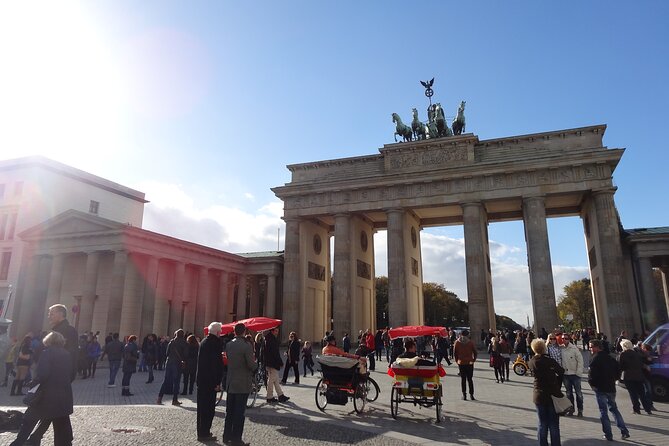
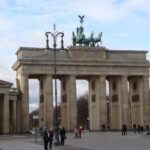
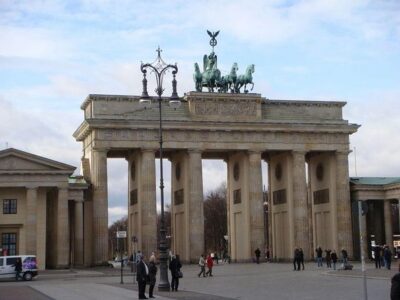
Your tour opens with the kind of landmark that everyone recognizes, but not everyone understands. At the Brandenburg Gate, you learn why it was built and why it became a focal point as Berlin and Germany’s political reality changed again and again. During the Cold War, it also turned into a symbol of divided Berlin, which is a big reason this spot feels charged even when the plaza is calm.
Right after, you stand at the Reichstag building. This is where the tour’s value really shows. It connects dynasties and architecture to real political shifts. You’ll hear about the Hohenzollerns, why the building took shape when it did, and how it became a key stage in early 1933 for the Nazi dictatorship. Then the story turns brutal, with fighting that culminated in the Soviet Battle of Berlin. That’s a lot to process for one stop, which is exactly why having a guide matters.
A quick reality check: these are major city areas. Expect crowds, street noise, and the occasional photo bottleneck. The tour’s private format helps you navigate that better than a big group.
Tiergarten, Victory Column, and the Holocaust Memorial: Where the City Makes You Pay Attention
The route continues through the Tiergarten area, and it’s not just scenic. You’ll walk past a mix of political symbols and memorial spaces that make you slow down.
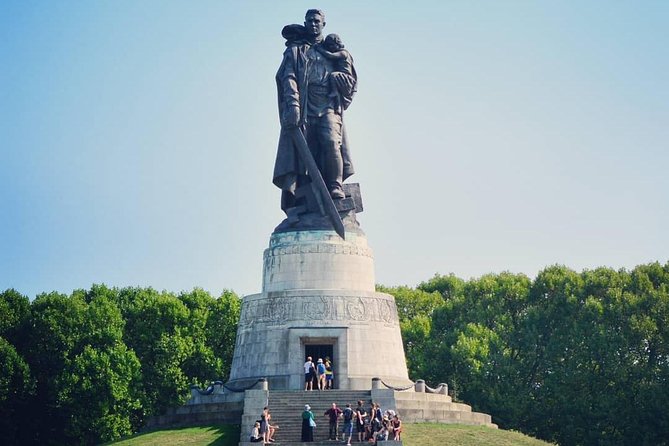
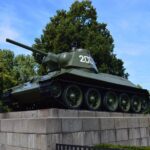
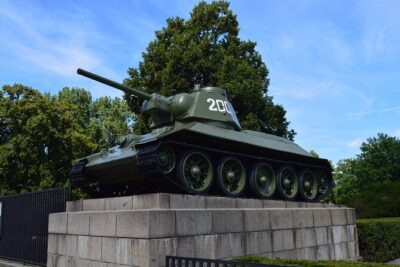
First comes the Soviet Memorial in the Tiergarten. One of the most interesting elements here is that it was the only Soviet memorial located in West Berlin. You’ll also get background on the construction and even the origin of some building materials, plus a discussion of symbolism and controversies. That angle matters because memorials are never neutral. They are made, placed, and interpreted through politics.
Then you move through the Tiergarten itself, the largest park in Berlin. The guide connects its development back to medieval roots and explains how Berlin’s events shaped the park. It’s a nice reset between heavy stops, and it helps you understand that the city’s “green breaks” still carry history.
You’ll also see the Victory Column from a distance. Even that quick moment can be meaningful because you learn when and why it was constructed, and where it used to be located. Small fact like that makes you view the skyline differently.
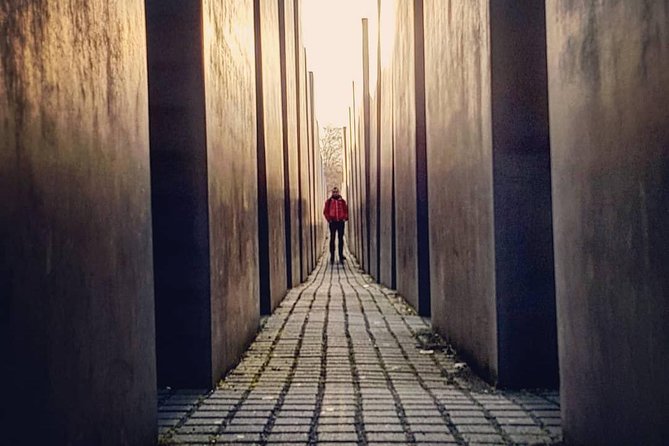
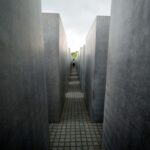
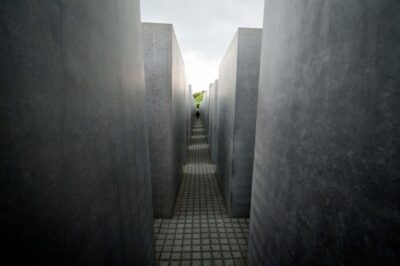
The emotional center is the Holocaust Memorial, the Memorial to the Murdered Jews of Europe. You don’t just see it. You experience it as a substantial, hard-to-ignore memorial. This is one of those stops where the guide’s pacing helps. You’ll have time to take it in rather than sprinting to the next photo spot.
Other Berlin days with the guide and route to yourself
- Berlin: Private Reichstag and Glass Dome Tour
★ 4.8 · 2,226 reviews - Berlin Private Complete History All Day Walking Tour
★ 5.0 · 474 reviews - Private Walking Tour Berlin Third Reich Hitler and World War II
★ 5.0 · 360 reviews - Private Berlin: Iconic Sights and Hidden Gems Walking Tour
★ 5.0 · 292 reviews - Berlin Private Half-Day Walking Tour: Discover the German Capital’s History
★ 5.0 · 244 reviews
Fuhrerbunker to Elser: The WWII Endgame, Told Close-Up
Next, the tour shifts into the darkest corners of the late-war story.
You visit the Fuhrerbunker site. The description in the tour notes that it can be thought of like the most infamous parking lot or car park in the world. That alone is a gut-punch. The focus is the site of the bunker where Hitler spent his final days, and you’ll get the larger story around how that endgame unfolded.
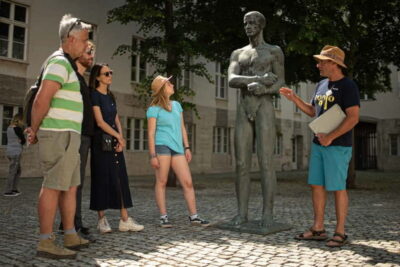
Then you hear about Johann Georg Elser, through the sculpture dedicated to him. This part of the day is memorable because Elser’s story is about a single person attempting to change history at immense personal risk. It adds texture to the WWII narrative that is often dominated by big armies and famous leaders.
If you like your history grounded in human decisions, these stops deliver.
Topography of Terror and the Berlin Wall Memorial: When History Turns Into Evidence
The tour then hits the point where you are looking directly at how Nazi terror was organized.
At Topography of Terror, you enter the site of the former SS, Gestapo, and SD headquarters in Berlin. The guide frames it as a point of evil in Nazi Berlin, which is blunt but accurate, and you’ll also learn what happened after the war regarding the site. This stop is one of the best examples of why a guide adds value. Without context, you see old foundations and signage. With context, you understand what those walls represent.
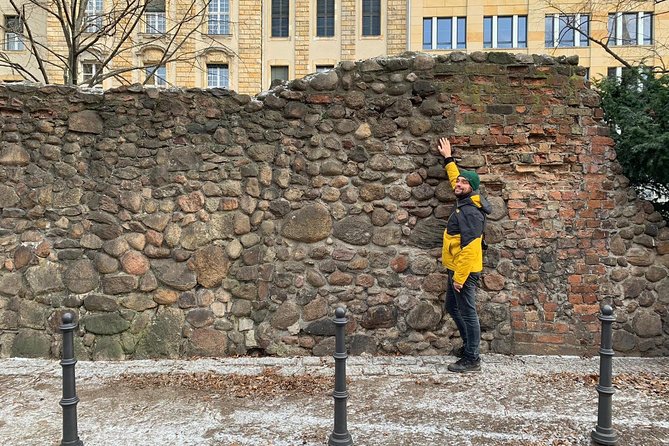
After that, the tour includes a visit to the Memorial of the Berlin Wall. You’ll see a section of the wall and learn why and how it was constructed. You’ll also hear stories of escapes and tragic deaths connected to it. That’s the key: the wall is not just a structure. It’s the barrier between choices people could and could not make.
Then you reach one of the world’s most recognizable Cold War icons.
Checkpoint Charlie, Friedrichstraße, and Gendarmenmarkt: The Cold War Through the Streets
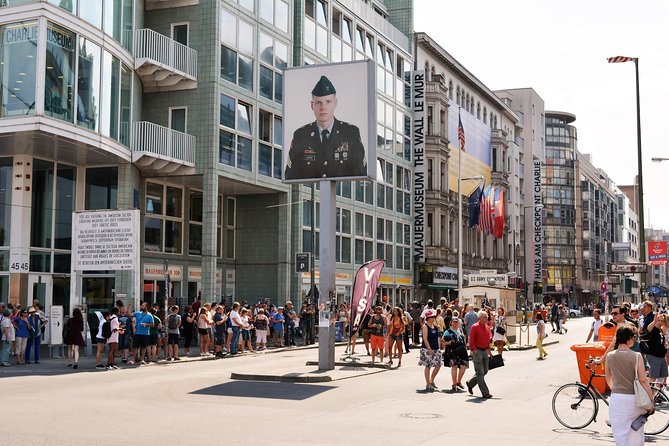
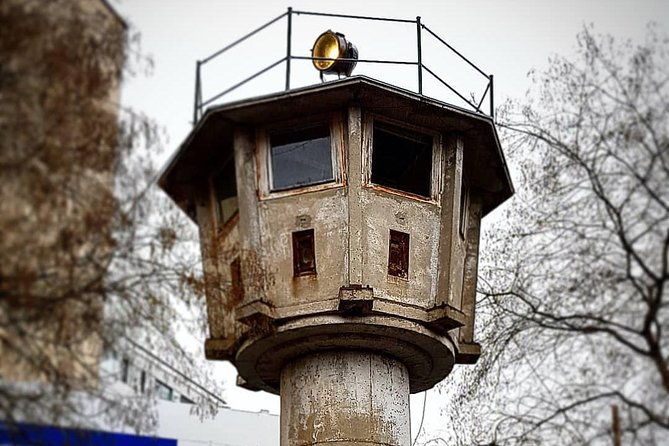
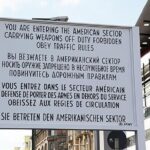
At Checkpoint Charlie, you get the most famous checkpoint in Berlin, and one of the iconic Cold War sites anywhere. The stop is short, so treat it as a launchpad for the larger ideas you’ve already been learning all day. If you want photos, ask your guide to help time it when the foot traffic calms down.
Next comes a stroll along Friedrichstraße, once known as Cabaret Mile. This gives the day a different flavor, a slice of social life that existed alongside the political tension. It’s a smart change of pace because not every Berlin story is only about buildings and war.
You then reach Gendarmenmarkt, described as one of Berlin’s most beautiful squares. You’ll learn about its origins and how it developed into an architectural highlight. This part is also useful for orientation, because once you see it, you can better visualize how central Berlin’s layout shaped movement and daily life.
Bebelplatz, Humboldt University, Neue Wache, Deutsches Historisches Museum, and Museum Island
Mid to late day is where the tour broadens beyond WWII and the Cold War and starts tying Berlin to education, culture, and state identity.
At Bebelplatz, you’ll pass 18th century buildings and hear about the history of the square. The stop also covers St. Hedwig’s Cathedral, the Humboldt University faculty of law, and the City Opera House. Most importantly, it includes the site of the Nazi book burnings, and you’ll observe and discuss the memorial present there. This is one of those stops that adds moral clarity without being preachy. It’s about what power tried to control.
Then you move to Humboldt University. You’ll learn about the institution, its building history, and who the Humboldts were. This helps counterbalance the terror-focused parts of the day with the idea that Berlin also built systems for learning and public life.
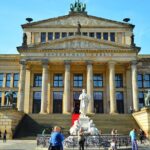
Next is Neue Wache. You’ll take time inside one of the most striking buildings on Unter den Linden, and you’ll hear how it shifted into its current memorial role. Again, the guide pacing matters because this is a space where silence and reflection fit the material.
You then get the Deutsches Historisches Museum from outside, with discussion of the oldest surviving building on Unter den Linden and how it connects to the German History Museum today.
Finally, you reach Museum Island, a UNESCO World Heritage site. You’ll learn how the island developed and what the museums represent, plus details about the cathedral and architects who designed major elements. If you’re museum-inclined, this stop makes you decide what to come back for, because you’ll leave with a map in your head.
Humboldt Forum, St. Mary’s Church, and Alexanderplatz: Where the Story Lands
The finish portion ties it together and shows how Berlin moved forward.
You visit the Humboldt Forum, with its complicated and surprisingly recent history. That phrasing is helpful because it avoids treating Berlin’s present as finished. Berlin’s “now” is still being argued, rebuilt, and reinterpreted.
Next is St. Mary’s Church, presented as the oldest church in Berlin that has been in continuous use, and you’ll have a chance to go inside if possible. It’s described as both an architectural gem and a lucky survivor. This stop can feel like a quiet reset after the heavier WWII material.
Then you end at Alexanderplatz, rebuilt post-war as the capital of the DDR. This is a good way to close the loop. You started with symbols, moved through trauma and division, then you land in a place that shows how the two Germanies built their own version of what mattered.
Price and Value: What $253.95 Buys You (and What It Does Not)
At $253.95 per person, this is not a budget group tour. But it’s also not priced like a theater show where you sit and forget.
You are paying for three things:
- A private guide for about 6 hours, which is where the real value sits if you like asking questions.
- High-impact site coverage that would be time-consuming to plan and cross-connect on your own.
- Expert handling of emotional and complicated sites, like the Holocaust Memorial, Topography of Terror, and the Berlin Wall.
What’s not included is also clear: food and drinks are on you, and there’s no private transportation. That means you should budget for your own snacks and water, and you should treat the day like walking, not sightseeing by vehicle.
A practical tip on value: if you’re short on time in Berlin, doing this early can save you from spending later days doing guesswork. You’ll know where to return for deeper museum time.
The Guides: Why the Reviews Keep Naming People Like Rhys and Paul
This tour’s strongest theme in feedback is how the guides teach. Multiple guide names show up with praise, including Rhys, Ciaran, Eugen, Darren, Paul, Beth, Julian, Ken, and Francisco.
What you should take from that pattern is simple: you’re not just buying a route. You’re buying someone who can keep you engaged for the full span of stops.
The other detail that matters is flexibility. Several reviews describe the tour as patient, accommodating, and able to adjust to different group needs and ages. If you’re traveling with teenagers or older adults, that kind of pacing can make the day feel doable instead of relentless.
Best Fit for Your Trip Style (and Who Might Want a Different Day)
This tour fits best if you want:
- A history-focused day with WWII and Cold War sights as the backbone.
- A route that helps you build a working mental map of central Berlin.
- A guide you can keep asking questions to, instead of waiting for the whole group to catch up.
It may be less ideal if:
- You only want a light taste of Berlin, or you dislike walking long stretches.
- You plan to spend most of the day indoors and want a museum-heavy itinerary. This tour prioritizes the street-level and memorial sites, with time for context rather than long museum visits.
Should You Book This Berlin Private Complete History Walking Tour?
If you’re trying to decide whether to book, think about what you want from Berlin this trip. If you want to understand what you’re seeing and you can handle a solid walking day, this is a strong pick. The private format is the difference between skimming landmarks and actually grasping the story behind them.
I’d book it if it’s your first full day and you want to set direction for the rest of your itinerary. I’d also book it if you care about the heavy stuff being explained with care, not just displayed.
Hold off if you need a low-foot-impact day, or if you’d rather spend your limited time in one or two museums with zero walking. For that style, you might choose a shorter route instead.
FAQ
How long is the Berlin Private Complete History all-day walking tour?
It runs about 6 hours.
Is this a private tour?
Yes. It’s a private tour, so only your group participates.
Is the tour in English?
The tour is offered in English.
Where does the tour start and where does it end?
It starts at 10117 Ebertstraße 24, 10117 Berlin, Germany, and ends at Alexanderplatz, 10178 Berlin, Germany.
Are there admission fees for the stops?
The stops listed are marked as admission ticket free.
Is food and drinks included?
No. Food and drinks are not included.
Can I cancel for a refund?
Yes. Free cancellation is available, and you can cancel up to 24 hours in advance for a full refund. After that, refunds are not available.
More Private Berlin Days

Keep Walking Berlin



More Tour Reviews in Berlin



Recently added around Berlin

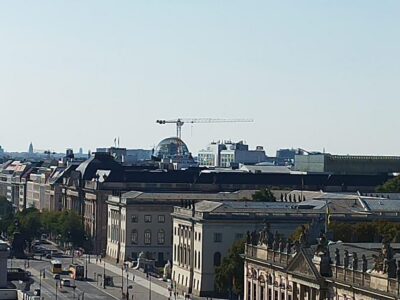

Berlin Walking Tours, compared.
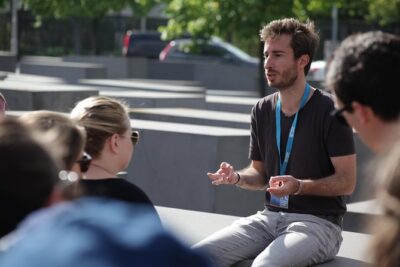 ★ 5.0Discover Berlin Half-Day Walking TourFrom $249,624 reviews
 ★ 4.9Third Reich and Cold War 2 Hour Walking TourFrom $236,830 reviews
 ★ 4.9Discover Berlin Walking TourFrom $235,998 reviews
 ★ 5.0Berlin’s Best: 2 Hour Walking Tour Third Reich and the Cold WarFrom $245,486 reviews
 ★ 4.8Hidden Backyards Guided Walking TourFrom $235,360 reviews
 ★ 5.0Third Reich Berlin: Hitler and WWII Walking TourFrom $243,301 reviews
 ★ 4.6Alternative Berlin Walking TourFrom $291,204 reviews
 ★ 4.9Third Reich, Hitler, and WWII Walking TourFrom $201,133 reviews
Browse the lists this tour appears in