
Tour review · SACHSENHAUSEN MEMORIAL TOURS
From Berlin: Licensed Sachsenhausen Tour with max. 15 people
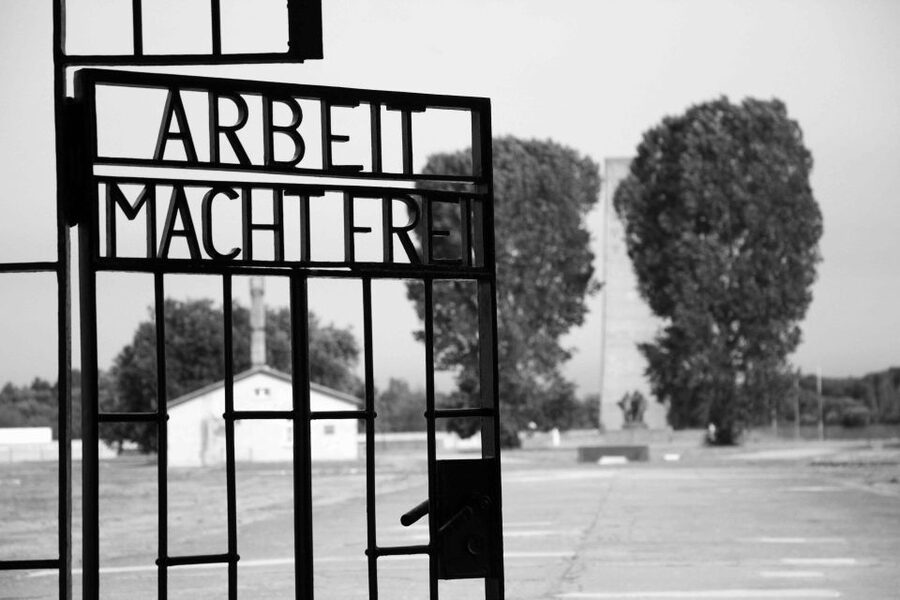
Sachsenhausen hits hard, even with guided context. This licensed small-group tour takes you north of Berlin to one of Nazi Germany’s main concentration camps, then helps the site make sense instead of just shocking you. I especially liked the officially licensed guide, trained for Sachsenhausen, because you get clear context for what you’re standing in front of. You also see concrete, on-the-ground features like Tower A with the work sets you free slogan and the Station Z execution memorial area.
The one drawback is that this is emotionally challenging and physically demanding. Expect lots of walking on mostly outdoor paths, and the ground can turn muddy after rain with no place to buy drinks or snacks on site.
Key things that make this Sachsenhausen tour worth your time
- Max 15 people, so questions do not vanish and the guide can keep an eye on the group
- Official memorial licensing plus trained guidance, so you are not piecing the story together alone
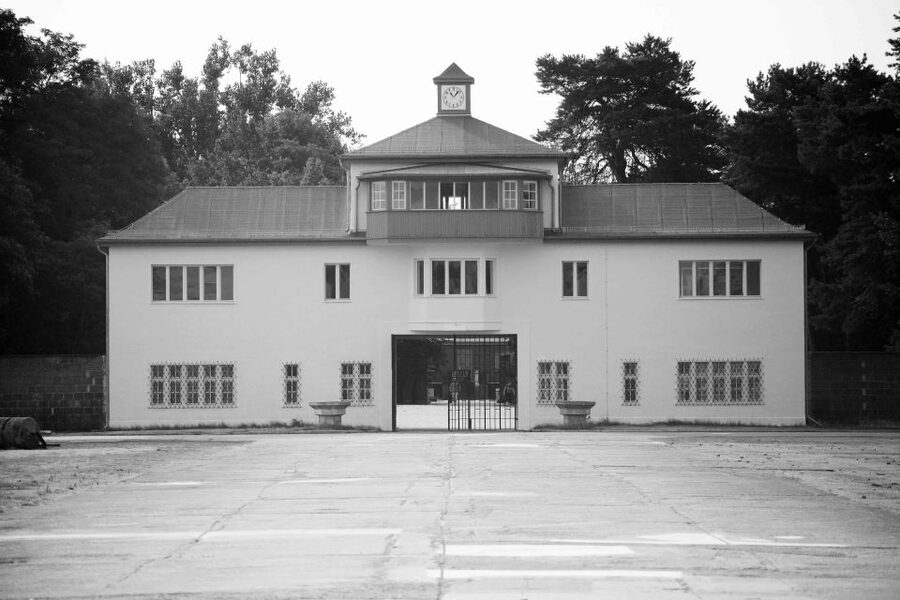
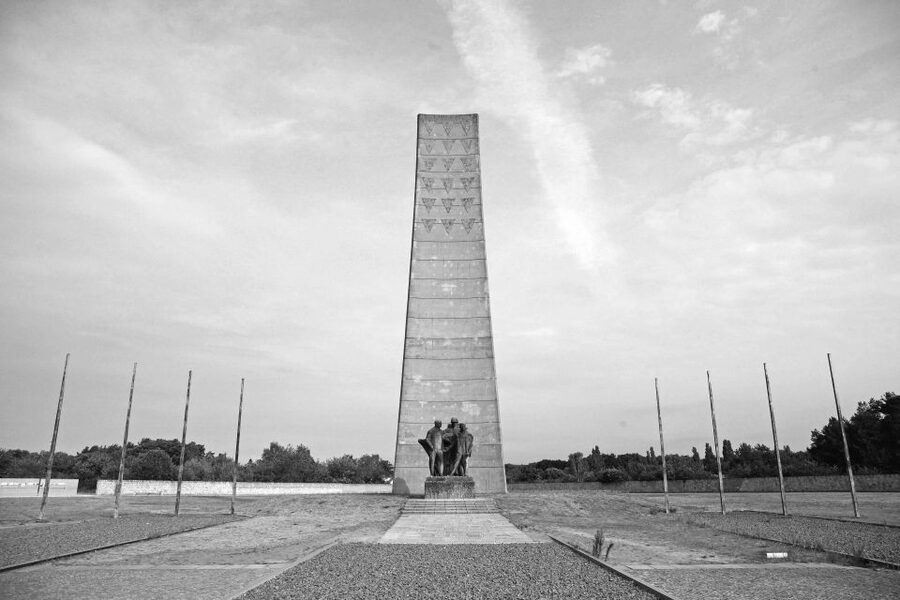
- Tower A and Station Z, two hard-to-miss locations that anchor the camp story
- Barracks details you can actually picture, including Jewish barracks, shoe testing track, prison kitchen, and infirmary barracks
- Resistance stories, from the 1942 revolt to forgery work and escape efforts like Jimmy James’s tunnel
- A full half-day plan (about 5.5 to 6 hours) that includes travel time to and from Berlin
More responsibly guided visits to Sachsenhausen Memorial
- Berlin: Sachsenhausen Concentration Camp Tour in English★ 5.0 · 5,711 reviews
- Berlin: Sachsenhausen Concentration Camp Memorial Tour★ 4.7 · 3,716 reviews
- Sachsenhausen Concentration Camp Bus Tour in English from Berlin★ 5.0 · 1,962 reviews
- Berlin: Sachsenhausen Concentration Camp Tour in English★ 4.8 · 1,889 reviews
Why Sachsenhausen is worth a guided half-day from Berlin
Sachsenhausen is one of those places where the physical layout matters. Without a guide, you might walk through gates, barracks remains, and execution areas and still feel lost about what connects everything. With a good guide, the site becomes a timeline you can follow.
This tour runs long enough to feel like a real visit, not a quick hit and run. It’s about 5.5 to 6 hours total once you include the public transport and walks between stations and the memorial. That length matters because Sachsenhausen is big, and the story is complex.
You also get a small-group format, capped at 15, which changes the vibe. It is easier to ask questions and get answers tied to specific places you are seeing that day, not generic background. And because it is a licensed memorial experience, the explanations stay grounded in the camp’s preserved evidence.
Meeting points and the simple plan to get north of Berlin
Your start is in central Berlin at Neue Promenade 3, and the practical meeting spot is outside Starbucks opposite Hackescher Markt S-Bahn station. That is helpful because it gives you a clear landmark right where public transport is easy.
From there, you take public transport for about 50 minutes to reach the memorial area. Sachsenhausen is roughly 20 miles north of Berlin, so this is not a “drive-by” stop. The upside is that you are travelling like locals, not doing a complicated private transfer.
Once you arrive, there’s a short on-foot segment before the guided portion begins, then later you return to Berlin the same way. One part I like in a tour like this is that the day already includes the logistics, so you can focus on the visit instead of mapping trains while your brain is trying to process everything.
First stop: the memorial walk that sets the stage
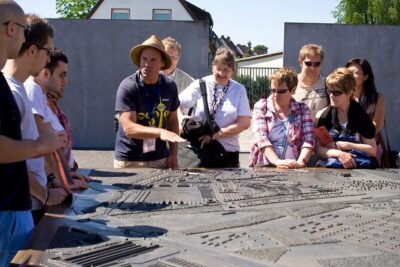
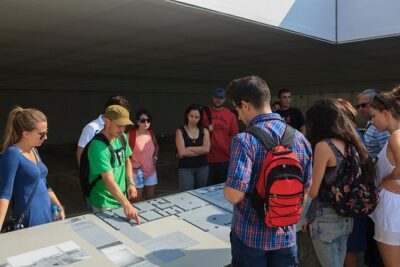
There’s an initial short walk on-site before the main guided portion. That may sound small, but it’s smart. It gives your bearings, helps you understand how the memorial paths flow, and prevents that awkward moment where everyone arrives and you are all staring at signs without a plan.
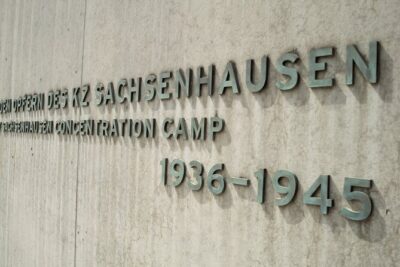
This is also where the guide starts doing the most important job: connecting the camp’s purpose to what you will see next. Sachsenhausen was built in 1936 by the SS and was the second major camp constructed after Dachau. It was set up to detain opposition to the Nazi regime, and the guide helps you understand how the concentration camp system developed over time.
If you only remember one thing from this phase, make it this: the site is not arranged for comfort. It is arranged for understanding. Let the guide pace you so you do not try to rush past details that later explain other details.
Tower A and the gate slogan you cannot ignore
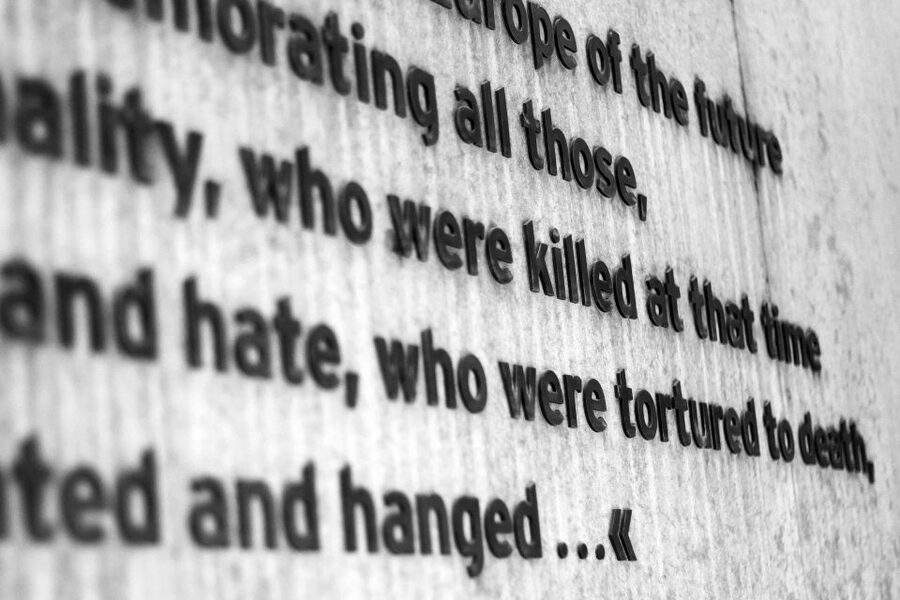
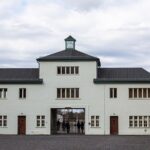
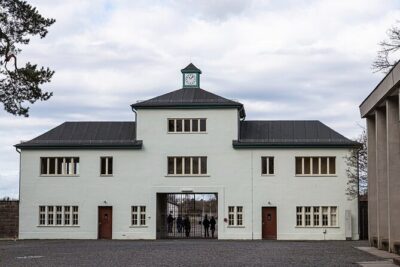
Tower A is one of the most memorable stops because it is both physical and symbolic. You will see Tower A and the infamous slogan on the gate: work sets you free. It is chilling because it shows how the Nazis tried to frame forced labor as something like a benefit.
What I liked about having this early in the tour is that it reframes the entire day. You stop thinking only about individual suffering and start seeing how the system worked: control, labor, punishment, propaganda, repeat. When a guide ties the slogan to the camp’s routines and discipline, it becomes less like a random shock line and more like a key piece of the machinery.
And because this is a licensed memorial tour, the guide’s interpretation stays anchored to the preserved site rather than turning into a guess. That matters here, where details are heavy and misinformation is easy to accidentally spread.
- Berlin: Reichstag, Dome and Government District Guided Tour
★ 4.7 · 18,288 reviews - Berlin: 1-Hour City Tour by Boat with Guaranteed Seating
★ 4.3 · 16,993 reviews - Berlin: Boat Tour Along the River Spree
★ 4.4 · 11,252 reviews - Discover Berlin Half-Day Walking Tour
★ 5.0 · 9,624 reviews - Berlin: Hop-on Hop-off Bus Tour with Live Commentary
★ 4.3 · 8,579 reviews
Station Z execution center memorial: where the story turns darkest
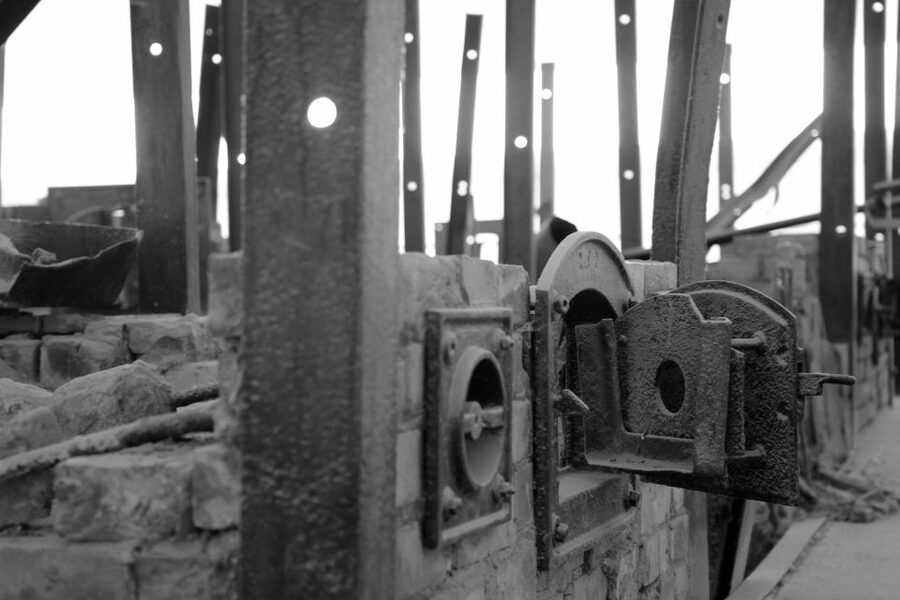
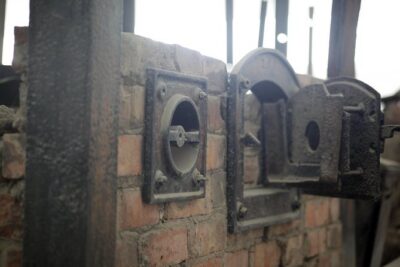
Then the tour moves to the Station Z area, described as an execution center memorial. Walking through this zone changes the tone of the day fast. It’s not just history on a wall; it’s history in a space built for killing.
I appreciate that the guide does not treat this as a single moment. The camp’s brutality is not presented as one isolated event, but as part of a broader system that included imprisonment, forced labor, and murder. This is exactly where a trained guide earns their place, because the narrative needs to be clear and careful.
If you tend to get overwhelmed at memorials, plan to slow down mentally. Take in what you are seeing, but also keep an eye on the group and ask yourself what you need in order to process it: a question, a pause, or just a few minutes of quiet before moving on.
The barracks remains and the uncomfortable practicality of cruelty
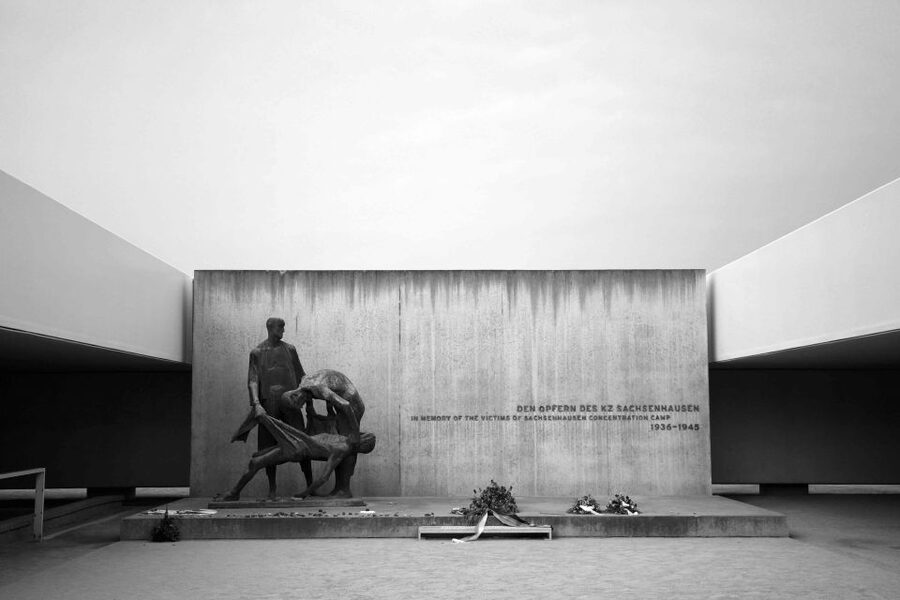
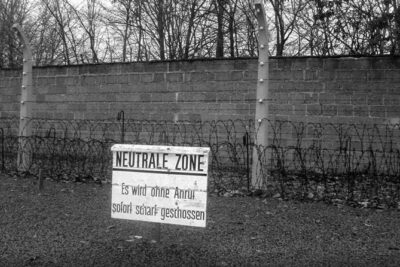
One of the most valuable parts of this tour is the range of camp locations you see. You won’t just stand at one exhibit point. You’ll encounter the areas tied to daily life in the camp system, including places like the Jewish barracks, the shoe testing track, the prison kitchen, and the infirmary barracks.
Each stop forces a different kind of understanding. The Jewish barracks connect the story to a specific targeted community within the camp. The shoe testing track is one of those details that feels almost impossible to comprehend until you see how it fits into the camp’s forced exploitation. The prison kitchen and infirmary barracks help you grasp how the Nazis managed basic functions while still treating prisoners as disposable.
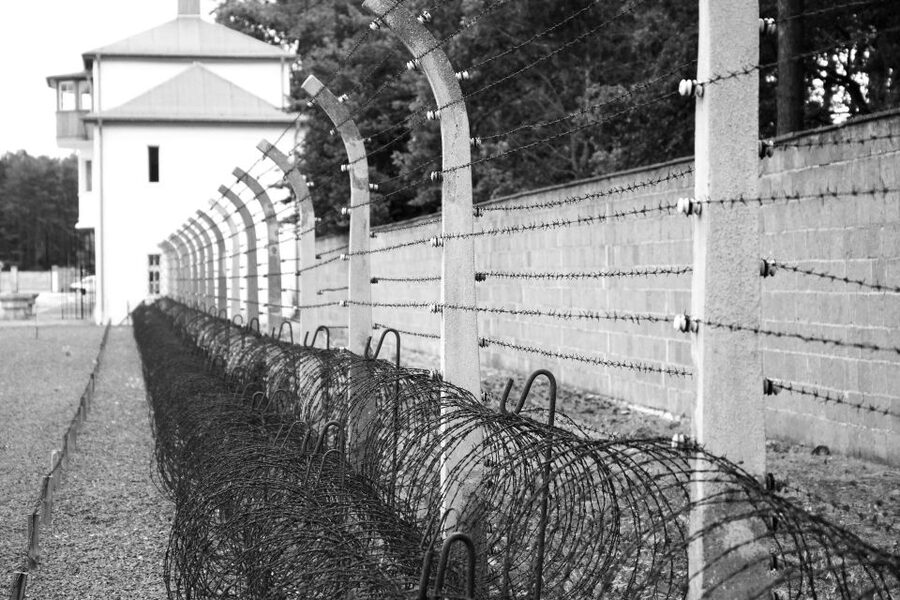
I also like that the tour references remains and features like watchtowers, barrack blocks, and execution areas. That combination helps you build a mental map. Later, when you read or watch history elsewhere, you can “place” what you learned into a real geometry of the camp.
Resistance stories: why the guide includes more than suffering
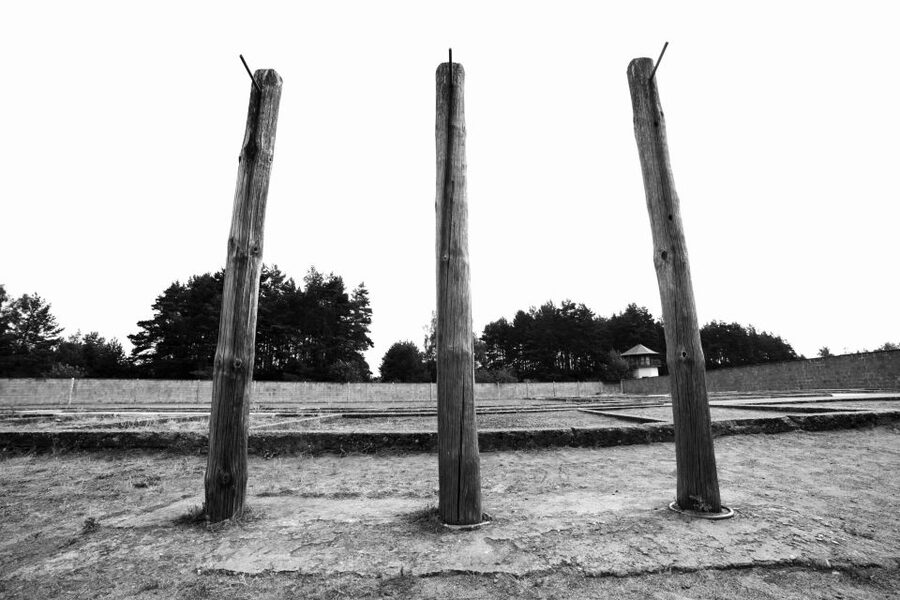
This tour does not only point at cruelty. It also includes resistance and survival, which is important because the camp story is not complete without it.
You hear about the revolt of Jewish prisoners in 1942, and you learn how some Jewish prisoners survived by counterfeiting millions of pounds sterling in the forgery workshop. You also hear about escape efforts, including the tunnel dug by Jimmy James. And you get context on the death march events that took place ahead of liberation in 1945.
I find this approach more respectful to victims and survivors. It acknowledges that people were not simply trapped in helplessness. They used whatever tools they could, even when those tools were forced deception or underground construction.
At the same time, a good guide keeps it factual. The goal is not to turn resistance into a feel-good moment. The goal is to restore agency to the story, so the camp is not just presented as a one-way machine of horror.
How the guide keeps the day manageable for a small group
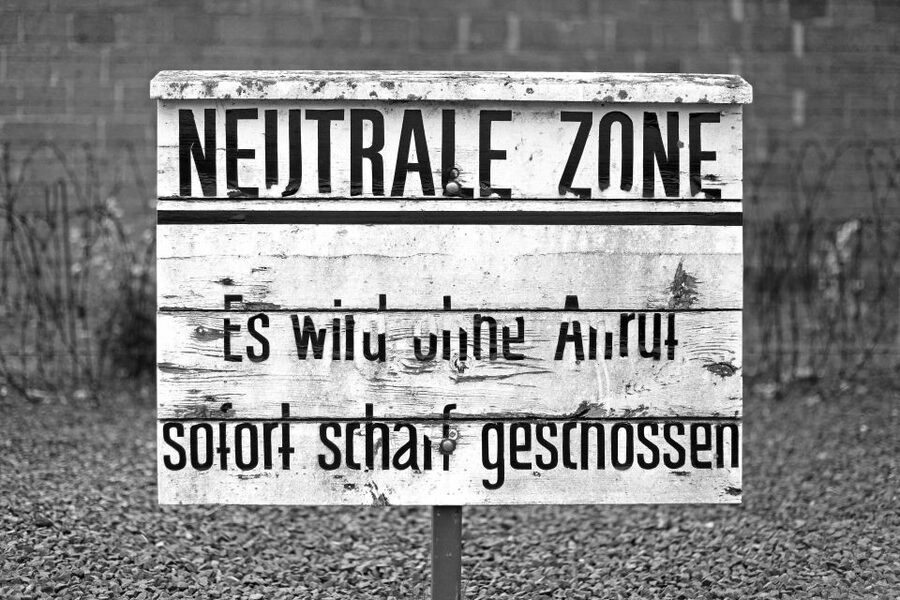
The tour is designed around having a live English guide with memorial training. From past experiences described by name, guides like Sarah, Georgia, Lewis, Anya, Ronja, Emma, Rebecca, and Jenny are repeatedly credited for balancing empathy with historical clarity.
That balance matters because the topics are heavy. A guide has to know when to slow down, when to explain, and when to let the group catch up. You also want someone who can handle questions without brushing them off or turning the day into a lecture with no room for people.
Because this group is limited to 15 participants, you are more likely to have time for questions rather than losing them to the schedule. And the guide’s approach often shapes how safe the experience feels, especially when the material hits hard.
Timing, travel segments, and where the day can feel long
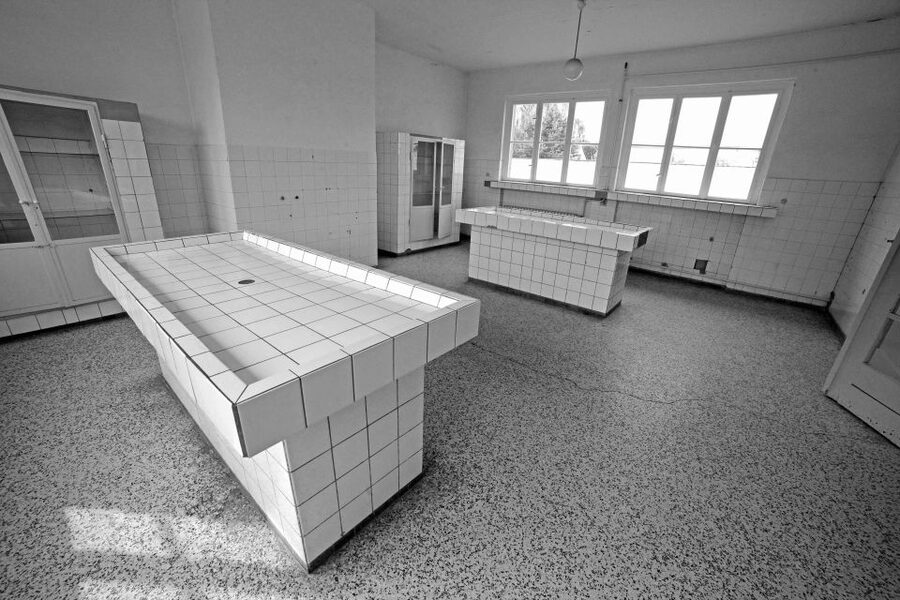
The structure is straightforward: public transport to the memorial, a short walk, a guided tour of about 3 hours, and then more travel back to Berlin. There is also a 20-minute walk in Oranienburg on the way back, then another public transport stretch.
Three hours inside the memorial grounds is a lot. Not because you’re being rushed, but because the information density is high. If you want time to read every plaque slowly, you may want to mentally plan for taking breaks when the guide offers a pause.
You should also remember that you will spend part of the day travelling. That time is still useful, because the guide often sets context on the way there, and the journey helps you re-center after the hardest stops.
What to bring: shoes, weather gear, and your own food
Wear comfortable shoes. The tour involves “a lot of walking,” and the memorial site can be muddy after rain. Even in good weather, plan for uneven ground and time on your feet.
Bring a bottle of water and a snack. The tour description is direct: there are no shops or cafés at or around the memorial site. In real life, that means you want calories and hydration in your pocket, not in your imagination.
Weather-appropriate clothing is not a suggestion here. Since the tour runs in all weather, pack like you are going to spend most of the day outdoors.
Price, what you actually pay for, and whether it feels like value
The price is listed at $38 per person, with a total duration of 330 minutes including travel time. For me, the value comes from what’s included beyond the bus ride.
You get a licensed and trained guide, the memorial fee, and a €3 donation to the camp memorial. There is also mention of skipping the ticket line. That combo matters because you’re paying for interpretation by someone officially trained for this specific site, not just general sightseeing.
Also, the tour description notes that a percentage of ticket sales goes to the memorial site for sustainable education and use by visitors and schools. So the money is not only for staffing your visit; it is tied to the memorial’s ongoing work.
In short: you are paying for the hardest part, the context. And on a site like Sachsenhausen, context is not extra, it is the difference between seeing something and understanding something.
Who this tour suits best (and who should think twice)
This is a great fit if you want history explained on the ground, tied to specific places like Tower A, Station Z, and the barracks areas. If you like asking questions, the small group size helps.
It also works well if you are short on time in Berlin. You get a full half-day structured plan without needing to coordinate complicated transport and onsite navigation yourself.
However, think twice if you have a hard time with emotionally intense content or if long walking days are a problem for you. The tour description flags that it can be emotionally challenging, and it is not a quick walking-only stroll. You’ll be on your feet for hours in outdoor conditions.
Should you book this Sachsenhausen tour?
Yes, if you want a small-group, officially guided Sachsenhausen visit with time to ask questions and see the specific locations that anchor the camp story. The mix of camp architecture details (Tower A, Station Z, barracks remains) plus resistance narratives like the 1942 revolt, forgery workshop activity, and Jimmy James’s tunnel gives you a more complete understanding than a self-guided pass.
Book it if you are ready for a serious day and you plan for practical comfort: sturdy shoes, weather gear, water, and a snack. If that sounds doable, this is the kind of tour that respects the site and still helps you leave with clear, usable knowledge.
FAQ
Where do I meet for the tour?
You meet outside Starbucks opposite Hackescher Markt S-Bahn station.
How long is the Sachsenhausen tour from Berlin?
The total duration is listed as 330 minutes, about 5.5 to 6 hours including travel time.
How big is the group?
The group is limited to a maximum of 15 participants.
Is the tour in English?
Yes, the live tour guide is in English.
Do I need a public transport ticket?
Yes. A public transport ticket is required for the tour. An ABC day pass is recommended.
What is included in the price?
Included are the licensed and trained guide, the memorial fee, and a €3 donation to the camp memorial.
Is there anywhere to buy drinks or snacks on site?
No. There is no possibility to buy drinks or snacks on the memorial site, so bring water and a snack.
Does the tour run in bad weather?
The tour runs in all weather conditions. The site can be muddy after rain, so plan for outdoor walking.
More Tours in Berlin

More Sachsenhausen Memorial Visits

More Tour Reviews in Berlin
Recently added around Berlin

Sachsenhausen Memorial Tours, compared.
 ★ 5.0Sachsenhausen Concentration Camp Tour in EnglishFrom $365,711 reviews
 ★ 4.7Sachsenhausen Concentration Camp Memorial TourFrom $213,716 reviews
 ★ 5.0Sachsenhausen Concentration Camp Bus Tour in English from BerlinFrom $681,962 reviews
★ 4.8Sachsenhausen Concentration Camp Tour in EnglishFrom $221,889 reviews
★ 5.0Sachsenhausen Concentration Camp Bus Tour in English from BerlinFrom $681,962 reviews
★ 4.8Sachsenhausen Concentration Camp Tour in EnglishFrom $221,889 reviews
 ★ 5.0Sachsenhausen Concentration Camp Memorial Tour (Max. 15 Guests)From $351,516 reviews
 ★ 4.6Sachsenhausen Concentration Camp and Potsdam TourFrom $651,334 reviews
 ★ 5.0Sachsenhausen concentration camp.From $341,189 reviews
 ★ 5.0Visita en español al campo de concentración SachsenhausenFrom $341,170 reviews
Browse the lists this tour appears in