
Tour review · SACHSENHAUSEN MEMORIAL TOURS
Berlin: Sachsenhausen Concentration Camp Memorial Tour
Sachsenhausen hits hard, but in a clear way. This guided Berlin day trip links the train ride out from Alexanderplatz with a focused visit to one of Nazi Germany’s most important concentration camp memorial sites. You will hear how Sachsenhausen operated, why the Nazis promoted it, and what the memorial choices mean over time.
I love the way the route is built around key places, so the story stays organized. Barracks 38 and 39 ground you in what captivity meant, and the visit also includes punishment areas and sites tied to executions, including Station Z.
One real consideration: the tour is not suitable for people with mobility impairments or wheelchair users. If walking over uneven ground or stairs is a concern for you, plan something else or contact the provider before booking.
Key Highlights You Will Actually Remember
- Skip-the-line entry with a separate entrance at the memorial
- Tower A and the main gate marked by the Arbeit macht Frei sign
- Barracks 38 and 39 tied to Jewish prisoners and cramped confinement
- Station Z remains where executions took place
- Medical experiments and punishment cells explained with care and context
- Soviet memorial (1961) showing how the site was interpreted after WWII
More responsibly guided visits to Sachsenhausen Memorial
- Berlin: Sachsenhausen Concentration Camp Tour in English★ 5.0 · 5,711 reviews
- Berlin: Sachsenhausen Concentration Camp Memorial Tour★ 4.7 · 3,716 reviews
- Sachsenhausen Concentration Camp Bus Tour in English from Berlin★ 5.0 · 1,962 reviews
- Berlin: Sachsenhausen Concentration Camp Tour in English★ 4.8 · 1,889 reviews
Getting There From Berlin Without Turning It Into a Project
This is a very practical Berlin add-on if you want something serious without doing logistics on your own all day. You meet next to the World Time Clock at Alexanderplatz, and your guide is wearing Buendía accreditation, so you can spot them quickly. From there, you take a scenic train ride out to the memorial site, and the guide uses that travel time to set the stage.
The one extra step you cannot skip is the transit ticket. You need an ABC zone train ticket before the activity, and it is not included. You can buy it at ticket machines in stations or online on the Berliner Verkehrsbetriebe website, so do it ahead of time if you like less stress.
What I like about this setup is that it removes the most annoying part of a day trip, getting everyone where they need to be. In the experience, the guide also helps the group get on and off the correct trains for the return, and that matters when you are trying to stay focused on the subject, not your route planning.
The Train Ride Briefing That Makes the Memorial Make Sense
The visit does not start at the camp gates. It starts on the train.
During the ride, your licensed guide gives background on Sachsenhausen’s origins and purpose, including how it functioned as a model camp for the Nazis. You also get a quick orientation on how difficult topics will be handled, with a clear, respectful tone for the victims.
There is another point worth paying attention to: the memorial itself is shaped by different ideologies at different times. Your guide walks you through how various monuments appeared later, so you do not just see objects, you understand why they are there and what they were meant to communicate.
If you have ever visited a memorial and felt like the site was speaking in fragments, this pre-brief helps you connect the dots.
Tower A and the Main Entrance: Where Systems Start to Feel Real
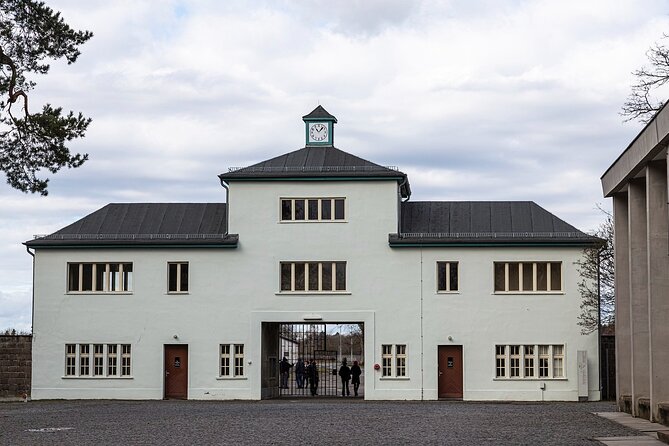
At Sachsenhausen, you begin at Tower A, at the main entrance. This is where you will see the famous Arbeit macht Frei sign.
This is a powerful stop, but it is also more useful than people expect. The sign is not just a historical detail, it is part of how Nazi imprisonment was presented, controlled, and normalized inside the system. Having a guide here matters because the place can feel overwhelming fast, and you need the story to stay grounded in facts and context.
You will also notice how the layout pushes you to move through space with purpose. That is one reason a guided route works so well, you are not wandering, you are understanding.
Barracks 38 and 39: Captivity in a Tight, Documented Space
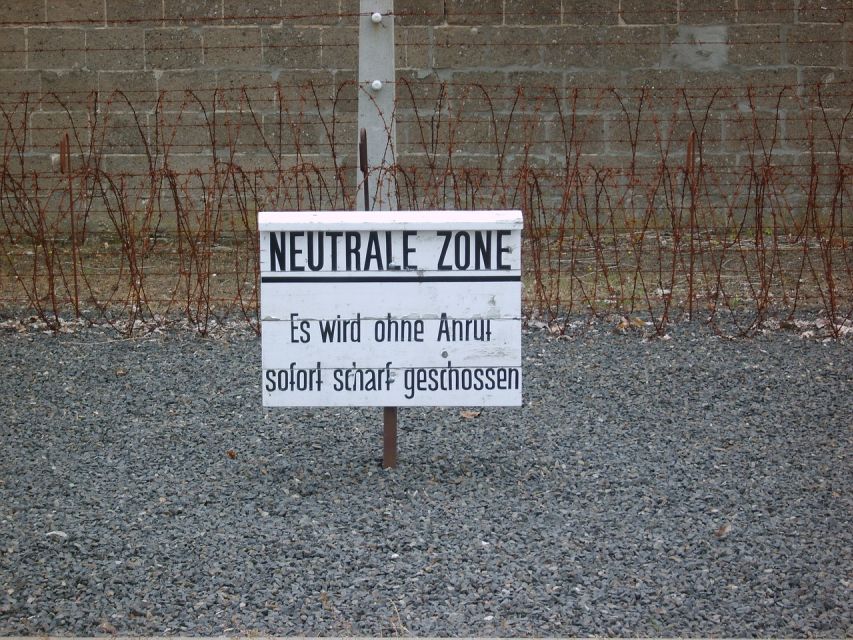
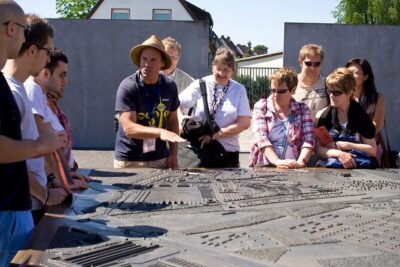
Next come Barracks 38 and 39, where Jewish prisoners were held in extremely cramped conditions. The key detail here is that you are not only looking at buildings from a distance.
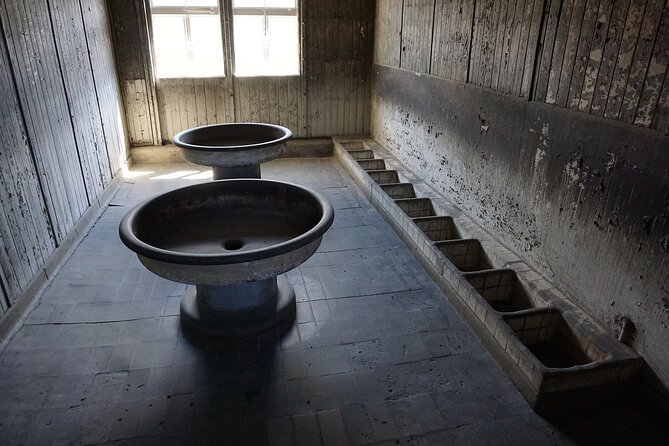
Barracks 38 now serves as a museum, which means you get explanations tied to daily life and how prisoners experienced confinement. This part of the tour is often where the facts turn into something you can picture in your head, because the interpretation focuses on routine, restrictions, and what survival looked like from inside.
Barracks 39 is part of the same complex story, and you should treat both as a linked message about what the camp system did to bodies and time. It is not just architecture, it is evidence.
A number of guides you could be paired with, like Walid and Richard, are praised for clarity and respect, and that shows up in how they pace this section. You get enough explanation to understand what you are seeing without turning it into a lecture that numbs you.
- Berlin: Reichstag, Dome and Government District Guided Tour
★ 4.7 · 18,288 reviews - Berlin: 1-Hour City Tour by Boat with Guaranteed Seating
★ 4.3 · 16,993 reviews - Berlin: Boat Tour Along the River Spree
★ 4.4 · 11,252 reviews - Discover Berlin Half-Day Walking Tour
★ 5.0 · 9,624 reviews - Berlin: Hop-on Hop-off Bus Tour with Live Commentary
★ 4.3 · 8,579 reviews
Punishment Cells: Minor Offenses, Major Consequences
You will also visit the original punishment cells used to detain prisoners for minor offenses.
This stop is hard because the language of the camp system often sounds like rules and order. The reality is about fear, control, and the way the Nazis enforced compliance through brutal discipline.
What I appreciate is that your guide does not treat this as a random grim attraction. Instead, it is tied back to how the camp worked as a whole, so the punishment areas do not feel disconnected.
If you are sensitive to details, you might want to take short pauses here. The site can feel dense. A calm moment to breathe and reset is okay.
The Infirmary, Morgue, and the Camp’s Cruel Medical Experiments
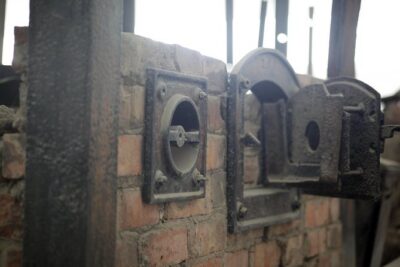
One of the most difficult components is the discussion of cruel medical experiments carried out in the infirmary and morgue. Your tour includes these stops as part of the interpretation of how power operated inside every corner of the camp.
This is not presented as shock for shock’s sake. Your guide frames it within the broader camp system, so it lands as an example of how victims were treated as instruments rather than humans.
A practical tip: wear comfortable shoes and keep your water and snacks planned. In sections like this, you want to avoid distractions like fatigue or low energy, so you can stay present with what is being explained.
The Former Prisoner Kitchen Museum: Moments of the Camp You Can Follow
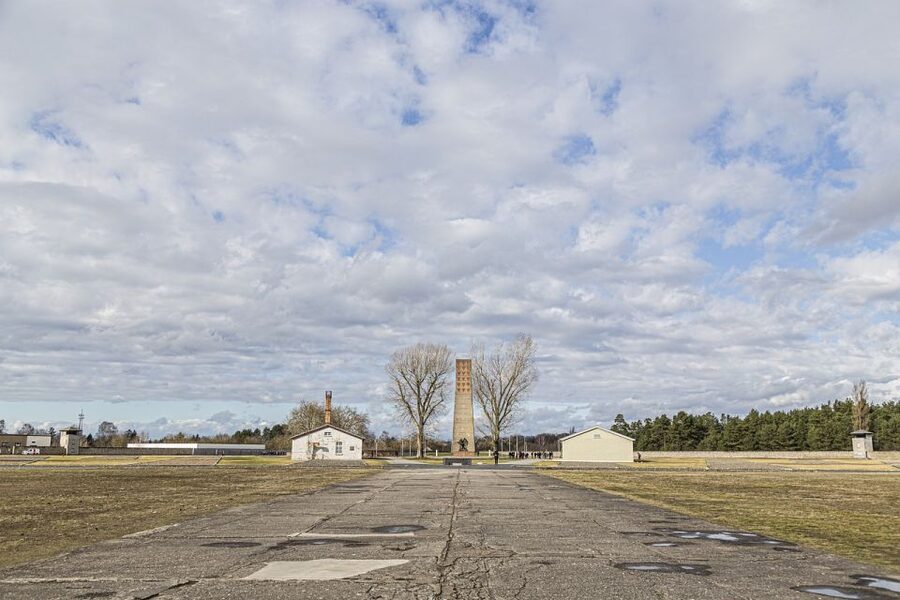
You will also see the former prisoner kitchen, now a museum that highlights key moments in the camp’s history.
I like including a site like this because it breaks the pattern of only passing through punishment and execution spaces. It gives you a different angle on daily camp life and how life moved under impossible conditions.
You are still walking through tragedy, but the narrative stays coherent. The guide helps you understand what this kitchen represents in the larger story.
Station Z: Where Many Executions Took Place
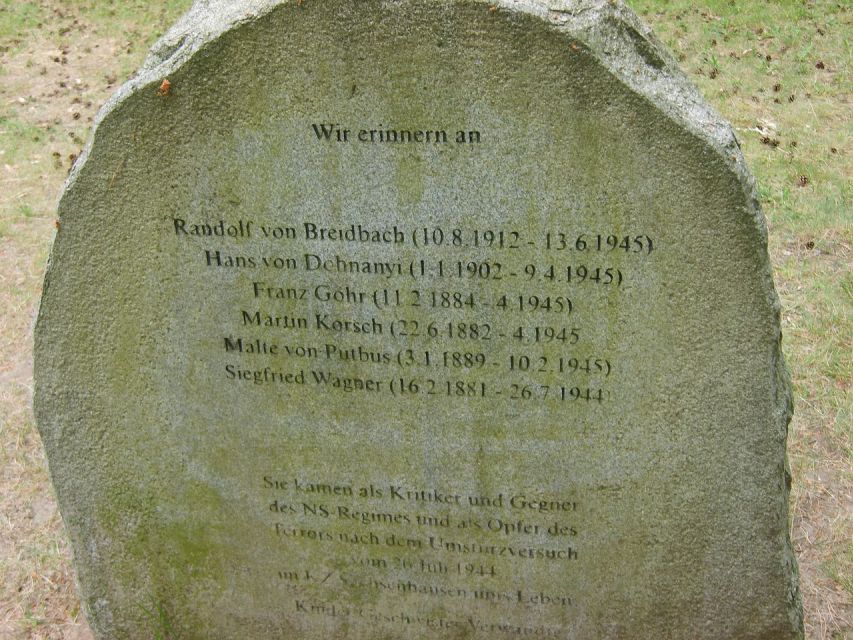
Then comes Station Z, where executions took place.
This is the section where the atmosphere changes. Even if you have read about the Holocaust and Nazi camps before, standing at a preserved or marked area tied to executions brings the history into sharper focus.
If you have questions, ask them here. Guides in this experience are often noted for answering patiently and keeping things respectful. In past tours tied to this company, guides such as Peter and Amelia have been singled out for balancing engagement with seriousness.
The Soviet Memorial Built in 1961: What the Site Meant After the War
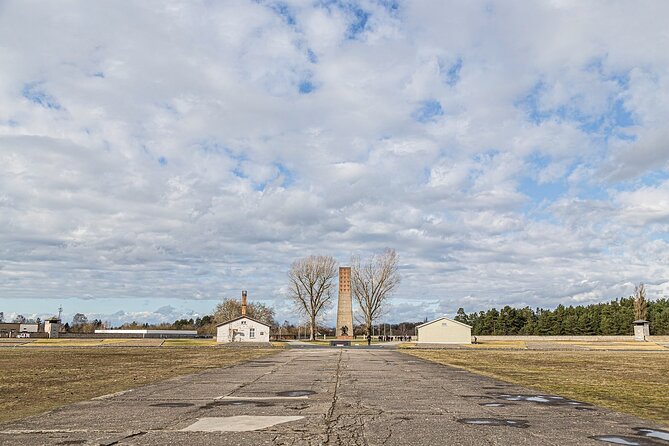
Finally, you will visit the Soviet memorial built in 1961. This part is valuable because it shows how the site’s meaning changed after WWII, and how different political contexts shaped memory.
You are not only learning about the Nazi camp era. You are also seeing how the memorial was used to communicate a postwar message.
That shift helps you understand something important: memorials are not fixed in time. They are part of history too, not just windows into it.
Timing, Comfort, and What to Bring for 5 Hours
The tour runs 5 hours. It is long enough to cover major stops at a serious pace, but it is still designed to keep you moving and not get lost in inactivity.
Plan on walking. Bring comfortable shoes, and yes, bring snacks. Winter days in Berlin can be brutally cold, and the experience is often adjusted for weather so you are not stuck outside forever. If you know you get cold easily, dress like you expect a chilly wait at transit points and then periods outdoors between stops.
Also, use the restroom when the guide gives you chances. On these tours, timing can be tight, and that one small habit can make a hard day feel more manageable.
What the Tour Includes, and Why the Price Feels Fair
The price is listed at $21 per person, and it includes the memorial entrance fee (3€ included) plus a guided visit with historical explanations. There is also skip-the-line entry through a separate entrance, which saves time at the site.
Train tickets are not included. You will pay separately for the ABC zone ticket. That is the only additional cost you should mentally plan for before you go.
In value terms, this is a good deal when you compare the full package: a licensed guide from Berlin, time on the train with context-building narration, and a guided route through the memorial’s most important areas. For a half-day activity with heavy subject matter, having interpretation and pacing handled for you is worth real money.
One more value point I like: this is not just a drop-off and free-roam setup. The guide stays with the group, helps with navigation between trains, and keeps the day organized from start to finish.
Who Should Book This Sachsenhausen Memorial Tour
This tour is a strong match if you want to understand the camp as a system, not just as a set of scary facts. The stop-by-stop structure, from Tower A and barracks areas to medical experiments, Station Z, and the Soviet memorial, helps you build a clear picture of how the Nazis ran imprisonment and how the site was interpreted afterward.
It also suits students and anyone doing serious history learning. Many guides here are praised for staying respectful while keeping the facts understandable, and that is a tough balance that you want in a place like Sachsenhausen.
If you need wheelchair access or mobility accommodations, skip this one. It is explicitly not suitable for wheelchair users and people with mobility impairments.
Should You Book This Tour?
Yes, if you want a guided, structured visit that helps you process what you see without guessing or wandering. The price is fair for the length and the inclusion of a licensed guide, plus the memorial entrance fee and skip-the-line entry.
I would only hold back if mobility limits your walking, or if you are not prepared for intense, emotionally heavy subject matter. If you can handle that, this is one of the most meaningful day trips you can do from Berlin.
FAQ
Where is the meeting point in Berlin?
You meet next to the World Time Clock at Alexanderplatz. Your guide will be waiting there and wearing Buendía accreditation.
How long is the tour?
The duration is 5 hours.
What is the price, and what is included?
The price is $21 per person. The tour includes a professional guide, entrance fee to Sachsenhausen Concentration Camp Memorial (3€ included), and a guided tour with detailed historical explanations. Train tickets are not included.
Do I need to buy train tickets, and which ticket?
Yes. You need to purchase an ABC zone train ticket before the activity. You can buy it at ticket machines in the stations or online on the Berliner Verkehrsbetriebe website.
How do we enter the memorial?
You get skip-the-line access through a separate entrance.
What languages are available for the live guide?
The tour offers live guidance in Spanish, English, German, French, and Italian.
What stops are covered during the visit?
The tour covers Tower A and the main entrance area, Barracks 38 and 39, the original punishment cells, the infirmary and morgue area related to medical experiments, the former prisoner kitchen museum, Station Z, and the Soviet memorial built in 1961.
Is the tour suitable for wheelchair users or people with mobility impairments?
No. It is not suitable for people with mobility impairments or wheelchair users.
Can I return to Berlin after the tour, or stay longer?
At the end, you can choose to return to Berlin by train with your guide’s help or stay longer to explore the memorial at your own pace.
What is the cancellation policy?
Free cancellation is available up to 24 hours in advance for a full refund.
More Tours in Berlin


More Sachsenhausen Memorial Visits

More Tour Reviews in Berlin
Recently added around Berlin


Sachsenhausen Memorial Tours, compared.
 ★ 5.0Sachsenhausen Concentration Camp Tour in EnglishFrom $365,711 reviews
 ★ 5.0Sachsenhausen Concentration Camp Bus Tour in English from BerlinFrom $681,962 reviews
★ 4.8Sachsenhausen Concentration Camp Tour in EnglishFrom $221,889 reviews
★ 5.0Sachsenhausen Concentration Camp Bus Tour in English from BerlinFrom $681,962 reviews
★ 4.8Sachsenhausen Concentration Camp Tour in EnglishFrom $221,889 reviews
 ★ 5.0Sachsenhausen Concentration Camp Memorial Tour (Max. 15 Guests)From $351,516 reviews
 ★ 4.6Sachsenhausen Concentration Camp and Potsdam TourFrom $651,334 reviews
 ★ 5.0Sachsenhausen concentration camp.From $341,189 reviews
 ★ 5.0Visita en español al campo de concentración SachsenhausenFrom $341,170 reviews
 ★ 4.9Sachsenhausen Concentration Camp Bus Tour in EnglishFrom $49709 reviews
Browse the lists this tour appears in