
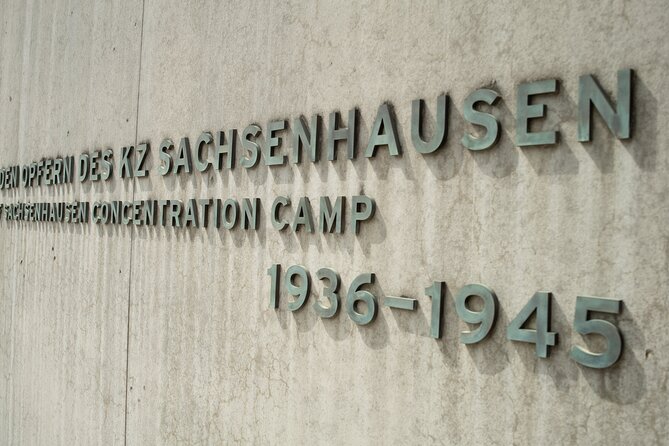
Tour review · SACHSENHAUSEN MEMORIAL TOURS
Berlin: Sachsenhausen Concentration Camp Tour in English
Cold gates, clear answers. This half-day tour helps you understand Sachsenhausen before, during, and after WWII with an English-speaking licensed guide and a set route you can follow without getting lost in details. I especially like the way the tour points you to the big, hard-to-miss sites like Station Z, the gas chamber area, and the gallows.
One thing to plan for: this is an emotionally heavy site and it involves moderate walking outdoors in all weather. If your mobility is limited, you’ll likely find the format tough since the tour is not wheelchair accessible.
Key things I found most useful
- Licensed English guide, plus a tight historical storyline that moves from camp creation to liberation and postwar use
- A route built around specific locations, including Station Z, Jewish barracks, punishment cells, and experimentation sites
- Clear transport plan from Berlin, using public transit and an ABC zone ticket
- Human stories alongside the system, including resistance efforts and notable prisoners like Stalin’s son
- Donation included (a €3 memorial donation is part of the price)
More responsibly guided visits to Sachsenhausen Memorial
- Berlin: Sachsenhausen Concentration Camp Tour in English★ 5.0 · 5,711 reviews
- Berlin: Sachsenhausen Concentration Camp Memorial Tour★ 4.7 · 3,716 reviews
- Sachsenhausen Concentration Camp Bus Tour in English from Berlin★ 5.0 · 1,962 reviews
- Berlin: Sachsenhausen Concentration Camp Tour in English★ 4.8 · 1,889 reviews
Berlin to Sachsenhausen: the exact rhythm of getting there and back
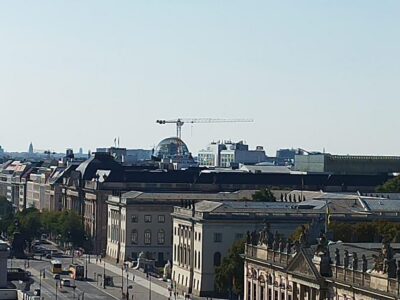
You start in central Berlin at Friedrichstraße train station, outside on the square near the Traenenpalast (Palace of Tears). Look for guides holding yellow umbrellas, and you’ll know you’re in the right place fast. You do not need to figure out the route alone, and that matters when you’re heading to a location where the details matter.
From there, the tour uses public transport, with a short train ride to Oranienburg. Expect the schedule to feel like a clean half-day: you take the train, walk a bit to the memorial grounds, then you’re on site for about 3 hours guided before returning to Berlin afterward. The total timing is listed as 5.5 to 6 hours, which is realistic once you include transit and the walking between stops.
Before you go, plan for the ticket. An ABC public transport ticket is required for the round trip. The operator says you can buy it on the day with help from on-site staff at the meeting point, so you should not show up assuming everything will be automatic.
Administration Center museum: why this first stop matters
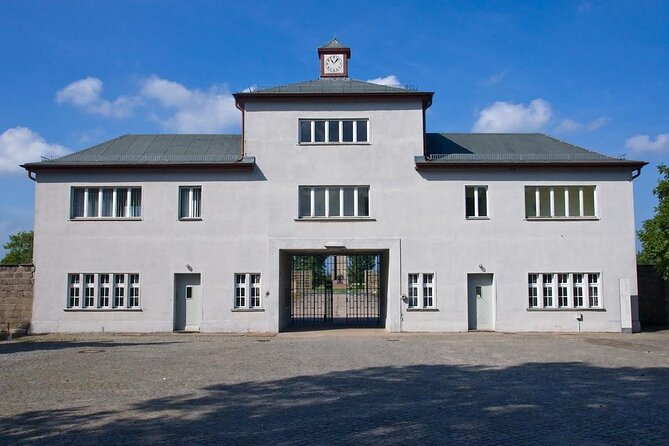
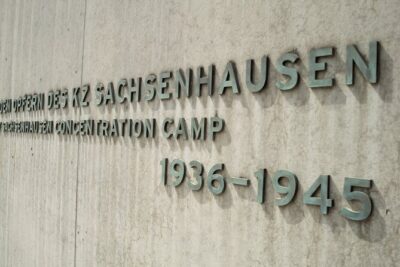
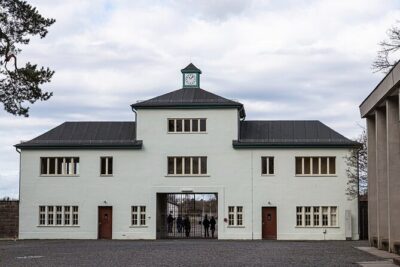
Your guided portion begins at the Camp Administration Center, which today functions as an on-site museum. This building is important because it frames the camp as an administrative machine, not just a collection of buildings. The tour explains that this site was once headquarters tied to overseeing the Third Reich’s wider camp system, including 32 main camps and over 1,000 satellite camps.
You’ll also get the timeline laid out in a way that helps everything else click into place. The tour covers why the SS began construction in 1936, how the camp expanded beyond initial targets, and what changed over time as the Nazi regime defined who was “dangerous.” Then the guide connects the final phase, including the Death March that happened before liberation in 1945.
One part I like here is that you’re not just told facts, you’re guided to understand why this building is a useful starting point. It makes the later stops feel less like isolated horror and more like how a bureaucracy organized suffering.
Barracks and daily cruelty: what you see on the ground
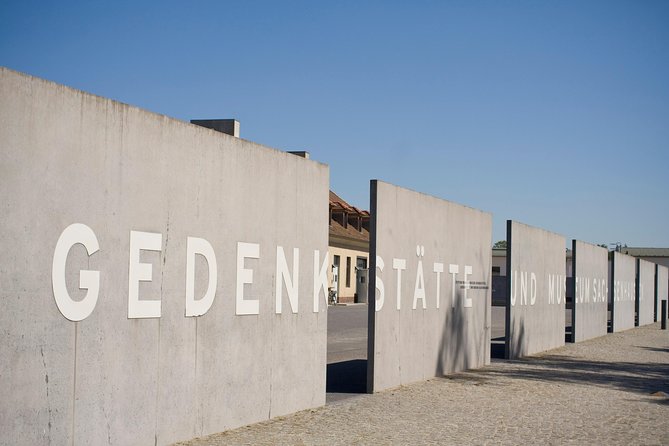
Once you’re on the memorial grounds, the experience shifts from history-of-the-system to history-of-the-body. This is where the tour’s practical, guided route really earns its keep. You’ll visit places tied to how prisoners were held, moved, and punished, including areas like the Jewish Barracks and the watchtower.
The tour also includes the Commandant’s House, which helps you grasp the separation of power and powerlessness. Then you move into areas like Punishment Cells, where the site focuses on what the camp did to control people through fear and confinement.
If you’re sensitive to details, you should know this is not a “lite” history visit. The memorial is designed to be direct, and the guide’s job is to give context without turning it into background noise. Several guides associated with this tour are described as respectful while still keeping the information organized, even when it gets difficult.
Punishment cells, experimentation areas, and the Pathology Lab
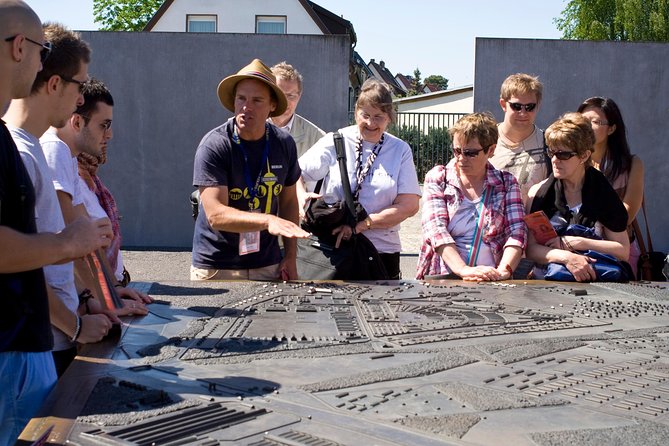
A key part of Sachsenhausen is that it wasn’t only about detention. The tour includes sites connected to human experimentation and related research, including the Pathology Laboratory and the Infirmary. You’ll also see the sites of experimentation referenced in the tour highlights, which is one reason this visit goes beyond standard “how it worked” history.
This section can feel heavy because it’s not only about what the camp did to people through labor and imprisonment. It also explains the cruelty wrapped in forced medical processes. The memorial’s layout gives you a sense of where those decisions were made and where victims were processed.
The best way to experience this without feeling overwhelmed is to slow down mentally between stops. Let the guide finish a thought before you move on, and use questions to anchor you. Many guides on this tour are repeatedly praised for patience with questions, which is useful because the topic can stir up confusion fast.
- Berlin: Reichstag, Dome and Government District Guided Tour
★ 4.7 · 18,288 reviews - Berlin: 1-Hour City Tour by Boat with Guaranteed Seating
★ 4.3 · 16,993 reviews - Berlin: Boat Tour Along the River Spree
★ 4.4 · 11,252 reviews - Discover Berlin Half-Day Walking Tour
★ 5.0 · 9,624 reviews - Berlin: Hop-on Hop-off Bus Tour with Live Commentary
★ 4.3 · 8,579 reviews
Station Z, the gas chamber area, and the logistics of mass murder
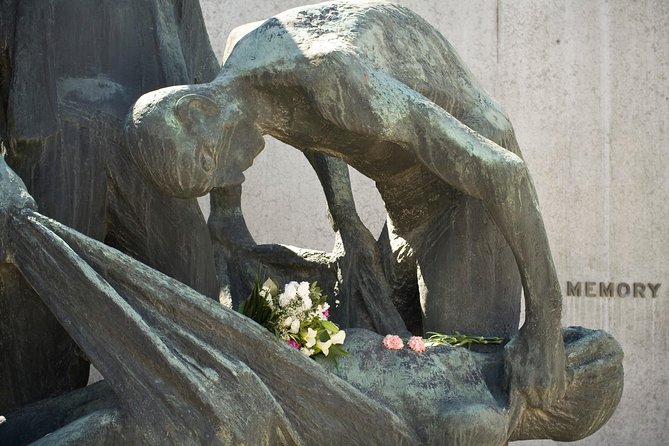
If you want the tour to feel like it’s telling a full story instead of skipping the worst parts, pay attention to the stops tied to extermination. The tour includes Station Z, a site associated with mass murder, and it also points out the locations connected to the gas chamber as part of the overall highlights.
This is one of the moments where a guide matters more than an audio app. The memorial sites are spaced and structured, and without interpretation you might miss how the systems connected. With a guide, you get the explanation in the right order, so you understand what you’re looking at.
You should also prepare for silence. Even if the group is large, the atmosphere at these points usually calls for respect and restraint. Bring that mindset with you, and you’ll get more clarity out of the guide’s commentary.
Resistance stories and notable prisoners: the human thread you need
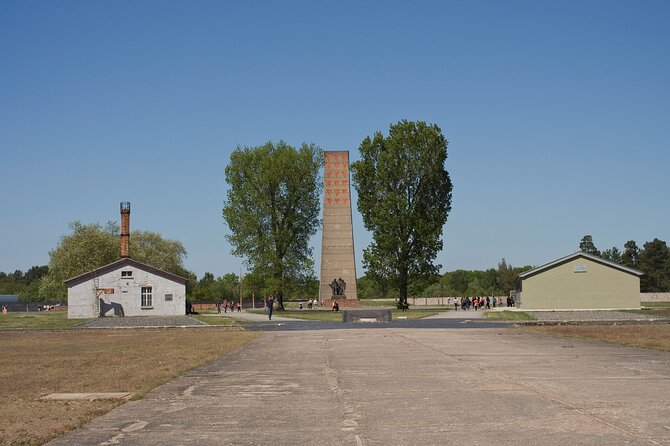
A Nazi camp can become a blur if you only hear about dates and categories. This tour tries to keep a human thread running through the visit, and I like that approach because it helps you remember what mattered.
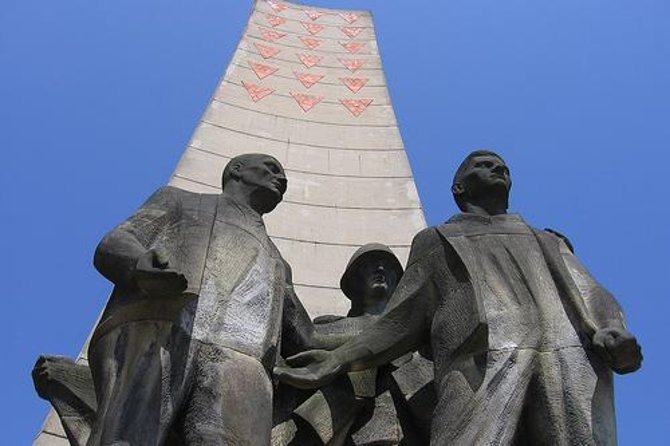
You’ll hear about resistance, including a Jewish prisoners revolt in 1942, defiance by British POWs, and acts of sabotage by Soviet and Polish prisoners. You’ll also learn about different prisoner groups and their tragic fates, so the story doesn’t stay stuck in one narrow slice.
The tour also mentions notable individuals imprisoned at Sachsenhausen, including Stalin’s son. That name is often used in history education because it makes the camp feel connected to famous world events, but the guide’s job is to keep it tied to what the camp did to real people, not just big names.
If you care about understanding this period with accuracy, this is where the tour can give you real value. It turns “I saw the buildings” into “I get the mechanisms of persecution and resistance.”
After 1945: Special Camp 1/7 and what the Soviets did with Sachsenhausen
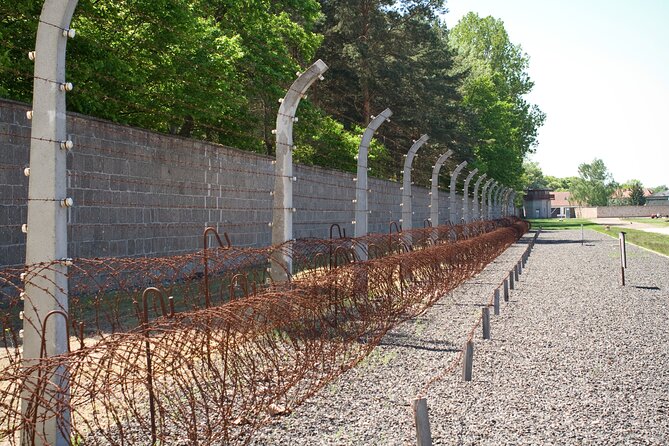
One of the most important parts of the tour is that it does not stop at 1945. You visit Special Camp 1/7, and the guide explains how the Soviets used Sachsenhausen after WWII.
This matters because many visitors arrive with a single story in mind, then leave surprised when they learn the site stayed active under a different regime. The tour frames this carefully, helping you understand the continuity of repression in postwar Europe without pretending the contexts are the same in every way.
You’ll also see the SS Training Camp. Including training ground space helps you connect the camp to the broader Nazi system of preparing personnel, which makes the atrocities feel less accidental and more constructed.
Time, weather, and group management: how the tour feels in real life
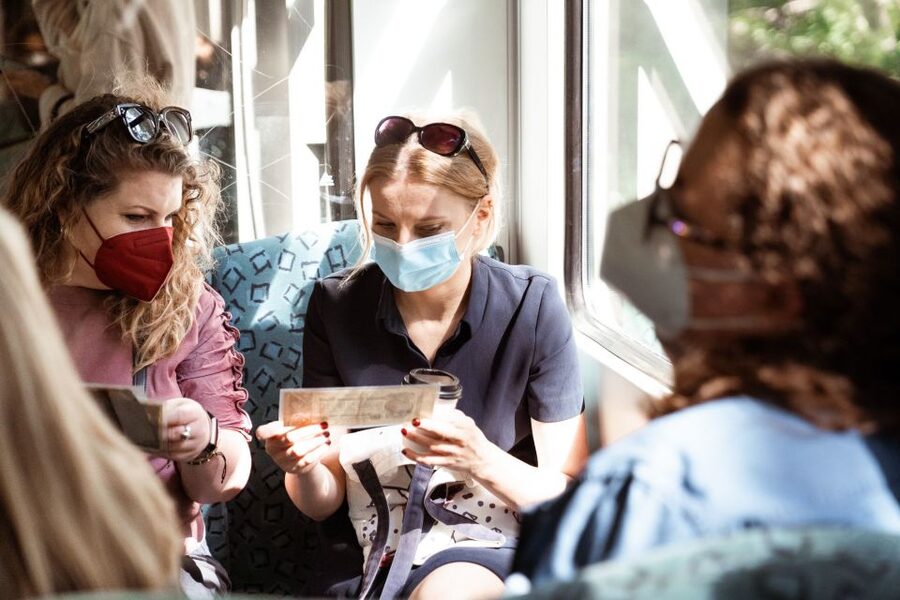
This trip is structured, but it still depends on weather and the group’s pace. The tour runs in all weathers, and the memorial grounds include open areas, so you’ll want layers. Comfortable shoes are not optional here, and you should plan snacks and water since food and drink are not included.
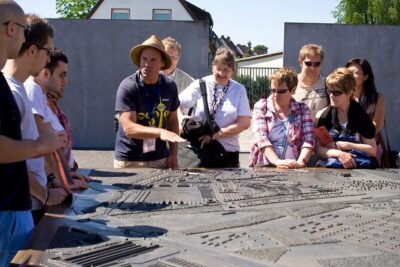
Group size can vary. On busier days, guides have been described as splitting people into smaller circles so you still feel guided rather than herded. If you’re the kind of person who likes to ask questions, look for guides who are known for being approachable at the right moments, and you’ll likely get more out of the day.
Some guides linked with this tour have a standout style. People mention Daniel for energy and keeping a respectful tone even when the content is extremely dark. You’ll also see praise for Paul Declan, Chris, Xavier, Lucia, Georgia, and Emma for clarity, patience, and sensitivity, plus for staying available to questions after the tour ends.
That matters because a concentration camp visit is not just about facts. It is about how you hold the facts in your head, without turning away at the hard parts.
Price and value: why $22 can be fair when you’re paying for interpretation
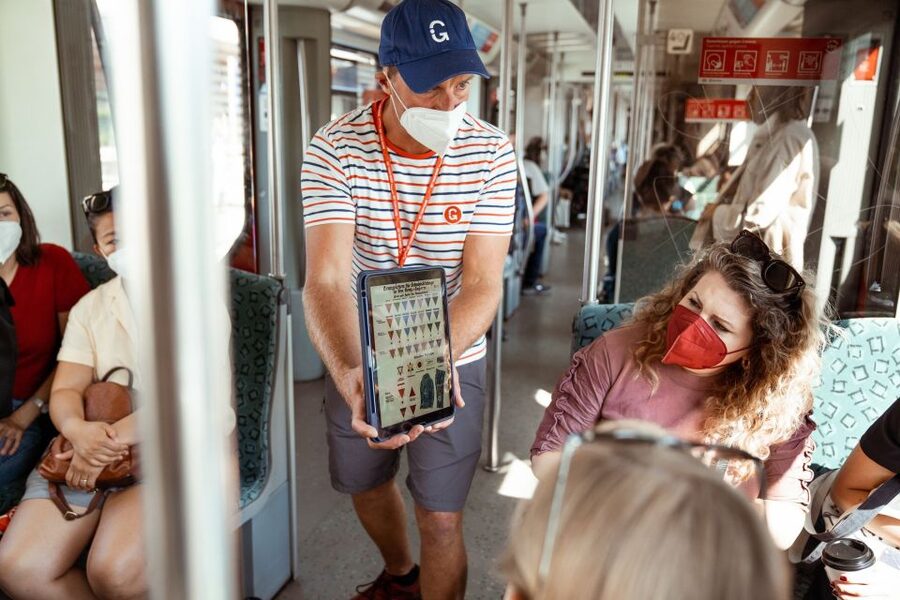
The price is listed at $22 per person, and it includes a €3 donation to the memorial. When you think about what you’re actually buying, the value starts to make sense: you get a licensed English-speaking guide, guided time on site, and structured route planning from Berlin.
You do pay separately for public transport, and food is not included. But you’re paying for something many independent visits skip, which is the ability to understand why each location matters and how the story connects across the grounds.
For a first-time visit to Sachsenhausen, that guide structure can be the difference between a frustrating walk-through and a meaningful lesson. If you want the memorial to make sense in an hour or two instead of taking weeks of background reading, this format is a smart match.
Who should book this Sachsenhausen tour, and who should reconsider
This tour is a strong choice if you want an English guided visit with a clear sequence. It fits you if you like learning with direction, asking questions, and walking through specific sites instead of wandering. It is also a good fit if you’re visiting Berlin for a short time and you want to use it efficiently.
It may not be the best choice if you have limited mobility or walking issues since the tour is not wheelchair accessible and involves moderate walking. It can also feel emotionally intense even for people who consider themselves prepared.
The guides are often praised for handling the subject with sensitivity, but you should still arrive knowing this is hard history. If that’s a concern, you can still go, but you should commit to pacing yourself and taking breaks when you need them.
Quick FAQ
FAQ
Where do I meet my guide in Berlin?
Meet your guide outside Friedrichstraße train station on the square beside the Traenenpalast (Palace of Tears). Look for guides holding yellow umbrellas.
What ticket do I need for the trip to Sachsenhausen and back?
You need an ABC public transport ticket for the required public transit zones. The information says you can purchase it on the day with help from on-site staff.
How long is the tour?
The duration is listed as 5.5 to 6 hours total, including transit and about 3 hours of guided time at the Sachsenhausen Memorial.
What is included in the price?
Included items are a licensed English-speaking guide, a guided tour of the camp, and a €3 donation to the camp memorial.
What should I bring?
Bring comfortable shoes, snacks, water, and comfortable clothes. You also need your public transport ticket.
Is the tour wheelchair accessible?
No. The tour is not wheelchair accessible and is described as not recommended for people with limited mobility or walking impairments.
Should you book this Sachsenhausen tour?
Yes, if you want your Berlin visit to include a serious, structured look at Sachsenhausen’s role before, during, and after WWII with an English guide leading the way. The mix of major sites, the timeline (including postwar Soviet use), and the inclusion of resistance stories and notable prisoners like Stalin’s son make this format work.
If you cannot handle moderate walking or outdoor weather, you might want to choose a different plan. Otherwise, this is the kind of half-day trip that gives you more than sightseeing, because it helps you understand what you’re seeing as you’re seeing it.
More Tours in Berlin



More Sachsenhausen Memorial Visits

More Tour Reviews in Berlin
Recently added around Berlin



Sachsenhausen Memorial Tours, compared.
 ★ 5.0Sachsenhausen Concentration Camp Tour in EnglishFrom $365,711 reviews
 ★ 4.7Sachsenhausen Concentration Camp Memorial TourFrom $213,716 reviews
 ★ 5.0Sachsenhausen Concentration Camp Bus Tour in English from BerlinFrom $681,962 reviews
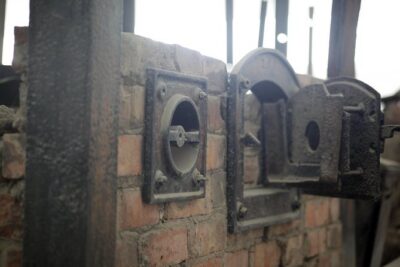 ★ 5.0Sachsenhausen Concentration Camp Memorial Tour (Max. 15 Guests)From $351,516 reviews
 ★ 4.6Sachsenhausen Concentration Camp and Potsdam TourFrom $651,334 reviews
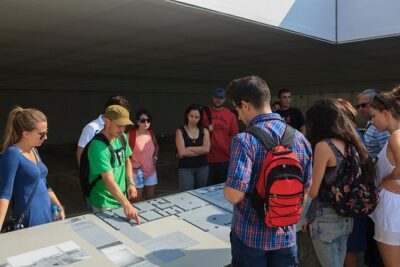 ★ 5.0Sachsenhausen concentration camp.From $341,189 reviews
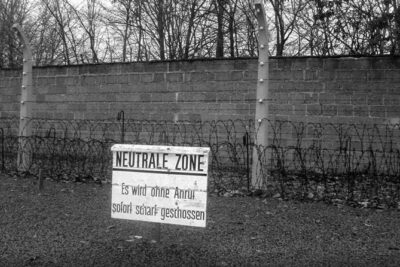 ★ 5.0Visita en español al campo de concentración SachsenhausenFrom $341,170 reviews
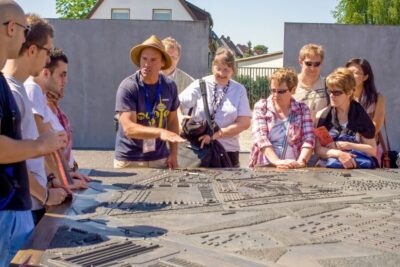 ★ 4.9Sachsenhausen Concentration Camp Bus Tour in EnglishFrom $49709 reviews
Browse the lists this tour appears in