
Tour review · SACHSENHAUSEN MEMORIAL TOURS
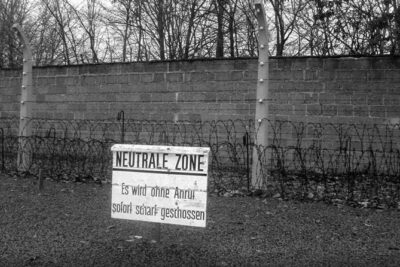
Sachsenhausen concentration camp.
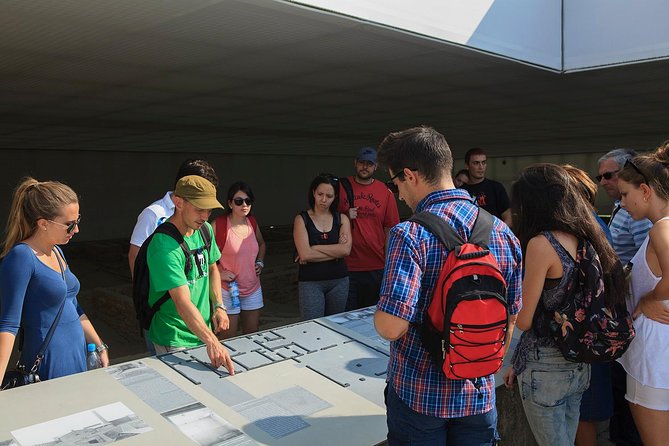
Six hours here changes how you see history. This Sachsenhausen experience takes you through the camp’s evolution, from Nazi-era political imprisonment to the post-war Soviet period, and it does it with a clear focus on how people actually lived inside.
What I like most is the Spanish-speaking local guide who keeps the story organized and respectful. I also appreciate that you get museum admission included, so your time at the memorial is not just a quick look, it is the real, on-site material.
One thing to consider: this is a sensitive subject and you will be walking for much of the day. Plan for moderate physical demands and wear comfortable shoes, because you will cover a lot at the site and around the meeting area.
Key highlights at a glance
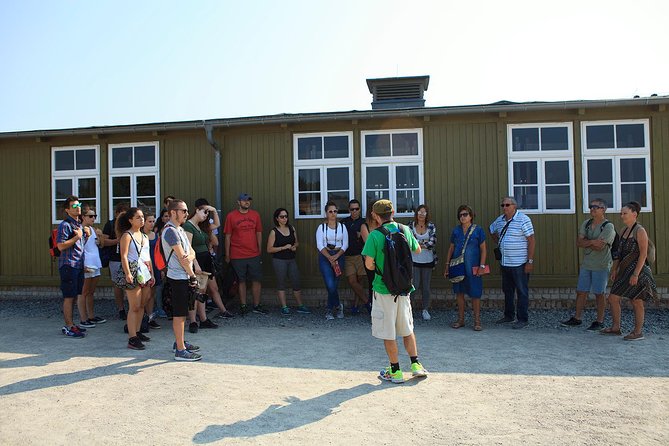
- 6 hours in total, paced for a serious memorial visit rather than a rushed drive-by stop
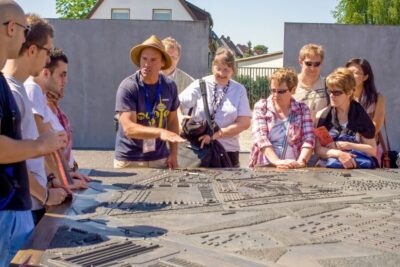
- Spanish-speaking local guide, with strong preparation and a respectful approach
- Gedenkstätte und Museum Sachsenhausen on site, with admission ticket included
- Big picture to ground level, covering daily life, prisoners, and individual profiles
- Clear historical timeline, including the shift from Nazi camp use to the NKVD special camp period
More responsibly guided visits to Sachsenhausen Memorial
- Berlin: Sachsenhausen Concentration Camp Tour in English★ 5.0 · 5,711 reviews
- Berlin: Sachsenhausen Concentration Camp Memorial Tour★ 4.7 · 3,716 reviews
- Sachsenhausen Concentration Camp Bus Tour in English from Berlin★ 5.0 · 1,962 reviews
- Berlin: Sachsenhausen Concentration Camp Tour in English★ 4.8 · 1,889 reviews
Sachsenhausen from Berlin: what a 6-hour visit really means
If you want a memorial tour that takes the material seriously, this one works. It runs about 6 hours, starting at 10:00 am and capped at 30 travelers, which helps keep the group experience manageable.
The format is also practical. You will use a mobile ticket, and you will meet at a very easy landmark: the Berlin TV Tower area (Panoramastraße 1A, Berlin). That matters, because getting to a major memorial can be stressful if the group’s starting point is vague.
Value-wise, the price is $34.76 per person. That sounds modest for a guided memorial experience, and the key reason is that admission is included for the museum portion, not only the escort to the site. For a visit that is meant to be thoughtful, spending less on “logistics” and more on “time with the material” is usually the right trade.
The memorial grounds at Gedenkstätte und Museum Sachsenhausen
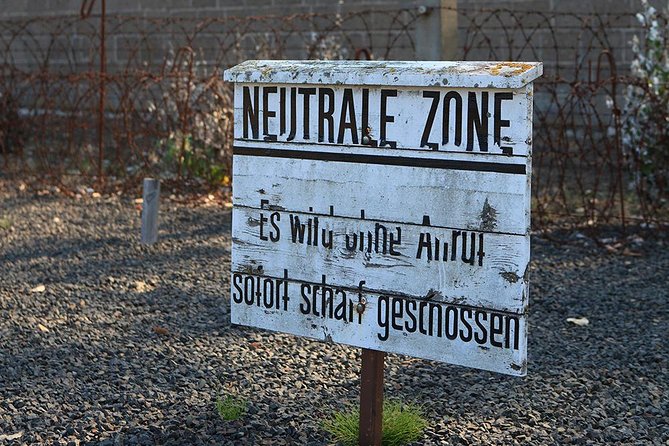
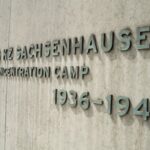
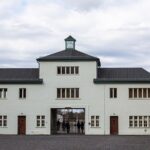
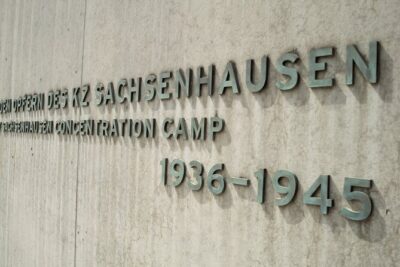
The core of the experience happens at Gedenkstätte und Museum Sachsenhausen, the memorial and museum on the former camp site near Oranienburg. This camp was used by the Nazis from 1936 to May 1945, with a focus on political prisoners.
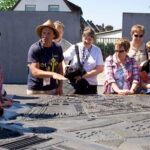
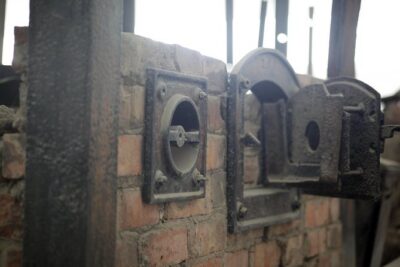
What you’re really doing here is learning how a concentration camp functioned as a system. The tour is built around the camp’s entire history, but it also focuses on day-to-day life and the reality of how prisoners were treated. That blend matters, because it prevents the “dates and names only” problem that can happen in history tours.
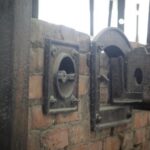
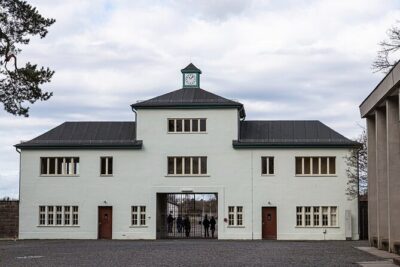
You also get a structured look at prisoners and their profiles. That approach gives the story a human scale, without turning it into something casual. The museum grounds include remaining buildings, and that physical presence helps your brain connect what you’re hearing to what still exists.
A practical expectation: this is not a quick stop. Plan on using most of your time inside and around the memorial grounds, not just at the entrance. The museum portion runs about 3 hours, and that’s exactly the part where you want enough time to read signs slowly and take in details.
Nazi-era political imprisonment: what you’ll focus on
From 1936 onward, Sachsenhausen operated as a major Nazi concentration camp. The tour framing is not just “this existed,” it is “this is how it worked and who it affected,” especially through the focus on political prisoners.
I like that the tour treats history as more than one chapter. You move through the camp’s evolution over time, so you can see how policies translated into rules, routines, and punishment. That makes the memorial visit more than a static exhibit.
You should also expect a strong emphasis on respect and clarity. The feedback highlights a guide who stays serious and prepared, which is what you want for this topic. When someone knows the material well, you spend less energy worrying whether the story will be distorted or rushed.
One more reality check: this kind of tour is emotionally heavy. You do not need to be an expert to get value, but you do need to be mentally ready to read and hear about suffering in a direct way.
After May 1945: the NKVD special camp period
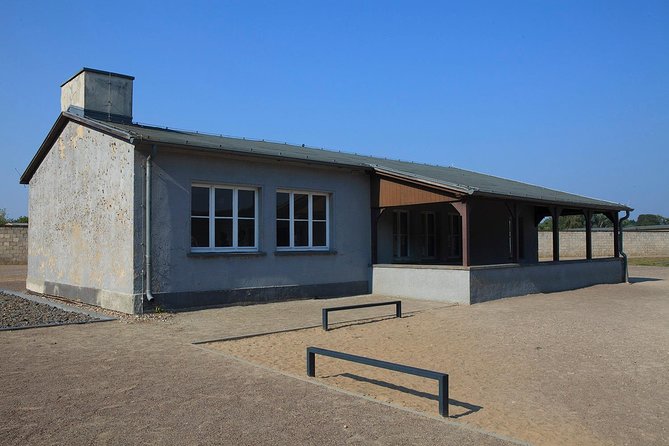
One of the most important parts of the experience is the shift after World War II. After the war, Oranienburg was in the Soviet Occupation Zone, and the site was used as an NKVD special camp (referred to as NKVD special camp No. 7) until 1950.
Including this chapter is crucial if you want an honest understanding of the site’s full timeline. It prevents a common misconception that a place like this simply “ended” with the fall of the Nazis. Instead, you see how control of the camp changed hands while the structure and incarceration continued in a new political context.
The tour’s way of handling this is meant to be educational and organized: it reviews the whole history and then brings you to how prisoners lived through those changing periods. If you care about understanding history accurately, that continuity is a big part of the value.
- Berlin: Reichstag, Dome and Government District Guided Tour
★ 4.7 · 18,288 reviews - Berlin: 1-Hour City Tour by Boat with Guaranteed Seating
★ 4.3 · 16,993 reviews - Berlin: Boat Tour Along the River Spree
★ 4.4 · 11,252 reviews - Discover Berlin Half-Day Walking Tour
★ 5.0 · 9,624 reviews - Berlin: Hop-on Hop-off Bus Tour with Live Commentary
★ 4.3 · 8,579 reviews
The guide experience: Spanish, preparation, and respectful pacing
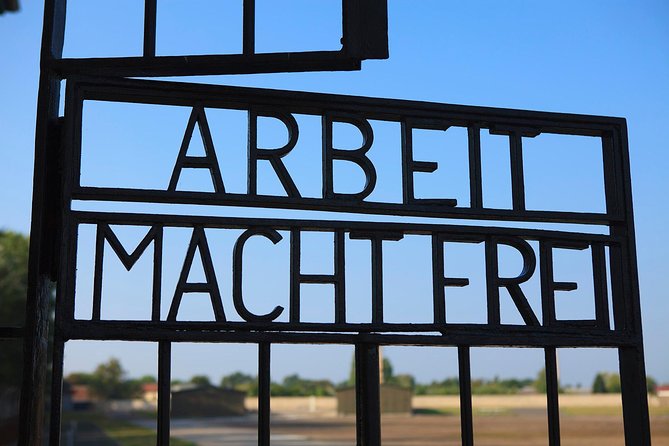
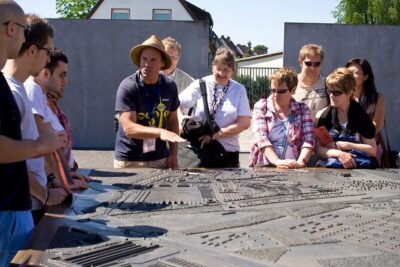
This tour includes a local Spanish-speaking guide, and that detail affects how you should plan. If Spanish is your comfort language, you’ll likely get the most out of the explanations, especially when the guide is covering prisoners’ profiles and how daily life worked in the camp.
The strongest praise in feedback points to the guide’s seriousness, knowledge, and preparation. One guide name that shows up in feedback is Juan, and people specifically connect him with the tour’s respectful tone and know-how on such an important subject.
That preparation also shows up in how you get oriented during the day. The meeting point and start are clear, and the tour description notes that your guide will explain how to get to points in the city that you want to reach after the tour. There is no strict “final drop-off point,” so this orientation is not just a nice extra. It helps you avoid that post-tour scramble.
If you do not speak Spanish, you can still benefit, but your experience will depend on what you can follow. A memorial tour gains a lot when you understand the explanations as they happen, not just the signs after the fact.
Logistics that matter: shoes, walking, and your Berlin day plan
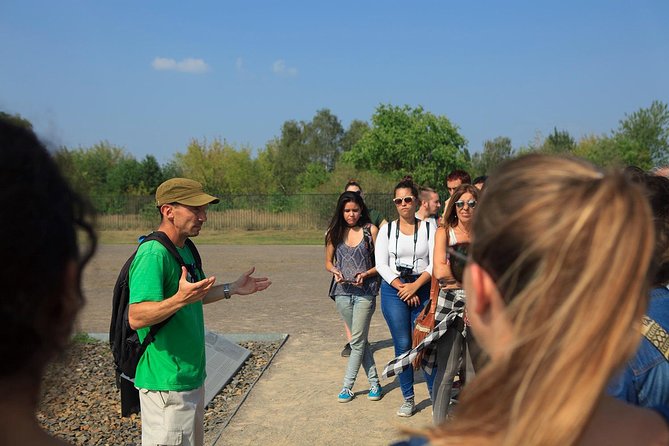
The tour is about 6 hours, and you should assume a mix of walking and time spent reading. The operator specifically recommends comfortable shoes and notes that travelers should have a moderate physical fitness level.
That’s not just boilerplate. Memorial sites often involve pathways, stops at multiple points, and uneven walking surfaces. Also, you are not only moving between the museum and an exit. You are moving between different historical areas of the same site, where it makes sense to slow down.
Timing starts with 10:00 am at the Berlin TV Tower area. Try to arrive early enough to settle your bearings, especially if you are meeting a group. This starting location is easy to find, but you still want buffer time.
Also plan for what you will do about food. Food and drink are not included, so you should bring snacks or plan a meal before and after. The tour day can feel long if you are hungry, and you want your energy for the on-site material.
Finally, the end point is listed as Mitte, Berlin, with no specific finishing location. That means you should decide in advance what neighborhood or transit station you want to head toward next. If you’re staying near central Berlin, this is convenient, but it helps to have a plan.
Price and value: $34.76 plus admission included
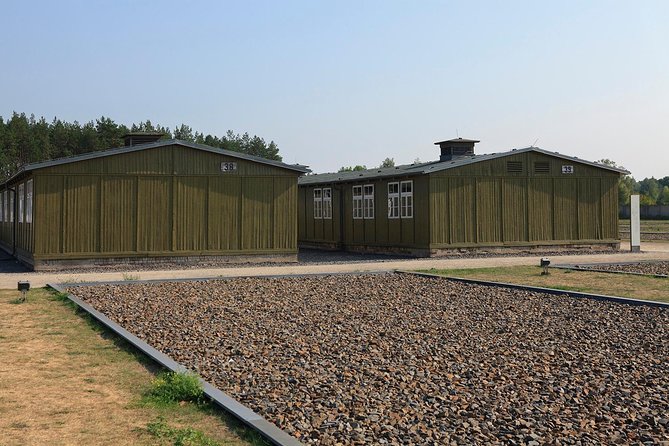
Let’s talk value in real terms. At $34.76 per person, you are paying for a guided memorial experience with a local Spanish-speaking guide, a structured walkthrough of the site, and museum admission included for the on-site portion.
Admission being included is the big deal. Memorial museums often cost extra, and without included entry, you can end up paying two times, once for the guide and again to actually access the key exhibits. Here, the price is set up so your money supports both the learning and the on-site access.
The tour also keeps the group size reasonable at a maximum of 30 travelers. For a sensitive, structured topic, smaller groups usually mean you can hear better and keep questions within reach.
One more value note: the experience uses a mobile ticket, which usually makes day-of check-in smoother. I still recommend keeping a screenshot of your ticket info in case your phone battery misbehaves.
What’s not included matters too. Food and drink are not included, and an ABC transportation ticket is not included. So while the tour price is fair, you will still need a bit of your own planning for meals and local transit.
Who should book this Sachsenhausen tour?
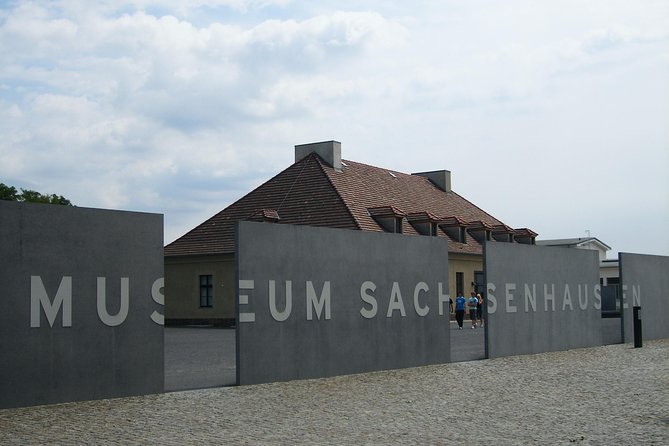
This is a good fit if you want a serious memorial visit that connects the story of Sachsenhausen to how it affected real people. If you like organized tours that cover both the big timeline and day-to-day life, you’ll likely appreciate the structure.
It also suits you if you plan to travel with a guide who can keep the tone respectful and grounded in facts. The strongest feedback emphasizes that kind of preparation, with serious handling of an important subject.
Language is the main personal factor. Because the guide is Spanish-speaking, this works best for Spanish speakers or travelers with enough Spanish to follow explanations without constantly checking your phone.
If you are traveling with mobility limits, keep in mind the tour notes moderate physical fitness and walking long distances. If walking is tough for you, you might want to consider a different format or ask whether there are options to reduce walking. (The data here does not say there are.)
Should you book this Sachsenhausen tour?
I’d book it if you want a guided visit that treats Sachsenhausen as more than a photo stop. You get enough time on site for real learning, plus museum admission included, plus a guide who is praised for preparation and seriousness.
I would not rush to book if you know you cannot handle a heavy topic, or if you strongly rely on receiving explanations in a language you do not speak. Also, if you hate walking and reading, build in time buffers and pack essentials, because this tour expects you to move and absorb.
If your goal is authentic understanding, this is one of those Berlin-area experiences where the price is reasonable because the time and entry are already built in. Book it, show up early, wear good shoes, and give yourself a moment before you start to decide how you want to pace your attention at the memorial.
FAQ
How long is the Sachsenhausen tour?
The experience lasts about 6 hours.
What is included in the tour price?
It includes a local Spanish-speaking guide and admission ticket included for the museum portion.
What is not included?
Food and drink are not included, and an ABC transportation ticket is not included.
Where do I meet the guide?
You meet at the Berlin TV Tower area (Panoramastraße 1A, 10178 Berlin).
Where does the tour end?
The tour ends in Mitte, Berlin. The description notes that the guide does not have a specific finishing point.
Is the tour ticket mobile?
Yes, the tour features a mobile ticket.
Is free cancellation available?
Yes, you can cancel for a full refund up to 24 hours before the experience start time.
More Sachsenhausen Memorial Visits

More Tour Reviews in Berlin



Recently added around Berlin

Sachsenhausen Memorial Tours, compared.
 ★ 5.0Sachsenhausen Concentration Camp Tour in EnglishFrom $365,711 reviews
 ★ 4.7Sachsenhausen Concentration Camp Memorial TourFrom $213,716 reviews
 ★ 5.0Sachsenhausen Concentration Camp Bus Tour in English from BerlinFrom $681,962 reviews
★ 4.8Sachsenhausen Concentration Camp Tour in EnglishFrom $221,889 reviews
★ 5.0Sachsenhausen Concentration Camp Bus Tour in English from BerlinFrom $681,962 reviews
★ 4.8Sachsenhausen Concentration Camp Tour in EnglishFrom $221,889 reviews
 ★ 5.0Sachsenhausen Concentration Camp Memorial Tour (Max. 15 Guests)From $351,516 reviews
 ★ 4.6Sachsenhausen Concentration Camp and Potsdam TourFrom $651,334 reviews
 ★ 5.0Visita en español al campo de concentración SachsenhausenFrom $341,170 reviews
 ★ 4.9Sachsenhausen Concentration Camp Bus Tour in EnglishFrom $49709 reviews
Browse the lists this tour appears in