
Tour review · BERLIN NEIGHBOURHOOD TOURS
Gastro Tour with Klaus though the Wrangelkiez, Kreuzberg
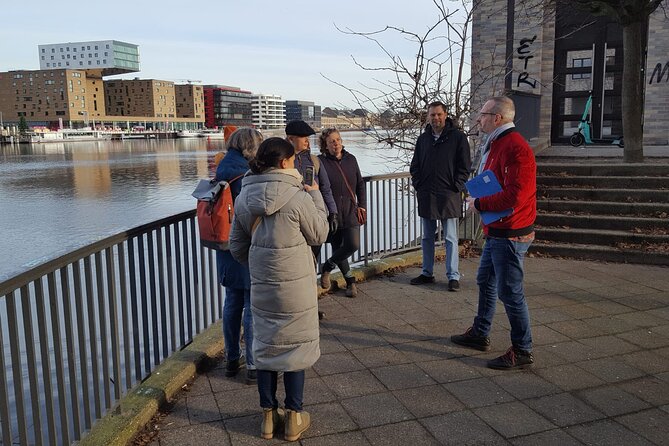
Berlin tastes better when you walk. This gastro tour with Klaus cuts through the Wrangelkiez and Kreuzberg like a local, mixing border-area landmarks with snack stops across international food streets. You start near the Oberbaumbrücke, pass the preserved edge-of-the-wall relics, and end by Schlesisches Tor, where the subway is not underground.
I especially like two things. First, the plan is built around snacks at five Gastro Partners, so you get variety instead of one big meal. Second, Klaus connects what you see to everyday Kreuzberg life, including how the former partition shaped the neighborhood.
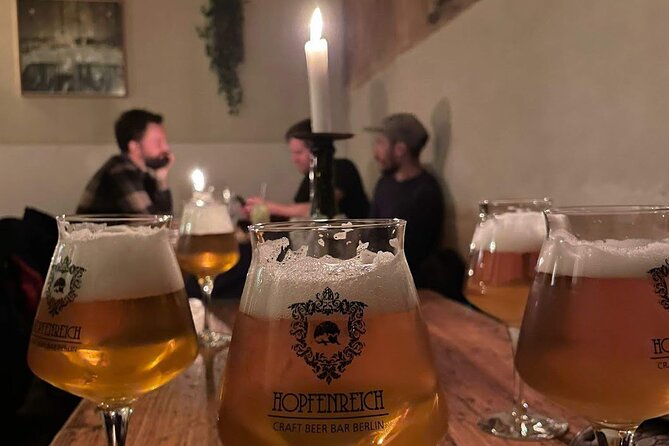
One thing to consider: drinks are not included. If you like beer, wine, or non-alcoholic extras during a tour, plan on paying more.
Key points to know before you go
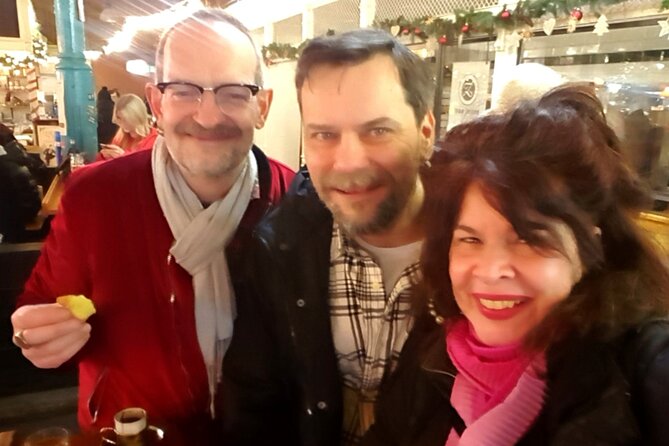
- Five snack stops at local Gastro Partners, with selected tastings and some street-food style options
- Border-area history you can still point to, including the preserved GDR Watch Tower relic
- Klaus’s personally tested food picks along Falckensteinstraße and Wrangelstraße
- Small group size with a maximum of 15 people
- English tour with a mobile ticket, near public transportation
- Ends near Schlesisches Tor, and the metro station is not underground
More of Berlin’s street art, studios and alternative culture
- Berlin: Alternative Berlin Walking Tour★ 4.6 · 1,204 reviews
- Berlin: City Street Art Guided Walking Tour★ 4.8 · 886 reviews
- Berlin: 3-Hour Street Art Tour★ 4.7 · 778 reviews
- Kreuzberg: Culinary Food Tour★ 4.5 · 770 reviews
Why This Wrangelkiez Gastro Tour Works So Well
A lot of food tours stop at the food. This one treats food like a way to read the city. You walk through Kreuzberg and the former border zone, then taste what that history and today’s mix of cultures has created.
The big win is the rhythm. You get short bursts of storytelling at landmark stops, then you shift gears to eating in the neighborhood where people actually spend time. That means you leave with more than recipes. You get a mental map of why certain streets feel the way they do.
Also, the tour is designed to be practical. It runs about 3 hours and keeps things moving. You are not stuck at one spot for ages. And because the group is capped at 15, it feels like a guided walk you can keep up with, not a mass event.
Price and timing, and what you get for $83.08
At $83.08 per person for about 3 hours, the value depends on one key detail: the snacks are included. The tour stops at five Gastro Partners for selected tastings. That is not just a small bite at one place, it is a spread of flavors across the evening.
You also get a local guide and a route that aims to keep you away from the most crowded tourist circuits. If you like feeling like you are in the neighborhood, not hovering at the edge, that matters.
Booking patterns can tell you how popular this is. On average, it is booked around 94 days in advance. If you want a specific day, you will usually have better odds booking earlier rather than later.
Start at Cuvrystraße, finish near Schlesisches Tor
You meet at Cuvrystraße 2, 10997 Berlin. The tour is near public transportation, so you should have a few easy routes in. You end around the Schlesisches Tor area, at Gastro Partners near the metro.
One nuance: the exact end spots can change depending on the season. That is helpful because it means the operator can adjust to what is open and active. For you, it means the last stretch will feel flexible, but still tied to public transit.
Plan your shoes accordingly. This is a walk-through tour with several quick stops. Even though the landmark moments are short, the overall movement through Kreuzberg adds up.
Stop 1 at Oberbaumbrücke: the bridge that tells Berlin’s split story
You begin at the Oberbaumbrücke, one of Berlin’s best-known landmarks and a connection point between East and West. Your guide sets the scene with the bridge’s local history, which helps you understand why it matters far beyond being a pretty structure.
This is a smart first stop because it gives you orientation. Before you get food on board, you learn how this area fits into Berlin’s older divisions. That context pays off later when you see the preserved remnants of the border zone.
Time here is brief, about 10 minutes. That is not enough for a deep museum lesson, but it is enough to get you thinking in the right direction. If you like quick context before you explore, you will enjoy this pace.
More routes into Berlin’s distinct neighbourhoods
- Berlin: Charlottenburg Palace Entry Ticket
★ 4.4 · 2,076 reviews - Berlin: Kreuzberg Guided Walking Evening Tour
★ 4.7 · 555 reviews - Berlin: Alternative Bike Tour of Kreuzberg & Friedrichshain
★ 4.7 · 548 reviews - Berlin: 2.5-Hour Walking Tour through Kreuzberg 61
★ 4.9 · 525 reviews - Berlin Off-the-Beaten-Path Walking Tour: Kreuzberg, Mitte and Friedrichshain
★ 5.0 · 412 reviews
Stop 2 at Lohmühleninsel: the small island with a lot going on
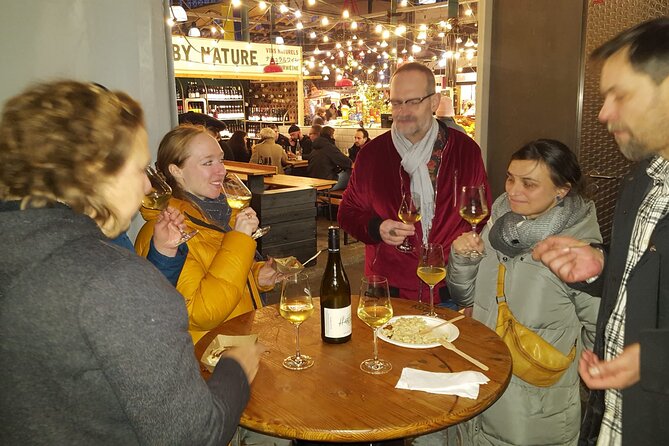
Next comes Lohmühleninsel, a small parcel of land with an eventful history and lesser known architectural monuments. The value of this stop is that it pulls you away from the usual headline sites.
This is the kind of place where a guide matters. Even if you know the basic neighborhood, you might not automatically connect an overlook, a corner of land, or a structure to the wider story of Berlin. With Klaus leading, you get the “why” behind what you are seeing.
Again, the time is around 10 minutes. Treat it as a chapter opener, not the whole book. The goal is to make the later stops feel connected instead of random.
Stop 3 at the GDR Watch Tower: a preserved border relic
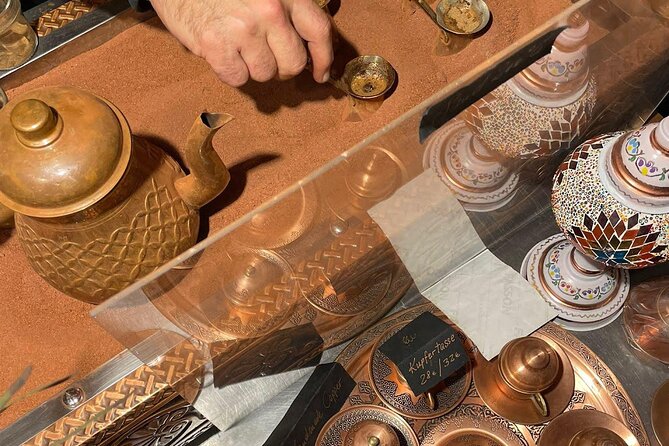
Then you hit the GDR Watch Tower, a preserved relic in the former border area. Your guide explains how the Wall made places like Kreuzberg and Alt-Treptow feel peripheral to the city during the partition.
This is a short stop at about 5 minutes, but the emotional weight is real. Even in a quick visit, a preserved structure gives you something tangible. You are not just hearing about history in abstract terms, you are seeing a piece of what shaped daily movement.
Practical tip: if you want to take photos, do it efficiently. Because the stop is short, there is little time for lingering. But a quick snapshot from a couple of angles usually works.
Stop 4 at Görlitzer Park: a break with context and contrast
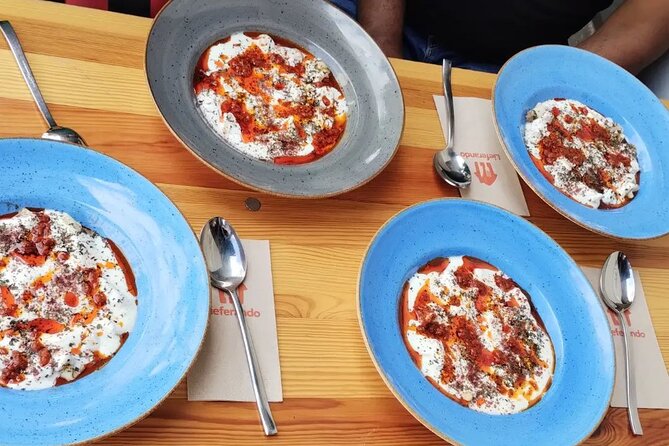
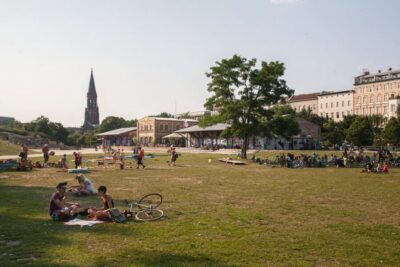
After that, you pause at Görlitzer Park, a recreational area for the neighborhood. Klaus also shares anecdotes about its history and why it has a bad reputation today.
This stop is useful because it adds texture. Kreuzberg is not only about monuments and dramatic history. It is also about public space, daily life, and the way a place can evolve. A park can feel inviting one day and complicated another, depending on how you understand it.
Because the tour gives you about 10 minutes here, you should see this as a guided pause. It helps you regroup before the food-focused stretches start.
Stop 5 on Falckensteinstraße: the street with the international food density
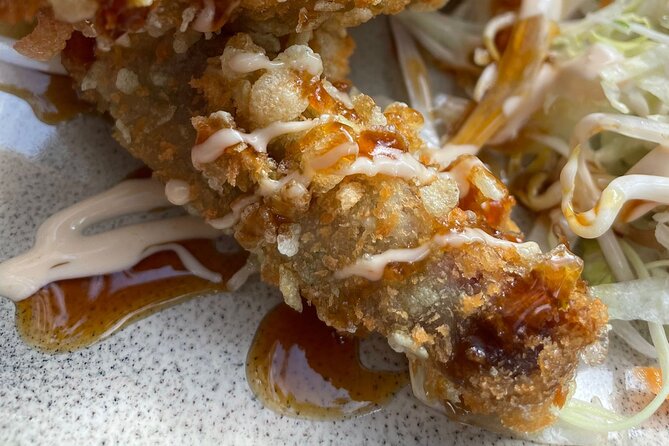
Falckensteinstraße is where the tour leans hard into the food. This is one of the central streets of the neighborhood, and it has an extraordinary density of international gastro offers.
Here, you get about 30 minutes, and Klaus points you toward highlights he has personally tested. That matters because “many choices” can also mean “choice overload.” Instead of wandering hungry and hoping, you get a path forward.
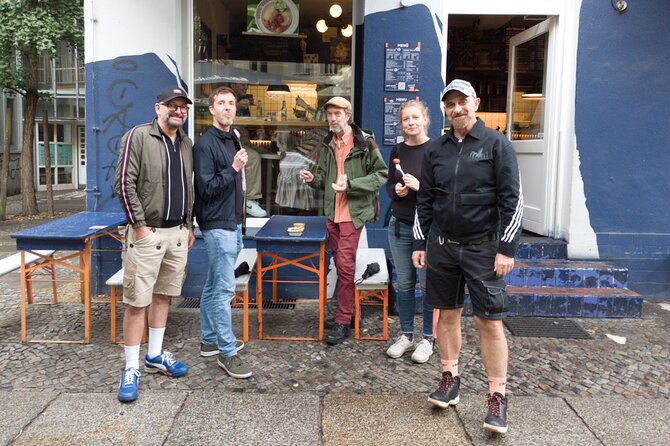
You will also be sampling snacks across five Gastro Partners over the evening. Some of those tastings can be street-food stalls, which keeps the experience grounded in how people actually eat in Berlin neighborhoods.
One downside to keep in mind: the tasting approach is snack-sized by design. Drinks are not included, so if you want something beyond water, you will likely need to budget for it during the evening.
Stop 6 on Wrangelstraße: the Romanesque-style monastery church and more bites
You finish the main walk portion on Wrangelstraße, the name-giving street of the neighborhood. Klaus shows you a church built in the style of a Romanesque monastery, which adds a different architectural note to the route.
Then the food density continues. After your tastings on Falckensteinstraße, you are still in the same zone of international options, with more potential places to keep eating or just browse.
From there, you get a final choice. Klaus can take you to Schlesisches Tor so you can continue easily by subway, and the station is not underground. If you would rather keep the night going, you also have the option to rest in a Kiez pub.
That end flexibility is practical. You are not forced into a single last stop. It suits different travel styles, from early-night rail travelers to people who want to continue the evening locally.
Snacks that add up: how this tour fits dinner
The tour includes snacks, and it spreads them out across five Gastro Partners. In practice, that kind of structure gives you a full range of flavors without making you commit to one heavy meal in one place.
Because some of the stops are street-food style, you can expect quick, grab-and-go energy. And since the tastings are selected, you are less likely to end up with one or two “meh” choices. Klaus’s role here is key, because he guides you toward the places that match the neighborhood mood.
A big practical advantage: you can usually plan your dinner around this tour. You might not need a separate full meal right after. But you should still think about what you normally eat and when, because drinks are not included and snacks only do so much.
If you have a sensitive stomach or strong preferences, keep it simple. Pace yourself between stops, especially if you hit several spicy or strong-flavored options.
Who should book this Gastro Tour with Klaus
This tour is a strong fit if you want both sides of Berlin: the neighborhood flavor and the historical context.
It suits you if:
- You love international food and want it mapped through one neighborhood route
- You want history without sitting in a museum for hours
- You like walking with a small group of up to 15 people
- You can do a few short stops, plus longer time in the main food street areas
- You travel in English and want a guide who keeps the tone approachable
It may be less ideal if:
- You want drinks included in the price
- You dislike walking between multiple stops
- You want long, in-depth time at each landmark, since most photo-and-context moments are brief
Tips so you enjoy the full 3 hours
Go with comfy shoes. This tour is timed in small segments, but the total walking still matters.
Arrive slightly early. The start is at Cuvrystraße 2, and a quick buffer helps you settle so you do not feel rushed when the tour gets going.
Bring a plan for hydration. Since drinks are not included, having water sorted helps you keep pace. Then you can treat any beer or soda purchases as optional extras.
If you have dietary restrictions, you will want to speak up in advance or early during the tour. You are sampling multiple partners, including street-food style stalls, so it helps to flag needs.
Finally, be open to eating your way through a neighborhood you might not have looked at yet. Kreuzberg is famously good for food, but the route here helps you connect that fact to real places and real stories.
Should you book it, or skip it?
Book this gastro tour with Klaus if you want a food-and-history walk that feels local, not packaged. The included tastings across five Gastro Partners make the price feel more sensible, and Klaus’s engaging, grounded way of explaining the neighborhood adds meaning to what you see.
Skip it if you mainly want a history lecture or a long sit-down meal with drinks included. Also, if you do not like short stops and prefer long museum-style time, you might find the pacing too quick.
My take: if you are spending a day in Berlin and want one evening that connects tastes with the city’s border-era shape, this is a smart choice. It is built for people who enjoy both eating and learning just enough to make the streets click.
FAQ
How long is the gastro tour through Wrangelkiez and Kreuzberg?
It runs for about 3 hours.
What is the price per person?
The price is $83.08 per person.
What is included in the tour price?
The tour includes snacks at five Gastro Partners, a local guide, and access to places of interest away from mass-tourism.
Are drinks included?
No. Drinks are not included.
Where do I meet and where does the tour end?
You start at Cuvrystraße 2, 10997 Berlin and end near Schlesisches Tor. The exact end partners can vary by season.
Is the tour in English, and what is the group size?
Yes, it is offered in English. The maximum group size is 15 travelers.
More Berlin Neighbourhoods
More Alternative Berlin
More Tour Reviews in Berlin
Recently added around Berlin

Berlin Neighbourhood Tours, compared.
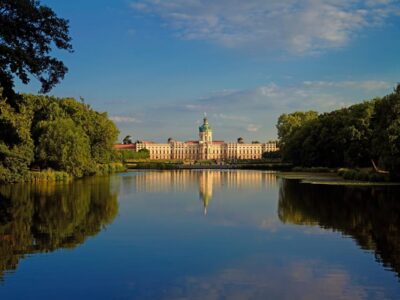 ★ 4.4Charlottenburg Palace Entry TicketFrom $222,076 reviews
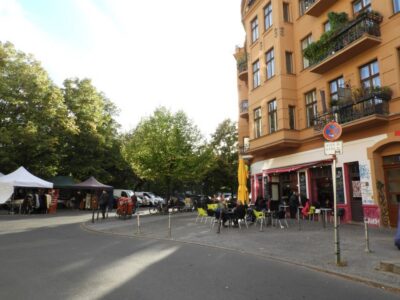 ★ 4.5Kreuzberg: Culinary Food TourFrom $589770 reviews
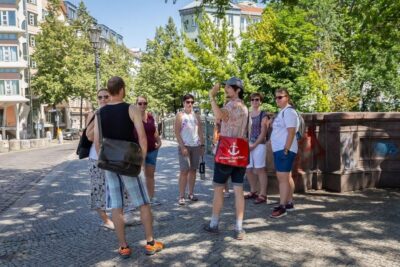 ★ 4.7Kreuzberg Guided Walking Evening TourFrom $27555 reviews
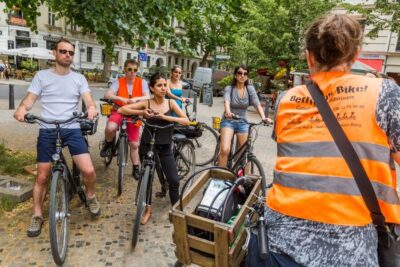 ★ 4.7Alternative Bike Tour of Kreuzberg & FriedrichshainFrom $41548 reviews
 ★ 4.92.5-Hour Walking Tour through Kreuzberg 61From $23525 reviews
 ★ 5.0Berlin Off-the-Beaten-Path Walking Tour: Kreuzberg, Mitte and FriedrichshainFrom $30412 reviews
 ★ 4.9Prenzlauer Berg District Guided Walking TourFrom $23316 reviews
 ★ 4.8Small Group Tour: “Wild Kreuzberg”From $24189 reviews
Browse the lists this tour appears in