
Tour review · SACHSENHAUSEN MEMORIAL TOURS
Never Again Sachsenhausen Concentration Camp
Sachsenhausen hits hard, even at 10 minutes in. This 4-hour trip pairs on-site walking with clear context, showing how the Nazis built a “model” system of control, then how the site was used again under later regimes. You get English-led commentary and time to move through parts of the camp on your own, which makes the experience feel real rather than like a scripted lecture.
Two things I really like: the way the guide keeps the focus on people and meaning, not just dates, and the built-in attention to how the past is used in the present. The tone is serious, but not cold, and it helps you leave informed rather than shattered.
One potential drawback: the framing has a progressive, feminist lens and it also connects the camp’s history to modern far-right trends. If you prefer a strictly neutral presentation, this may feel a bit too pointed.
Key Highlights You Should Know Before You Go
- Small group format (max 15 people) means you can hear the guide and ask questions.
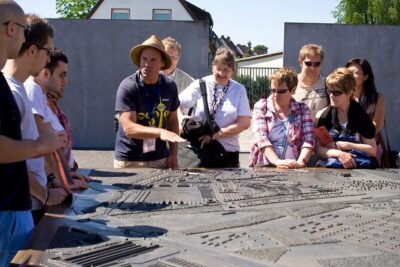
- Visitor center models + camp layout help you understand how control was engineered into the space.
- Autonomous walking through barracks, kitchen, and other areas lets the site sink in at your pace.
- Direct links to today include references to Holocaust denial attacks and the rise of the AfD.
- Infirmary focus covers racism, eugenics, and the abuse of women’s bodies and medical experimentation.
- Guide Siobhán’s tone is respectful and emotionally aware, with occasional lightness to keep you functioning.
More responsibly guided visits to Sachsenhausen Memorial
- Berlin: Sachsenhausen Concentration Camp Tour in English★ 5.0 · 5,711 reviews
- Berlin: Sachsenhausen Concentration Camp Memorial Tour★ 4.7 · 3,716 reviews
- Sachsenhausen Concentration Camp Bus Tour in English from Berlin★ 5.0 · 1,962 reviews
- Berlin: Sachsenhausen Concentration Camp Tour in English★ 4.8 · 1,889 reviews
How This 4-Hour Sachsenhausen Visit Really Feels
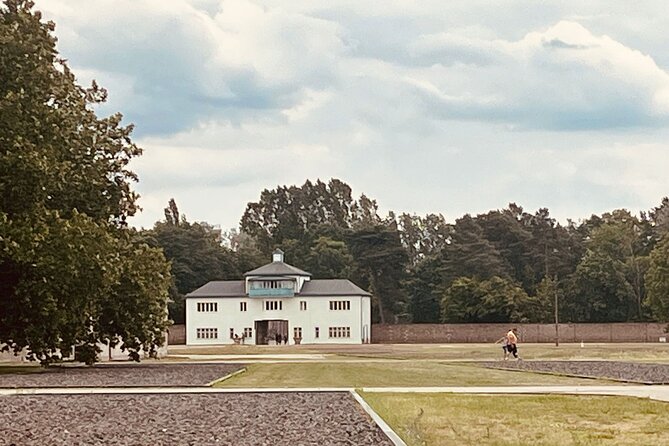
Sachsenhausen is one of those places where your brain knows it should be quiet, but your body still wants to rush ahead. This tour helps with that. It moves you through the memorial’s key areas without turning the visit into a speed-run of talking points. You also get enough guidance to understand what you’re looking at, then enough space to process it yourself.
Expect a moderate walking pace and time spent on-site. It is not a “sit and watch” outing. If you come expecting comfort, you will be disappointed. If you come expecting clarity and respect, you’ll likely feel glad you went.
The format also matters for value. At about $31.29, you’re paying for an in-person guide plus admission included (and a donation for the memorial). That’s a fair deal for a Berlin half-day with a real human explaining what the site means.
Starting Point at Potsdamer Platz: Easy to Reach, Simple to Find
You meet at Potsdamer Platz 10 (10785 Berlin). That’s a big deal in Berlin, because it’s not some far-flung stop that turns “quick meeting” into a mini adventure.
From there, the walk to the memorial’s visitor area is part of the flow. You get your bearings fast, and you don’t waste your tour time trying to figure out where you are headed. It also means you start the experience already in motion, which can help you mentally shift from city mode to memorial mode.
This tour ends back at the same meeting point. That keeps things clean. You can plan a meal afterward without needing to guess transport routes from a different part of town.
Visitors Center Models: How Control Gets Built Into the Layout
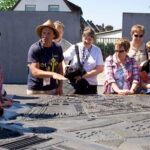
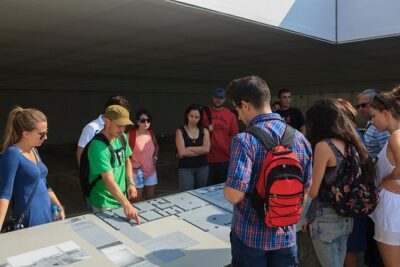
The first major stop is the Memorial and Museum Sachsenhausen visitor area. Here, you begin with something surprisingly useful: detailed models of the camp’s structures.
These models matter because Sachsenhausen is not just a collection of buildings. It’s a system. The physical layout was designed for control and the promotion of a twisted idea of superiority over prisoners. When you can see how the spaces relate to each other, the ruins and remaining structures make more sense. Your eye stops wandering aimlessly and starts noticing patterns.
In this same orientation phase, you also learn about the site’s later life. The former SS training camp became today’s Brandenburg police academy. That transformation is not just historical trivia. It shows how institutions can repurpose places of terror, and it raises an uncomfortable question: how does a society carry forward the past without flattening it?
The tour keeps this part grounded in explanation, which is exactly what you want at the start. Too many memorial visits throw you straight into the layout with no frame, and you end up walking around “feeling bad” without really understanding what you’re seeing.
Autonomous Exploration in the Camp Areas: Barracks and Kitchen
After the visitor center, you shift to autonomous exploration in key camp zones, including the prisoners’ barracks and the camp kitchen.
This is a good approach if you like to read the space with your own eyes. You’re not trapped behind the guide’s shoulder, but you’re also not left completely on your own. The earlier orientation helps you interpret what you find.
This section is also where you feel the tour’s emphasis on continuity. The camp is not treated as a sealed chapter. You learn about how Neo-nazis denying the Holocaust have launched attacks, and you also hear connections to the present, including the rise of the AfD, a German far-right group.
That can be heavy. But it’s also honest. Memorial sites can feel like time capsules, and denial movements make sure they are not. If you’re trying to understand why this matters today, this tour’s pacing supports that idea.
One consideration: autonomous time means your experience can vary depending on how comfortable you are reading historical sites. If you’re the type who needs a running commentary at every turn, you might wish there were slightly more guided time in each area. If you like thinking on your own, you’ll probably find the balance works.
- Berlin: Reichstag, Dome and Government District Guided Tour
★ 4.7 · 18,288 reviews - Berlin: 1-Hour City Tour by Boat with Guaranteed Seating
★ 4.3 · 16,993 reviews - Berlin: Boat Tour Along the River Spree
★ 4.4 · 11,252 reviews - Discover Berlin Half-Day Walking Tour
★ 5.0 · 9,624 reviews - Berlin: Hop-on Hop-off Bus Tour with Live Commentary
★ 4.3 · 8,579 reviews
The Infirmary Stop: Racism, Eugenics, and Medical Crimes
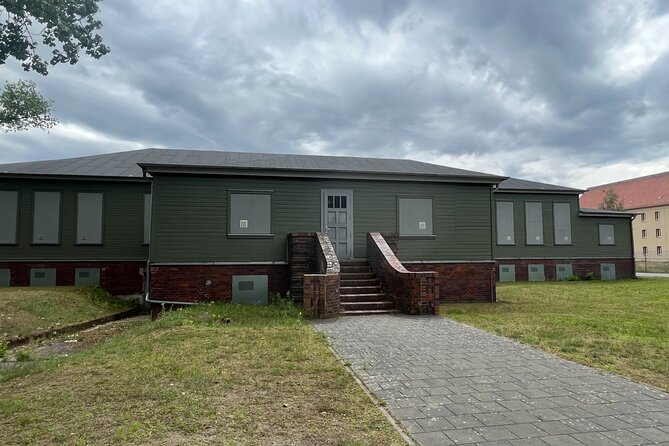
The most emotionally intense part of the tour centers on the infirmary. This is where the story shifts from confinement and control to exploitation through medicine.
You learn about racism, control over women’s bodies, and eugenics. The tour also connects these themes to a specific horror: prisoners treated as lab rats for the career advancement of Nazi doctors.
This part can be difficult in the way that real information is difficult. It’s not just that people suffered. It’s that the suffering was planned, justified, and carried out under systems that claimed authority. When a tour makes room for that, it doesn’t let you skim past the meaning.
If you’re someone who gets anxious in overwhelming places, go slow here. Your body will feel it. Give yourself a moment to stand back and read what’s offered, then move again. The guide’s tone is designed to keep you present, not overwhelmed into numbness.
Guide Style: Siobhán’s Respectful, Feminist Lens Without the Lecturing
The tour’s heart is the guide. In the feedback I saw, the name that came up again and again was Siobhán.
What people liked is not just that she was attentive, but how she communicated. The tour is described as not a dense, academic, scripted experience. Instead, it uses context and on-site explanation to help the history land in a way that feels human.
A standout theme is that her commentary is filtered through a progressive, feminist lens, including connections between past atrocities and the present. That lens is not presented like a shouting match. It’s woven into what you’re seeing.
The tone is also described as sensitive to the brutality, suffering, and loss of life. That respect matters, because Sachsenhausen is a place where disrespect feels wrong even in small ways. The guide reportedly keeps the group grounded, and at certain points manages a little levity, not to reduce the horror, but to prevent the visit from turning into emotional overload.
And yes, this matters for practical travel reasons too. If everyone in your group goes quiet and stuck in grief, nobody absorbs much. A guide who can hold respect and clarity helps you actually learn.
Price, Admission, and Why $31.29 Is Not a Bad Deal
Let’s talk value. At $31.29 per person for a 4-hour experience, this is priced for what you actually get: an in-person guide, admission ticket included, plus a donation for the memorial.
Memorial tours can get expensive when you’re paying mainly for transport or a large group. Here, the maximum group size of 15 keeps it more workable, and the tour includes the entry cost, so you are not surprised later.
What you do not get is also clear: no snacks, no bottled water, and you’ll need your own public transport ticket for ABC zone. That’s normal, but it means you should plan ahead if you tend to get hungry or thirsty during long walks.
Overall, I think the price makes sense for Berlin, especially if you want a small-group, English-led visit with a guide who connects the past to today instead of just repeating museum panels.
What to Bring and How to Pace Yourself
Since this is a half-day memorial visit, think practical first.
Wear shoes you can walk in for hours. Sachsenhausen is not about fashion. It’s about staying steady, especially when the information gets heavy and your attention tightens.
Bring water, even though bottled water is not included. Also consider a snack. The tour does not include those, and you don’t want your energy crash to steal focus from what you came to understand.
Also, mentally pace yourself. This is not the kind of visit where you should try to “finish strong” by pushing through every area quickly. If you feel yourself getting overwhelmed, step back and give yourself a few extra seconds to look, read, and absorb. You’ll retain more.
Who This Tour Is Best For
This tour is a strong fit if you want more than a basic history recap. You’ll probably appreciate it if you like:
- Context that connects then and now, including mention of Holocaust denial attacks and far-right trends
- A guide who uses a feminist, progressive lens to interpret what you’re seeing
- A visit that feels respectful and emotionally aware, not robotic
It might be less ideal if you strongly prefer a strictly neutral approach. The framing here is not hidden. Also, if you get very anxious in intense historical settings, you should go in expecting a difficult visit and plan accordingly.
For most people, though, the small group size, English commentary, and clear stop structure make it a good use of limited time in Berlin.
Should You Book Never Again Sachsenhausen Concentration Camp?
If you have only one chance to do Sachsenhausen thoughtfully, I would book this. The 4-hour length is enough to understand the site’s layout and key themes without turning it into a rushed checklist. The admission and memorial donation included makes it good value, and the English format with a named guide like Siobhán means you’re not stuck decoding everything on your own.
My main caution is about expectations. This is not a light museum outing, and it is not politically bland. If you can handle uncomfortable history and you’re open to connecting it to modern realities, you’ll likely leave with a clearer, tougher, more responsible understanding of why places like this matter.
If that’s the kind of learning you want, go.
FAQ
How long is the Sachsenhausen tour?
It runs for about 4 hours.
Is admission included in the price?
Yes. Admission is included, and there is also a donation for the memorial included.
What language is the tour offered in?
It is offered in English.
Where do I meet, and does the tour end nearby?
You meet at Potsdamer Platz 10, 10785 Berlin. The activity ends back at the same meeting point.
Do I need to buy snacks or water?
Snacks and bottled water are not included, so you’ll want to bring or buy your own.
Do I need a public transport ticket?
Yes. A public transport ticket (ABC zone) is not included.
Is there a cancellation window with a refund?
Yes. You can cancel up to 24 hours in advance for a full refund.
More Sachsenhausen Memorial Visits

More Tour Reviews in Berlin



Recently added around Berlin



Sachsenhausen Memorial Tours, compared.
 ★ 5.0Sachsenhausen Concentration Camp Tour in EnglishFrom $365,711 reviews
 ★ 4.7Sachsenhausen Concentration Camp Memorial TourFrom $213,716 reviews
 ★ 5.0Sachsenhausen Concentration Camp Bus Tour in English from BerlinFrom $681,962 reviews
★ 4.8Sachsenhausen Concentration Camp Tour in EnglishFrom $221,889 reviews
★ 5.0Sachsenhausen Concentration Camp Bus Tour in English from BerlinFrom $681,962 reviews
★ 4.8Sachsenhausen Concentration Camp Tour in EnglishFrom $221,889 reviews
 ★ 5.0Sachsenhausen Concentration Camp Memorial Tour (Max. 15 Guests)From $351,516 reviews
 ★ 4.6Sachsenhausen Concentration Camp and Potsdam TourFrom $651,334 reviews
 ★ 5.0Sachsenhausen concentration camp.From $341,189 reviews
 ★ 5.0Visita en español al campo de concentración SachsenhausenFrom $341,170 reviews
Browse the lists this tour appears in