
Tour review · BERLIN WALKING TOURS
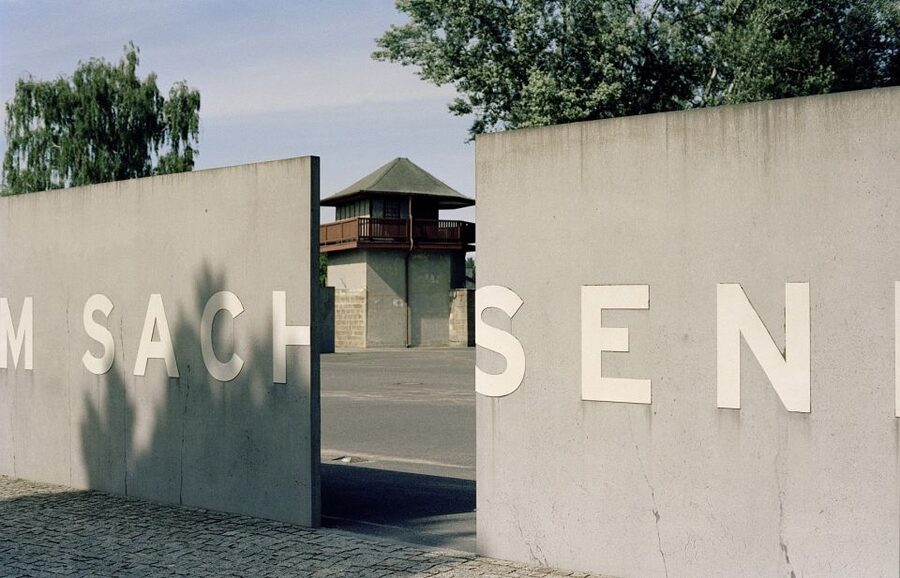
Sachsenhausen Memorial: Walking Tour from Berlin
Plan for heavy thoughts and clear facts. This Sachsenhausen Memorial walking tour from Berlin is interesting because you travel north to Oranienburg, then spend 3.5 hours inside the grounds as a guide connects design choices, Nazi policy, and survivor testimony. I like that the tour is guided and structured, hitting specific locations like Tower A and Station Z so you do not get lost in the layout. One consideration: it is a long, in-all-weathers walk with no lunch stop, and eating is not permitted on the memorial site.
You start with a quick Berlin briefing, then ride together by train before the real work begins at the memorial. If you like history explained with care, names, and timelines, this format works well. If you need lots of breaks or you hate strict start times, you should know the group moves promptly and you need to arrive early.
Key highlights to look for
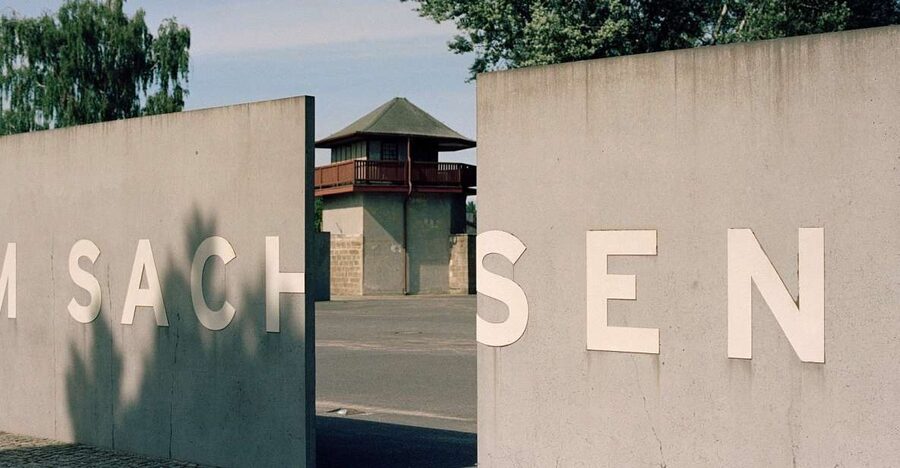
- A real guided walkthrough in key locations: Tower A, roll-call square, prison areas, the former kitchen museum, and Station Z
- A guide who explains the camp as a system: Nazi architecture and SS control, not just dates
- Practical, on-the-ground logistics: round-trip train from Berlin to Oranienburg with clear meeting and drop-off points
- No lunch stop, plan ahead: bring what you need for the train portions since food is not allowed at the memorial
- Languages you can choose: live guiding is offered in French, Italian, and English, with Italian or Spanish also listed depending on option
Berlin on foot, with a few more routes worth comparing
- Discover Berlin Half-Day Walking Tour★ 5.0 · 9,624 reviews
- Berlin: Third Reich and Cold War 2 Hour Walking Tour★ 4.9 · 6,830 reviews
- Berlin: Discover Berlin Walking Tour★ 4.9 · 5,998 reviews
- Berlin’s Best: 2 Hour Walking Tour Third Reich and the Cold War★ 5.0 · 5,486 reviews
Why Sachsenhausen Is the Berlin Camp You Cannot Skip
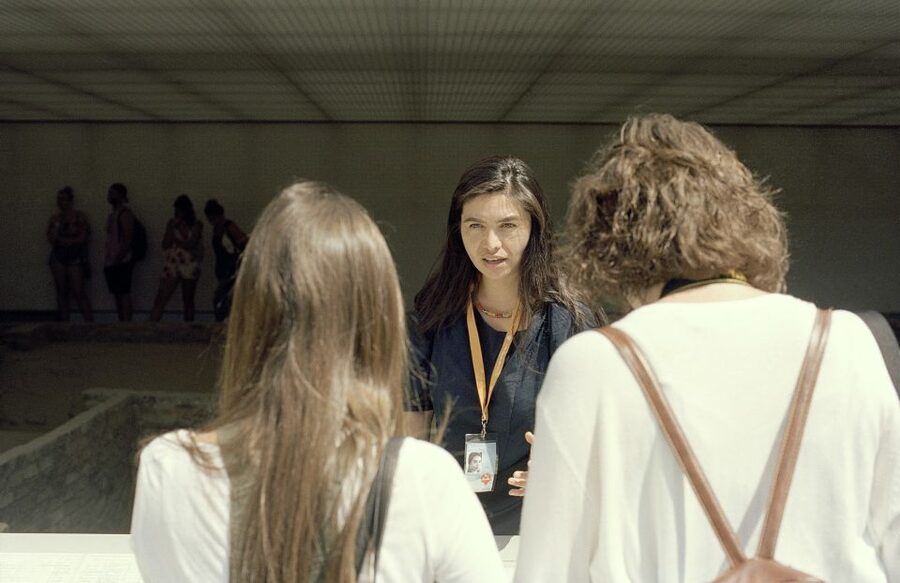
Sachsenhausen sits just a few kilometers north of Berlin, close enough that the Nazi heartland did not feel distant. Built in 1936, it became an early template for how the regime ran concentration camps, and the story follows that pattern as the prisoner population expanded. You learn about political prisoners first, then Sinti and Roma, Jews, prisoners of war, and Jehovah’s Witnesses.
What makes the visit meaningful is the way the tour treats the site as a working machine. This is not only about suffering in general terms. The guide focuses on how space, routines, and punishment were engineered to break people and enforce SS authority.
And yes, it is unsettling. That is the point. The aim is understanding, not shock value.
From Berlin to Oranienburg: The S-Bahn Part That Sets the Tone
The day starts in Berlin, with pickup or meeting points that vary by option. You then move as a group by train toward Oranienburg, the nearest station to the memorial area, about 35 km north of Berlin.
Why I think this transport segment is more than just getting there: it helps you arrive already oriented. The tour includes a short guided moment in Berlin and another brief guided portion around Oranienburg before you reach the memorial grounds. That means you do not just step into a complicated site with no map in your head.
One detail worth your attention is timing. The group most likely takes the train departing about 5 minutes after the official start time of the tour. The guide begins promptly and the group cannot wait for late arrivals. If you are even a little unsure, show up early. On a day like this, stress is the last thing you need.
The Short Berlin Briefing and the Oranienburg Approach
You get a short guided piece in Berlin, then a second guided touchpoint when you reach Oranienburg. Those segments are brief, but they matter because they prepare you for what you will actually see.
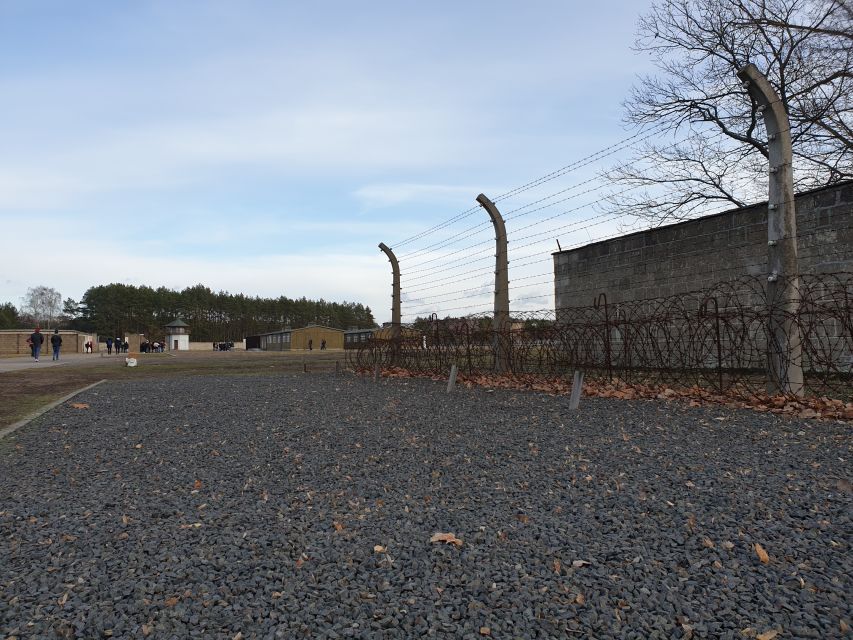
At Sachsenhausen, you cannot rely on obvious signage alone. The camp layout includes key nodes that explain how power moved through space: observation points, assembly zones, punishment and confinement areas, and the parts of the system connected to death. The approach segments help you connect the geography to the story instead of treating the grounds like a museum of ruins.
This is also where your guide sets expectations about how the day will flow. The camp visit itself is designed as a walking route, and you should plan to keep moving.
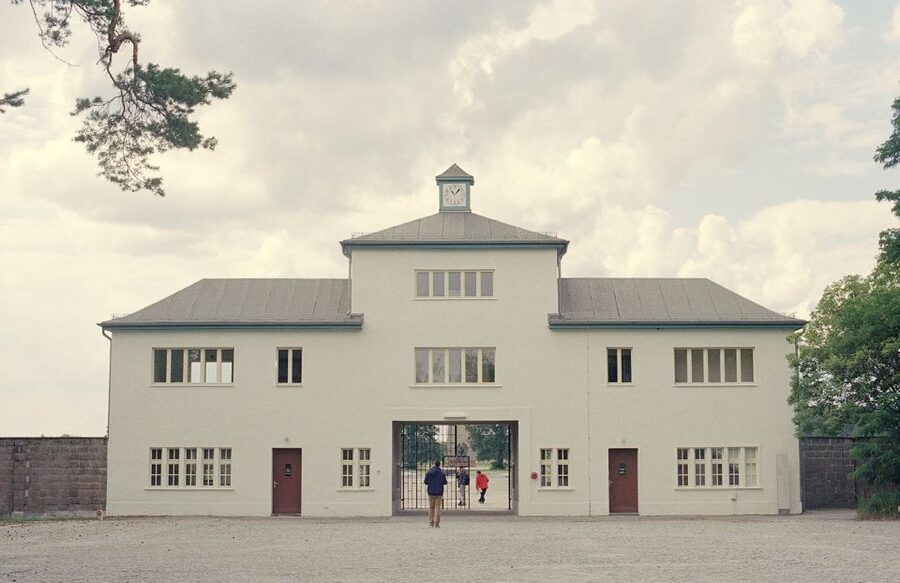
Inside the Memorial: Tower A, Roll-Call Square, and Station Z
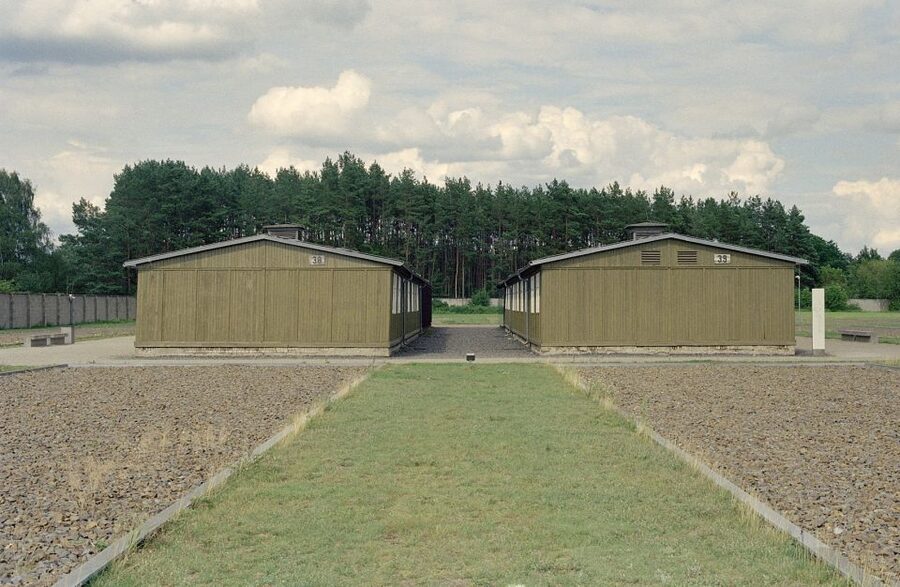
The heart of the tour is the 3-hour walking tour through the former camp, with the total memorial time running about 3.5 hours. Your certified guide leads you through the most important places, and the selection is smart. It follows the logic of daily control and then turns toward the machinery of extermination.
Here are the standout stops you will cover:
- Tower A and the roll-call square: These areas explain surveillance and how authority was made visible. The design encourages prisoners to understand they were always being watched and evaluated.
- Forced labor and punishment zones: The guide explains how labor was used as exploitation, and how punishments reinforced the hierarchy.
- Prison barracks and medical experimentation rooms: You learn that brutality was not only external. It was built into the system, including pseudo-scientific abuse in the medical spaces.
- The former kitchen, now a museum: This stop helps you understand daily life and the way even basic routine and food access were controlled.
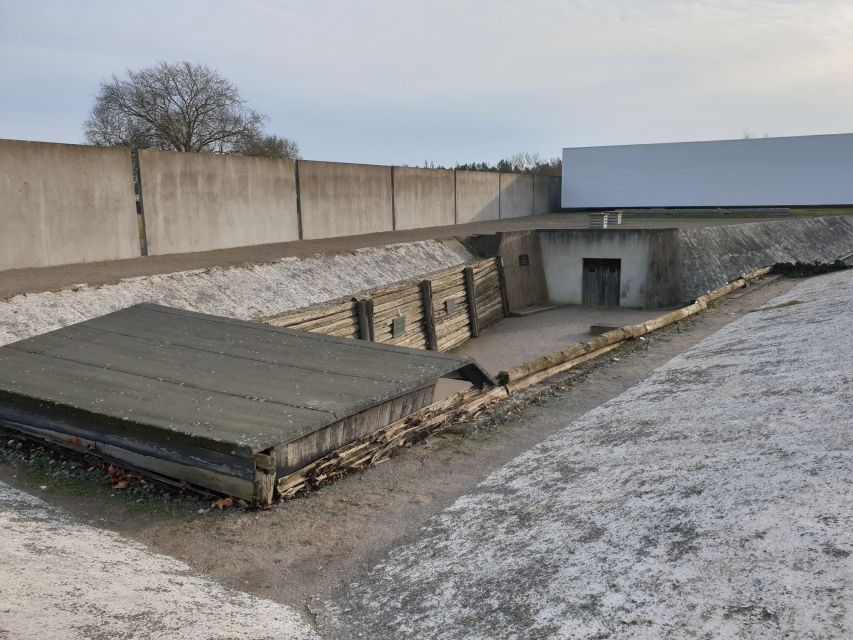
- Station Z: This is where the tour focuses on the crematorium and the gas chamber that once existed on site. It is the part of the narrative that forces you to confront what the camp system was ultimately designed to do.
I also like that the guide does not treat these stops as disconnected facts. The route is meant to connect them, so you understand the camp as a system that trained SS staff, processed prisoners, and then moved people through the machinery of terror.
More responsibly guided visits to Sachsenhausen Memorial
- Berlin: Sachsenhausen Concentration Camp Tour in English
★ 5.0 · 5,711 reviews - Berlin: Sachsenhausen Concentration Camp Memorial Tour
★ 4.7 · 3,716 reviews - Sachsenhausen Concentration Camp Bus Tour in English from Berlin
★ 5.0 · 1,962 reviews - Berlin: Sachsenhausen Concentration Camp Tour in English
★ 4.8 · 1,889 reviews - Sachsenhausen Concentration Camp Memorial Tour (Max. 15 Guests)
★ 5.0 · 1,516 reviews
Architecture as a Weapon: Forced Labor, Prison, and SS Control
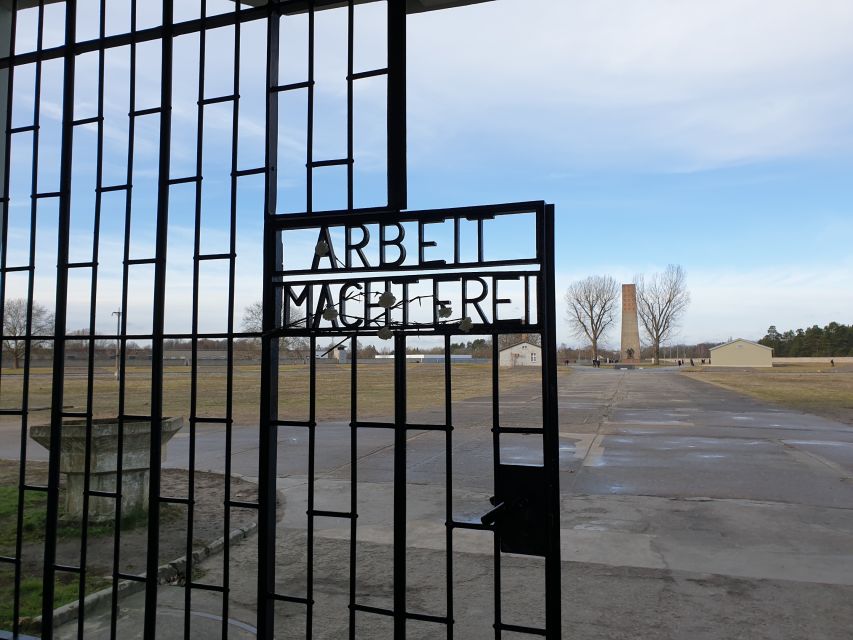
Sachsenhausen was not just where people were locked up. It was deliberately designed by Nazi architects to enforce total subjugation to SS authority. The tour makes that concrete by tying architectural choices to control.
You learn how physical space functioned as a tool:
- prisoners were moved and assembled in ways that reduced individual agency
- observation and routine were used to intimidate and regulate behavior
- punishment and confinement were integrated into the camp’s everyday structure
That kind of explanation is one of the most valued parts of the experience. Guides such as Fabio, Lorenzo, Andrea, Soleil, and Sueli come up in the provided feedback, often praised for clear timelines and for speaking with empathy when discussing an extremely sensitive subject. The effect is practical: you come away understanding how power operated, not only that people suffered.
This is also where you will hear about attempts at resistance and about the death marches at the end of the war. The guide covers daily life, but it never loses sight of the larger system running underneath it.
After the Nazis: Soviet Use, Propaganda, and Industry’s Role
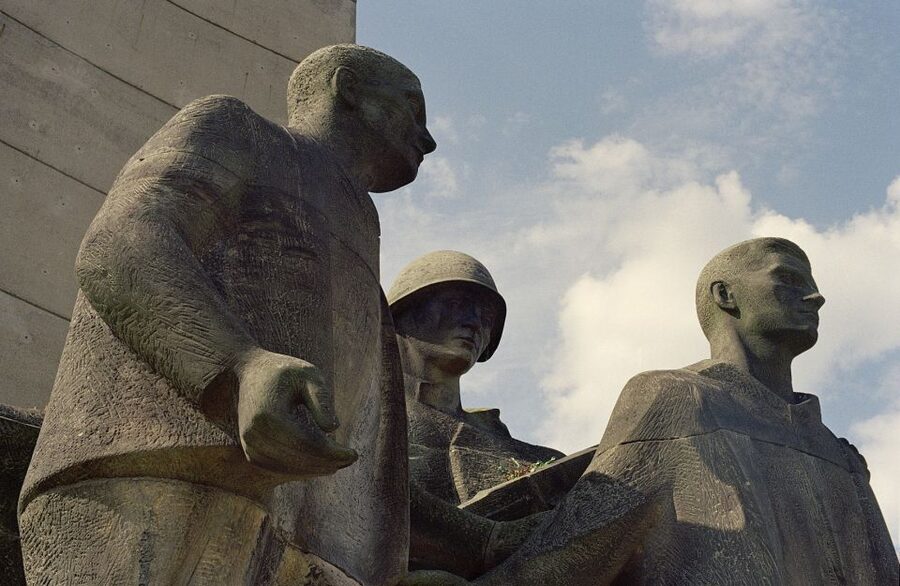
The story does not end with Nazi collapse. Under Soviet occupation after World War II, Sachsenhausen continued to operate as a special camp. The tour explains that thousands were detained there, including former Nazis, political opponents, and civilians. Many died of hunger and disease.
You also get historical context beyond the fence line of the camp. The guide sheds light on:
- the way camps were portrayed in Nazi propaganda
- the wider system of exploitation and extermination across Nazi Europe
- the role of private industry in supporting this brutal machinery
- Sachsenhausen’s function as a training center for SS guards
I find this broader framing useful because it prevents the visit from becoming a single-site story with a neat ending. Instead, you see the camp as part of a network and a method.
Time on Your Feet, What to Pack, and How Not to Miss the Train
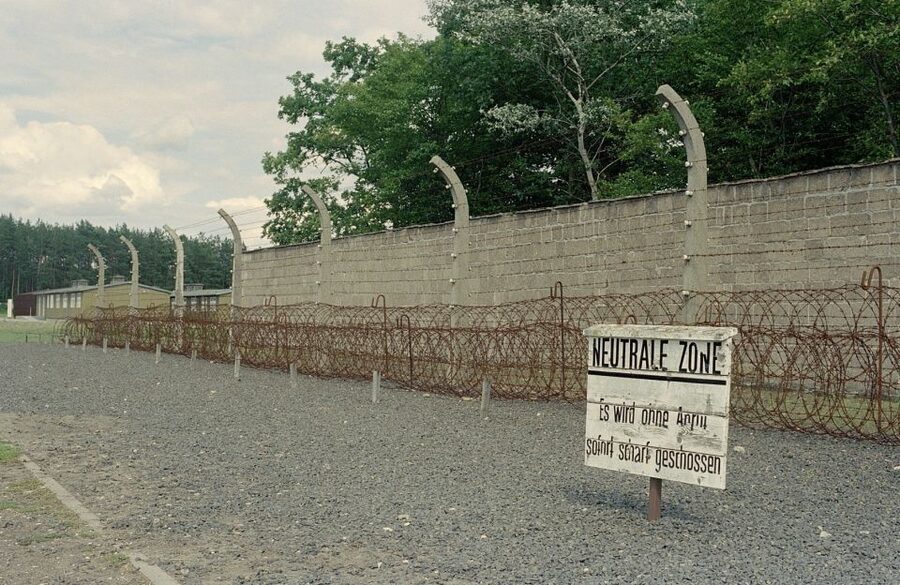
This is a 6-hour outing with a walking-heavy format. The memorial tour itself is substantial, and the rest of the day includes train time and short guided portions around Berlin and Oranienburg.
Bring:
- comfortable shoes (seriously, do not plan to tough it out in fashion footwear)
- food and drinks (with the caveat below)
- your public transport ticket for Berlin zones ABC
Plan for food rules:
- eating is not permitted on the memorial site
- there is no lunch stop during the whole activity
- it is recommended that you bring your own lunch for the train journey
Dress for all weathers. The visit runs regardless of rain or cold, so bring layers. Also note what is not allowed: smoking, alcohol and drugs, and nudity.
One more practical tip: if you want an easier start to the day, arrive at least 15 minutes before the scheduled time. Since the train may depart shortly after the official start, being late does not just mean waiting, it can mean you miss the planned departure and start the day behind.
Price and Value: What $511 Per Group Really Covers
The price is listed as $511 per group up to 6. That pricing makes sense when you think about what you are actually buying.
You are not just paying for entry to a memorial. You are paying for:
- a guided route through specific camp locations
- a trained, certified guide explaining architecture, policy, and testimony
- group travel coordination from Berlin to Oranienburg and back
- a full half-day format with a planned order of stops so you do not spend the time guessing
What is not included is important for budgeting:
- ABC public transport tickets in Berlin
- the mandatory €3 memorial donation, paid in cash at the meeting point
Also, there is no lunch stop. So you will likely spend a bit on food for the train portions, even if you bring your own.
If you are traveling with a small group, private-group pricing can feel like a bargain compared with booking multiple separate tours. If you are traveling solo or in a large group that does not match the private-group limit, you may want to check which option fits your situation best.
Who This Sachsenhausen Tour Fits Best
This tour is a strong match if:
- you want an on-the-ground explanation of how the camp system worked
- you care about learning the site through specific locations, not generic history
- you prefer a guide who connects architecture and control to the human consequences
It is less ideal if:
- you cannot handle long walking days or heavy subject matter
- you are counting on a lunch stop or flexible start time
- you want a casual, low-structure sightseeing vibe
Should You Book This Sachsenhausen Memorial Walking Tour?
Book it if you want a serious, guided visit that explains Sachsenhausen as a system, from Tower A and the roll-call square to Station Z, and then into the postwar reality. The strongest value here is the structure: you leave with a clearer mental map of how oppression was planned and enforced, and you understand the wider context, including propaganda and the camp system beyond the site.
Skip or reconsider if you hate rigid timing, you struggle with long walks, or you are not prepared for an emotionally difficult topic. This is not a light day trip. It is an educational walk through a site that was designed to terrorize.
If you want a guided format that helps you make sense of what you are seeing, this one is worth your time.
FAQ
Where does the tour start and where do you get dropped off?
Meeting point varies depending on the option booked. The drop-off locations are Potsdamer Platz 10 and Friedrichstraße 141, 10117 Berlin.
How do you travel from Berlin to the memorial?
You travel together by train, using the S-Bahn to reach Oranienburg, which is about 35 km from Berlin.
How long is the visit at Sachsenhausen Memorial?
The guided walking tour through the memorial and museum lasts about 3 hours, with total memorial time described as about 3.5 hours.
What languages are available for the guide?
Live guide languages listed include French, Italian, and English. Italian or Spanish is also mentioned for the guide in some cases.
Is the public transport ticket included?
No. You need to buy an ABC public transport ticket for Berlin.
Do I need to pay a memorial donation?
Yes. All participants must pay a €3 donation in cash at the meeting point, and the full amount is donated to the Sachsenhausen Concentration Camp Memorial.
Is there a lunch stop during the tour?
No. There is no lunch stop, and eating is not permitted on the memorial site. It is recommended you bring your own lunch for the train journey.
What should I bring?
Bring comfortable shoes, food and drinks, and your public transport ticket.
What is not allowed during the activity?
Smoking, alcohol and drugs, and nudity are not allowed.
Can I cancel if my plans change?
Yes, you can cancel up to 24 hours in advance for a full refund.
More Sachsenhausen Memorial Visits

Keep Walking Berlin


More Tour Reviews in Berlin

Recently added around Berlin

Berlin Walking Tours, compared.
 ★ 5.0Discover Berlin Half-Day Walking TourFrom $249,624 reviews
 ★ 4.9Third Reich and Cold War 2 Hour Walking TourFrom $236,830 reviews
 ★ 4.9Discover Berlin Walking TourFrom $235,998 reviews
 ★ 5.0Berlin’s Best: 2 Hour Walking Tour Third Reich and the Cold WarFrom $245,486 reviews
 ★ 4.8Hidden Backyards Guided Walking TourFrom $235,360 reviews
 ★ 5.0Third Reich Berlin: Hitler and WWII Walking TourFrom $243,301 reviews
 ★ 4.6Alternative Berlin Walking TourFrom $291,204 reviews
 ★ 4.9Third Reich, Hitler, and WWII Walking TourFrom $201,133 reviews
Browse the lists this tour appears in