
Tour review · SACHSENHAUSEN MEMORIAL TOURS
The Memorial Tour: Visit to Sachsenhausen Concentration Camp (licensed guide)
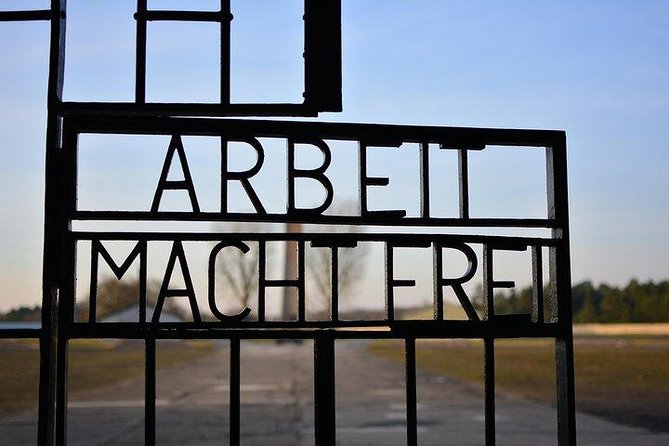
A hard history lesson can be practical, too. This licensed Sachsenhausen Memorial tour from Berlin focuses on what you see on site, using a guide to connect the buildings to the machinery of the Third Reich. I especially like the small group size, which makes it easier to ask questions and slow down at the most important places.
Another thing I like is the clear hit list of original areas, from Tower A through the execution space, so you do not just wander. One consideration: this is a somber, heavy walk, and you should plan on several hours of standing and walking, plus extra travel time outside the camp itself.
Key takeaways before you go
- Licensed guide context: you are not left to guess what each surviving structure is telling you
- Original camp layout stops: Tower A, roll-call area, SS and Gestapo prison areas, and barracks blocks are built into the route
- Execution facility, Station Z: a purpose-built site that makes the system feel disturbingly organized
- Pathology, infirmary, and mortuary spaces: you will see the related buildings tied to death and suffering
- Former camp kitchen exhibition: you get museum explanations in a setting that feels starkly real
- Max 15 people: more attention from the guide, fewer distractions in intense spaces
More responsibly guided visits to Sachsenhausen Memorial
- Berlin: Sachsenhausen Concentration Camp Tour in English★ 5.0 · 5,711 reviews
- Berlin: Sachsenhausen Concentration Camp Memorial Tour★ 4.7 · 3,716 reviews
- Sachsenhausen Concentration Camp Bus Tour in English from Berlin★ 5.0 · 1,962 reviews
- Berlin: Sachsenhausen Concentration Camp Tour in English★ 4.8 · 1,889 reviews
Sachsenhausen Hits Different When You Go With a Licensed Guide
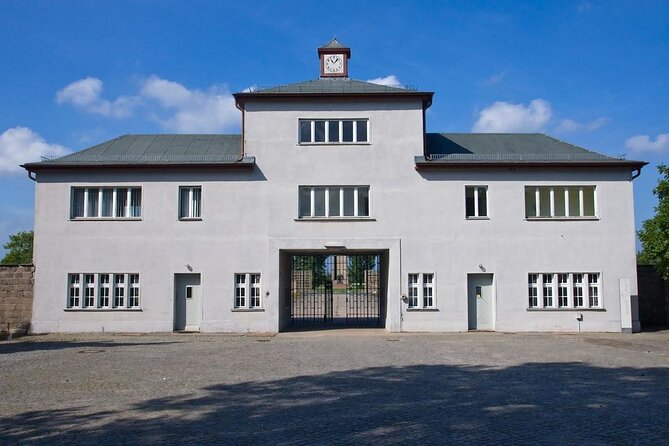
If you want the Sachsenhausen concentration camp memorial to make sense, you need more than photos and plaques. A licensed guide helps you connect the dots between the Third Reich era and how concentration camps functioned as places of control, punishment, and imprisonment. Instead of treating the site like a checklist, the tour approach turns the buildings into a clear story you can actually follow.
I also like that the route is built around the most impactful surviving features. You are not just buying access to a memorial and hoping you pick the right spots. You get a focused walk through the main camp compound, the prison areas, and the execution-related area, with commentary that keeps you oriented.
There is a human side to this, too. The tour runs with a maximum of 15 people, so you are less likely to feel swallowed up by a crowd in a place that already pulls at your emotions.
Getting From Berlin to Oranienburg and Back Without Losing Your Day
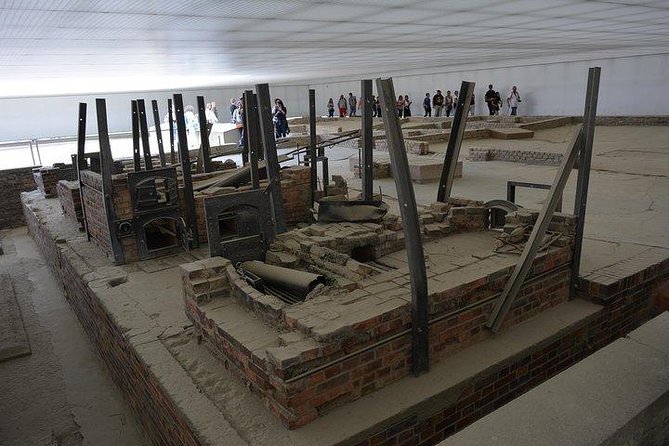
The memorial is located about 30 km north of Berlin, in the Oranienburg area. Your tour starts at 10:00 am in central Berlin, and you return to the same meeting point at the end.
Plan for a full half-day rhythm: travel time out of the city, a main block of time inside the memorial, and the trip back. This is one of those days where you will feel glad the tour is organized, because the site itself is not something you want to figure out under time pressure.
Meeting point tip: plan to arrive a few minutes early. The start point is Birchys Berlin Tours at Ebertstraße 24 (outside Hopfingerbrau), next to the Brandenburg Gate area. Since you are leaving together, punctuality matters more than usual.
Also, bring the practical stuff. Expect changing weather and wind, and wear shoes you trust. Even if the walking is not constant, you will still spend significant time on your feet around the grounds.
What the Small Group Format Changes Inside the Camp
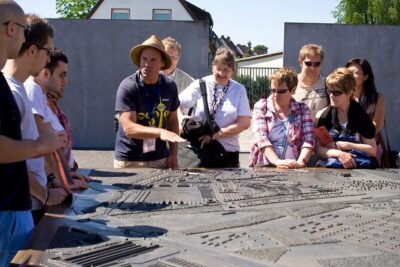
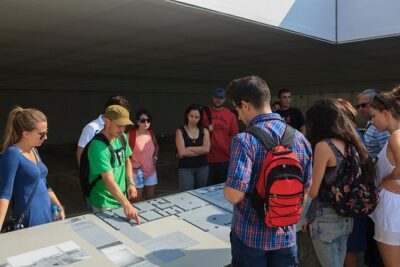
A group of up to 15 may not sound dramatic on paper, but it matters in practice. In intense places like Sachsenhausen, you want your guide close enough that you can hear explanations clearly and ask questions without feeling rushed. Here, the pacing is steadier because the guide can manage attention in a smaller cluster.
That also shows up in the way people tend to talk about the tour experience: many guides here are praised for staying engaged, answering questions, and adjusting on the fly if someone needs a bit of time to regroup. Names that come up in past groups include Paul, Aaron, and Stephen, and the consistent theme is not just facts, but how they share them with care.
If you want history without feeling like you are sitting in a lecture, a small group is a big part of the value.
Tower A, the Roll-Call Area, and Entering the Main Camp Compound
The core of your visit centers on the main camp compound and the areas that define daily life inside Sachsenhausen. The tour begins at the memorial site with stops designed to help you understand structure first, then meaning.
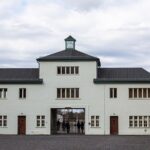
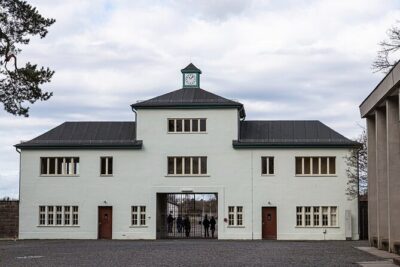
Tower A is your first major landmark. It is the entrance feature into the main compound area, and it helps you grasp how the camp was physically arranged for visibility and control. Even if you already know the name of Sachsenhausen, seeing this from the inside edge of the layout helps it become real.
From there, you will move to the roll-call area. This is one of the spaces where the system becomes tangible. Roll-call areas were built for routine, inspection, and forced order, and the guide’s job here is to explain why this kind of daily structure mattered to the Third Reich’s camp system.
One practical note: spend a moment before you take pictures. In places like these, it is easy to get photo-focused. If you can, let the guide get you oriented first, then capture what you need.
Other tours with a local leading the way
- Berlin: Reichstag, Dome and Government District Guided Tour
★ 4.7 · 18,288 reviews - Berlin: Government District around the Reichstag Guided Tour
★ 4.7 · 8,447 reviews - Berlin: Hidden Backyards Guided Walking Tour
★ 4.8 · 5,360 reviews - Berlin: 1-Hour Boat Tour with Bilingual Live Guide
★ 4.7 · 3,629 reviews - Berlin: Sights and Highlights Bike Tour with a Local Guide
★ 4.8 · 2,698 reviews
The Pathology Building, Infirmary Spaces, and Mortuary Areas
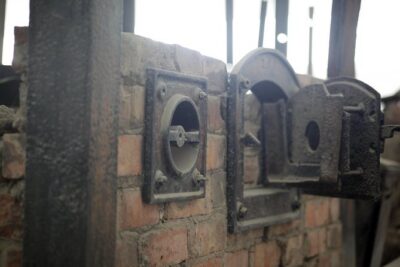
Next comes a cluster of buildings tied to illness, medical services, and death-related spaces. You will see the Pathology Building, infirmary buildings, and the mortuary cellar.
This part can feel particularly hard because it shifts from the visible layout of confinement to the reality of what prisoners faced physically. The value of a guided visit here is context: you are not just walking past rooms and corridors, you are learning how these facilities fit into the camp’s overall function.
Because the tour is structured, the guide can help you process what you are looking at without turning it into a blur. I like that the route includes these elements, even though they are uncomfortable. You get a fuller picture of the system, not just the administrative or outdoor markers.
Station Z and the Camp’s Execution Facility
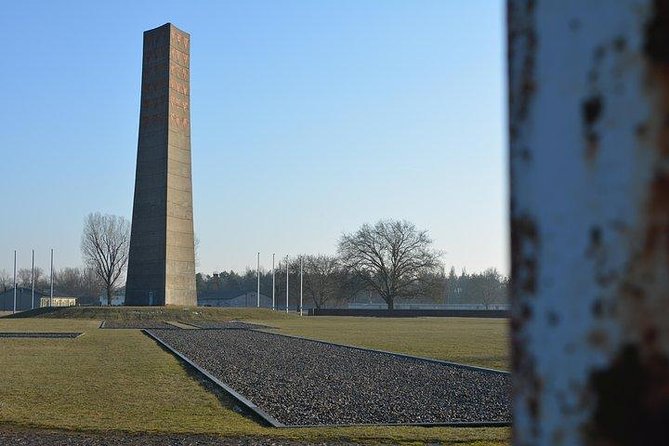
One of the most sobering stops is Station Z, described as a purpose-built execution facility. Even if you come in knowing the basics, seeing an execution-related space with purpose-built design is a jolt. It makes the violence feel organized rather than random.
This is also where you will likely want to slow down. A good guide will explain what you are looking at and why it belongs in the broader story of the camp system. If you have questions, this is a good moment to ask, because the guide can point to features in the environment while answering you.
If you are sensitive to graphic or emotionally intense topics, this is the section where you might need extra breathing space. The tour pacing helps, but you should still plan to take quiet pauses.
Former Camp Kitchen Exhibition and Museum Explanations in Context
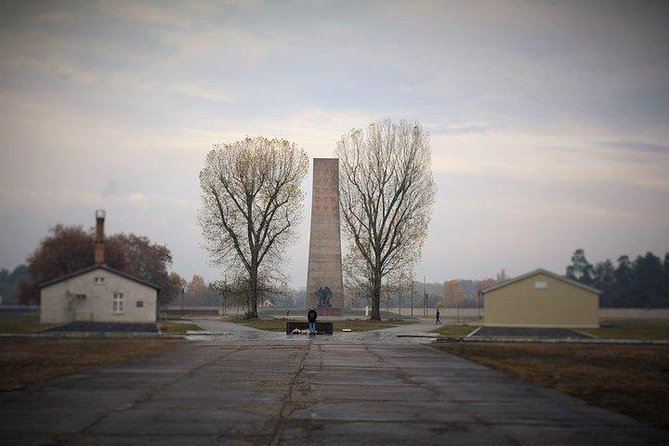
After the more difficult spaces, the tour moves into the exhibition in the former camp kitchen. Having the museum elements in an original setting changes how explanations land. The walls feel less like a neutral gallery and more like part of the camp’s lived environment.
I like this stop because it breaks up the walk while still staying grounded. Instead of only moving from one grim building to another, you get structured interpretive material. That makes it easier to remember key points later, because the guide ties the exhibit to what you just saw.
If you are the kind of traveler who reads quickly and moves on, allow yourself a little extra time here. The payoff is that the exhibit helps turn the earlier stops into a coherent mental map.
SS and Gestapo Prison Spaces and the Prisoner Barrack Block
The tour also includes SS and Gestapo prison areas, plus the former prisoner barrack block. These stops add a layer of clarity on who held power inside the camp and how prisoners experienced confinement day to day.
The SS and Gestapo prison areas matter because they represent the coercive force of the regime. Seeing those spaces on a route with explanation makes it easier to understand the difference between the camp as a physical place and the camp as an instrument of repression.
Then the prisoner barracks block brings you back to the scale of imprisonment itself. Barracks are not just “a building.” They are where people endured overcrowding, routine, and deprivation. A guided route is useful here because it helps you interpret the layout, what survived, and what it signals about how prisoners were processed and held.
If you are traveling with anyone who wants to skip the hardest parts, this is where you will need to agree in advance about pacing. This part is central to understanding Sachsenhausen.
Time on the Ground: What Five Hours Feels Like
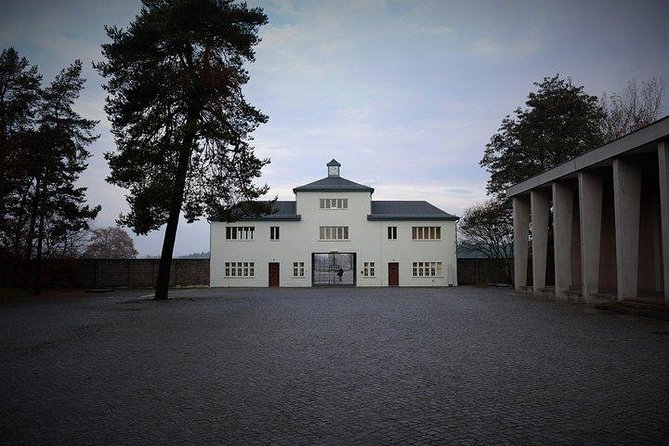
You are looking at about 5 hours total. Inside the memorial, you spend around 3 hours, and admission is included for that core visit.
Outside the memorial time, you have the travel between Berlin and Oranienburg and the movement through the day. This is why the tour is a helpful way to manage your time. You can plan a single, structured outing instead of juggling transit, ticketing, and a self-guided route through multiple zones.
One pacing tip: do not pack your schedule tightly after the tour. Even if you feel fine in the moment, it can take time for your brain to decompress after a concentration camp visit. Give yourself space for a quiet meal and an early evening.
Price and Value: Why $41.12 Can Make Sense for This Day
At $41.12 per person, this is not a luxury tour, but it is also not just an entrance ticket. You are paying for a guided route through the most important surviving sections, plus the planning that reduces friction.
Here is what you get for that price:
- A licensed guide in English
- Access and entry ticket included for the memorial portion
- A route that hits specific structures, including Tower A, Station Z, and prison areas
- A small group experience with room for questions
What is not included:
- You may need an ABC ticket if you do not already have a travel pass, and guides can help with this (listed as €4.70 per person)
- Bus fare is not included
- Food and drinks are not included
So the real value question is this: do you want the memorial to become a coherent story or a list of places? If you care about understanding what you are seeing, the guided format is what justifies the cost.
Logistics That Matter: Tickets, Transit, and What to Bring
You will receive a confirmation at booking, and the tour uses a mobile ticket. The memorial day is also described as near public transportation, which helps a lot.
Transit-wise, you should assume you will need public transport tickets unless you already have a pass. If you do not have one, the guide team can assist you with the ABC ticket you need, listed at €4.70 per person. Bus fare is not included, so plan for at least some spending beyond the tour price.
What to bring is simple but important:
- Comfortable walking shoes for a few hours on your feet
- A light layer, because weather can shift quickly
- A water bottle or plan for buying something after, since food and drinks are not included
And if you like having animals with you: pets are allowed.
Who This Tour Is For, and Who Might Want to Reconsider
This is a strong fit if:
- You want a clear, guided route through Sachsenhausen’s key sites rather than a self-guided wander
- You appreciate small group attention and space for questions
- You want an English tour with context on the Third Reich’s use of concentration camps
It may be less ideal if:
- You struggle with long periods of walking and emotional heaviness
- You prefer a very minimal itinerary where you choose every stop yourself
The tour is also described as accessible for people with limited mobility, which is a big plus. It is still a memorial site, so you should expect you will move between areas.
Should You Book This Sachsenhausen Memorial Tour?
I think this one is worth it if you want understanding, not just access. The combination of licensed guidance, a route through Tower A, roll-call area, Station Z, SS and Gestapo prison spaces, and barracks, and the small group size makes it feel like a real guided learning experience. At $41.12 with entry included for the memorial portion, it is also a reasonable value for a structured half-day in Berlin.
Book it if you can handle a somber, thought-provoking visit and you are ready for walking. If you are short on time or you do not want to research your way through the site, this is the easiest path to a coherent, respectful visit.
FAQ
What is the duration of the Sachsenhausen memorial tour?
The tour is listed at approximately 5 hours.
Where does the tour start, and where does it end?
It starts at Birchys Berlin Tours, Ebertstraße 24, 10117 Berlin, meeting outside Hopfingerbrau next to the Brandenburg Gate area, and it ends back at the same meeting point.
What time does the tour begin?
The start time is 10:00 am.
Is the tour offered in English?
Yes, it is offered in English.
Is admission to the memorial included in the price?
Admission ticket is included for the 3-hour memorial visit.
Do I need an ABC ticket for transit?
If you do not already have a travel pass, an ABC ticket is required. Guides can help, and it is listed as €4.70 per person.
Is food or drinks included?
No. Food and drinks are not included.
How large is the group?
The tour has a maximum of 15 travelers.
Is the tour accessible for limited mobility?
The tour is described as accessible for those with limited mobility.
Can I cancel for a full refund?
Free cancellation is available. You can cancel up to 24 hours in advance of the experience for a full refund.
More Tours in Berlin



More Sachsenhausen Memorial Visits

More Tour Reviews in Berlin
Recently added around Berlin


Sachsenhausen Memorial Tours, compared.
 ★ 5.0Sachsenhausen Concentration Camp Tour in EnglishFrom $365,711 reviews
 ★ 4.7Sachsenhausen Concentration Camp Memorial TourFrom $213,716 reviews
 ★ 5.0Sachsenhausen Concentration Camp Bus Tour in English from BerlinFrom $681,962 reviews
★ 4.8Sachsenhausen Concentration Camp Tour in EnglishFrom $221,889 reviews
★ 5.0Sachsenhausen Concentration Camp Bus Tour in English from BerlinFrom $681,962 reviews
★ 4.8Sachsenhausen Concentration Camp Tour in EnglishFrom $221,889 reviews
 ★ 5.0Sachsenhausen Concentration Camp Memorial Tour (Max. 15 Guests)From $351,516 reviews
 ★ 4.6Sachsenhausen Concentration Camp and Potsdam TourFrom $651,334 reviews
 ★ 5.0Sachsenhausen concentration camp.From $341,189 reviews
 ★ 5.0Visita en español al campo de concentración SachsenhausenFrom $341,170 reviews
Browse the lists this tour appears in